17 Combat Techniques That Became Popular Sports
Throughout history, humans have always found ways to turn necessity into entertainment. What started as life-or-death skills on ancient battlefields eventually transformed into the sports we cheer for today. From Olympic events to weekend hobbies, many of our favorite athletic competitions have surprisingly violent origins.
The transition from battlefield to playing field wasn’t always smooth or obvious. Here’s a list of 17 combat techniques that evolved into the popular sports we know and love today.
Boxing

Ancient warriors used their fists long before gloves existed — bare-knuckle fighting was crucial when weapons broke or got lost in battle. Greek and Roman soldiers practiced pugilism to stay sharp between conflicts, though the stakes were considerably higher than today’s matches.
Modern boxing maintains that raw intensity, just with better safety equipment and judges instead of mortality as the deciding factor.
Wrestling

Grappling techniques became essential when soldiers found themselves weapon-less and face-to-face with enemies. Ancient armies trained extensively in wrestling since battles often devolved into close-quarters combat where throwing your opponent meant survival.
Today’s wrestling competitions preserve these fundamental human movement patterns, minus the fatal consequences.
Like Go2Tutors’s content? Follow us on MSN.
Fencing

Swordplay was the gentleman’s art of war for centuries — European nobility spent years mastering blade work while commoners learned more basic techniques. Dueling settled disputes and demonstrated honor, making sword fighting both a combat skill and social necessity.
Competitive fencing today uses the same precise footwork and timing that once determined who lived to see another sunrise.
Archery
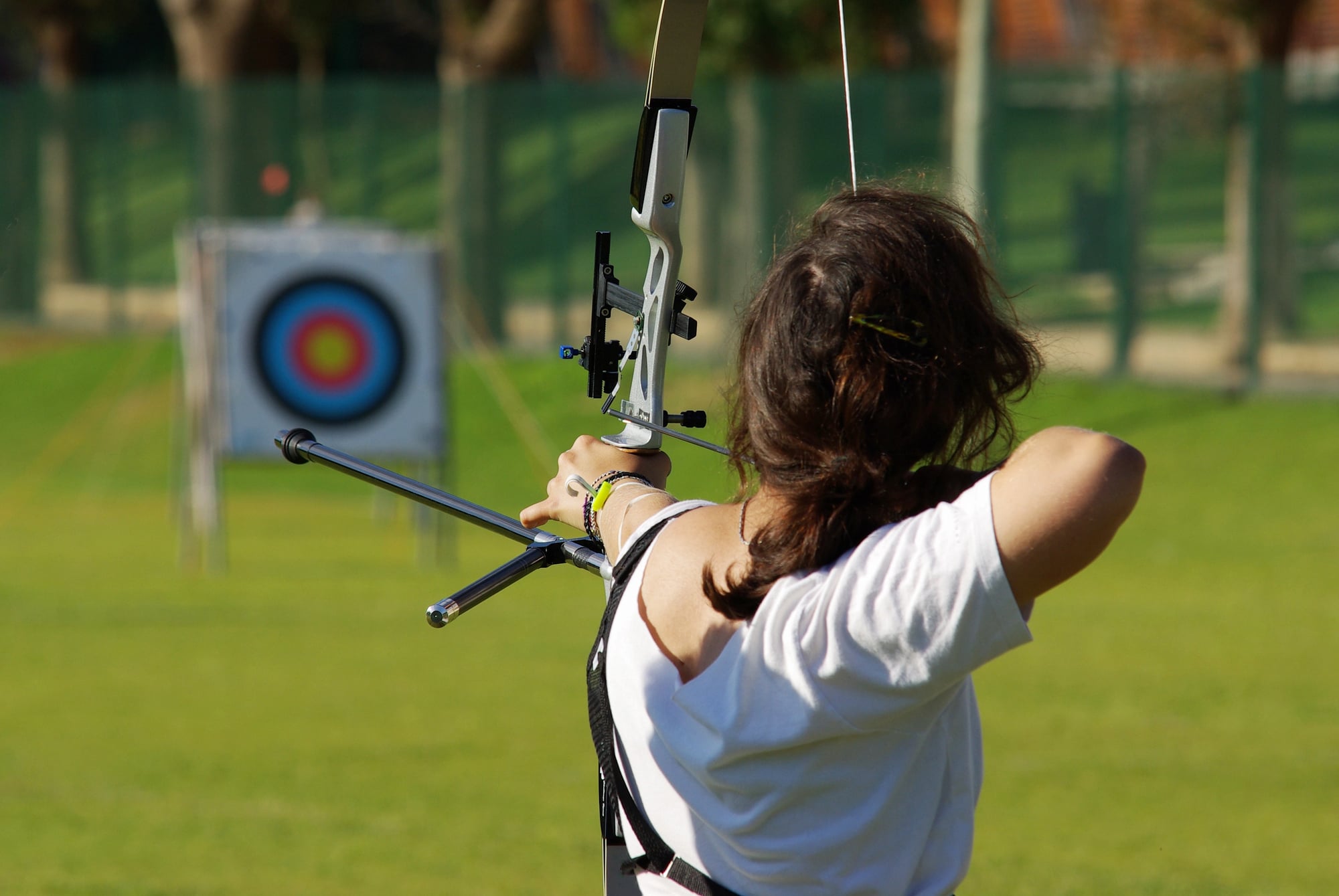
Bow hunting put food on tables and arrows through enemy armor for thousands of years across every continent. Medieval English longbowmen could pierce chain mail from 200 yards, which made archery training mandatory for common folk.
Modern target archery competitions celebrate this ancient precision without the life-threatening stakes, though the fundamental skills remain identical.
Javelin Throwing
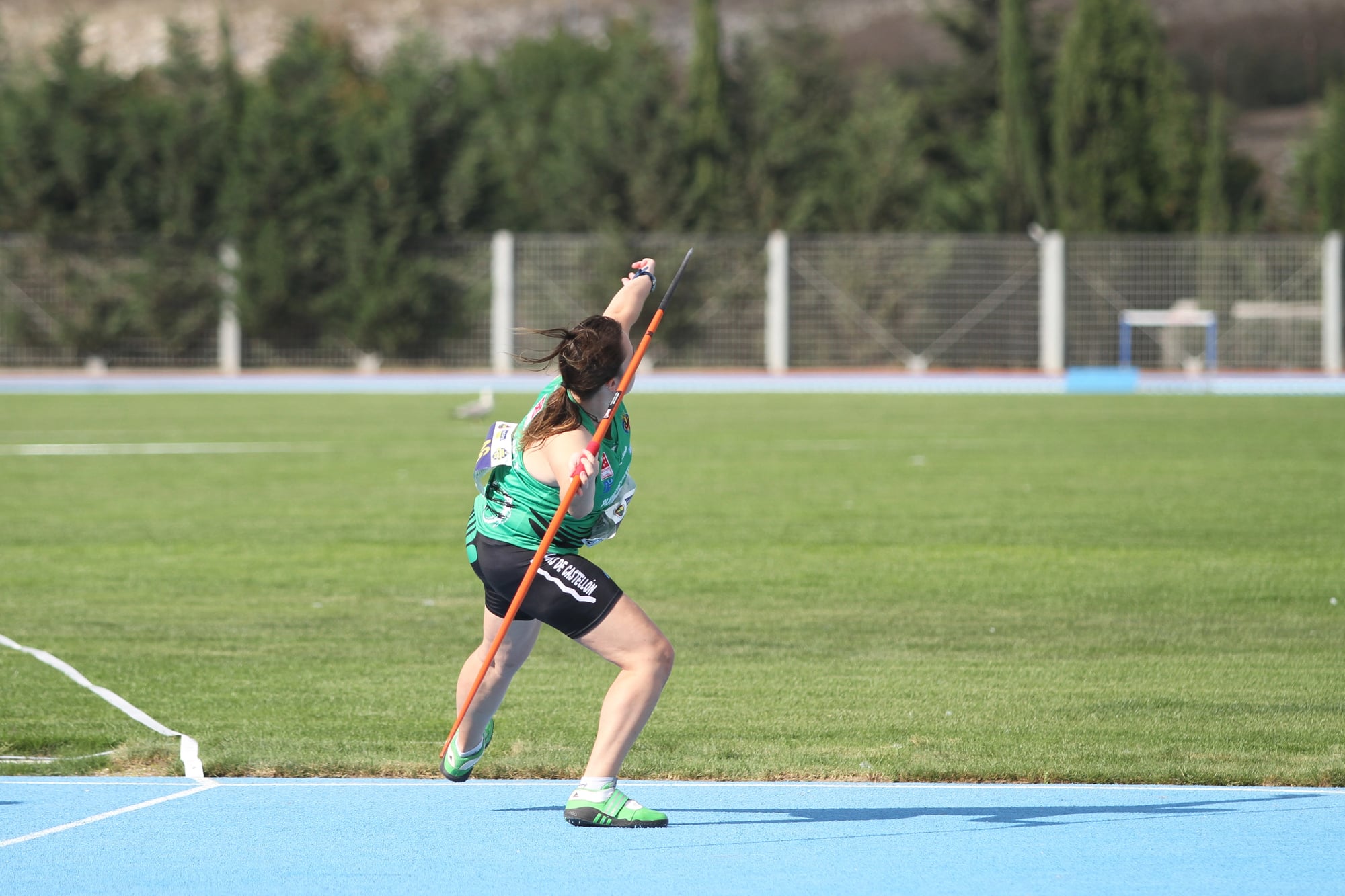
Spear throwing was humanity’s first long-range weapon — essential for hunting mammoth-sized game and keeping enemies at a distance. Greek hoplites and Roman legionaries drilled constantly with javelins because accurate throws could decide battles before hand-to-hand combat began.
Track and field javelin events showcase the same explosive power and technique, just aimed at distance markers instead of vital organs.
Like Go2Tutors’s content? Follow us on MSN.
Shot Put
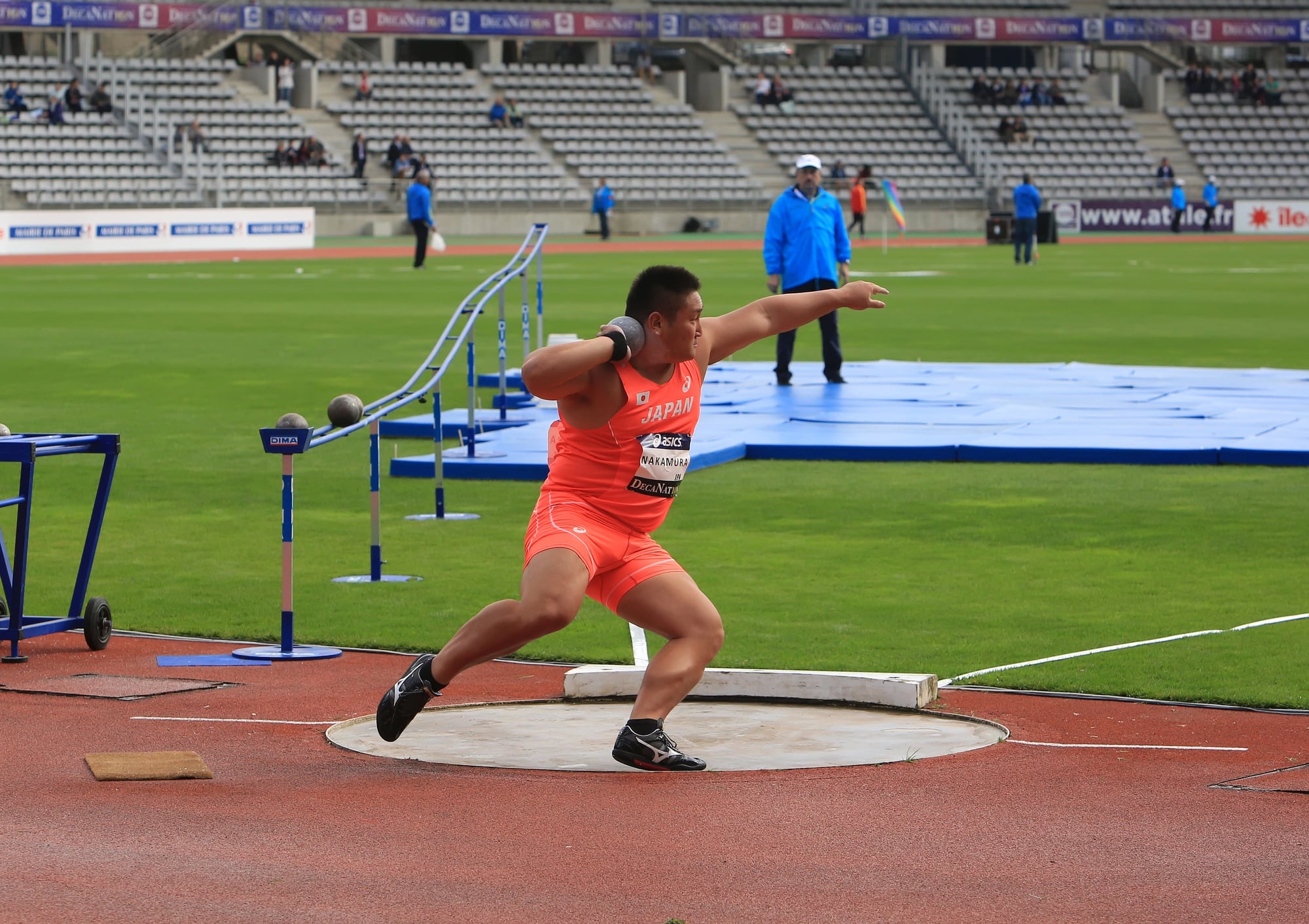
Ancient warriors hurled rocks and heavy objects to break down gates, scatter enemy formations, and clear defensive positions when siege weapons weren’t available. Greek athletes originally threw stones in competitions that directly mimicked battlefield skills.
The modern shot put maintains that explosive throwing motion — though today’s steel spheres are considerably more standardized than the boulders our ancestors chucked at each other.
Hammer Throw

Medieval knights and foot soldiers swung war hammers to crush armor and skulls with devastating effectiveness. The spinning technique generated tremendous force — making hammer-wielding warriors feared on battlefields across Europe.
Today’s hammer throw uses the same rotational physics to launch a weight as far as possible, minus the skull-crushing applications.
Judo

Japanese samurai developed jujitsu techniques for fighting when their swords were lost or broken during combat. These grappling methods focused on using an opponent’s strength against them — perfect for smaller fighters facing larger enemies.
Judo refined these battlefield techniques into a sport emphasizing mental discipline alongside physical skill, though the core principles haven’t changed much.
Like Go2Tutors’s content? Follow us on MSN.
Karate

Okinawan farmers created karate techniques to defend themselves against armed samurai using only their hands and farming tools. The rigid training methods and precise movements were designed to maximize efficiency in life-threatening situations — where one mistake meant death.
Modern karate competitions preserve these deadly techniques while emphasizing control and respect rather than destruction.
Taekwondo
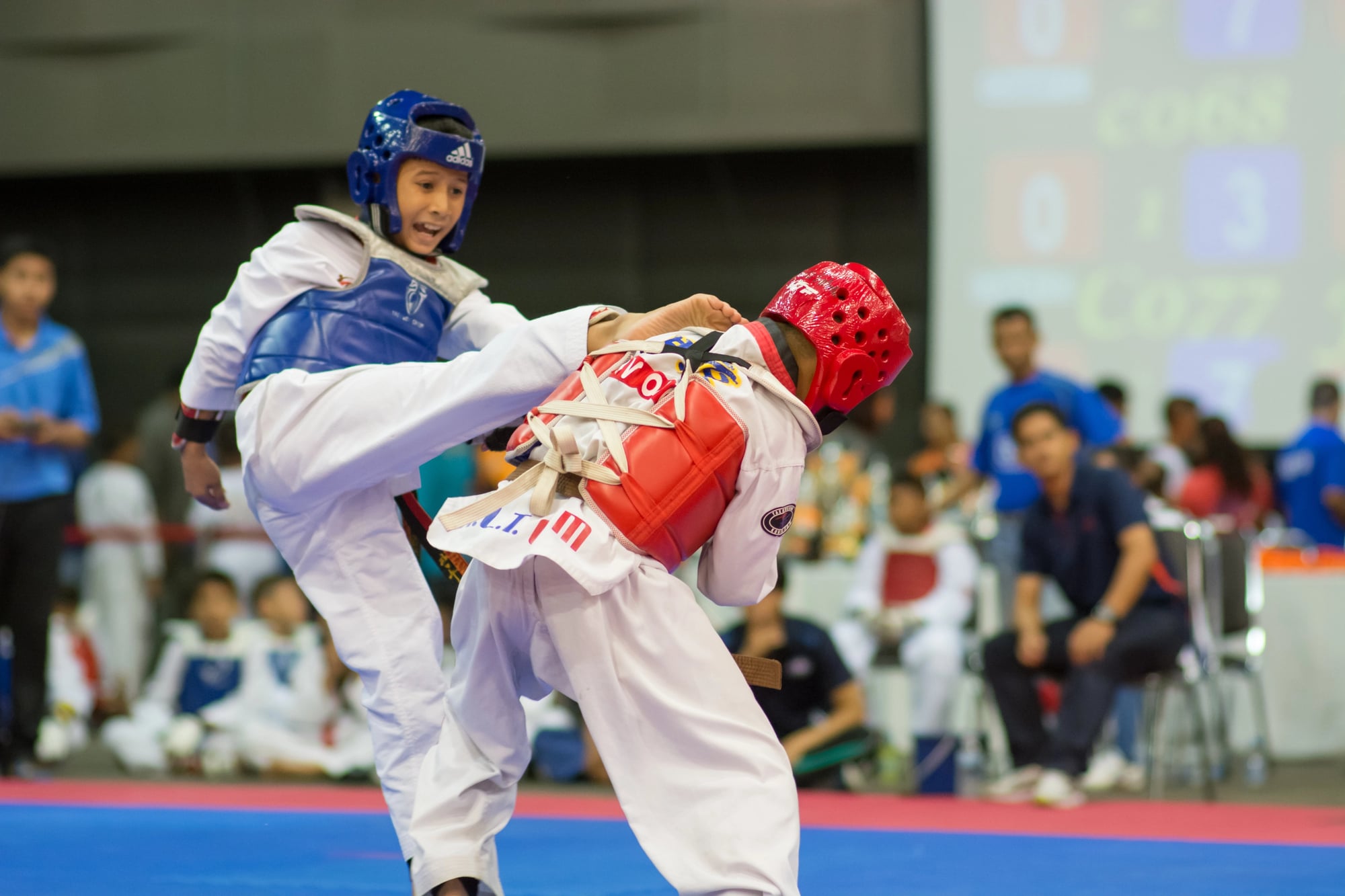
Korean martial artists developed high kicks and acrobatic techniques to knock armored cavalry riders from their horses during warfare. The emphasis on leg techniques made sense when facing mounted enemies who held the high ground advantage — though it required incredible flexibility and timing.
Competitive taekwondo showcases these spectacular kicks in controlled environments with protective gear.
Mixed Martial Arts

Ancient Greek pankration combined wrestling, striking, and submission techniques in brutal no-holds-barred competitions that often ended in death. Roman gladiators used similar mixed fighting styles to entertain crowds with realistic combat demonstrations.
Modern MMA brings back this anything-goes approach, yet comprehensive safety regulations and medical supervision make it considerably safer than its ancient predecessors.
Like Go2Tutors’s content? Follow us on MSN.
Polo

Central Asian horsemen invented polo-like games to train cavalry units for mounted warfare, using an object instead of enemy heads. The sport taught riders to control their horses with their legs while wielding weapons with their hands.
Today’s polo maintains that same horse-and-rider coordination that once dominated battlefields from Mongolia to India, though the violence has been replaced with elegance.
Lacrosse

Native American tribes played early versions of lacrosse to train warriors and settle territorial disputes without full-scale warfare. Games involved hundreds of players and could last for days, serving as both sport and military preparation.
Modern lacrosse uses the same stick-handling skills and field awareness that helped indigenous warriors defend their lands against European colonizers.
Ice Hockey

Canadian frontiersmen adapted field games to frozen ponds, creating a fast-paced sport that mirrored the quick reflexes needed for survival in harsh wilderness conditions. The aggressive body checking and stick work translated directly from combat training methods used by fur trappers and loggers.
Professional hockey maintains that controlled violence and split-second decision making that kept early settlers alive through brutal winters.
Like Go2Tutors’s content? Follow us on MSN.
American Football
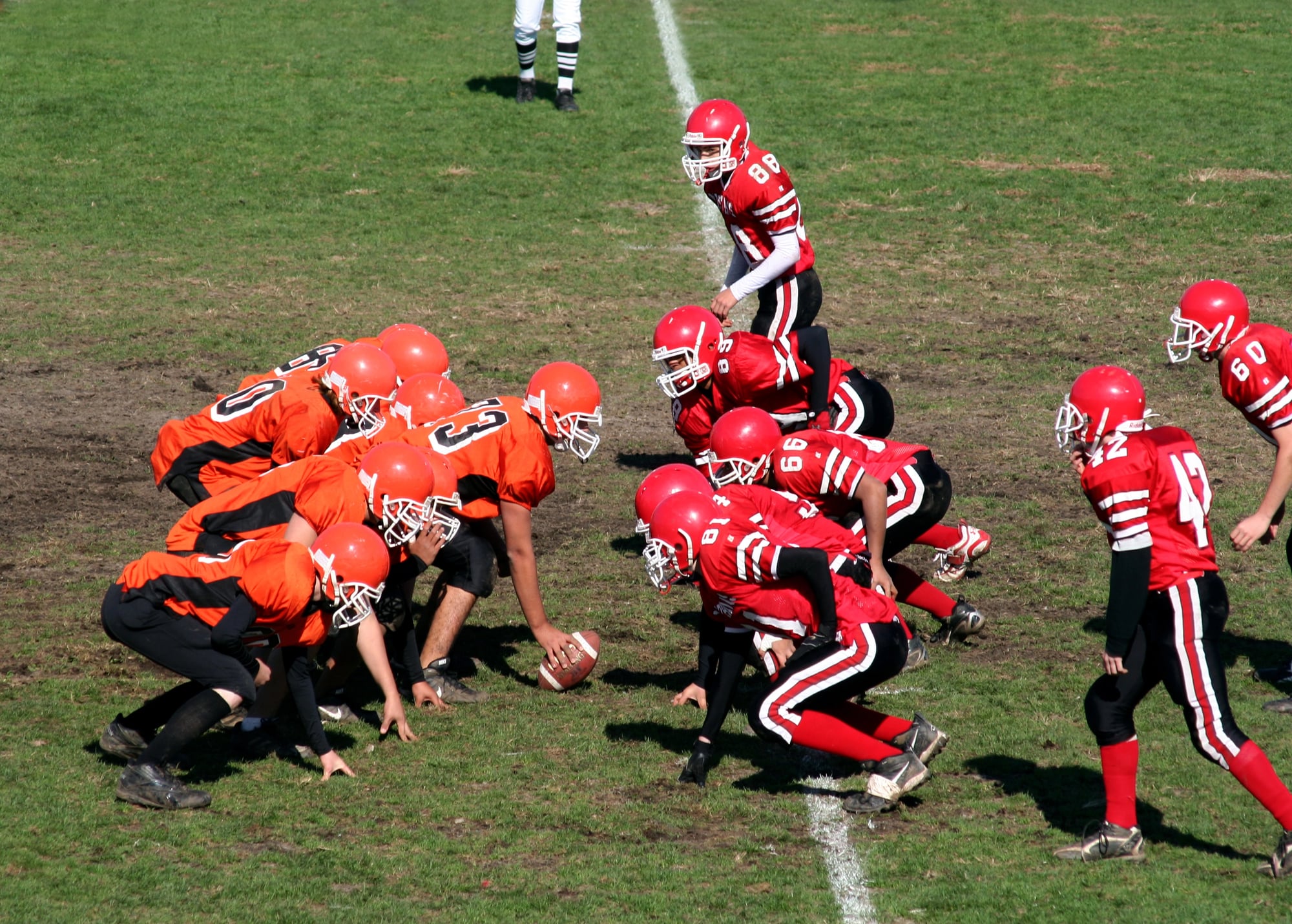
Rugby’s evolution into American football emphasized the tactical planning and coordinated group attacks that defined military strategy. The line of scrimmage resembles opposing army formations, while play calling mirrors battlefield command decisions.
Modern football preserves this strategic warfare element, complete with specialized positions and complex battle plans that would make ancient generals proud.
Skiing

Nordic warriors used skis for winter warfare, allowing armies to move quickly across snow-covered terrain and launch surprise attacks. Ski troops could cover vast distances in conditions that stopped conventional forces completely.
Competitive skiing celebrates these same speed and agility skills that once gave northern European armies decisive advantages against their enemies.
Marathon Running

Greek soldiers ran long distances to carry messages between battlefields and coordinate troop movements across difficult terrain. The famous marathon distance commemorates a messenger’s run from Marathon to Athens to announce military victory.
Distance running competitions honor that same endurance and mental toughness that ancient armies depended on for communication and reconnaissance missions.
Like Go2Tutors’s content? Follow us on MSN.
From Battlefield to Stadium

These sports remind us that human competitive spirit finds ways to transform even the most serious activities into entertainment. What once determined survival now determines championships, yet the fundamental skills remain surprisingly unchanged.
The next time you watch any of these sports, remember that you’re witnessing thousands of years of human combat evolution, refined into games that celebrate our warrior heritage without the mortal consequences.
More from Go2Tutors!

- 18 Unexpectedly Valuable Collectibles You Might Have Lying Around
- 20 Little-Known Historical Battles That Had Huge Consequences
- 20 Historical Artifacts That Scientists Can’t Explain
- 15 Inventions That Were Immediately Banned After Being Created
- 20 Actors Who Were Almost Cast in Iconic Roles
Like Go2Tutors’s content? Follow us on MSN.