15 Massive Payouts in Lotteries
Big wins weren’t always worth huge sums. Back then, just a couple million could make news everywhere, staying in people’s minds for ages.
When lotteries grew beyond borders, costs went up slowly, drawing more players globally. Over time, prizes climbed without much notice.
Now, amounts that would’ve seemed impossible are simply expected.
Big money today comes from how games are built on purpose. When prizes can carry over many times, regular wins stay small while top prizes grow huge.
Luck matters less than size, when it happens, and how current lotteries work behind the scenes. Every large sum paid out reflects not just who won, but the setup allowing those amounts to exist.
Fifteen colossal lottery wins show how jackpots ballooned over time – each payout a clue. These sums didn’t surge overnight but built up piece by piece.
One winner after another pushed limits higher. Draw mechanics shifted slowly, feeding bigger prizes.
Ticket sales climbed, fueling prize pools. Over years, rules evolved behind the scenes.
Some countries changed the odds deliberately. Others raised stakes without much notice.
Payouts began stretching past earlier caps. Public excitement followed each new peak.
Media coverage amplified the frenzy slightly. More players joined just to dream.
Prizes absorbed cultural shifts around luck and wealth. Each huge win reset expectations quietly.
What once seemed impossible became routine.
Powerball, United States, 2016

In early 2016, Powerball reached a size that reset public expectations entirely. The jackpot climbed past $1.5 billion after months without a winner, eventually being split among three tickets sold in different states.
At the time, the figure felt almost abstract, too large to easily grasp. The payout reflected recent changes to Powerball’s rules, which made winning more difficult but allowed jackpots to grow faster.
That trade-off proved decisive. This draw became the moment when billion-dollar jackpots shifted from theoretical possibilities to visible reality.
Mega Millions, United States, 2018
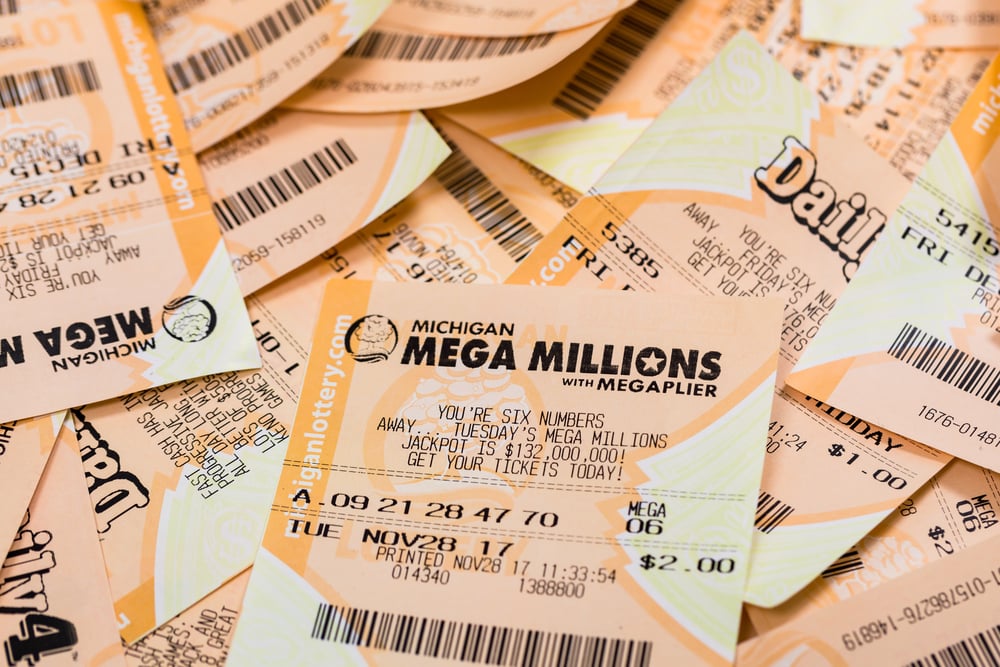
Two years later, Mega Millions produced a payout of $1.537 billion, claimed by a single ticket in South Carolina. The win stood out not only for its size, but for its singularity.
One ticket, one winner, one of the largest prizes ever recorded.
This payout demonstrated how anonymity laws and regional rules can shape public response. The absence of a visible winner allowed the number itself to dominate the story.
It reinforced the idea that lottery payouts had outgrown personal narratives, becoming events in their own right.
Powerball, United States, 2022
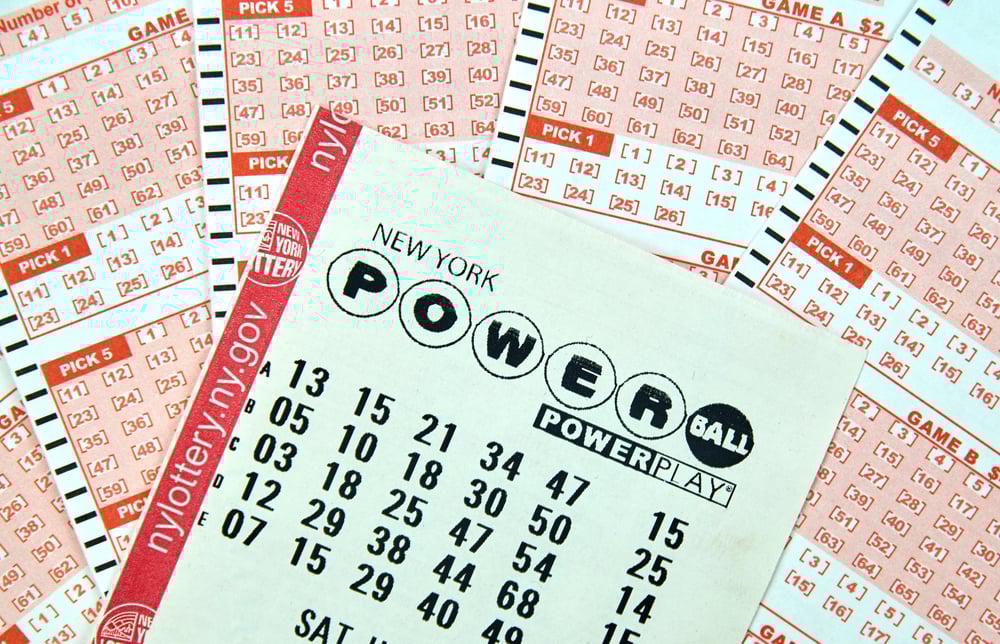
In November 2022, Powerball surged past $2 billion, the largest lottery jackpot ever announced. The prize was claimed by a single ticket sold in California, a state with strict disclosure requirements.
This time, the scale overshadowed even the identity of the winner.
By this point, billion-dollar payouts were no longer shocking. What stood out was how smoothly the system absorbed the record.
The draw showed that the infrastructure for extreme jackpots was now firmly in place, capable of producing numbers once considered implausible.
Powerball, United States, 2023

Less than a year later, Powerball again crossed the billion-dollar threshold with a payout exceeding $1 billion. Although smaller than the previous record, the speed with which the jackpot grew was notable.
This draw illustrated how modern lotteries are engineered for escalation. Rollovers no longer feel exceptional.
They are expected. The payout confirmed that massive jackpots are not isolated peaks, but recurring features of the system.
Mega Millions, United States, 2023

In late 2023, Mega Millions delivered a $1.602 billion payout, claimed by a ticket sold in Florida. The figure placed it among the largest lottery wins ever recorded, despite arriving only a year after multiple billion-dollar draws.
The frequency of such payouts revealed how perception has shifted. A number that once would have dominated conversation for years now competed with recent memory.
The payout reflected normalization rather than novelty.
Powerball, United States, 2019
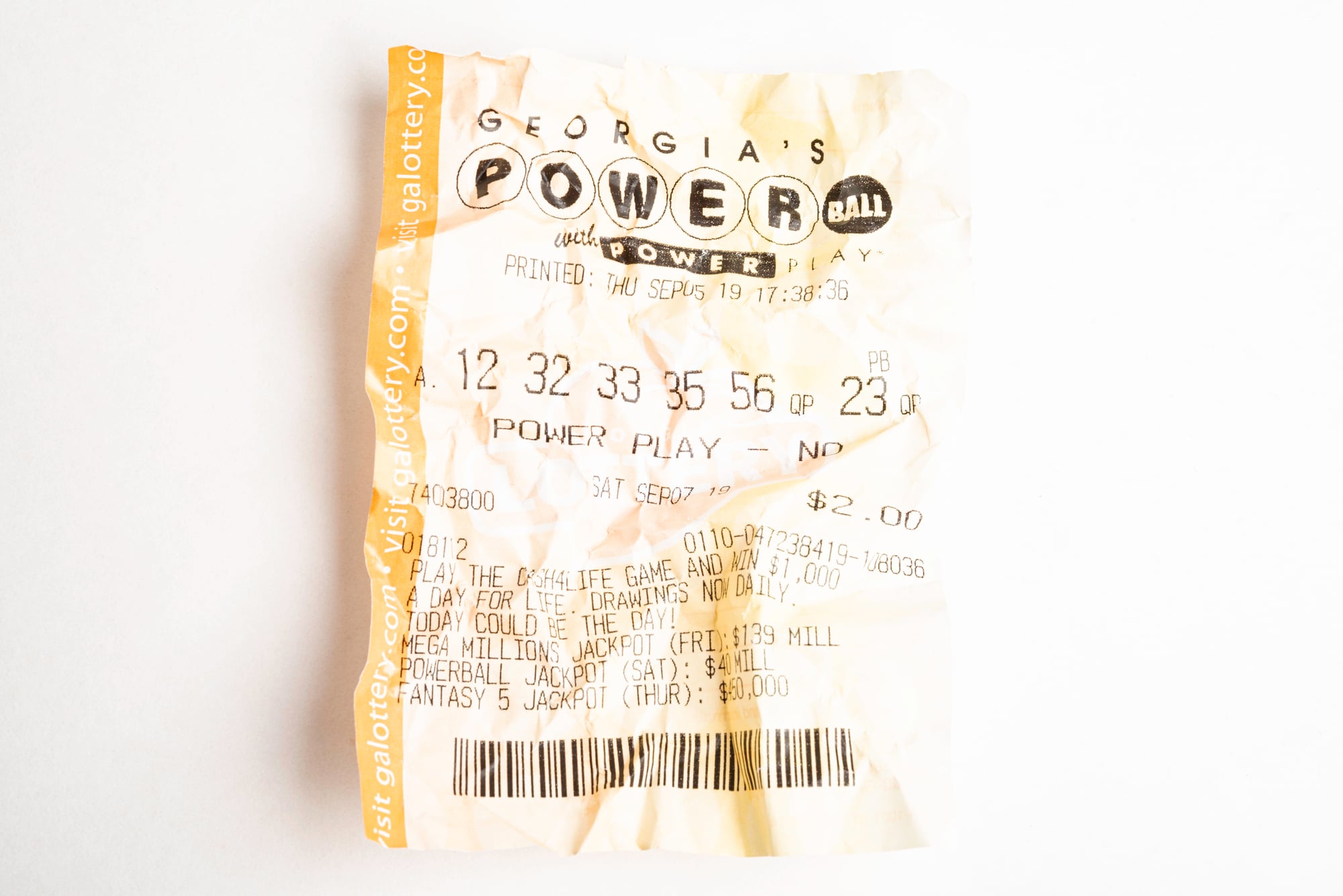
Before billion-dollar jackpots became common, the $768.4 million Powerball payout in 2019 represented a major milestone. Claimed by a single ticket in Wisconsin, it stood as one of the largest wins of its time.
In retrospect, it marks a transitional moment. The payout bridged the gap between older expectations and the scale that followed.
What once felt immense now appears modest when placed alongside later figures.
Mega Millions, United States, 2022
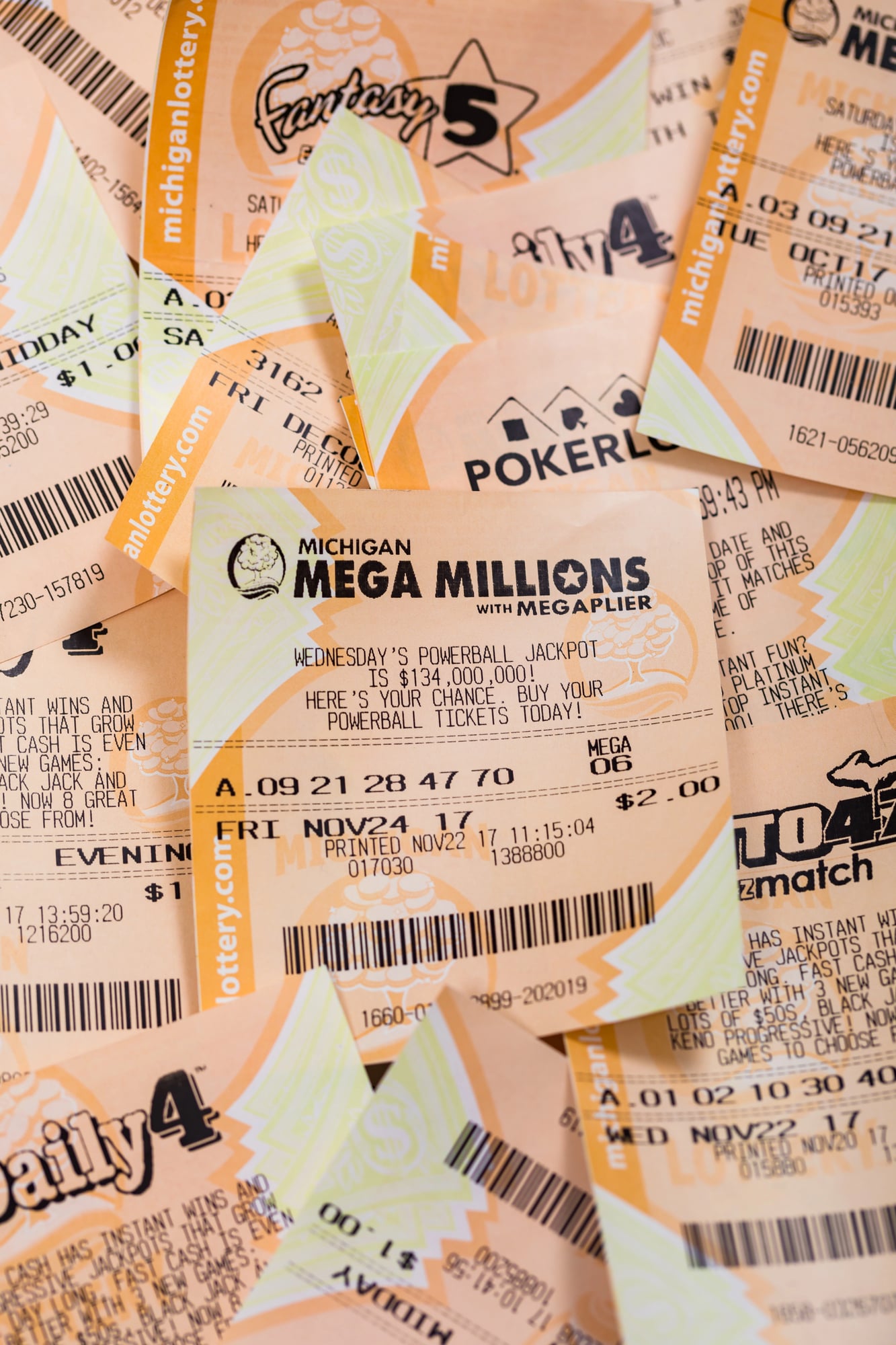
In July 2022, Mega Millions reached $1.337 billion, claimed by a ticket sold in Illinois. The draw followed an extended period without a winner, allowing anticipation to build steadily.
This payout highlighted how jackpots grow not through sudden spikes, but through patience. Each rollover added incremental pressure, until the total reached a level that commanded national attention.
The prize reflected endurance as much as chance.
Powerball, United States, 2021

The $731.1 million Powerball payout in early 2021 occurred during a period of widespread economic uncertainty. Claimed by a ticket in Maryland, it carried symbolic weight beyond its numeric value.
The win demonstrated how large payouts can resonate differently depending on timing. In moments of instability, jackpots take on emotional significance, offering escape or hope even as odds remain unchanged.
EuroMillions, Europe, 2019

EuroMillions produced a payout of approximately €230 million in 2019, claimed by a single ticket in the United Kingdom. While smaller than U.S. jackpots, it represented the upper limit of the lottery’s structure at the time.
This payout showed how regulation shapes scale. European lotteries tend to cap jackpots, prioritizing stability over runaway growth.
Even so, reaching that ceiling generated enormous attention, proving that context matters as much as raw numbers.
EuroMillions, Europe, 2022
EuroMillions reached its maximum payout again in 2022, once more awarding €230 million to a UK ticket holder. The repetition was telling.
Rather than being rare, top-tier payouts had become predictable endpoints. The structure ensured that jackpots could grow large, but not indefinitely.
This balance offered contrast to U.S. systems, where ceilings are effectively absent.
Lotería de Navidad, Spain

Spain’s Lotería de Navidad operates on an entirely different scale. Rather than concentrating winnings into a single jackpot, it distributes billions of euros across countless tickets each year.
In some editions, total payouts exceed €2 billion. Individual winners receive smaller amounts, but the collective scale makes it one of the largest lottery events globally.
The model prioritizes shared celebration over singular spectacle, redefining what a massive payout can mean.
El Gordo, Spain

El Gordo, often confused with Lotería de Navidad, represents another example of distributed scale. The top prize is divided among many ticket holders, with individual amounts still reaching life-changing levels.
The event’s significance lies in tradition rather than escalation. Massive payouts here are measured by participation and cultural reach rather than single-ticket totals.
It offers a counterpoint to jackpot-driven systems.
SuperEnalotto, Italy, 2019
Italy’s SuperEnalotto delivered a €209 million payout in 2019 after a long series of rollovers. Claimed by a single ticket, it became one of Europe’s largest lottery wins.
The slow buildup was central to its impact. SuperEnalotto jackpots grow gradually, creating sustained public interest.
When the payout finally arrived, it felt earned through time rather than sudden excess.
Oz Lotto, Australia, 2013

Australia’s Oz Lotto reached AUD 112 million in 2013, split among multiple winners. At the time, it was the largest payout in the country’s history.
While modest by global standards, the win marked a shift within the Australian market. It reflected growing participation and changing prize structures.
Scale, in this case, was relative, shaped by national context.
Lotto 6aus49, Germany

Germany’s Lotto 6aus49 operates under strict limits, yet still produces substantial payouts during extended rollovers. Wins exceeding €45 million stand out within this regulated framework.
These payouts highlight how rules define possibility. Even with caps, sustained participation can generate significant prizes.
The result is a system that favors consistency over spectacle.
When scale overtook surprise

Luck hasn’t gotten kinder, even if prize boards glow brighter. What used to stun now rolls in like Tuesday.
Behind flashing totals, one truth holds – your shot doesn’t grow. Rules tick the same.
Probability ignores size. Wins still hide just out of reach.
Now it’s seen differently. Payouts act like signs showing how systems are built, not just random wins – highlighting that today’s lotteries boost prize size while odds stay frozen.
More from Go2Tutors!

- The Romanov Crown Jewels and Their Tragic Fate
- 13 Historical Mysteries That Science Still Can’t Solve
- Famous Hoaxes That Fooled the World for Years
- 15 Child Stars with Tragic Adult Lives
- 16 Famous Jewelry Pieces in History
Like Go2Tutors’s content? Follow us on MSN.