16 Deadly Plagues in Ancient History
Disease has been killing people since humans first started bunching together in towns. Back then, nobody knew about bacteria or viruses. They blamed everything on angry gods, bad smells, or witches. Turns out microscopic bugs were busier changing history than most armies ever managed.
Some plagues wiped out so many folks that entire kingdoms just disappeared. Others completely flipped how people thought about religion, politics, and daily life. These weren’t just health problems—they were world-changing disasters that still show up in history books.
Here is a list of 16 deadly plagues that messed up ancient civilizations beyond repair.
Athens Falls Apart
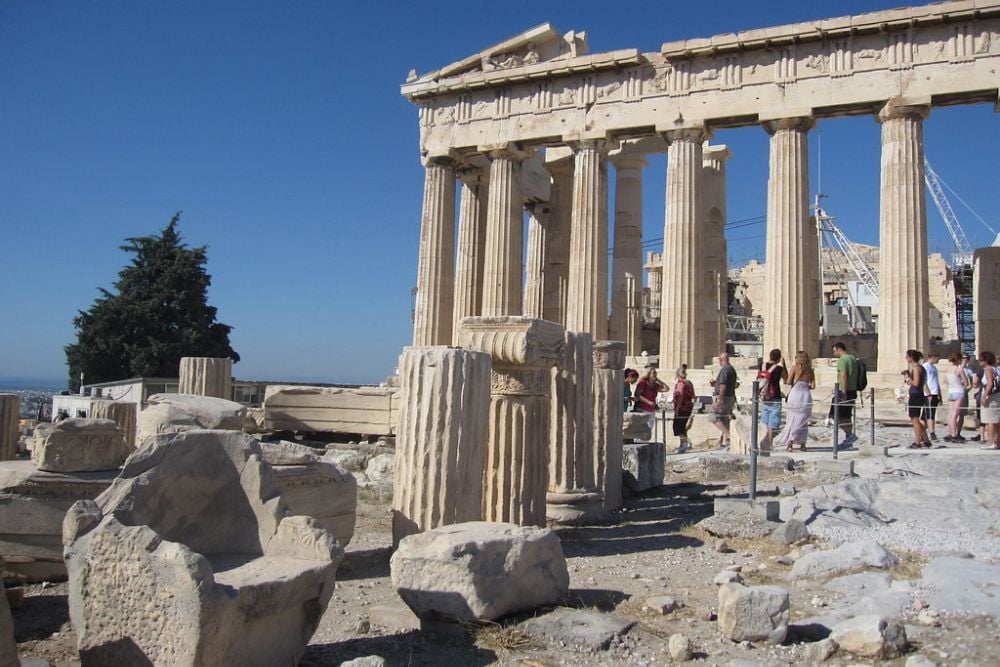
In 430 BC, Athens had two big problems. Spartans were attacking from outside while some mystery sickness was killing people inside the city walls. Nobody could figure out what was happening. Folks got terrible fevers, their eyes went bright red, then they’d start coughing blood everywhere before dying.
About 100,000 Athenians died in three years. That’s like losing one out of every four people in your neighborhood. Thucydides lived through it and wrote everything down—probably the first real medical report in history.
Rome’s Disaster That Wouldn’t End

Roman soldiers came back from fighting in the east around 165 AD. Problem was, they brought something home with them that was way worse than war wounds. Started as a few sick people, then spread everywhere for fifteen solid years.
Galen was Rome’s best doctor and he couldn’t squat against what people started calling the Antonine Plague. Five million Romans died. The army couldn’t find enough healthy men to guard the borders, so barbarians started getting bold.
Like Go2Tutors’s content? Follow us on MSN.
When Cyprian Saw Hell

Bishop Cyprian lived in Carthage from 249 to 270 AD and watched something so horrible they named the plague after him. People would start agonizing inside their bodies until they died. Modern doctors think it was like Ebola or something similar.
Even Roman emperors couldn’t escape—two of them died from it. Rome was already having problems, and this plague nearly finished the job.
The World’s First Pandemic

Around 541 AD, a bacteria called Yersinia pestis decided to go on a killing spree. Started somewhere in Africa or Asia—doesn’t really matter where because it ended up everywhere.
Hit Emperor Justinian’s territory the hardest, but it didn’t stop there. This was the first time a disease spread across multiple continents and killed about 25 million people.
Whole cities turned into ghost towns as everyone who could run did exactly that.
Egyptian Pharaoh Dies from Pox

Pharaoh Ramesses V kicked the bucket around 1145 BC from what looks like smallpox. Scientists examined his mummy and found pustules all over his body—classic smallpox damage.
Egyptian doctors wrote about an epidemic that was killing thousands of people. The disease hit both northern and southern Egypt hard, making an already shaky kingdom even weaker.
Trading with other countries basically stopped because everyone was scared of catching whatever Egypt had.
Like Go2Tutors’s content? Follow us on MSN.
Philistines Get Wiped Out

Around 1100 BC, the Philistines ran into a disease that gave people painful swellings all over their bodies. Archaeologists think it was bubonic plague—maybe the first time that particular bug showed up in historical records.
Entire Philistine cities got abandoned as people either died or ran away in terror. Their military power collapsed completely, making them sitting ducks for neighboring armies.
Galen Watches Rome Burn

Between 166-180 AD, during Marcus Aurelius’s time as emperor, another plague hammered the Roman Empire. Galen, the famous doctor, was there to see it happen and wrote about everything he witnessed.
Disease probably came back with soldiers from Mesopotamia and spread like wildfire. Galen described fevers, diarrhea, and skin problems that sound like smallpox.
This epidemic killed around five million people and left Rome’s military seriously weakened on multiple fronts.
Britain Gets Hit Hard

The Anglo-Saxon Chronicle talks about a devastating plague that smashed Britain in 664 AD. Irish monks brought it back from trips to continental Europe.
Disease ripped through monasteries and regular towns so fast that whole regions lost almost everyone. Bede wrote about villages where only a few people survived—just enough to dig graves for everyone else.
Early English Christianity and politics got turned upside down.
Like Go2Tutors’s content? Follow us on MSN.
Islamic Army Stops Dead
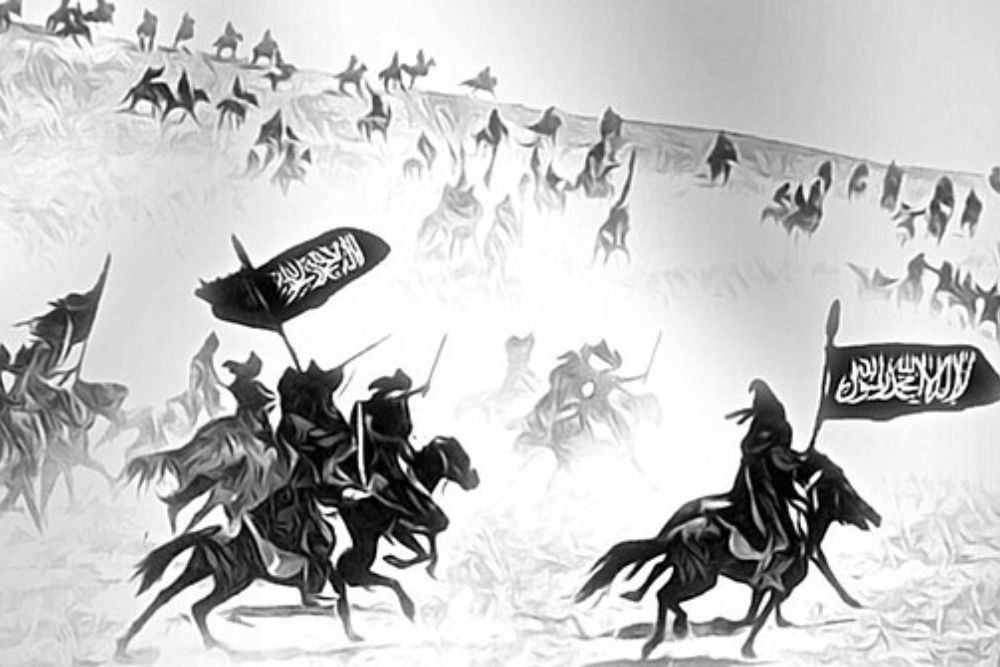
Islamic forces were conquering Syria in 639 AD when plague hit them around a village called Amwas. This outbreak was probably bubonic plague and it killed thousands of Arab soldiers, including several big-shot commanders.
Disease jumped from army camps to regular people throughout the region. The plague was so bad that Islamic expansion had to stop temporarily while they figured out how to reorganize their military.
Carthage’s Military Nightmare

Carthage was trying to capture Syracuse in 396 BC when typhus tore through their army camps. Soldiers were packed together in filthy conditions—perfect setup for disease to spread.
The epidemic traveled back to North Africa and started killing civilians who had no resistance to it. Carthage’s fearsome military reputation took a beating it never really recovered from.
Hadrian’s Time Gets Rough

A Spanish priest named Orosius wrote about a serious epidemic that hit the Roman Empire around 125 AD while Hadrian was emperor. Started in North Africa before spreading to other Mediterranean areas, killing hundreds of thousands.
Orosius described severe fevers and breathing problems, which might have been pneumonic plague. This disease helped cause economic problems across several Roman provinces and probably influenced Hadrian’s decision to build more defensive structures.
Like Go2Tutors’s content? Follow us on MSN.
Ireland’s Yellow Death

Irish records mention the “Yellow Plague” that devastated Ireland in 664 AD, brought over from continental Europe through monastery connections. Disease got its name because victims turned yellow—probably jaundice from liver damage.
Kings, nobles, and entire religious communities died within days of getting sick. The epidemic messed up Irish politics and had a major impact on how Irish Christianity developed.
Mesopotamia Falls Apart
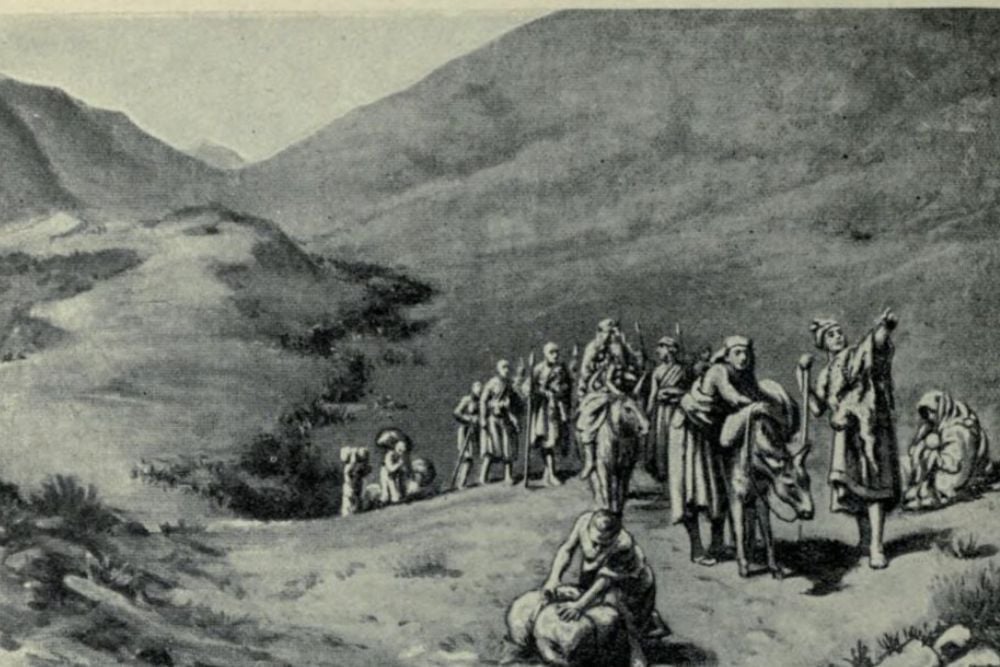
Babylonian and Assyrian records describe a serious epidemic around 1200 BC that happened during the Bronze Age collapse. Disease spread along trade routes connecting major cities like Babylon and Nineveh.
Clay tablets describe symptoms that sound like typhoid fever—high fevers and delirium. This epidemic disrupted trade networks that had connected ancient civilizations for hundreds of years.
Hittites Get Finished Off
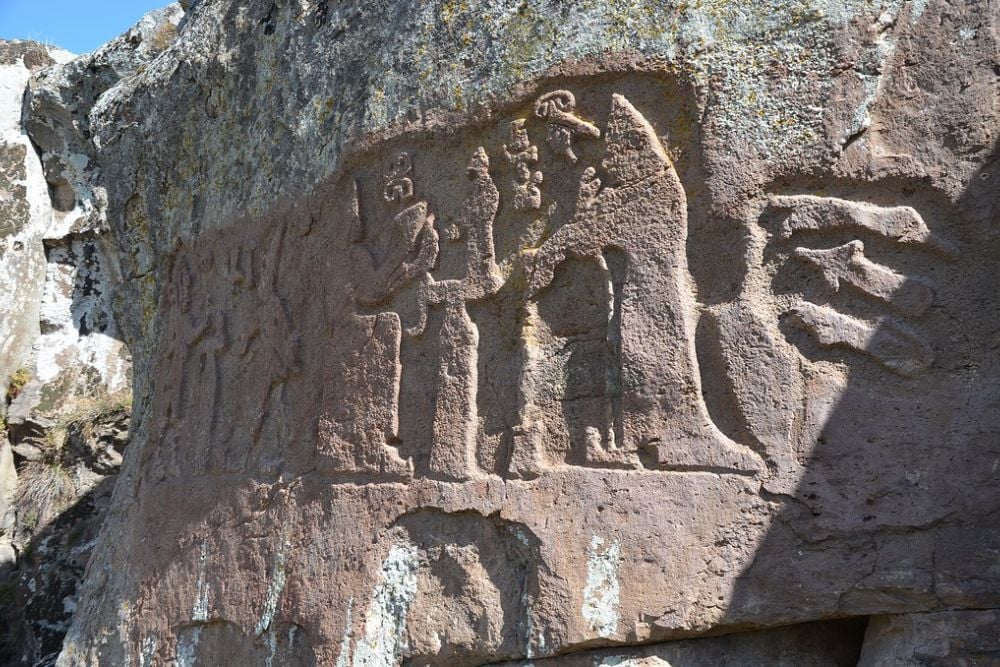
Multiple plague outbreaks between 1300-1200 BC helped destroy the Hittite Empire in what’s now Turkey. Hittite records mention people ‘wasting away’ from what was probably tuberculosis combined with other infections.
These diseases, working together with invasions by mysterious Sea Peoples, ended Hittite control in the region forever. Archaeological digs show abandoned cities with mass graves from this chaotic time period.
Like Go2Tutors’s content? Follow us on MSN.
Commodus’s Rome Suffers Again

During Emperor Commodus’s reign around 189 AD, Rome faced another devastating epidemic right after the Antonine Plague. This outbreak particularly hit Rome itself, killing thousands of residents including many senators and rich families.
Ancient sources describe severe fevers and delirium, suggesting typhus or maybe a continuation of the earlier plague. The epidemic added to political instability and economic decline during the later Roman Empire.
Thucydides Documents More Death

Besides writing about the famous Athenian plague, historian Thucydides recorded another epidemic that hit various Greek city-states around 426 BC during the later part of the Peloponnesian War. This second plague spread through military camps and civilian populations across the Aegean region.
Disease caused severe breathing problems and killed lots of soldiers and regular citizens. Several Greek city-states lost big chunks of their populations, which changed the balance of power in the ongoing war.
Same Fight, Different Century

These ancient disasters show that humans have always been fighting microscopic enemies—and losing more battles than anyone wants to admit. The same basic types of germs that killed ancient pharaohs and emperors are still around today, though modern medicine gives us weapons our ancestors never had.
The fundamental war hasn’t changed much: tiny organisms versus human civilization. Understanding how disease shaped ancient history helps us appreciate medical progress while staying alert for whatever pandemic threat comes next.
Like Go2Tutors’s content? Follow us on MSN.
More from Go2Tutors!

- 16 Historical Figures Who Were Nothing Like You Think
- 12 Things Sold in the 80s That Are Now Illegal
- 15 VHS Tapes That Could Be Worth Thousands
- 17 Historical “What Ifs” That Would Have Changed Everything
- 18 TV Shows That Vanished Without a Finale
Like Go2Tutors’s content? Follow us on MSN.



