16 Libraries That Survived Wars Against All Odds
Throughout history, libraries have served as humanity’s memory banks, preserving knowledge and culture through the ages. When wars erupted, these repositories of learning often became targets for destruction or collateral damage. Yet remarkably, many libraries have endured against impossible odds, their collections intact and their legacy preserved.
From ancient monasteries to modern universities, these institutions faced bombs, fires, invasions, and systematic destruction. Here is a list of 16 libraries that survived wars through clever planning, community courage, and sometimes just plain luck.
Trinity College Dublin Library
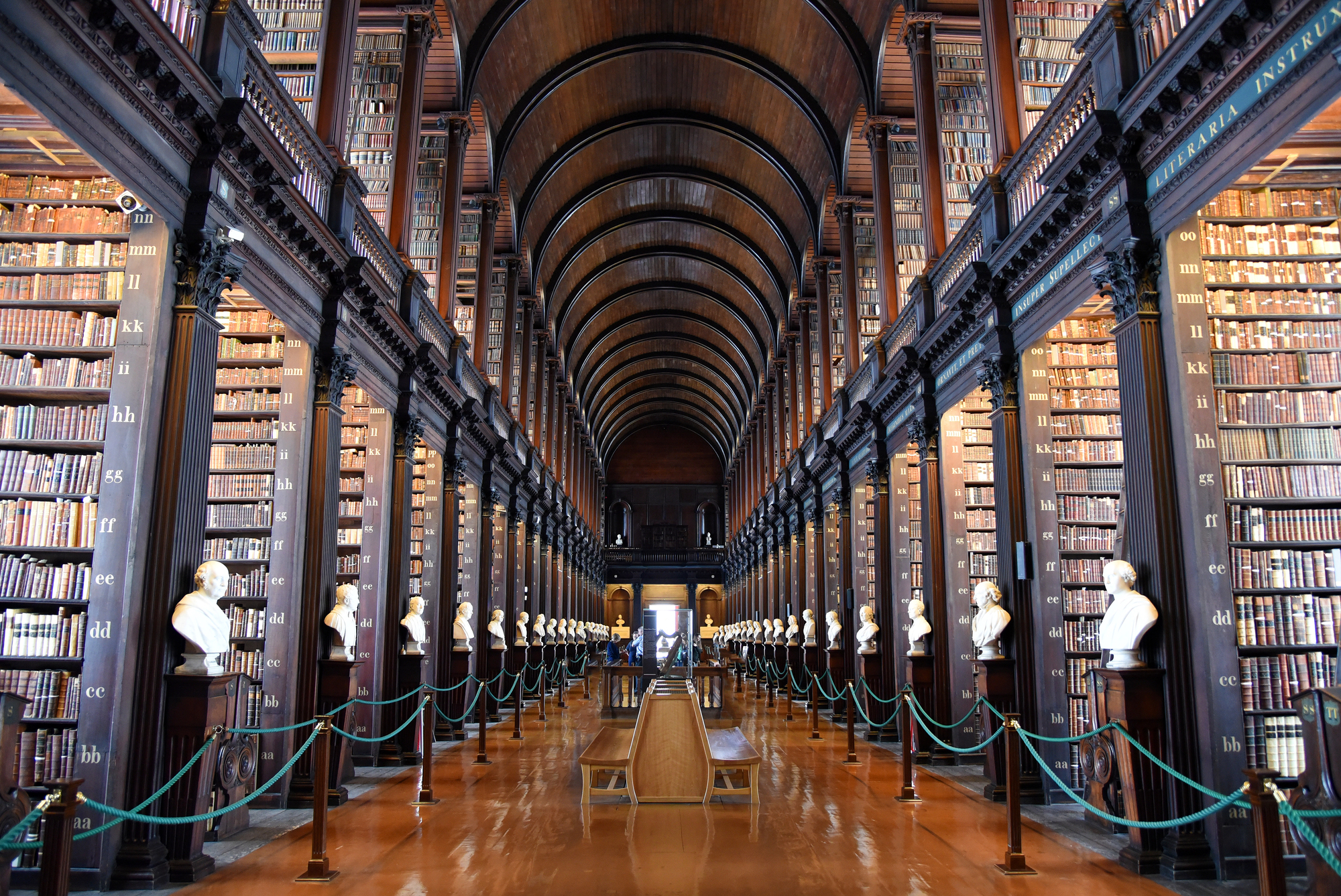
Ireland’s Trinity College Library weathered both World Wars without losing its precious manuscripts. The 18th-century Long Room, stretching nearly 65 meters, houses 200,000 of the library’s oldest books, including the famous Book of Kells.
During World War II, librarians moved the most valuable texts to secure locations throughout Ireland. The library’s stone construction and strategic location in neutral Ireland helped protect it from the bombing campaigns that devastated other European cities.
Biblioteca Ambrosiana, Milan
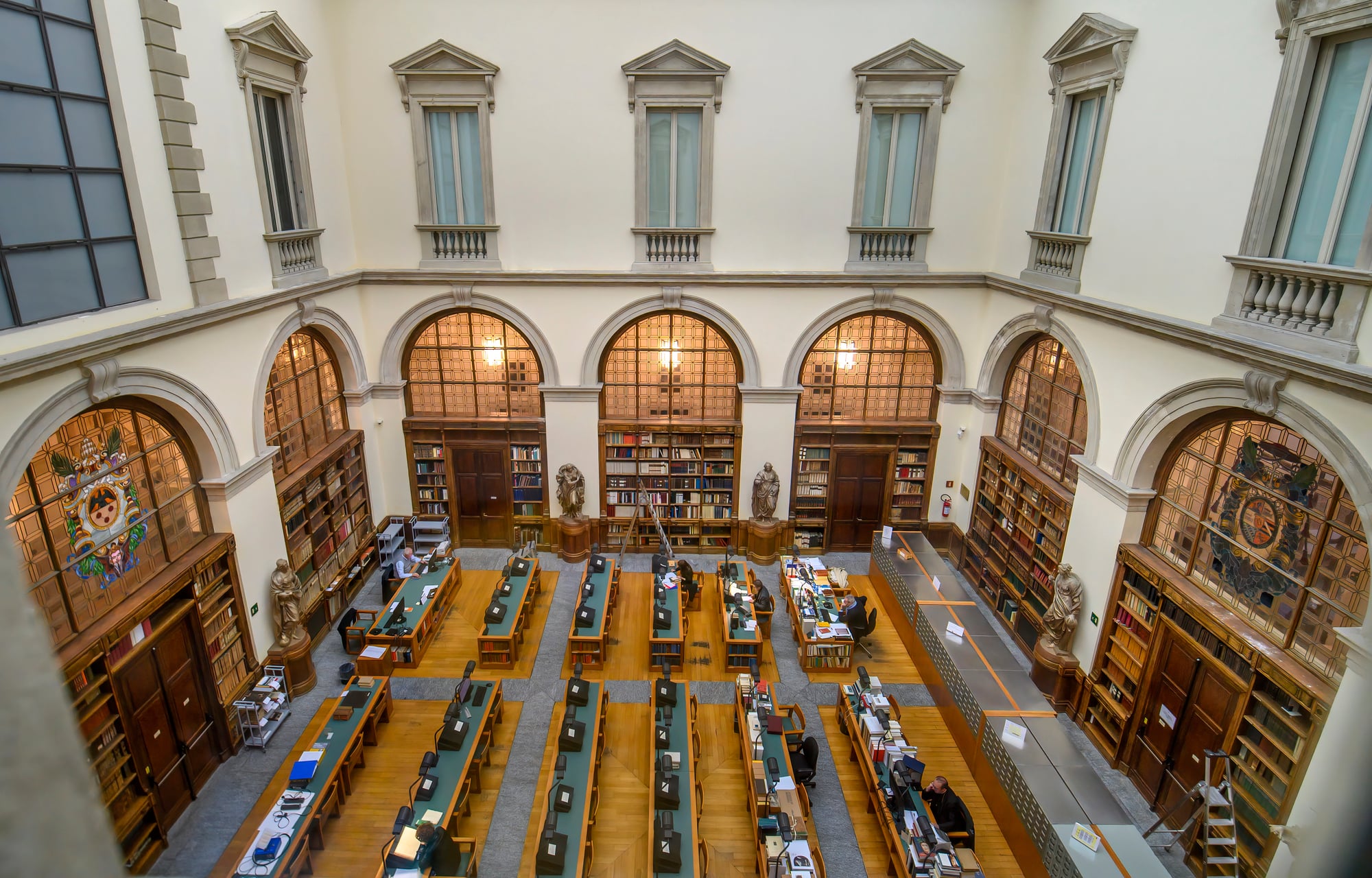
Founded in 1609, this Milanese treasure survived both World Wars despite Italy’s heavy involvement in the conflicts. The library staff moved Leonardo da Vinci’s Codex Atlanticus and other priceless manuscripts to secret locations in the Italian countryside.
Allied bombing in 1943 damaged nearby buildings, but the library’s reinforced structure and quick-thinking librarians saved one of Europe’s most important collections. Today, it still houses over 750,000 volumes and 35,000 manuscripts.
Bodleian Library, Oxford
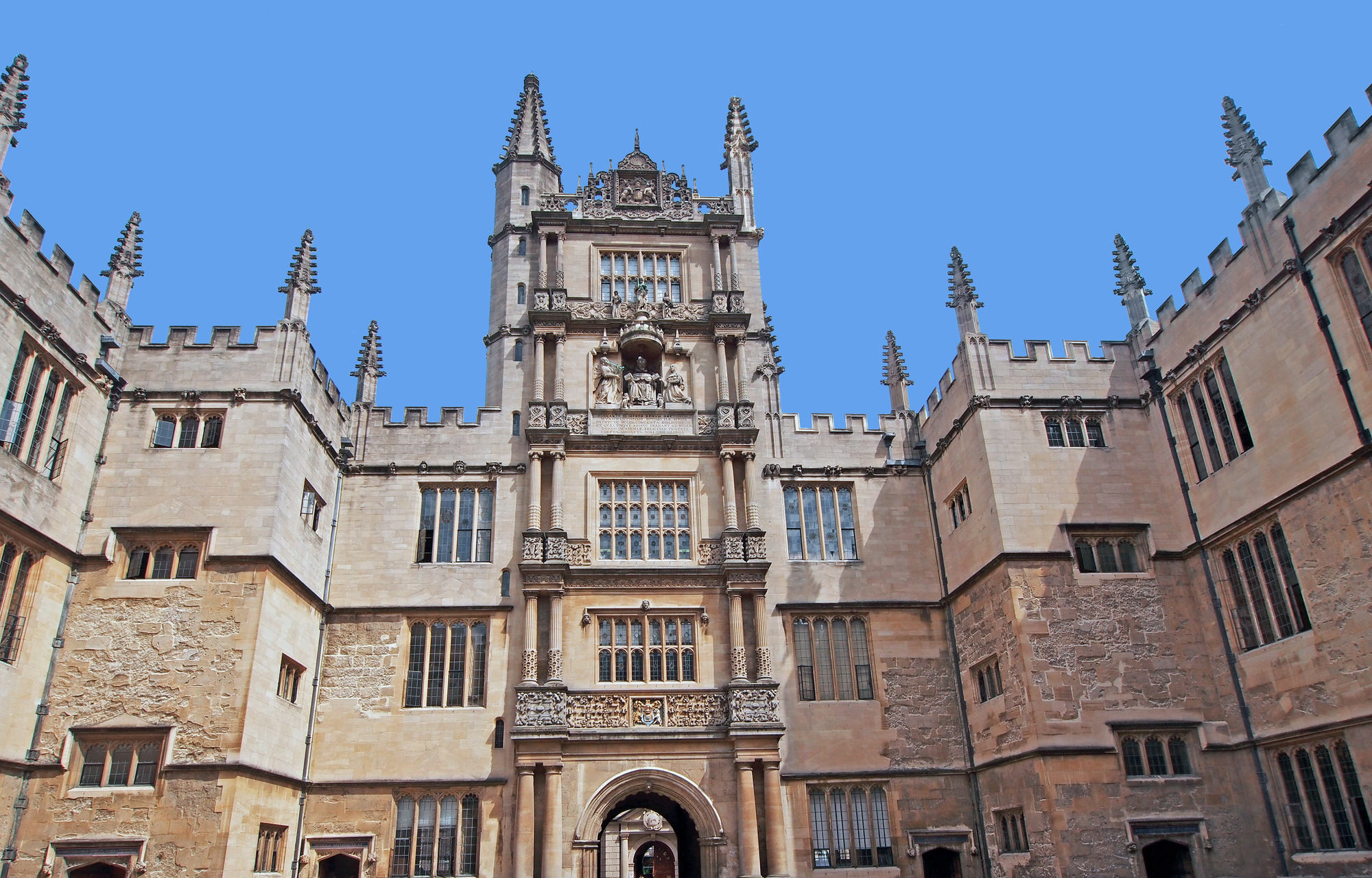
Oxford’s Bodleian Library, founded in 1602, survived both German air raids and the threat of invasion during World War II. The library’s legal deposit status made it irreplaceable, holding copies of every book printed in Britain.
Staff evacuated the rarest manuscripts to remote Welsh caves and country houses, while sandbags protected the reading rooms. The library’s medieval architecture, ironically, proved more resilient than modern buildings during the bombing campaigns.
Jagiellonian Library, Krakow
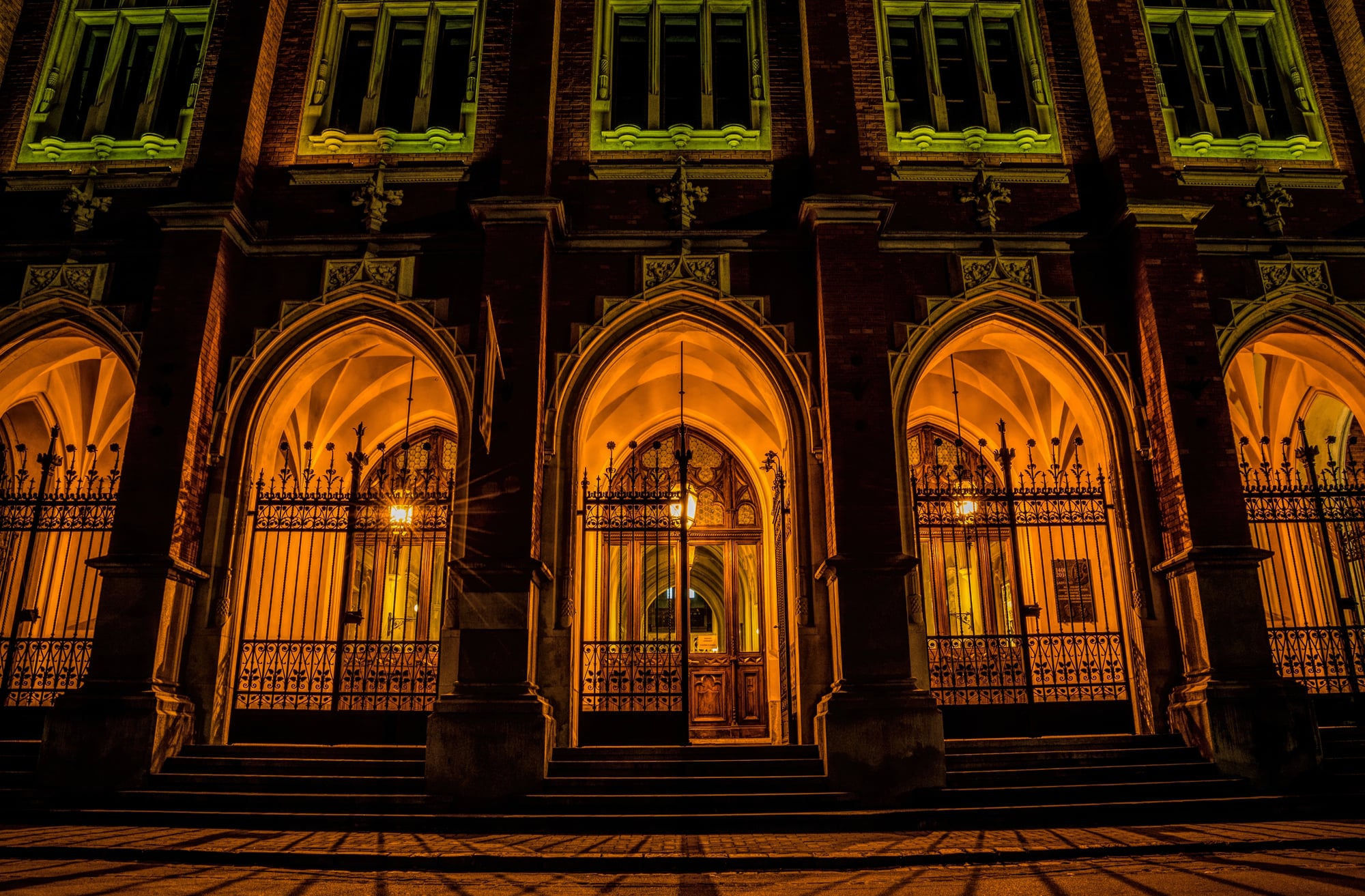
Poland’s oldest university library survived the Nazi occupation through a combination of luck and subterfuge. After World War II, parts of the Prussian State Library collection ended up almost by chance in the Jagiellonian Library in Kraków, Poland, where it remains.
The library’s staff hid the most valuable manuscripts in basement vaults and rural locations. German forces occupied the building but used it as administrative offices rather than destroying it, inadvertently preserving centuries of Polish scholarship.
Library of Congress, Washington D.C.
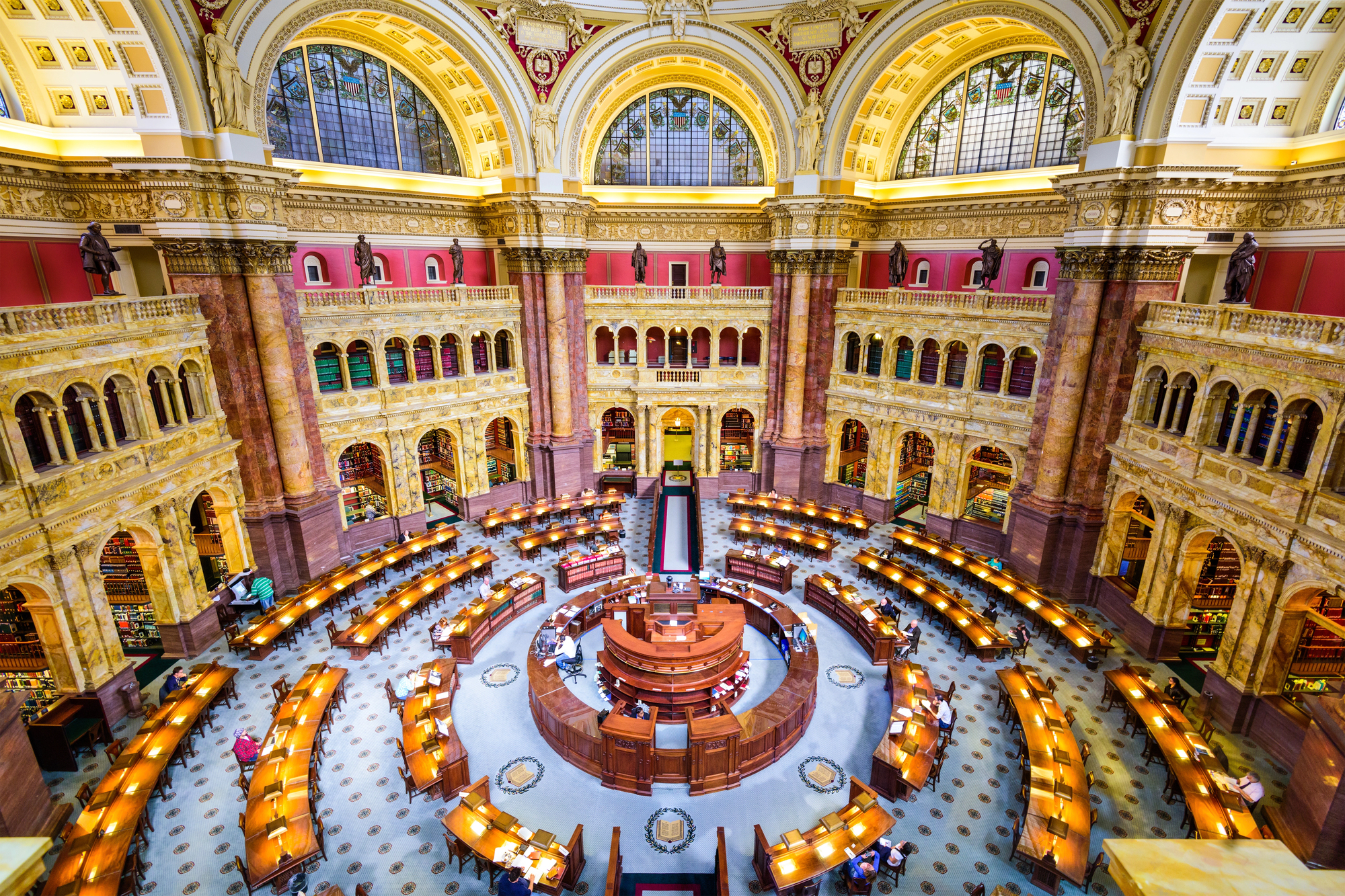
America’s national library survived the War of 1812, though not without losses. British forces burned the original collection in 1814, but Thomas Jefferson sold his personal library to restart the institution.
The library implemented comprehensive disaster management plans during both World Wars, dispersing collections to secure locations across the country. Its massive size and multiple buildings made complete destruction nearly impossible, ensuring America’s literary heritage survived every conflict.
Biblioteca Marciana, Venice
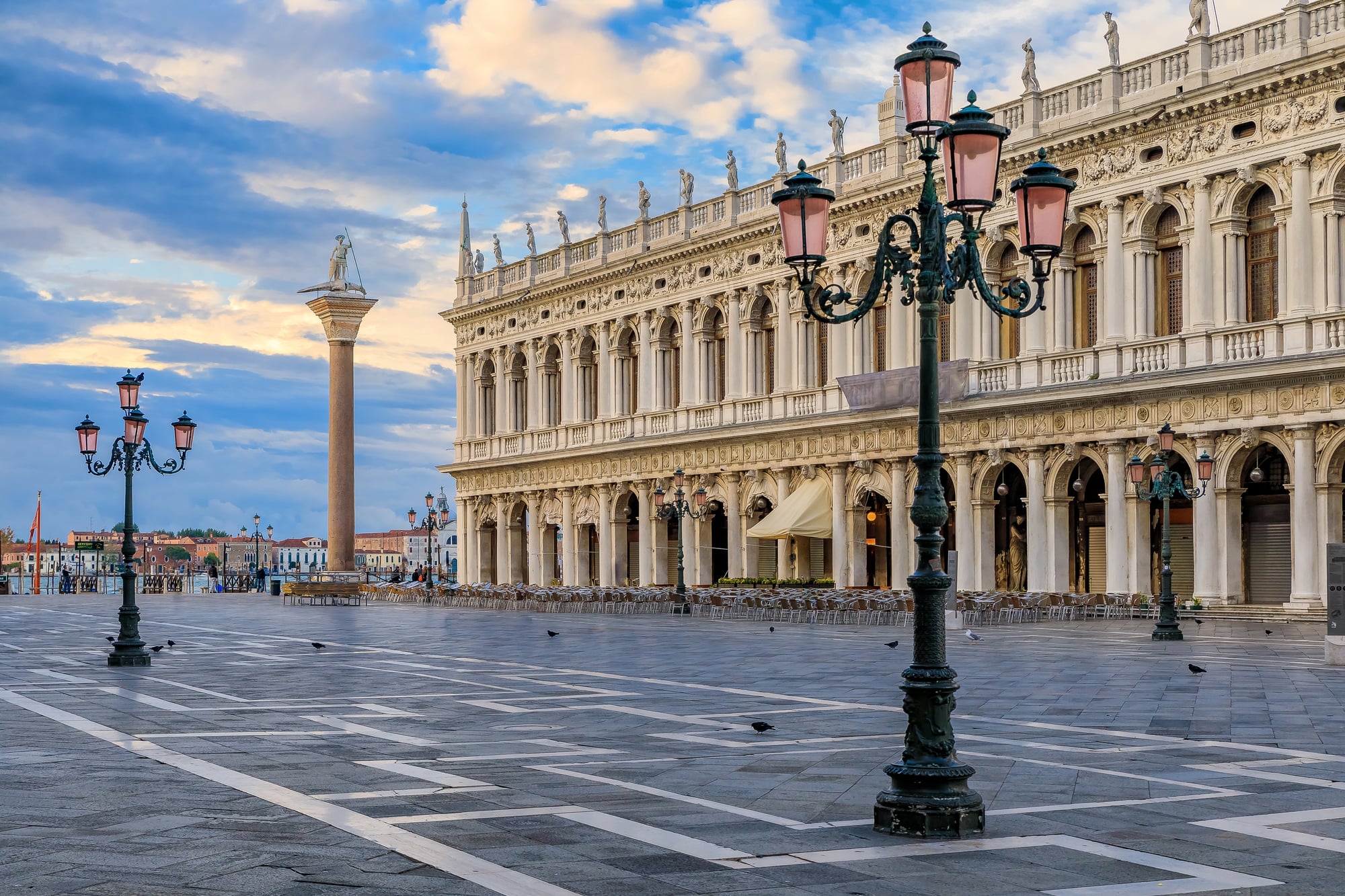
Venice’s national library, founded in 1468, survived numerous wars including both World Wars. The library’s unique location on the Venetian lagoon protected it from many land-based conflicts.
During World War II, staff moved manuscripts to mainland villas and monastery basements. The building’s Renaissance architecture and Venice’s status as an open city helped preserve this collection of Greek and Latin texts that might otherwise have been lost forever.
Russian State Library, Moscow
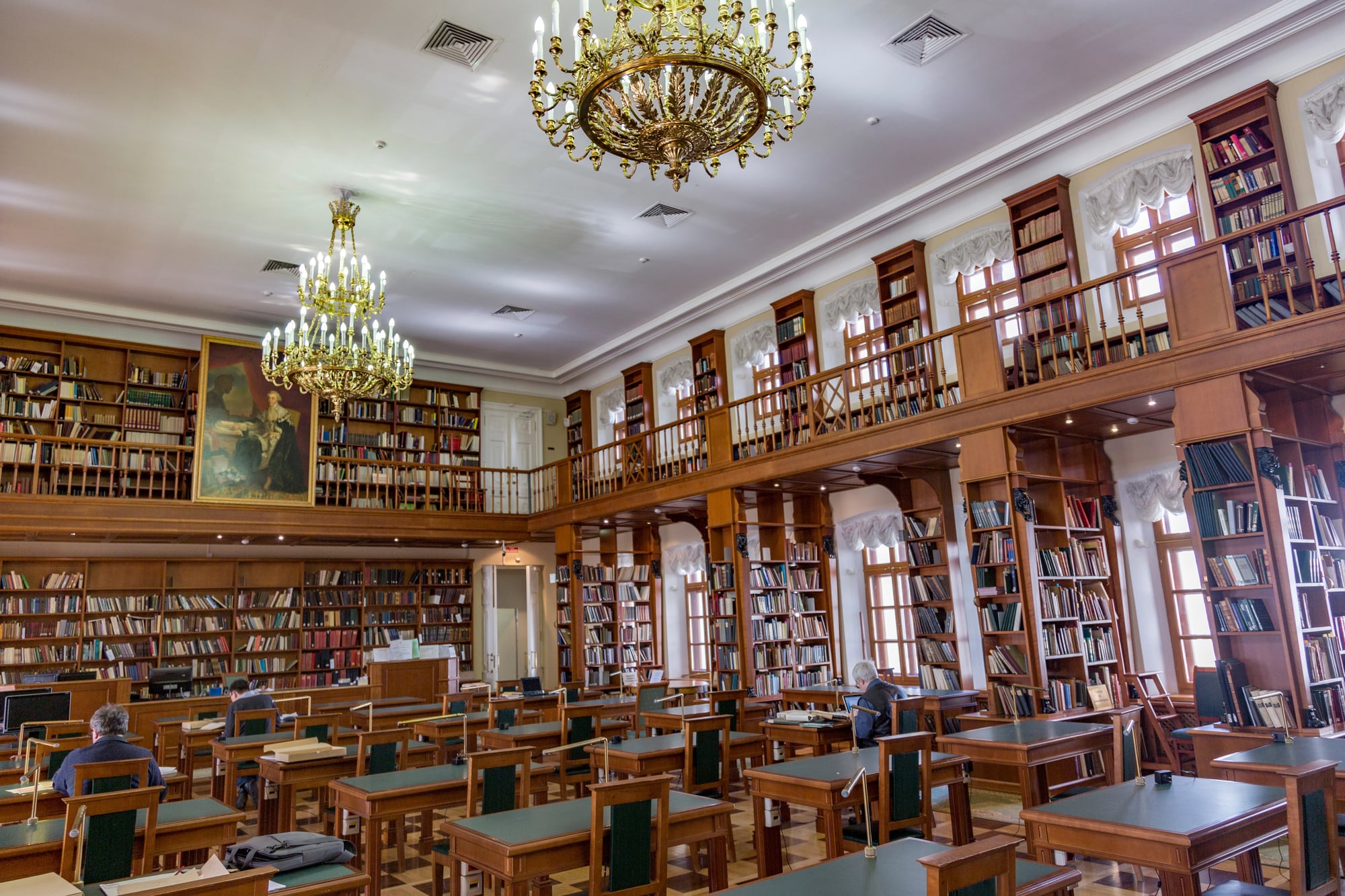
Formerly the Lenin Library, Moscow’s main repository survived the German advance in 1941 through massive evacuation efforts. Staff packed millions of books and manuscripts onto trains heading east, storing them in Siberian warehouses and caves.
The library building itself was camouflaged to look like a residential block, complete with fake windows and painted facades. Most collections returned after the war, making it one of the few major libraries to survive the Eastern Front intact.
Biblioteca Nacional de España, Madrid
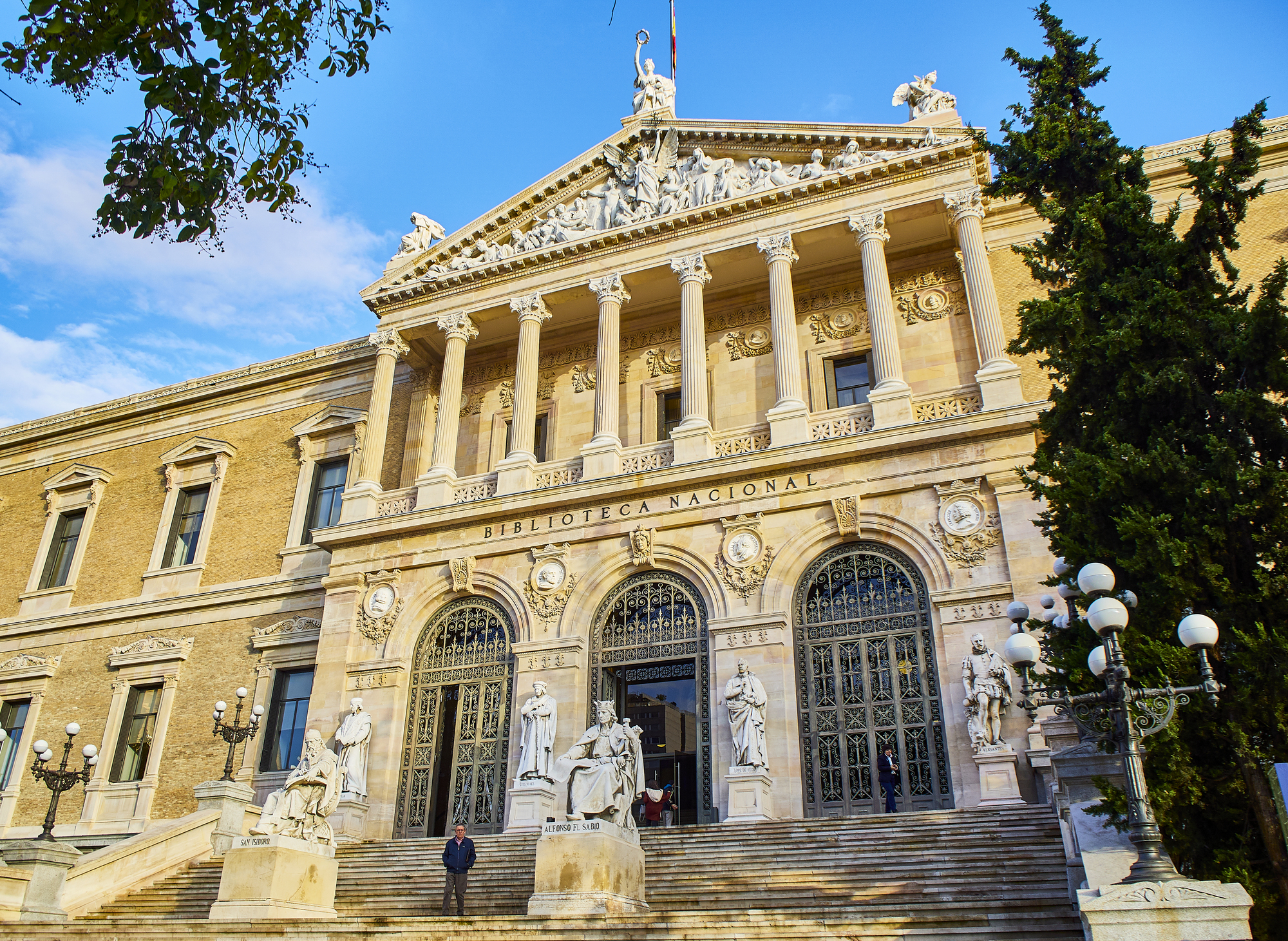
Spain’s national library weathered the Spanish Civil War despite Madrid being under siege for over two years. The library’s neoclassical building served as a makeshift hospital and shelter, but staff protected the book collections in basement vaults.
Bomb damage was minimal, and the library’s status as a cultural institution helped it survive changing political regimes. Republican and Nationalist forces both recognized its value, ensuring its preservation through the conflict.
Bibliothèque Nationale de France, Paris
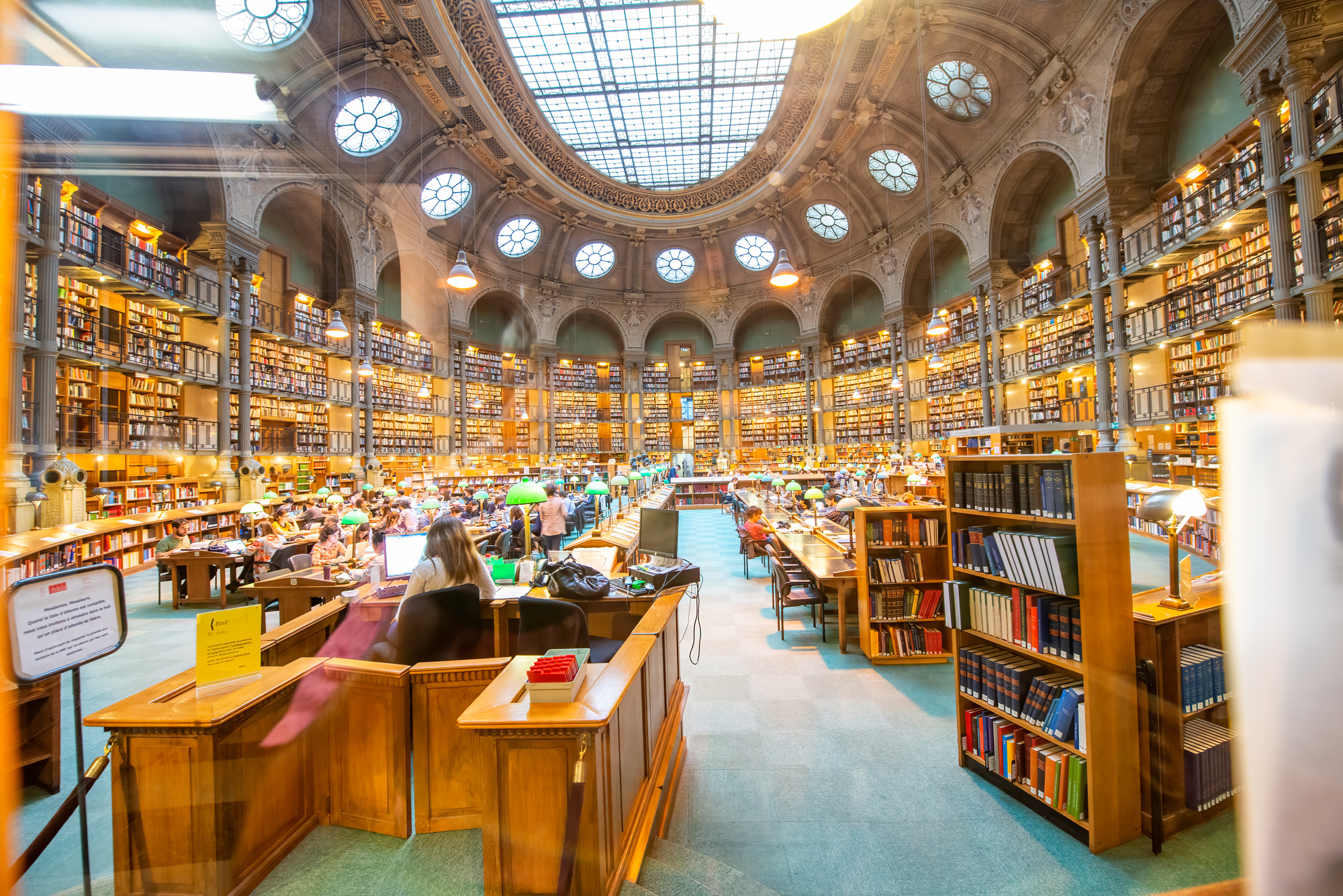
France’s national library survived both World Wars through careful planning and some good fortune. During World War I, staff moved medieval manuscripts to secure locations in the French countryside.
The German occupation of Paris in World War II posed a greater threat, but Nazi officials valued the library’s Germanic collections and preserved the building. Resistance fighters used the library’s vast tunnel system to hide people and supplies, adding to its wartime legacy.
Vatican Library
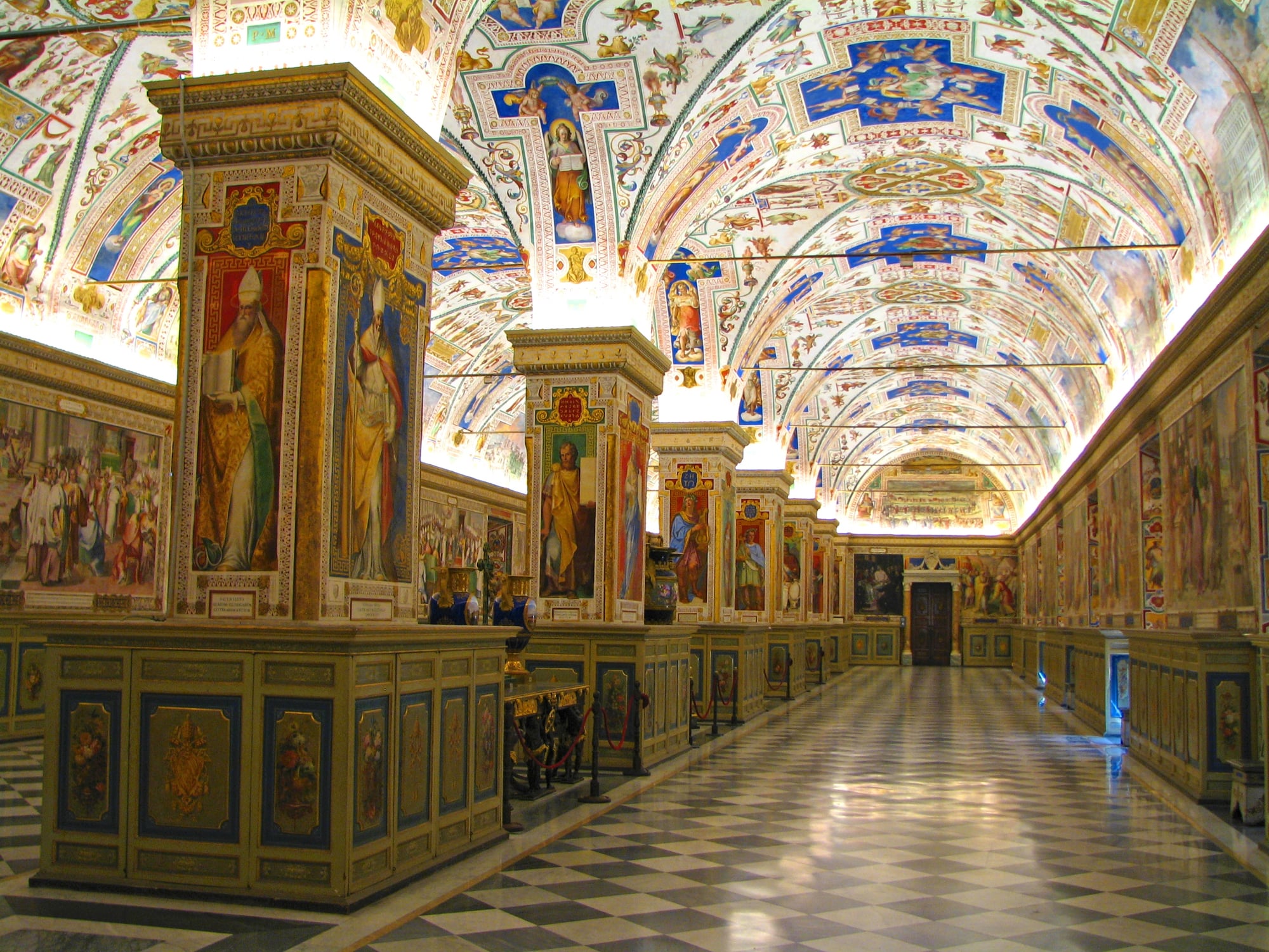
The Vatican’s library survived numerous conflicts by leveraging its unique political status. During World War II, Pope Pius XII declared Vatican City neutral, protecting its collections from Allied and Axis forces alike.
The library’s underground vaults and dispersed storage locations meant that even direct bombing couldn’t destroy the entire collection. Its diplomatic immunity and cultural significance made it one of the safest places in Europe for preserving manuscripts.
Royal Library of Denmark, Copenhagen
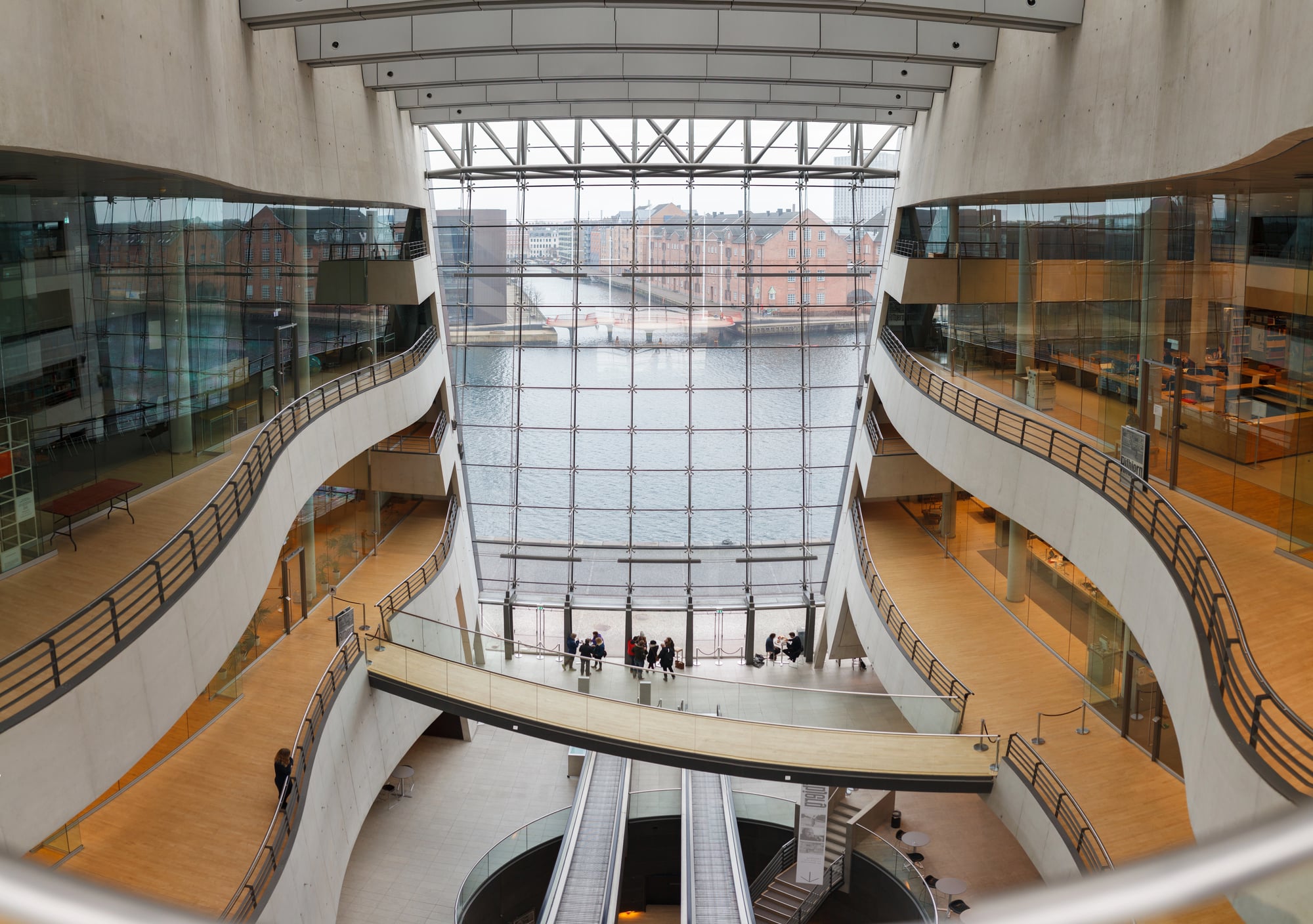
Copenhagen’s royal library survived the Napoleonic Wars and both World Wars through Danish neutrality and clever diplomacy. The distinctive Black Diamond building, constructed in 1999, houses collections that date back centuries.
During World War II, the Danish resistance used the library’s hidden spaces to store weapons and shelter refugees. The German occupation left the building largely untouched, recognizing its cultural importance to Danish identity.
Newberry Library, Chicago
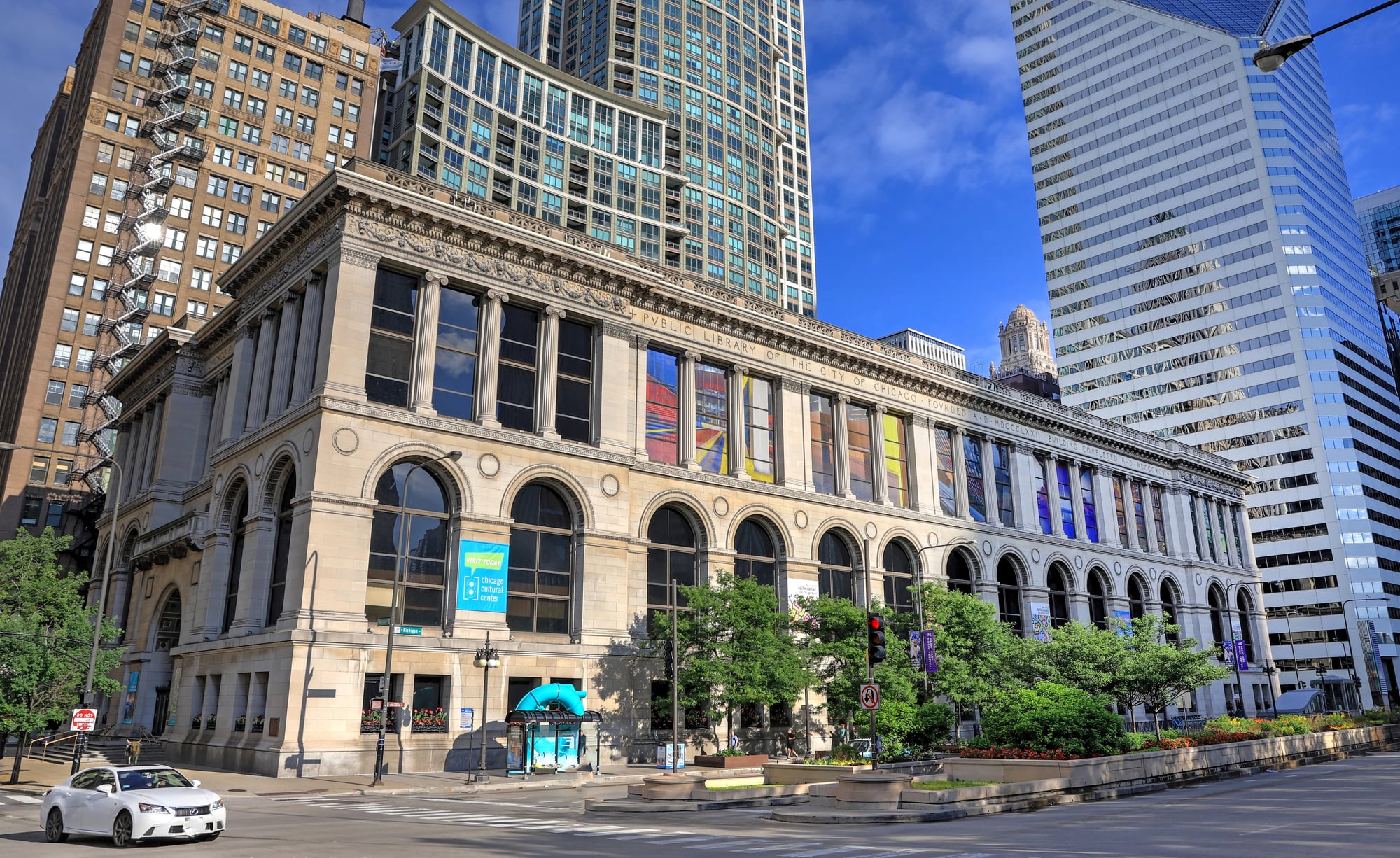
This independent research library survived two world wars by focusing on American and European history rather than military targets. Founded in 1887, the Newberry’s Gothic Revival building weathered both conflicts without significant damage.
The library’s specialized collections in genealogy, local history, and Native American studies made it less likely to be targeted than government or university libraries. Its endowment and private status also provided flexibility during wartime shortages.
Morgan Library, New York
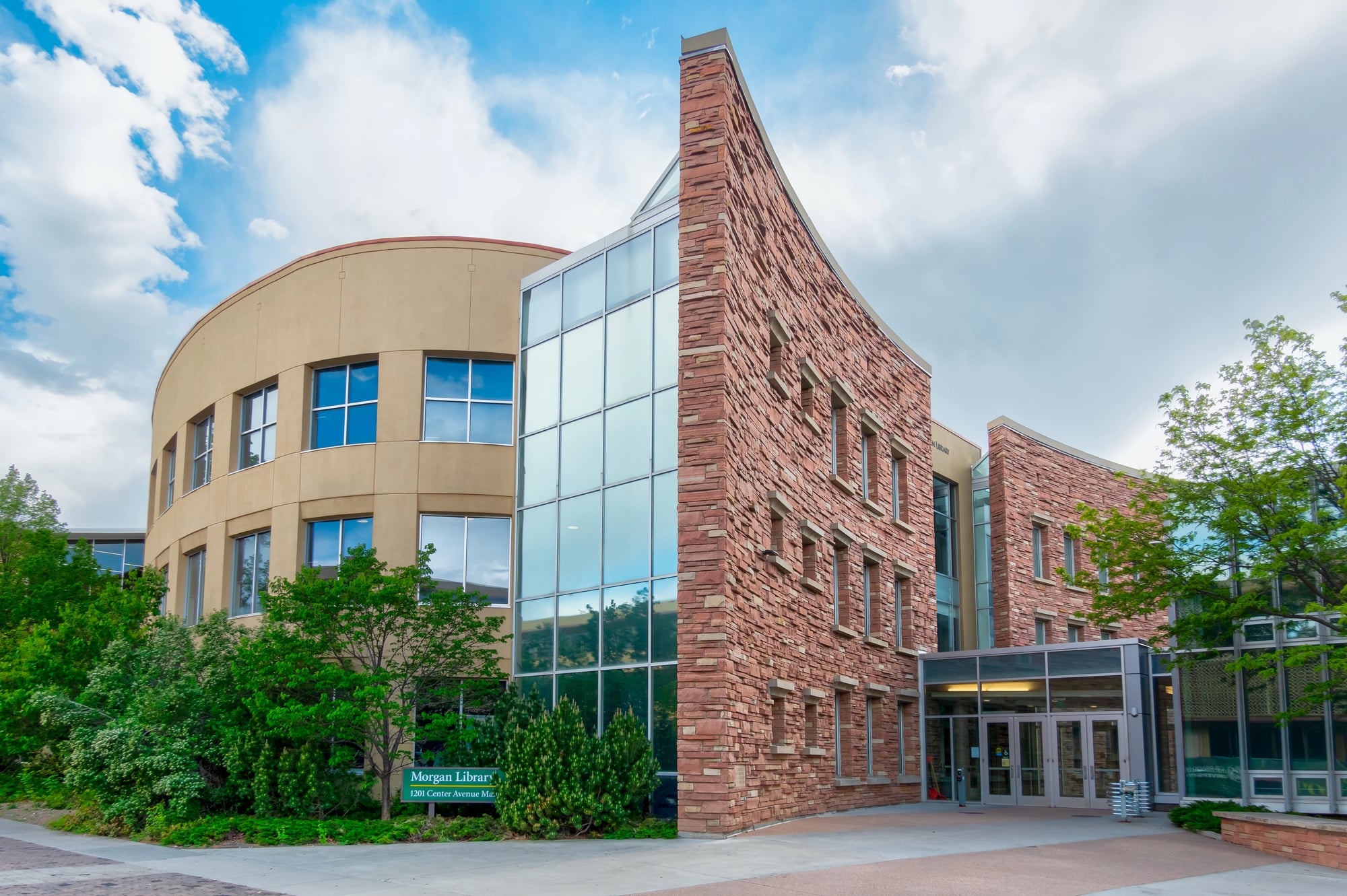
J.P. Morgan’s private library, opened to the public in 1924, survived both World Wars through its location and security measures. The building’s vault-like construction, originally designed to protect Morgan’s rare manuscripts and books, proved ideal for wartime preservation.
Staff trained in emergency procedures and had evacuation plans ready, though New York’s distance from active combat zones made implementation unnecessary. The library’s focus on illuminated manuscripts and literary works kept it away from political controversies.
Beinecke Library, Yale
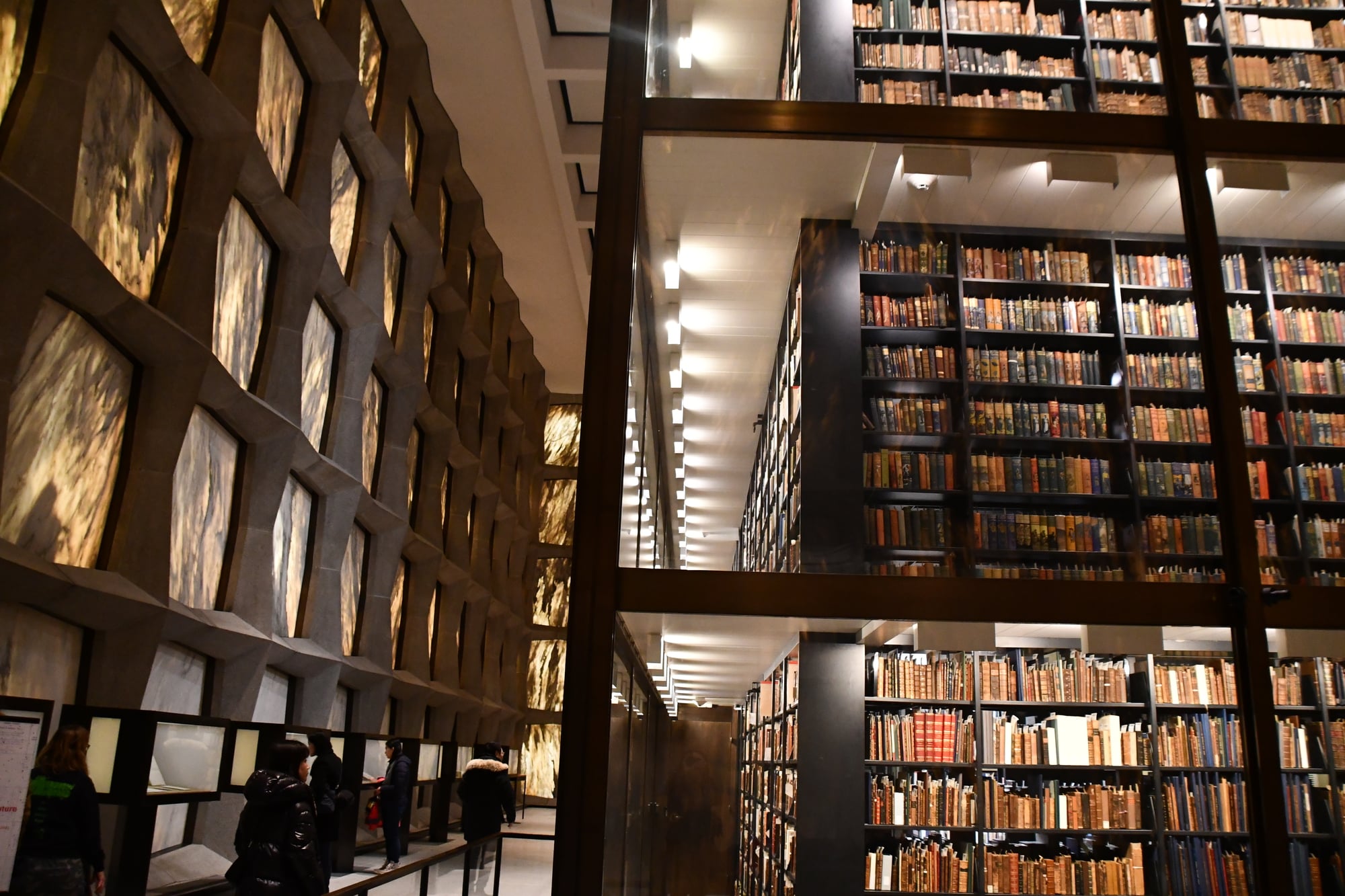
Yale’s rare book library, though built after World War II, houses collections that survived the conflict through careful curation and storage. The library’s predecessors moved valuable materials to secure locations throughout New England.
Yale’s strong alumni network provided private homes and businesses as temporary storage sites. The university’s research mission and academic neutrality helped protect its collections from wartime destruction or seizure.
Huntington Library, California
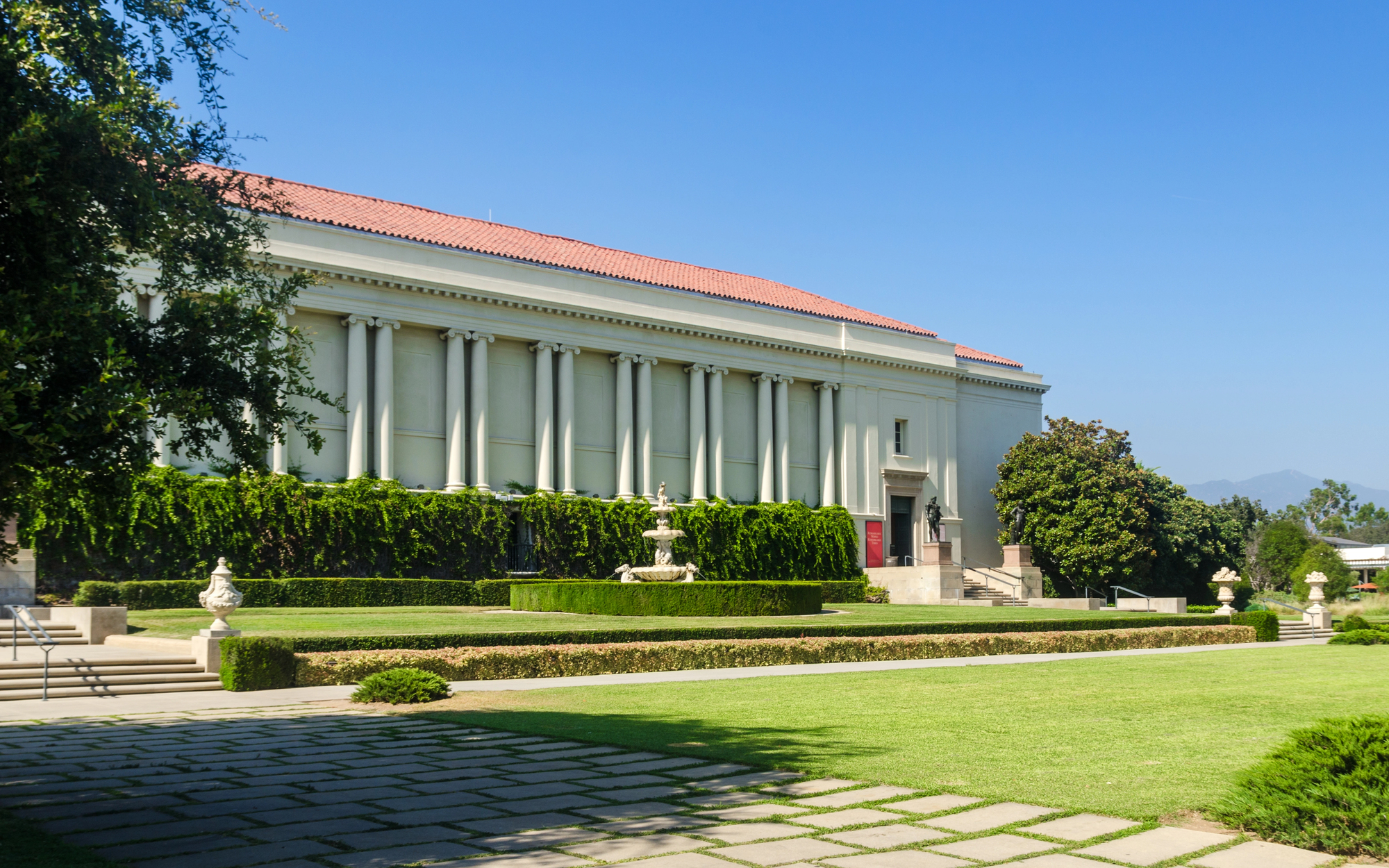
This research library in San Marino survived both World Wars by virtue of its geographic isolation and private status. Founded by railroad magnate Henry Huntington, the library’s distance from military installations and ports made it an unlikely target.
The institution’s focus on British and American literature, rather than military or political materials, further reduced its wartime risk. Its art collections and botanical gardens provided additional cultural protection.
Princeton University Library
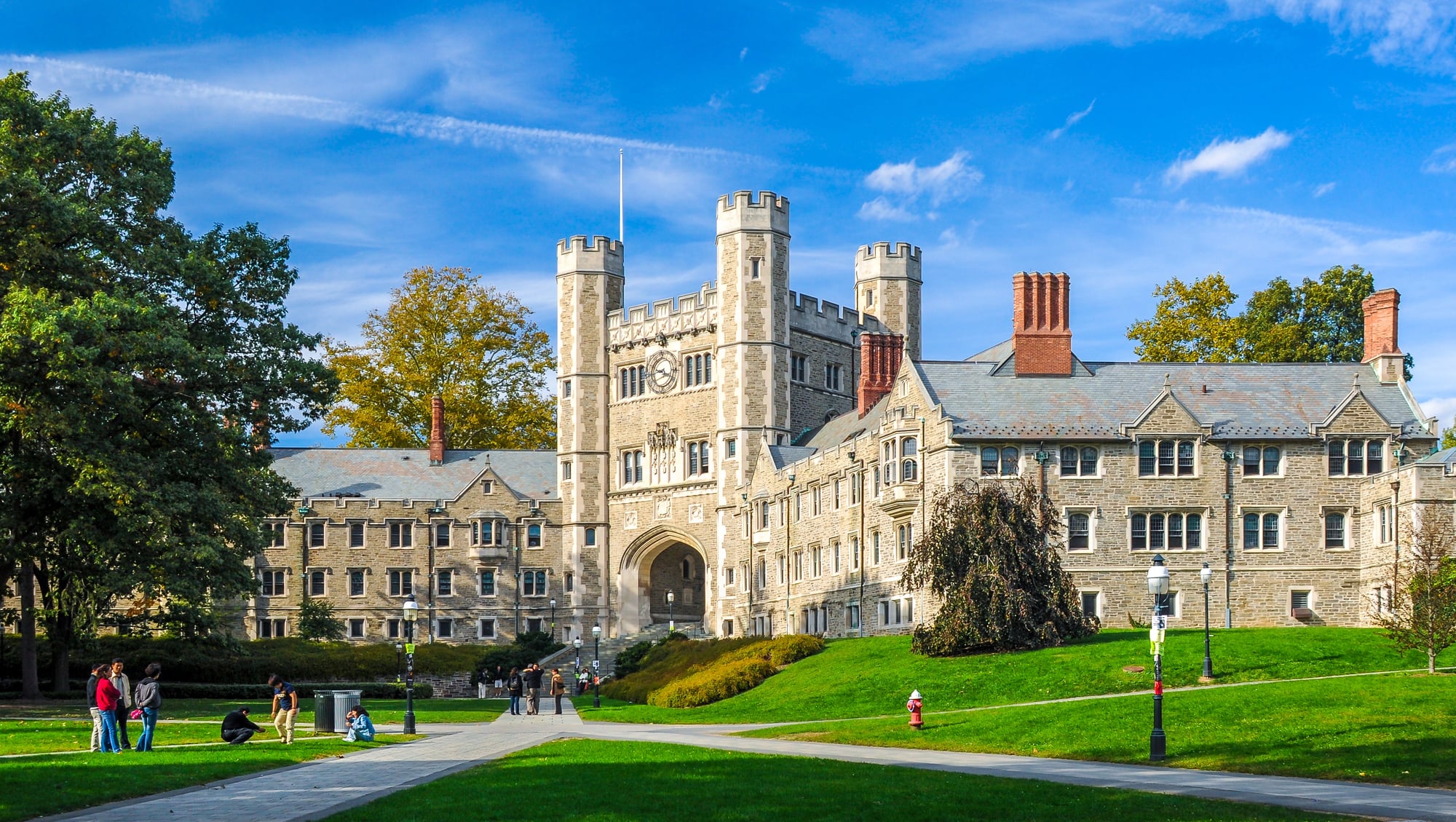
Princeton’s library system survived both World Wars through academic connections and strategic planning. The university’s eating clubs and alumni network provided secure storage locations throughout New Jersey and Pennsylvania.
Faculty members took personal responsibility for protecting specific collections, often storing rare books in their homes. The library’s Gothic Revival architecture and ivy-covered walls symbolized American academic tradition, making it culturally significant to preserve.
Threads That Bind Past and Present

These libraries represent more than just collections of books—they embody humanity’s determination to preserve knowledge despite the chaos of war. Each institution developed unique survival strategies, from underground vaults to diplomatic immunity, showing how different approaches could achieve the same goal.
The librarians, scholars, and communities who protected these collections understood that losing them would mean losing pieces of human civilization itself. Their efforts remind us that in times of conflict, protecting cultural heritage becomes an act of defiance against forces that would erase our shared history.
More from Go2Tutors!

- The Romanov Crown Jewels and Their Tragic Fate
- 13 Historical Mysteries That Science Still Can’t Solve
- Famous Hoaxes That Fooled the World for Years
- 15 Child Stars with Tragic Adult Lives
- 16 Famous Jewelry Pieces in History
Like Go2Tutors’s content? Follow us on MSN.