15 Most Colorful Birds in the World
Nature seems to have gone a bit wild with her paint palette when it comes to birds. From the tropical rainforests of South America to the grasslands of Australia, some feathered creatures display colors so vibrant they look like they’ve escaped from an artist’s imagination. These aren’t just pretty faces either – those bright hues serve important purposes, from attracting mates to warning off predators.
Let’s take a colorful journey around the globe to discover some of nature’s most dazzling aerial artists. Here is a list of 15 birds that showcase the most spectacular color combinations on Earth.
Painted Bunting
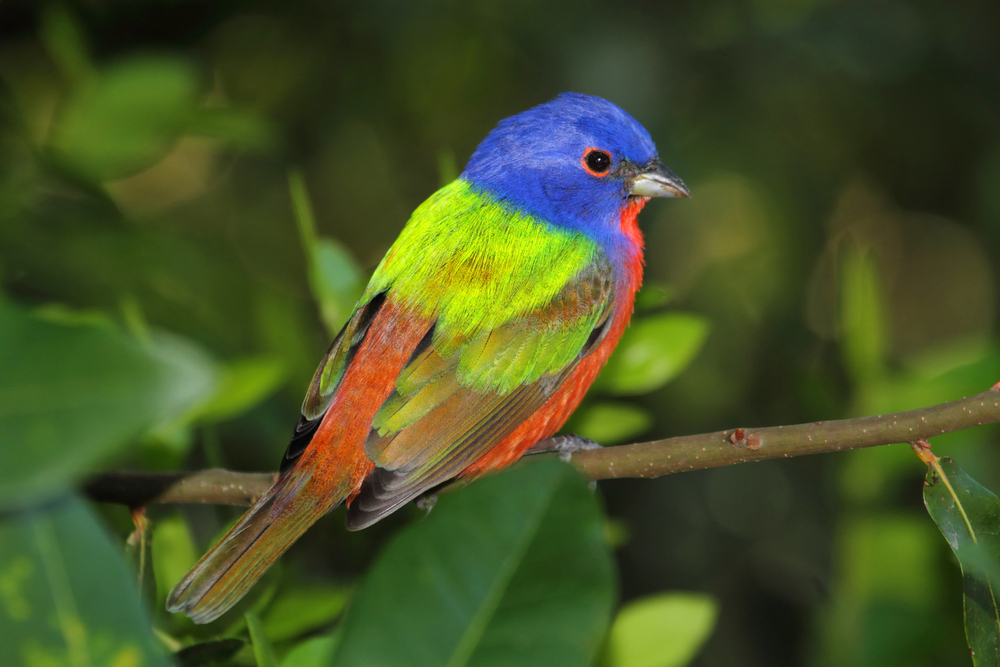
The male Painted Bunting looks like someone took a rainbow and compressed it into a small songbird. Its head glows with electric blue, while its back shimmers in bright green and its chest blazes red. Found in the southeastern and south-central United States, these birds are often called ‘nonpareil,’ which means ‘without equal’ in French – a fitting name for such spectacular plumage. The females, in contrast, sport a distinctive lime-green color that helps them blend in while nesting.
Paradise Tanager
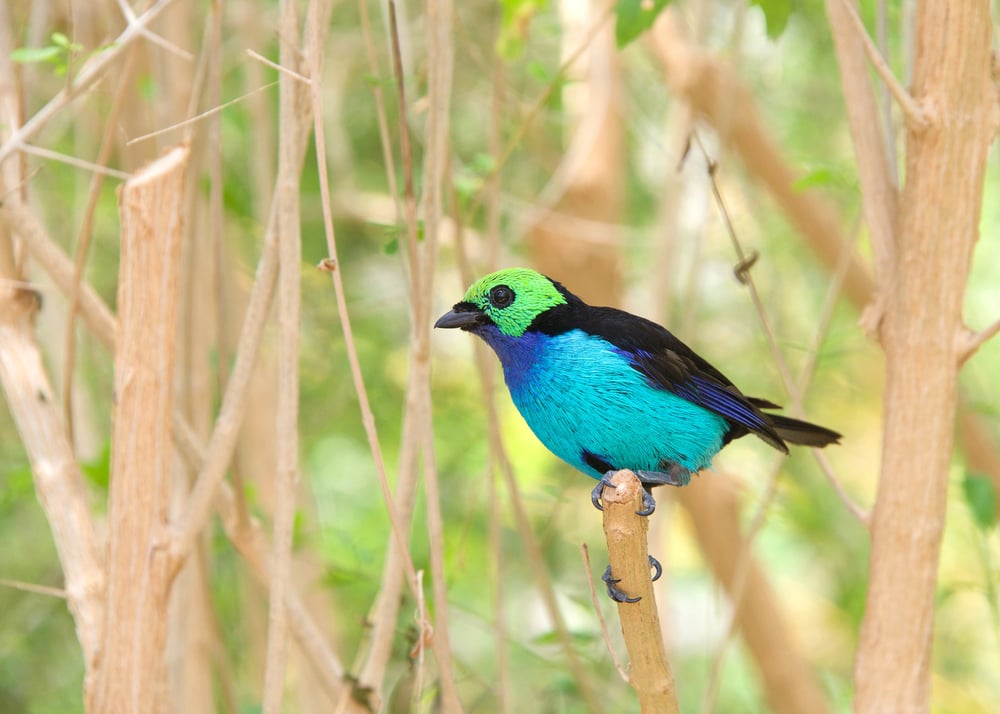
Living up to its heavenly name, the Paradise Tanager sports one of the most complex color schemes in the Amazon rainforest. Its apple-green head contrasts with a turquoise-blue breast, while the lower back blazes red and the rump glows yellow. The black wings add depth to this living kaleidoscope. These small birds spend their time high in the forest canopy, where their brilliant colors help them stand out against the dense green foliage.
Gouldian Finch
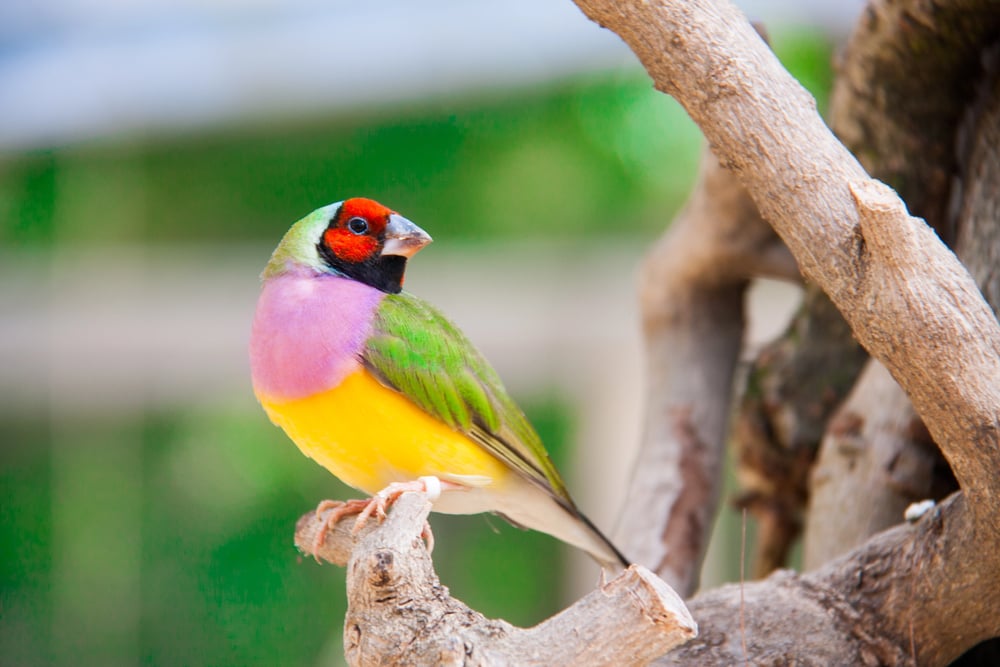
Also known as the Rainbow Finch, the Gouldian Finch comes in three distinct color variations. Most have black faces, but some sport red faces and a rare few have yellow faces, all complemented by bright-green backs, turquoise necks, yellow bellies, and purple breasts. Native to northern Australia, these tiny gems prefer tropical savanna woodlands. Their colors are so striking that they’ve become popular cage birds, though conservation efforts now focus on protecting wild populations.
Indian Peafowl
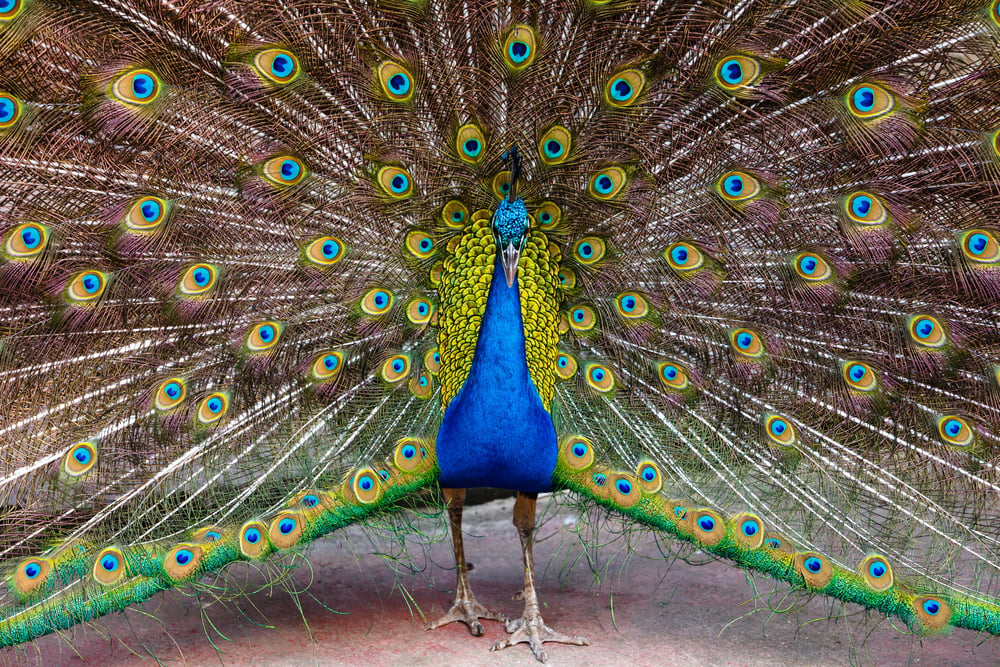
The male peacock is nature’s ultimate showoff, and for good reason. Males are famous for their iridescent blue feathers and eyespot-covered tail feathers that they spread into a magnificent fan to woo females. When a peacock struts with its tail fully displayed, those shimmering blues and greens create one of the most spectacular sights in the animal kingdom. Originally from the Indian subcontinent, these birds have been introduced worldwide as ornamental species.
Rainbow Lorikeet
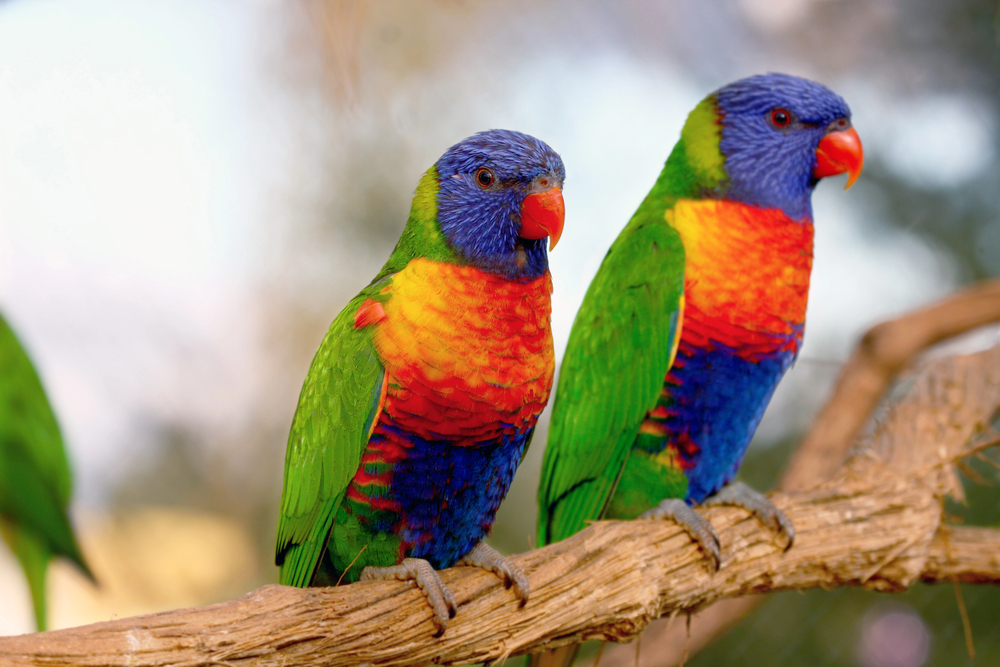
True to its name, the Rainbow Lorikeet packs nearly every color of the spectrum into its compact frame. The head is deep blue with a greenish-yellow collar, while the upper parts are green and the chest is bright orange-yellow. Found along Australia’s eastern coast, these medium-sized parrots have adapted well to urban environments, often becoming regular backyard visitors. Their brush-tipped tongues are perfectly designed for collecting nectar from flowers.
Scarlet Macaw
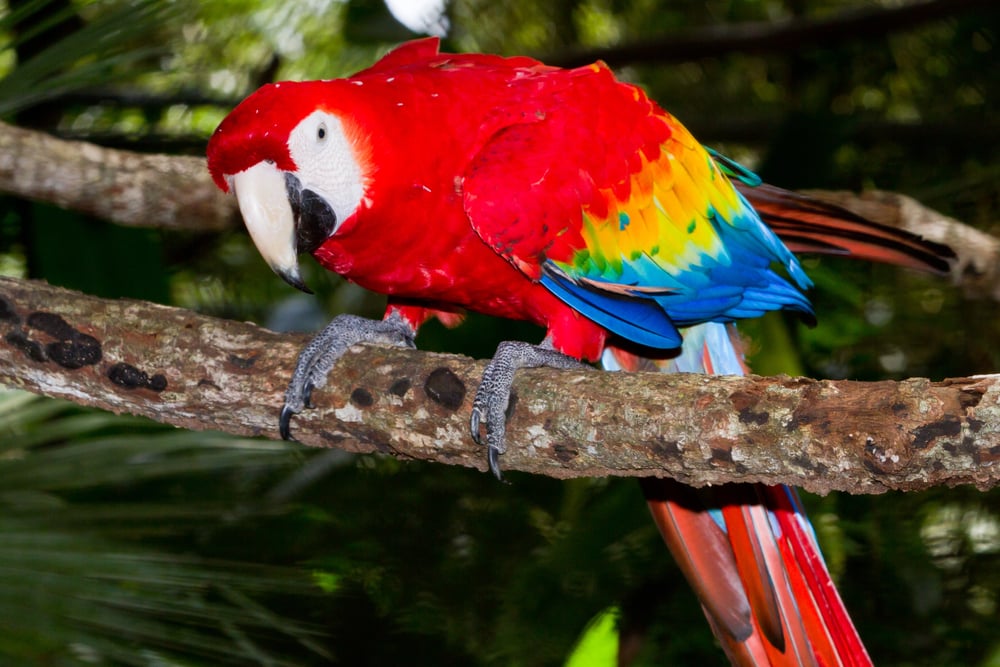
The Scarlet Macaw is probably what most people picture when they think of a tropical parrot. These large birds are dominated by brilliant scarlet red, with vibrant yellow and deep blue feathers creating striking wing patterns. Native to Central and South American rainforests, they can reach 35 inches in length including their impressive tails. Their powerful beaks aren’t just for show – they’re perfectly designed for cracking tough nuts and seeds.
Keel-billed Toucan
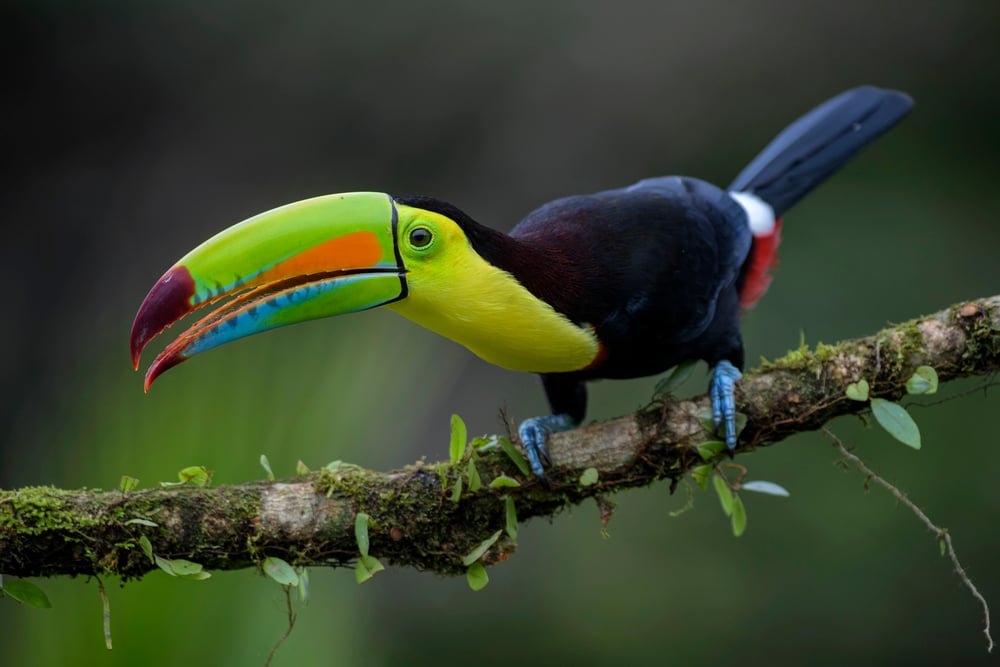
Often called the rainbow-billed toucan, this bird’s most striking feature is its enormous, multicolored beak. The bill displays a kaleidoscope of red, yellow, orange, blue, and green colors, making up about one-third of the bird’s total length. Despite its size, the beak is surprisingly lightweight due to its hollow structure. The bird’s black body with bright yellow throat creates a perfect backdrop for that spectacular rainbow bill.
Lilac-breasted Roller
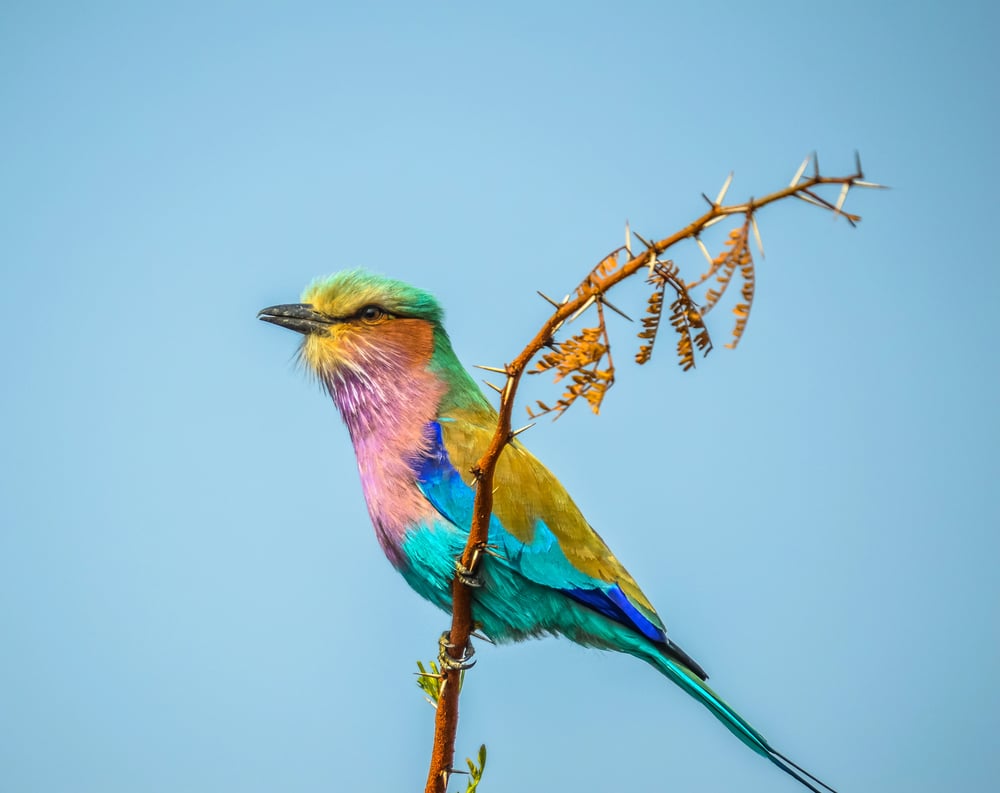
The Lilac-breasted Roller earns its name from both its stunning colors and its acrobatic courtship displays. It boasts a lilac-colored breast and throat, a striking turquoise crown, green-blue belly, and rusty-orange face and cheeks. Found throughout sub-Saharan Africa, these birds prefer open woodlands and savannas. During mating season, males perform dramatic aerial rolls and dives that showcase their brilliant plumage against the African sky.
Wilson’s Bird-of-Paradise
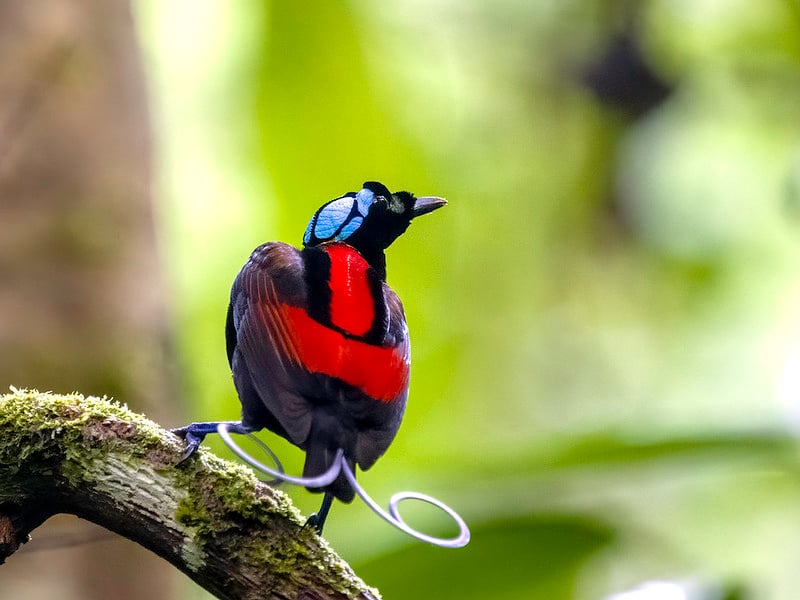
Even among the famously flamboyant bird-of-paradise family, Wilson’s species stands out as extraordinary. The male displays an emerald breast shield with an oily sheen, contrasting with a bright crimson back and a semicircular yellow cape on the nape. The unfeathered crown glows turquoise-blue with fine black lines, while cobalt-blue legs complete this living artwork. Endemic to Indonesia, these birds perform elaborate courtship dances to highlight their incredible colors.
Golden Pheasant
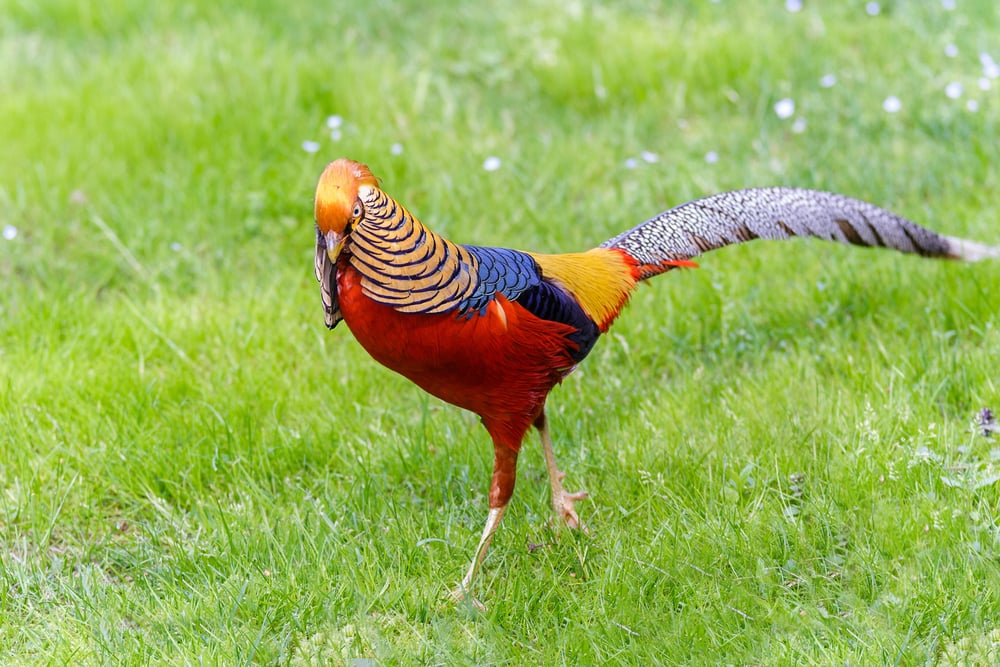
The male Golden Pheasant looks like it stepped out of an ancient Chinese painting. He boasts a golden-yellow crest and rump, bright red breast and flanks, and a deep blue-green upper back. The long, golden-brown tail marked with dark bars adds to his regal appearance. Originally from the mountainous forests of western China, these birds have established populations in various countries due to their popularity as ornamental species.
Mandarin Duck
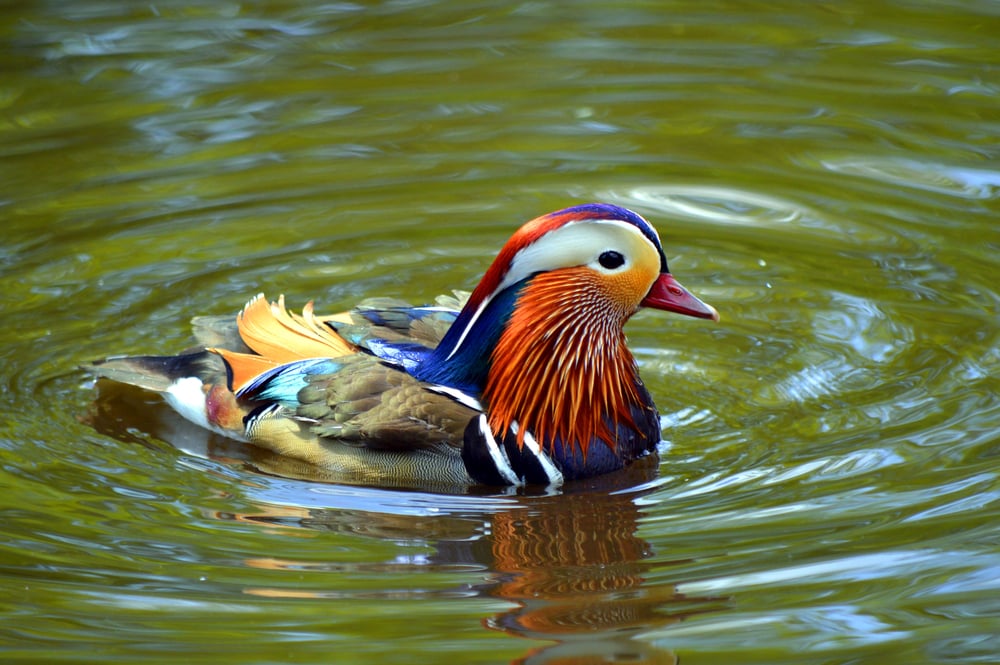
Male Mandarin Ducks are living proof that waterfowl can be just as colorful as any tropical bird. Males have distinctive orange cheeks and ‘sails’ on their backs, plus a purple chest and royal-blue and green feathers in their crown and tail. Native to East Asia, some escaped captive birds have established wild populations in the UK and parts of North America. Their elaborate plumage reaches peak brilliance during breeding season when they compete for female attention.
Northern Cardinal
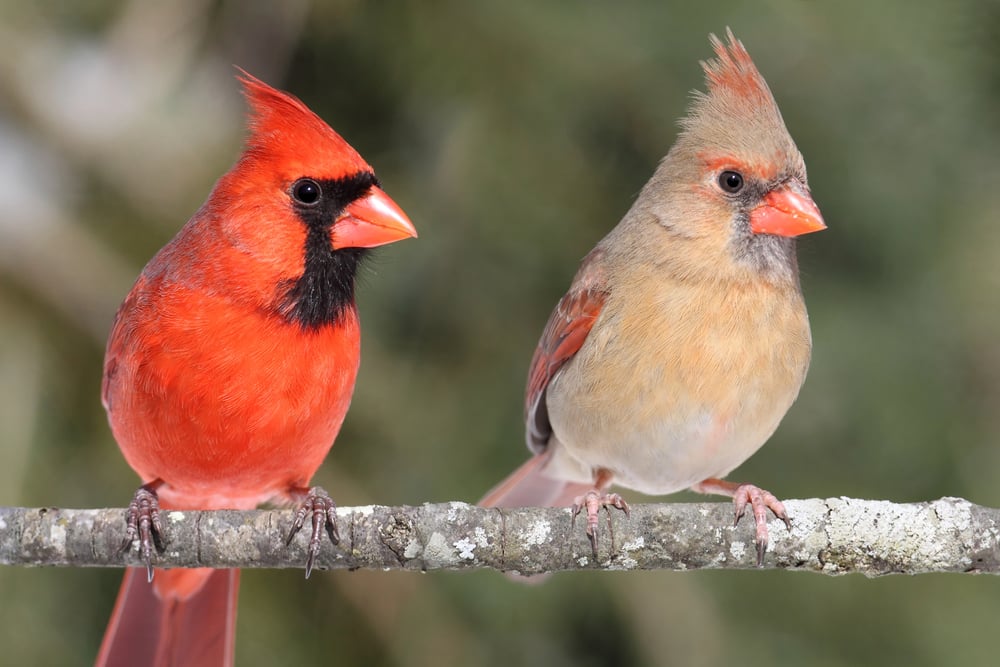
The bright red Northern Cardinal is one of North America’s most beloved backyard birds. Males are known for their bright red plumage, red crests, and distinctive black eye masks. These vivid songbirds are particularly striking against snow-covered winter landscapes, making them popular subjects for holiday cards. Unlike many colorful birds, cardinals maintain their brilliant colors year-round and are often seen at backyard feeders throughout their range in eastern and central North America.
Red-bearded Bee-eater
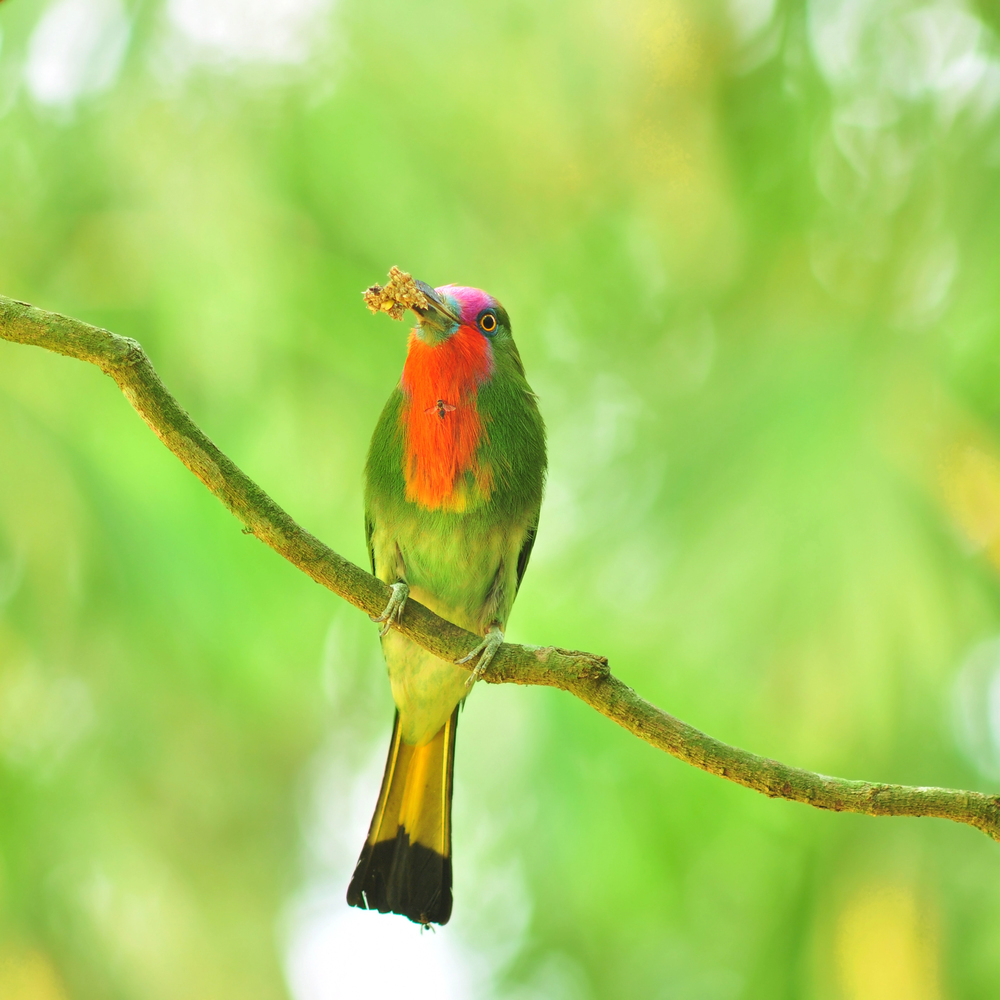
This striking Southeast Asian bird combines vibrant colors with specialized hunting skills. The Red-bearded Bee-eater has a bright green body, red throat and chest, pale purple forehead, and yellow-orange eyes. Found in the dense forests of the Indo-Malayan region, these birds catch their prey – mainly bees, hornets, and wasps – during dramatic aerial pursuits. Their colorful plumage helps them blend into the dappled light of the forest canopy.
Spangled Cotinga
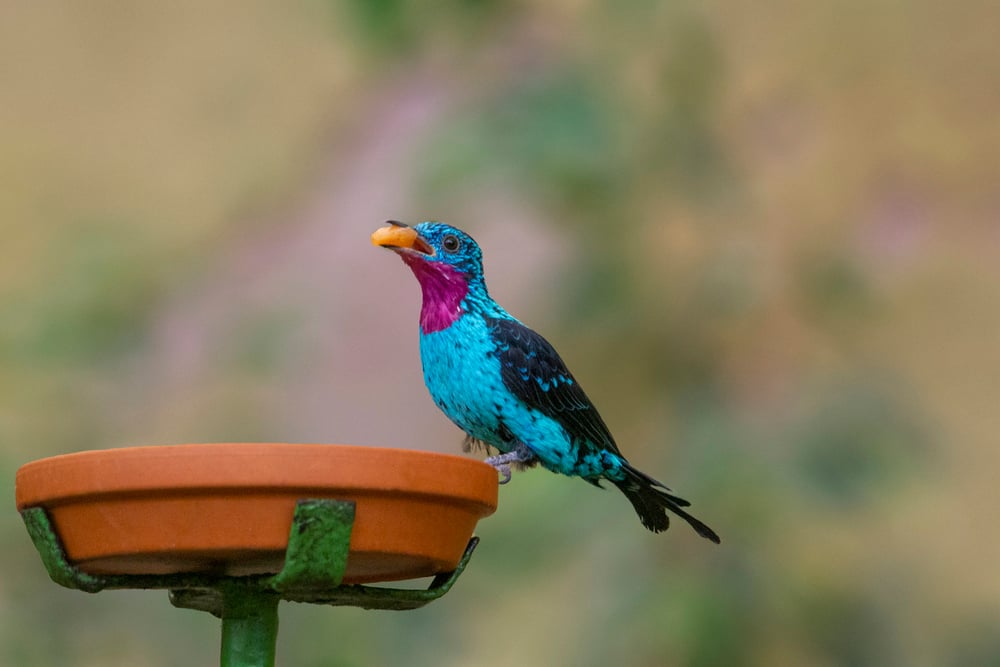
The male Spangled Cotinga is one of the Amazon’s most eye-catching residents. Males have striking light-blue feathers on their breast and belly, bluish-black wings, and a vibrant magenta throat. These birds are often seen perched on dead treetops or fruiting trees in the Brazilian Amazon. Interestingly, they don’t vocalize like most birds but instead make a distinctive whistling noise during flight.
Splendid Fairywren
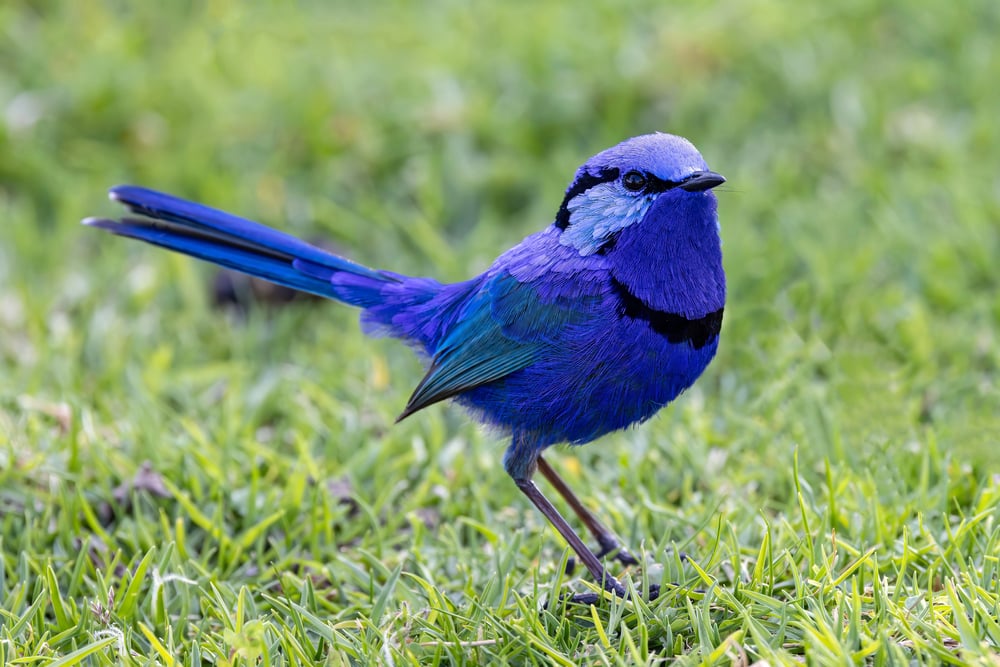
This tiny Australian gem proves that size doesn’t determine color intensity. During breeding season, males transform from brown to brilliant blue with a purplish-blue throat and dark blue wings and tail. The contrast between their bright blue bodies and black markings creates a stunning miniature masterpiece. Found across much of mainland Australia, these small birds have adapted well to both natural habitats and urban gardens.
Nature’s Paintbox Lives On
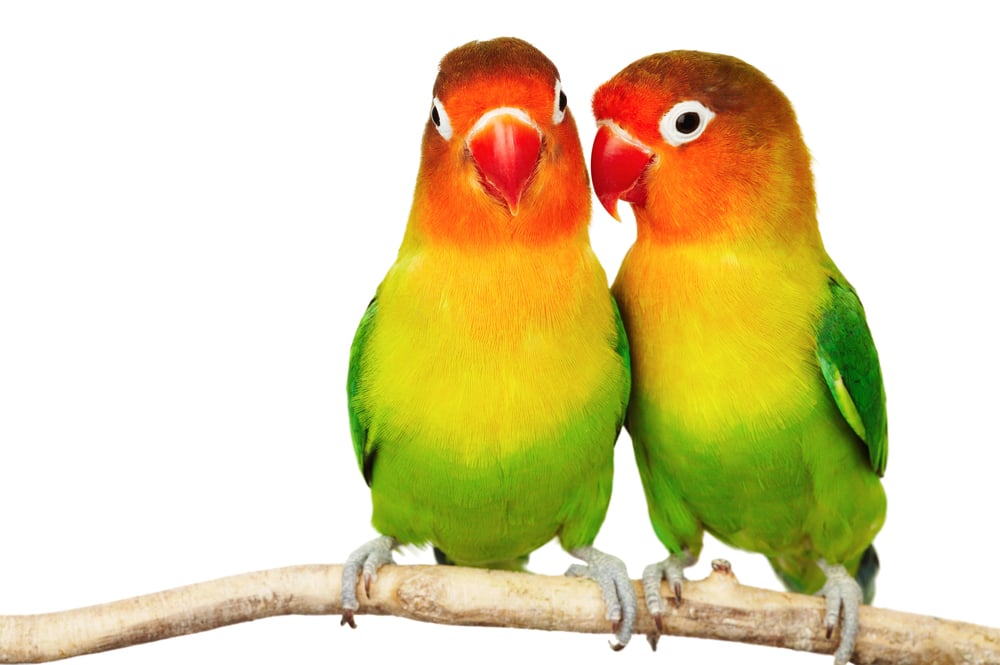
These remarkable birds remind us that evolution can be just as much about beauty as survival. Their vibrant colors serve practical purposes – attracting mates, identifying species, and sometimes warning predators – but they also bring wonder to anyone lucky enough to spot them. From tropical rainforests to suburban backyards, these feathered rainbows continue to inspire artists, photographers, and nature lovers worldwide. In a world that can sometimes seem gray, these birds are living proof that nature still knows how to put on quite a show.
More from Go2Tutors!

- The Romanov Crown Jewels and Their Tragic Fate
- 13 Historical Mysteries That Science Still Can’t Solve
- Famous Hoaxes That Fooled the World for Years
- 15 Child Stars with Tragic Adult Lives
- 16 Famous Jewelry Pieces in History
Like Go2Tutors’s content? Follow us on MSN.