15 Most Expensive Buildings in the World
When you think about expensive real estate, you might picture a sprawling mansion in Beverly Hills or a penthouse in Manhattan. Those properties pale in comparison to the architectural giants that dominate skylines and reshape entire cities.
The world’s most expensive buildings represent more than just construction costs—they’re monuments to human ambition, engineering prowess, and sometimes, sheer extravagance. From towering skyscrapers to sacred places of worship, these structures required billions of dollars and countless hours of labor to bring to life.
Here is a list of 15 of the world’s most expensive buildings, ranked by their staggering construction costs.
Great Mosque of Mecca
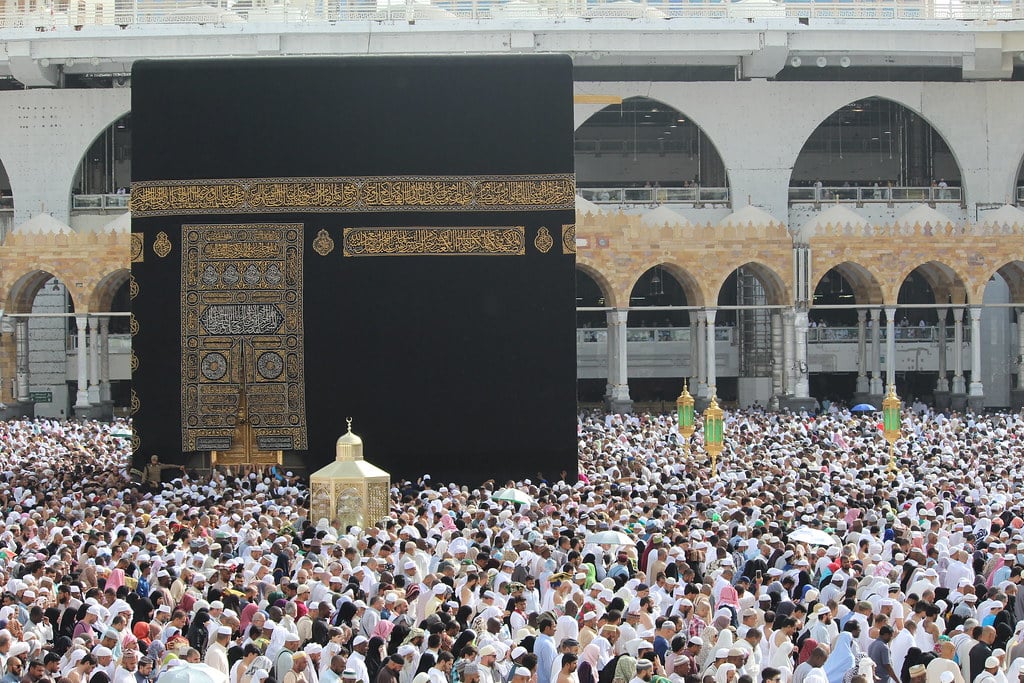
The Great Mosque of Mecca stands as the most expensive building ever constructed, with costs exceeding $100 billion and projected to reach $120 billion by 2030. This isn’t just a single construction project but rather ongoing expansions that have transformed the holiest site in Islam over decades.
The massive complex can accommodate up to 4 million worshippers during Hajj, with prayer spaces covering hundreds of thousands of square meters. The price tag reflects not just the building itself but the continuous infrastructure improvements, underground tunnels, high-tech air conditioning systems, and support facilities needed to handle millions of pilgrims each year.
Abraj Al Bait
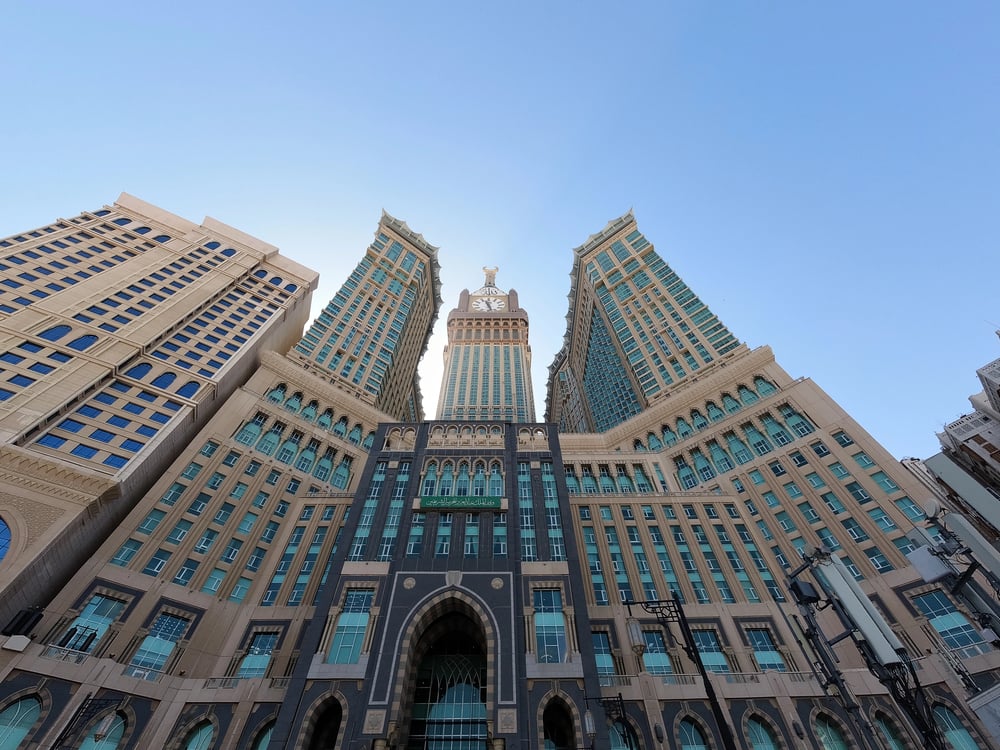
Located just across from the Great Mosque in Mecca, the Abraj Al Bait complex cost approximately $15 billion to construct. This collection of seven skyscraper hotels features the world’s largest clock tower, rising 601 meters into the sky and adorned with 24-carat gold leaf.
The complex includes luxury hotels, high-end retail shops, a massive prayer area that holds 10,000 people, and multiple heliports. Think of it as a vertical city designed specifically for the millions of pilgrims who visit Mecca annually, combining hospitality with proximity to one of Islam’s most sacred sites.
Marina Bay Sands
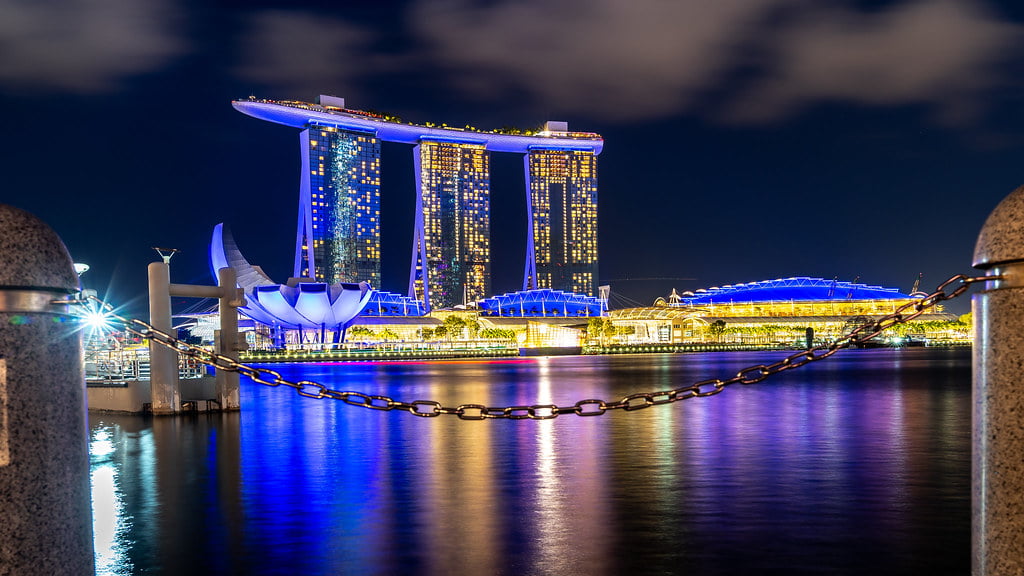
Singapore’s Marina Bay Sands transformed the city’s skyline when it opened in 2010, costing an estimated $5.7 billion to complete. The integrated resort features three 55-story towers connected by a massive rooftop platform that holds the world’s largest rooftop infinity pool.
From that pool, you can swim while overlooking the entire downtown Singapore skyline—a view that’s become one of the most photographed spots in Asia. The complex houses a casino, luxury hotel, high-end shopping mall, convention center, and museum, making it more than just a hotel but a complete entertainment destination.
SoFi Stadium
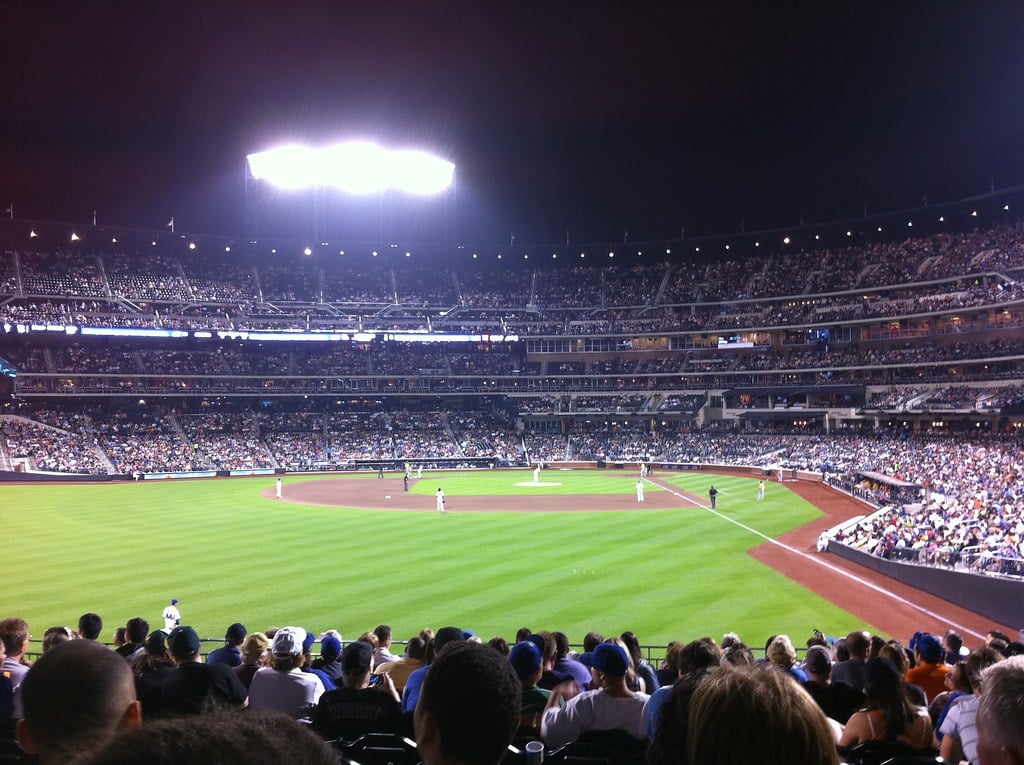
Opening in 2020, SoFi Stadium in Inglewood, California, claimed the title of the world’s most expensive sports venue with a construction cost of $5.5 billion. The stadium serves as home to both the Los Angeles Rams and the Los Angeles Chargers, featuring a massive semi-translucent canopy roof that covers 70,000 seats.
Suspended beneath that canopy is a 360-degree video board that’s the largest of its kind, visible from every seat in the house. The venue will host the opening and closing ceremonies of the 2028 Olympic Games, cementing its status as a world-class entertainment complex.
Apple Park
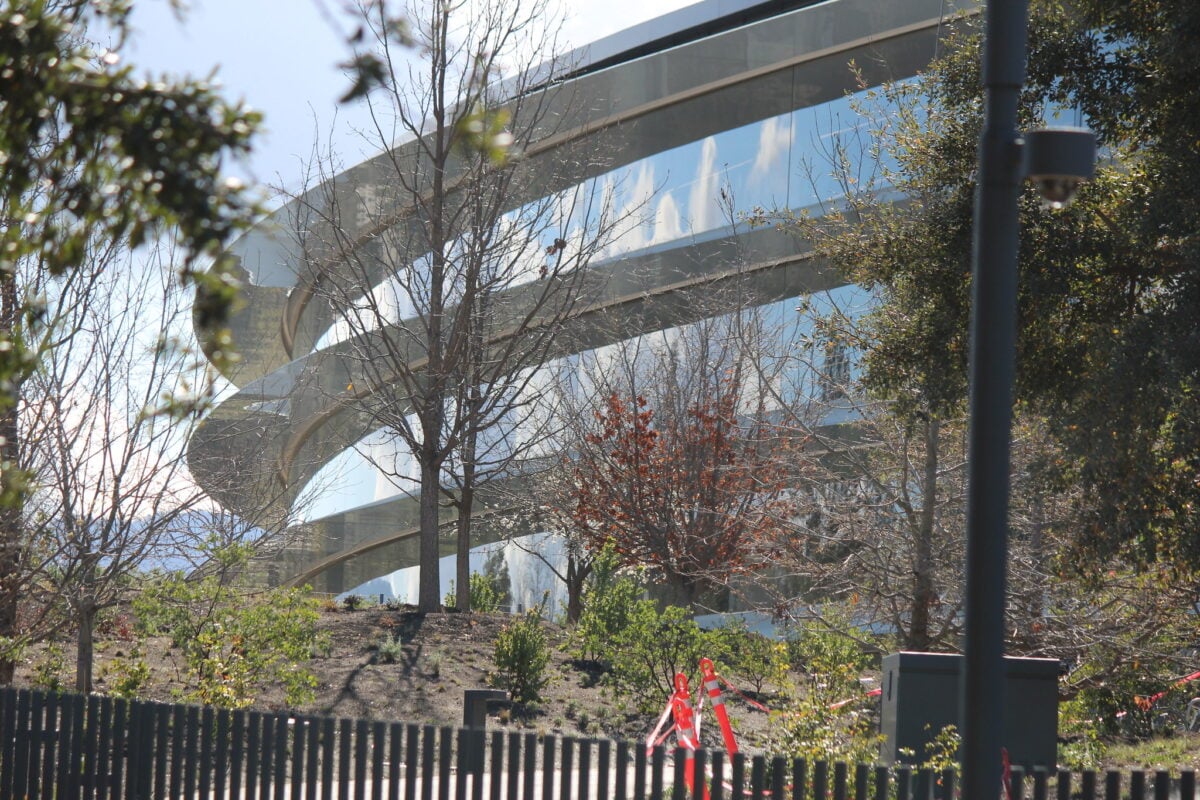
Apple’s corporate headquarters in Cupertino, California, cost approximately $5 billion to build and opened to employees in 2017. The main building’s circular design earned it the nickname ‘the spaceship,’ stretching nearly a mile in circumference and housing more than 12,000 employees.
Apple co-founder Steve Jobs envisioned the campus as a nature refuge rather than a typical business park, with 80 percent of the 175-acre site consisting of green space filled with drought-resistant trees. The campus features one of the world’s largest rooftop solar installations and uses natural ventilation instead of traditional air conditioning for nine months of the year.
Resorts World Sentosa
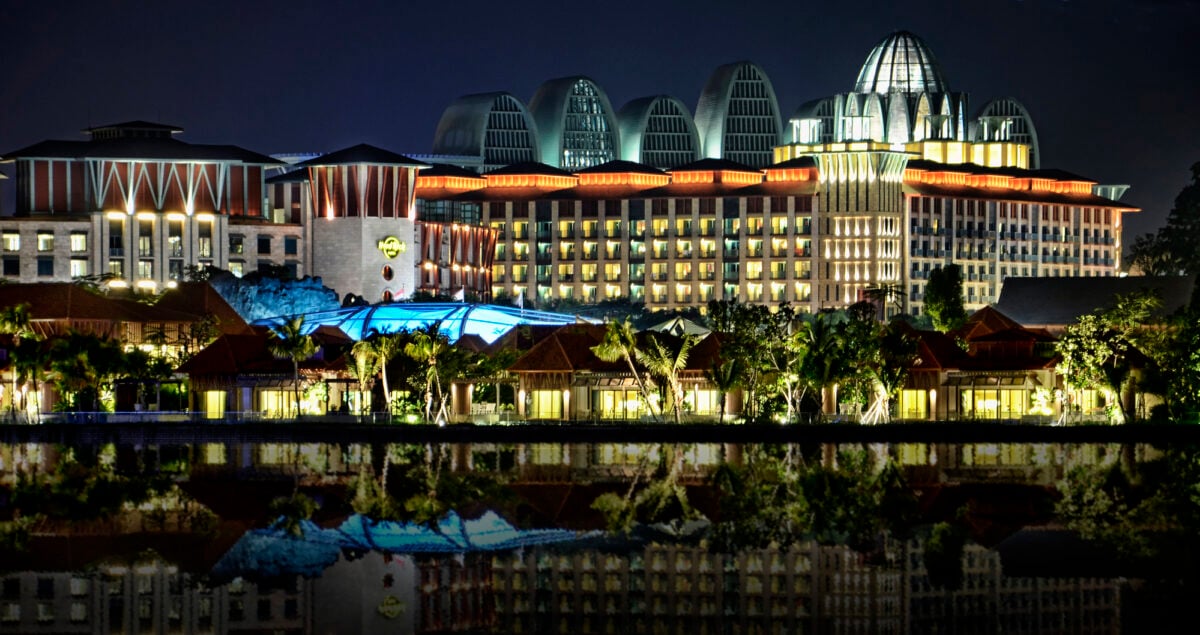
Built at the same time as Marina Bay Sands but located about 5 miles away on Sentosa Island, Resorts World Sentosa cost $4.93 billion to construct. The integrated resort offers everything from luxury hotels and a marine park to fine dining and Universal Studios Singapore.
It’s essentially a self-contained entertainment city designed to keep visitors engaged for days without ever leaving the property. The resort has become one of Singapore’s most popular tourist destinations, drawing millions of visitors annually to its beaches, attractions, and gaming facilities.
Wynn Palace
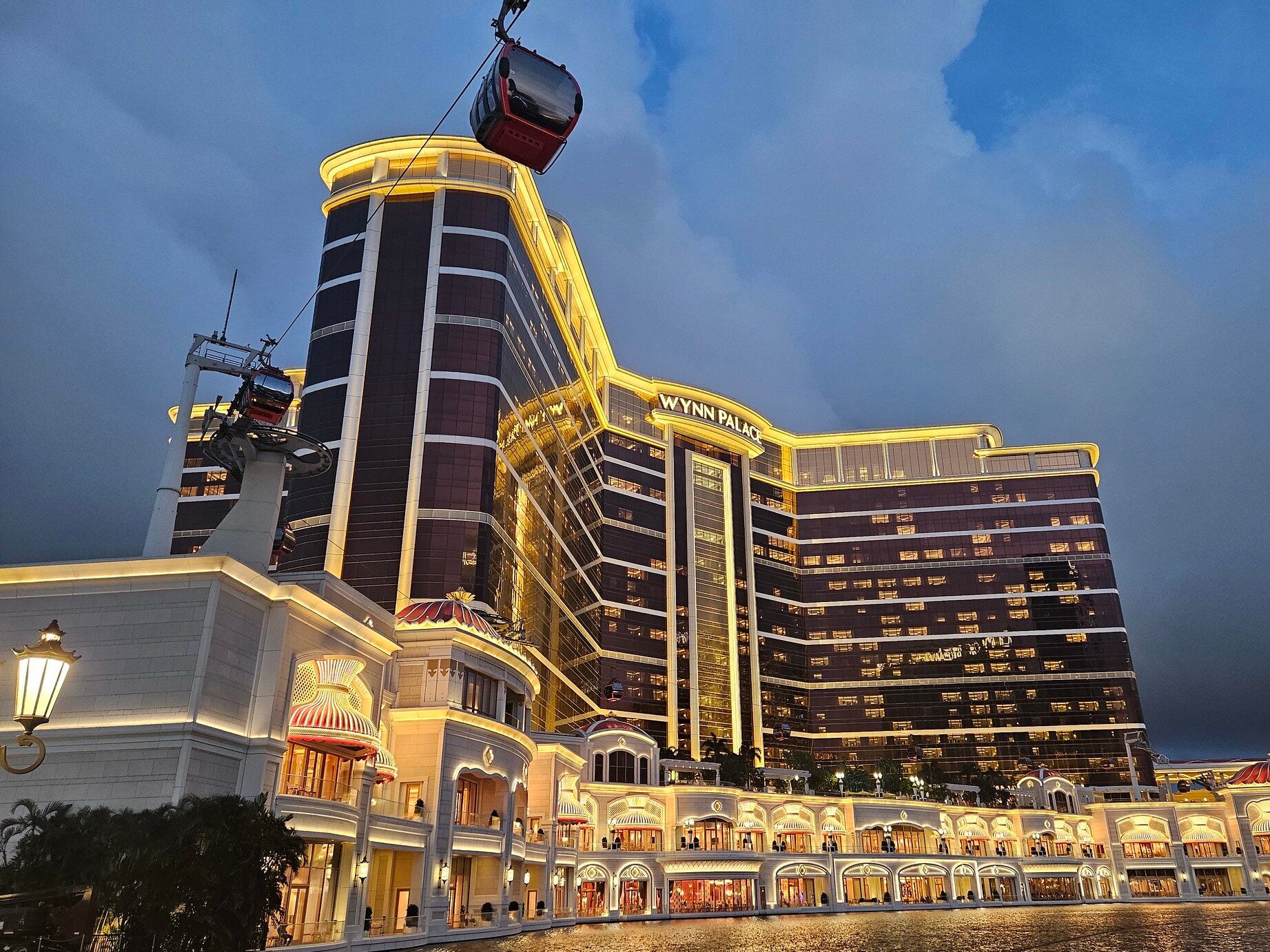
Opening in Macau in 2016, Wynn Palace cost $4.2 billion to build and established itself as one of the most luxurious casino resorts in the world. The property features a massive floral display with a rotating show, a gondola ride system that transports guests around the property, and opulent interiors that define high-end hospitality.
Macau has become the world’s largest gambling hub, surpassing Las Vegas, and Wynn Palace represents the pinnacle of that industry’s investment in the region. The casino floor alone spans hundreds of thousands of square feet, complemented by luxury retail, fine dining, and a premium hotel.
Palace of the Parliament
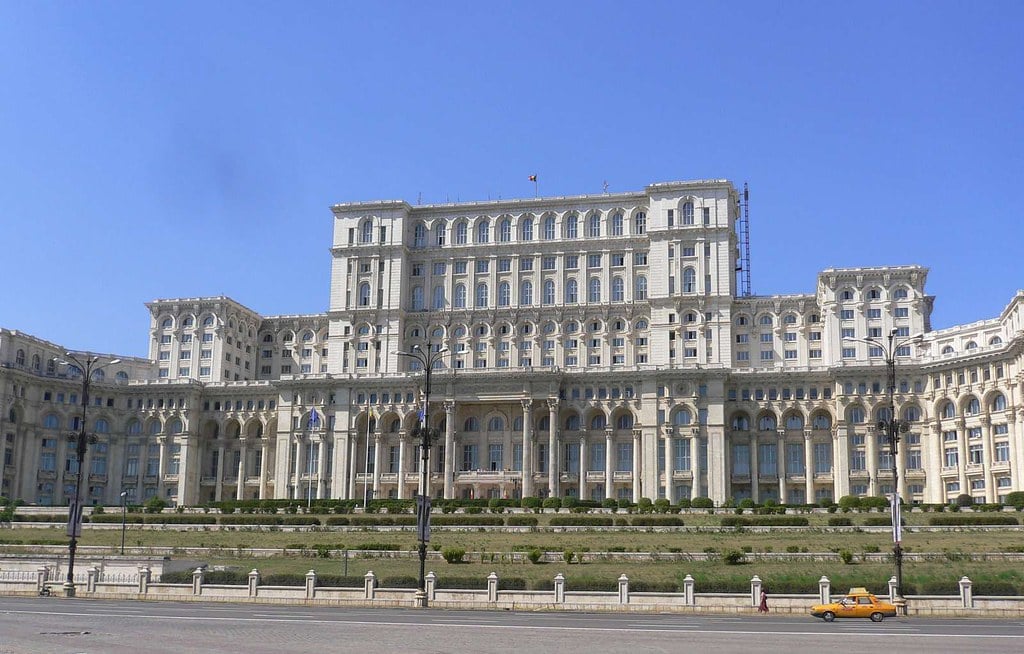
Romania’s Palace of the Parliament in Bucharest carries a construction cost valued at approximately $4 billion in today’s money, though it was built between 1984 and 1997. Communist dictator Nicolae Ceaușescu ordered the construction of this massive administrative building, which remains the second-largest administrative building in the world after the Pentagon.
The palace is also the world’s heaviest building, weighing about 4.1 million tons thanks to the 1 million cubic meters of marble used in its construction. Despite its massive size with 1,100 rooms, about 70 percent of the building remains empty to this day, and the annual heating and electricity costs exceed $6 million.
The Cosmopolitan
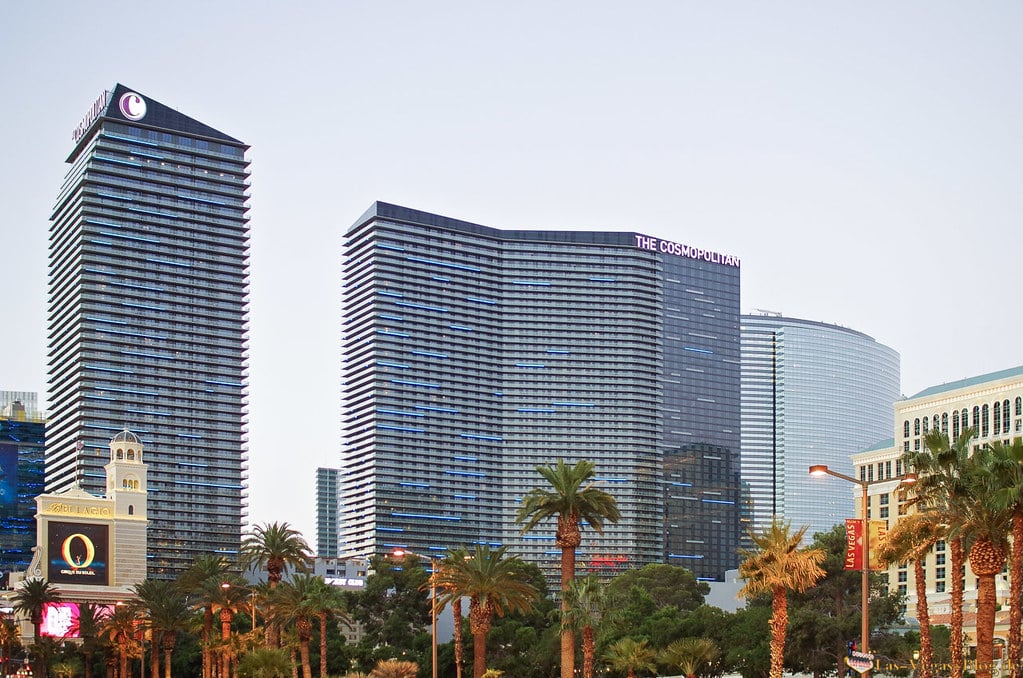
Las Vegas’s The Cosmopolitan opened in 2010 after a construction cost of approximately $3.9 billion, making it one of the most expensive casino resorts ever built. The property features two high-rise towers with more than 3,000 rooms, multiple restaurants by celebrity chefs, and a casino floor that competes with the best on the Strip.
What sets The Cosmopolitan apart is its focus on contemporary design and urban sophistication, moving away from the themed casino model that dominated Las Vegas for decades. The resort includes multiple pools, a spa, nightclubs, and retail spaces that cater to a younger, more affluent crowd.
One World Trade Center
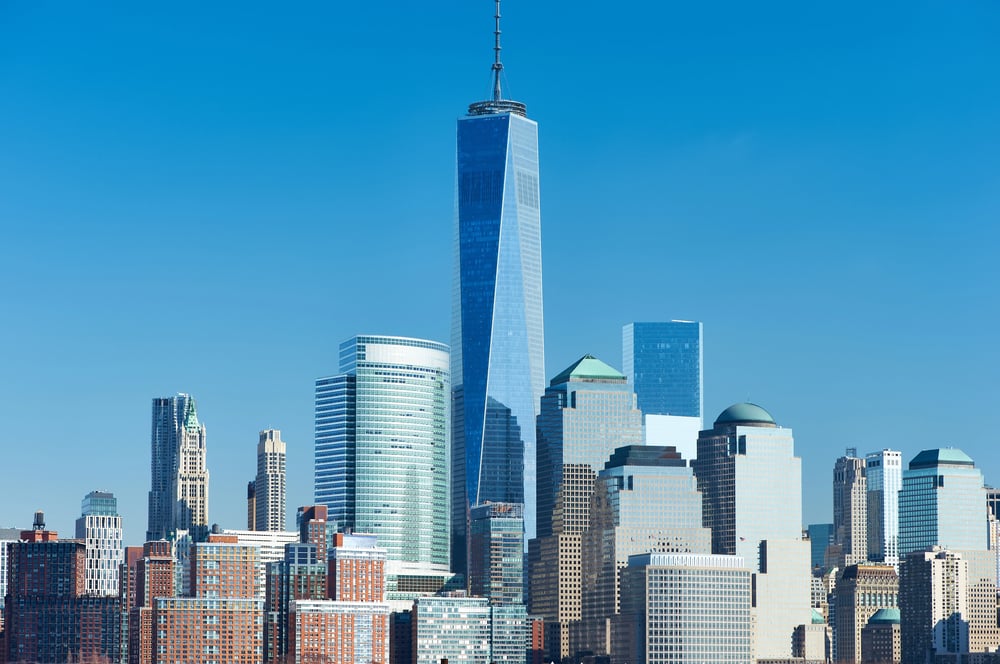
Rising from the site where the Twin Towers once stood, One World Trade Center in New York City cost $3.9 billion to construct and opened in 2013. The building reaches a symbolic height of 1,776 feet, referencing the year of American independence, making it the tallest building in the United States.
More than just an office tower, One World Trade Center represents resilience and renewal for New York City following the September 11 attacks. The building incorporates extensive safety features and sustainable design elements, earning LEED Gold certification while serving as a powerful symbol of the city’s recovery and strength.
Lotte World Tower
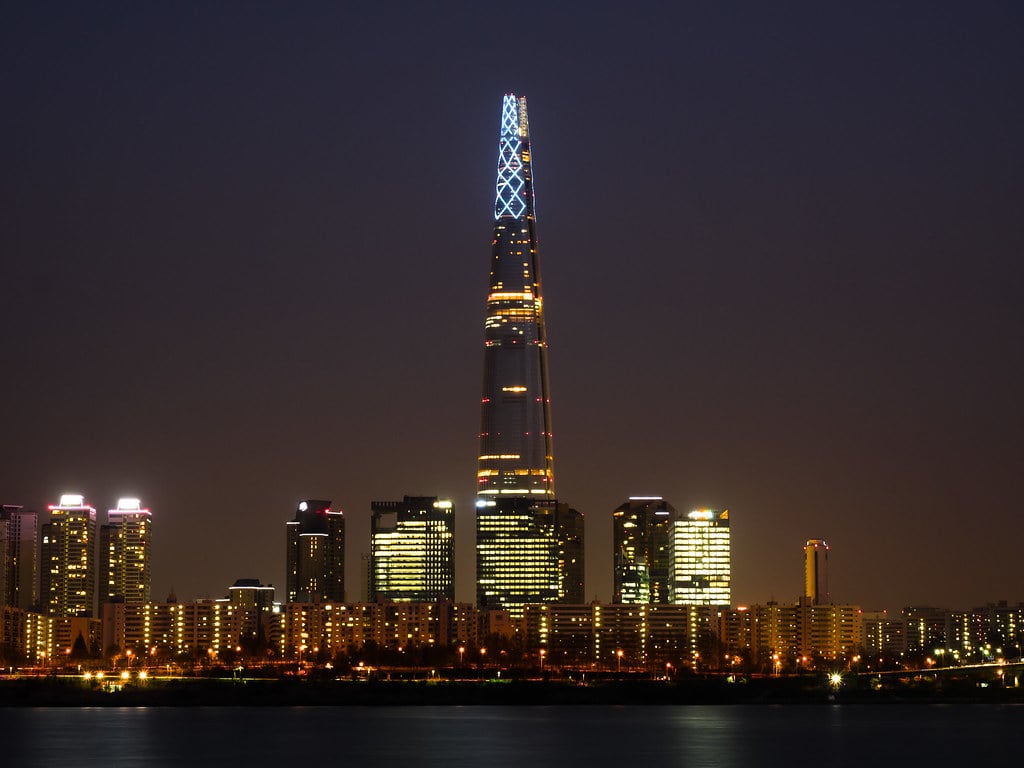
Seoul’s Lotte World Tower cost between $2.5 billion and $3.5 billion to construct and opened in 2017 as South Korea’s first supertall building. Standing 555 meters tall with 123 stories, it’s the fifth tallest building in the world and nearly twice as tall as the second tallest building in South Korea. The tower’s elegant design was inspired by traditional Korean ceramics and calligraphy, featuring a tapered shape that minimizes wind loads.
Inside, you’ll find office space, luxury residences, a seven-star hotel, and an observation deck on the 121st floor with a glass-bottomed section that offers dizzying views of Seoul below.
Emirates Palace
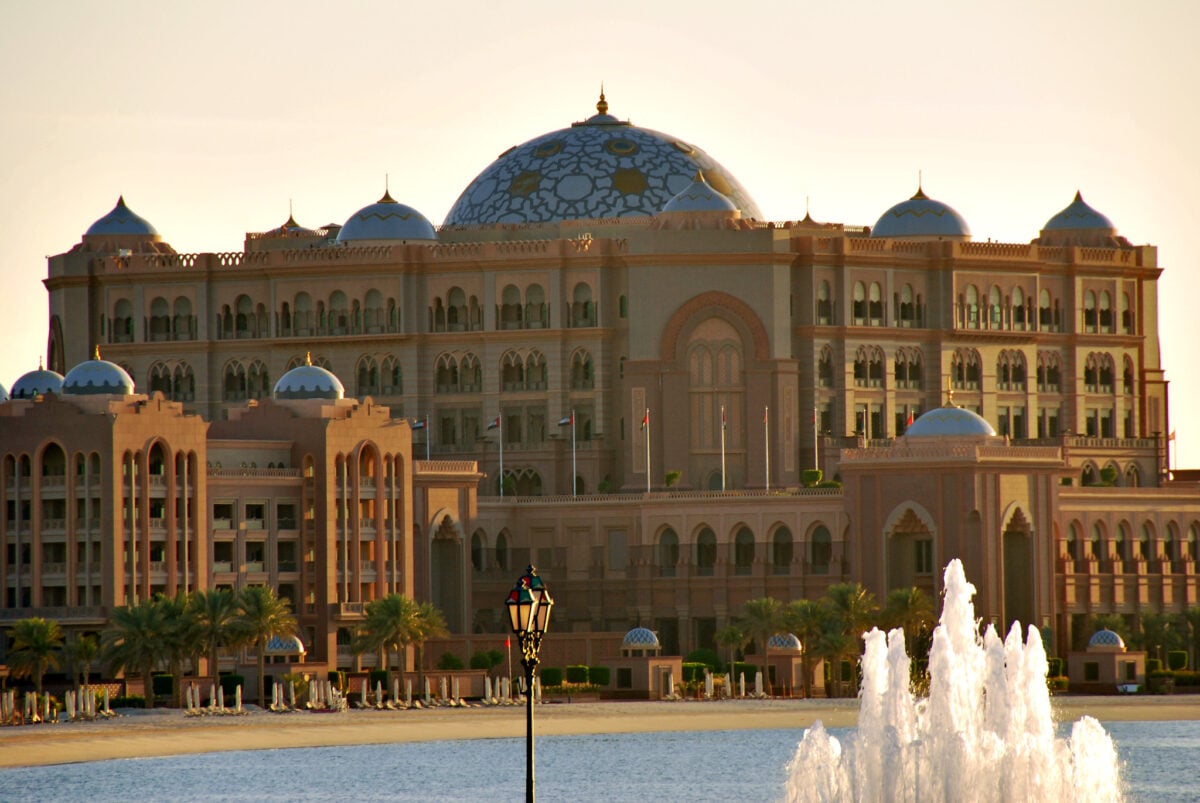
Abu Dhabi’s Emirates Palace hotel opened in 2005 with a construction cost exceeding $3 billion, making it one of the most expensive hotels ever built. Spread over 850,000 square meters, the palace features 302 bedrooms and 92 suites, along with a private beach, marina, and helipad.
The architecture reflects traditional Arabian design with gold leaf-adorned ceilings, marble staircases, and intricate mosaics throughout the property. The hotel caters to heads of state and ultra-high-net-worth individuals, offering a level of luxury and service that few properties in the world can match.
Shanghai Tower
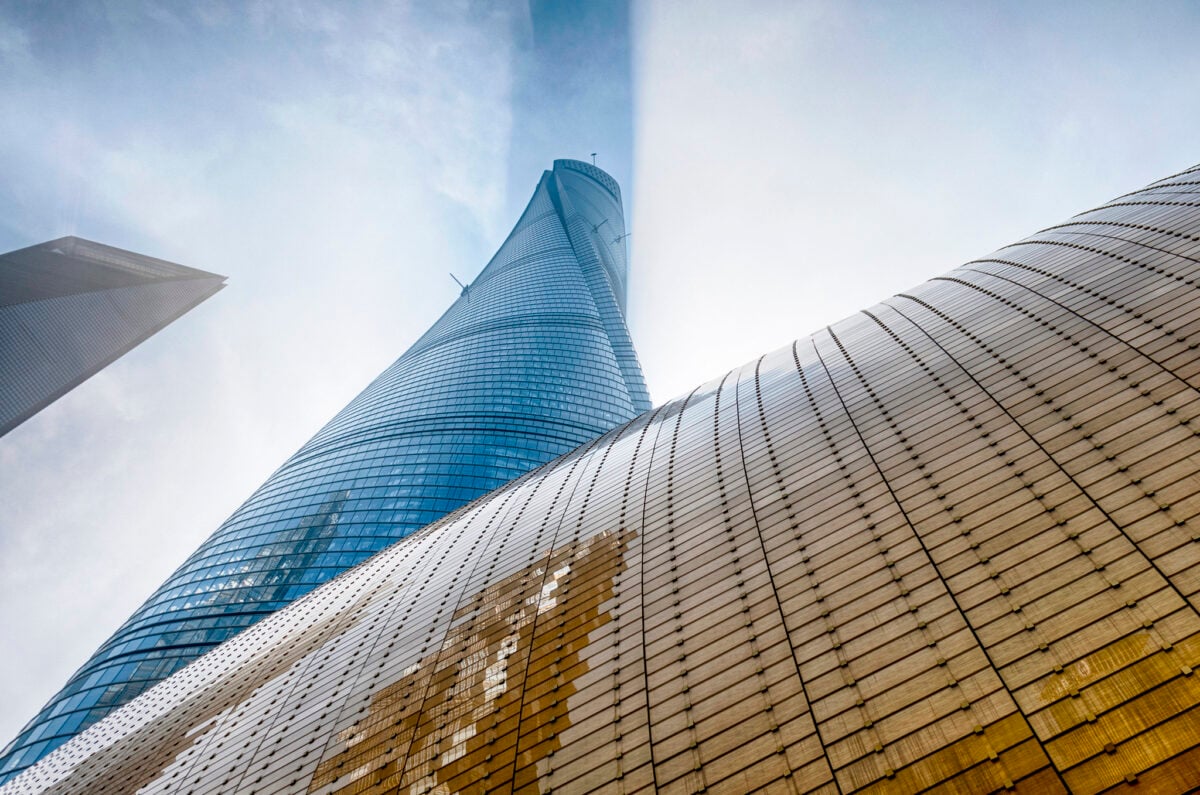
China’s Shanghai Tower stands 632 meters tall with 128 floors, making it the tallest building in China and the second-tallest skyscraper in the world when it was completed in 2015 at a cost of $2.4 billion. The tower features a unique twisted design that reduces wind loads by 24 percent, improving both structural efficiency and energy performance.
Its most distinctive feature is the ‘building within a building’ concept, with nine cylindrical buildings stacked inside a glass façade, creating nine sky gardens at different heights. The tower incorporates 43 sustainable technologies, including rainwater collection systems and wind turbines that power the building’s exterior lighting.
Yankee Stadium
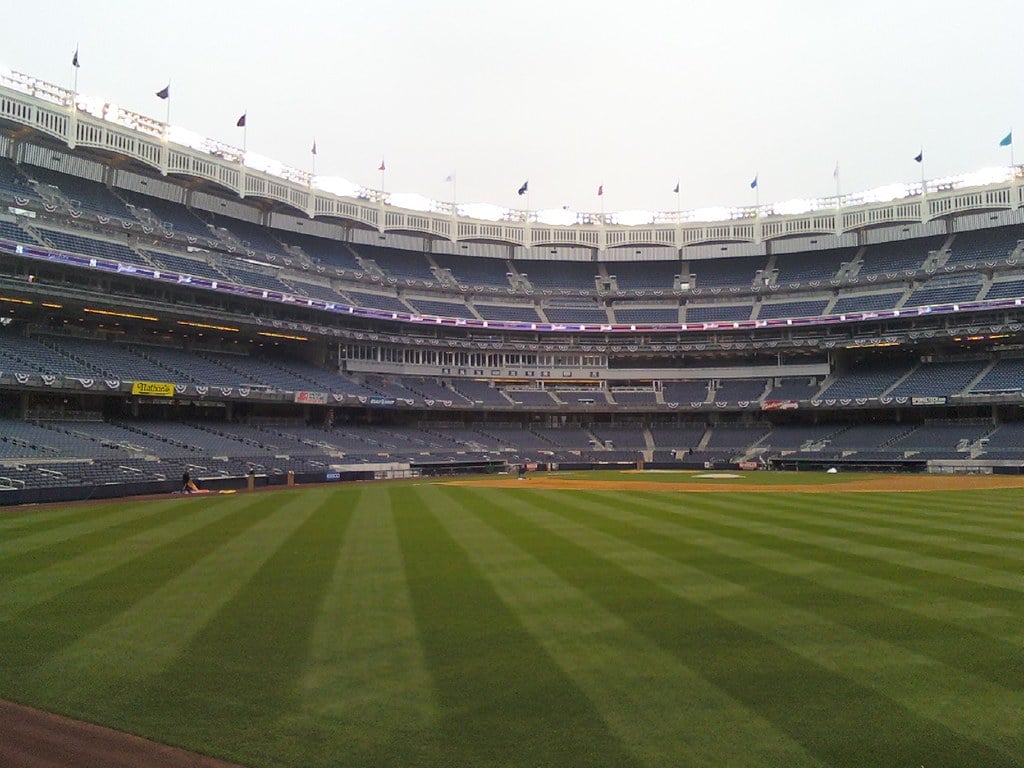
The new Yankee Stadium in the Bronx, New York, opened in 2009 at a cost of $2.3 billion, replacing the iconic original stadium built in 1923. The stadium maintains many of the design elements from the original while incorporating modern amenities and luxury suites.
With a seating capacity of over 50,000, the new stadium offers fans improved sightlines, more comfortable seating, and better food options throughout the venue. The high construction cost reflects not just the building itself but the expensive real estate in the Bronx and the need to maintain the Yankees’ reputation as one of baseball’s most prestigious franchises.
Antilia
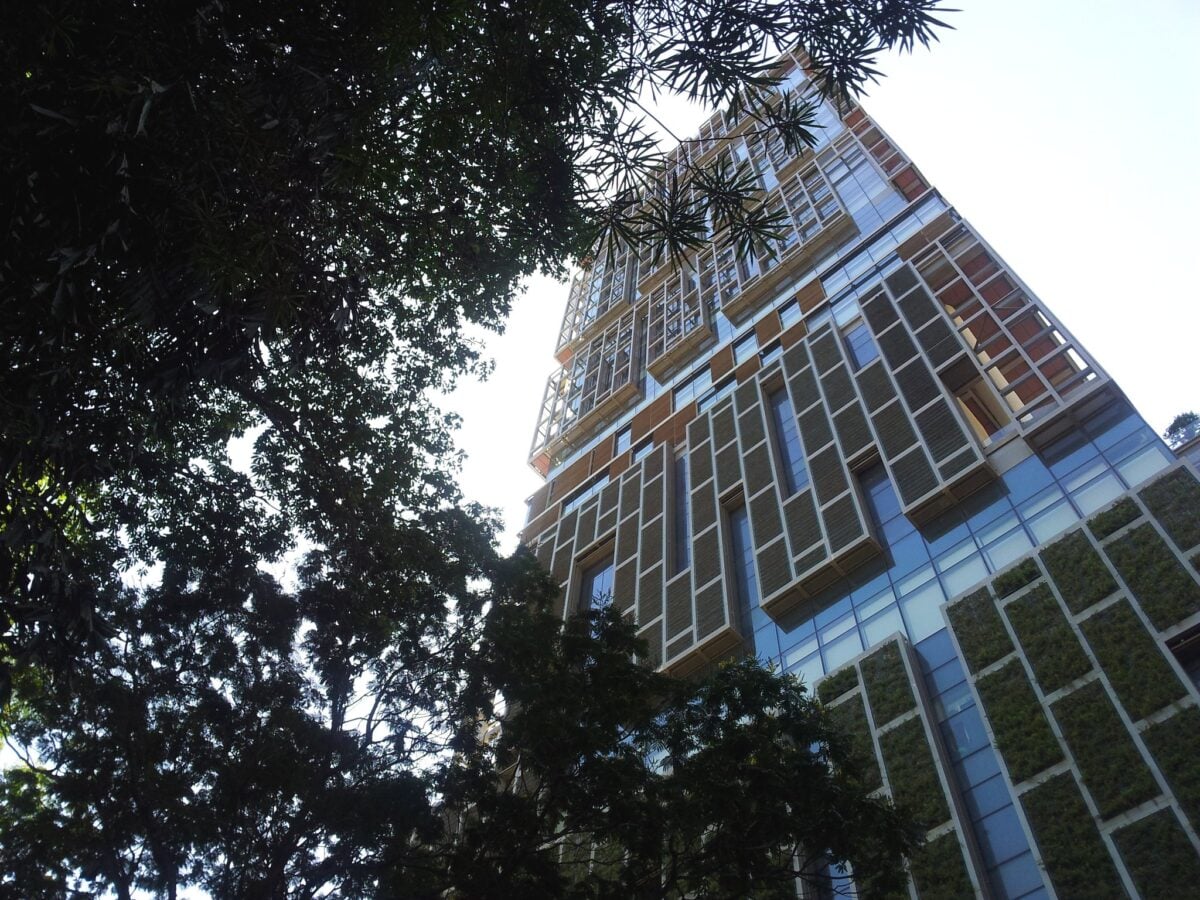
Mumbai’s Antilia stands as the world’s most expensive private residence, costing approximately $2 billion to build for billionaire Mukesh Ambani. The 27-story building features architecture inspired by the Hanging Gardens of Babylon, with each floor designed to different heights to maximize space and views.
The residence includes multiple swimming pools, a health spa, a ballroom, a 50-seat theater, and parking for 168 cars, along with three helipads on the roof. The building requires a staff of 600 people to maintain and operate, making it more like a private hotel than a traditional home.
From Ambition to Reality
These architectural marvels demonstrate how far construction technology and human ambition have evolved over the past few decades. What’s particularly striking is that nine of these buildings were completed after 2010, reflecting both the rapid economic growth in emerging markets and the fierce competition among cities to create iconic landmarks.
The costs associated with these projects have escalated dramatically due to increasingly complex designs, premium materials, and the desire to incorporate cutting-edge sustainable technologies. While some critics question whether such massive investments make financial sense, these buildings have become more than just structures—they’ve transformed into symbols of national pride, economic power, and architectural achievement that will define skylines for generations to come.
More from Go2Tutors!

- The Romanov Crown Jewels and Their Tragic Fate
- 13 Historical Mysteries That Science Still Can’t Solve
- Famous Hoaxes That Fooled the World for Years
- 15 Child Stars with Tragic Adult Lives
- 16 Famous Jewelry Pieces in History
Like Go2Tutors’s content? Follow us on MSN.