15 Most Expensive Items Ever Sold on the Home Shopping Network
Home shopping networks have always been fascinating ecosystems where the mundane meets the extraordinary. Most people tune in expecting cubic zirconia jewelry and kitchen gadgets that promise to revolutionize dinner prep.
But tucked between the everyday offerings, these channels have moved some genuinely shocking merchandise — items that cost more than most people’s cars, houses, or even small businesses. The psychology behind purchasing something expensive sight unseen, based purely on television presentation, reveals something peculiar about both commerce and human nature.
Maharaja Ruby and Diamond Necklace
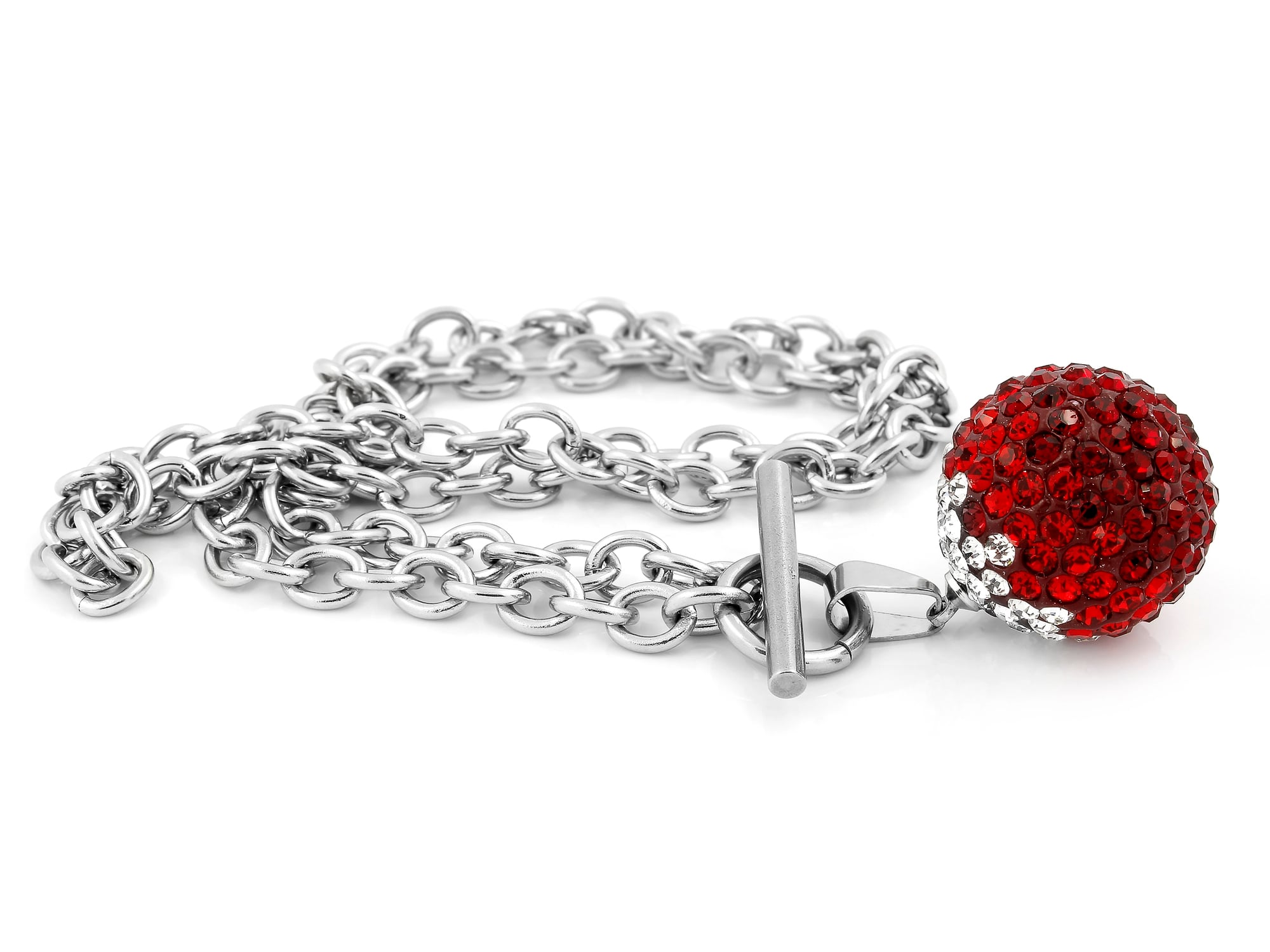
The price tag hit $875,000. No warm-up, no gradual buildup to the sticker shock.
This wasn’t costume jewelry masquerading as luxury — the piece featured genuine Burmese rubies surrounded by diamonds, designed for someone who apparently shopped for heirloom pieces while channel surfing.
The necklace sold during a special jewelry event, proving that home shopping networks occasionally venture far beyond their typical demographic. Most viewers probably assumed it was a pricing error.
Imperial Topaz and Diamond Ring Set
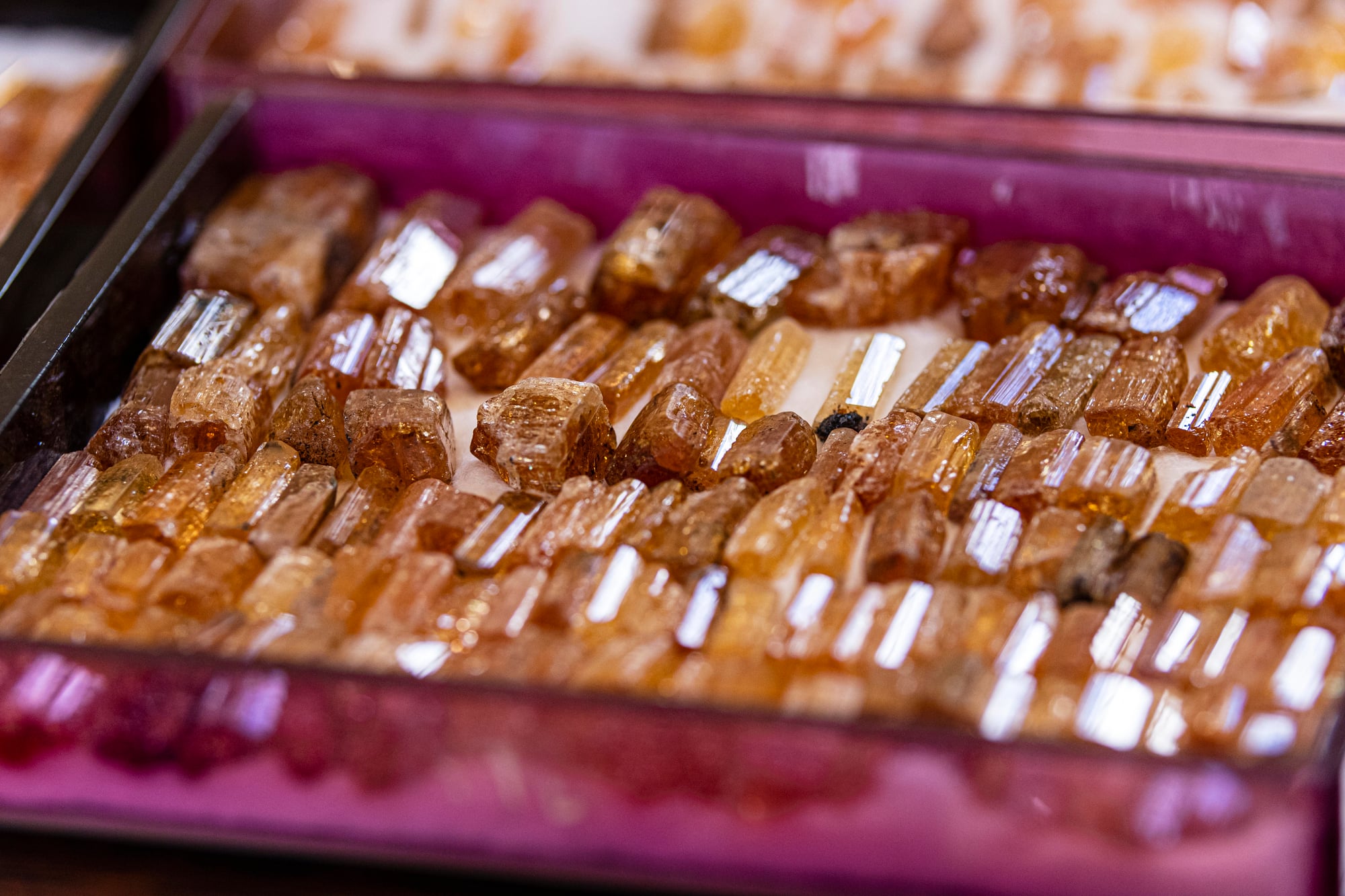
The relationship between television shopping and genuine luxury items creates this strange cognitive dissonance where a $650,000 ring set gets pitched using the same enthusiastic cadence typically reserved for non-stick cookware.
And yet (because human behavior defies easy categorization), someone watching at home decided this was exactly how they wanted to acquire a major jewelry investment — not through a high-end boutique or private dealer, but through a medium that interrupts itself every few minutes to announce limited quantities and payment plans.
The Imperial topaz stones came from Brazil, each one carefully selected for color saturation and clarity, but the presentation remained unmistakably home shopping.
Rotating product shots, extreme close-ups of facets catching studio lights, and that peculiar urgency that suggests someone in Nebraska might snatch up your dream ring if you hesitate too long.
So there’s something almost surreal about watching a gemologist discuss carat weights and certification while a countdown timer ticks away in the corner of the screen.
But people did call. The set sold, which means someone found this purchasing method not just acceptable but preferable to traditional luxury retail.
Vintage Patek Philippe Complications Watch
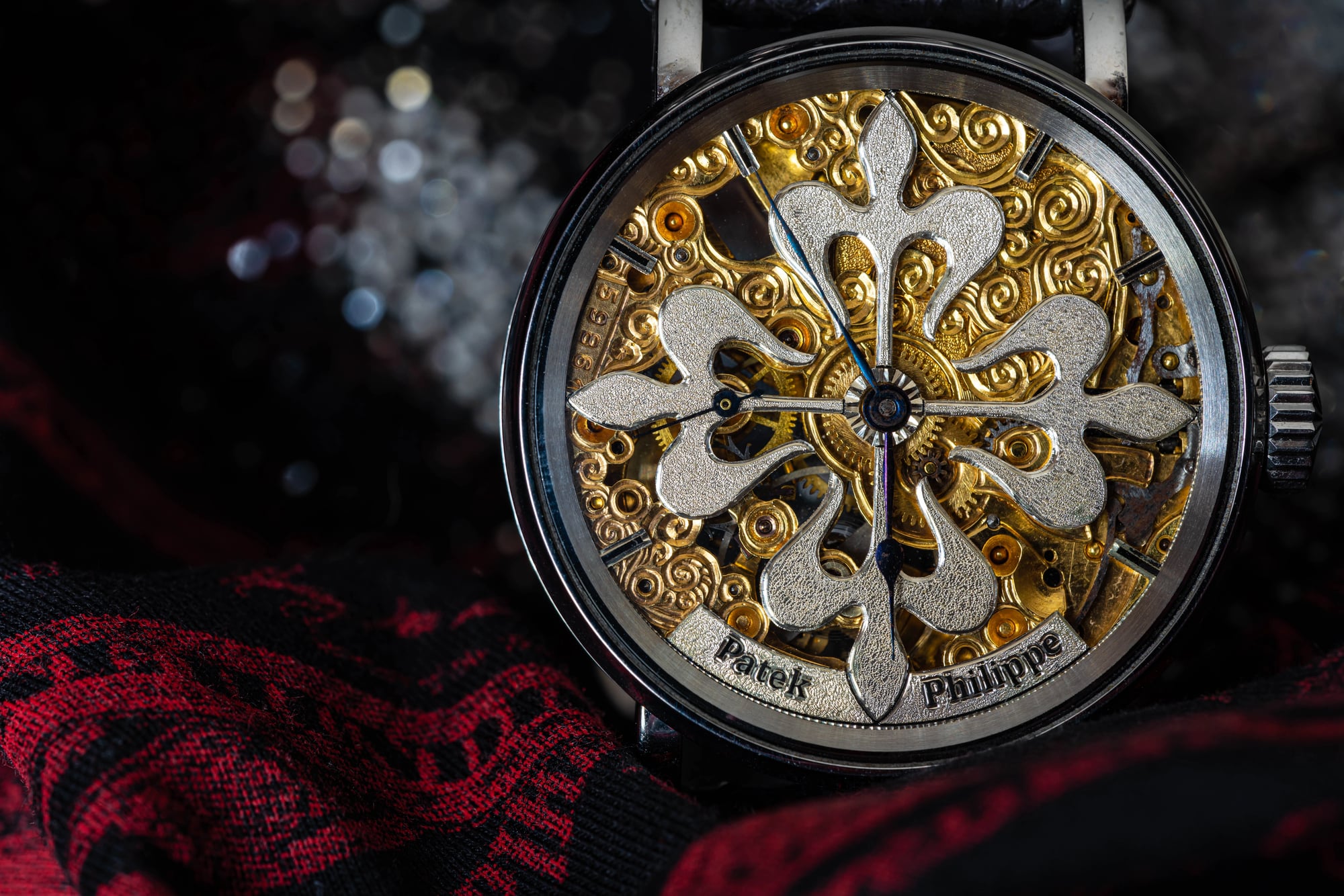
Patek Philippe doesn’t need introduction or explanation. Their complications watches sit at the apex of horological achievement — pieces that display moon phases, perpetual calendars, and minute repeaters with the kind of mechanical precision that borders on the metaphysical.
Watching one get sold on television feels like seeing a Rothko painting auctioned at a garage sale.
The reverence these timepieces command in traditional watch circles makes their home shopping appearance almost absurd. Yet someone paid $580,000 for the privilege of acquiring Swiss perfection through the same channel that hawks cleaning supplies and exercise equipment.
Art Deco Diamond Bracelet Collection
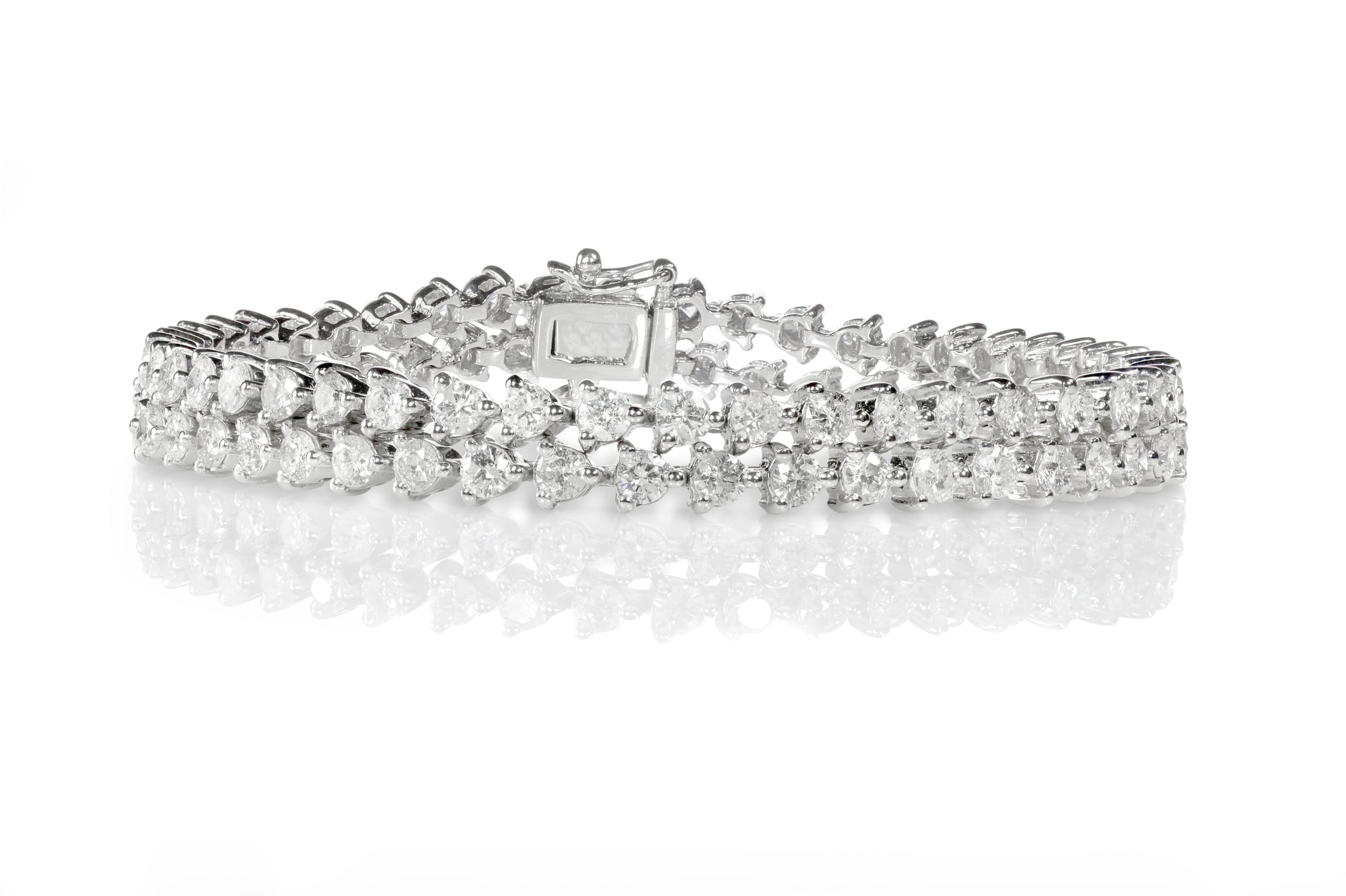
Art Deco jewelry carries the geometric confidence of an era that believed the future could be designed with clean lines and bold angles.
These pieces from the 1920s don’t whisper — they announce themselves with the kind of visual authority that makes everything else in the room seem slightly apologetic.
The collection sold for $520,000 to someone who understood that authentic Art Deco pieces represent more than just vintage jewelry.
They’re architectural statements rendered small enough to wear, fragments of a design philosophy that treated luxury as a form of optimism.
Fair enough that someone would want to own that kind of historical confidence, even if the purchasing method raised eyebrows among traditional collectors.
Custom Tanzanite Parure
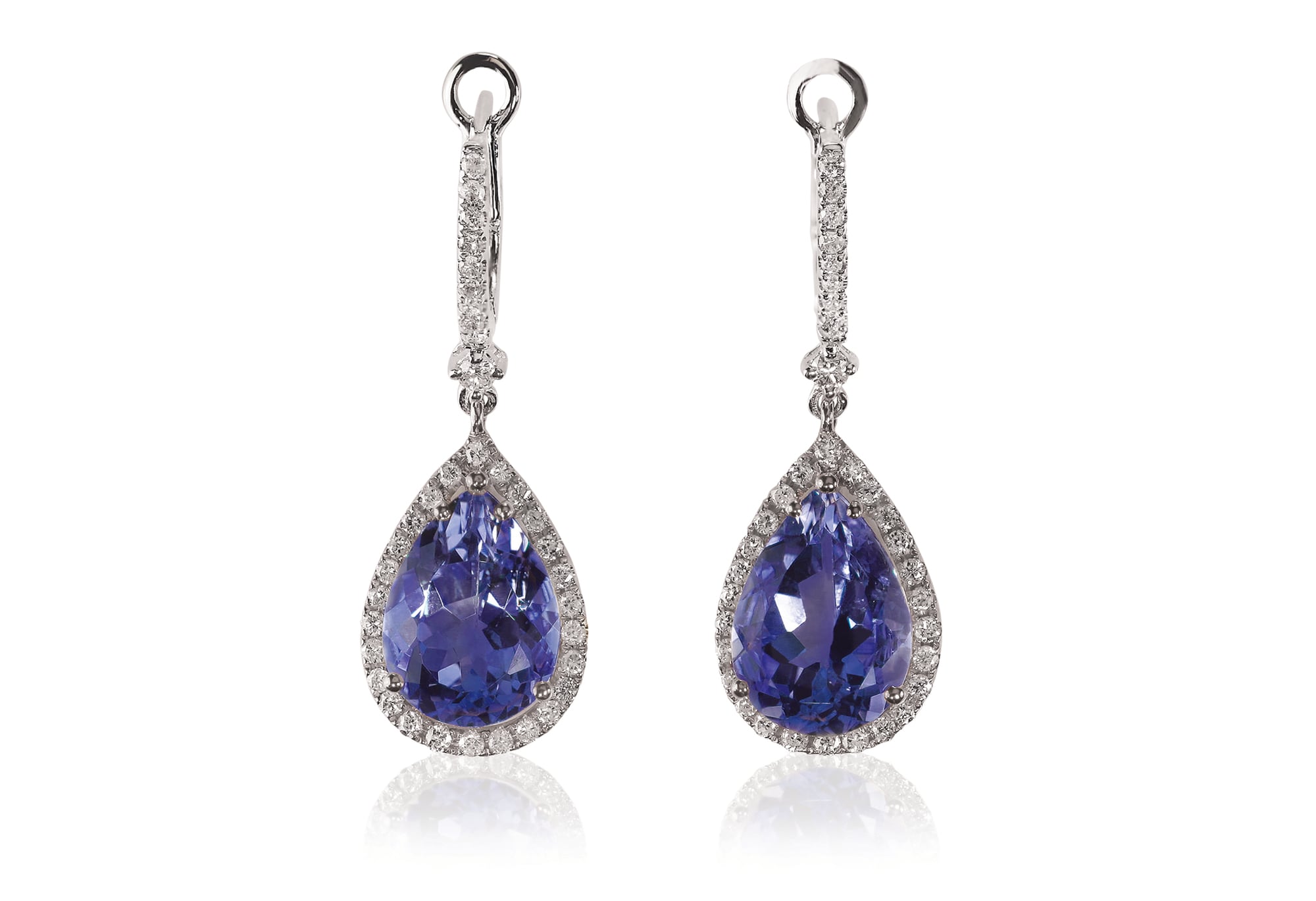
Tanzanite exists in exactly one place on Earth — a small area near Mount Kilimanjaro in Tanzania. When the mines are exhausted, no more tanzanite will ever be found.
This geological rarity makes every piece a countdown timer rendered in crystal form.
The custom parure (matching necklace, earrings, and bracelet set) featured stones totaling over 200 carats, each one displaying that distinctive blue-violet color that shifts depending on the angle of view.
At $485,000, someone decided they wanted to own a significant percentage of the world’s remaining tanzanite supply.
The home shopping format probably felt appropriate — after all, both the stones and the purchasing method represented something that wouldn’t be around forever.
Jadeite Jade Bangle Set
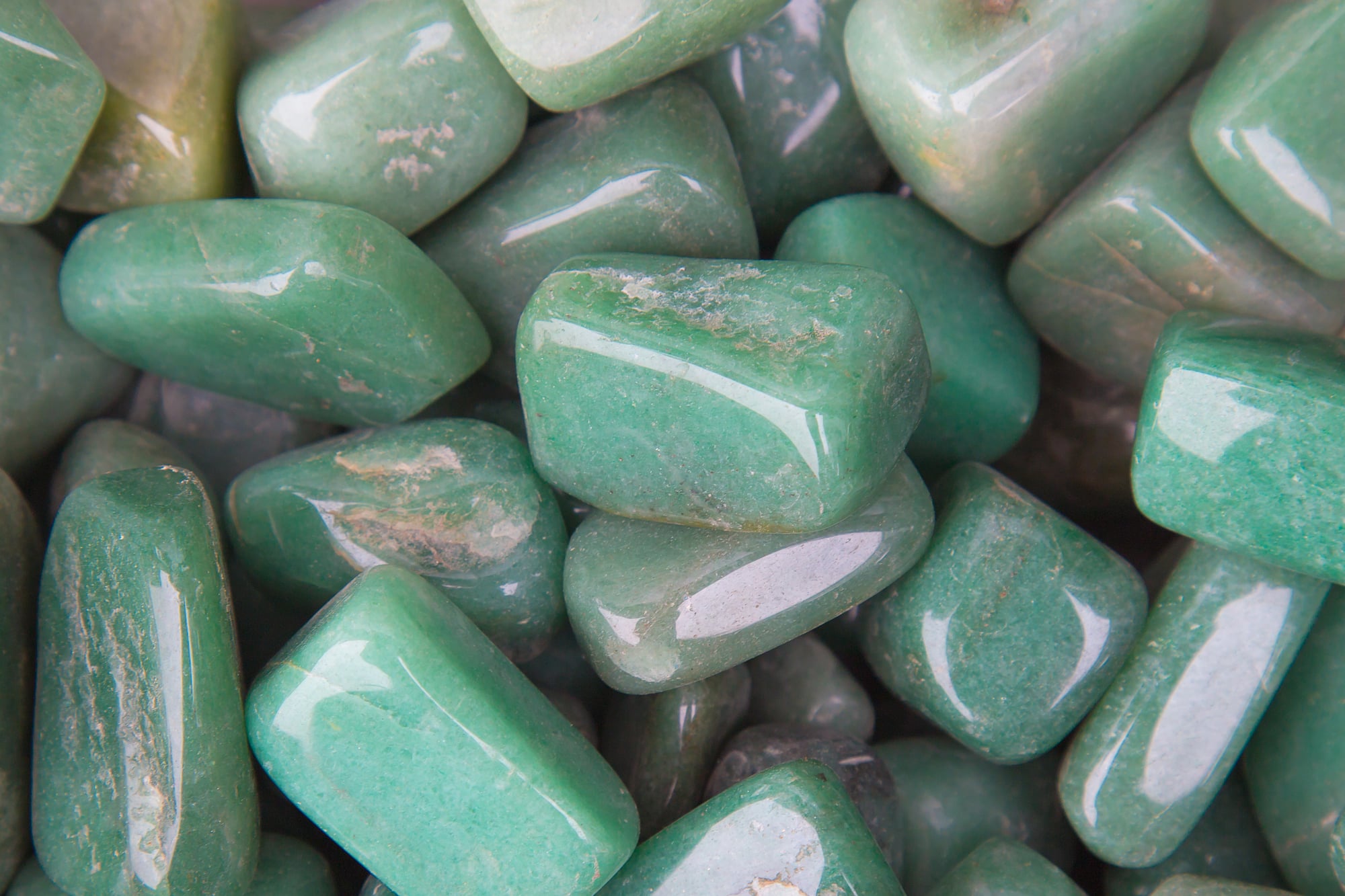
Jadeite commands respect in ways that transcend typical gemstone hierarchies. The finest specimens, particularly those with that coveted imperial green color, can cost more per carat than diamonds.
This isn’t Western luxury — it’s something deeper, tied to cultural traditions that measure value in centuries rather than fashion cycles.
The bangle set sold for $445,000, which places it firmly in the realm of serious jade collecting.
Someone watching television made a decision that would typically require trips to Hong Kong auction houses and consultations with jade specialists.
The disconnect between the purchasing method and the cultural weight of the items creates this fascinating tension — ancient artistic traditions intersecting with modern retail convenience.
Pink Diamond Tennis Bracelet
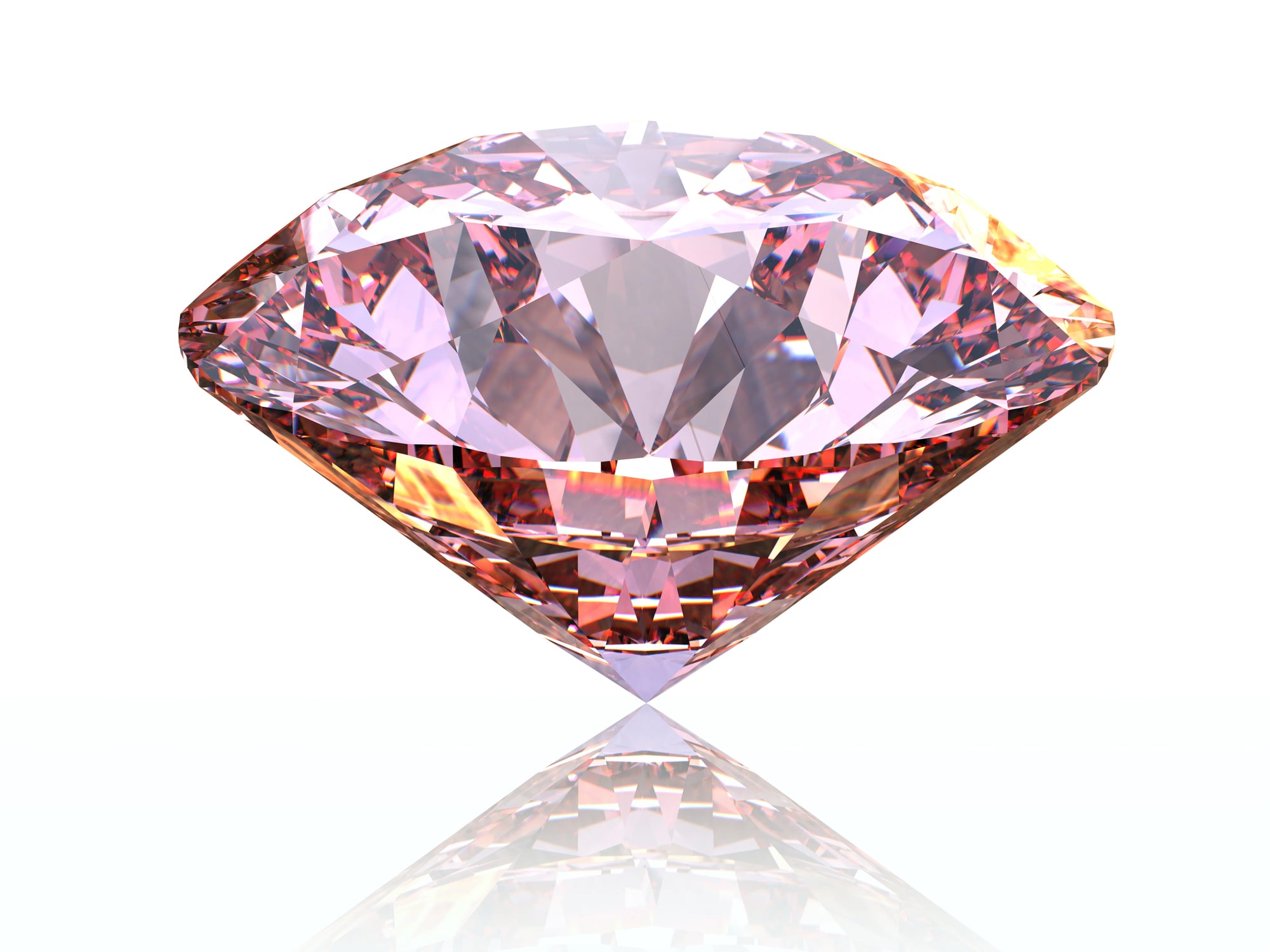
Pink diamonds occupy their own category of rarity — natural pink stones are so uncommon that most jewelers never handle one during their entire careers.
A tennis bracelet featuring genuine pink diamonds represents the kind of piece that typically moves through private dealers and invitation-only viewings.
The $420,000 price tag reflected both the rarity of the stones and the craftsmanship required to create a cohesive piece from diamonds that rarely match perfectly.
Yet someone decided to acquire this level of rarity through home shopping, bypassing every traditional protocol of high-end jewelry purchasing.
The audacity of that decision almost overshadows the beauty of the piece itself.
Meteorite and Diamond Collection
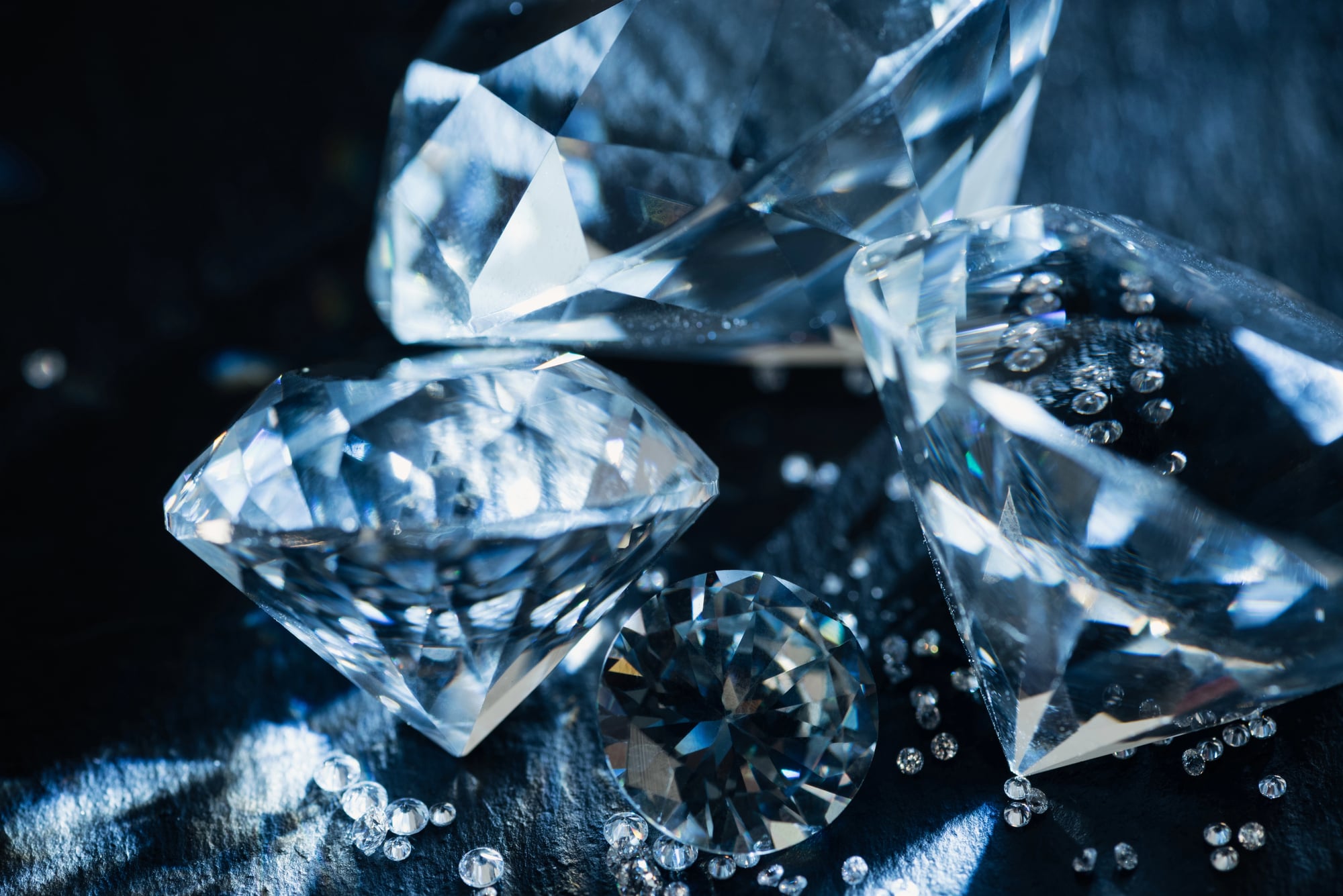
Meteors travel through space for millions of years before gravity pulls them to Earth, where they become raw material for jewelry that carries genuine cosmic history.
The romance of wearing something that predates human civilization appeals to people who find terrestrial luxury insufficient.
The collection sold for $380,000 to someone who apparently wanted their jewelry to have an origin story that began in deep space.
Home shopping networks excel at selling the narrative along with the product, and few narratives compete with “this metal traveled through the cosmos before becoming your bracelet.”
The premium for cosmic provenance makes perfect sense once you accept that jewelry serves emotional needs as much as aesthetic ones.
Burmese Jade Carving Set
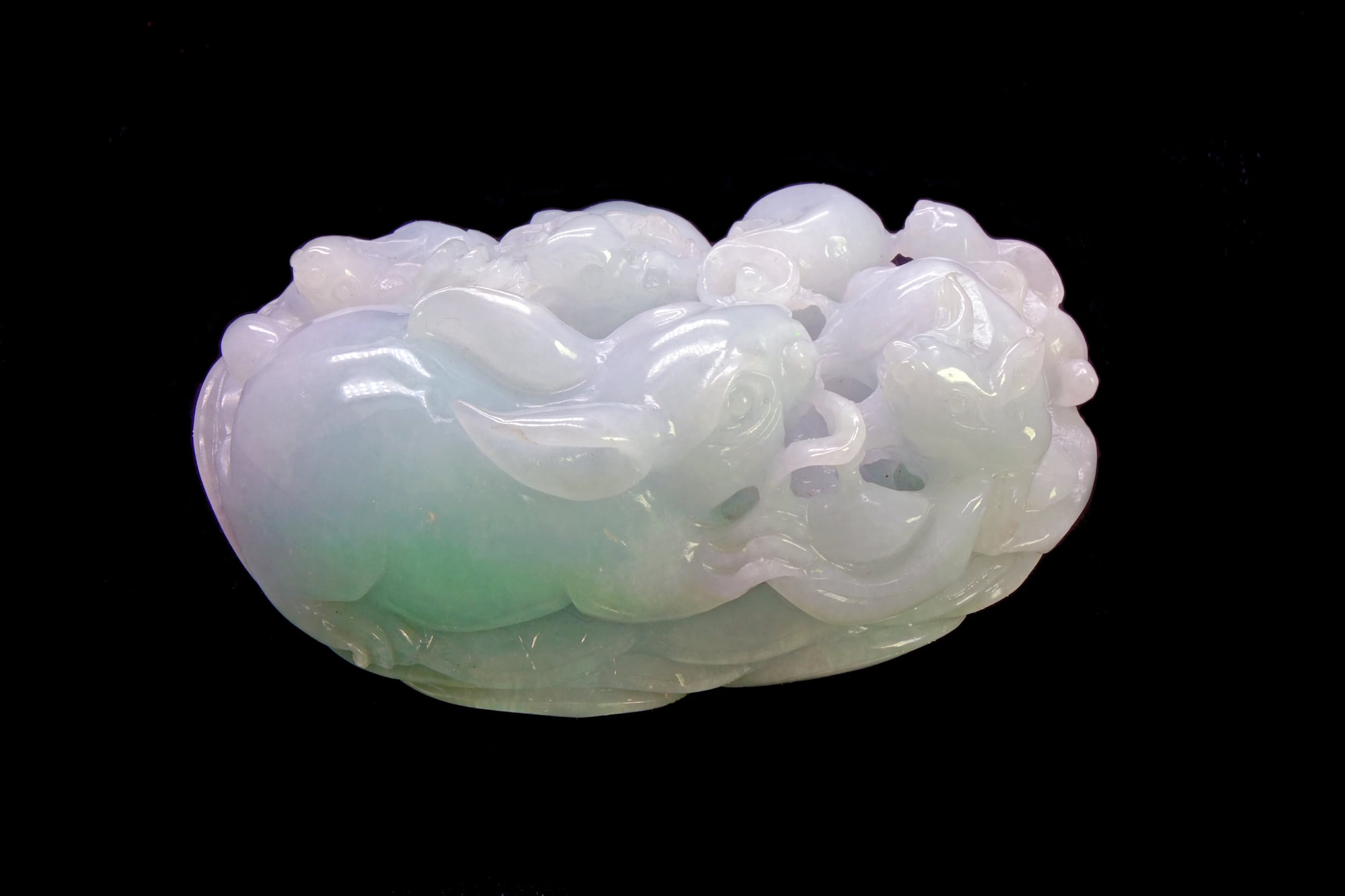
Traditional jade carving requires skills passed down through generations of artisans who understand the stone’s internal structure well enough to work with its natural grain rather than against it.
Authentic Burmese jade adds another layer of complexity — the political situation in Myanmar makes legitimate export increasingly difficult, which drives up both price and desirability among serious collectors.
The carved set featured traditional Chinese motifs executed with the kind of technical precision that takes decades to master.
At $365,000, someone decided this level of cultural artistry was worth acquiring through television rather than waiting for auction house opportunities or private dealer connections.
Paraiba Tourmaline Suite
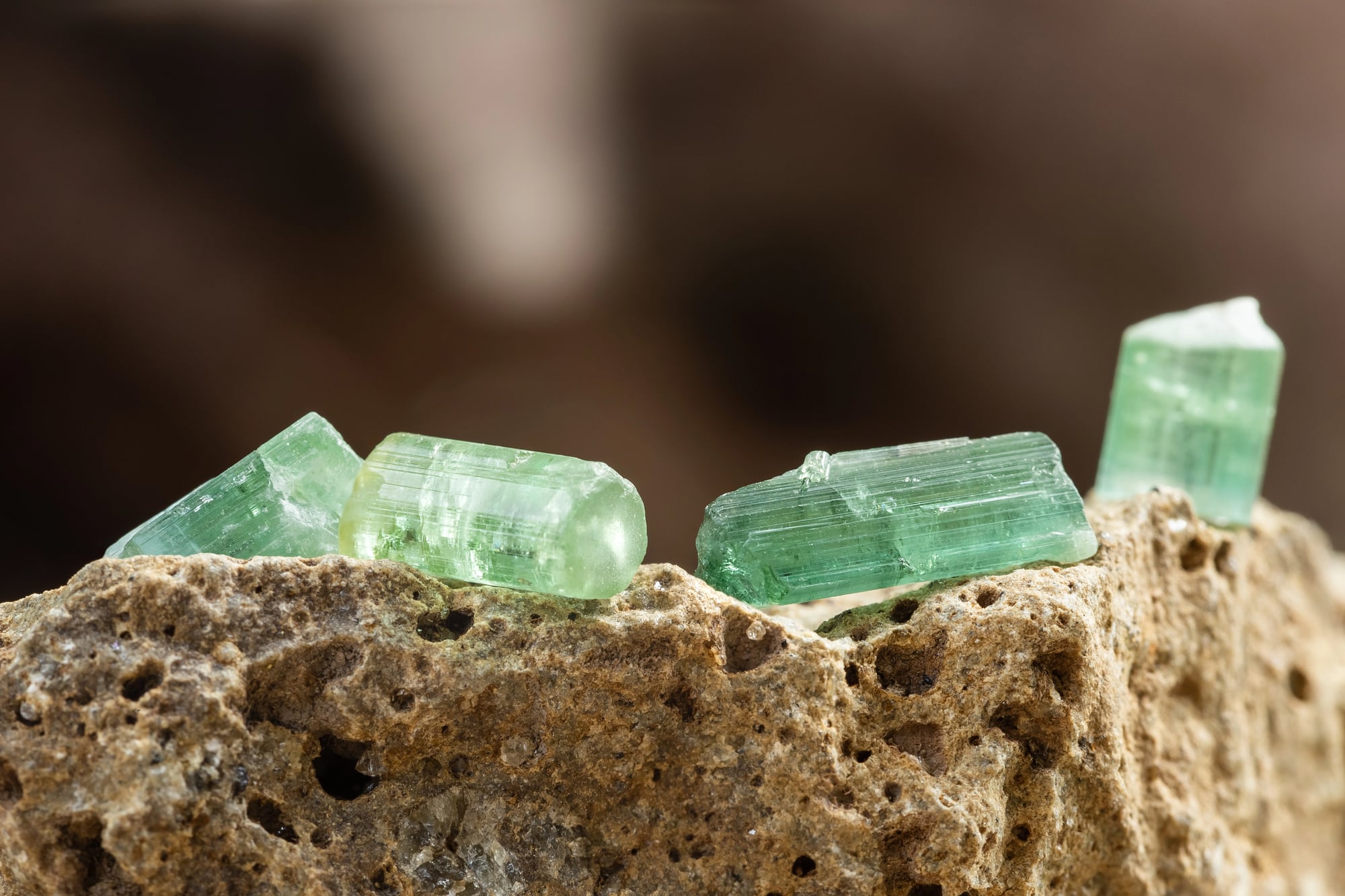
Paraiba tourmalines glow with an electric blue-green color that seems to generate its own light source. The copper content in the crystal structure creates this neon intensity that photographs poorly and must be seen in person to be believed.
Most of the original Brazilian mine is exhausted, making genuine Paraiba stones increasingly difficult to source.
The complete suite sold for $340,000, which reflects both the rarity of the stones and the challenge of assembling matched pieces.
Someone watching home shopping decided they wanted to own examples of what many gemologists consider the most beautiful tourmaline variety ever discovered.
Vintage Cartier Collection
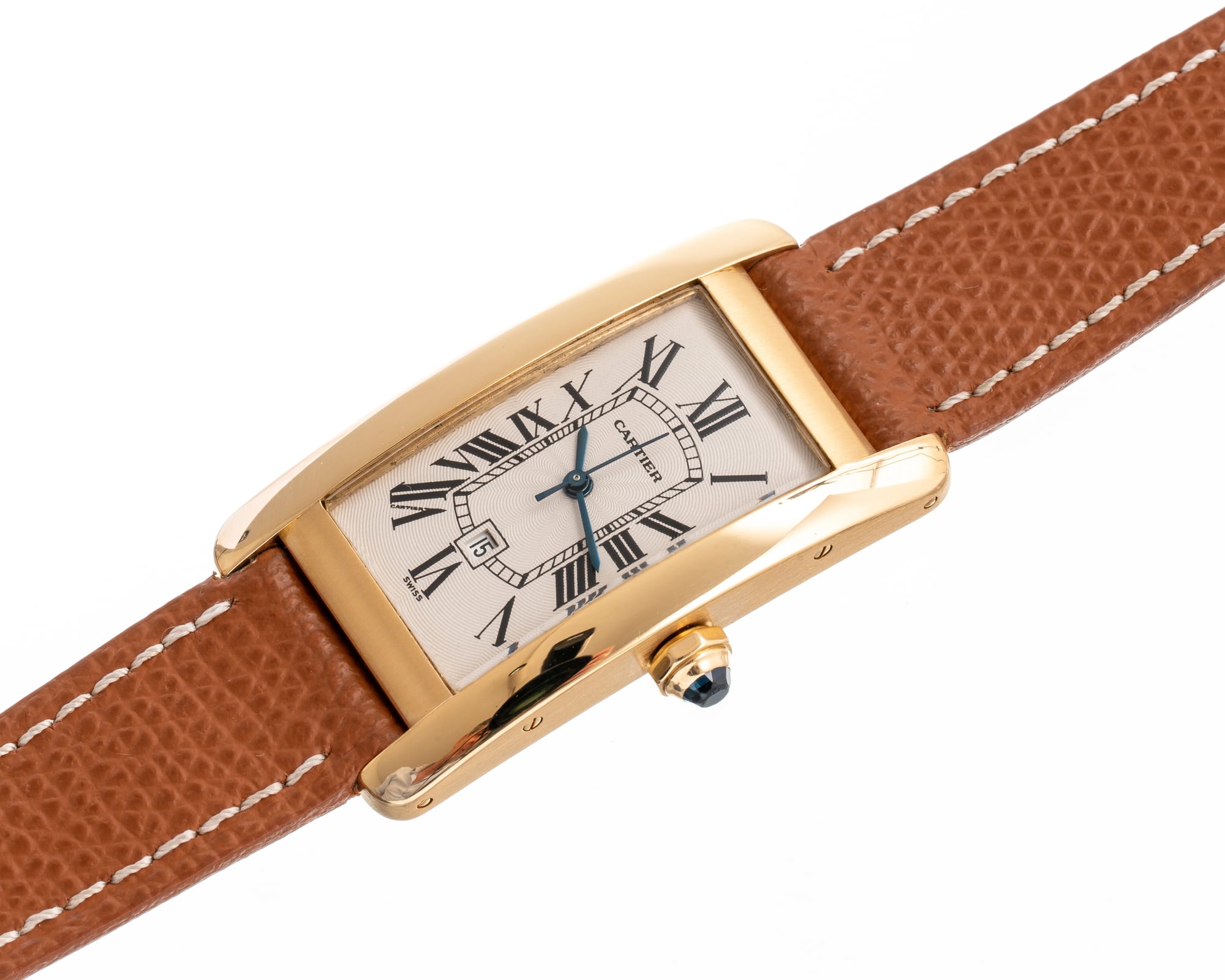
Cartier pieces carry the weight of history in ways that transcend simple luxury branding. When you own vintage Cartier, you’re holding examples of design philosophy that influenced decades of jewelry making.
These aren’t just expensive accessories — they’re fragments of artistic evolution rendered in precious metals and stones.
The collection sold for $325,000 to someone who recognized that authentic vintage Cartier represents more than just high-end jewelry.
These pieces document the progression of luxury design through different eras, each one reflecting the aesthetic preferences and technical capabilities of its time.
Acquiring them through home shopping creates this wonderful contradiction between prestigious heritage and democratic accessibility.
Black Opal Pendant Collection
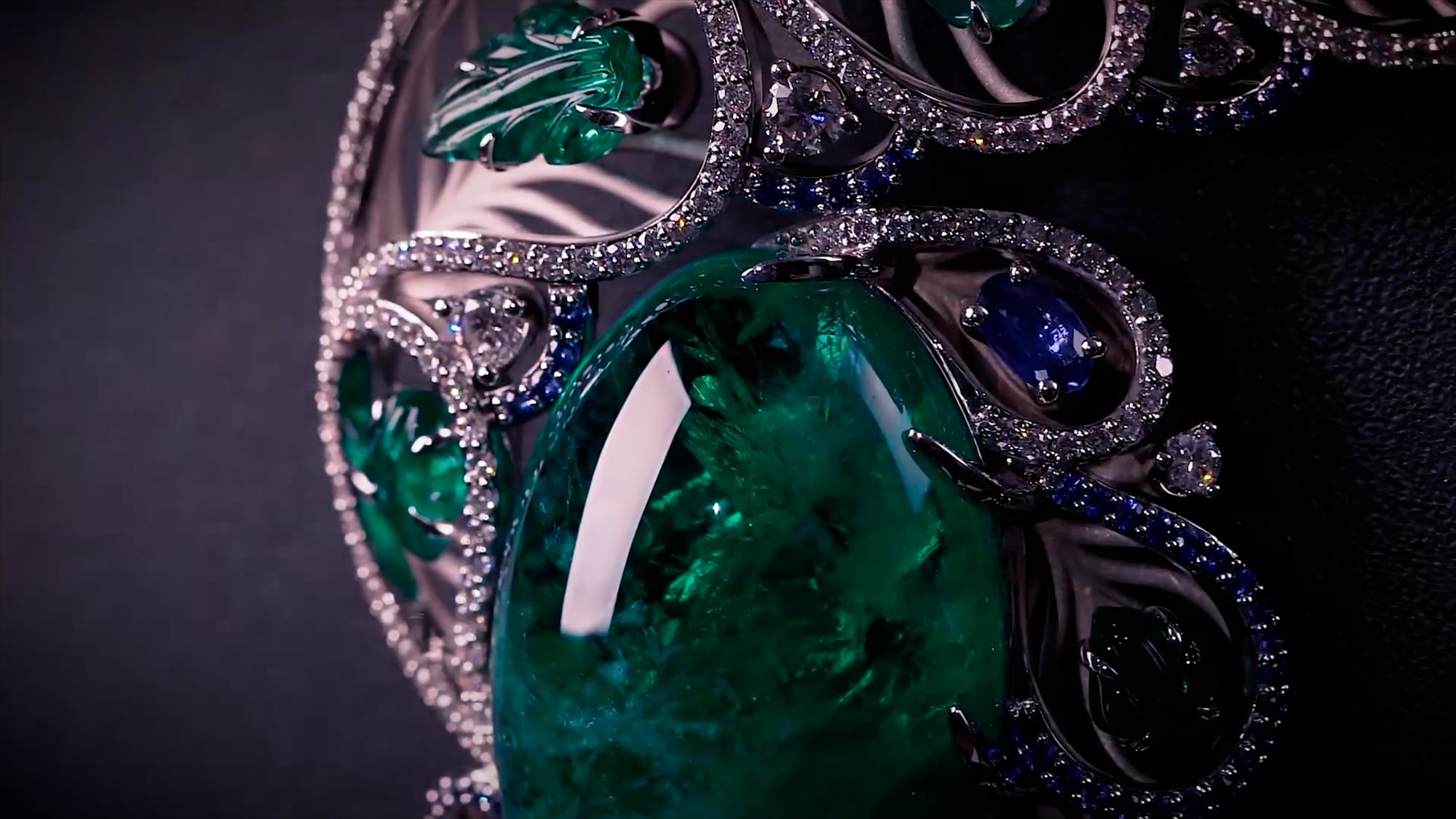
Australian black opals display color patterns that seem almost impossible — flashes of electric blue, green, and red against a dark body tone that makes every color appear more intense.
The best specimens create this visual effect where the surface seems to contain depths that extend far beyond the actual thickness of the stone.
The pendant collection featured opals from Lightning Ridge, the legendary Australian field that produces the world’s finest black opals.
At $295,000, someone decided they wanted to own examples of what many consider the most beautiful gemstone variety on Earth.
The price reflects both the rarity of top-quality black opals and the challenge of finding matched stones suitable for a cohesive collection.
Star Sapphire Ring Collection
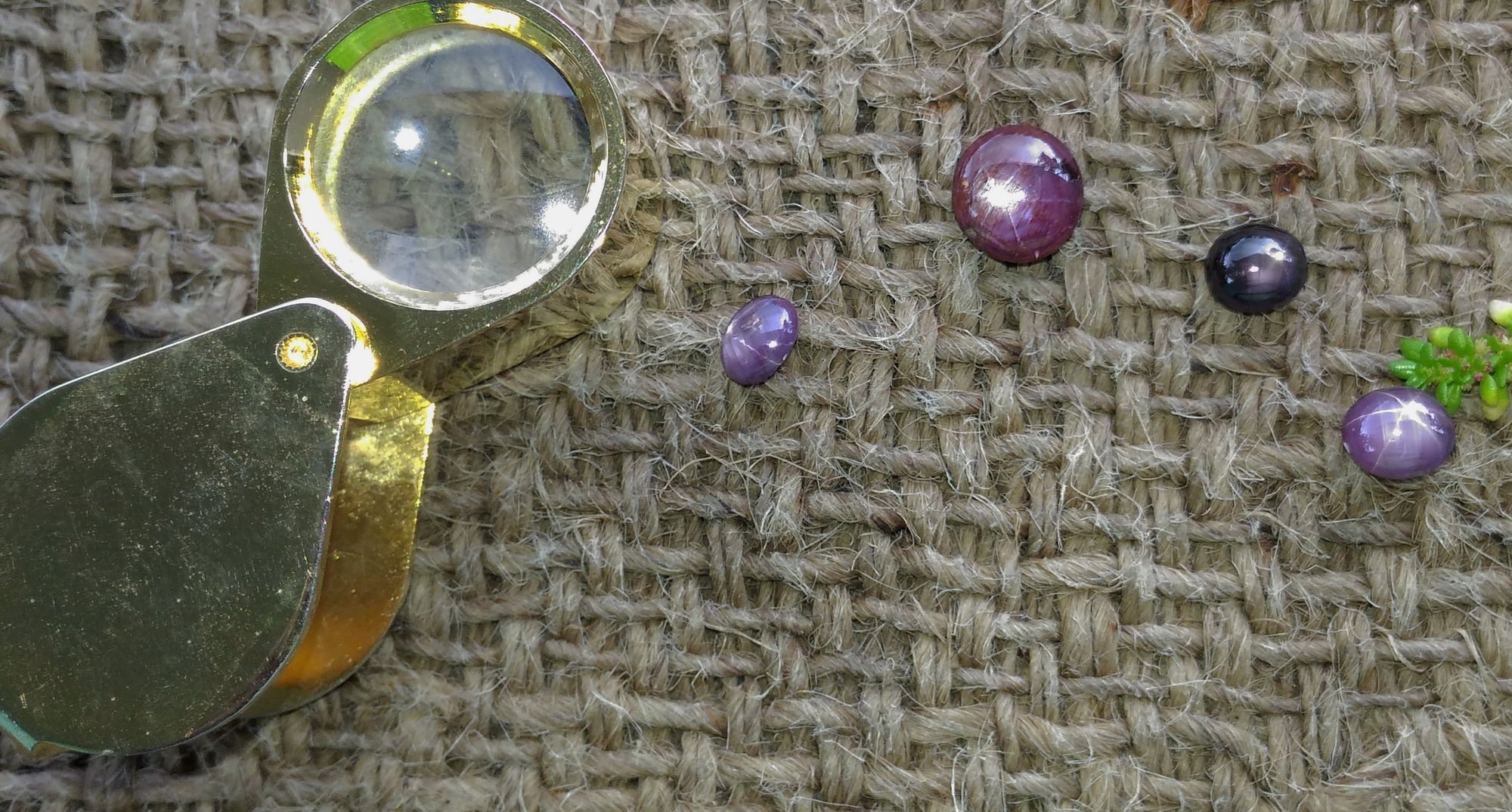
Star sapphires display asterism — a six-pointed star that appears to float just beneath the surface of the stone when viewed under direct light.
This optical phenomenon occurs only when the internal crystal structure aligns perfectly with microscopic needle-like inclusions that reflect light in precise patterns.
The collection sold for $275,000, representing examples from different geographical sources, each displaying the star phenomenon with varying degrees of clarity and intensity.
Someone decided they wanted to own multiple examples of this rare optical effect, acquired through the convenience of television shopping rather than the traditional process of visiting specialized gem dealers.
Conch Pearl Strand
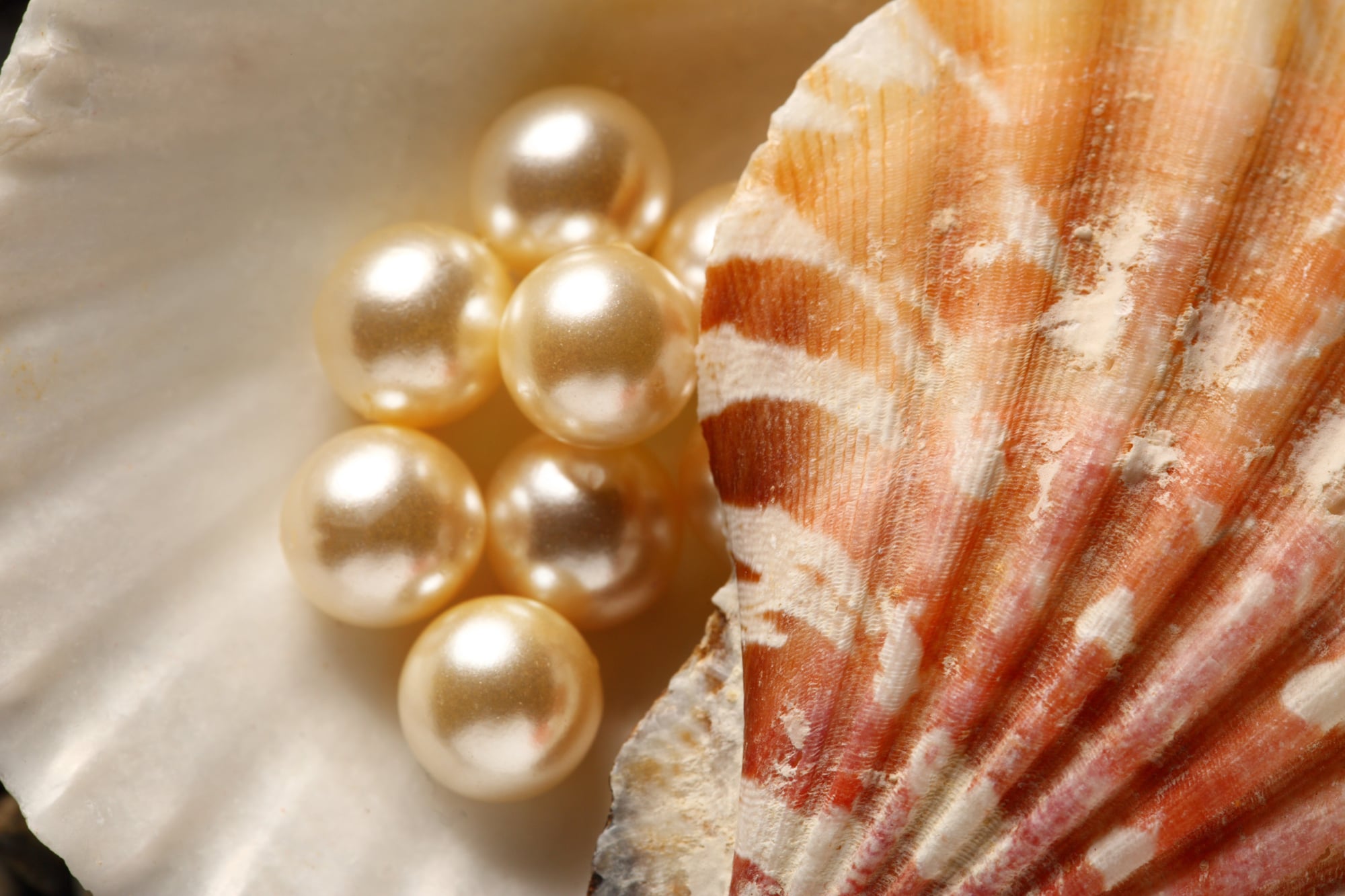
Conch pearls aren’t actually pearls in the traditional sense — they’re calcium carbonate concretions formed inside queen conch shells, displaying a flame-like surface pattern that can’t be replicated by cultured pearl farming.
Natural conch pearls occur rarely and randomly, making strand formation an exercise in patience and luck that can take decades to complete.
The strand sold for $250,000, which reflects both the rarity of conch pearls and the extraordinary difficulty of assembling enough matched specimens to create a coherent necklace.
Someone watching home shopping made a decision to acquire what represents years of careful sourcing and selection, compressed into a single television presentation and purchase decision.
Alexandrite Tennis Bracelet
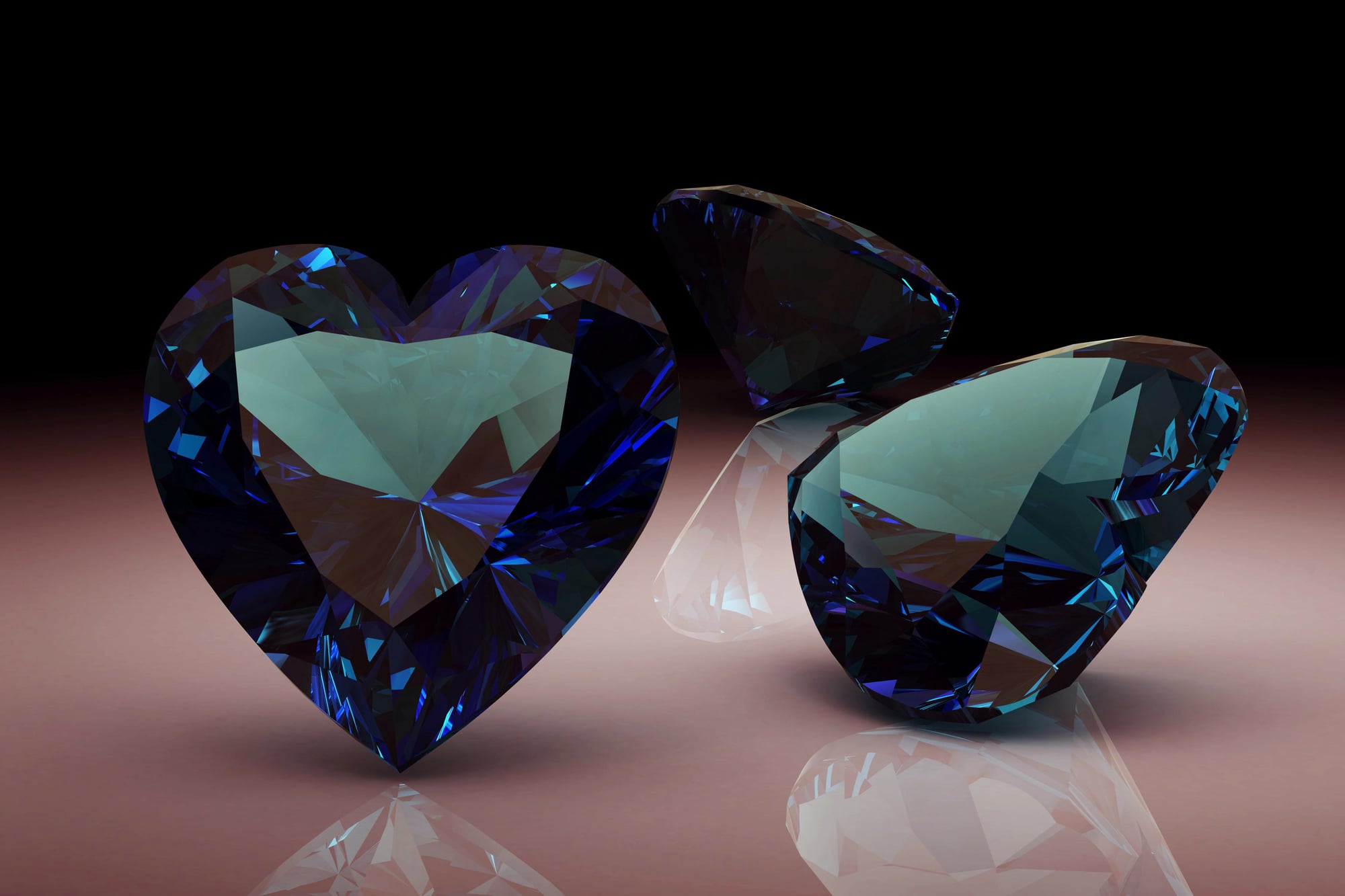
Alexandrite changes color depending on the light source — green in daylight, red under incandescent lighting.
This color-change phenomenon, combined with the stone’s rarity, makes alexandrite one of the most sought-after gems among serious collectors.
Russian alexandrite, particularly stones from the original Ural Mountain deposits, commands premium prices that reflect both geological rarity and historical significance.
The tennis bracelet featured genuine Russian alexandrite stones, each displaying the classic color-change property that defines the variety.
At $225,000, someone decided they wanted to wear examples of what gemologists consider one of nature’s most remarkable optical phenomena.
The bracelet format showcases the color-change effect beautifully — multiple stones creating a shifting pattern of green and red as lighting conditions change throughout the day.
When Shopping Becomes Investment

These sales reveal something fascinating about the intersection of luxury, convenience, and human psychology. Traditional high-end retail assumes customers want personal service, private viewing rooms, and extensive consultation before making major purchases.
Yet these home shopping successes suggest some buyers prefer the democratic accessibility of television presentation — no appointments, no intimidating boutique atmosphere, just straightforward product presentation and immediate purchasing decisions.
The prices reflect genuine market values for exceptional pieces, which means these weren’t inflated television prices but legitimate luxury transactions that happened to use an unconventional sales channel.
Perhaps the most remarkable aspect isn’t the merchandise itself, but the buyers who recognized quality and rarity regardless of the presentation format.
More from Go2Tutors!

- The Romanov Crown Jewels and Their Tragic Fate
- 13 Historical Mysteries That Science Still Can’t Solve
- Famous Hoaxes That Fooled the World for Years
- 15 Child Stars with Tragic Adult Lives
- 16 Famous Jewelry Pieces in History
Like Go2Tutors’s content? Follow us on MSN.