15 Phrases That Came From Wartime Slang
War has shaped our history in countless ways, but its influence extends beyond battlefields and borders—it’s woven into the very words we speak. Many everyday expressions we use without a second thought actually began in military trenches, camps, and battlefields.
The unique conditions of wartime create a perfect environment for linguistic innovation. Soldiers faced with extraordinary circumstances often develop colorful expressions to describe their experiences, cope with danger, or simply pass the time.
Here is a list of 15 common phrases that originated as military slang before marching into our everyday vocabulary.
Over The Top
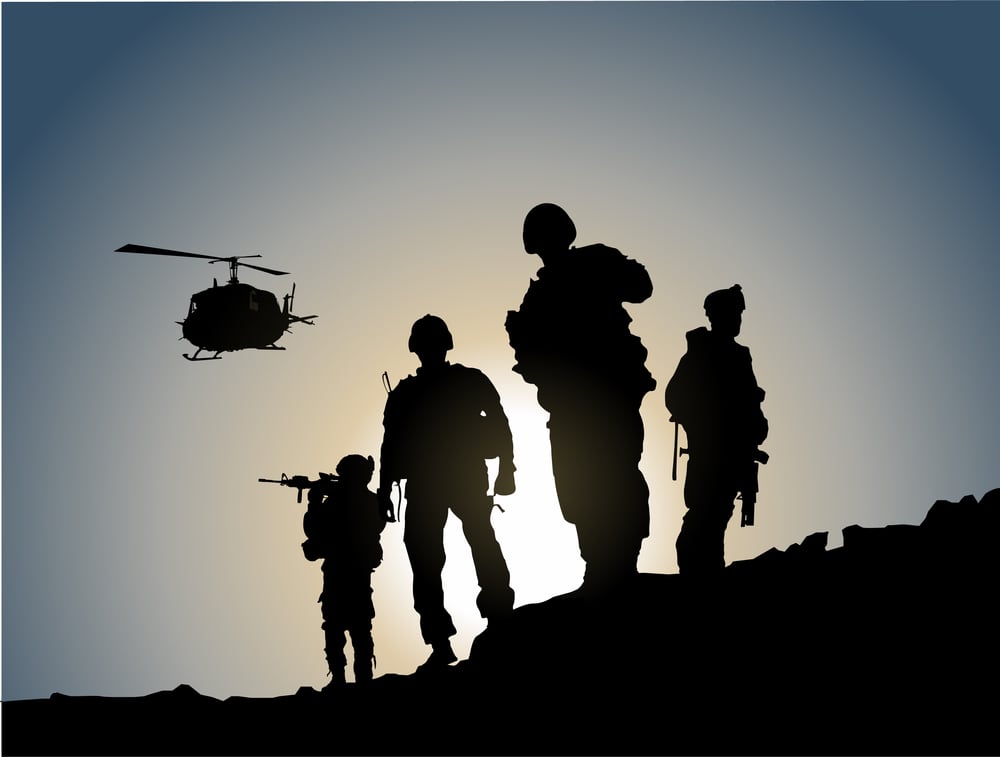
This common expression for something excessive or extreme comes directly from World War I trench warfare. When soldiers received orders to climb out of their protective trenches and charge across no-man’s-land toward enemy lines, they were going ‘over the top’—often facing near-certain death.
Today, we use it to describe anything that exceeds normal boundaries, though with considerably less mortal danger.
Chow Down
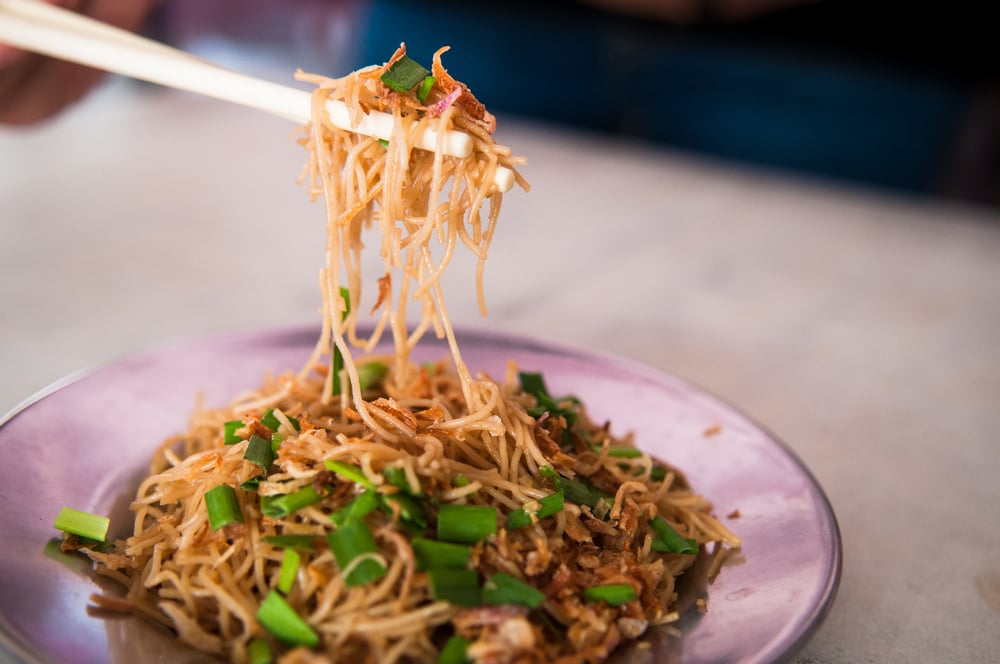
When you’re ‘chowing down’ at your favorite restaurant, you’re using military slang dating back to the late 1800s. ‘Chow’ was initially Navy slang for food, possibly derived from Chinese pidgin English.
During World War II, ‘chow down’ became the universal military call to eat meals. The phrase marched into civilian speech in the 1950s and remains a casual way to announce it’s time to eat.
Like Go2Tutors’s content? Follow us on MSN.
Snafu
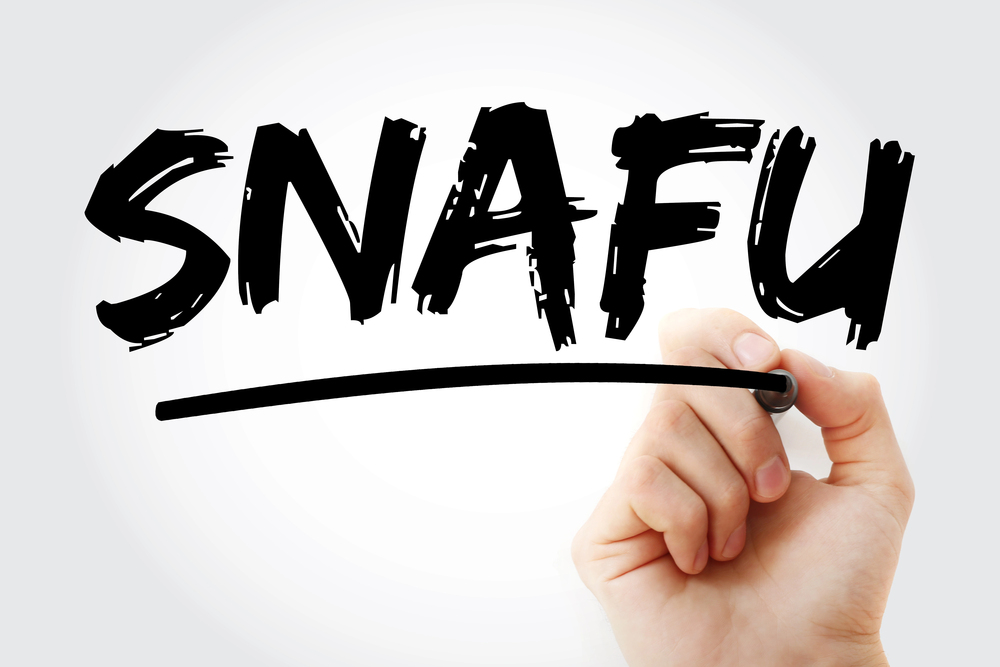
This acronym stands for ‘Situation Normal: All Fouled Up’ (though soldiers used a stronger word than ‘fouled’). It originated during World War II to describe the everyday chaos and confusion of military operations.
The term perfectly captured how disaster and disorder were paradoxically the ‘normal’ state of affairs. Today, a ‘snafu’ refers to any situation where everything that could go wrong does go wrong.
Roger That
Every movie featuring military radio communication includes this phrase. ‘Roger’ was the phonetic designation for the letter ‘R’ in older military alphabets, standing for ‘received.’ When a soldier said ‘Roger that,’ they were simply acknowledging they’d received and understood the message.
The phrase has since infiltrated everyday speech as a colorful way to say ‘I understand’ or ‘I agree.’
Deadline
Before it meant the due date for your work project, a ‘deadline’ had a much deadlier meaning. During the American Civil War, a ‘deadline’ was a physical line or boundary around a prison camp that prisoners could not cross without being shot.
By the early 20th century, the term shifted to journalism to indicate the time when a story had to be submitted for printing—still urgent, but considerably less fatal.
Like Go2Tutors’s content? Follow us on MSN.
Blockbuster
Today’s entertainment ‘blockbusters’ take their name from massive bombs used in World War II. These 4,000-pound explosives could destroy an entire city block—hence ‘blockbusters.’
After the war, the term shifted to describe wildly successful movies, books, or products that had a similarly explosive impact on the entertainment industry and popular culture.
Bought The Farm
When someone ‘buys the farm’ today, we understand they’ve died. This euphemism for death originated with American pilots in World War II. The government provided death benefits to families of fallen soldiers, often enough money to pay off a mortgage.
Pilots grimly joked that if they died, they would ‘buy the farm’ for their families back home. The phrase entered civilian speech as a gentler way to discuss death.
Skivvies
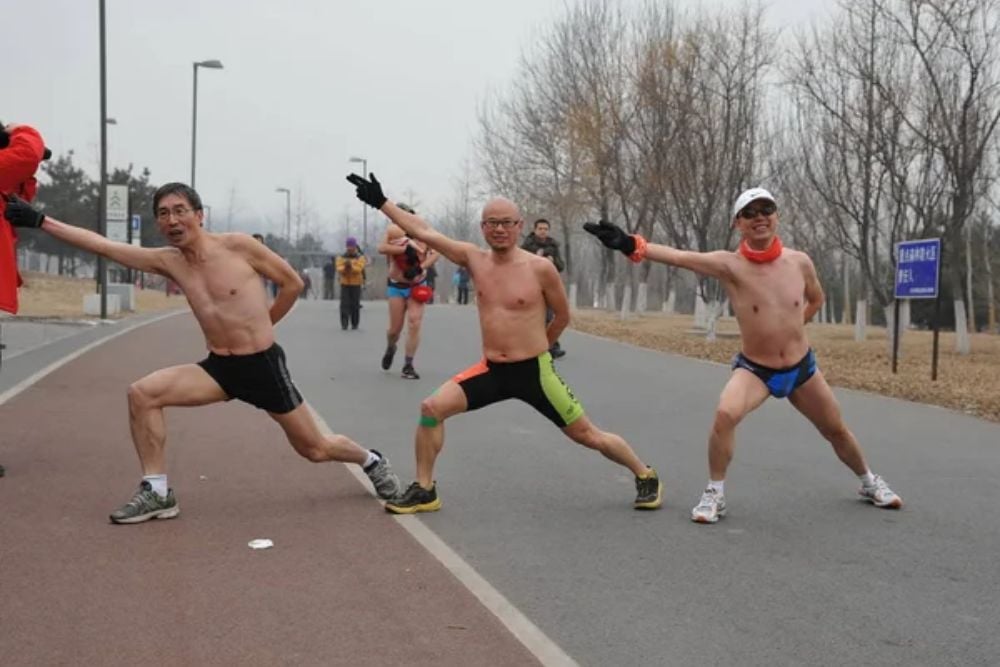
That casual term for underwear has military origins dating back to World War I. While its exact etymology is debated, many believe it came from naval slang, possibly derived from the Japanese word ‘sukebei’ (meaning ‘lecherous’).
Navy sailors used ‘skivvies’ to refer to their regulation-issue undergarments. The term eventually made its way into broader American vocabulary in the 1930s.
Like Go2Tutors’s content? Follow us on MSN.
Basket Case
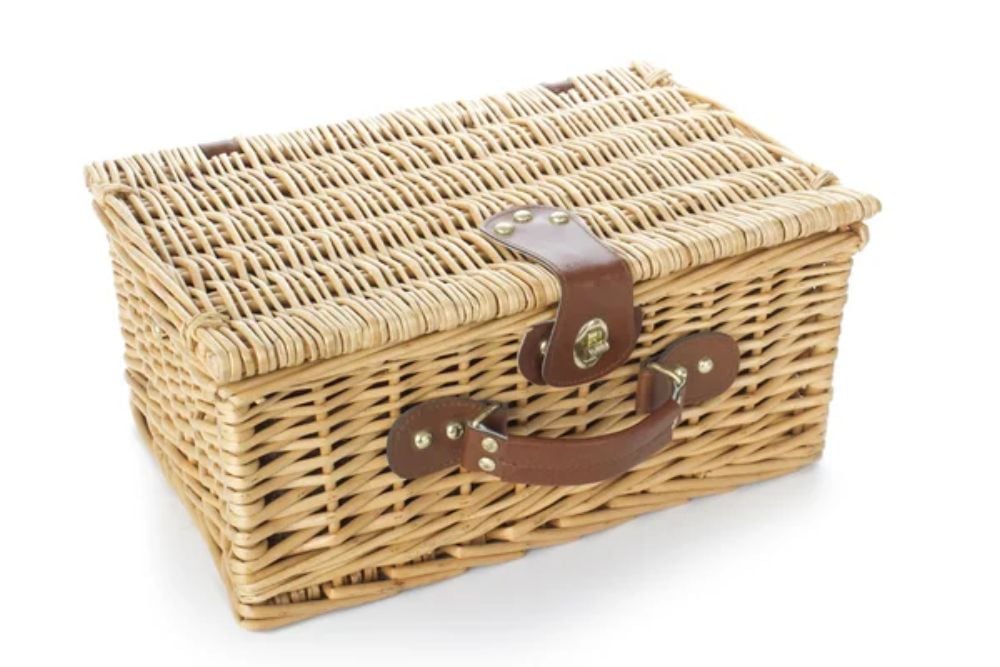
This disturbingly vivid term originated during World War I to describe soldiers who had lost all four limbs in battle and needed to be carried in baskets. Military officials actually denied such cases existed to maintain morale.
By the 1950s, the phrase had shifted in meaning to describe someone who is overwhelmed by stress or anxiety—emotionally rather than physically incapacitated.
Bite The Bullet

When someone ‘bites the bullet,’ they’re enduring something painful or difficult—just as wounded soldiers did before anesthesia was widely available. Military surgeons would give patients a bullet to bite down on during painful procedures to help them endure the agony and prevent them from biting their tongues.
The phrase entered civilian speech as a metaphor for facing unpleasant situations with resolve.
In The Trenches
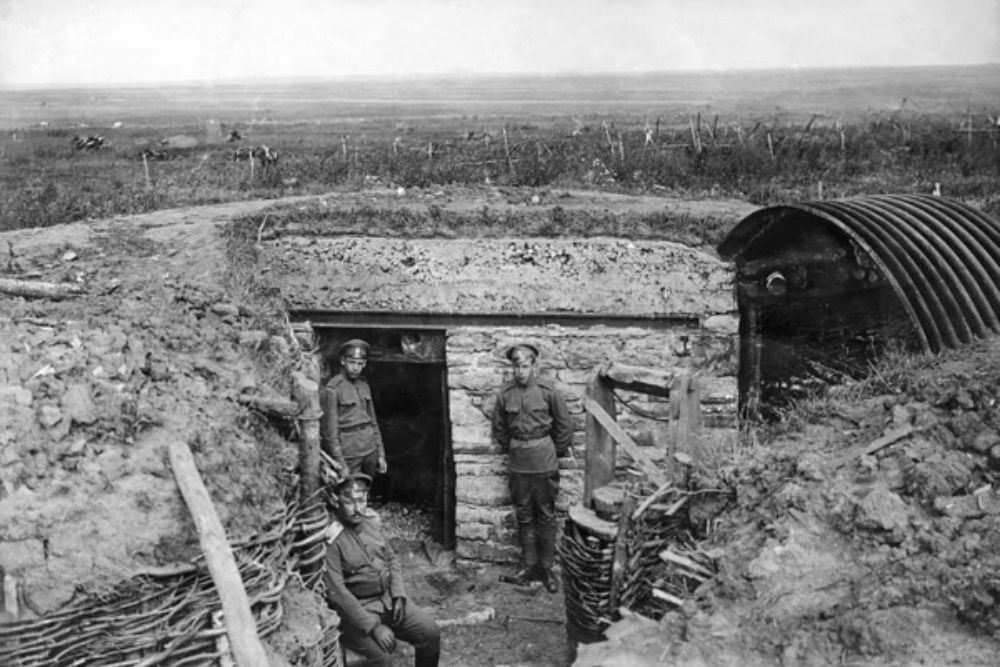
When modern office workers describe being ‘in the trenches,’ they’re borrowing directly from World War I battlefield terminology. Soldiers literally lived in muddy, disease-ridden trenches for months on end, enduring horrific conditions.
Today, the phrase describes challenging work environments or projects requiring sustained, difficult effort—though typically with better sanitation and fewer mortars.
Like Go2Tutors’s content? Follow us on MSN.
The Whole Nine Yards
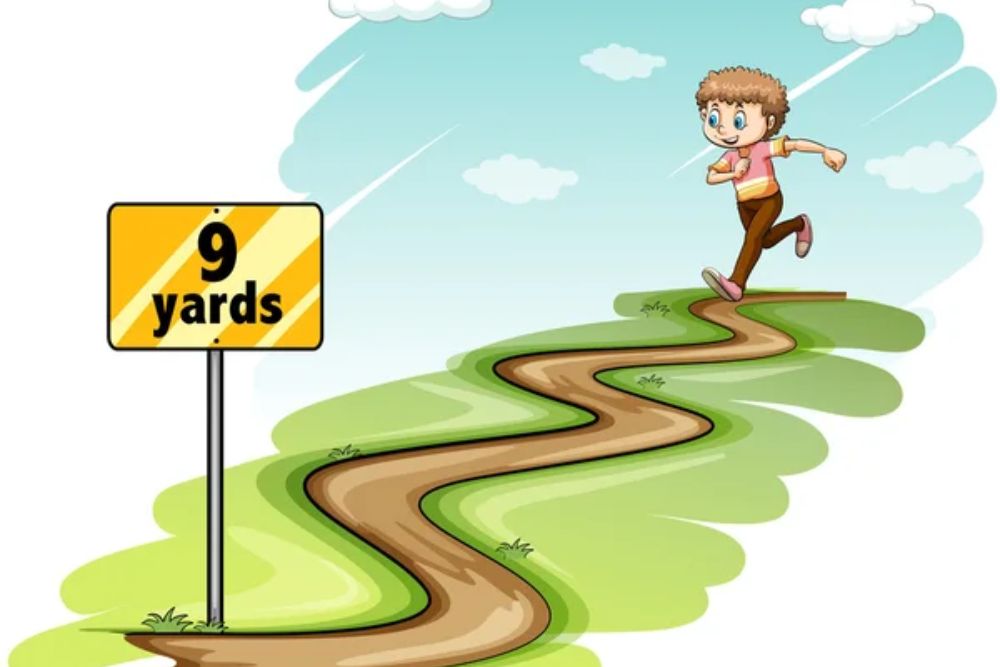
While there are competing theories about this phrase’s origin, one compelling explanation comes from World War II aviation. Fighter plane machine gun ammunition belts were approximately nine yards long.
When a pilot used ‘the whole nine yards,’ they had fired every available round at the enemy—giving it everything they had. Today, the phrase means going all-out or using everything at your disposal.
Keep Your Powder Dry

This cautionary advice dates back to the 1600s, attributed to Oliver Cromwell during the English Civil War. Gunpowder was useless when wet, so soldiers had to keep it dry to maintain combat readiness.
The phrase evolved into a general warning to stay prepared for future challenges. Today, ‘keeping your powder dry’ means remaining ready and preserving your resources until they’re needed.
On The Double
When someone tells you to do something ‘on the double,’ they’re using a military command that dates back centuries. It originally referred to doubling one’s marching pace—moving twice as fast.
Drill sergeants would shout this command to get troops moving quickly. In civilian usage, it simply means to hurry up or do something immediately, though usually without the accompanying push-ups for non-compliance.
Like Go2Tutors’s content? Follow us on MSN.
No Man’s Land
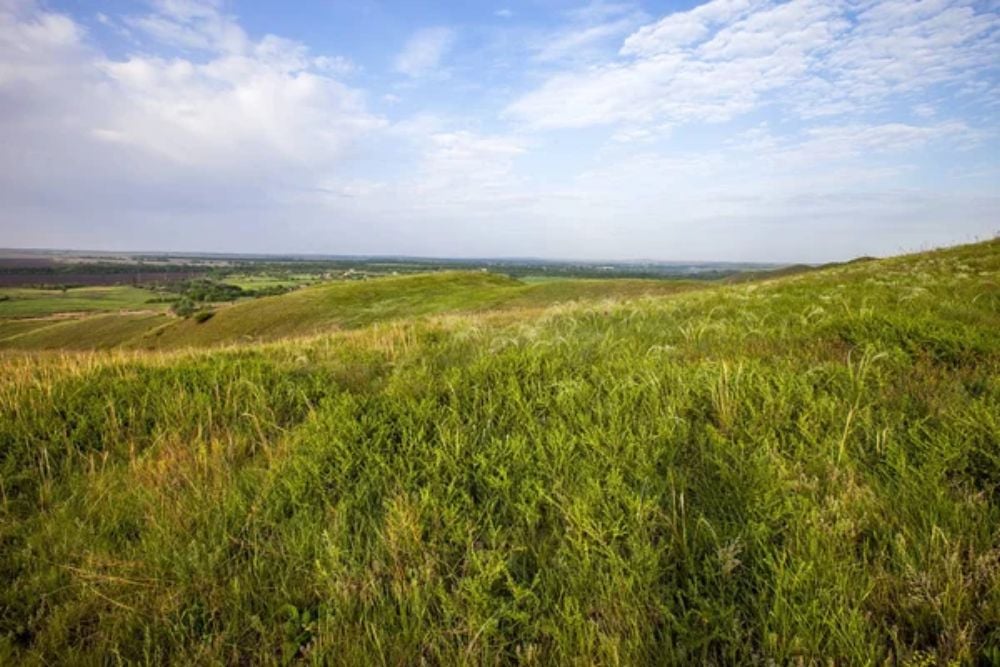
Originally a medieval term for disputed territory or wasteland, ‘no man’s land’ gained its modern meaning during World War I. It specifically referred to the devastated ground between opposing trenches—a barren, cratered landscape covered with barbed wire and corpses, claimed by neither side.
Today, the phrase describes any undefined or contested area, whether physical or conceptual, where normal rules don’t apply.
The Legacy Lives On
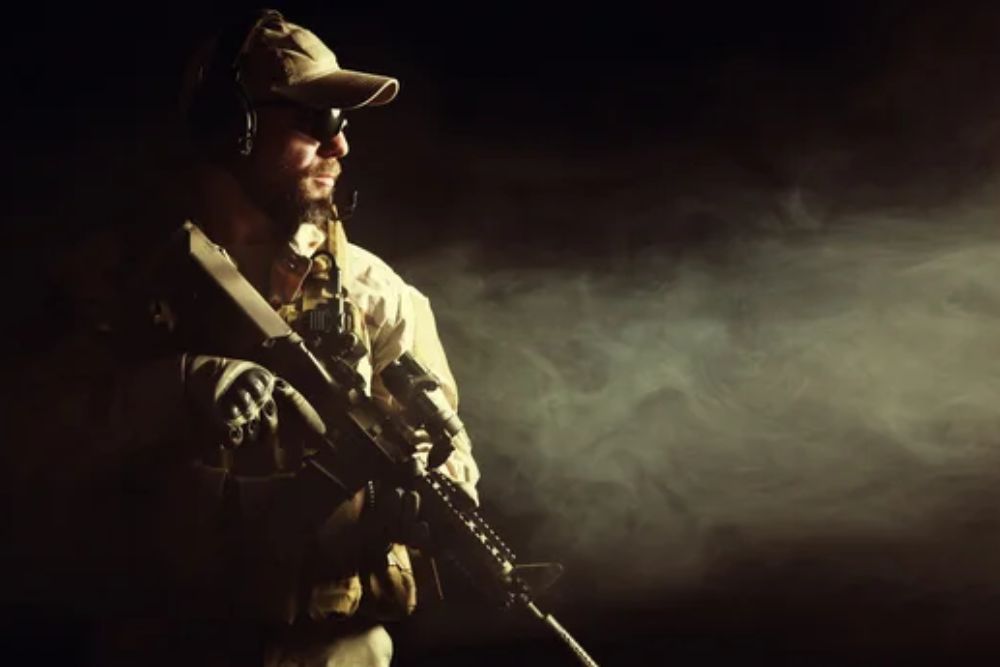
These military expressions demonstrate how language evolves through shared human experience, even in the most extreme circumstances. War, despite its destruction, created linguistic innovations that outlasted the conflicts themselves.
From casual conversations to business meetings, these phrases continue to serve us in peacetime, connecting our everyday speech to pivotal moments in military history. The next time you use one of these expressions, you’ll carry forward a small piece of that wartime heritage—linguistic veterans that have survived long beyond their original battles.
More from Go2Tutors!

- 18 Unexpectedly Valuable Collectibles You Might Have Lying Around
- 15 Things Every Teenager in the ’70s Did That Teens Today Wouldn’t Understand
- 15 Strange Things People Have Tried to Ban (And Failed)
- 15 Inventions That Were Immediately Banned After Being Created
- 20 Actors Who Were Almost Cast in Iconic Roles
Like Go2Tutors’s content? Follow us on MSN.



