15 Most Iconic Fictional Characters Of All Time
Certain made-up people stick around without warning. Well past their last scene, they drift through talk between friends, shifting opinions bit by bit, subtly coloring how tales are told for years after.
It’s not just about fame – these lasting names seem close, like they slipped from pages into our lives without anyone noticing. Something different about them goes beyond where they started, instead it’s how long they stick around.
Even as changes take hold, meanings shift, and new versions appear, recognition hits right away. Still familiar after all that movement.
A deep dive into 15 made-up figures who shaped how stories are told through the ages.
Sherlock Holmes

Sherlock Holmes remains the blueprint for the modern detective. Created by Arthur Conan Doyle, he introduced a level of analytical precision that turned crime-solving into something almost artistic.
His sharp observations and cold logic made him fascinating, while his quirks kept him human. Even now, countless adaptations continue to borrow from his style.
The character has become less of a figure and more of a standard.
Harry Potter
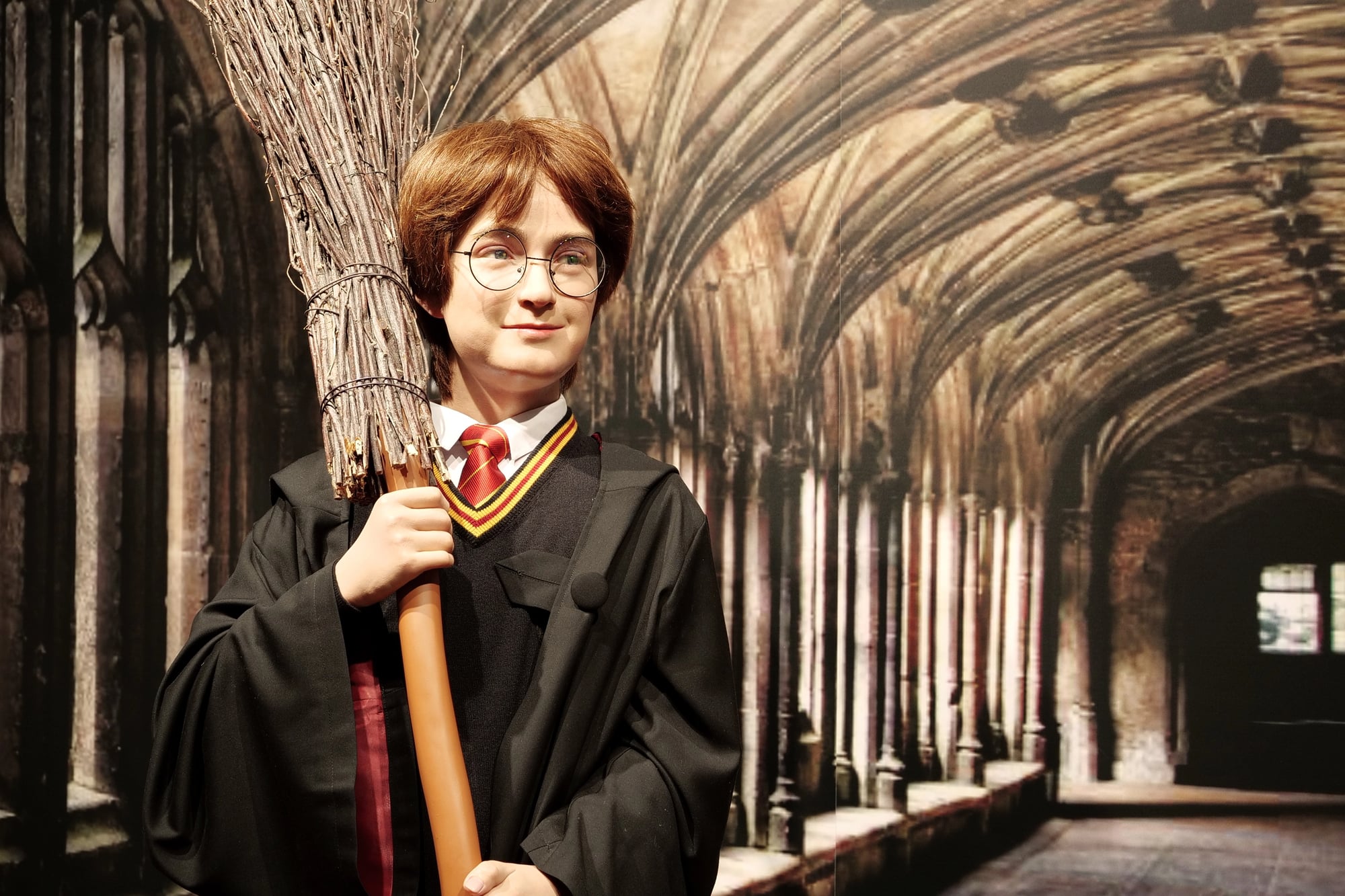
Harry Potter grew from a boy under the stairs into one of the most recognizable literary figures in the world. His journey through friendship, loss, and responsibility gave readers something deeply personal to connect with.
The series didn’t just tell a story—it created an entire world people wanted to live in. That sense of belonging is part of why the character still resonates years later.
He represents growth in its most relatable form.
Darth Vader

Darth Vader stands as one of the most striking figures in cinematic history. His presence alone—voice, appearance, and silence—carries weight.
What makes him enduring, though, is the duality beneath the surface: a feared enforcer shaped by regret and loss. His story added emotional depth to what could have been a simple antagonist.
Even so, his redemption arc ensured he would never be one-dimensional.
Elizabeth Bennet

Elizabeth Bennet brought wit and independence to a literary era that often restricted female characters. In Pride and Prejudice, her sharp mind and refusal to conform made her quietly revolutionary.
She doesn’t rely on dramatic gestures to stand out; instead, her strength lies in her perspective. Readers continue to connect with her because she feels grounded and real.
Her influence still echoes in modern romantic leads.
Batman

Batman exists in a space between hero and symbol. Unlike many others, he has no supernatural abilities—just discipline, intelligence, and an unrelenting drive.
That grounded nature makes his story feel closer to reality, even within a stylized world. Over time, different interpretations have reshaped him, but the core remains unchanged.
He represents control in the face of chaos.
Hermione Granger

Hermione Granger redefined what it means to be the smartest person in the room. Her intelligence isn’t just a trait—it’s her strength, her defense, and often the solution to impossible problems.
She balances logic with loyalty, making her one of the most dependable characters in modern fiction. Still, her imperfections keep her relatable.
She proves that brilliance and vulnerability can exist side by side.
James Bond
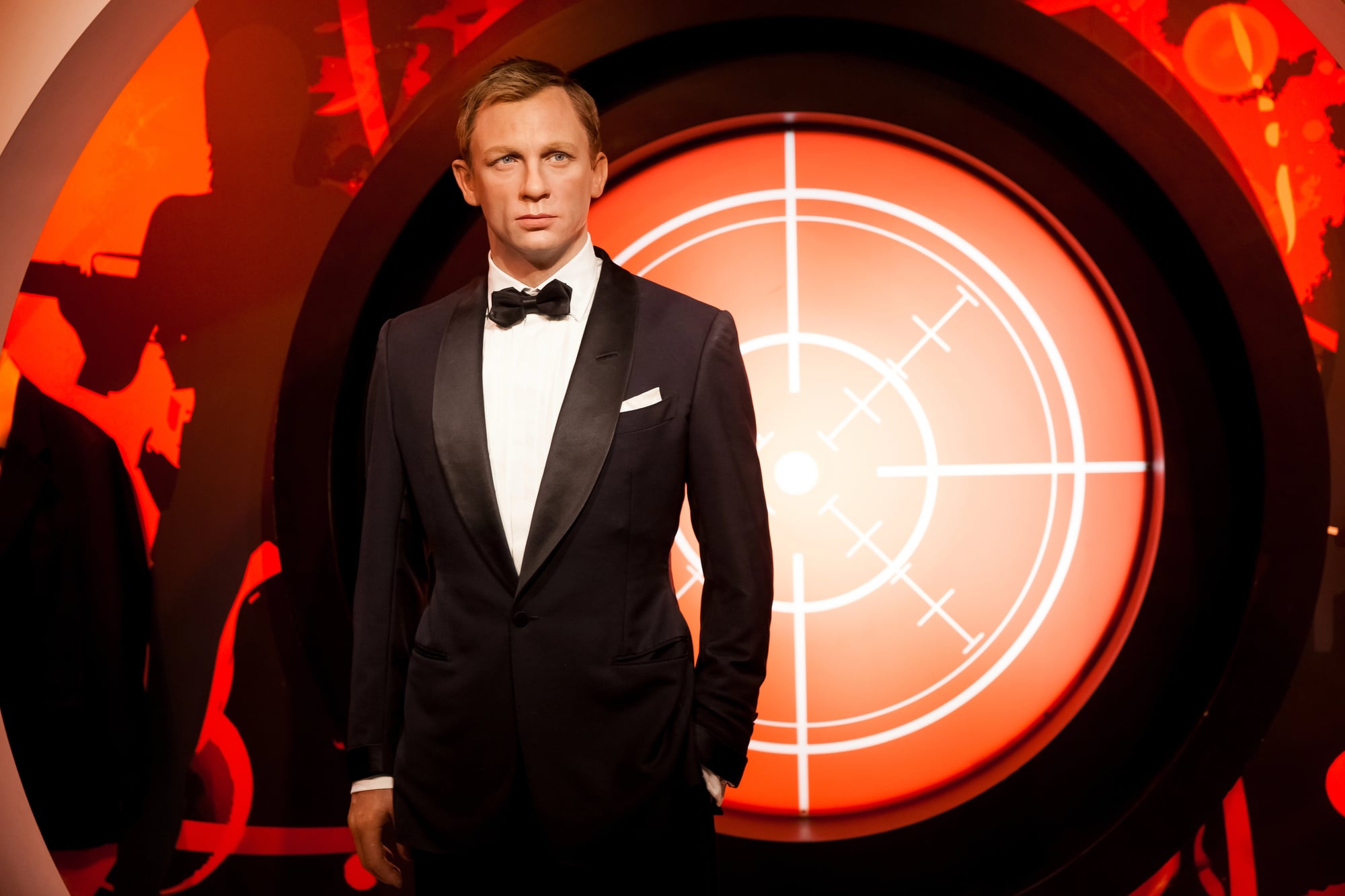
James Bond has evolved alongside the decades, shifting tone and style while maintaining his core identity. As a spy, he blends sophistication with danger, always one step ahead of his surroundings.
His character reflects changing ideas of masculinity, power, and global politics. That adaptability is part of what keeps him relevant.
He’s less a single portrayal and more a constantly updated idea.
Katniss Everdeen

Katniss Everdeen brought a different kind of strength to the forefront. She isn’t driven by ambition or glory, but by survival and protection of those she loves.
Her reluctance to be a symbol makes her an even more compelling one. In a world built on spectacle, she remains grounded and resistant.
That contrast gives her lasting impact.
Spider-Man

Spider-Man’s appeal lies in how ordinary he feels beneath the mask. Peter Parker deals with everyday struggles—responsibility, identity, and growing up—while carrying extraordinary burdens.
That balance makes him one of the most relatable heroes ever created. His famous sense of responsibility continues to define his character across generations.
Even so, each version finds new ways to keep him fresh.
Atticus Finch
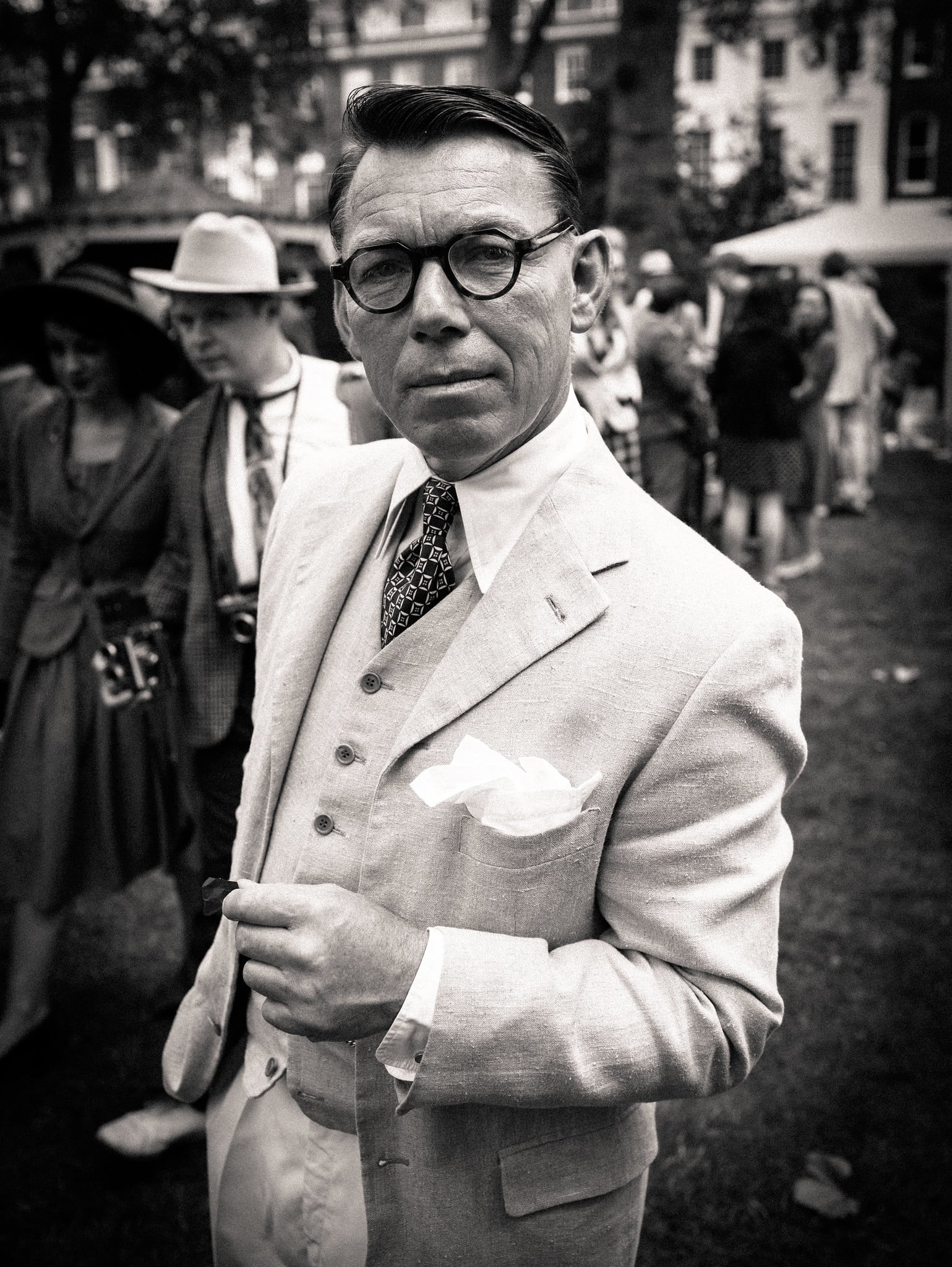
Atticus Finch stands as a moral anchor in To Kill a Mockingbird. His quiet strength and commitment to justice make him a figure of integrity rather than force.
He doesn’t dominate scenes; he steadies them. Readers are drawn to his calm, thoughtful approach in the face of conflict.
His influence extends beyond literature into broader conversations about fairness and courage.
The Joker

The Joker thrives on unpredictability. As a character, he resists clear definition, which makes him endlessly compelling.
Different interpretations have emphasized chaos, humor, or psychological complexity, yet all share a sense of instability. He exists as a counterbalance to order, particularly in contrast to Batman.
That tension keeps him relevant in every iteration.
Frodo Baggins

Frodo Baggins represents endurance more than heroism in the traditional sense. His journey in The Lord of the Rings is defined by burden rather than triumph.
Carrying the ring slowly wears him down, making his struggle deeply human. He doesn’t seek recognition, and that’s precisely what makes his story resonate.
His quiet resilience leaves a lasting impression.
Wonder Woman
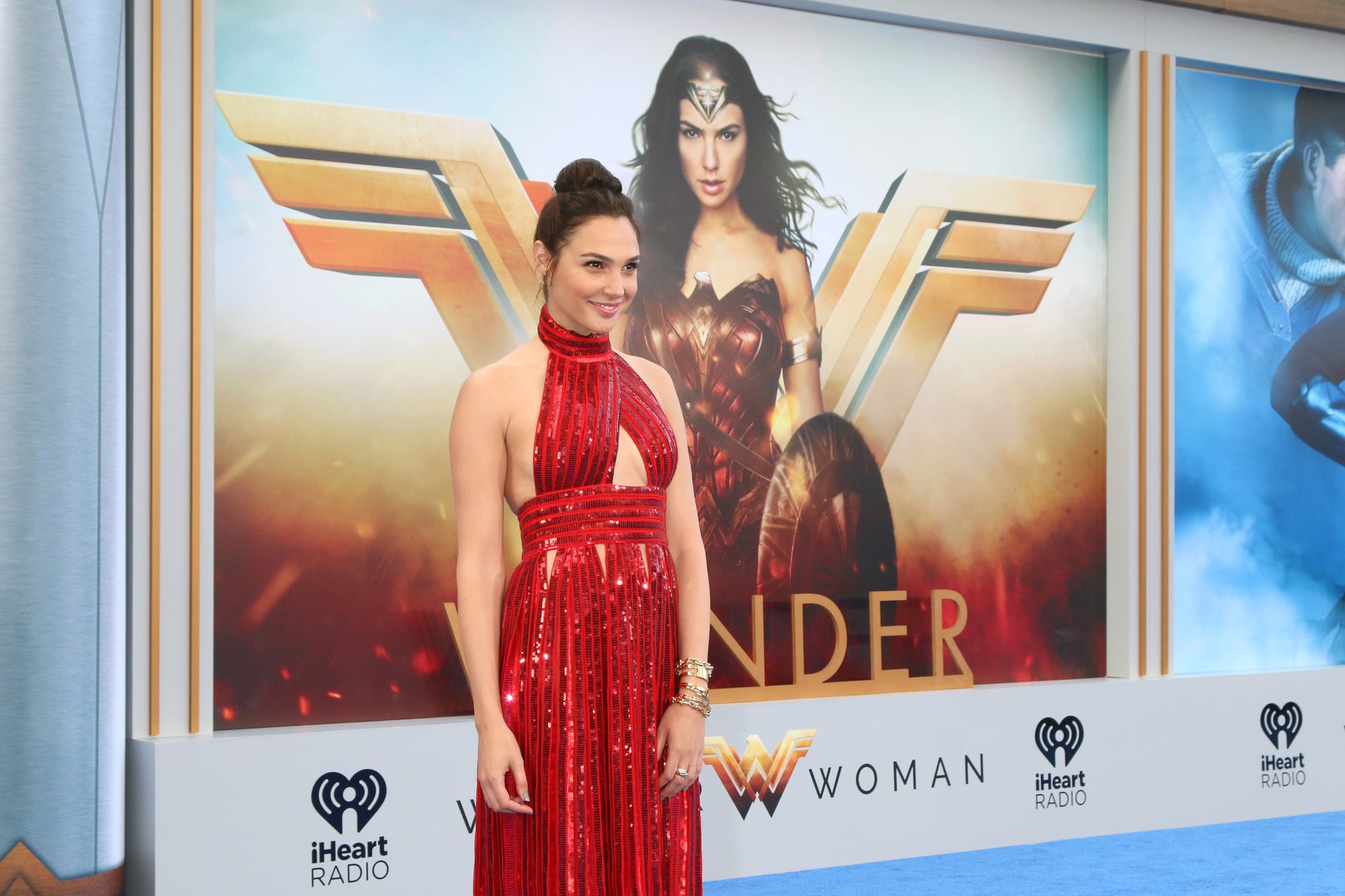
Wonder Woman brought a new dimension to the idea of a hero. She combines strength with compassion, refusing to separate power from empathy.
Her origins in mythology give her a timeless quality, while her values keep her grounded. Over the years, she has become a symbol of balance rather than dominance.
That duality is central to her staying power.
Don Vito Corleone

Don Vito Corleone embodies control, patience, and calculated influence. In The Godfather, he rarely raises his voice, yet commands complete authority.
His character reveals how power can operate quietly, through relationships and strategy rather than force. Even so, his personal code adds layers to his decisions.
He is both feared and respected in equal measure.
Mickey Mouse
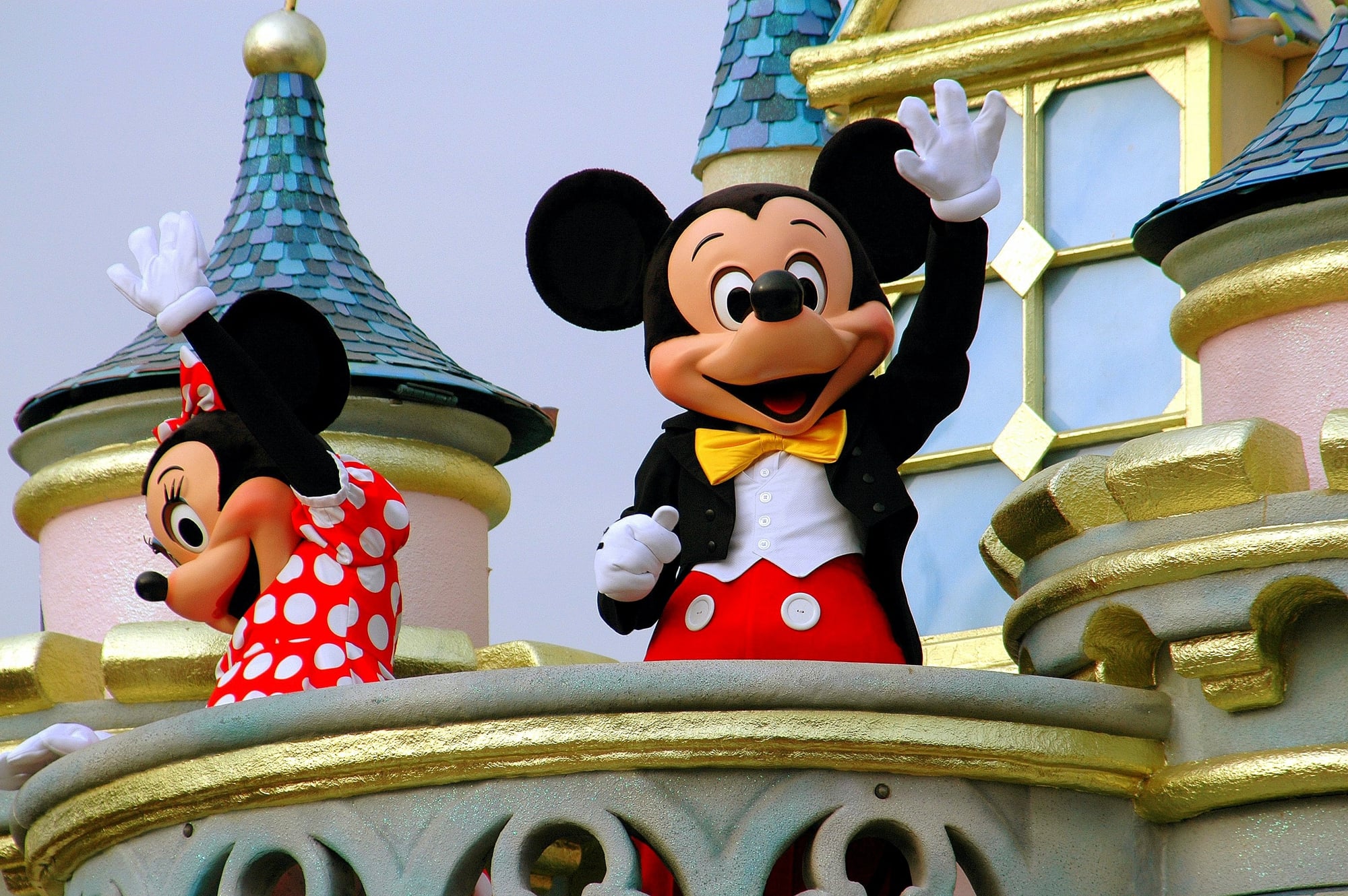
Mickey Mouse stands as one of the most recognizable figures in global entertainment. His simplicity is part of his strength, allowing him to adapt across decades without losing identity.
He represents optimism and familiarity, often acting as a gateway into storytelling itself. While many characters evolve dramatically, Mickey remains consistent.
That consistency is what makes him enduring.
Why These Characters Still Matter

Out here, lasting figures stick around not thanks to what happens next but due to quiet truths beneath. People circle back to certain themes – selfhood, fairness, grit, transformation – and so do the stories.
Even when ways of telling shift, the faces twist into new shapes instead of vanishing. That staying power hints at bones built right, tough enough to survive passing fads.
Still today, fresh faces get compared without anyone really saying so. A hush moves through storytelling, bending both plots and hopes.
What sticks around isn’t their origin, it’s the pulse left behind – missed by eyes, always caught by skin.
More from Go2Tutors!

- The Romanov Crown Jewels and Their Tragic Fate
- 13 Historical Mysteries That Science Still Can’t Solve
- Famous Hoaxes That Fooled the World for Years
- 15 Child Stars with Tragic Adult Lives
- 16 Famous Jewelry Pieces in History
Like Go2Tutors’s content? Follow us on MSN.