15 Most Remote Island Populations on Earth Today
In a world where you can video call someone on the opposite side of the planet, truly isolated communities feel like something from another era. Yet scattered across the oceans, small groups of people still live on specks of land so distant from civilization that a trip to the mainland becomes an epic journey.
These aren’t tourist destinations with daily flights and Wi-Fi cafes. These are places where the grocery store might be a thousand miles away, where weather can cut off all contact for months, and where everyone knows everyone because there simply isn’t anyone else to know.
Tristan da Cunha
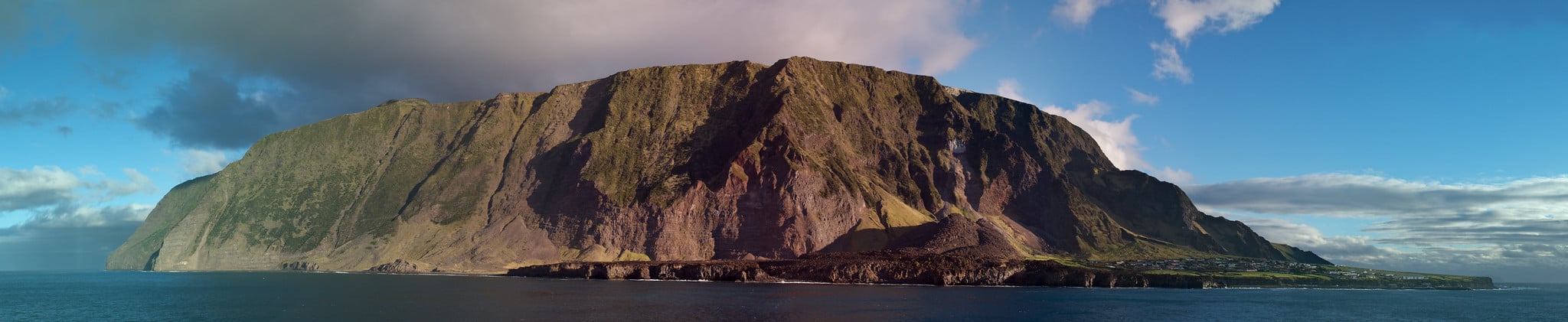
The most remote inhabited island in the world sits in the South Atlantic like a stubborn period at the end of a very long sentence. All 250 residents share just seven surnames (which makes dating complicated, as you might imagine).
The island has one doctor, one policeman, and one small hospital that doubles as the social center when things get particularly quiet. When someone needs serious medical attention, they have to wait for the next supply ship — which comes maybe six times a year, weather permitting.
Everyone on Tristan da Cunha is related to the original settlers who arrived in 1816, and the community operates on a level of cooperation that would make most neighborhoods weep with envy. They grow potatoes, raise cattle, and lobster fishing provides their main connection to the outside economy.
The nearest landmass is Saint Helena, 1,500 miles away, which itself isn’t exactly bustling with activity.
Pitcairn Islands

So here’s a place that carries the weight of one of history’s most famous mutinies — the HMS Bounty mutineers ended up here in 1790, and their descendants (along with some Tahitian lineages that get less attention in the stories) still call it home. Population hovers around 50 people, making it one of the least populated territories on Earth, and the fact that it manages to function as a political entity with its own government is either admirable or absurd, depending on how you look at it.
The island runs on generator power, has no airport (supply ships every few months, same drill as Tristan da Cunha), and everyone pitches in to keep things running because there literally isn’t anyone else to do the work.
And yet — here’s the thing that gets you — they’ve got internet, they sell honey internationally, and they’re trying to attract new residents through immigration programs. The past and future sitting right next to each other, separated by about 4,000 miles of Pacific Ocean from the nearest significant population center.
St. Helena
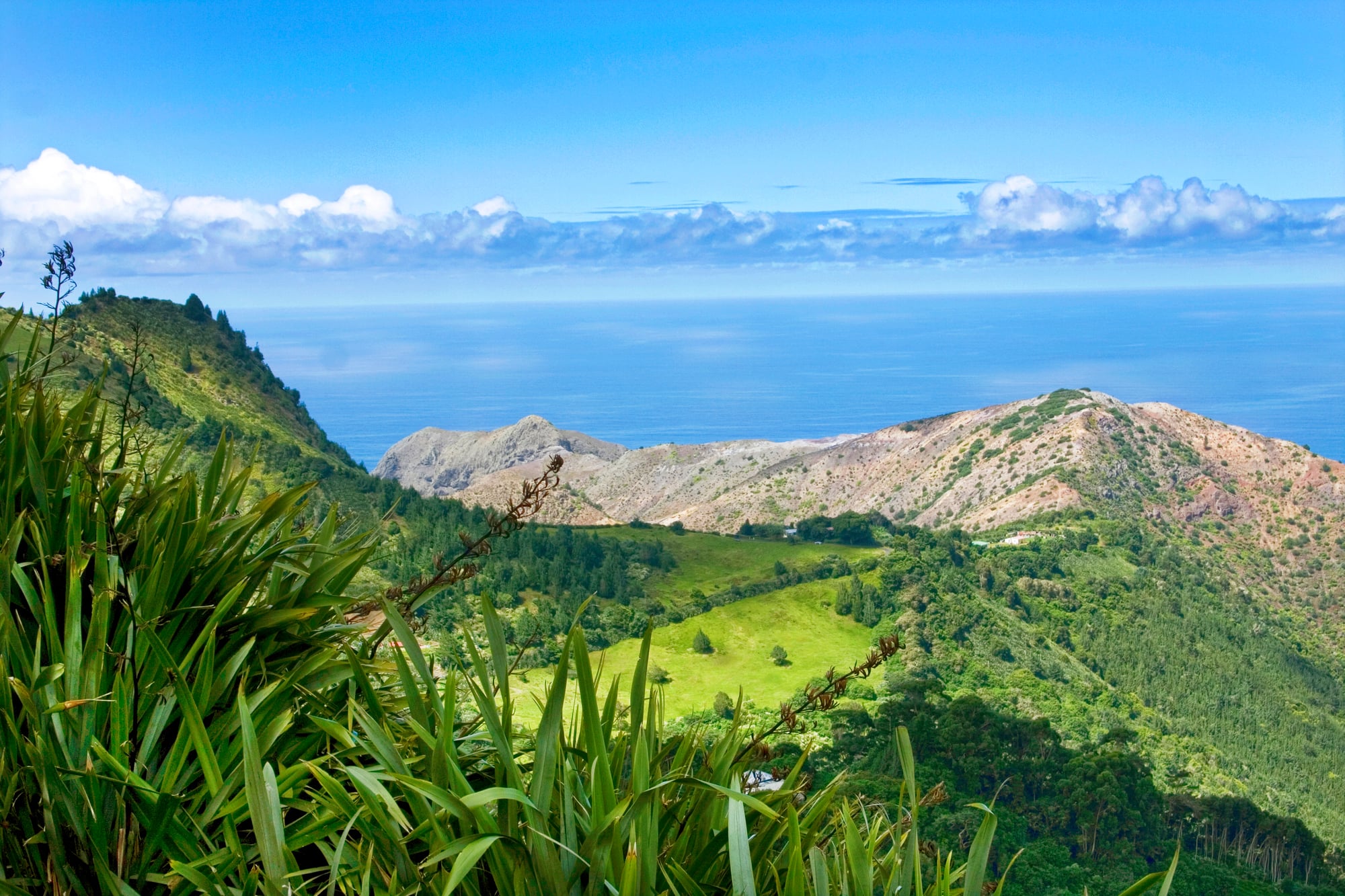
There’s something quietly theatrical about an island that served as Napoleon’s final stage, where the most powerful man in Europe spent his last years staring at the Atlantic and presumably wondering how it all went so wrong. St. Helena sits 1,200 miles from the nearest continent, and its 4,000 residents have built a life around that isolation rather than despite it.
The island feels like it’s caught between centuries — stone buildings that remember British colonial authority, winding roads that follow the logic of another era, and a pace of life that moves according to supply ships and weather patterns rather than quarterly reports.
Napoleon’s house is still there, of course, maintained as a shrine to historical irony, while around it a community goes about the practical business of existing at the edge of nowhere. The airport that opened in 2016 was supposed to change everything, but the winds proved too dangerous for regular commercial flights.
So the island remains mostly itself: remote, self-contained, and oddly peaceful in its distance from the rest of the world’s noise.
Gough Island
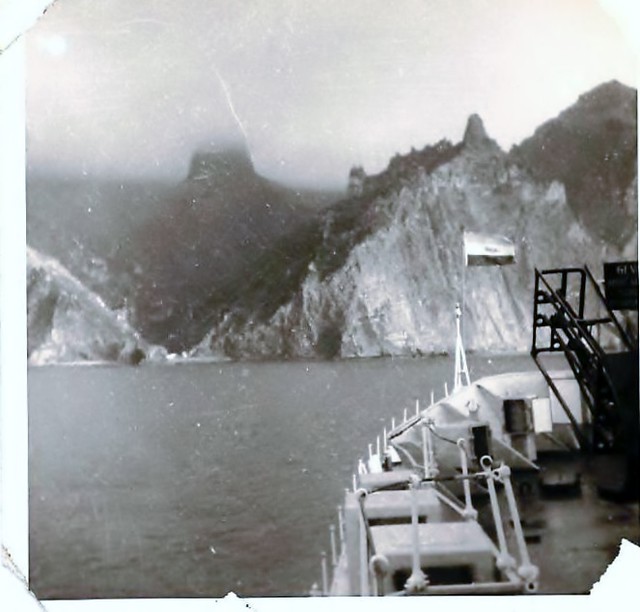
Gough Island doesn’t mess around with permanent residents — it’s staffed by researchers who rotate through like seasonal workers at the end of the Earth. Six people at a time, usually meteorologists and wildlife biologists, living in a research station that functions as the island’s entire human civilization.
The isolation here is pure and uncompromising. No families, no community traditions passed down through generations, just the essential work of monitoring weather patterns and protecting bird colonies.
The Southern Ocean pounds the shores, and the nearest human settlement is Tristan da Cunha, 250 miles away. When your closest neighbors are 250 miles away and there are only 250 of them, you’ve achieved a level of remoteness that borders on the philosophical.
Bouvet Island
And then there’s Bouvet Island, which takes remoteness to its logical extreme: nobody lives there at all, but it deserves mention because it represents the far end of what isolation looks like. It’s a Norwegian territory in the South Atlantic, covered in glaciers, with no permanent human presence and no indigenous population that ever existed.
The island sits there like a question mark, claimed by Norway but visited maybe once every few years by research expeditions.
It’s the most remote island on Earth, which gives it a strange kind of authority over the concept of isolation itself. Even the penguins seem to find it a bit much — the wildlife population is sparse compared to other sub-Antarctic islands.
Sometimes places are remote because they’re inconvenient to reach. Bouvet Island is remote because it’s essentially pointless to reach, except to prove that you can.
Easter Island
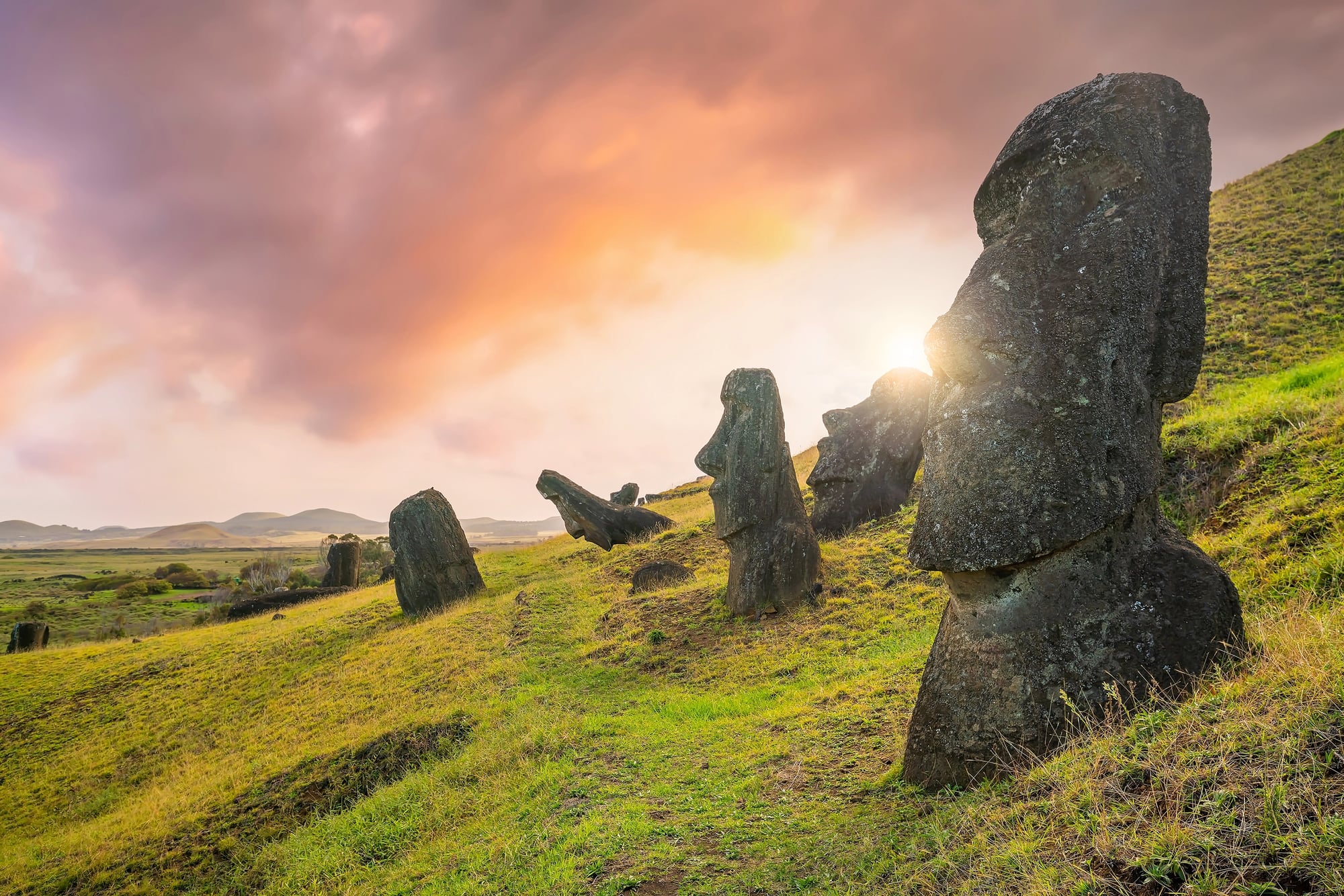
Easter Island carries the weight of mystery in a way that makes its isolation feel intentional, as if the distance from Chile (2,300 miles) was designed to protect the moai statues from too much scrutiny. The 5,000 residents live among nearly 1,000 of these stone figures, and the relationship between past and present here isn’t just historical — it’s daily and inescapable.
The Rapa Nui people maintained their culture through colonization, slave raids, and decades of outside control, and now they share their island with tourists who arrive on flights that feel like expeditions to another planet.
The isolation that once protected Easter Island now defines its economy, but there’s something stubborn about the way traditional practices continue alongside modern life. The island operates on its own schedule, and that schedule answers to the Pacific Ocean first, everything else second.
Kerguelen Islands
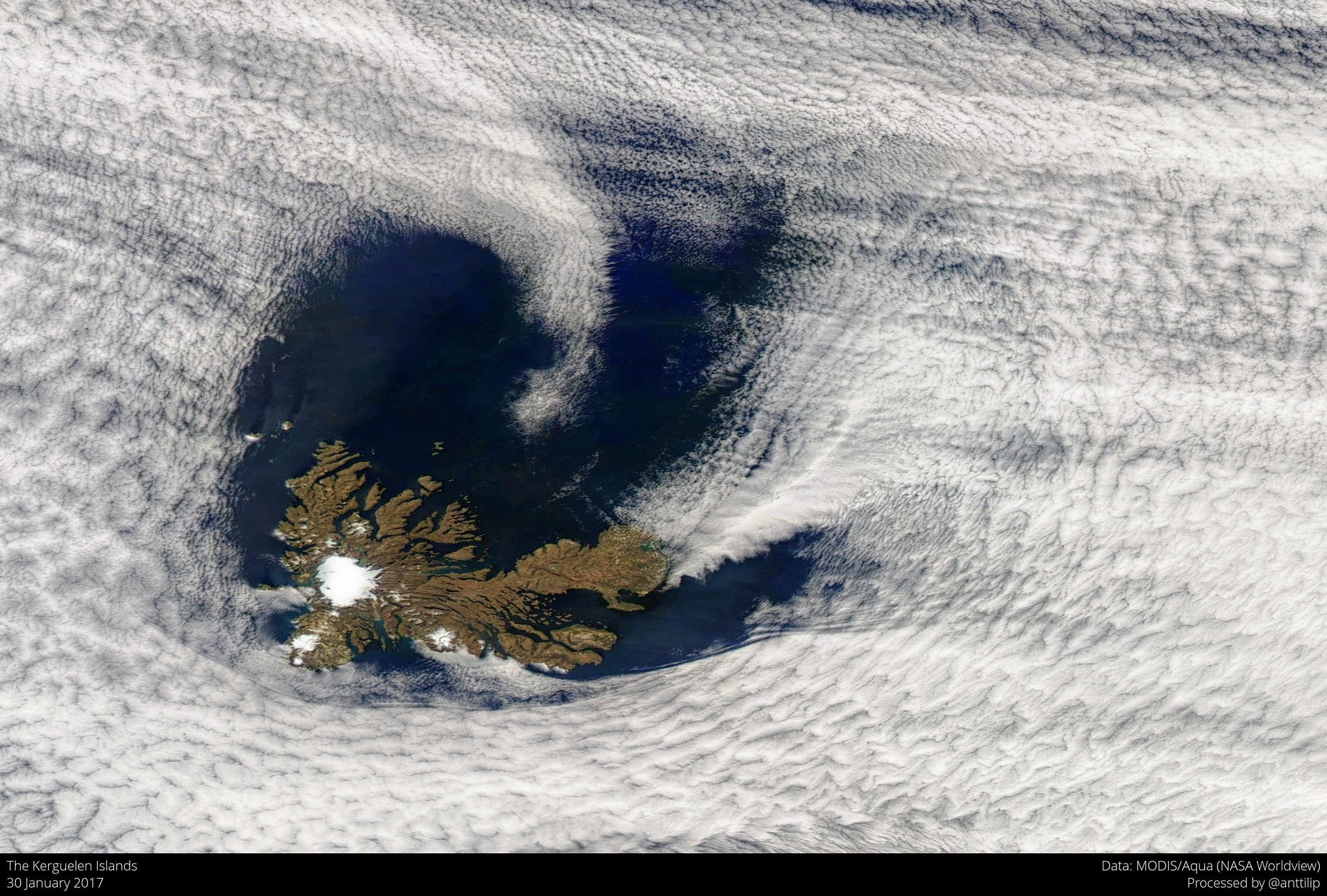
The French Southern and Antarctic Lands include Kerguelen, which maintains a research station population that fluctuates between 50 and 100 people depending on the season and the research schedule. It’s not permanently inhabited in the traditional sense — no one is born there, grows up there, and dies there — but it represents a particular kind of deliberate isolation.
The researchers who work at Kerguelen are there by choice, pursuing atmospheric studies and biological research in conditions that would make most people reconsider their career choices.
The island sits in the middle of the Southern Ocean, 2,000 miles from any significant population center, and the weather is reliably terrible. Yet the scientific work continues, year after year, which suggests something admirable about human curiosity overriding human comfort.
Norfolk Island
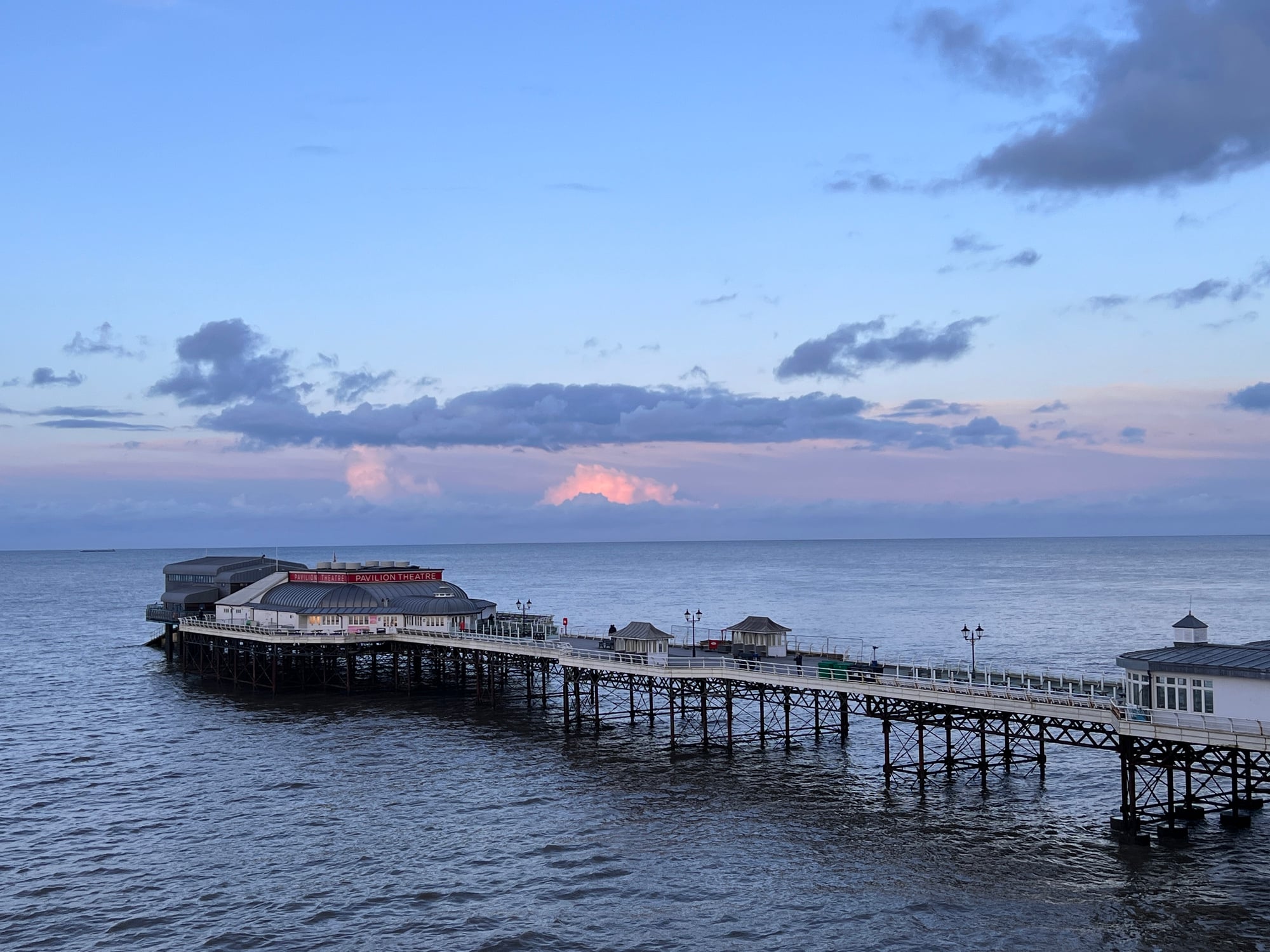
Norfolk Island sits in the Pacific between Australia and New Zealand, close enough to both to feel connected, distant enough from either to maintain its own peculiar identity. The 1,700 residents speak a creole language that mixes English with Tahitian, a linguistic reminder that the island was settled by Pitcairn Islanders in 1856 when their own island became too crowded. (Pitcairn had 194 people at the time, which gives you some perspective on what “crowded” means in the context of remote islands.)
The island operates with the kind of self-sufficiency that comes from necessity rather than ideology. Local government, local agriculture, local solutions to problems that would elsewhere be solved by calling someone from out of town.
Australia governs Norfolk Island, but the relationship feels more administrative than cultural — the island maintains its own rhythm, its own way of handling things, its own sense of what matters and what doesn’t.
Socotra Island
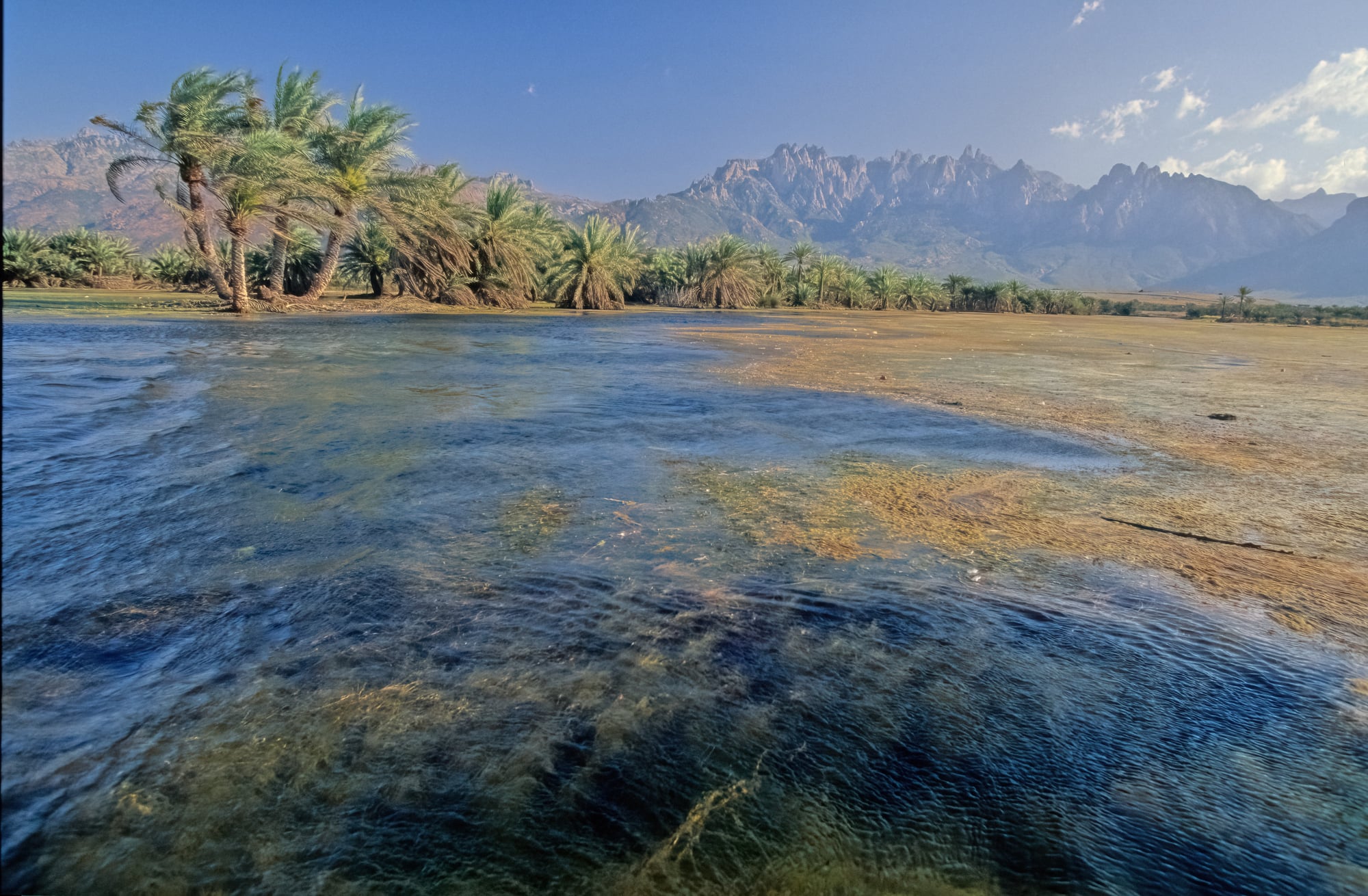
Socotra Island belongs to Yemen but sits 250 miles off the coast in the Arabian Sea, which has allowed it to evolve in directions that have nothing to do with mainland politics or mainland ecology. The 60,000 residents live among plant and animal species that exist nowhere else on Earth — dragon’s blood trees that look like umbrellas designed by someone who had never seen an umbrella, and birds that forgot they were supposed to migrate somewhere else.
The isolation here is biological as much as geographical. Socotra developed its own version of how life should work, and the result is an island that feels like a rough draft of Earth, where evolution was trying out ideas it abandoned everywhere else.
The human population has adapted to this strangeness with the kind of practical acceptance that remote communities develop toward whatever their environment happens to offer. Fishing, goat herding, and date farming — the basics, carried out in a landscape that looks like science fiction.
Bear Island
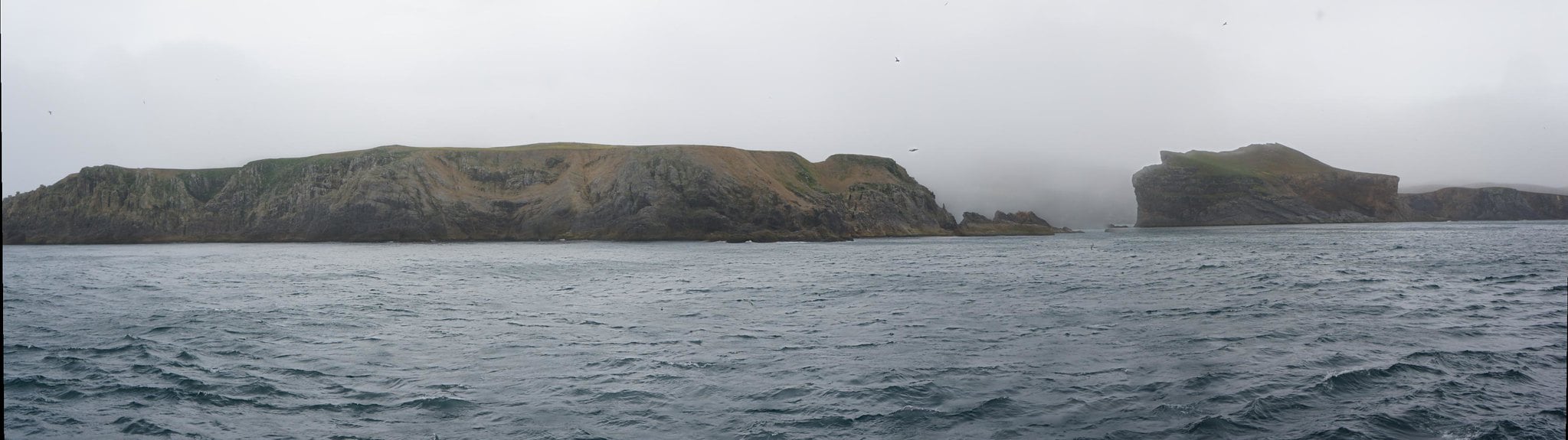
Bear Island sits in the Arctic Ocean between Norway and Spitsbergen, and its population consists entirely of meteorological researchers who staff a weather station that has been collecting data since 1923. The commitment to this particular form of isolation is impressive — nearly a century of sending people to a polar bear habitat to measure wind speed and barometric pressure.
The island represents the intersection of scientific necessity and geographic stubbornness. Someone decided that Bear Island’s weather data was worth the expense and difficulty of maintaining a human presence in one of the Arctic’s less hospitable locations, and that decision has been renewed every year for nearly 100 years.
The researchers rotate through, but the mission continues, which gives the island a kind of institutional permanence that’s different from traditional settlement but no less real.
South Georgia
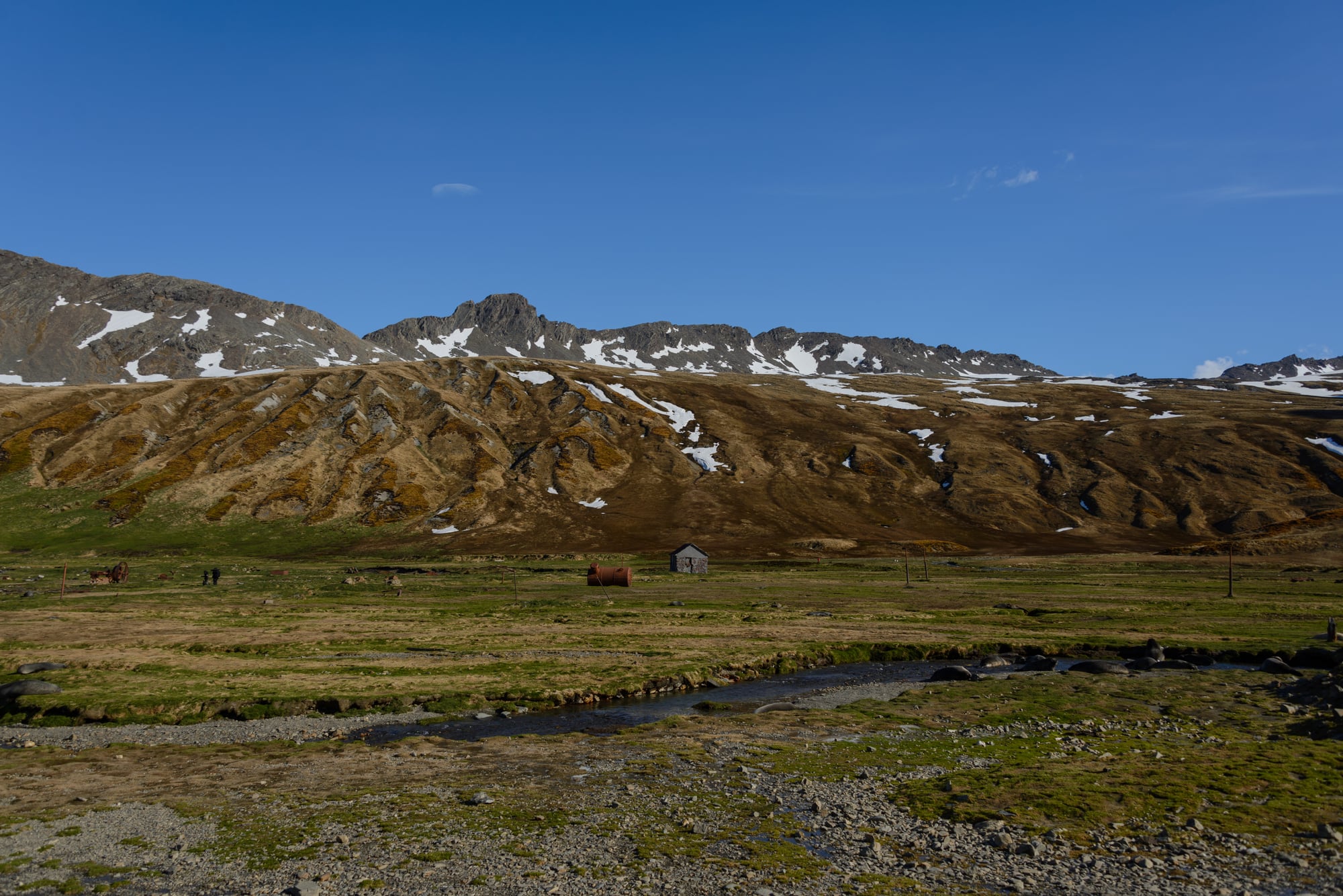
South Georgia maintains several research stations staffed by scientists and support personnel who keep the island’s connection to the outside world functioning. The population varies seasonally, but there are always people there, maintaining equipment, conducting research, and serving as witnesses to one of the most dramatic landscapes in the Southern Ocean.
The island is famous for its role in Antarctic exploration — Shackleton’s grave is there, along with the abandoned whaling stations that remind visitors that even the most remote places eventually attract industrial attention.
But the current human presence is more modest: researchers studying marine ecosystems, climate patterns, and wildlife populations that treat the island as a crucial habitat rather than a resource to be extracted.
Heard Island and McDonald Islands
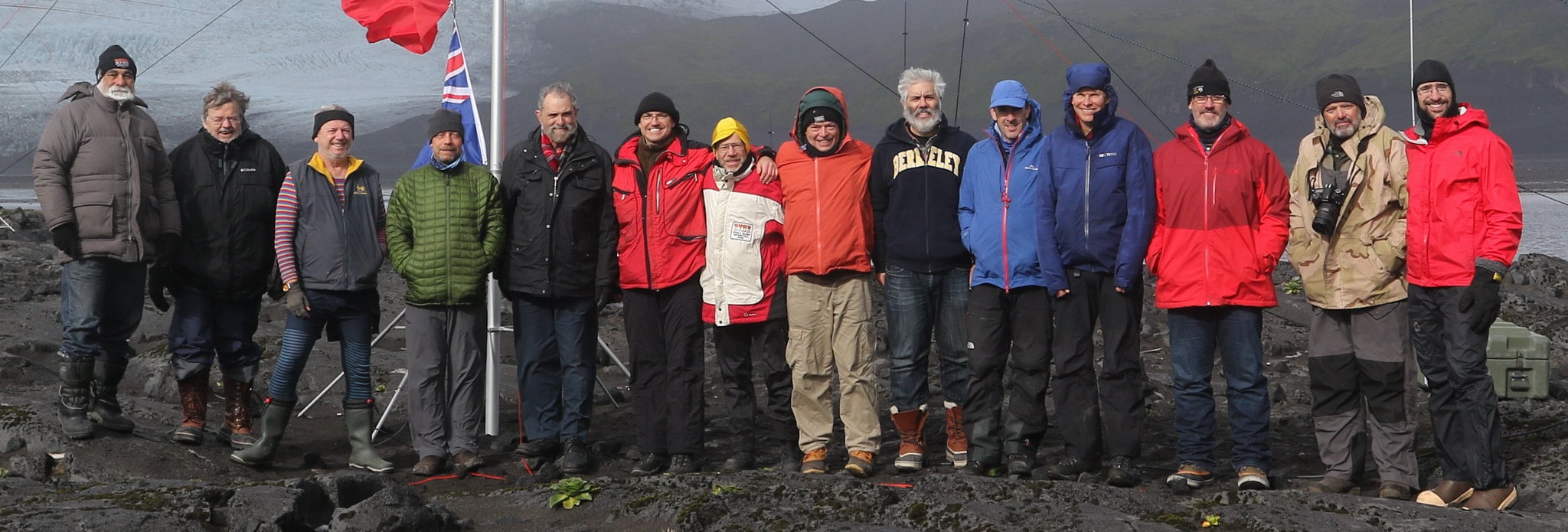
These Australian territories in the Southern Ocean are uninhabited except for occasional research expeditions, but they represent the extreme end of what remoteness means in practical terms. The islands are 2,500 miles from the nearest significant population center, and the climate is harsh enough that even research visits are challenging to organize and execute.
When scientists do make it to Heard Island, they’re studying active volcanism and ecosystem changes in one of the world’s most isolated environments.
The island is essentially a laboratory for understanding how life adapts to conditions that eliminate most of the variables that complicate environmental research elsewhere. No human pollution, no introduced species, no historical land use — just geology, weather, and whatever plants and animals can survive on their own.
Ascension Island
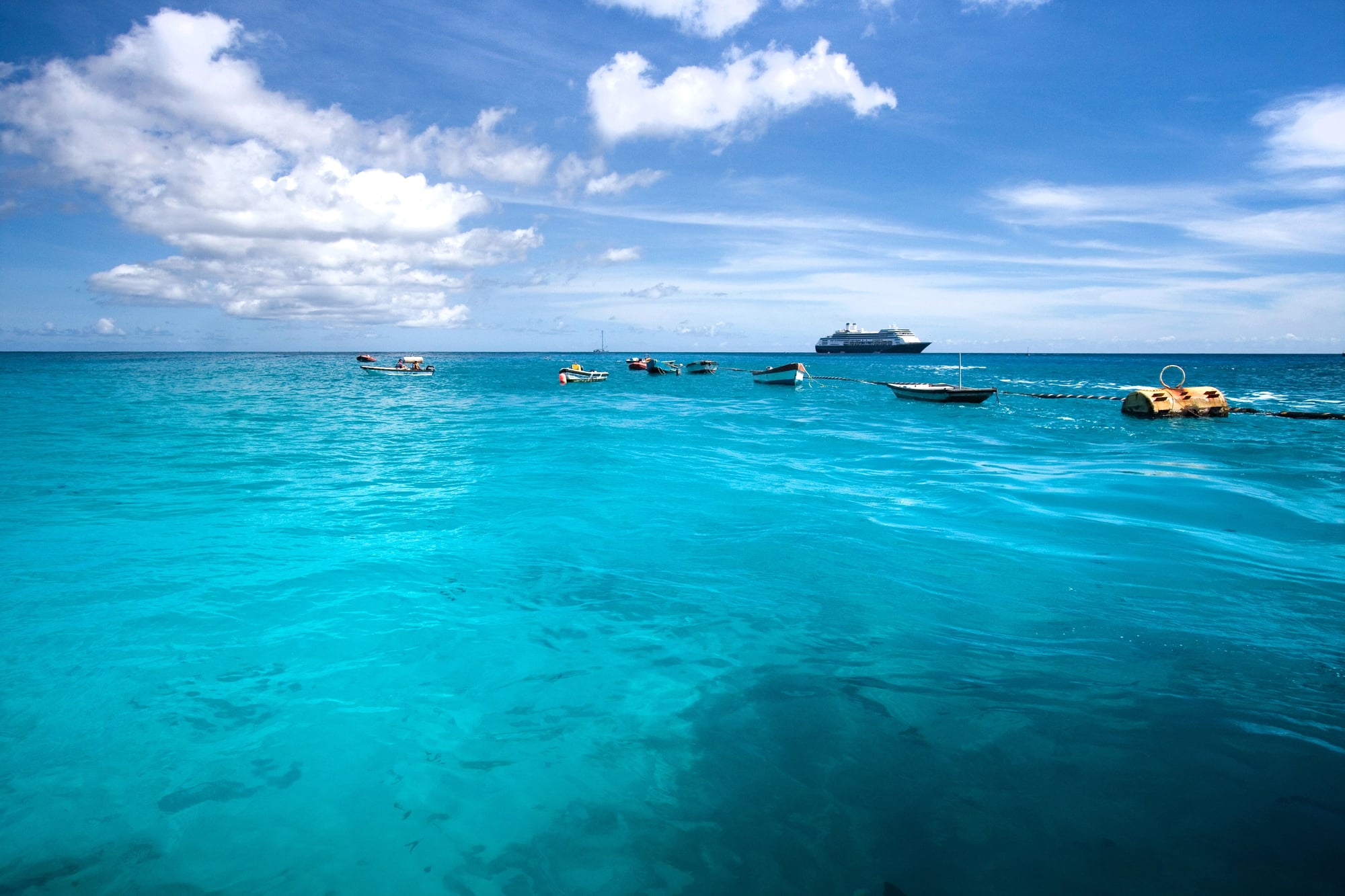
Ascension Island sits in the middle of the South Atlantic, roughly equidistant from Africa and South America, and its 800 residents work primarily for the British government, the U.S. military, or the various contractors who keep the island’s telecommunications and research facilities running. It’s a working island rather than a traditional community — people come for jobs, not to establish family homesteads.
The island operates as a strategic outpost that happens to support human life rather than a place where human life developed naturally.
The residents live in housing provided by their employers, shop at company stores, and send their children to schools that serve a population that turns over regularly as contracts end and new personnel arrive. It’s a functional community built around institutional necessity, and it works precisely because everyone understands that arrangement.
Jan Mayen
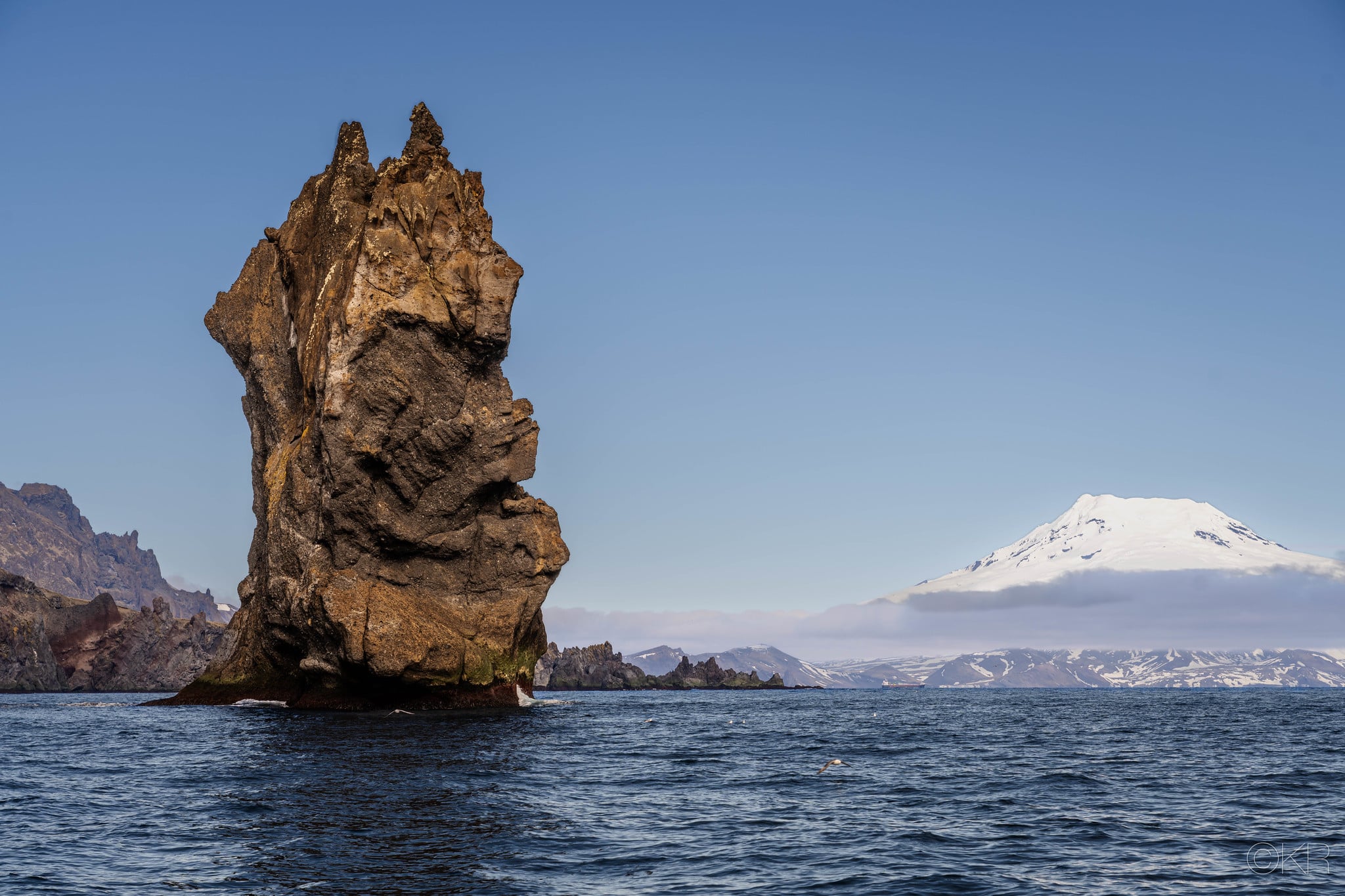
Jan Mayen is a Norwegian volcanic island in the Arctic Ocean, staffed by meteorologists and radio operators who maintain weather monitoring and communication equipment that serves Arctic shipping and aviation. The island has been continuously staffed since 1921, which represents nearly a century of commitment to maintaining a human presence in one of the more inhospitable locations in the North Atlantic.
The island’s population of 18 people operates the kind of essential infrastructure that most people never think about but that keeps global transportation and communication systems functioning.
Weather data from Jan Mayen helps ships navigate Arctic waters and helps meteorologists track storm systems that affect weather patterns across Europe and North America. The isolation is justified by the work, and the work continues year after year with the kind of institutional persistence that makes modern civilization possible.
Macquarie Island
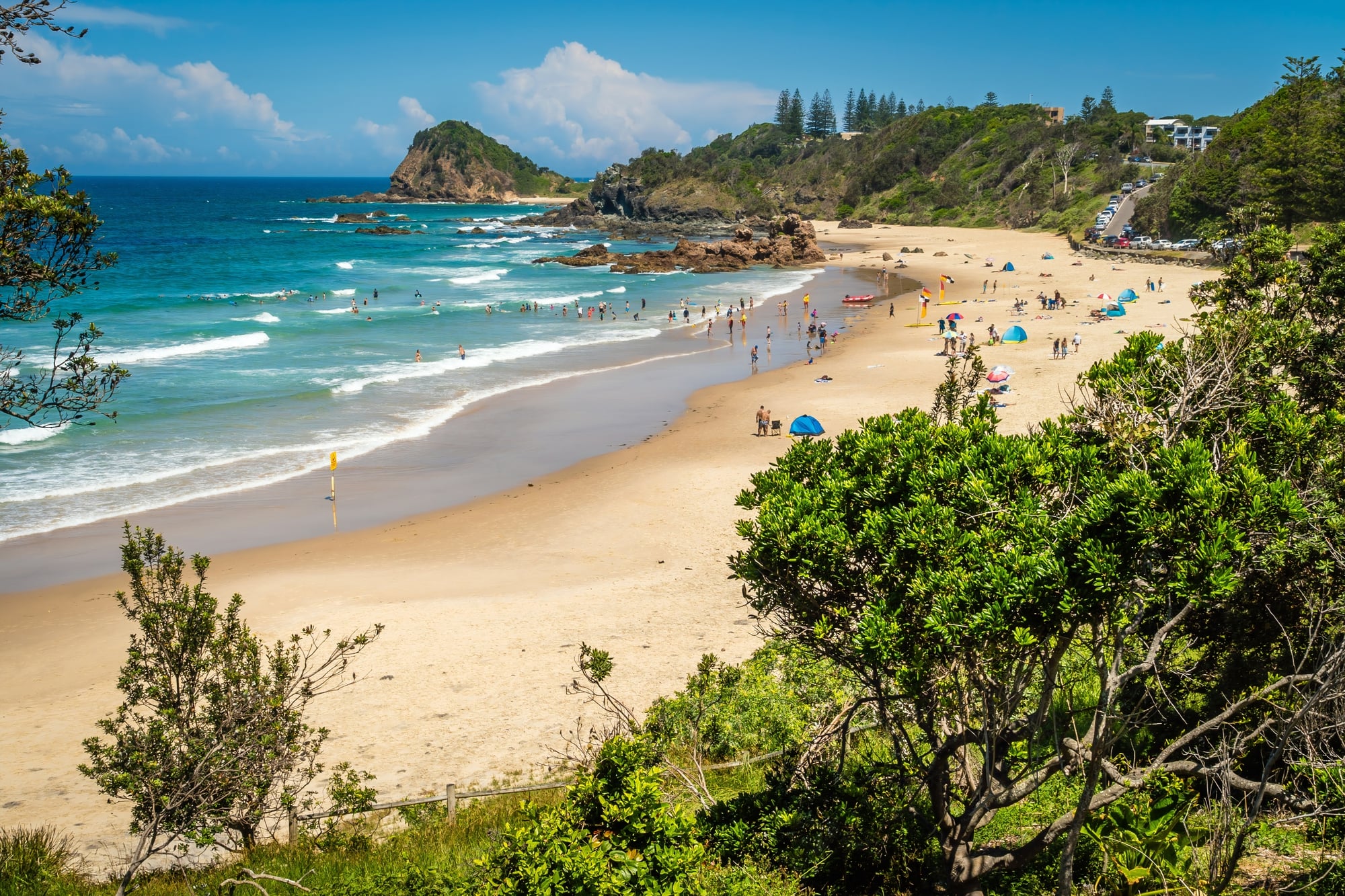
Macquarie Island serves as an Australian research station in the Southern Ocean, staffed by scientists studying sub-Antarctic ecosystems and climate patterns. The island’s isolation — 900 miles from the nearest land — makes it an ideal location for research that requires minimal human interference with natural systems.
The researchers who work on Macquarie Island are there to study how island ecosystems respond to climate change and how marine food webs function in pristine environments.
The island’s penguin and seal populations provide data that helps scientists understand broader patterns in Southern Ocean ecology. The human presence is deliberately minimal and carefully managed to avoid disrupting the natural systems that justify the island’s protected status.
Antipodes Islands
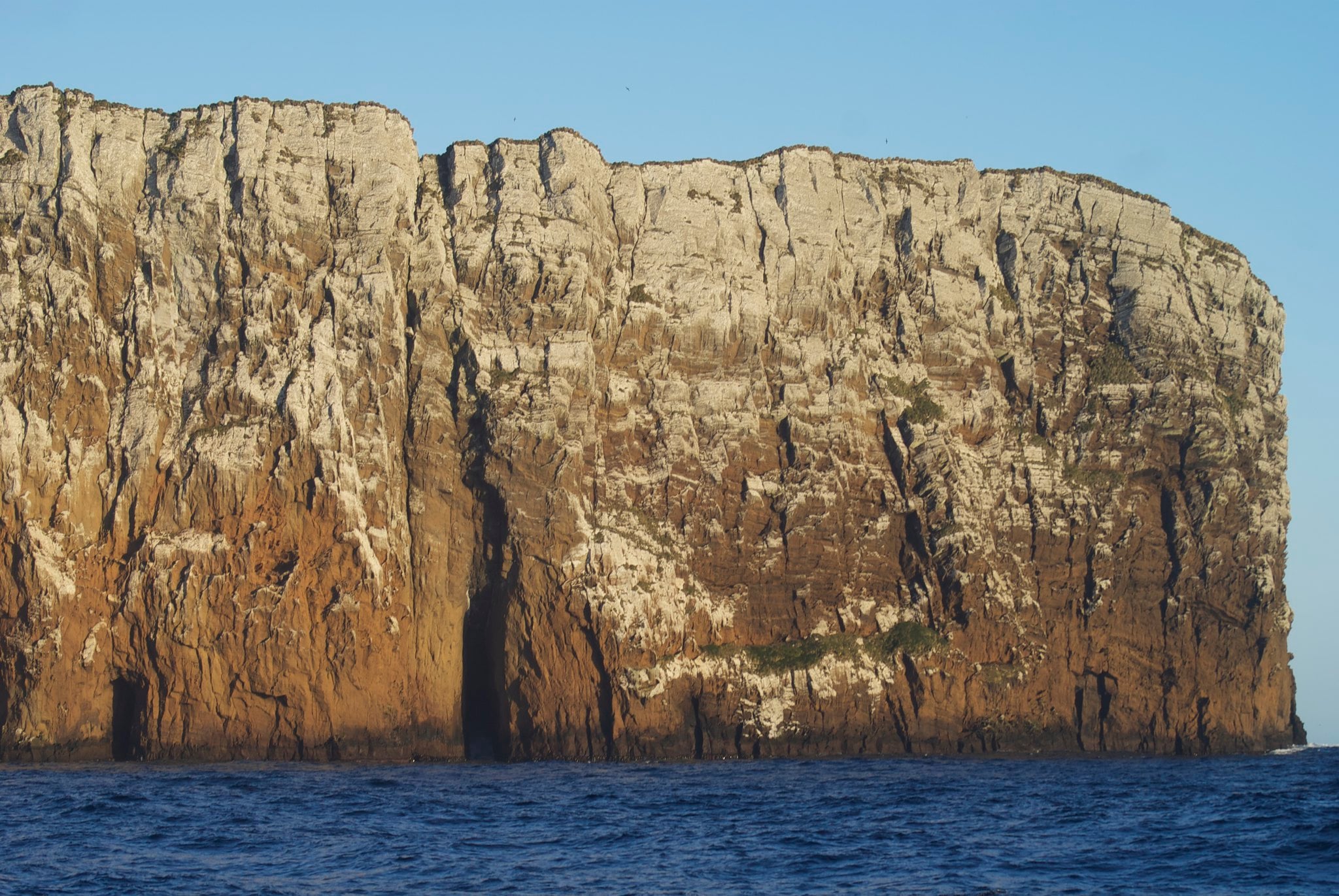
The Antipodes Islands, part of New Zealand’s sub-Antarctic territories, are uninhabited except for occasional research visits, but they represent the kind of remoteness that exists beyond practical human settlement. The islands are 500 miles from the nearest land and are protected as a nature reserve that supports seabird colonies and marine ecosystems that have never been significantly altered by human activity.
When researchers do visit the Antipodes Islands, they’re studying pristine examples of sub-Antarctic island ecology and documenting how these systems function without human interference.
The islands serve as a baseline for understanding what sub-Antarctic environments looked like before human settlement and industrial activity began changing island ecosystems throughout the Southern Ocean.
When Distance Becomes Identity
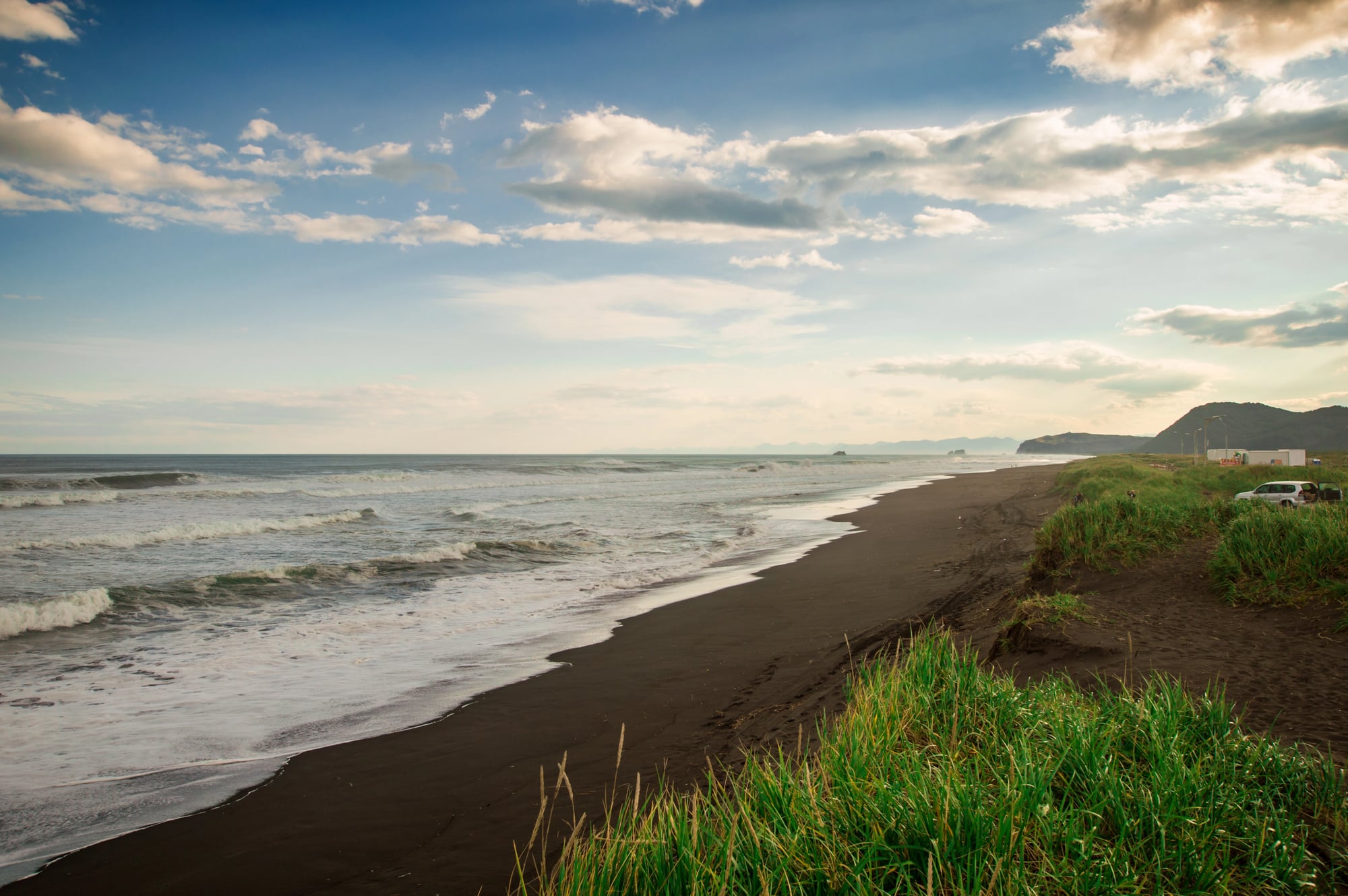
These remote island communities share something beyond mere geography — they’ve developed social structures that work precisely because isolation demands cooperation and self-sufficiency. Whether it’s the multi-generational families of Tristan da Cunha or the rotating research teams of the Antarctic stations, each population has found ways to make distance work for them rather than against them.
Their remoteness isn’t just a geographic fact; it’s become the organizing principle around which everything else — economy, culture, daily routine — arranges itself. In a world where most communities struggle with the effects of being too connected, these islands offer a different kind of solution: they’ve built human societies around the radical idea that sometimes, being far away from everything else is exactly where you need to be.
More from Go2Tutors!

- The Romanov Crown Jewels and Their Tragic Fate
- 13 Historical Mysteries That Science Still Can’t Solve
- Famous Hoaxes That Fooled the World for Years
- 15 Child Stars with Tragic Adult Lives
- 16 Famous Jewelry Pieces in History
Like Go2Tutors’s content? Follow us on MSN.



