Culinary Traditions With Surprising Roots
You probably think you know where your favorite foods come from. The story seems obvious—pizza from Italy, tacos from Mexico, curry from India.
But food history rarely unfolds the way you’d expect. Dishes migrate, adapt, and transform so completely that their origins become almost unrecognizable.
Sometimes the truth behind a beloved tradition challenges everything you thought you knew about it.
Fortune Cookies Started in California, Not China

Walk into any Chinese restaurant in America and you’ll get a fortune cookie with your bill. The crisp, vanilla-scented wafer folded around a paper fortune feels like an ancient Chinese tradition.
But China didn’t invent these cookies—California did.
Japanese immigrants in San Francisco created fortune cookies in the early 1900s. The design came from a Japanese cracker called tsujiura senbei, sold at temples in Kyoto.
When Japanese Americans faced internment during World War II, Chinese restaurant owners took over production. The cookies became so associated with Chinese food that most people assumed they originated there.
Even Chinese visitors to America find them strange and unfamiliar.
Chicken Tikka Masala Probably Came from Glasgow

This dish shows up on Indian restaurant menus worldwide. The creamy tomato sauce coating charred chicken pieces seems definitively Indian.
Multiple origin stories exist, but the most credible one points to Glasgow, Scotland.
A Pakistani chef working in Glasgow supposedly created it in the 1970s. A customer complained that his chicken tikka was too dry, so the chef improvised by adding tomato soup, cream, and spices.
The resulting dish became wildly popular. While some dispute this specific story, no one in India claimed chicken tikka masala as a traditional dish before it gained fame in Britain.
The UK later declared it a national dish, which says something about how food traditions evolve.
Croissants Actually Come from Austria

French bakeries sell these buttery, flaky pastries as symbols of French baking excellence. But Austria created the original version, called kipferl, centuries ago.
The crescent shape honored a military victory over the Ottoman Empire in 1683.
Marie Antoinette supposedly brought the kipferl to France when she married Louis XVI. French bakers refined the recipe over time, adding layers of butter and developing the lamination technique that creates all those flaky layers.
The French version became so superior that it overshadowed its Austrian ancestor. Now people think croissants are purely French, and Austrians get no credit.
Tempura Arrived in Japan from Portugal

Japanese tempura seems like an ancient cooking technique. The light, crispy batter coating vegetables and seafood appears in countless traditional Japanese meals.
Portuguese missionaries introduced this frying method to Japan in the 16th century.
The word “tempura” likely comes from the Latin “tempora,” referring to the Ember Days when Catholics avoided meat and ate fish instead. Portuguese sailors brought their batter-fried fish to Japan, and Japanese cooks transformed the technique completely.
They refined the batter recipe, adjusted the frying temperature, and made it distinctly Japanese. Now tempura represents Japanese cuisine worldwide.
Ketchup Started as a Fermented Fish Sauce

American ketchup—thick, sweet, tomato-based—has a strange and distant ancestor. The original ketchup came from southern China, where cooks fermented fish and soybeans into a pungent sauce called ke-tsiap.
British sailors encountered this sauce in Southeast Asia during the 1600s and brought the idea home.
English cooks tried recreating it without access to the right ingredients. They experimented with mushrooms, walnuts, and eventually tomatoes.
The tomato version caught on in America, where companies added sugar and vinegar. Heinz perfected the recipe in 1876.
The modern product shares almost nothing with its fermented fish ancestor except the name.
Spaghetti and Tomatoes Met Recently

Italian cuisine without tomatoes seems impossible. Yet tomatoes didn’t exist in Italy until Spanish conquistadors brought them from the Americas in the 16th century.
Italians initially thought tomatoes were poisonous and grew them as ornamental plants.
Even after Italians started eating tomatoes, combining them with pasta took decades. The first recorded recipe for pasta with tomato sauce appeared in 1790.
That makes this “ancient” combination younger than the United States. Regional Italian cuisines developed their own pasta and sauce pairings only in the last 200 years.
What feels timeless is actually quite modern.
California Rolls Were Made for American Palates

Sushi rolls with avocado, imitation crab, and cucumber seem like traditional Japanese fare. But a chef in Los Angeles invented the California roll in the 1960s or 1970s.
Americans found raw fish intimidating, so sushi chefs had to adapt.
The California roll solved several problems at once. It hid the rice on the outside to look more appealing.
It used cooked imitation crab instead of raw fish. It included avocado, which was familiar and gave the roll a creamy texture similar to fatty tuna.
Japanese sushi purists initially dismissed it, but the California roll opened American markets to sushi. Now you can find versions of it in Japan—a reverse cultural import.
Chili Con Carne Doesn’t Come from Mexico

Texas claims chili as its state dish, and many Americans consider it authentically Mexican. But traditional Mexican cuisine doesn’t include this dish.
Chili con carne likely originated in San Antonio, Texas, in the 1800s.
Texan cooks created it using available ingredients—beef, chili peppers, and spices. The addition of beans remains controversial even now, with Texas purists insisting real chili contains no beans.
Mexicans find the whole dish somewhat foreign. They have their own complex chili-based stews and sauces, but nothing quite like Texan chili.
The confusion probably stems from the use of Mexican ingredients in a new context.
Fajitas Started as Throwaway Meat
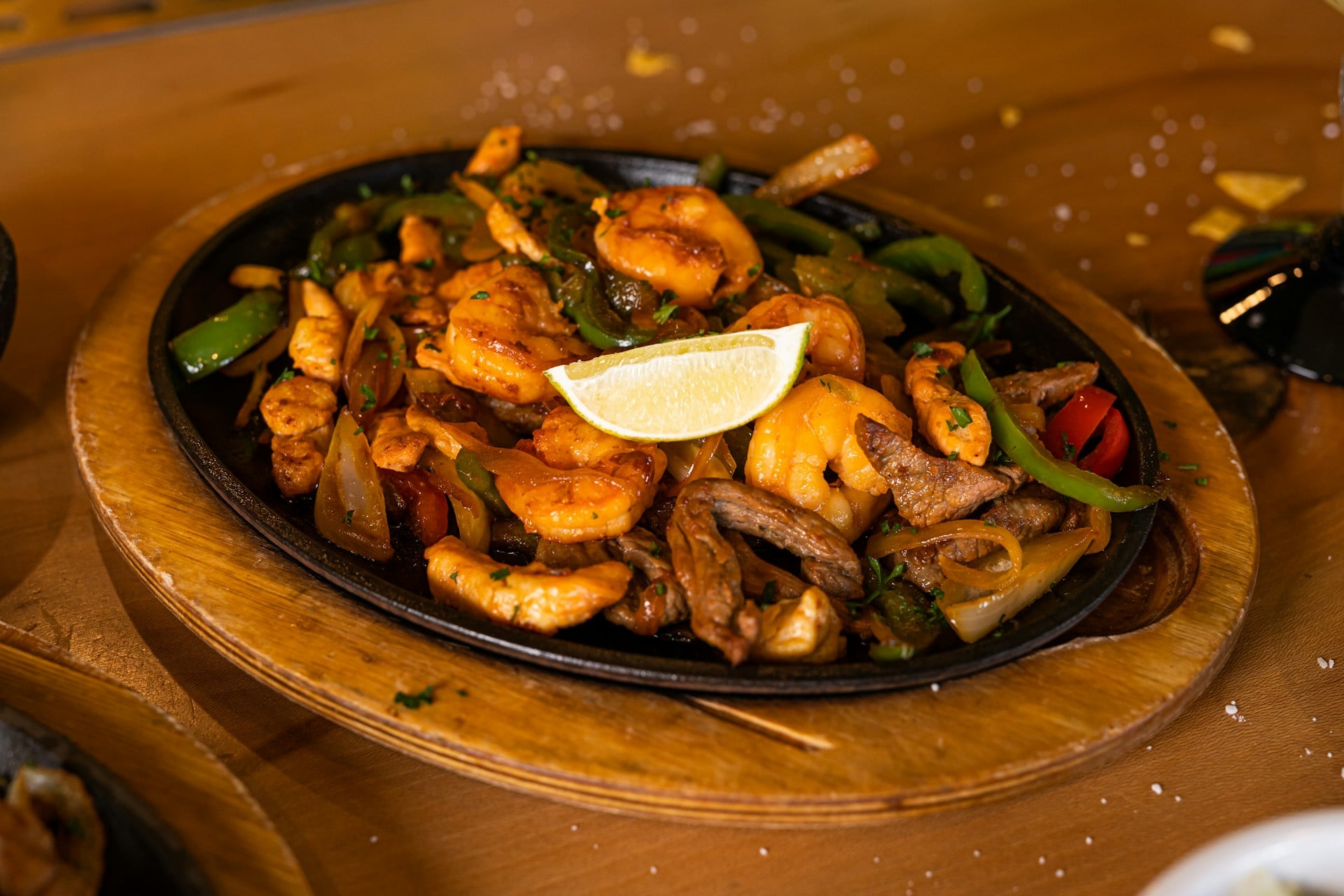
Sizzling fajitas on a hot skillet feels like an ancient Mexican tradition. The dish only dates back to the 1930s, and it started with the cheapest cuts of beef.
Mexican ranch hands in Texas received skirt steak as part of their pay—meat so tough that ranch owners didn’t want it.
The workers grilled this tough meat over open fires and wrapped it in tortillas. The name “fajita” comes from “faja,” meaning belt or strip, referring to the skirt steak.
Restaurants in Texas started serving fajitas in the 1960s and 1970s, turning humble ranch food into a trendy dish. The sizzling presentation on a hot plate was pure marketing genius.
Now fajitas use premium cuts of meat and cost far more than their humble origins would suggest.
Vietnamese Pho Evolved from French Influence

This aromatic beef noodle soup seems quintessentially Vietnamese. But French colonial rule shaped how it developed.
Before the French arrived, Vietnamese cuisine featured less beef. The French introduced cattle ranching and beef consumption to Vietnam.
Vietnamese cooks adapted French pot-au-feu, a beef stew, by adding rice noodles, fish sauce, and aromatic spices. The result became pho, which spread throughout Vietnam in the 20th century.
The French probably never imagined their simple beef broth would transform into such an iconic dish. Pho now represents Vietnamese cuisine globally, yet it wouldn’t exist without colonial influence.
Pad Thai Was a Government Project

Thailand’s most famous noodle dish didn’t emerge organically from street vendors. The Thai government invented it as part of a nationalist campaign in the 1930s and 1940s.
Prime Minister Plaek Phibunsongkhram wanted to reduce rice consumption and create a unified national identity.
The government promoted noodle dishes and even distributed recipes for pad thai. The name literally means “Thai-style stir-fried noodles,” emphasizing its nationalist purpose.
The dish combined Chinese stir-frying techniques with Thai ingredients like tamarind and fish sauce. It worked better than anyone expected.
Pad thai became so popular that people forgot it was engineered by bureaucrats. Now tourists and locals alike consider it an ancient Thai tradition.
Tiramisu Is Only 60 Years Old

This coffee-soaked Italian dessert feels like it should have been around for centuries. The layers of mascarpone, espresso-dipped ladyfingers, and cocoa powder taste sophisticated.
However, restaurants in northeastern Italy created tiramisu in the 1960s.
Several restaurants in the Veneto region claim they invented it first. The basic components existed earlier: mascarpone cheese, espresso, and ladyfinger cookies.
But no one combined them this way until the 1960s. The name means “
General Tso’s Chicken Is Entirely American

Chinese restaurants across the U.S. prepare this sweet, crispy chicken dish. Many believe it comes from China, possibly named after a famous military leader.
However, people in China have never heard of General Tso’s chicken. Instead, a chef from Taiwan, Peng Chang-kuei, created it in New York City during the 1970s.
Peng made meals for Chinese restaurants in the U.S., catering to local tastes. He fried the chicken longer so it would crack nicely when bitten.
He added a sweet glaze on top, something that diners seemed to enjoy. He named it after an old warlord from Hunan, even though the flavors didn’t actually relate to that region.
Years later, back in Taiwan, he tried to serve it the same way. People said it lacked flavor and felt dull.
By that time, American tastes had changed how this dish was expected to taste.
The Stories Food Carries
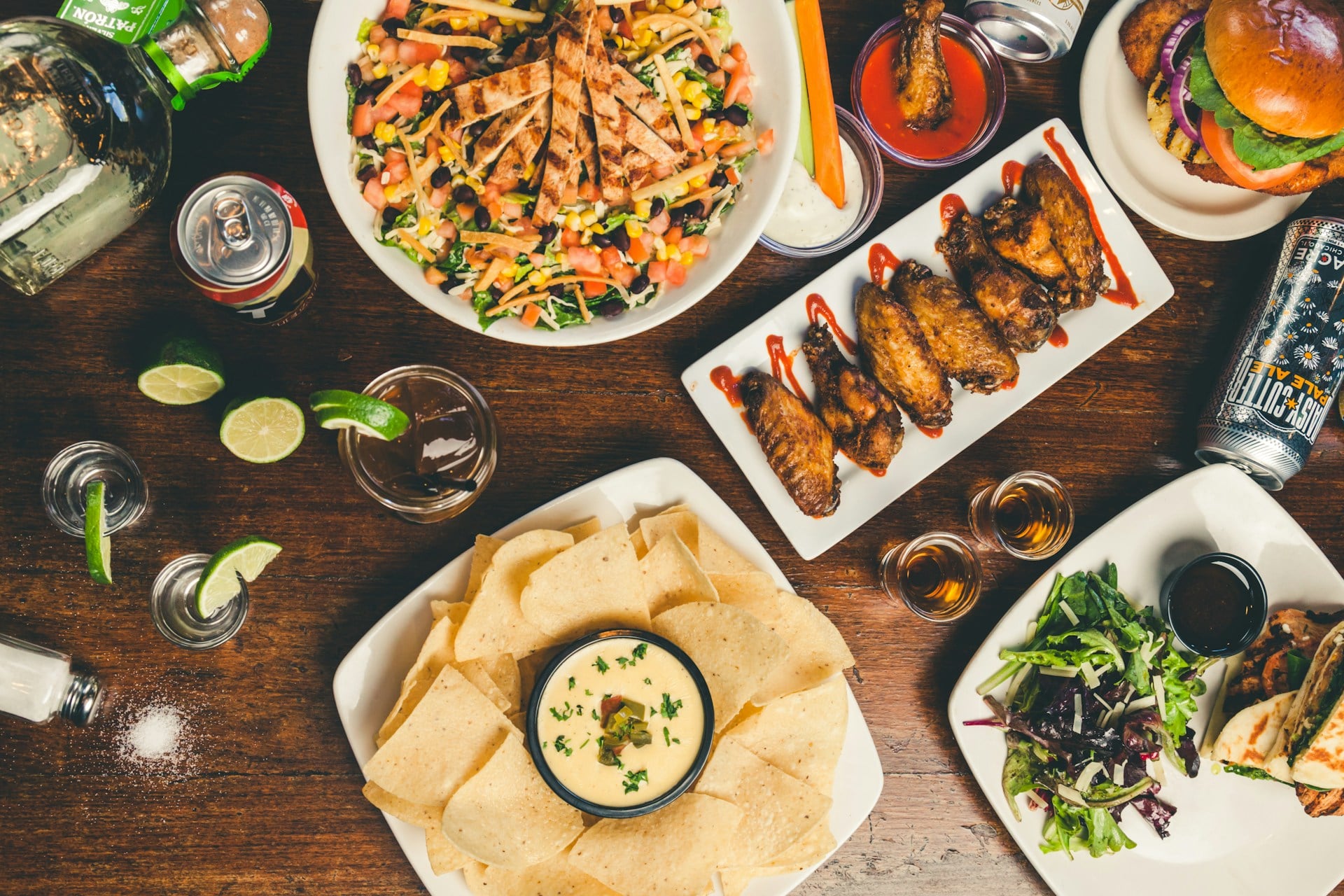
Foods never freeze in place. Each meal holds bits of change, movement, or confusion instead.
What feels real might just be something new – or a smart sales move. Dishes labeled classic usually began as trials or mistakes.
These unexpected roots won’t stop a dish from being tasty or special. Still, they show how food customs never really stay still.
When you snap that fortune cookie, pick up a sushi roll, or cook down tomato sauce – each one’s got layers behind it. Anyone paying attention will find twists in every bite.
More from Go2Tutors!

- The Romanov Crown Jewels and Their Tragic Fate
- 13 Historical Mysteries That Science Still Can’t Solve
- Famous Hoaxes That Fooled the World for Years
- 15 Child Stars with Tragic Adult Lives
- 16 Famous Jewelry Pieces in History
Like Go2Tutors’s content? Follow us on MSN.



