10 Classic Children’s TV Hosts You Remember
Television shaped countless childhoods through the warm voices and friendly faces that welcomed kids into living rooms across America. These dedicated performers didn’t just entertain — they taught valuable lessons about friendship, kindness, and growing up.
Their shows became daily rituals, creating shared memories that still bring smiles decades later. From gentle puppeteers to energetic game show hosts, these television personalities left an indelible mark on multiple generations.
Here is a list of 10 classic children’s TV hosts who became beloved figures in households nationwide. Their influence extended far beyond the screen, helping parents navigate the challenges of raising kids while providing safe, educational entertainment during television’s golden age.
Fred Rogers

Mister Rogers’ Neighborhood wasn’t just a show — it was a sanctuary. Fred Rogers spoke directly to children with unprecedented respect and genuine care, never talking down to his young audience.
His cardigan sweaters and sneakers became iconic symbols of comfort, while his puppet friends in the Neighborhood of Make-Believe tackled complex emotions that kids faced daily. Rogers believed every child was special exactly as they were, a message that resonated through 33 years of programming.
Bob Keeshan

Captain Kangaroo ruled weekend mornings for nearly three decades with his distinctive mustache and military-style jacket. Bob Keeshan created a gentle world filled with Dancing Bear, Mr. Moose, and Bunny Rabbit, characters who taught lessons through playful interactions rather than heavy-handed moralizing.
The show’s pace was deliberately slower than typical children’s programming — Keeshan understood that kids needed time to process information and enjoy quiet moments between bursts of activity.
Soupy Sales

Comedy and chaos collided whenever Soupy Sales appeared on screen. His slapstick humor and willingness to get messy (literally covered in pies) made him a hit with both children and their parents.
Sales mastered the art of double entendre, slipping in jokes that sailed over kids’ heads while keeping adults thoroughly entertained. His puppet sidekicks White Fang and Black Tooth added an extra layer of absurdity to proceedings that felt genuinely spontaneous.
Bill Cosby

Before his later controversies, Bill Cosby charmed young audiences as the host of Picture Pages and frequent guest on various children’s programs. His animated storytelling style brought fairy tales and educational segments to life with infectious enthusiasm.
Cosby’s background in comedy translated perfectly to children’s television, where his expressive face and dynamic voice kept kids engaged while sneaking in valuable lessons about reading and creativity.
Paul Winchell
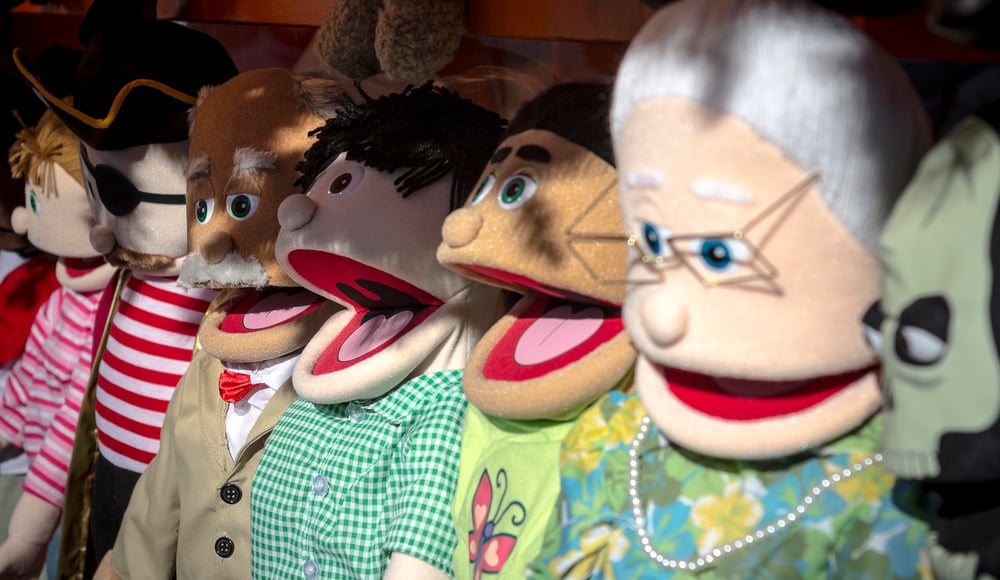
Ventriloquism reached new heights through Paul Winchell’s masterful performances with J. Mahoney and Knucklehead Smiff. His ability to create distinct personalities for each puppet while maintaining seamless conversations amazed children who couldn’t figure out how the magic worked.
Winchell’s quick wit and improvisational skills meant no two shows felt exactly alike, though his gentle approach to humor always remained family-friendly and educational.
Buffalo Bob Smith
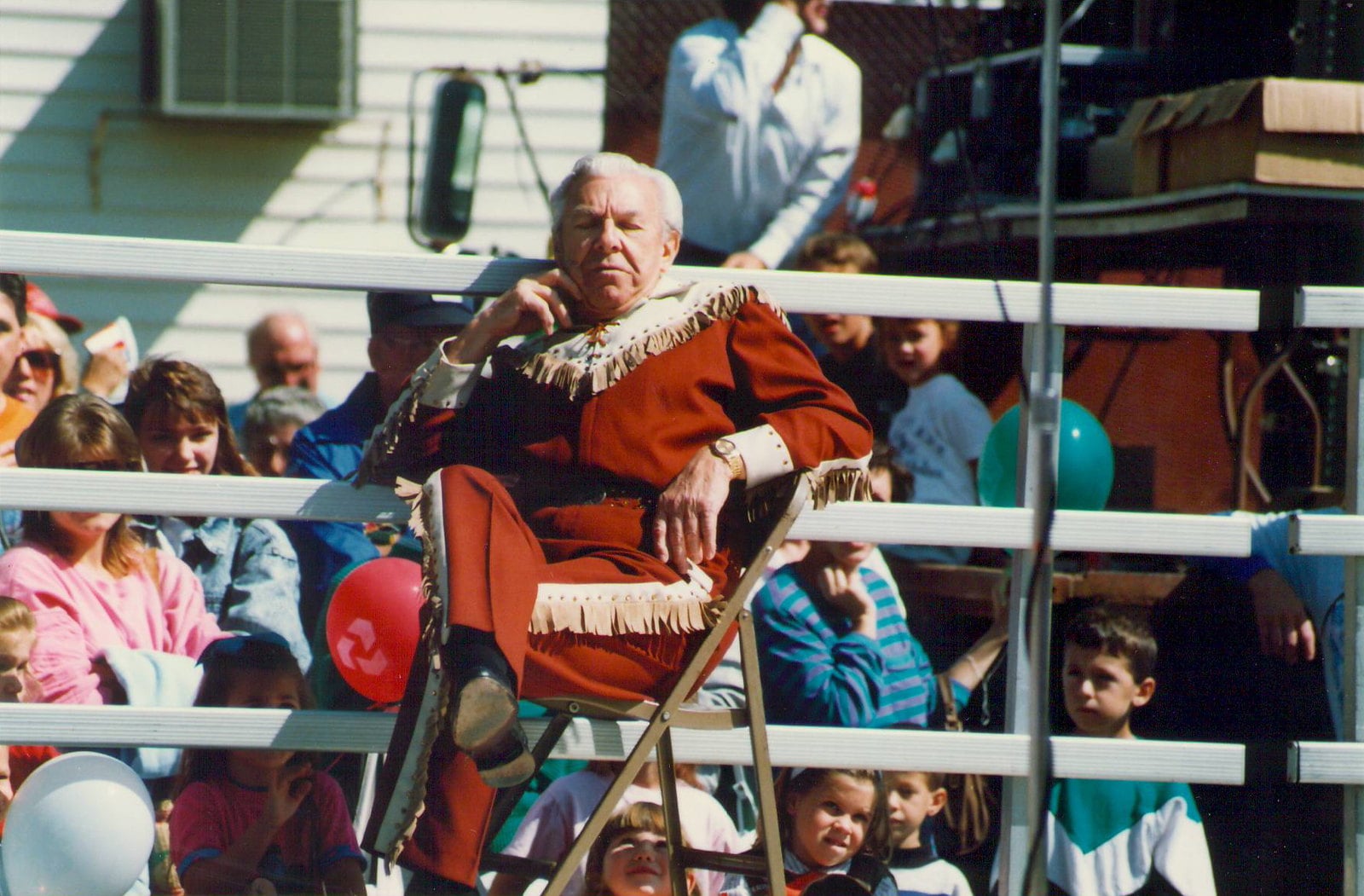
Howdy Doody Time transformed afternoon television with its combination of live action, puppetry, and audience participation. Buffalo Bob Smith’s booming voice and cowboy persona created the perfect ringmaster for the circus-like atmosphere of Doodyville.
The Peanut Gallery — filled with real children — made home viewers feel included in the fun, while characters like Clarabell the Clown provided physical comedy that transcended the small screen’s limitations.
Shari Lewis

Lamb Chop became a household name thanks to Shari Lewis’s extraordinary puppeteering skills and warm personality. Her ability to create believable relationships between herself and her puppet characters felt magical to children who suspended disbelief completely during each episode.
Lewis combined entertainment with education seamlessly, teaching everything from basic math to complex social skills through storylines that felt like play rather than formal instruction.
Pinky Lee
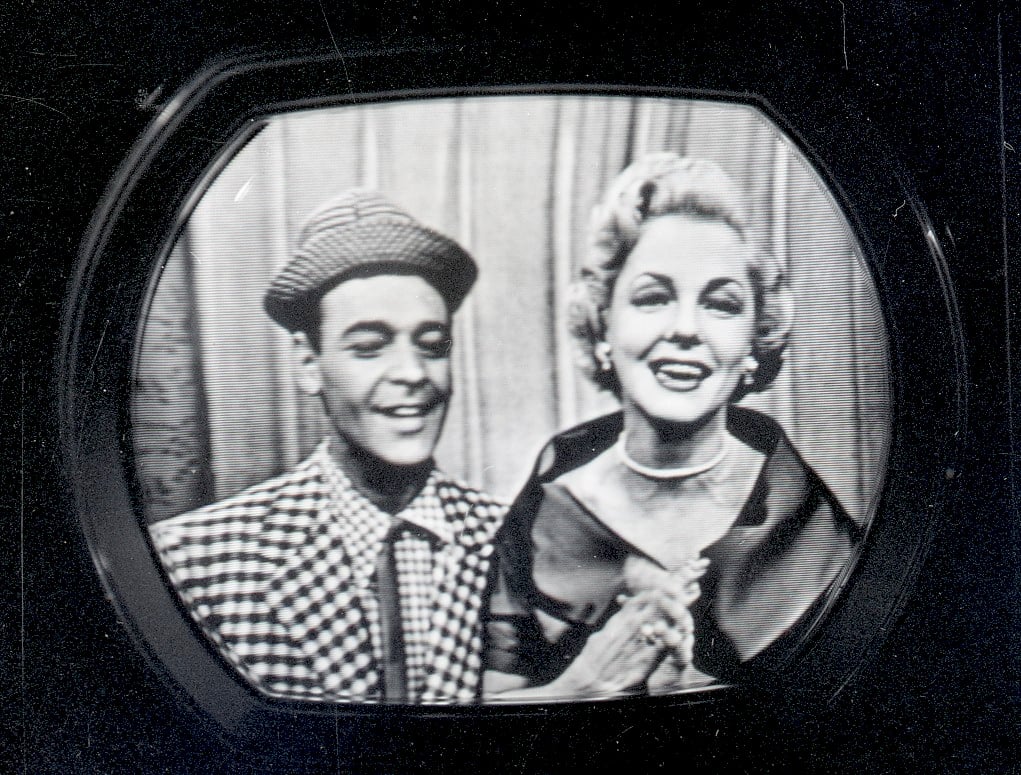
Wild energy and vaudeville-style comedy defined Pinky Lee’s approach to children’s television. His checkered costume and distinctive lisp made him instantly recognizable, while his physical comedy routines kept young audiences laughing throughout each episode.
Lee understood that children appreciated performers who weren’t afraid to look silly — his willingness to be the butt of jokes created a safe space where kids could laugh without feeling mean-spirited.
Miss Frances
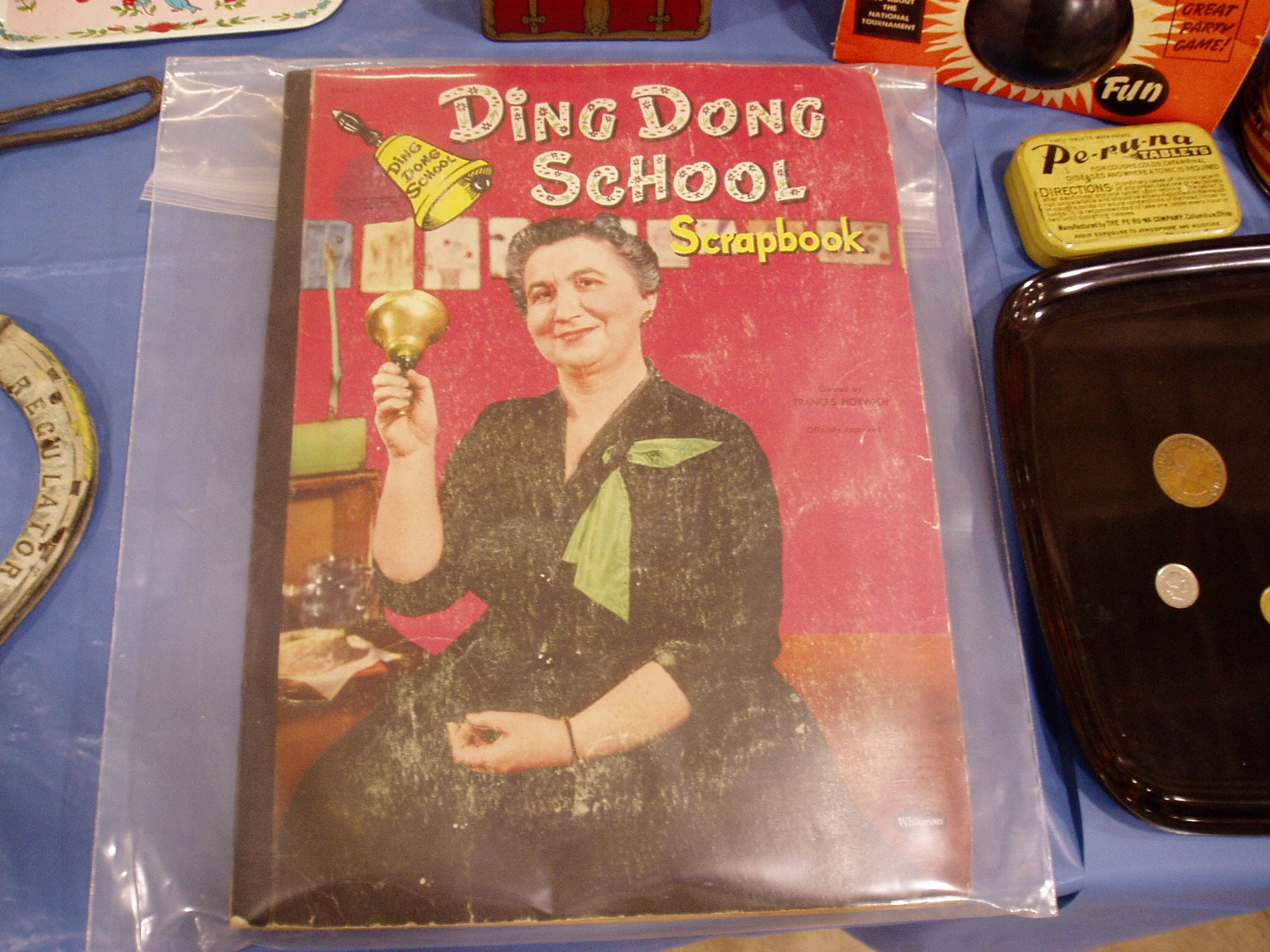
Ding Dong School pioneered educational television for preschoolers with Miss Frances’s gentle, teacher-like approach. Frances Horwich created a classroom atmosphere that felt welcoming rather than intimidating, introducing concepts through songs, games, and hands-on activities that children could replicate at home.
Her direct address to the camera made each child feel personally acknowledged, establishing a template that educational programming still follows today.
Chuck McCann

Comedy veteran Chuck McCann brought his extensive entertainment background to children’s television with shows that balanced humor and heart perfectly. His impressions and character work created memorable moments that stuck with viewers long after the credits rolled.
McCann understood that children’s programming didn’t have to be dumbed down — his sophisticated comedy and storytelling proved that young audiences could appreciate quality entertainment when it was presented with genuine care and creativity.
The legacy lives on

These television pioneers understood something that modern children’s programming sometimes forgets — kids deserve respect, authenticity, and genuine care from the adults who entertain them. Their influence shaped not just individual childhoods but entire approaches to education and child development.
While technology has transformed how children consume media, the basic human need for connection and understanding remains unchanged. These hosts proved that television could be more than mere entertainment — it could be a bridge between generations, a classroom without walls, and a source of comfort during the sometimes confusing journey of growing up.
More from Go2Tutors!

- The Romanov Crown Jewels and Their Tragic Fate
- 13 Historical Mysteries That Science Still Can’t Solve
- Famous Hoaxes That Fooled the World for Years
- 15 Child Stars with Tragic Adult Lives
- 16 Famous Jewelry Pieces in History
Like Go2Tutors’s content? Follow us on MSN.



