15 Unusual School Subjects Taught in Other Countries
While American students navigate through traditional subjects like math, science, and history, kids around the world are learning some pretty fascinating stuff that might make you wish you could go back to school. From practical life skills to cultural traditions, other countries have figured out creative ways to prepare their students for the real world.
Education systems worldwide reflect their societies’ values and priorities in ways that might surprise you. Here’s a list of 15 unusual school subjects that students in other countries actually study as part of their regular curriculum.
Happiness Studies
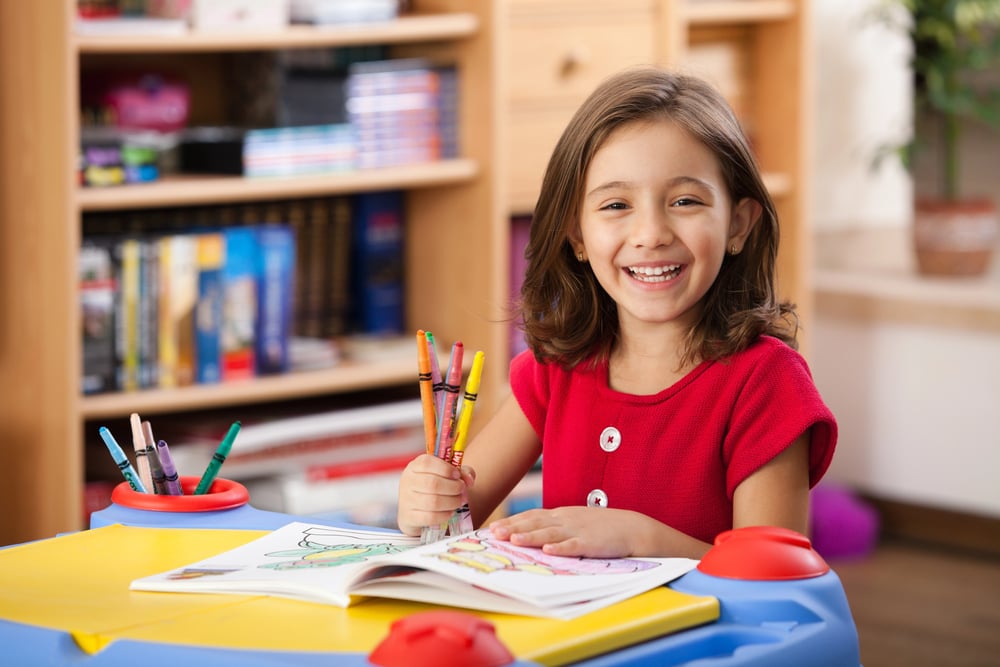
Happiness is taught to students in Bhutan as a real academic subject. They naturally teach children to comprehend and promote well-being since the nation assesses Gross National Happiness rather than just economic progress.
In addition to achievement, students study emotional intelligence, mindfulness, and what makes life genuinely meaningful.
Forest Bathing
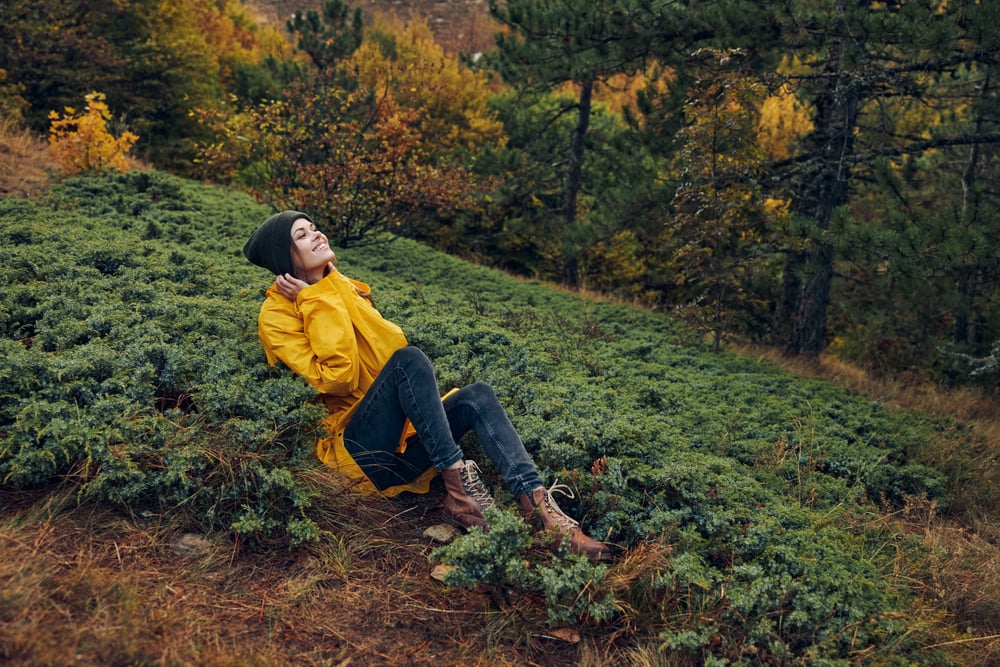
Japanese schools include ‘shinrin-yoku’ or forest bathing in their curriculum, where students spend time in nature to reduce stress and improve mental health. It’s basically the opposite of screen time, and kids learn to connect with the natural world around them.
Think of it as meditation with trees instead of apps.
Like Go2Tutors’s content? Follow us on MSN.
Surfing

In Australia, some coastal schools offer surfing as part of their physical education program. Students learn water safety, wave reading, and balance while getting a serious workout that beats running laps any day.
It’s probably the only PE class where students actually look forward to getting wet
Philosophy for Children

France introduces philosophy to kids as young as six years old, encouraging them to think critically about big questions like fairness, friendship, and what makes something real. These aren’t just casual discussions either – students learn formal reasoning and debate skills that would make Socrates proud.
It’s like giving kids the tools to question everything, which every parent surely loves.
Origami
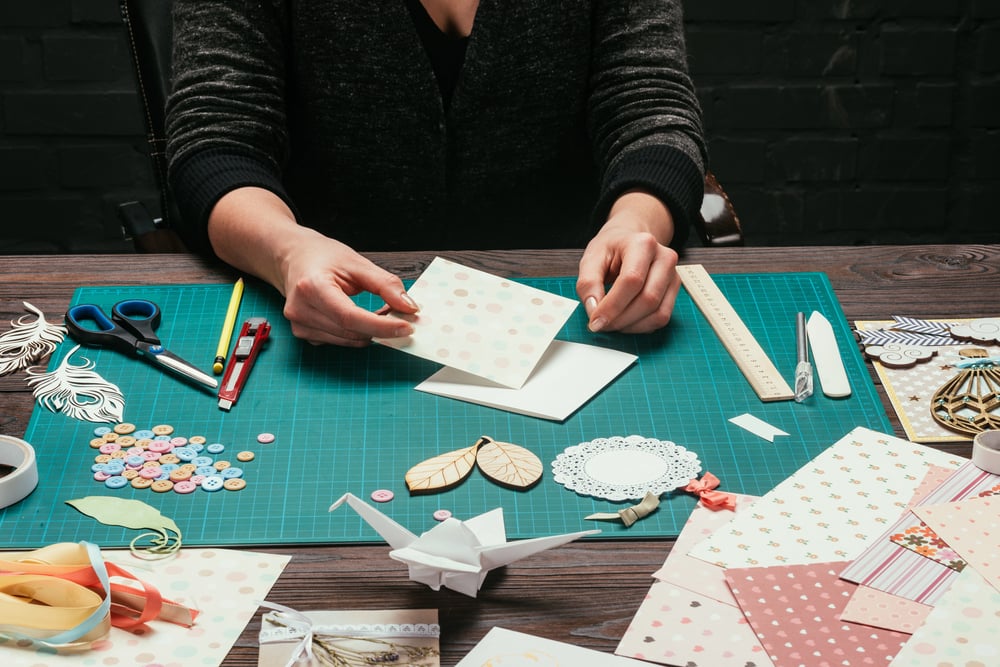
Japanese elementary schools teach origami as a way to develop fine motor skills, concentration, and spatial reasoning. What looks like simple paper folding actually helps kids understand geometry, following instructions, and patience.
Plus, students end up with cool paper cranes instead of another worksheet to forget about.
Like Go2Tutors’s content? Follow us on MSN.
Beekeeping
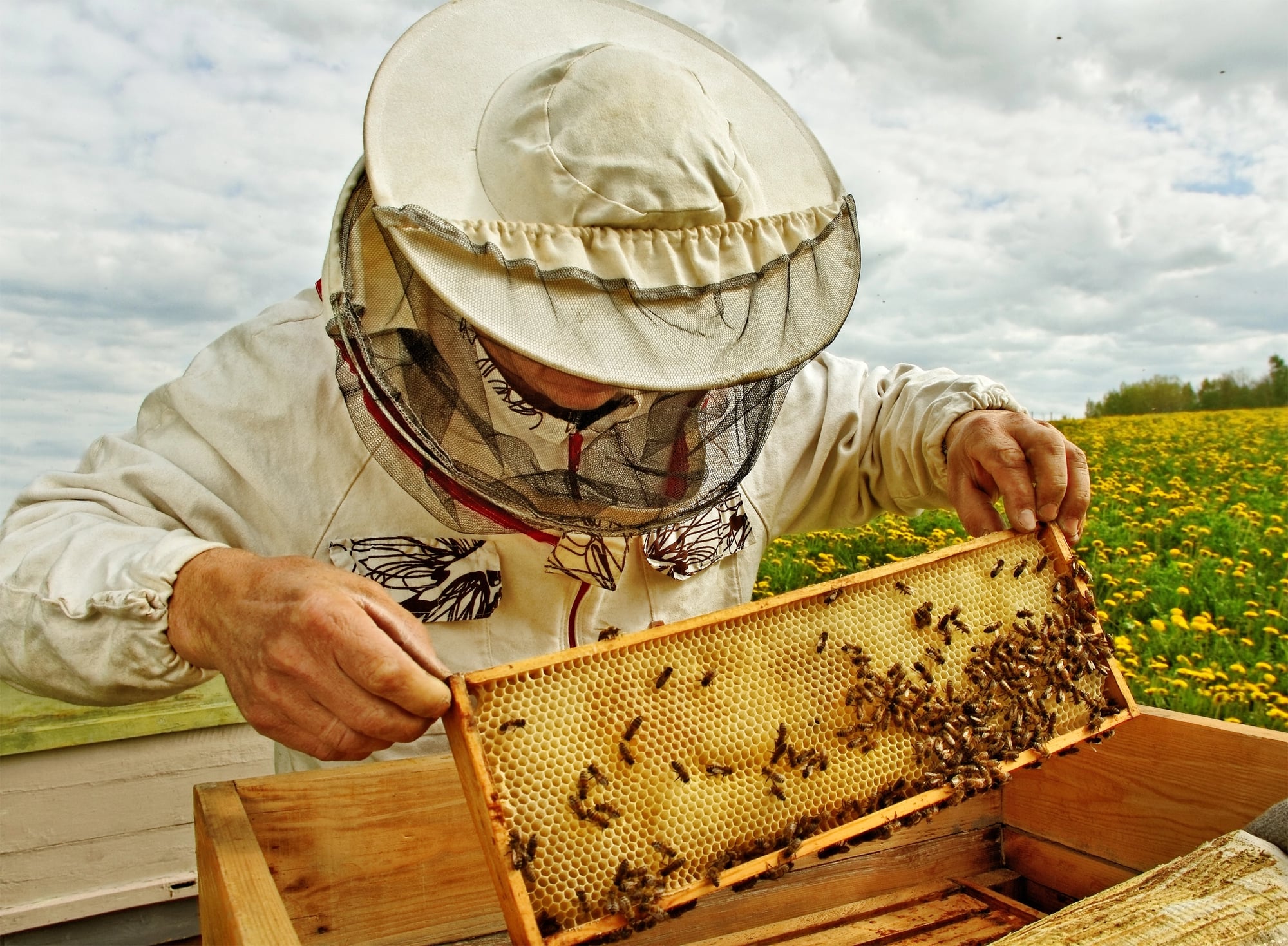
Some schools in Slovenia have beekeeping as a regular subject where students learn to care for hives and understand the ecosystem. Kids get hands-on experience with nature’s most organized workers while learning about pollination, honey production, and environmental science.
It’s definitely more exciting than reading about insects in a textbook.
Knitting
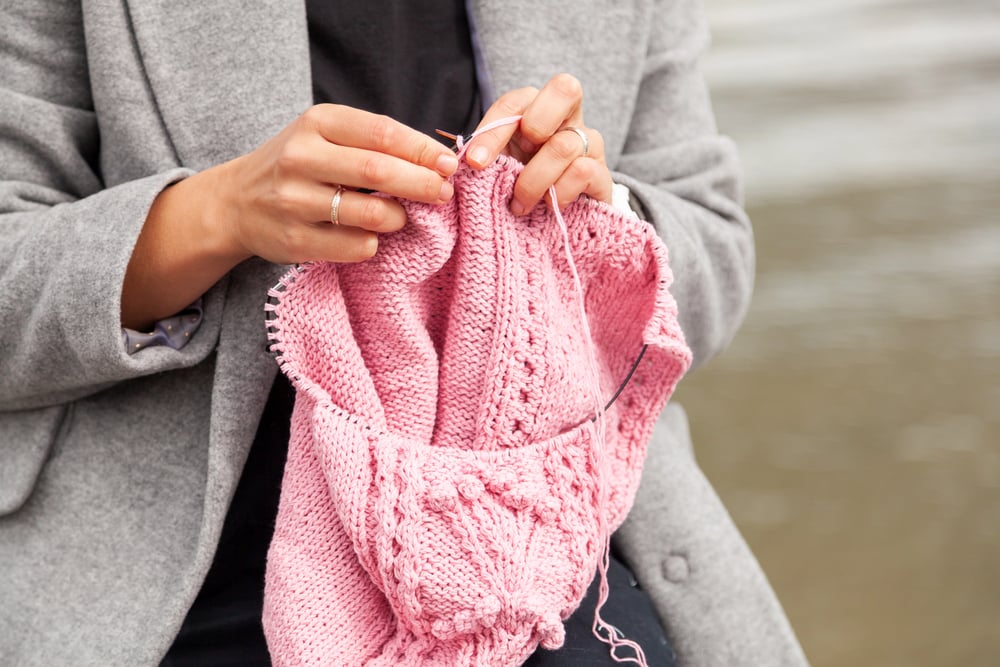
In Finnish schools, both boys and girls learn to knit as part of their craft education. The practice improves hand-eye coordination, teaches planning and patience, and results in actual useful items like scarves and mittens.
It’s basically meditation that produces winter gear.
Chess
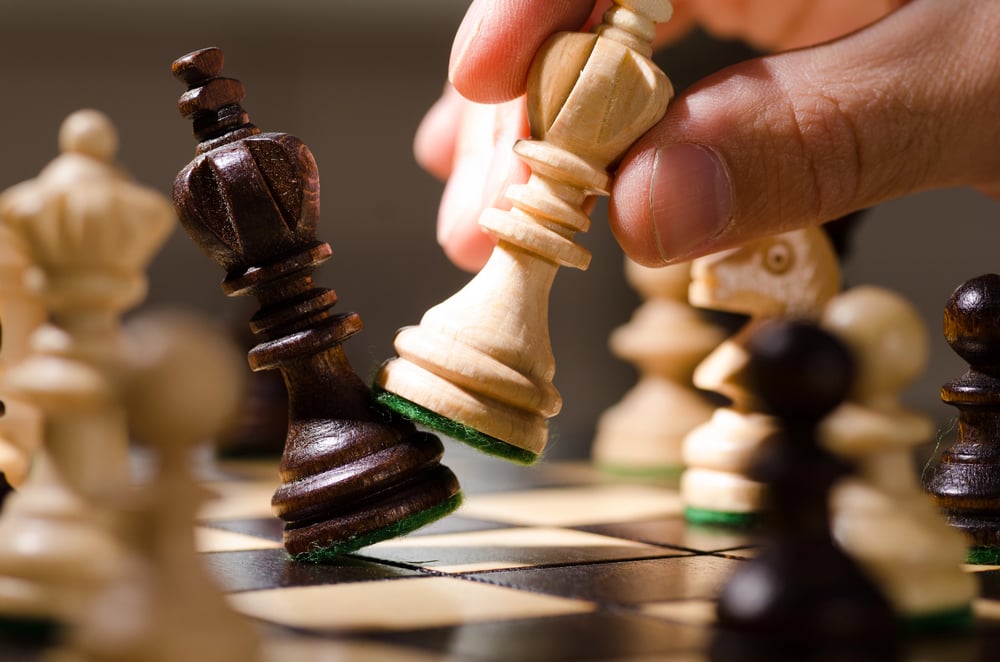
In Armenia, chess is a mandatory subject for all second through fourth graders. The country recognizes chess as a powerful tool for developing logical thinking, problem-solving skills, and strategic planning.
Students learn that thinking several moves ahead applies to life, not just board games.
Like Go2Tutors’s content? Follow us on MSN.
Circus Arts

French schools sometimes include circus arts like juggling, trapeze, and acrobatics in their physical education programs. Students develop coordination, strength, and confidence while learning skills that definitely aren’t covered in dodgeball.
It’s probably the only class where falling down is part of the learning process.
Skiing

In Scandinavian countries like Norway and Sweden, skiing is often part of the standard PE curriculum during winter months. Students learn a skill that’s both practical for their climate and great exercise, making the most of those long winter months.
It beats sitting inside complaining about the cold.
Calligraphy

Chinese students learn traditional calligraphy, which combines art, language, and cultural history into one subject. The practice requires incredible focus and precision, teaching students patience and respect for their written language.
Each brushstroke connects them to thousands of years of tradition.
Like Go2Tutors’s content? Follow us on MSN.
Gardening
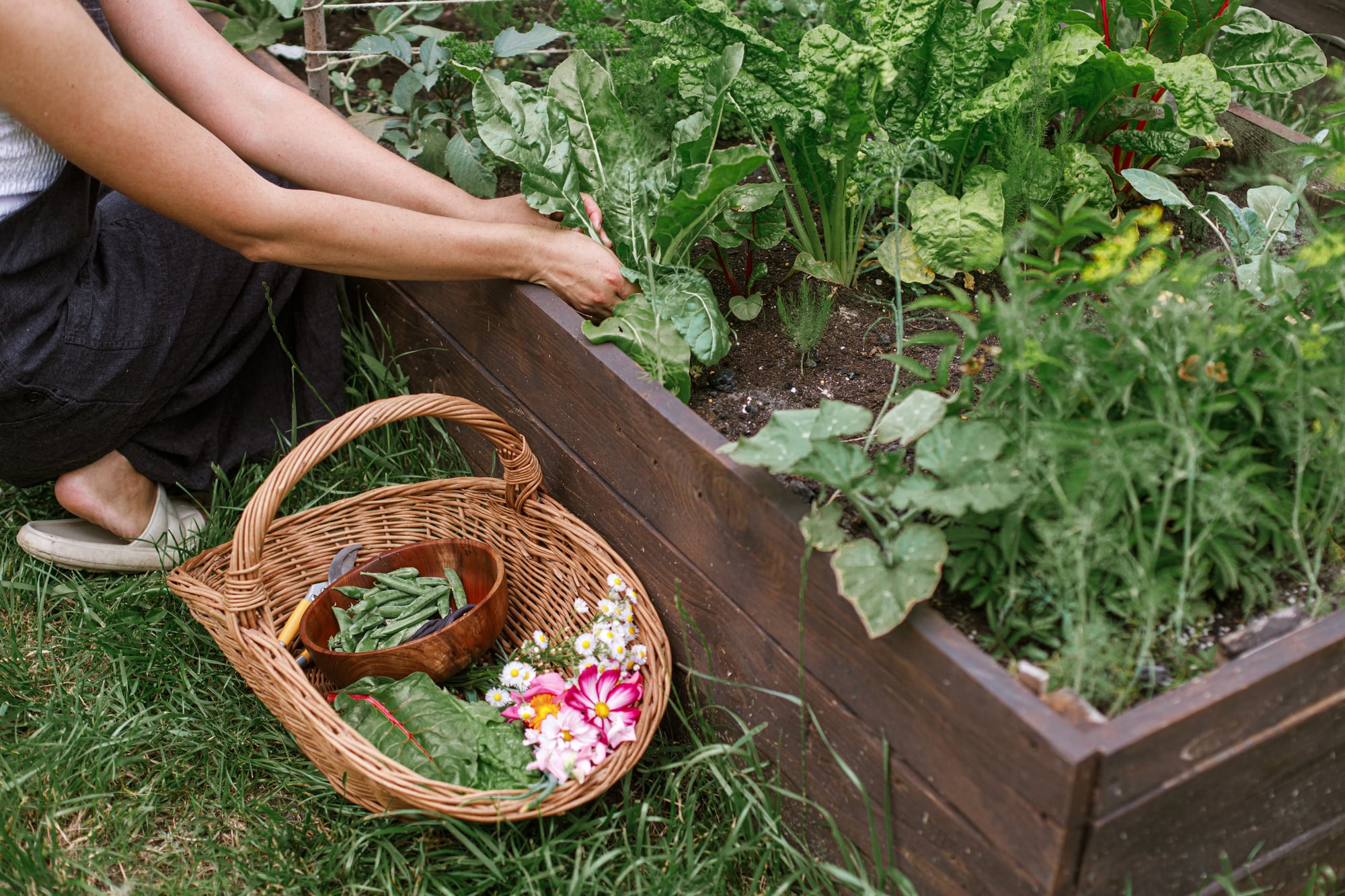
Many German schools have gardening as part of their curriculum, where students grow vegetables and learn about sustainable agriculture. Kids get their hands dirty while understanding where food comes from and developing responsibility for living things.
It’s a far cry from the mystery meat in most school cafeterias.
Traditional Dance
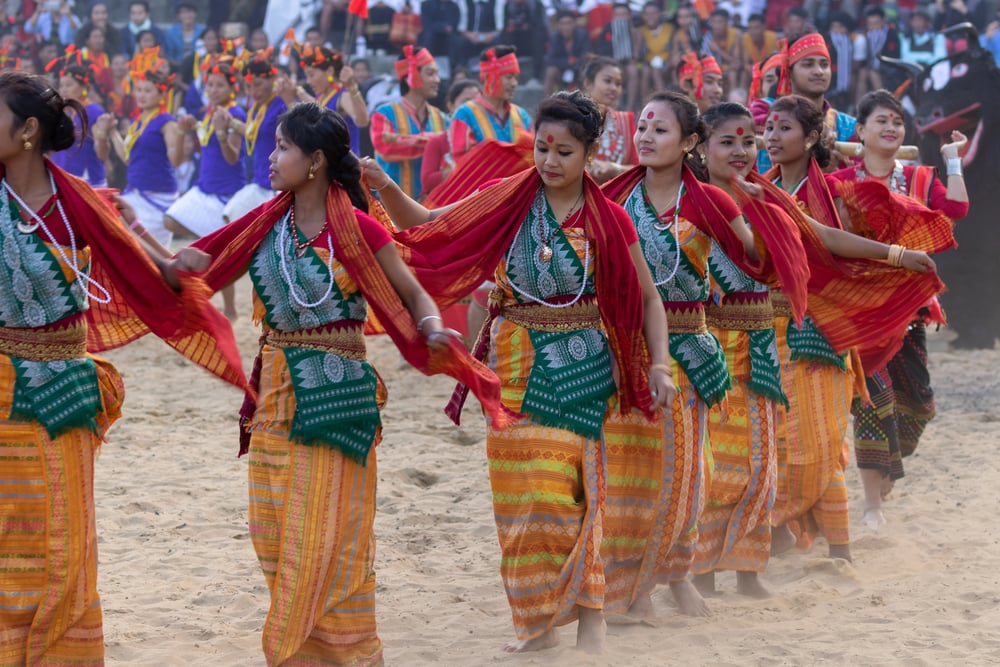
In countries like Ireland and Scotland, traditional dance forms like Irish step dancing or Highland dancing are taught in schools. Students learn cultural heritage through movement while getting excellent cardiovascular exercise.
It’s history class that actually gets your heart pumping.
Meditation
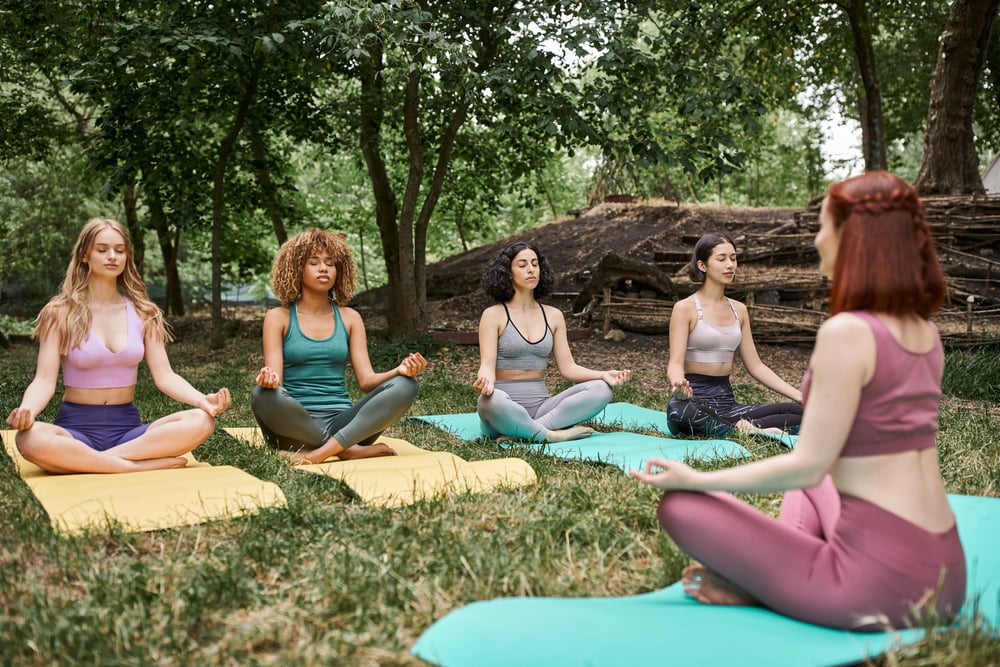
Some schools in India incorporate meditation and mindfulness practices into their daily routines. Students learn breathing techniques, concentration methods, and stress management skills that serve them well beyond graduation.
It’s like giving kids a mental toolkit they can use for life.
Like Go2Tutors’s content? Follow us on MSN.
Archery
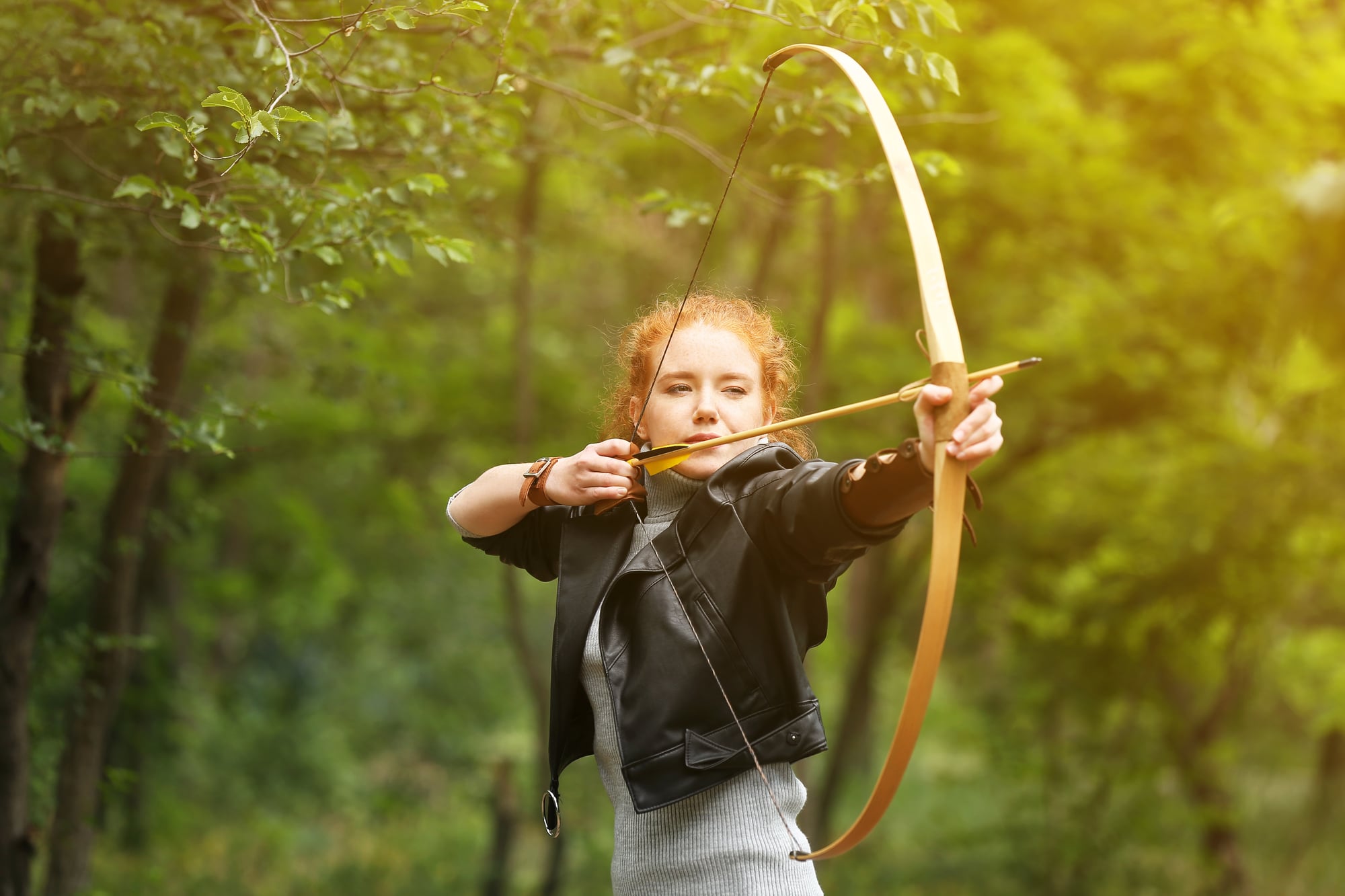
In South Korea, traditional archery is sometimes taught as both a sport and a connection to historical culture. Students develop focus, discipline, and hand-eye coordination while learning about their country’s martial traditions.
It’s definitely more engaging than learning about history from a textbook.
When Learning Gets Real
These unconventional disciplines prepare students for life beyond standardized examinations by demonstrating how education can be both useful and culturally significant. While Americans argue over excessive homework and screen time, other nations are teaching children how to be happy, connect with nature, and develop abilities that their forefathers would have recognized.
It could be time to reconsider what ‘well-rounded education’ actually entails and take into account the possibility that traditional textbooks may not always contain the most significant teachings.
More from Go2Tutors!

- 16 Restaurant Chains That Went Too Fast
- 12 Things Sold in the 80s That Are Now Illegal
- 15 Strange Things People Have Tried to Ban (And Failed)
- 16 Collectibles People Tossed Out Too Soon
- 17 Myths from Your Childhood That Were Actually Based on Real Things
Like Go2Tutors’s content? Follow us on MSN.



