15 Mountain Villages That Preserved Lost Knowledge
Nestled in remote peaks and hidden valleys around the world, mountain villages have served as unexpected guardians of human wisdom. While civilizations rose and fell in the valleys below, these isolated communities quietly maintained traditions, skills, and knowledge that would have otherwise vanished from history.
Here is a list of 15 mountain villages that became remarkable repositories of lost knowledge, each preserving something unique for future generations.
Shirakawa-go, Japan

This UNESCO World Heritage village in the Japanese Alps preserved the ancient art of gassho-zukuri architecture, where massive wooden structures are built without a single nail. The steep-roofed farmhouses, designed to withstand heavy snow loads, represent construction techniques passed down through 250 years of tradition.
Local families maintained detailed oral instructions for assembling these complex joints and selecting the right wood, knowledge that proved invaluable when restoration efforts began in the modern era.
Hunza Valley, Pakistan
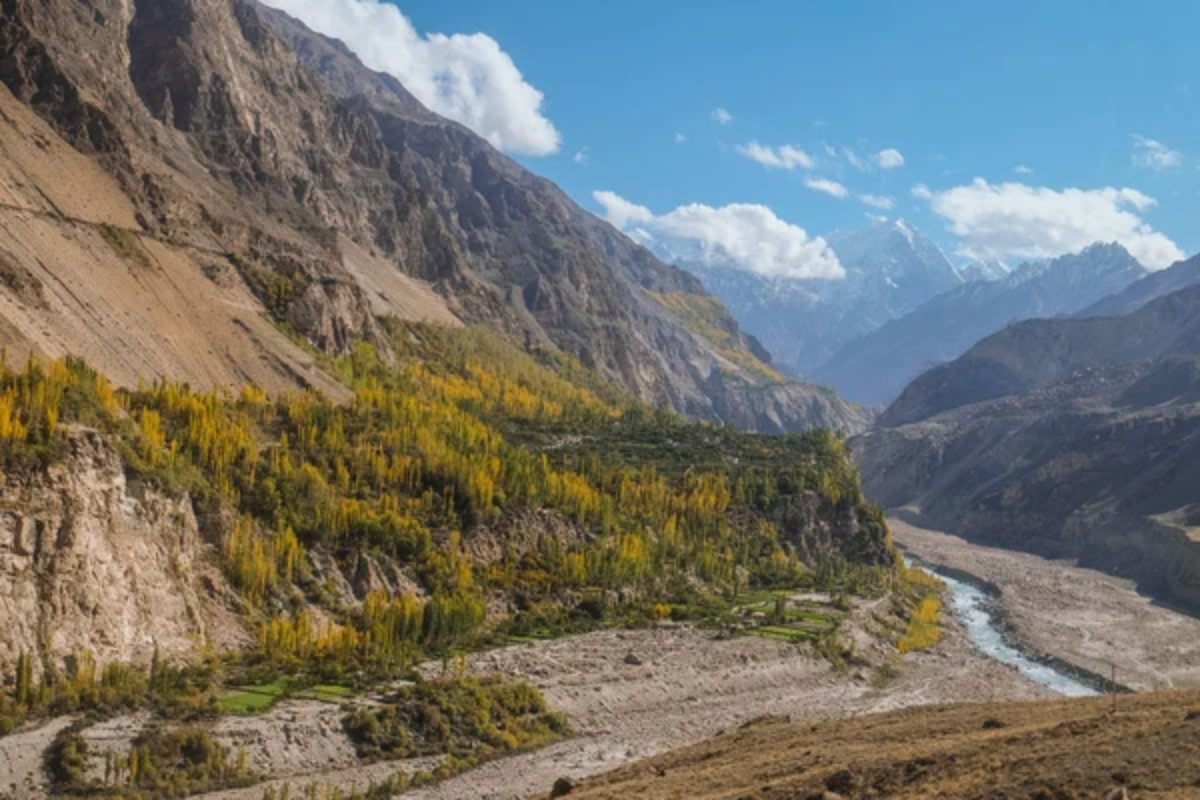
The people of Hunza maintained sophisticated agricultural terracing systems and irrigation techniques that allowed them to grow crops at altitudes exceeding 8,000 feet. Their knowledge of high-altitude farming, including the cultivation of ancient grain varieties and fruit preservation methods, helped sustain communities in one of the world’s most challenging environments.
The village elders also preserved a complex oral tradition of astronomical observations used for precise agricultural timing.
Ollantaytambo, Peru
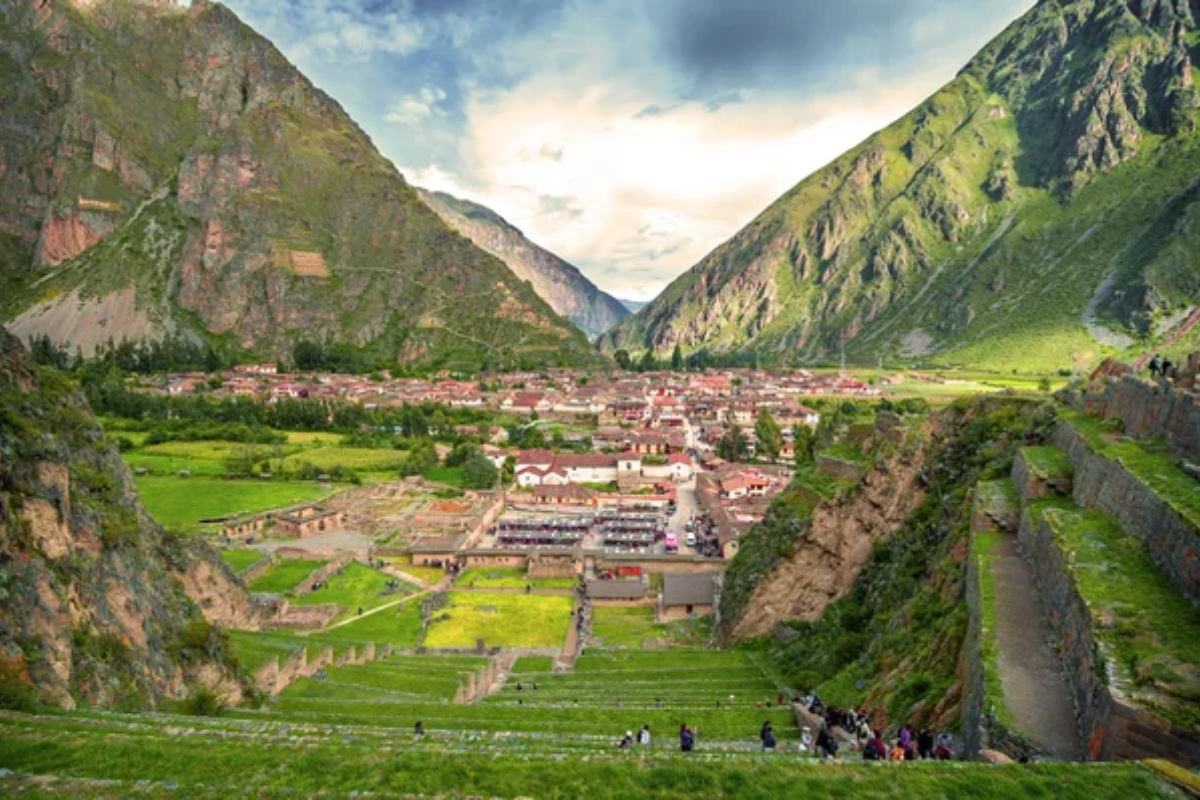
This Andean village continued using Inca-era agricultural techniques long after the Spanish conquest, maintaining knowledge of advanced terrace farming and water management systems. The residents preserved traditional methods for growing native potato varieties—some of which existed nowhere else on Earth.
Their understanding of altitude-specific farming and crop rotation prevented the loss of indigenous agricultural wisdom that modern scientists now study for sustainable farming solutions.
Gjirokastër, Albania

Hidden in the Albanian mountains, this stone city preserved Ottoman-era craftsmanship and architectural techniques that disappeared elsewhere in the Balkans. Local artisans maintained the intricate skills needed to work with the region’s distinctive slate, creating the characteristic stone roofs that define the village’s appearance.
The community also kept alive traditional metalworking methods and textile production techniques that date back centuries.
Zermatt, Switzerland
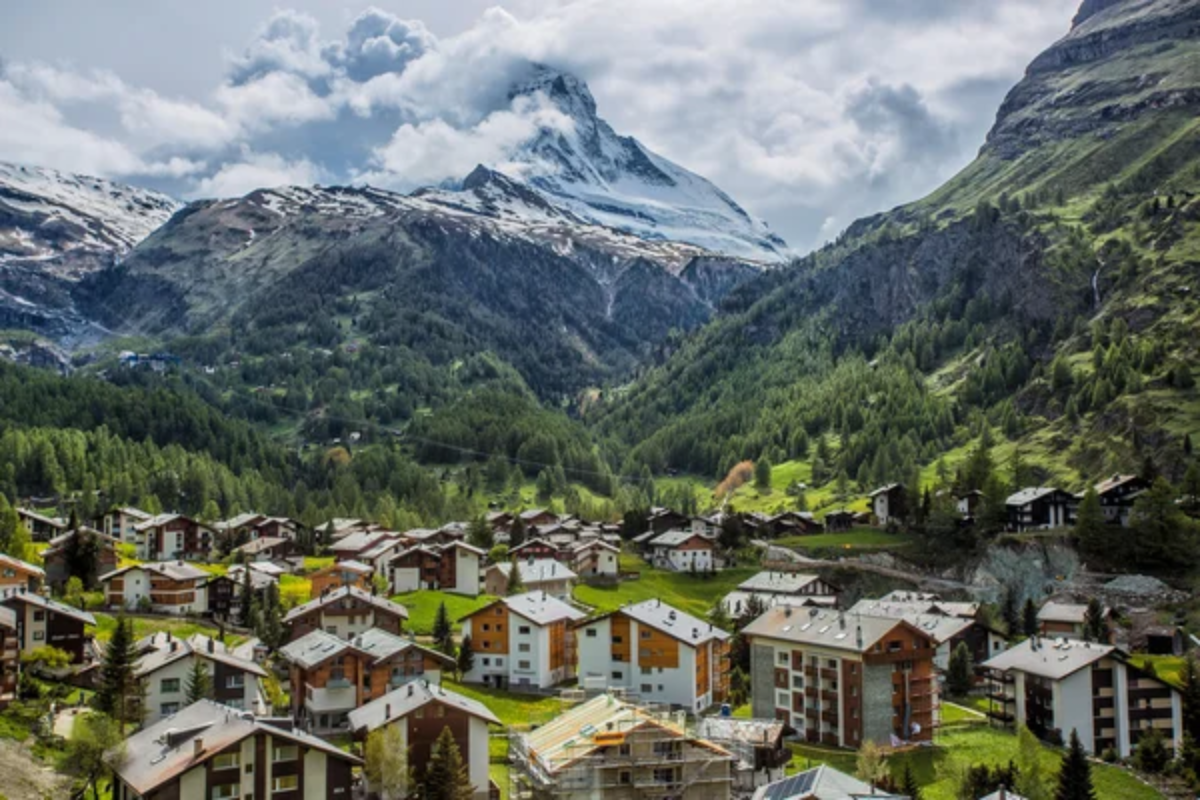
Before becoming a tourist destination, Zermatt preserved ancient Alpine survival knowledge that helped communities endure harsh mountain winters. Residents maintained traditional food preservation techniques, including methods for aging cheese and curing meats that could last through months of isolation.
The village also preserved detailed weather prediction methods based on cloud formations and wind patterns around the Matterhorn.
Mustang, Nepal
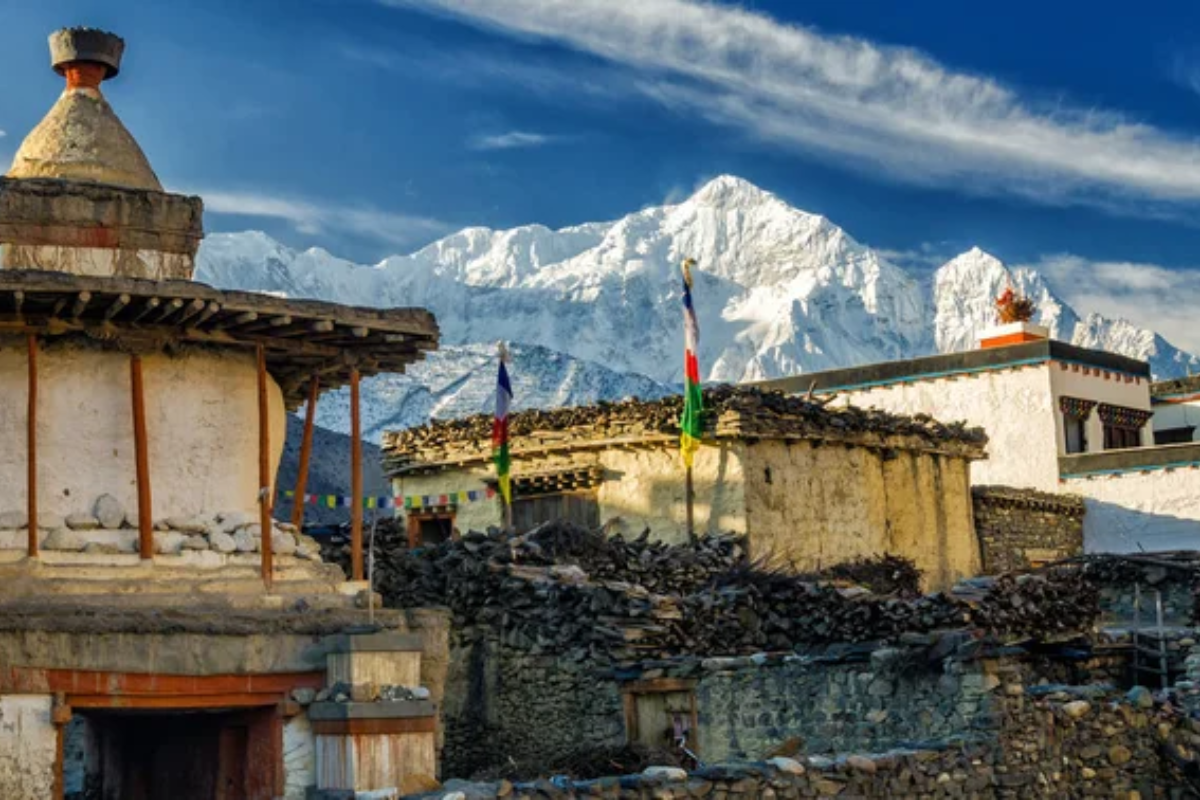
This remote Himalayan kingdom preserved Tibetan Buddhist manuscripts and medical knowledge that was lost in Tibet itself during political upheavals. The monasteries in Mustang maintained ancient texts on traditional medicine, astronomy, and philosophy that scholars thought were gone forever.
Village healers continued practicing medical techniques using high-altitude herbs and minerals, creating a living library of Himalayan wellness traditions.
Machu Picchu Pueblo, Peru
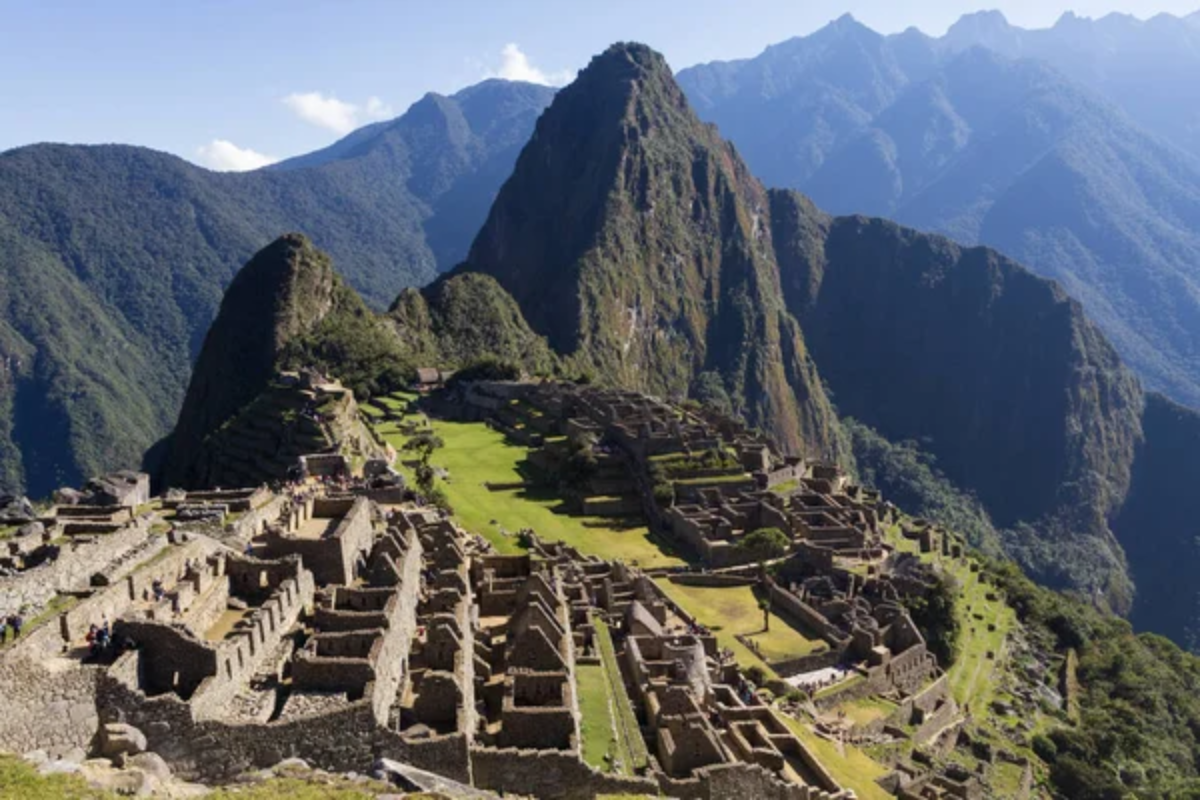
The small community near the famous ruins maintained oral histories and ceremonial knowledge about the ancient Inca site that proved crucial for modern archaeological understanding. Local families preserved traditional weaving techniques using natural dyes and alpaca fiber, creating textiles that matched the quality of ancient Inca work.
Their knowledge of local medicinal plants and traditional healing practices provided insights into pre-Columbian medicine.
Gimmelwald, Switzerland
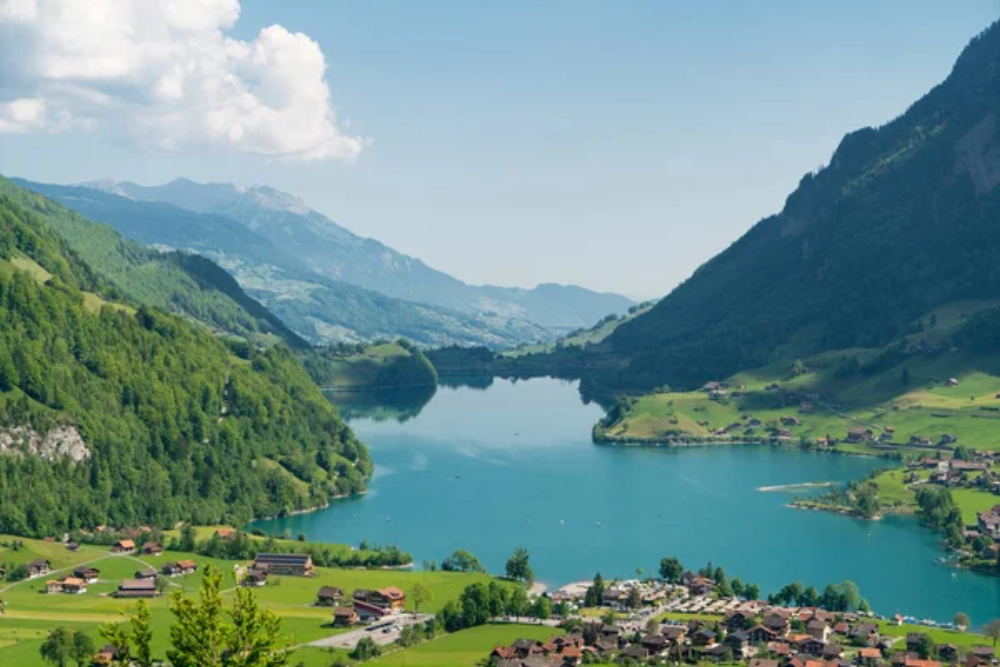
This car-free Alpine village preserved traditional Swiss farming techniques and livestock management practices that sustained mountain communities for generations. Residents maintained knowledge of seasonal migration patterns for cattle, traditional cheese-making methods, and the cultivation of hardy mountain crops.
The village also preserved detailed oral histories of avalanche patterns and mountain safety practices developed over centuries of living in dangerous terrain.
Sapa, Vietnam

The Hmong and other ethnic minorities in these northern Vietnamese mountains preserved intricate textile traditions and agricultural techniques adapted to steep terrain. Their knowledge included sophisticated indigo dyeing processes, traditional embroidery patterns with cultural significance, and terraced rice farming methods that maximized yield on mountain slopes.
Village elders also maintained oral traditions about forest management and sustainable harvesting practices.
Rila Monastery Village, Bulgaria

This mountain community preserved Eastern Orthodox manuscript traditions and icon-painting techniques through centuries of Ottoman rule when such practices were often suppressed. Monks and local artisans maintained knowledge of traditional pigment preparation, gold leaf application, and the complex theological symbolism required for religious art.
The village also preserved traditional building techniques using local stone and timber that reflected Byzantine architectural principles.
Kazbegi, Georgia

Located in the Caucasus Mountains, this village preserved ancient Georgian metalworking traditions and the knowledge needed to create traditional weapons and tools. Local blacksmiths maintained techniques for working with local iron ore and creating alloys that could withstand mountain conditions.
The community also preserved traditional Georgian polyphonic singing and oral epic traditions that were central to Caucasian culture.
Upper Pisang, Nepal

This Annapurna region village preserved traditional Tibetan architecture and construction techniques adapted for extreme altitude and earthquake-prone terrain. Residents maintained knowledge of building with local stone and timber in ways that could flex during seismic activity while withstanding harsh weather.
The village also preserved traditional Tibetan medical practices and the cultivation of high-altitude medicinal plants.
Kandovan, Iran

This ancient village carved into volcanic rock preserved traditional Persian architecture and water management systems that date back over 700 years. Residents maintained knowledge of how to expand and modify cave dwellings while preserving structural integrity, creating a unique form of sustainable mountain living.
The community also preserved traditional carpet weaving techniques and local crafts that reflected pre-Islamic Persian traditions.
Leh, India
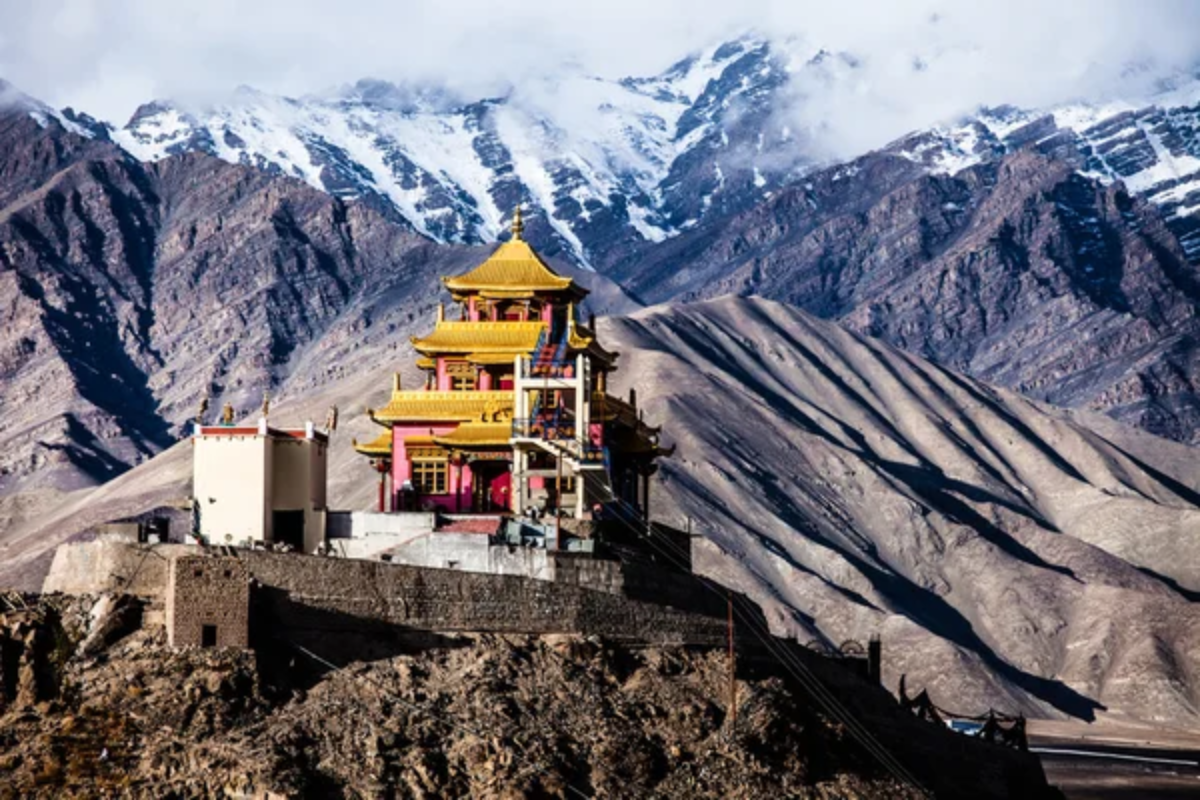
As the former capital of the Ladakh kingdom, this high-altitude desert village preserved Tibetan Buddhist culture and traditional architecture adapted for extreme mountain conditions. Local builders maintained knowledge of constructing flat-roofed buildings that could support heavy snow loads while conserving heat in sub-zero temperatures.
The community also preserved traditional irrigation systems called ‘kuhls’ that channeled glacial melt water to sustain agriculture in the desert environment.
Chefchaouen, Morocco

Nestled in the Rif Mountains, this blue-painted village preserved Andalusian architectural traditions and craftsmanship brought by refugees from medieval Spain. Local artisans maintained knowledge of traditional tile work, geometric patterns, and building techniques that reflected Islamic architectural principles.
The community also preserved traditional weaving methods and the cultivation of medicinal plants used in North African folk medicine.
Guardians of Human Heritage
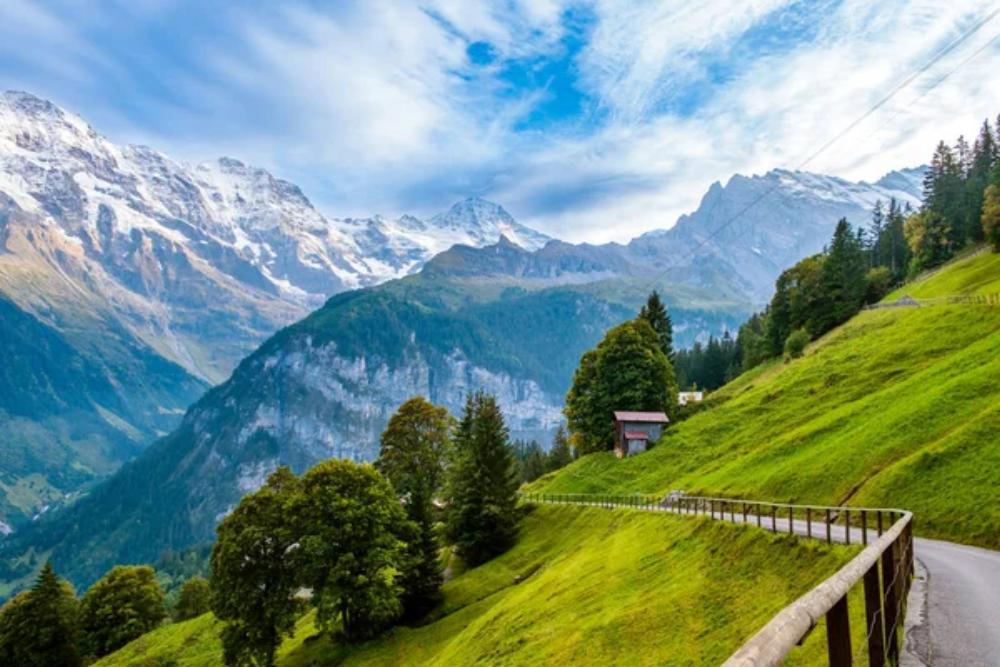
These mountain villages demonstrate how geographic isolation can become a powerful force for cultural preservation. While the modern world rushed toward standardization, these communities quietly maintained the diverse knowledge systems that represent humanity’s creative responses to different environments and challenges.
Their dedication to preserving traditional skills and wisdom has created invaluable resources for understanding sustainable living, traditional medicine, and time-tested approaches to thriving in difficult conditions.
More from Go2Tutors!

- The Romanov Crown Jewels and Their Tragic Fate
- 13 Historical Mysteries That Science Still Can’t Solve
- Famous Hoaxes That Fooled the World for Years
- 15 Child Stars with Tragic Adult Lives
- 16 Famous Jewelry Pieces in History
Like Go2Tutors’s content? Follow us on MSN.



