The 17 Highest Mountain Peaks in the World
Standing tall above the clouds, the world’s highest mountain peaks represent some of nature’s most magnificent achievements. These towering giants have captivated explorers, challenged climbers, and inspired countless adventurers throughout history. From the legendary Mount Everest to lesser-known yet equally impressive summits, these peaks rise to heights that seem to touch the very heavens themselves.
The following peaks represent the ultimate test of human endurance and determination. Here is a list of 17 of the world’s highest mountain peaks, each offering its own unique challenges and breathtaking beauty.
Mount Everest
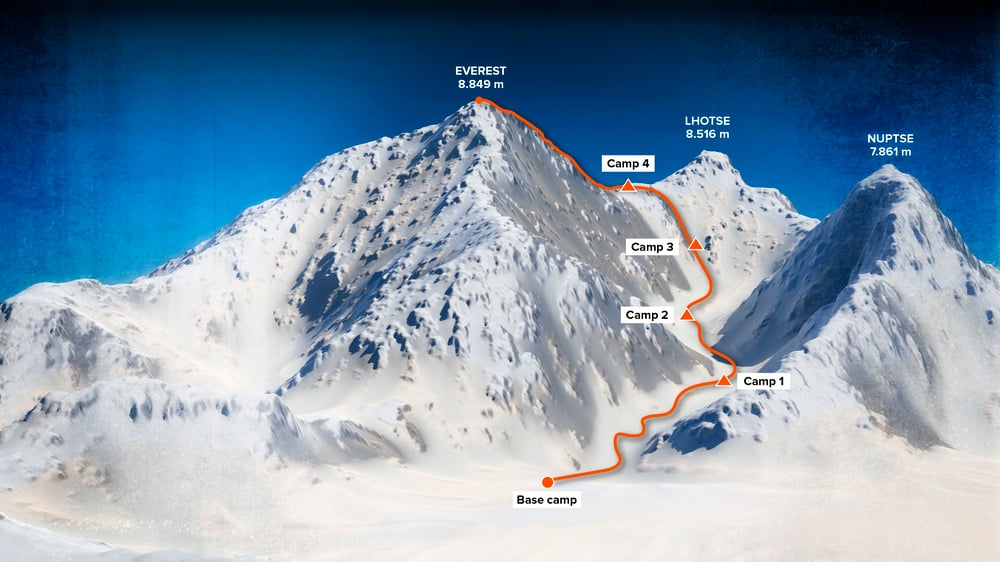
At 29,032 feet above sea level, Mount Everest claims the title of the world’s tallest mountain. Located on the border between Nepal and Tibet, this massive peak attracts thousands of climbers each year who dream of reaching its summit. The mountain’s extreme altitude creates a ‘death zone’ above 26,000 feet — where oxygen levels drop to dangerous levels, making every breath a struggle.
K2

Often called the ‘Savage Mountain,’ K2 stands at 28,251 feet. It’s considered one of the most dangerous peaks to climb. Located on the Pakistan-China border, this pyramid-shaped giant has a fatality rate that makes even experienced mountaineers think twice. The mountain’s steep slopes and unpredictable weather patterns have earned it a reputation as the ultimate climbing challenge.
Kangchenjunga
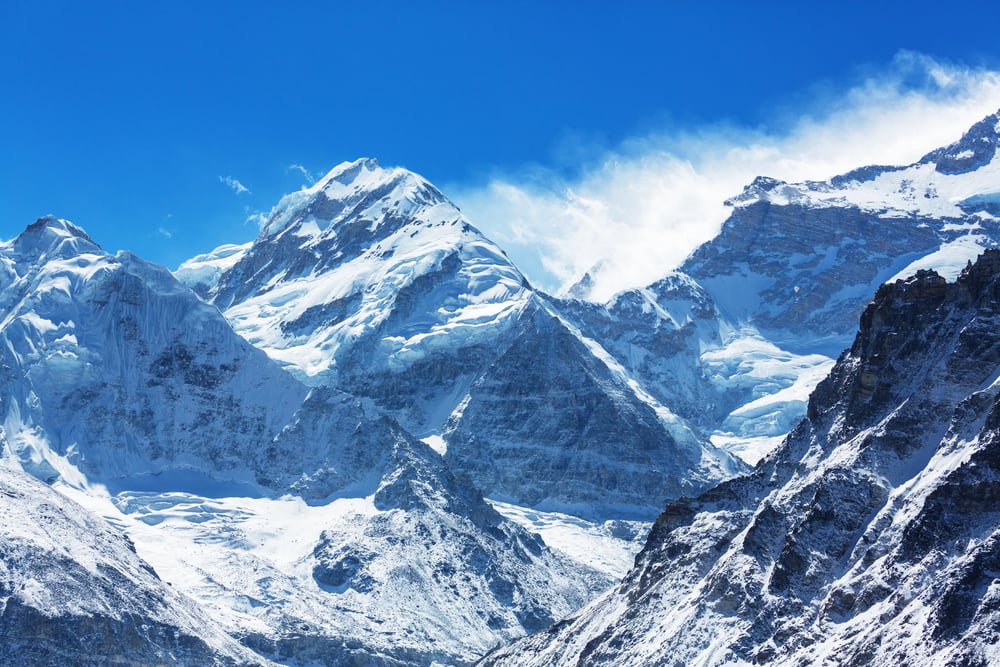
Rising to 28,169 feet along the India-Nepal border, Kangchenjunga was once thought to be the world’s tallest peak. The mountain’s name means ‘Five Treasures of Snow’ — referring to its five distinct summits. Local communities consider this peak sacred, while climbers traditionally stop just short of the true summit out of respect for local beliefs.
Lhotse
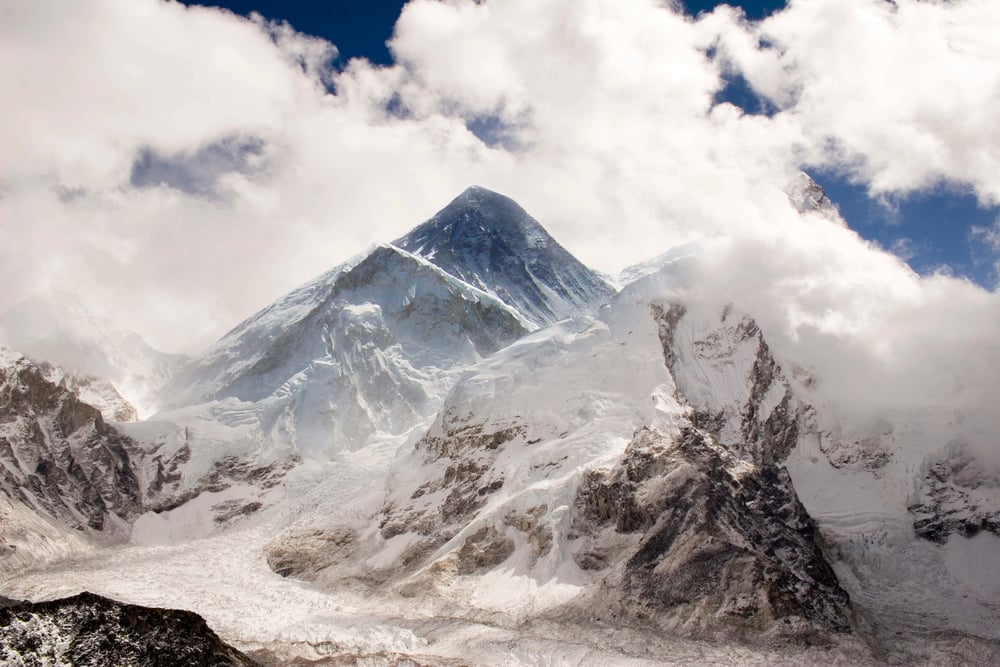
At 27,940 feet, Lhotse shares a base camp with Mount Everest. It’s often climbed as part of Everest expeditions. This peak’s name means ‘South Peak’ in Tibetan, connected to Everest by a narrow ridge. The mountain’s south face presents one of the steepest walls in high-altitude mountaineering — a challenge that’s not for the faint-hearted.
Makalu
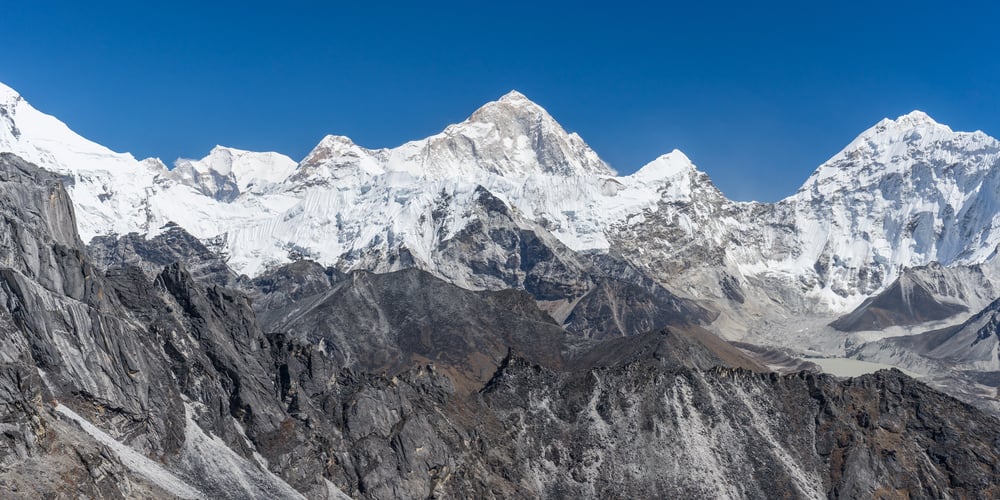
Standing at 27,838 feet, Makalu is shaped like a perfect four-sided pyramid. It’s known for its isolated location southeast of Mount Everest. The mountain’s sharp ridges and knife-edge aretes make it one of the most technically demanding peaks among the world’s highest summits. Its pyramid shape is so distinctive that it’s easily recognizable from great distances.
Cho Oyu
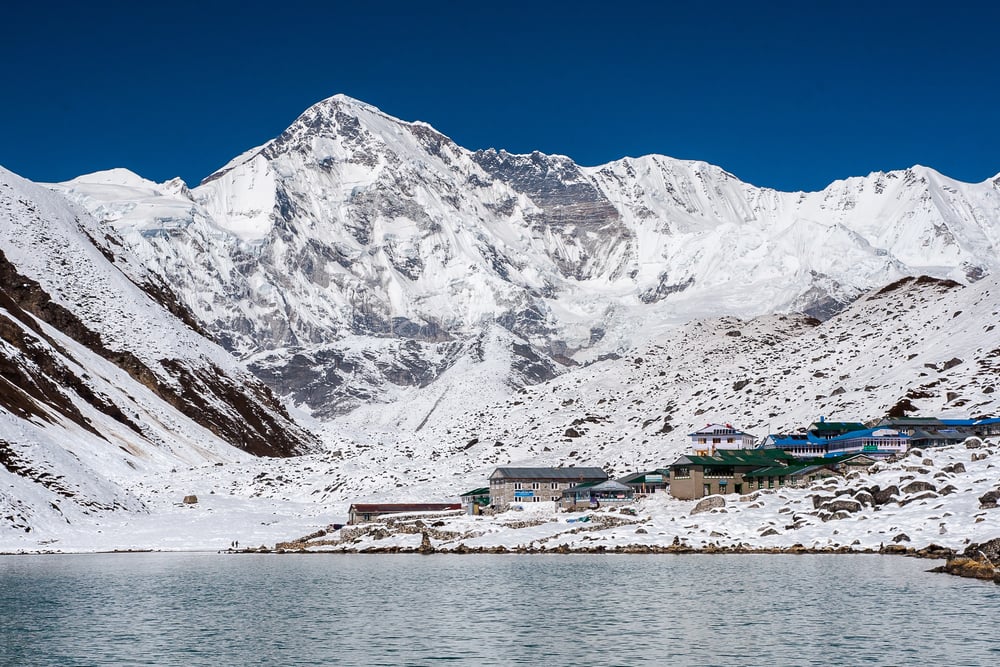
At 26,864 feet, Cho Oyu is often considered the ‘easiest’ of the world’s 8,000-meter peaks — though ‘easy’ is relative when discussing mountains this tall. Located on the Tibet-Nepal border, this peak serves as a training ground for climbers preparing for more challenging summits. The mountain’s name means ‘Turquoise Goddess’ in Tibetan.
Dhaulagiri I
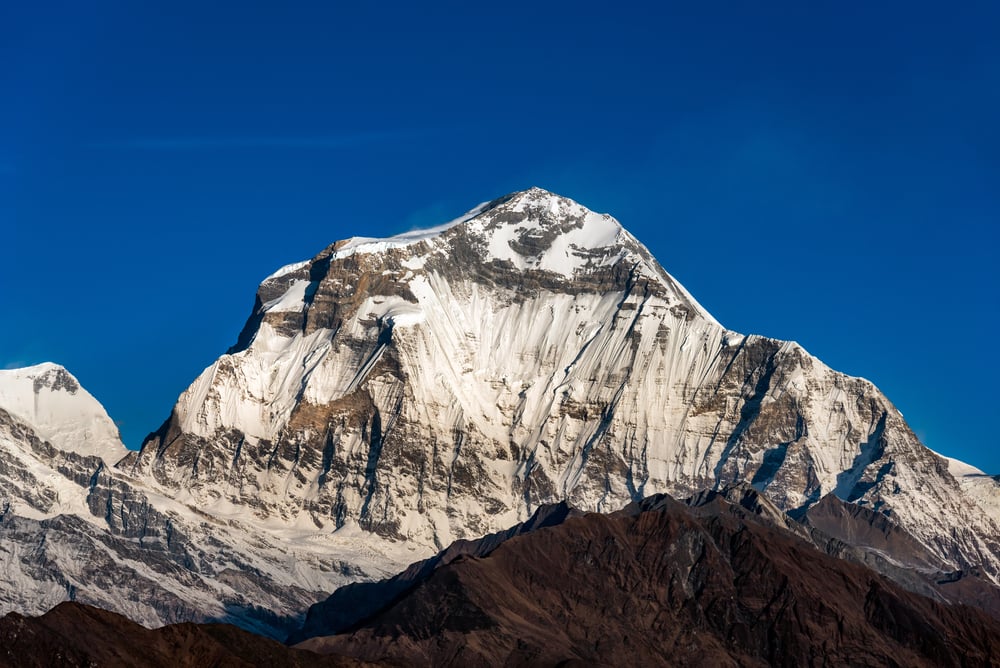
Rising to 26,795 feet in Nepal, Dhaulagiri I was once believed to be the world’s highest peak until more accurate measurements were made. The mountain’s name means ‘White Mountain’ in Sanskrit — and its massive south face presents one of the most intimidating walls in the Himalayas. This peak stands isolated from other major summits, making it a solitary giant.
Manaslu
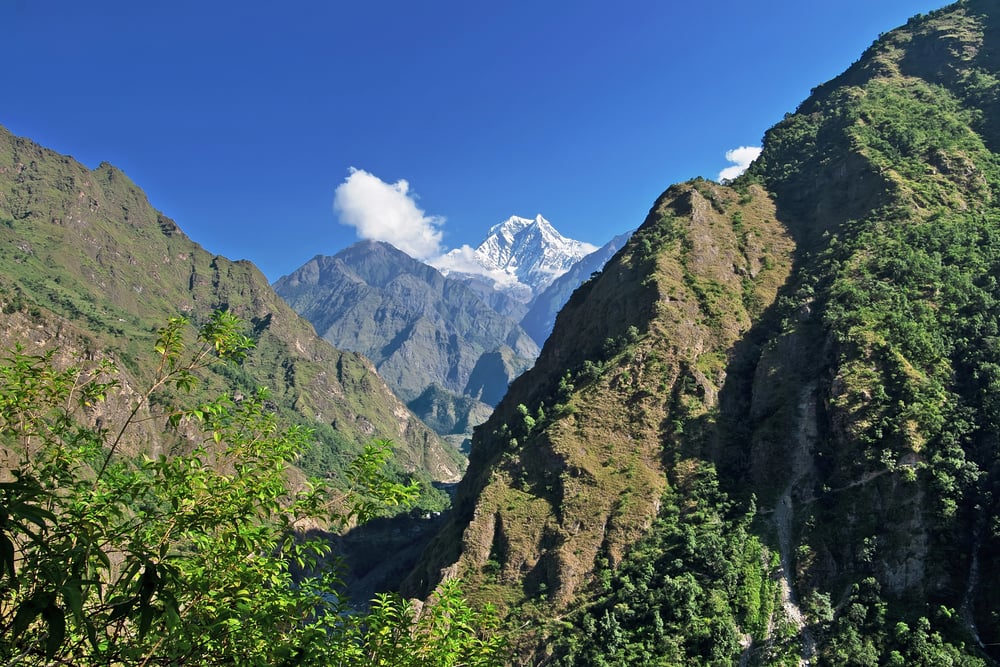
At 26,781 feet, Manaslu is known as the ‘Mountain of the Spirit.’ It’s located in Nepal’s Mansiri Himal range. This peak is often chosen by climbers as preparation for Mount Everest due to its similar technical challenges and altitude. The mountain’s long ridges and multiple camps make it a serious undertaking that demands respect — and preparation.
Nanga Parbat
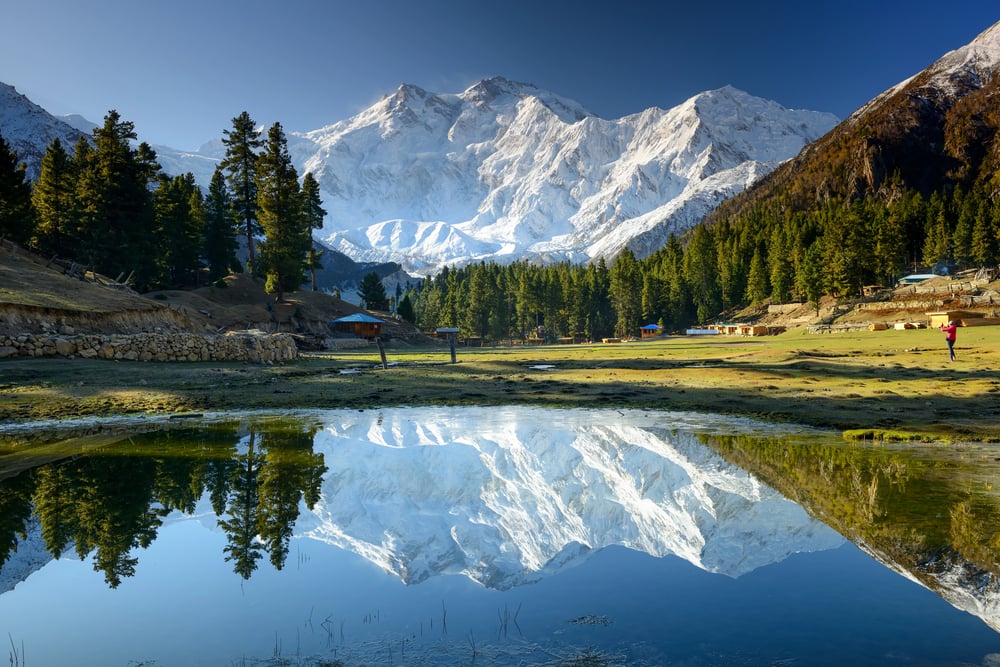
Standing at 26,660 feet in Pakistan, Nanga Parbat is known as the ‘Killer Mountain’ due to its history of claiming climbers’ lives. This massive peak is actually the western anchor of the Himalayas. It stands alone, making it appear even more imposing. The mountain’s Rupal Face is one of the largest mountain faces in the world — rising over 15,000 feet from base to summit.
Annapurna I
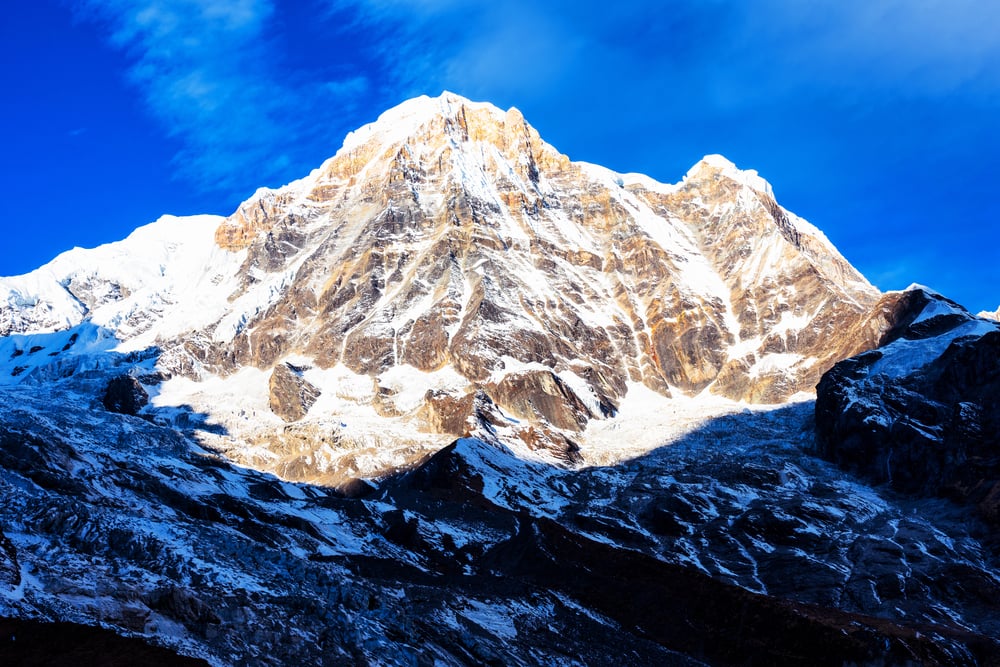
At 26,545 feet, Annapurna I holds the distinction of being the first 8,000-meter peak ever climbed. A French expedition conquered it in 1950. Located in Nepal, this mountain has one of the highest fatality rates among major peaks. The name ‘Annapurna’ means ‘Goddess of the Harvests’ in Sanskrit — reflecting its importance to local communities.
Gasherbrum I
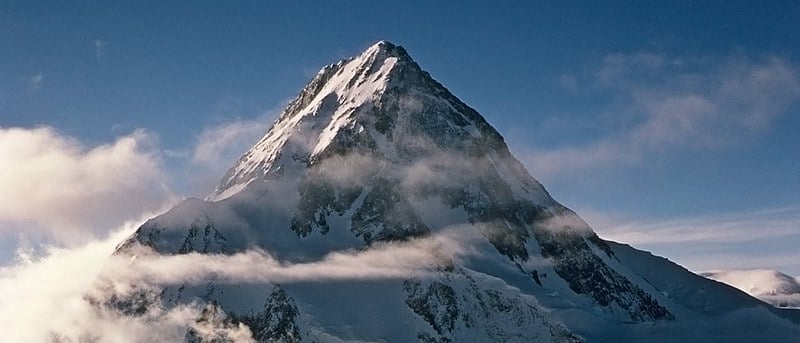
Rising to 26,509 feet on the Pakistan-China border, Gasherbrum I is also known as Hidden Peak due to its remote location deep in the Karakoram range. This mountain is part of the Gasherbrum massif. It requires a long approach through glaciated terrain. The peak’s isolation makes it one of the more challenging logistical undertakings in high-altitude mountaineering.
Broad Peak
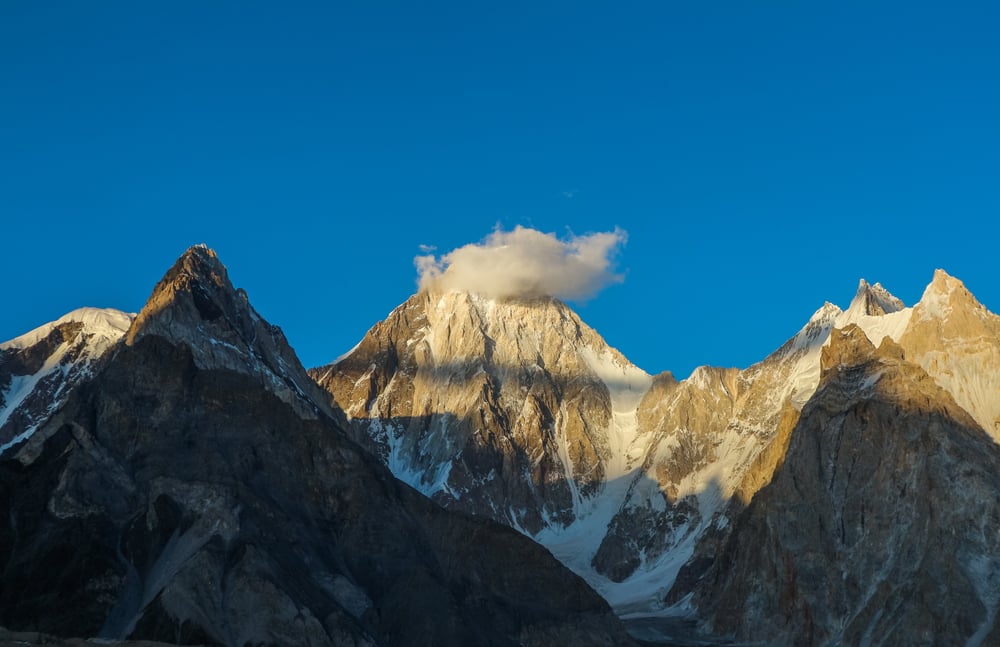
At 26,414 feet, Broad Peak lives up to its name with a summit that extends over half a mile in length. Located in the Karakoram range on the Pakistan-China border, this mountain offers multiple routes to the top. The peak’s relatively broad summit area provides a bit more room for climbers compared to the knife-edge summits of other major peaks.
Gasherbrum II
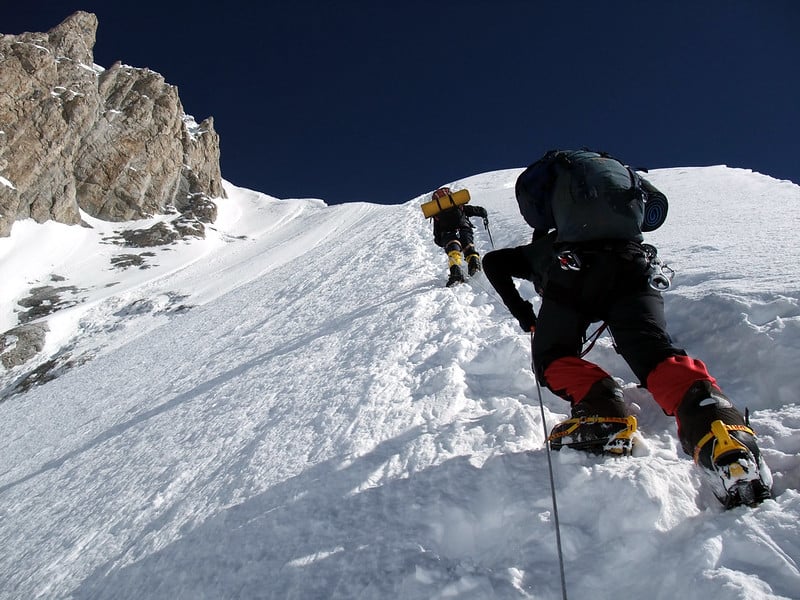
Standing at 26,362 feet, Gasherbrum II is often considered one of the more accessible 8,000-meter peaks, though accessibility is relative at these altitudes. Located in the Karakoram range, this peak offers stunning views of the surrounding glaciated landscape. The mountain’s standard route follows a relatively straightforward path compared to its more technical neighbors.
Shishapangma
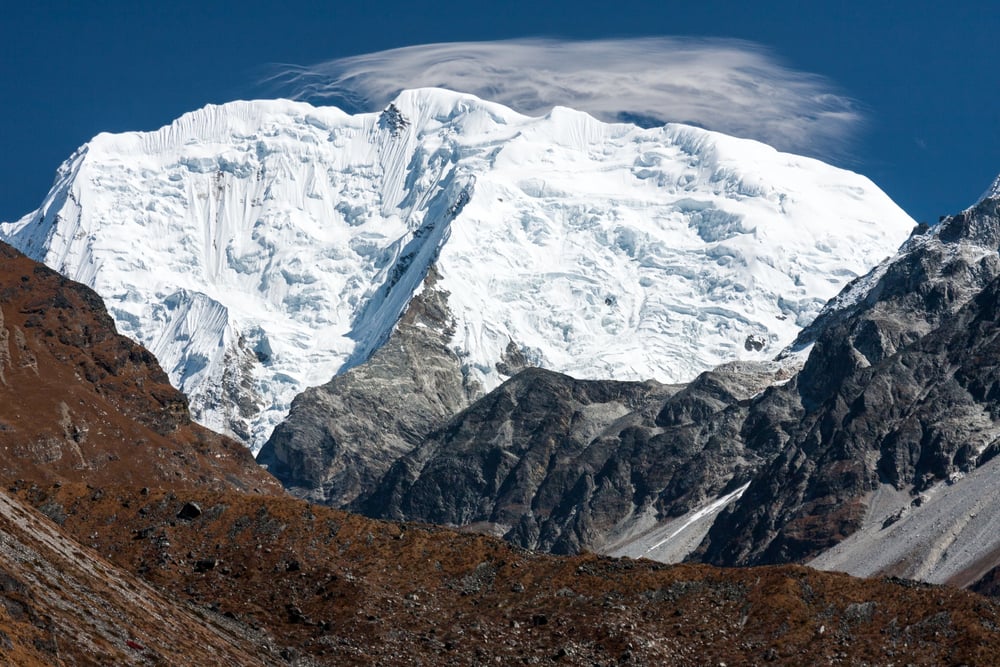
At 26,335 feet, Shishapangma is the lowest of the world’s fourteen 8,000-meter peaks. It’s located entirely within Tibet. This mountain was the last of the major peaks to be climbed, not conquered until 1964. The peak’s name means ‘Crest Above the Grassy Plains’ in Tibetan, offering some of the most spectacular views in the region.
Gyachung Kang
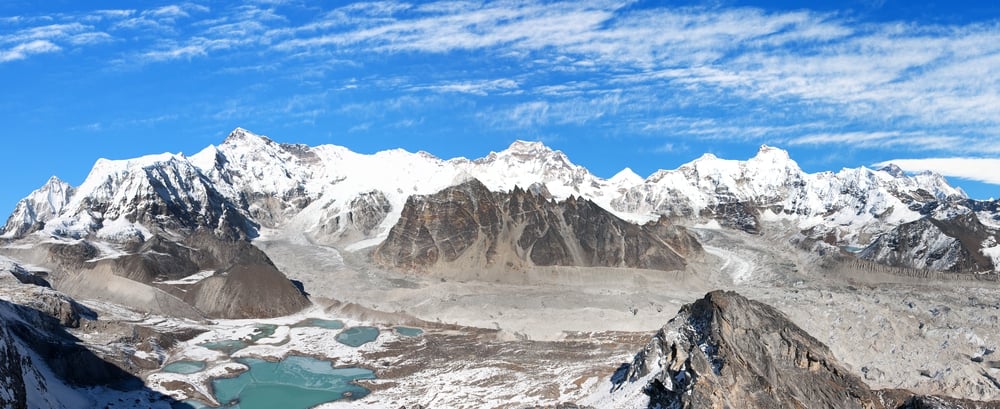
Rising to 26,089 feet on the Nepal-Tibet border, Gyachung Kang is the highest peak that doesn’t qualify as an 8,000-meter mountain. This massive summit is often overlooked despite its impressive height because it sits in the shadow of its more famous neighbors. The mountain’s broad profile and multiple subsidiary peaks make it a complex climbing objective.
Annapurna II
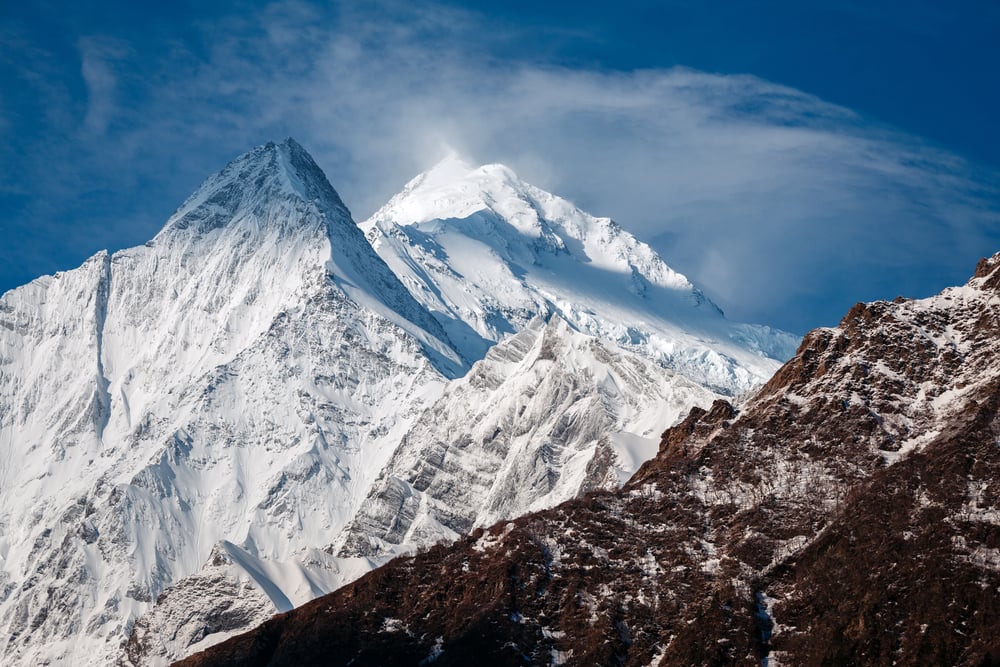
At 26,040 feet, Annapurna II is part of the Annapurna massif in Nepal. It offers its own unique challenges. This peak is often climbed as part of longer expeditions that tackle multiple summits in the range. The mountain’s position provides excellent views of the surrounding peaks, along with the deep valleys below.
Himalchuli
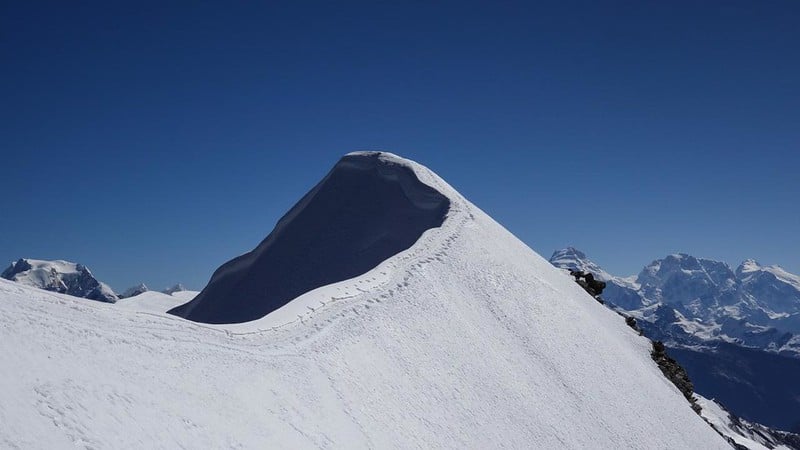
Standing at 25,896 feet, Himalchuli marks the end of our list but certainly not the end of impressive peaks in the world’s great mountain ranges. Located in Nepal, this peak is part of the Mansiri Himal. It offers challenging climbing conditions. The mountain’s name means ‘Peak of the Snow Range’ in Nepali, serving as a stepping stone for those preparing for higher summits.
Where Giants Still Roam

These seventeen peaks represent more than just impressive statistics on a map. They stand as monuments to the incredible forces that shaped our planet, rising from ancient collisions between continents that continue to this day. Each summit tells a story of human ambition, natural beauty, and the eternal struggle between our desire to explore and nature’s power to humble us. For those who dare to dream of reaching these heights, these mountains offer the ultimate test of determination, skill, and respect for the natural world.
More from Go2Tutors!

- 16 Historical Figures Who Were Nothing Like You Think
- 12 Things Sold in the 80s That Are Now Illegal
- 15 VHS Tapes That Could Be Worth Thousands
- 17 Historical “What Ifs” That Would Have Changed Everything
- 18 TV Shows That Vanished Without a Finale
Like Go2Tutors’s content? Follow us on MSN.



