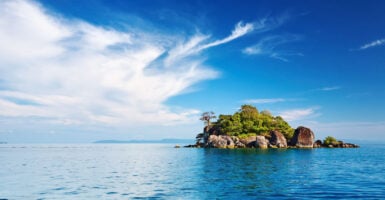
15 Mountains Taller Than Everest (If You Also Measure Underwater)
Mount Everest reigns as Earth’s highest peak above sea level at 29,032 feet. It’s considered the world’s tallest mountain by traditional measurements. This standard approach, however, overlooks something crucial—many mountains actually begin deep below the ocean’s surface, with just their summits emerging as islands.
Here is a list of 15 mountains that would outshine Everest’s impressive height if measured properly from their true base to summit, including those hidden underwater portions.
Mauna Kea
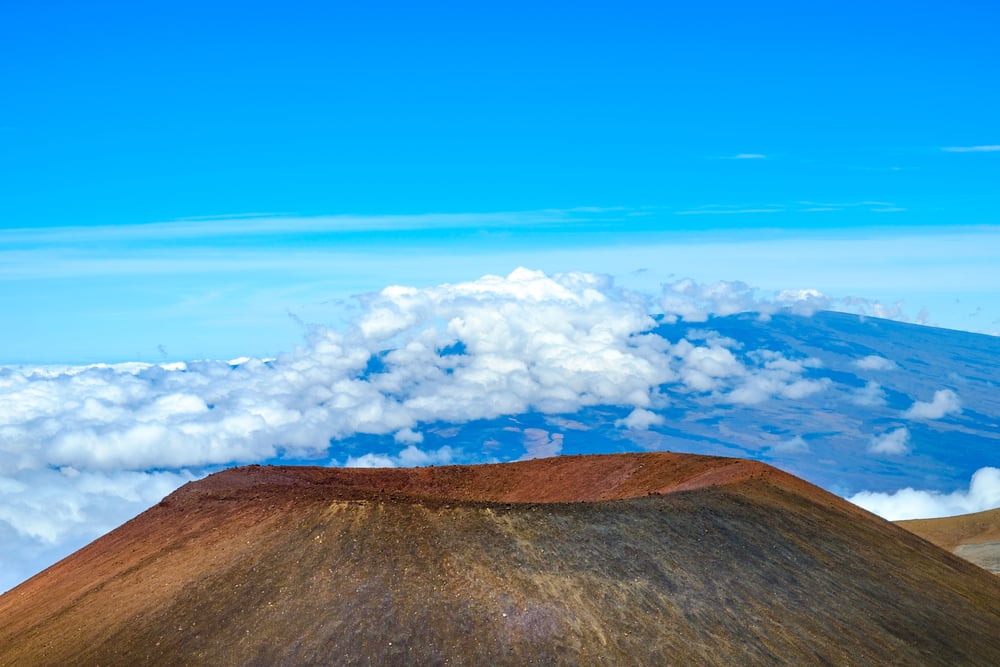
This dormant volcano on Hawaii’s Big Island reaches a modest 13,796 feet above sea level — seemingly unimpressive next to Everest. Mauna Kea stretches another 19,700 feet beneath the Pacific waves, though, giving it a staggering total height of around 33,500 feet from base to peak.
The Hawaiian name translates to ‘White Mountain’ — a nod to its occasionally snow-dusted summit during winter months.
Mauna Loa
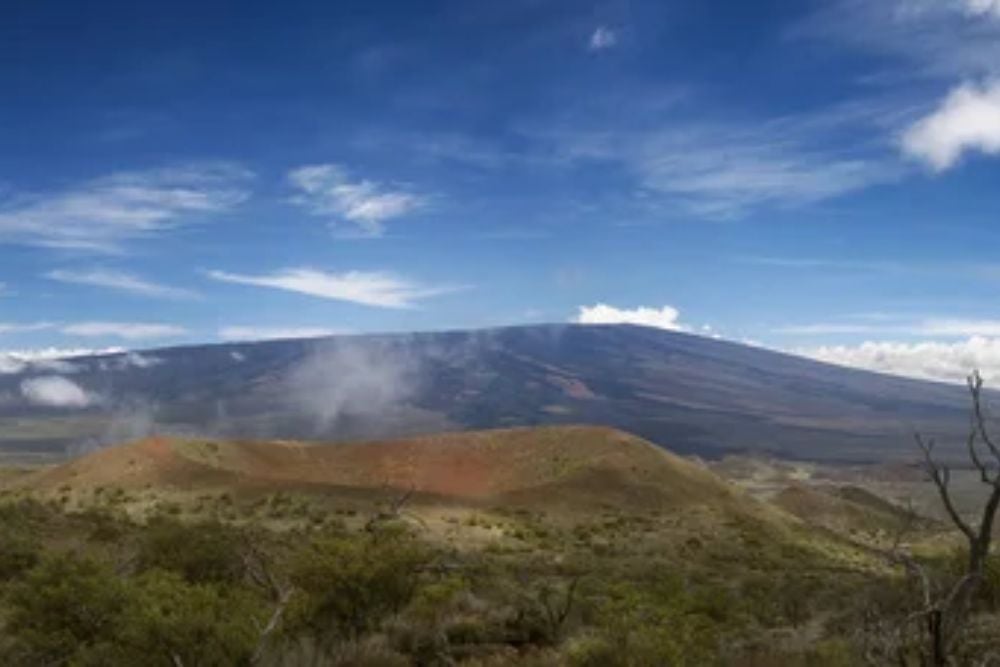
Right next to Mauna Kea sits Mauna Loa — the largest active volcano on our planet by volume. Standing 13,679 feet above the ocean, it plunges roughly 16,400 feet underwater for a combined height of about 30,085 feet.
This enormous shield volcano hasn’t been quiet, either; it’s erupted 33 times since researchers first documented its activity in 1843.
Mount Otemanu

Rising just 2,385 feet above the turquoise waters of Bora Bora in French Polynesia, Mount Otemanu doesn’t look particularly tall at first glance. When measured from its underwater foundation, however, this ancient volcanic remnant towers approximately 30,000 feet high.
The mountain dominates the famous island’s skyline — a central figure in both the landscape and local Polynesian cultural traditions.
Haleakala

At 10,023 feet above sea level on Maui, Haleakala might seem like an unlikely challenger to Everest’s supremacy. Yet this massive shield volcano begins far below the ocean surface — reaching around 29,800 feet from base to summit.
Its name means ‘house of the sun’ in Hawaiian, stemming from a local legend where the demigod Maui supposedly lassoed the sun from its peak to slow its journey across the sky.
Kohala
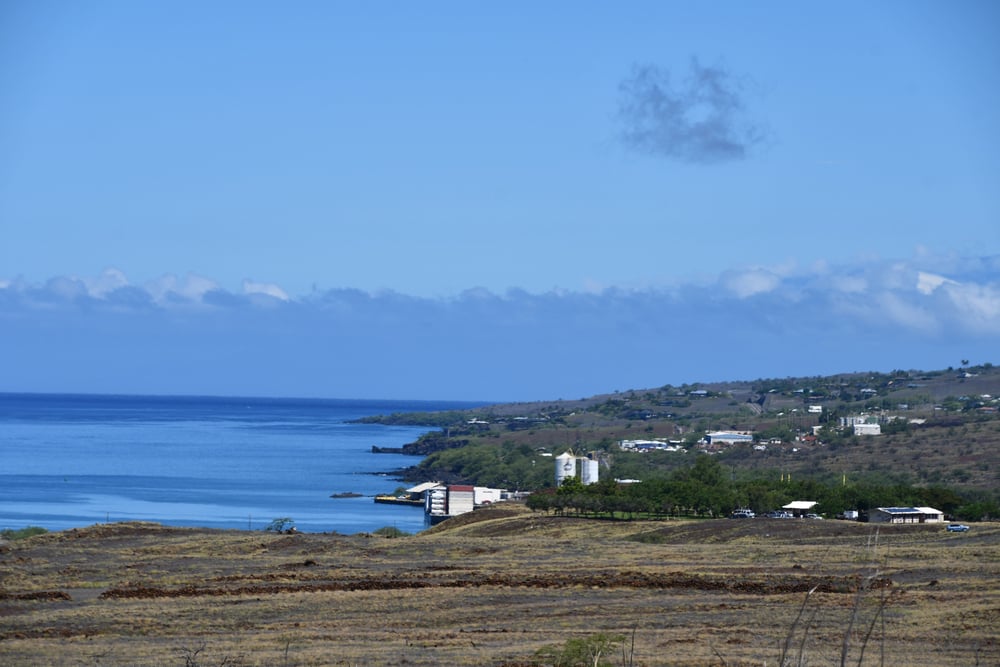
Hawaii’s Big Island hosts Kohala — the oldest of its major volcanoes at 5,480 feet above sea level. Don’t let that modest elevation fool you, though; when measured from its underwater base, this extinct volcano stretches roughly 29,500 feet tall.
Kohala stopped erupting approximately 120,000 years ago, which has given erosion plenty of time to carve spectacular valleys and dramatic sea cliffs along its northern face.
Mount Teide
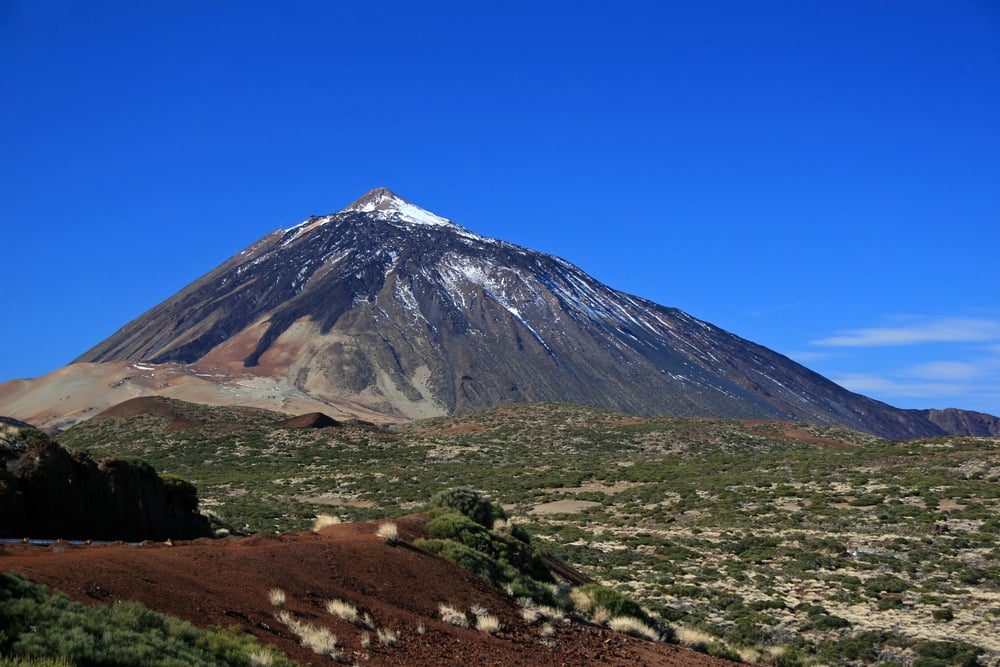
Soaring 12,198 feet above sea level on Tenerife in Spain’s Canary Islands, Mount Teide claims the title of Spain’s highest peak. From its true base on the Atlantic Ocean floor — this stratovolcano measures about 24,600 feet total.
The moon-like landscapes of Teide National Park surrounding it — a UNESCO World Heritage site — have attracted filmmakers seeking alien-looking backdrops for countless science fiction productions.
Hualalai
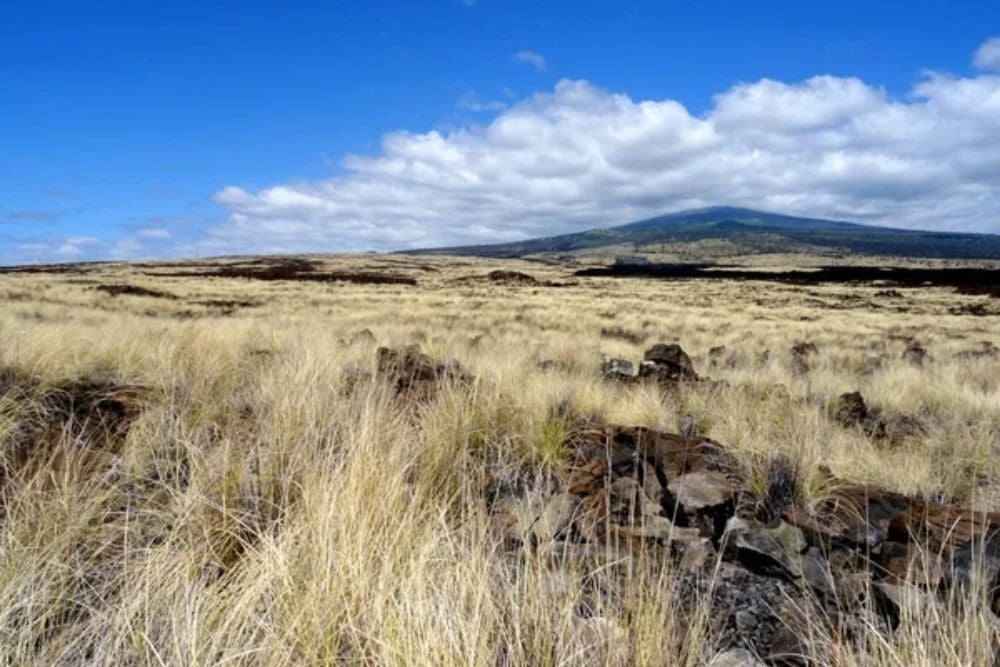
Another volcanic giant on Hawaii’s Big Island, Hualalai rises just 8,271 feet above sea level but extends significantly underwater. Its complete height from base to summit reaches approximately 24,000 feet.
Scientists classify it as active despite its last eruption occurring in 1801 — when molten lava flowed dangerously close to the ocean and destroyed several coastal villages and valuable fishing grounds.
Piton des Neiges
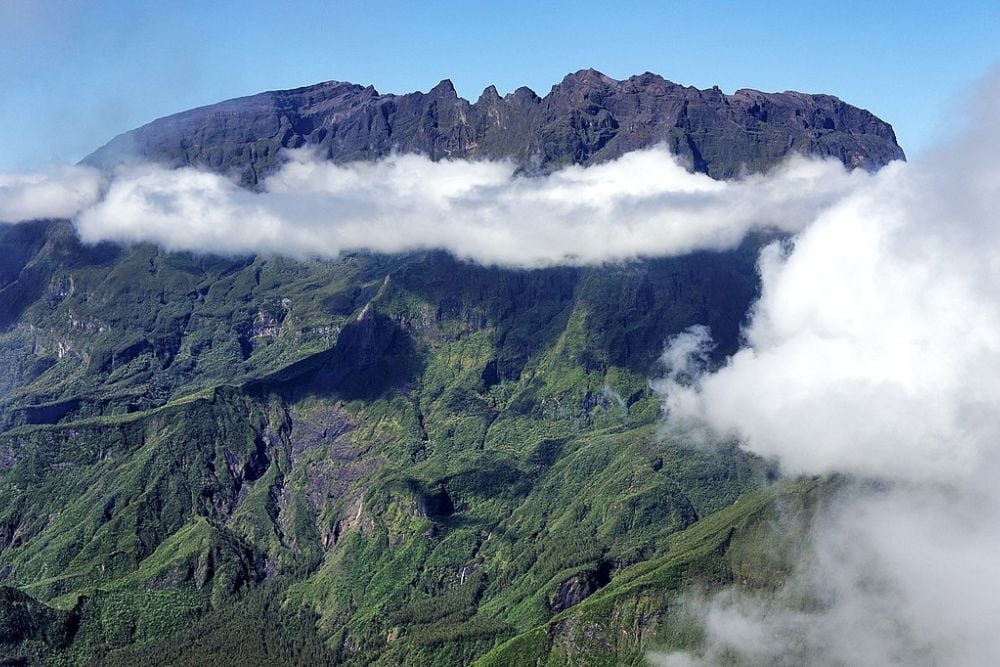
Standing as the highest point on Réunion Island in the Indian Ocean, Piton des Neiges climbs 10,070 feet above the waves. This extinct shield volcano boasts a total height around 23,000 feet when measured from its submarine foundation.
Its French name translates to ‘Snow Peak’ — a curious moniker given that snowfall barely ever dusts its tropical summit.
Pico del Teide
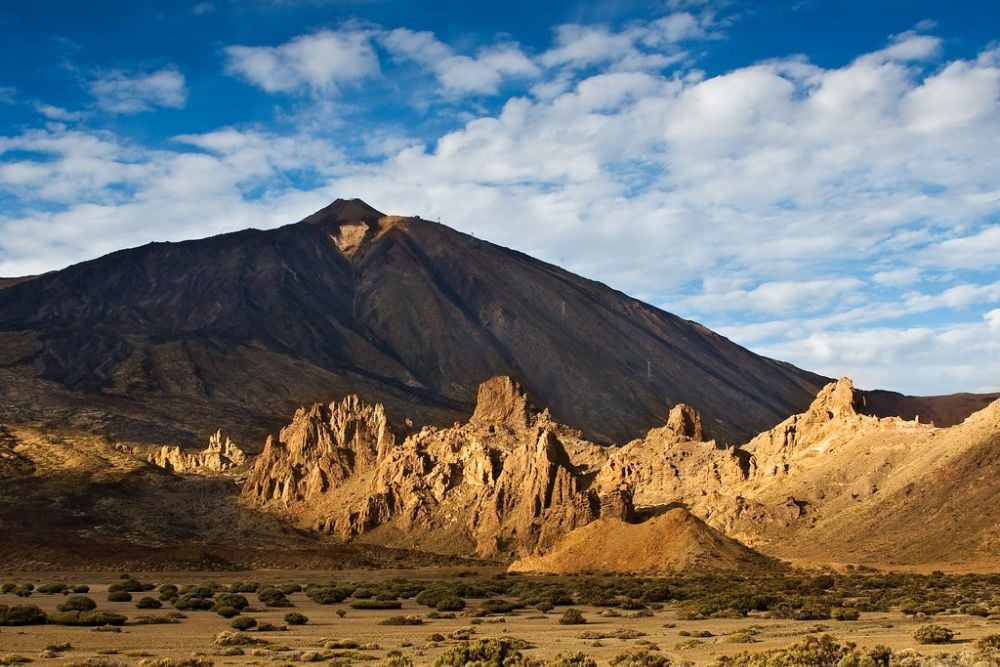
The summit cone of the larger Mount Teide volcanic complex on Tenerife reaches 12,188 feet above sea level. It extends approximately 22,800 feet from its underwater base — making it truly massive.
Around this peak stretches an otherworldly landscape so reminiscent of Martian terrain that scientists actually test Mars-bound equipment there before launching it into space.
Jasper Seamount

Unlike other entries on this list, Jasper Seamount never breaks the ocean’s surface. This submarine mountain off California’s coast stretches from the seafloor to its peak — still about 2,300 feet underwater — measuring approximately 22,000 feet in total height.
Despite remaining completely hidden beneath the waves, this underwater colossus would dwarf most land-based mountains if somehow transported onto dry ground.
Kilimanjaro

Africa’s tallest mountain rises 19,341 feet above sea level in Tanzania, already impressive without considering its foundations. Kilimanjaro sits atop the East African Rift system with roots extending deep into Earth’s crust, giving it a true height of around 21,500 feet from base to summit.
This freestanding mountain actually consists of three volcanic cones – Kibo, Mawenzi, and Shira – with Kibo holding the famous glaciated summit that’s rapidly losing ice due to climate change.
Puncak Jaya
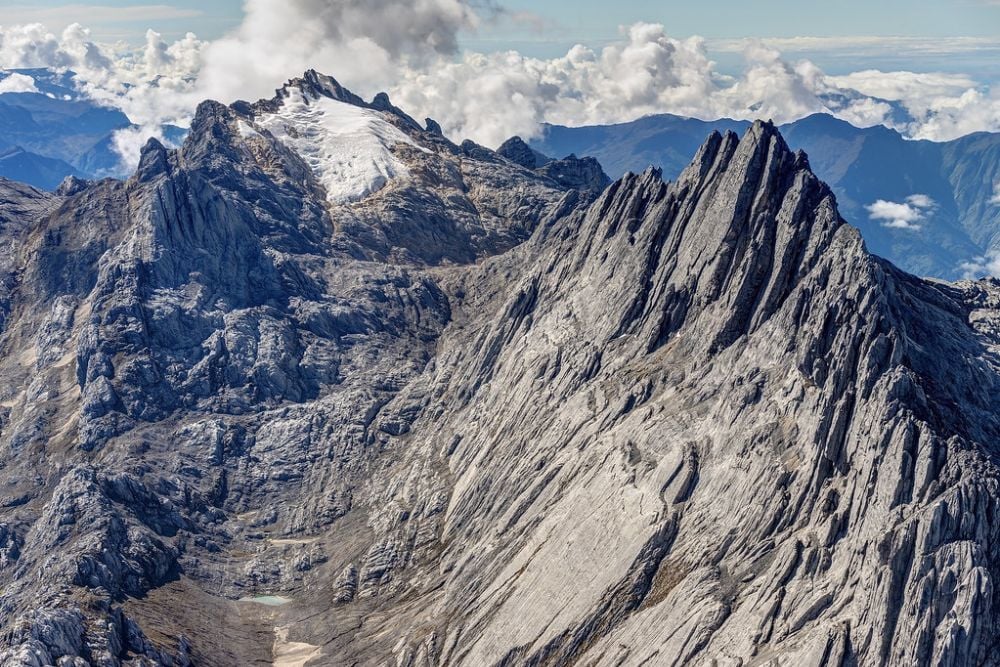
Known also as Carstensz Pyramid, this mountain in Indonesia’s Papua province reaches 16,024 feet above sea level. Accounting for its underwater base, Puncak Jaya stretches approximately 21,000 feet tall overall.
It holds the distinction of being the highest island peak worldwide and features unusual equatorial glaciers that scientists project will disappear entirely within the coming decades.
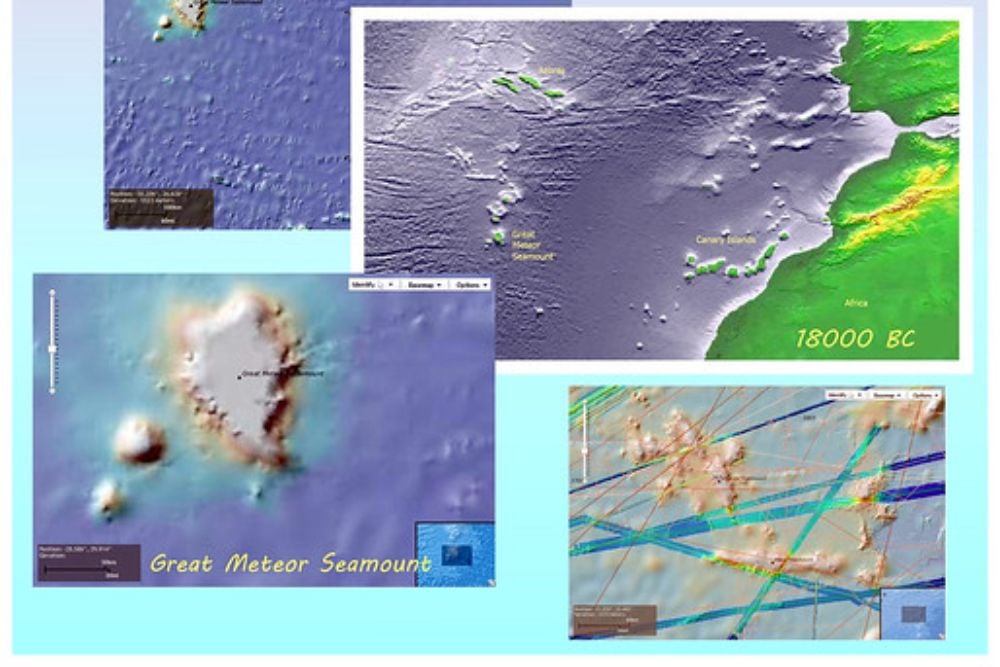
Great Meteor Seamount

This completely submerged mountain in the Atlantic Ocean rises about 14,900 feet from the ocean floor but remains roughly 900 feet below the water’s surface. Its total height measures approximately 20,800 feet from base to peak.
Research indicates this seamount formed over a hotspot in Earth’s mantle, similar to the Hawaiian islands, but never accumulated enough volcanic material to emerge above the waves.
Loihi Seamount

Southeast of Hawaii’s Big Island lies Loihi, an active underwater volcano currently about 10,000 feet tall yet still approximately 3,000 feet short of breaking the ocean surface. With a total height of around 20,500 feet, this submarine mountain represents Hawaii’s youngest volcano and continues growing with each eruption.
Geologists predict it’ll eventually emerge as Hawaii’s newest island, though this transformation requires another 10,000 to 100,000 years of volcanic activity.
Davidson Seamount

Off central California’s coast, Davidson Seamount rises about 7,480 feet from the seafloor while its summit stays 4,101 feet below the surface. Its total height reaches approximately 20,100 feet, which would easily surpass Everest if underwater segments counted toward official measurements.
Marine biologists often describe its unique profile as resembling ‘an aircraft carrier’ thanks to its flat top and steep sides—architectural features created by ancient volcanic processes.
Beyond Surface Impressions
Our perception of Earth’s most magnificent mountains shifts dramatically when considering their full dimensions rather than just their visible portions. These colossal formations, many born from volcanic activity, showcase the extraordinary scale of geological forces that have shaped our planet across millions of years.
While Everest maintains its status as the highest point above sea level, these hidden oceanic giants remind us that some of nature’s most impressive achievements remain concealed beneath vast waters, quietly awaiting scientific exploration and appreciation.
More from Go2Tutors!

- The Romanov Crown Jewels and Their Tragic Fate
- 13 Historical Mysteries That Science Still Can’t Solve
- Famous Hoaxes That Fooled the World for Years
- 15 Child Stars with Tragic Adult Lives
- 16 Famous Jewelry Pieces in History
Like Go2Tutors’s content? Follow us on MSN.