15 Movie Remakes That Outdid the Original
Hollywood has a tendency to dust off old stories, bring them back to life, and hope for the best.
It usually doesn’t.
Shinier, louder, but fundamentally hollow, remakes can seem like drab copies of the original.
But occasionally, a remake takes everyone by surprise.
It honors what came before while sharpening the story, upgrading the cast, and finding new emotional or visual depth that the first version never reached.
These movies rewrite history rather than merely reenact it.
Here’s a closer look at fifteen film remakes that succeeded in surpassing the originals and transforming well-known stories into contemporary masterpieces that can stand alone.
The Departed
In addition to adapting the Hong Kong crime thriller Infernal Affairs, Martin Scorsese’s 2006 film The Departed moved it to the gritty streets of Boston and added his trademark tension.
Jack Nicholson gave one of his final outstanding performances as the erratic mob boss Frank Costello, while Leonardo DiCaprio and Matt Damon gave nuanced performances as two men leading double lives.
The Departed increased the stakes and psychological complexity, while the original was still tight and fashionable.
It felt very Scorsese and very American at the same time, capturing themes of identity, loyalty, and deceit.
The Academy agreed; it won four Oscars, including Best Picture.
Ocean’s Eleven
The 1960 film Ocean’s Eleven, a casual heist with more swagger than substance, was more of a vanity project than a masterpiece.
Steven Soderbergh struck the ideal mix between charm, wit, and accuracy when he rebooted it in 2001.
The new cast had easy chemistry with George Clooney, Brad Pitt, and Matt Damon, and the script was full of slick jokes and deft turns.
The film, which was briskly edited and stylishly shot, became the benchmark for ensemble heist films.
Not only did it perform better than the original, but it also started a whole franchise and reinterpreted it for a new generation.
A Star Is Born
Few stories have been remade as often as A Star Is Born, but the 2018 version with Bradley Cooper and Lady Gaga hit a rare emotional sweet spot.
The earlier renditions—especially the 1954 Judy Garland version—were memorable, but Cooper’s directorial debut brought raw intimacy and stripped-down realism.
The chemistry between Cooper and Gaga felt lived-in and unforced, while the film’s music became a cultural phenomenon.
Songs like ‘Shallow’ captured heartbreak and ambition in equal measure, helping the movie resonate far beyond Hollywood.
It proved that even the oldest storylines can feel new again when told with sincerity.
The Fly
David Cronenberg’s 1986 The Fly turned a 1958 sci-fi curiosity into a tragic masterpiece of body horror.
Where the original relied on shock value and camp, Cronenberg focused on character and emotion.
Jeff Goldblum’s portrayal of a scientist slowly losing himself to his own experiment is heartbreaking and grotesque in equal measure.
Beneath the gruesome visuals lies a moving exploration of obsession, decay, and love tested by transformation.
It’s rare for horror to be both deeply human and viscerally disturbing—but The Fly achieved that balance effortlessly, cementing its status as one of the greatest remakes ever made.
The Thing
John Carpenter’s The Thing (1982) took the 1951 film The Thing from Another World and pushed it into darker, colder territory.
Gone was the campy alien-in-a-costume aesthetic; in its place came paranoia, isolation, and groundbreaking practical effects.
Set in an Antarctic research station, Carpenter’s version captured the terror of not knowing who—or what—to trust.
The original hinted at tension; the remake embodied it.
Though it wasn’t a box-office success at first, The Thing later gained cult-classic status and is now considered one of the most influential sci-fi horrors ever made.
Scarface
Scarface was already a seminal gangster movie from 1932, but Brian De Palma’s 1983 remake made it a cultural sensation.
Tony Montana, played by Al Pacino, came to represent ambition, greed, and failure.
The remake was louder, bloodier, and more unabashedly daring, substituting Miami’s cocaine-fueled excess for Chicago’s Prohibition-era excess.
Although it received mixed reviews when it was first released, it eventually became a key component of American popular culture.
Scarface was transformed into Scarface in De Palma’s film, not merely updated.
True Grit
The 1969 True Grit is remembered mostly for John Wayne’s swagger and his Oscar-winning turn as Rooster Cogburn.
But the Coen brothers’ 2010 version leaned closer to Charles Portis’s original novel, offering sharper dialogue and a grittier tone.
Jeff Bridges delivered a more nuanced, broken version of Cogburn, while Hailee Steinfeld’s breakout performance as Mattie Ross gave the story emotional grounding and bite.
With its faithful storytelling and breathtaking cinematography, the remake felt less like a do-over and more like a restoration of what the story was always meant to be.
Casino Royale
When Casino Royale hit theaters in 2006, James Bond was on the verge of becoming a parody of himself.
Then Daniel Craig walked out of the sea, and everything changed.
Based on Ian Fleming’s first Bond novel, Casino Royale had been adapted before in 1967—but that earlier version was a campy comedy.
The 2006 reboot grounded Bond in realism and vulnerability, stripping away the gadgets and quips to reveal the man beneath the tuxedo.
It redefined the franchise with grit and emotional depth, setting a new gold standard for modern spy films.
Little Women
Greta Gerwig’s 2019 Little Women stands as both a faithful adaptation and a quietly revolutionary one.
Louisa May Alcott’s beloved novel has seen many versions, but Gerwig’s nonlinear storytelling gave the material new resonance.
The 1994 version remains charming, yet the 2019 film layered it with commentary on authorship, independence, and the blurred lines between fiction and memory.
Saoirse Ronan’s Jo March felt modern without betraying her roots, and the entire ensemble brought warmth and authenticity to a story that continues to evolve with every generation.
The Jungle Book

Disney’s 1967 animated The Jungle Book was playful and musical, but Jon Favreau’s 2016 live-action remake added emotional heft and visual realism that made it feel like an epic adventure.
Using groundbreaking CGI and motion capture, Favreau created a believable jungle world while preserving the charm of the original songs.
The new version emphasized themes of belonging and courage more deeply, giving Mowgli’s journey real emotional weight.
It wasn’t just nostalgia—it was rebirth through technology and storytelling finesse.
Dawn of the Dead
George A. Romero’s 1978 Dawn of the Dead is a cornerstone of zombie cinema, yet Zack Snyder’s 2004 remake brought a jolt of adrenaline to the genre.
Faster zombies, a more dynamic setting, and modern pacing transformed the social satire of the original into high-octane survival horror.
Snyder’s version respected Romero’s legacy while pushing it into new territory, blending action and terror in a way that appealed to contemporary audiences without losing its underlying commentary on consumerism and fear.
Invasion of the Body Snatchers
The 1956 original terrified audiences with its Cold War paranoia, but the 1978 remake took that unease and turned it up several notches.
Set in San Francisco, Philip Kaufman’s version used a creeping sense of dread and stellar performances from Donald Sutherland and Brooke Adams to make the horror feel inescapable.
The practical effects and eerie sound design made the story of humanity being replaced by emotionless duplicates even more unsettling.
The result was a rare case of a remake becoming the definitive version of the story.
The Italian Job
Although Michael Caine’s 1969 Italian Job is unquestionably entertaining, the 2003 version skillfully and stylishly brought the idea into the twenty-first century.
A sleek heist thriller driven by charisma and choreography was delivered by Mark Wahlberg, Charlize Theron, and Edward Norton.
The classic Mini Cooper chase was adapted for contemporary audiences, and the cast’s camaraderie gave the movie a vitality that went beyond nostalgia.
Although it wasn’t groundbreaking, it demonstrated that a remake could honor the essence of the original while still finding its own beat.
The Parent Trap
The 1961 Parent Trap was a wholesome Disney hit, but Nancy Meyers’s 1998 version gave the story a new sparkle.
Lindsay Lohan’s dual performance as long-lost twins Hallie and Annie remains one of the most impressive child-acting debuts in film history.
The script added emotional realism, heartwarming humor, and genuine family warmth that resonated across generations.
It was the same premise—a pair of twins trying to reunite their divorced parents—but executed with sharper dialogue, better pacing, and a timeless charm that made it one of the most beloved remakes in family cinema.
Dune
David Lynch’s 1984 Dune was ambitious but famously uneven, bogged down by studio interference and overstuffed exposition.
When Denis Villeneuve revisited Frank Herbert’s novel in 2021, he succeeded where others stumbled.
Villeneuve’s Dune balanced scale and subtlety, crafting a world that felt ancient, sacred, and believable.
The visuals were breathtaking, the performances measured and powerful, and the sound design immersive enough to make audiences feel transported to Arrakis.
Where the original struggled under the weight of its own mythology, the remake soared with clarity and confidence.
Why It Still Matters
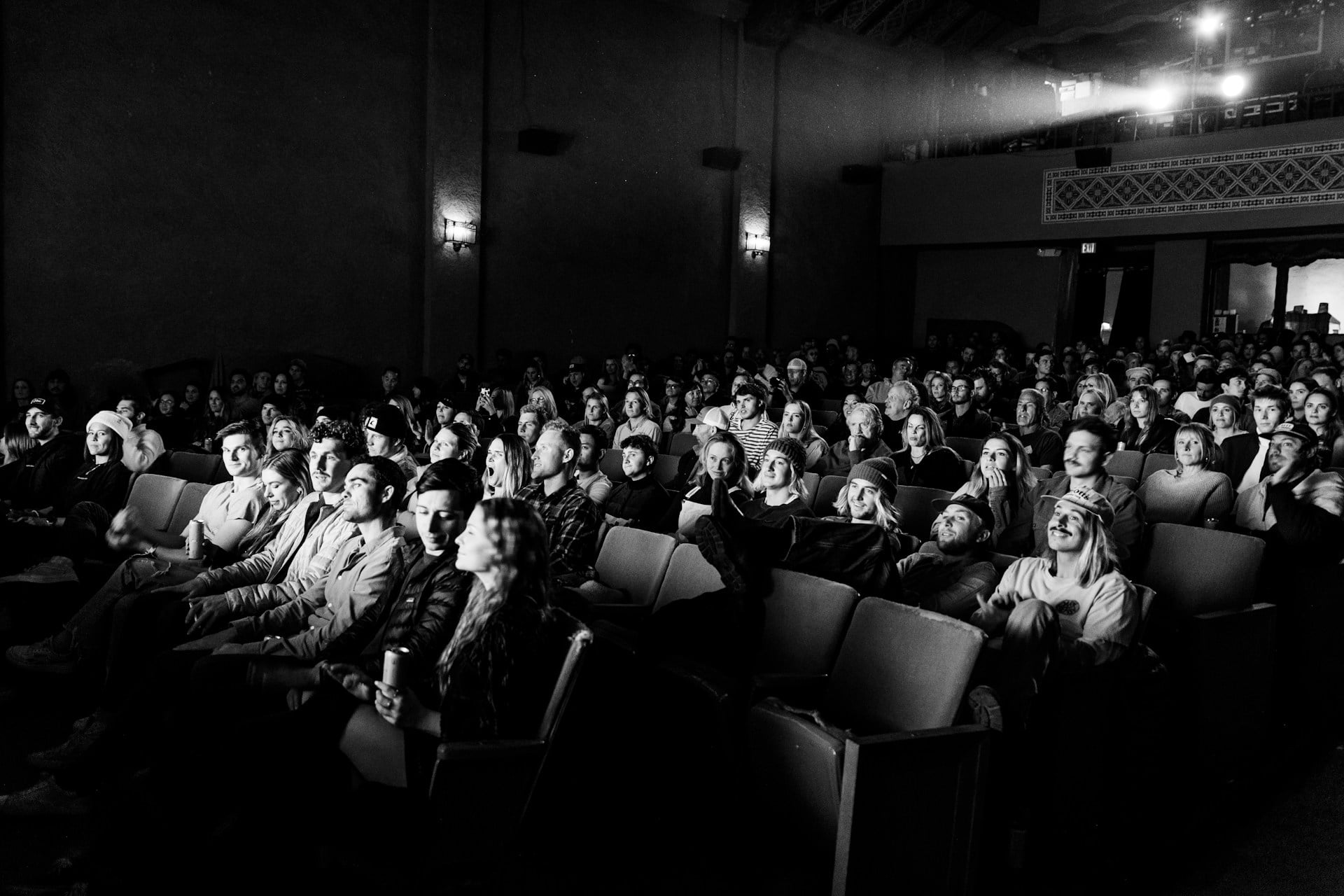
The negative perception of remakes is common, and occasionally it is accurate.
But when handled with honor, vision, and purpose, they remind us why some stories never go out of style.
As all of these films demonstrate, art need not remain static; it can evolve, adapt, and reach new audiences without losing its essence.
Whether it’s Scorsese’s morally complex gangsters or Gerwig’s fiercely modern Jo March, these filmmakers did more than simply recreate history—they altered it.
They showed that cinematic reinvention can be a form of originality in and of itself when done well.
More from Go2Tutors!

- The Romanov Crown Jewels and Their Tragic Fate
- 13 Historical Mysteries That Science Still Can’t Solve
- Famous Hoaxes That Fooled the World for Years
- 15 Child Stars with Tragic Adult Lives
- 16 Famous Jewelry Pieces in History
Like Go2Tutors’s content? Follow us on MSN.