15 Movie Scenes That Started Fashion Trends
Movies have always been more than just entertainment — they’re style laboratories where fashion gets tested, refined, then launched into the real world. Sometimes a single scene can transform how an entire generation dresses, turning movie costumes into wardrobe staples that outlast the films themselves.
The most powerful fashion moments in cinema happen when the right outfit meets the right character at the perfect cultural moment. Here is a list of 15 movie scenes that didn’t just showcase great style — they created movements that had people rushing to stores to recreate the looks.
Breakfast at Tiffany’s Opening Scene

The black satin Givenchy dress, opera gloves, pearls, and sunglasses Audrey Hepburn wore in the opening credits of 1961’s Breakfast at Tiffany’s became one of cinema’s most copied looks. Holly Golightly’s elegant window shopping scene established the little black dress as the ultimate symbol of sophisticated style.
While Coco Chanel originally created the concept in the 1920s, Hepburn’s version became the gold standard that women still reference today.
Pretty Woman’s Rodeo Drive Shopping Scene
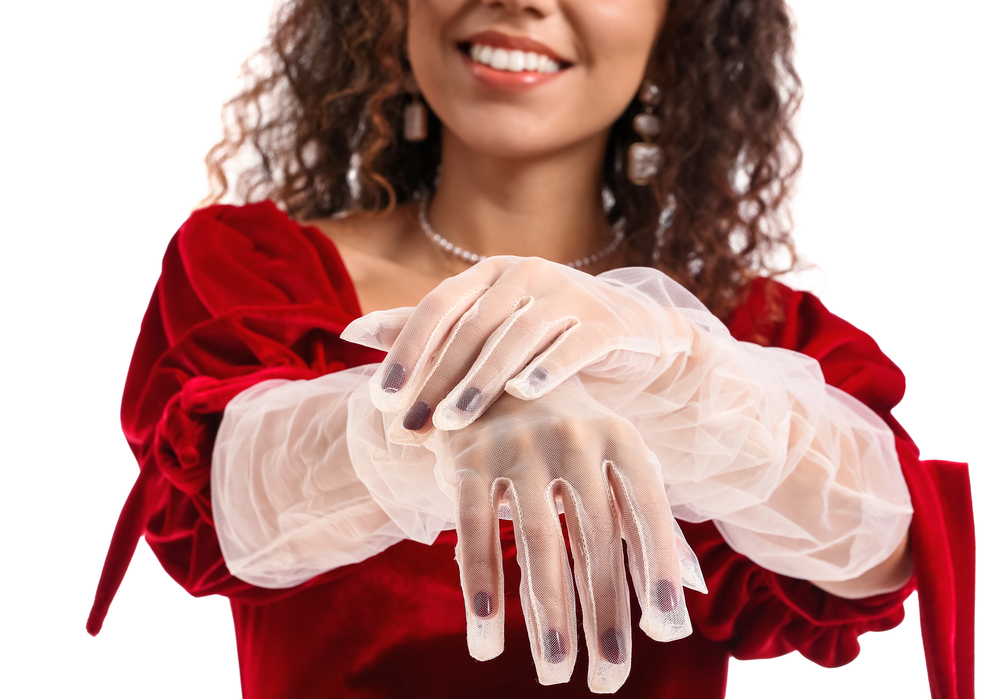
Julia Roberts’ transformation from street-smart survivor to elegant society woman created an instant fashion phenomenon. Her red opera dress with white gloves became the template for formal glamour — countless women copied this look for special occasions.
The scene proved that the right outfit could completely change how people perceive you, plus how you perceive yourself.
Like Go2Tutors’s content? Follow us on MSN.
Clueless’s Computerized Closet Scene

Alicia Silverstone’s character Cher introduced the world to coordinated outfits through her high-tech closet system. The yellow plaid ensemble she selected became synonymous with ’90s prep style, inspiring teenagers everywhere to embrace bright colors and matching sets.
Cher’s approach to fashion as self-expression resonated far beyond Beverly Hills.
Flashdance’s Off-the-Shoulder Sweatshirt Scene

Jennifer Beals taking off her bra without removing her off-the-shoulder sweater in the 80s film Flashdance created one of the decade’s most copied looks. The slouchy, oversized sweatshirt worn off one shoulder became a workout and casual wear staple.
Women everywhere started cutting necklines — wearing sweatshirts in ways that would’ve seemed sloppy before the film made it appealing.
Grease’s Leather Jacket Finale

Sandy’s transformation from sweet girl-next-door to leather-clad rebel in Grease’s finale made black leather jackets a must-have item for women. Olivia Newton-John’s tight black outfit with the iconic jacket showed how clothing could represent personal transformation.
The look became a symbol of female empowerment wrapped in rock-and-roll rebellion.
Like Go2Tutors’s content? Follow us on MSN.
The Matrix’s Black Leather Everything

The Matrix trilogy turned all-black outfits into a cultural statement about being different from mainstream society. Trinity’s sleek leather pants and fitted tops, combined with Neo’s long black coats, made gothic chic accessible to regular people.
The film’s costume design influenced everything from runway shows to street fashion — making black leather a symbol of cool sophistication.
Dirty Dancing’s Off-the-Shoulder Finale Dress

Jennifer Grey’s pink off-the-shoulder dress in Dirty Dancing’s climactic dance scene started a trend that lasted for years. The romantic, flowing style became the go-to look for proms plus special occasions throughout the late ’80s and early ’90s.
The dress perfectly captured the film’s theme of coming-of-age romance and feminine confidence.
Top Gun’s Aviator Sunglasses Scene

Tom Cruise’s Ray-Ban aviator sunglasses in Top Gun didn’t just accessorize his character — they became a cultural phenomenon. The film’s opening scene of pilots walking in slow motion while wearing aviators made these sunglasses the coolest accessory a person could own.
Sales of aviator sunglasses skyrocketed, and they remain a timeless style choice decades later.
Like Go2Tutors’s content? Follow us on MSN.
Risky Business’s Dress Shirt and Underwear Scene

Tom Cruise’s casual combination of a white dress shirt, underwear, and socks in Risky Business created an unexpectedly influential look. The scene showed how formal pieces could be worn in relaxed, unconventional ways.
Young people started incorporating dress shirts into their casual wardrobes — wearing them untucked and unbuttoned as a style statement.
Saturday Night Fever’s Three-Piece Suit Scene

John Travolta’s white three-piece suit in Saturday Night Fever brought disco fashion to mainstream America. The film’s dance floor scenes made polyester suits and wide lapels essential weekend wear for young men.
The outfit became so iconic that it defined an entire era of nightlife fashion, proving that movie costumes could influence how people dressed for fun.
Annie Hall’s Menswear-Inspired Outfits
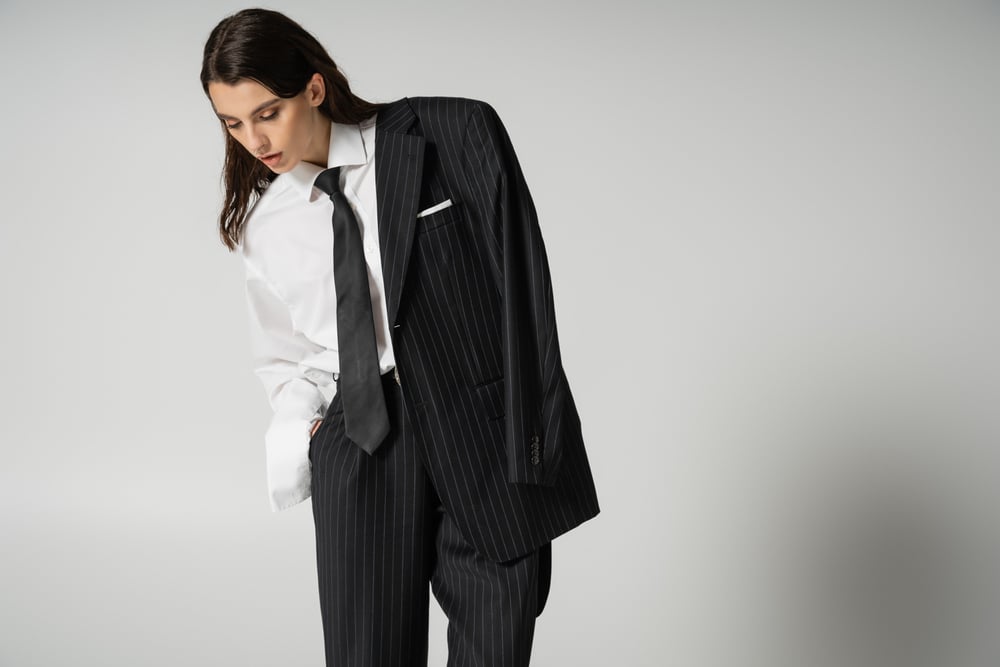
Diane Keaton’s character Annie Hall revolutionized women’s fashion by wearing men’s clothing in a feminine way. Her oversized blazers, vests, and ties showed women they could borrow from men’s wardrobes without losing their femininity.
The androgynous style became a powerful fashion statement that influenced how women dressed for work and play.
Like Go2Tutors’s content? Follow us on MSN.
Pulp Fiction’s Black Suit and Tie Scene

John Travolta and Samuel L. Jackson’s matching black suits in Pulp Fiction made the classic gangster look cool again for a new generation. The film’s retro styling influenced men’s formal wear throughout the ’90s, bringing back slim-cut suits and narrow ties.
The characters’ sharp dress sense became part of their dangerous appeal.
Ghost’s Pottery Scene Outfit

Demi Moore’s simple tank top and jeans in Ghost’s famous pottery scene proved that the most appealing outfits could be the most basic ones. The scene’s raw intimacy made casual, form-fitting clothing seem more desirable than elaborate outfits.
Women started choosing simpler, more natural looks that emphasized comfort and authenticity.
Legally Blonde’s Pink Outfits

Reese Witherspoon’s character Elle Woods made pink a power color through her extensive wardrobe of pink outfits. The film challenged stereotypes about feminine dressing, showing that wearing pink could be both stylish and intelligent.
Pink became a statement color that women embraced to show strength rather than just sweetness.
Like Go2Tutors’s content? Follow us on MSN.
The Devil Wears Prada’s Cerulean Sweater Scene
Meryl Streep’s character Miranda Priestly’s explanation of how fashion trickles down from high-end designers to discount stores became a cultural moment that made people think differently about clothing. The scene itself didn’t create a specific trend, yet it made audiences more aware of fashion’s influence on their daily lives.
The film elevated appreciation for designer clothing and the fashion industry’s creative process.
When Hollywood Becomes Your Stylist

These movie scenes prove that cinema has always been fashion’s most powerful marketing tool — turning costume choices into cultural movements that shape how we dress for decades. What started as character development through clothing evolved into a direct pipeline from Hollywood to Main Street, with audiences eager to adopt the styles that made their favorite characters so memorable.
Today’s fashion landscape still bears the influence of these iconic moments, showing that great movie fashion never really goes out of style.
More from Go2Tutors!

- 16 Historical Figures Who Were Nothing Like You Think
- 12 Things Sold in the 80s That Are Now Illegal
- 15 VHS Tapes That Could Be Worth Thousands
- 17 Historical “What Ifs” That Would Have Changed Everything
- 18 TV Shows That Vanished Without a Finale
Like Go2Tutors’s content? Follow us on MSN.