Rockstars Who Died Before 40
The music world has lost some of its brightest talents far too early. These artists created sounds that defined generations, but they never made it to middle age.
Some died from accidents, others from overdoses or health problems that spiraled out of control. Their deaths left behind unfinished albums, canceled tours, and fans wondering what could have been.
Jimi Hendrix at 27
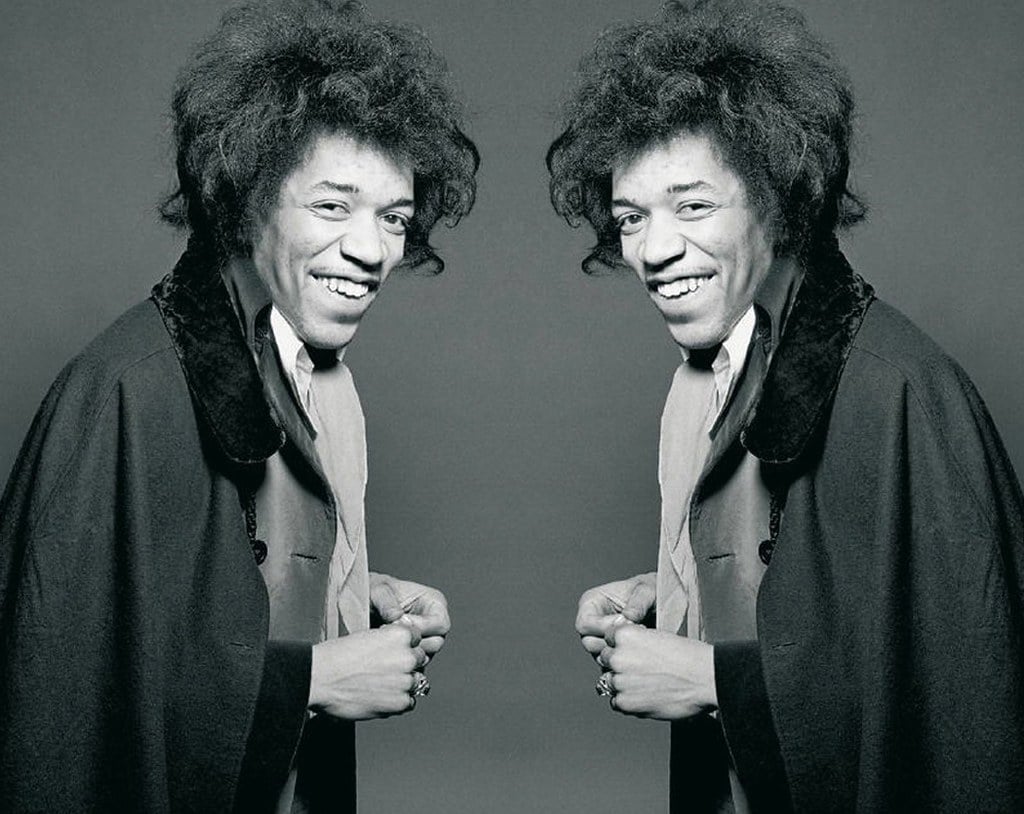
Hendrix reinvented what a guitar could do. He made the instrument scream and whisper, bending notes in ways nobody had heard before.
His performances at Woodstock and Monterey Pop became legendary. But he died in London in 1970, choking in his sleep after mixing wine with sleeping pills.
Just 27 years old, at the peak of his creativity. He’d been famous for only four years.
Janis Joplin at 27

Joplin’s voice could tear through a wall. Raw, emotional, powerful in a way that female singers weren’t supposed to be in the 1960s.
She sang blues with absolute conviction, making audiences believe every word. Heroin took her life in October 1970, just weeks after Hendrix died.
She was recording her album “Pearl” and never got to finish it. The music industry lost one of its most distinctive voices.
Jim Morrison at 27
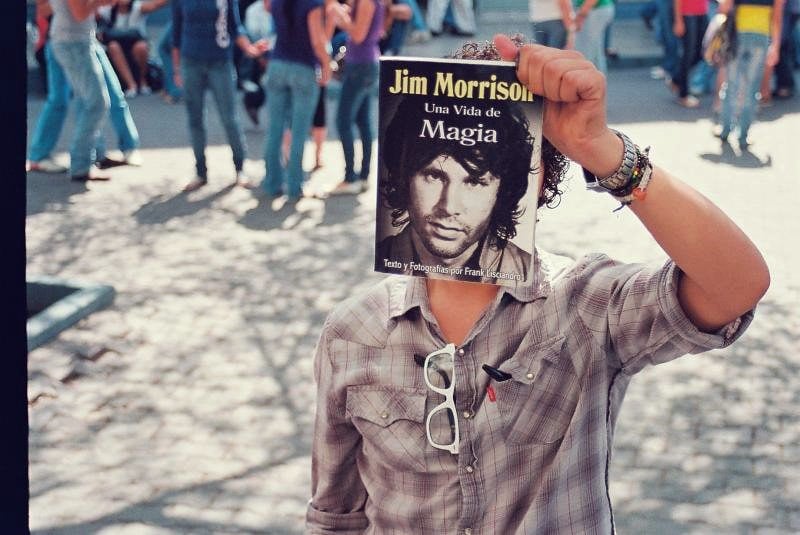
The Doors’ frontman blended poetry with rock music, creating something dark and hypnotic. Morrison’s lyrics explored death, desire, and altered consciousness.
He was unpredictable on stage, sometimes brilliant and sometimes incoherent. His body was found in a Paris bathtub in 1971.
The official cause was heart failure, but no autopsy was performed. He was 27, and the mystery around his death has never been fully resolved.
Kurt Cobain at 27
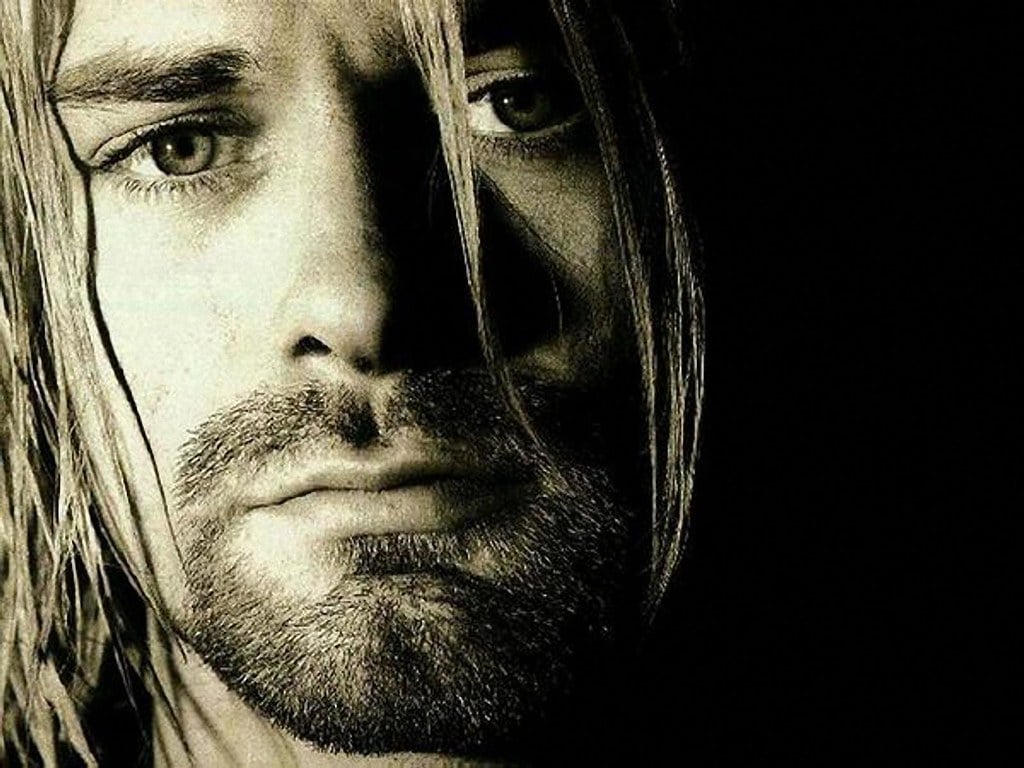
Cobain didn’t want to be famous. Nirvana’s success with “Nevermind” made him uncomfortable, and he struggled with the attention and expectations.
His music spoke to a generation feeling alienated and angry. Depression and chronic pain haunted him for years.
In April 1994, he took his own life at his Seattle home. The music world lost its reluctant voice of Generation X.
Amy Winehouse at 27

Winehouse had a voice that belonged to another era. Jazz, soul, and R&B flowed through her naturally. “Back to Black” showcased her incredible talent, but her personal struggles played out in public.
Alcohol abuse destroyed her health over several years. She died in her London home in 2011 from alcohol poisoning.
Another member of the 27 Club, another talent gone too soon.
John Bonham at 32
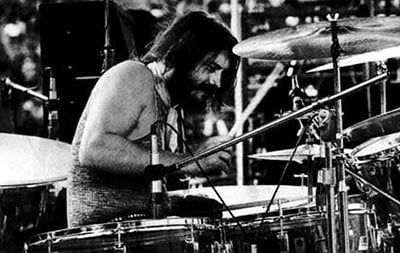
Led Zeppelin’s drummer was a force of nature behind the kit. His style combined power and precision in ways that influenced every rock drummer who came after.
The band was one of the biggest in the world, but Bonham’s drinking had gotten out of control. He died in his sleep after consuming massive amounts of alcohol during a rehearsal day in 1980.
Led Zeppelin disbanded shortly after, unable to continue without him.
Mama Cass at 32
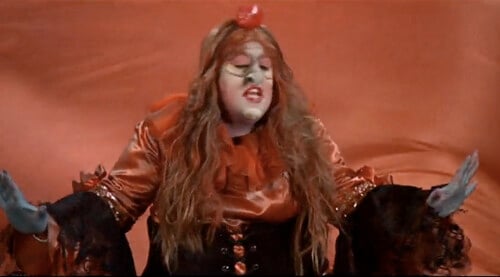
Cass Elliot’s voice anchored The Mamas & The Papas. She had range, warmth, and the ability to make harmonies feel effortless.
After the band split, she built a solo career and was working toward a comeback. She died in London in 1974 from heart failure.
Years of crash dieting and weight fluctuations had damaged her heart. The rumor about choking on a sandwich was never true, but it overshadowed her actual legacy for years.
Hillel Slovak at 26

The original Red Hot Chili Peppers guitarist helped create their funk-rock sound. His playing was melodic and soulful, giving the band depth beyond their punk energy.
Heroin addiction derailed his career multiple times. He’d get clean, record with the band, then relapse.
In 1988, he overdosed in his Hollywood apartment. The band considered breaking up but decided to continue as a tribute to him.
Duane Allman at 24
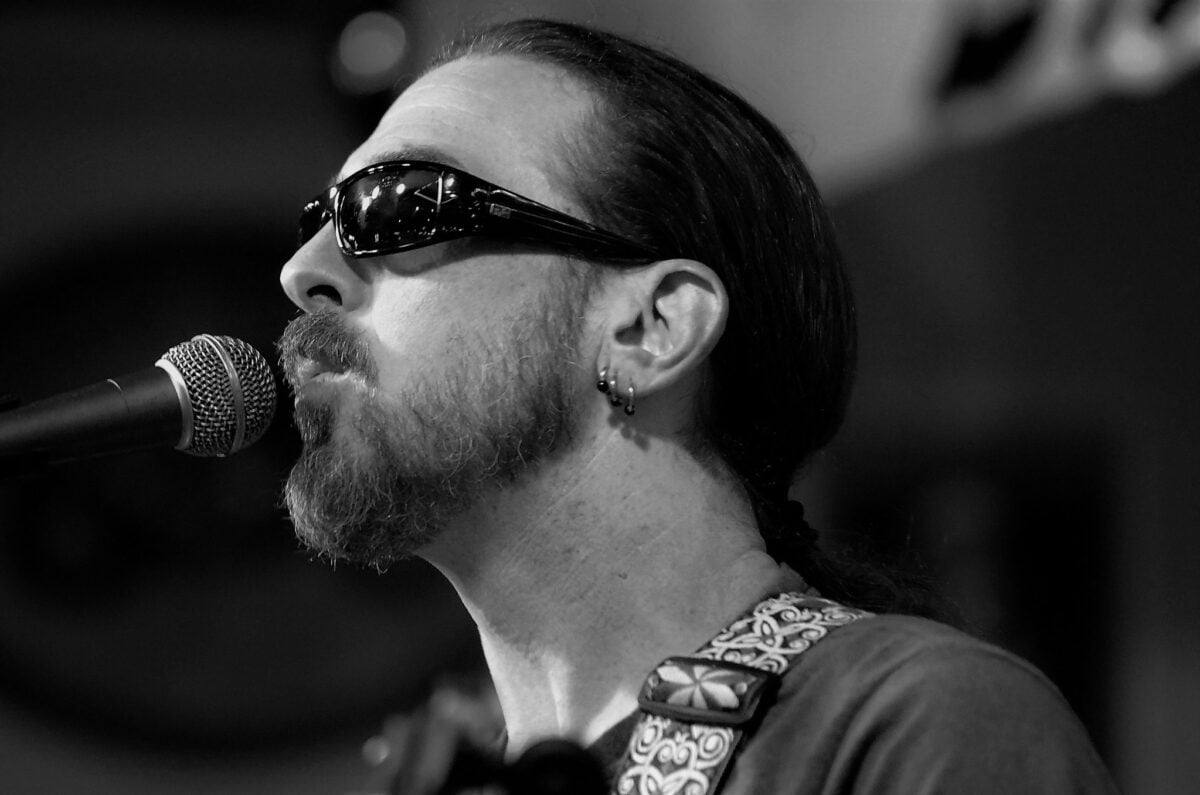
The Allman Brothers Band was taking off when their guitarist crashed his motorcycle in Macon, Georgia. Allman was a slide guitar virtuoso, creating sounds that defined Southern rock. The crash happened on a regular afternoon in October 1971.
He swerved to avoid a truck, lost control, and died from his injuries hours later. The band had just started reaching a wider audience.
His brother and bandmate were left to carry on without him.
Gram Parsons at 26
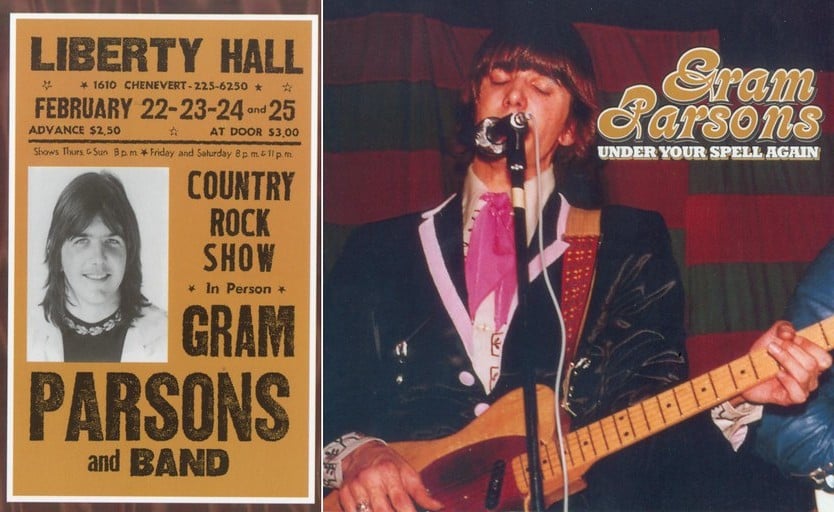
Parsons pioneered country rock, blending honky-tonk with psychedelic influences. He worked with The Byrds and The Flying Burrito Brothers, creating music that influenced countless artists.
His drug use was constant and destructive. In September 1973, he overdosed on morphine and alcohol in a California motel room.
His road manager later stole his body and burned it in the desert, claiming Parsons had wanted a desert funeral. The whole story is bizarre and sad.
Randy Rhoads at 25
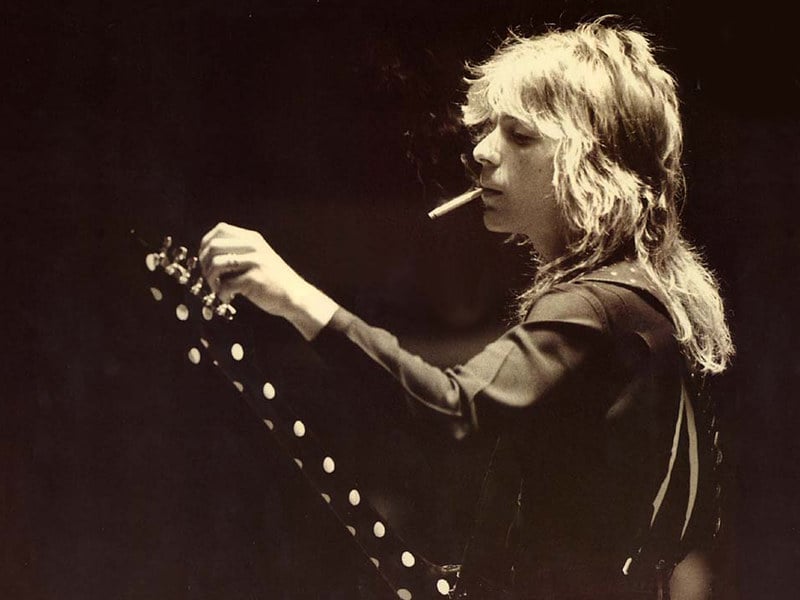
Rhoads was Ozzy Osbourne’s guitarist, bringing classical influences and technical brilliance to heavy metal. He practiced constantly, always trying to improve.
“Blizzard of Ozz” and “Diary of a Madman” showcased his incredible talent. In March 1982, the tour bus stopped in Florida.
The bus driver decided to take a small plane up with Rhoads and the makeup artist. The pilot buzzed the bus multiple times, clipped it on a pass, and crashed into a mansion.
Everyone on the plane died instantly. Rhoads was just starting to show what he could do.
Selena at 23

Selena was bringing Tejano music to mainstream audiences, crossing language and cultural barriers. She had charisma, an incredible stage presence, and a voice that could handle anything.
Her clothing line and other business ventures were taking off. In March 1995, the president of her fan club shot her at a Texas motel.
Selena tried to escape but died from blood loss. She was on the verge of huge crossover success.
Buddy Holly at 22
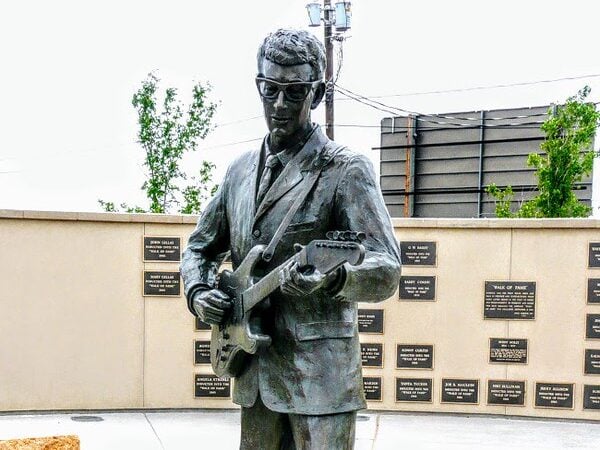
Holly stayed in the spotlight just eighteen months before his plane went down. He shaped rock and roll by crafting songs that ruled the end of the 1950s.
That tour with Ritchie Valens and The Big Bopper? It wore everyone out – buses freezing up, always on the blink. So he booked a tiny aircraft to reach the following gig.
The aircraft crashed into a field of corn in Iowa during February ’59. Everyone on board, including the trio of performers, didn’t survive.
Years after, Don McLean referred to the event as “the day the music died” in his song “American Pie.”
What Gets Lost

Talent comes when it feels like it. Some performers created heavy tunes – sounds that punched through, changed scenes, or outlasted guesses. But plenty were young people dealing with pressure, drugs, mental fights – all on their own, back then no support around.
Every death wiped out thoughts gone for good – songs never cut, albums dumped, gigs scrapped. Their trace stays – not in news stories but in guitar licks, vibes, the way bands twist sound into something raw.
They switched up the tunes despite having little time. It’s rough wondering what else could’ve come if they’d lived longer.
More from Go2Tutors!

- The Romanov Crown Jewels and Their Tragic Fate
- 13 Historical Mysteries That Science Still Can’t Solve
- Famous Hoaxes That Fooled the World for Years
- 15 Child Stars with Tragic Adult Lives
- 16 Famous Jewelry Pieces in History
Like Go2Tutors’s content? Follow us on MSN.



