15 Mysterious Objects Inside Ancient Egyptian Tombs
Hidden beneath desert sands, ancient Egypt keeps giving up strange secrets. Open a tomb after millennia, you might pull out things nobody really understands.
Not just jars or necklaces – some finds are odd enough to fuel arguments among scholars for years on end. Curiosity lingers long after the dust settles.
Out past the shiny masks and wrapped bodies lies what truly grabs attention. Hidden inside those old tombs? A few oddities nobody saw coming.
The Unfinished Obelisk

Lying within a quarry near Aswan, an unfinished obelisk waits, trapped beneath the earth. At nearly 137 feet high, its weight would have reached roughly 1,200 tons – had laborers completed their work.
Yet fissures began spreading through the hard granite during shaping, which caused builders to walk away mid-task. Because of those abandoned efforts, today we can see clear tool trails etched into stone, revealing old methods up close.
Such scale leaves present-day experts puzzled when imagining how transport was ever intended.
Wooden Models Of Everyday Life
Inside King Tutankhamun’s burial chamber rested many small carved wood figures caught mid-motion – kneading dough, tending crops, shaping timber. Not playthings, these were careful likenesses of laborers at work.
When buried, they carried purpose: meant to awaken beyond death and act on his behalf. One scene captures blades slicing through animal flesh, another shows men hunched over unfinished chairs.
Imagine walking into a moment from three millennia past, preserved without breath or sound. Time stopped, yet movement remains.
The Canopic Jars

Inside those unique vessels went the preserved person’s inner parts, yet every pot wore its own distinct cover modeled after a face. Instead of matching one another, the tops stood for Horus’ four offspring – one showing a man above the liver, a baboon overseeing the lungs, a jackal guarding the belly, while a hawk watched the gut.
Left behind within the frame, the heart remained since belief said it guided passage beyond death. When uncovered whole, such pots hand clues to researchers, revealing how body treatment mattered and what physical pieces meant in Egyptian eyes.
Ancient Board Games
Inside several burial chambers, like the one belonging to King Tut, archaeologists found Senet boards – proof of how widely enjoyed this pastime once was across old Egyptian society. Laid out in three lines totaling thirty spaces, the layout guided player tokens forward depending on random results from tossed casting sticks or animal bones.
Believed by certain experts to mirror spiritual progress, the match might have stood for a soul’s passage after death into hidden realms below. On tomb walls linked to Queen Nefertari, artwork captures her mid-game, facing unseen partners across the grid.
Though exact guidelines vanished long ago, today’s researchers pieced together possible ways to play using clues from murals and old inscriptions. With gaps remaining, interpretations rely heavily on visual hints carved centuries in the past.
Prosthetic Toes

Found near mummies, oversized toe attachments turned out to be more than decoration. Walking had likely worn down the Cairo Toe, built from layers of wood bound with leather.
Instead of sitting still, that one supported movement during life. The Greville Chester example took shape from hardened cloth strips coated in glue – much like molded paper pulp.
People testing replicas later managed steps without tripping, moving smoother than expected. Such working aids existed far earlier than experts once believed.
Shabti Figures

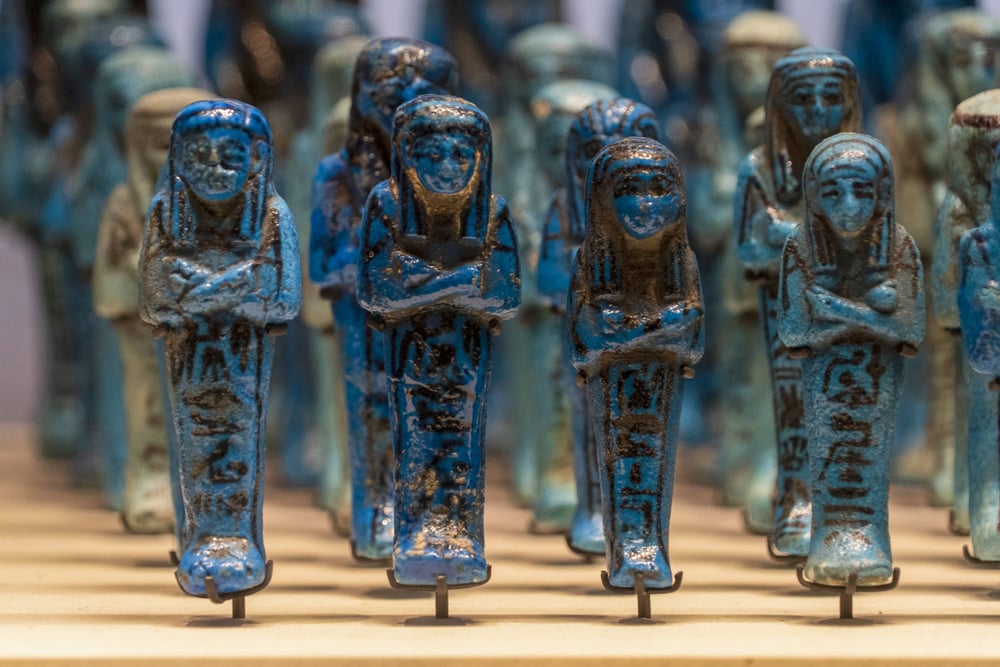
These small statues were like servants for the afterlife, and some tombs contained hundreds of them. King Tut’s tomb had 413 shabtis, each designed to do a specific job.
The idea was that if the gods called on the deceased to do farm work or other labor in the afterworld, these figures would spring to life and do it instead. Rich Egyptians packed their tombs with as many shabtis as they could afford.
The figurines often had tiny tools carved into their hands, ready for whatever tasks might come up.
Mummified Animals
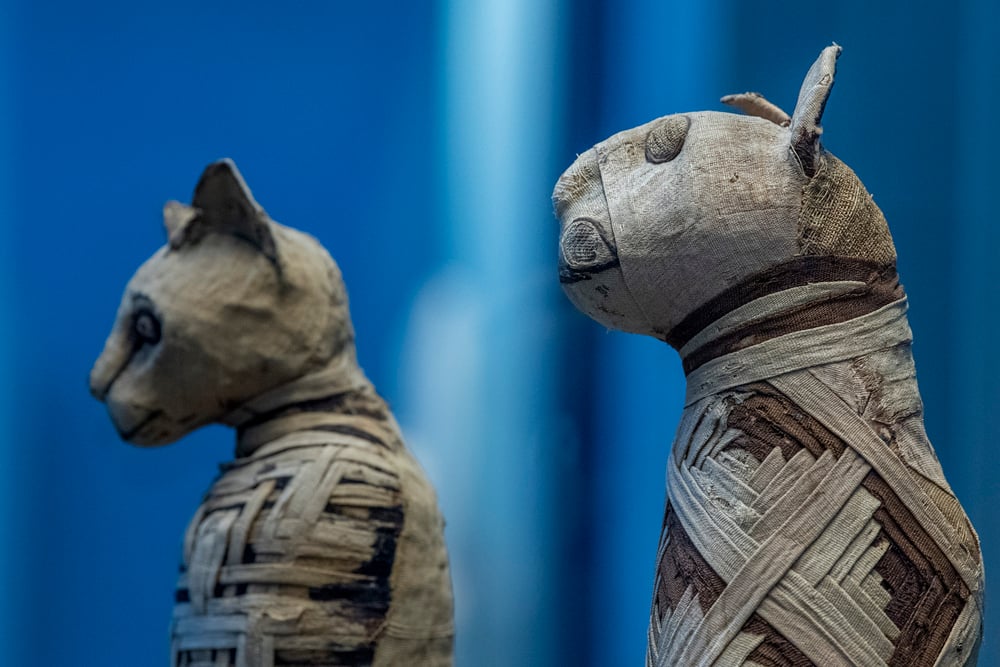
Cats, dogs, birds, crocodiles, and even bulls were mummified and placed in tombs alongside people. Some were beloved pets meant to keep their owners company forever.
Others were offerings to specific gods, like ibises for Thoth or cats for Bastet. Archaeologists once found a tomb containing over four million mummified ibis birds at Saqqara.
The practice was so common that ancient Egypt had entire industries dedicated to breeding and mummifying animals. Some of these animal mummies are so well preserved that scientists can still study their DNA today.
The Book Of The Dead
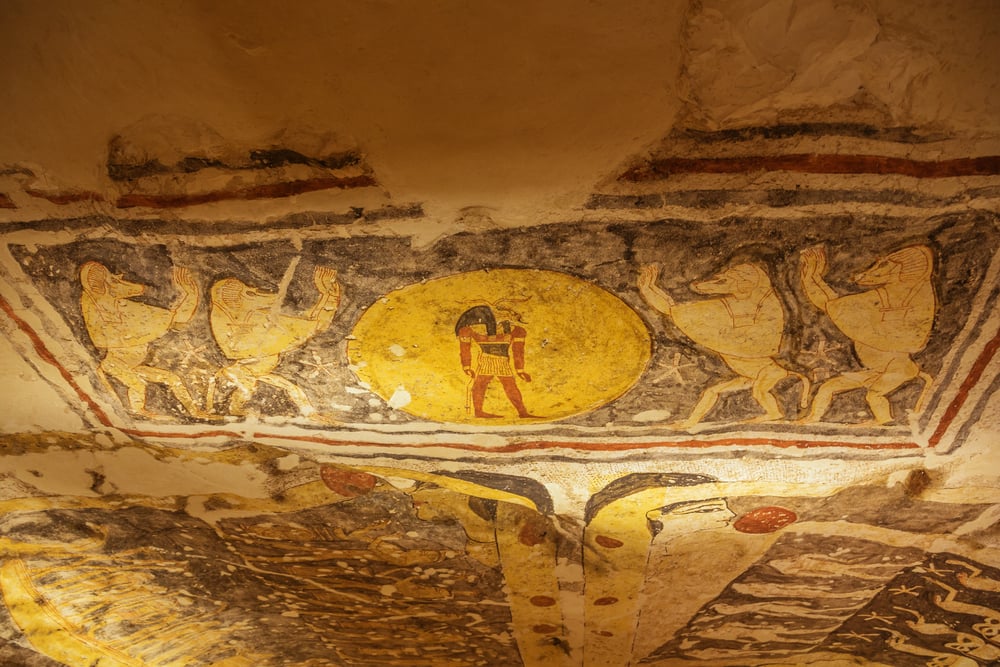
These weren’t actually books but long papyrus scrolls covered in spells and instructions. Each scroll was custom made for the deceased, with their name inserted into the text.
The spells were supposed to help the dead person navigate dangers in the underworld and pass judgment before Osiris. Some versions were over 90 feet long and included colorful illustrations.
Wealthier Egyptians got longer, fancier versions with more spells, while poorer people might only afford a few passages.
Golden Sandals

Tutankhamun’s tomb contained several pairs of shoes, including sandals made from solid gold. These weren’t meant for walking but for the king to wear in the afterlife.
The craftsmanship is incredible, with detailed patterns pressed into the metal. Some sandals even had images of Egypt’s enemies on the soles, so the pharaoh could symbolically walk on them forever.
Finding footwear in tombs tells researchers about fashion, social status, and beliefs about what someone might need after death.
Headrests

Instead of soft pillows, ancient Egyptians used curved wooden or stone headrests that look wildly uncomfortable. These hard pillows were supposed to keep the head elevated and protect the hairstyle while sleeping.
Many headrests found in tombs have prayers or protective spells carved into them. Some were made from expensive materials like ivory or alabaster for wealthy individuals.
The design seems strange to modern people, but Egyptians used them every night and clearly wanted them for the afterlife too.
Cosmetic Containers

Tubes, jars, and palettes for makeup show up frequently in tombs, filled with ancient cosmetics. Both men and women in Egypt wore heavy eye makeup made from ground minerals like malachite and galena.
The containers themselves were often shaped like animals or decorated with intricate designs. Some still contained traces of the original makeup after thousands of years.
Egyptians believed these cosmetics had protective properties beyond just making them look good, which is why they needed them for eternity.
Chariots
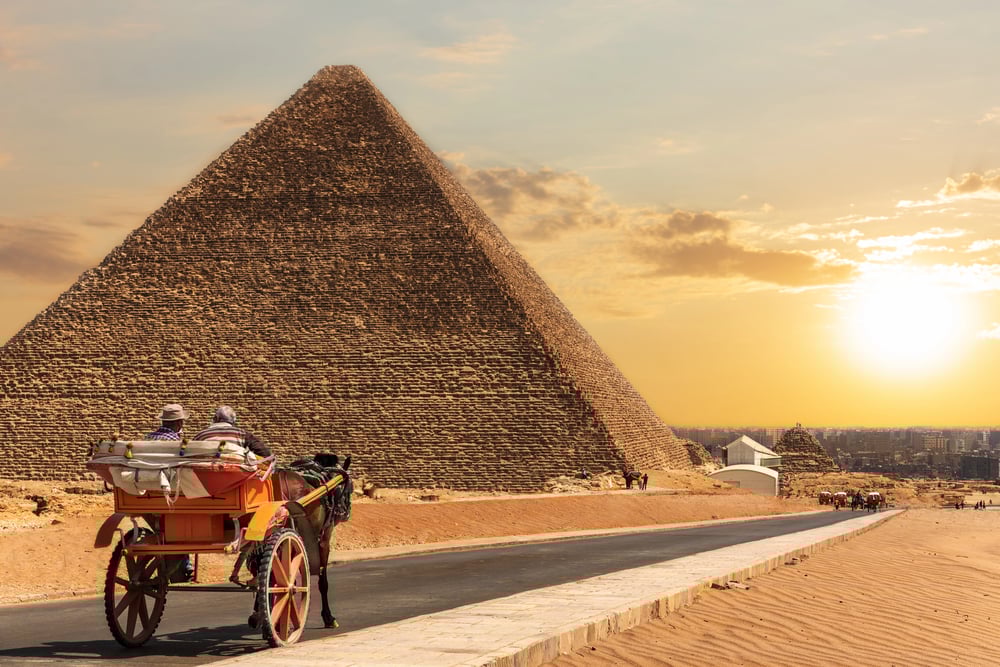
Full-sized chariots were dismantled and carefully placed in burial chambers, ready to be reassembled in the next world. These weren’t just decorative either, they were actual working vehicles with wheels, axles, and harnesses.
King Tut’s tomb held six chariots, some for ceremonies and others built for hunting or warfare. The wood was often covered in gold leaf and decorated with complex scenes.
Finding these vehicles helps historians understand ancient transportation and military tactics.
Magical Bricks
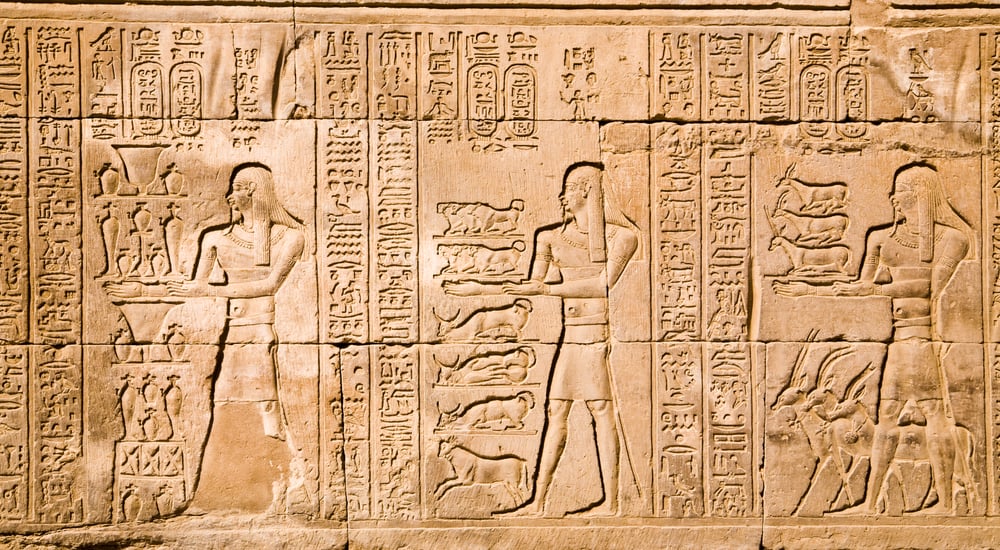
Four mud bricks were placed at the four cardinal points inside burial chambers, each with a different amulet or figure attached. These bricks were supposed to protect the tomb from evil spirits and intruders.
One might have a torch, another a mummiform figure, and so on. The practice was described in the Book of the Dead but wasn’t followed by everyone.
When archaeologists find these bricks in their proper positions, it shows the deceased or their family took the spiritual protection very seriously.
Stone Vessels

Thousands of stone jars, bowls, and containers have been found in tombs, carved from materials like alabaster, basalt, and diorite. Some were made before the pyramids even existed, passing down through generations before ending up in later tombs.
The craftsmanship required to hollow out hard stone with ancient tools is mind-blowing. Many still contained food offerings, oils, or perfumes.
The step pyramid complex of Djoser alone contained over 40,000 stone vessels in its underground chambers.
Reserve Heads
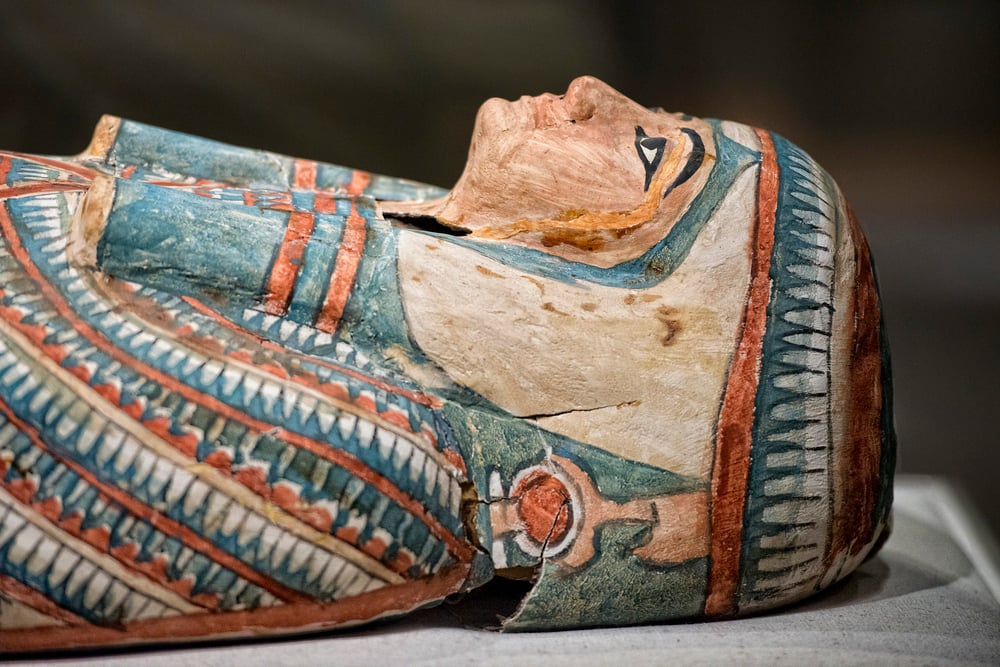
These limestone sculptures of human heads with no bodies remain one of Egypt’s biggest mysteries. Found mainly in Old Kingdom tombs, they’re incredibly lifelike with individual facial features.
Nobody knows exactly what they were for, though theories range from substitutes for the actual head if the mummy was damaged to representations of enemies or barriers against evil. Most were deliberately damaged in ancient times, with ears or other features chiseled off.
Only about 30 have ever been found, making them rare and puzzling discoveries.
Still Uncovering Secrets Today
Modern technology keeps revealing new information about items that have been sitting in museums for a century. CT scans show hidden details inside mummies and sealed containers without damaging them.
Chemical analysis identifies substances in ancient jars that have dried up completely. Even objects discovered decades ago still have stories to tell as science advances.
The tombs of ancient Egypt continue to challenge what we think we know about the past, proving that some mysteries are worth waiting thousands of years to solve.
More from Go2Tutors!

- The Romanov Crown Jewels and Their Tragic Fate
- 13 Historical Mysteries That Science Still Can’t Solve
- Famous Hoaxes That Fooled the World for Years
- 15 Child Stars with Tragic Adult Lives
- 16 Famous Jewelry Pieces in History
Like Go2Tutors’s content? Follow us on MSN.