17 Old Tricks for Finding Your Way Without a Compass
People used conventional knowledge and natural cues to navigate across landscapes before GPS and smartphone navigation were commonplace. For thousands of years, these antiquated navigational methods helped travelers stay on course.
They are still useful today, particularly in situations where contemporary technology malfunctions or batteries run out. Here are 17 tried-and-true ways to find your way around without a compass. Throughout human history, explorers, seafarers, and nomads have been led by these methods.
Watch the Sun’s Movement

The sun rises in the east and sets in the west. This fundamental pattern provides a reliable directional reference on clear days.
During midday, the sun sits in the southern sky for those in the northern hemisphere and in the northern sky for those in the southern hemisphere.
Use a Stick Shadow

Place a stick upright in the ground and mark where the tip of its shadow falls. Wait 15-20 minutes, then mark the new shadow position.
Draw a line between these points, and you’ve established an approximate east-west line. The first mark is always west of the second mark, regardless of your hemisphere.
Find the North Star

Polaris, the North Star, sits almost directly above the North Pole and remains fixed while other stars appear to rotate around it. Locate the Big Dipper constellation, then find the two stars forming the outer edge of its cup.
Draw an imaginary line through these stars and extend it about five times their distance to reach Polaris.
Notice Moss Growth
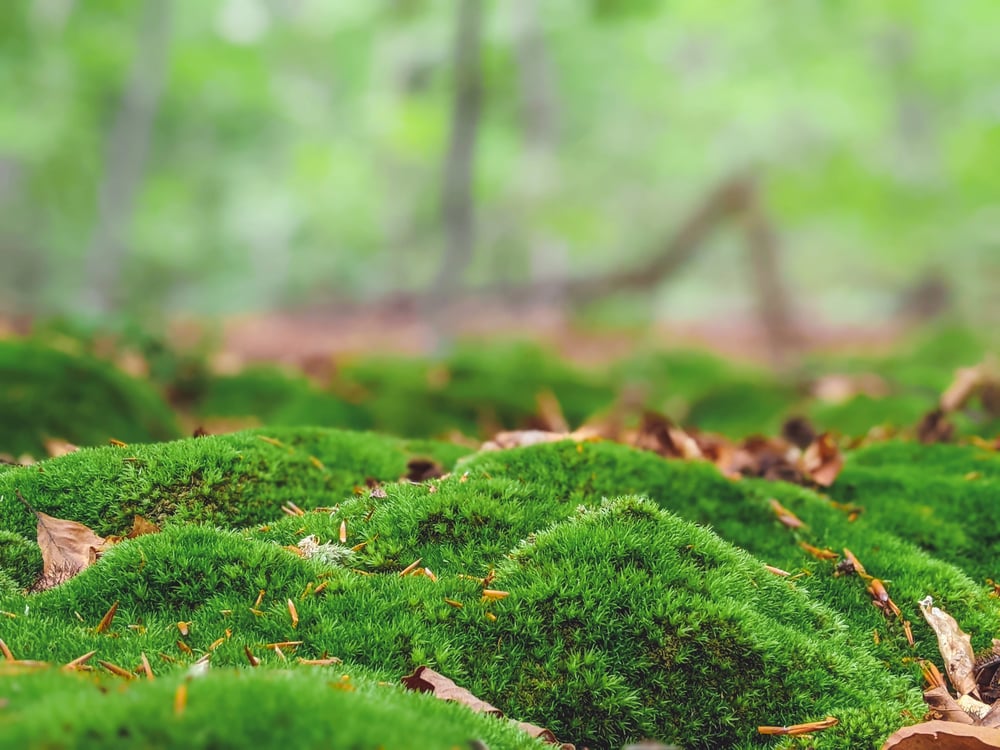
In the northern hemisphere, moss often grows more abundantly on the north side of trees and rocks where there’s more shade and moisture. This method works best in dense forests with limited direct sunlight reaching the forest floor.
Observe Tree Growth Patterns
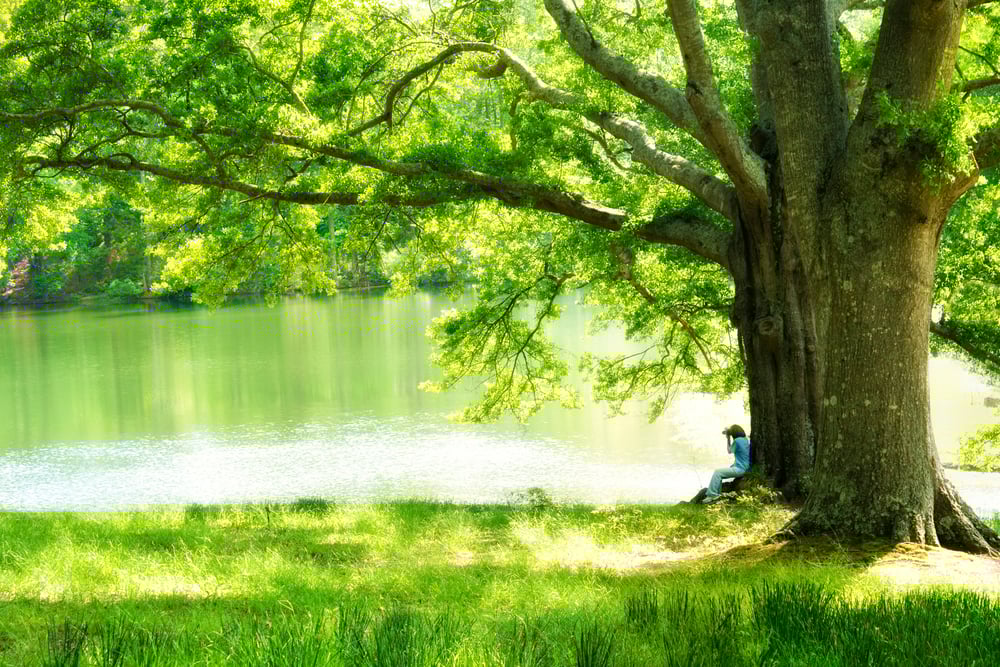
Trees in open areas typically grow more branches on their southern side, where they receive more sunlight. The growth rings inside tree stumps may also be wider on the southern side in the northern hemisphere due to greater sun exposure.
Check Snow Melt Patterns

Snow tends to melt faster on southern exposures due to increased sunlight. South-facing slopes often have less snow coverage or show more advanced melting compared to north-facing areas in the same vicinity.
Use an Analog Watch

Point the hour hand of an analog watch toward the sun. In the northern hemisphere, the direction halfway between the hour hand and 12 o’clock points south. In the southern hemisphere, the halfway point indicates north instead.
Study Plant Indicators

Some plants, like sunflowers, typically face east in the morning and track the sun throughout the day. Mature sunflowers generally face east.
Notice these tendencies when trying to determine direction in areas with such vegetation.
Read Weather Patterns

Prevailing winds in general come from consistent directions depending on your location. In the United States, weather patterns tend to move from west to east.
Having your local weather pattern in mind is a navigation indicator.
Observe Animal Behavior
In the northern hemisphere, many birds migrate south in the fall and north in the spring. Because it is warmer on the south or southeast side of trees, ant colonies frequently erect their mounds there.
These instinctive actions provide guidance.
Feel Natural Features

In mountainous regions, south-facing slopes receive more sunlight, making them warmer and often less densely vegetated than north-facing slopes. These differences create distinct ecosystems that travelers can learn to identify.
Study Cloud Movements
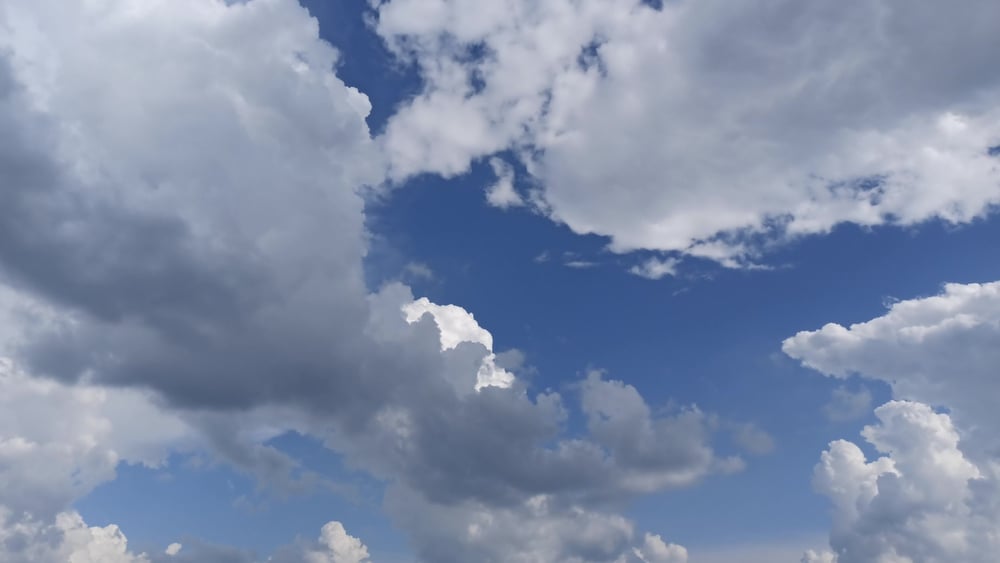
Clouds generally move from west to east in mid-latitudes. By observing cloud movement over time, you can establish a rough directional reference that helps maintain your course.
Use Shadow Tip Method

Shadows in the late afternoon point east, whereas those in the early morning point west. In the northern hemisphere, shadows point straight north at solar noon.
Anywhere the sun is visible, this method can be used.
Notice Star Movement

Stars appear to rotate around Polaris in the northern hemisphere. If you can identify other constellations, their position changes predictably throughout the night and seasons, providing navigational information to knowledgeable observers
Read Satellite Dishes

In populated areas, satellite dishes often point in the same direction—typically south in North America and north in Australia. This human-made feature provides a consistent directional indicator in many settlements.
Feel Prevailing Winds

Learn the prevailing wind directions for your region and season. Winds tend to blow from predictable directions depending on global patterns and local geography.
These consistent air movements can serve as navigation aids.
Use Water Features
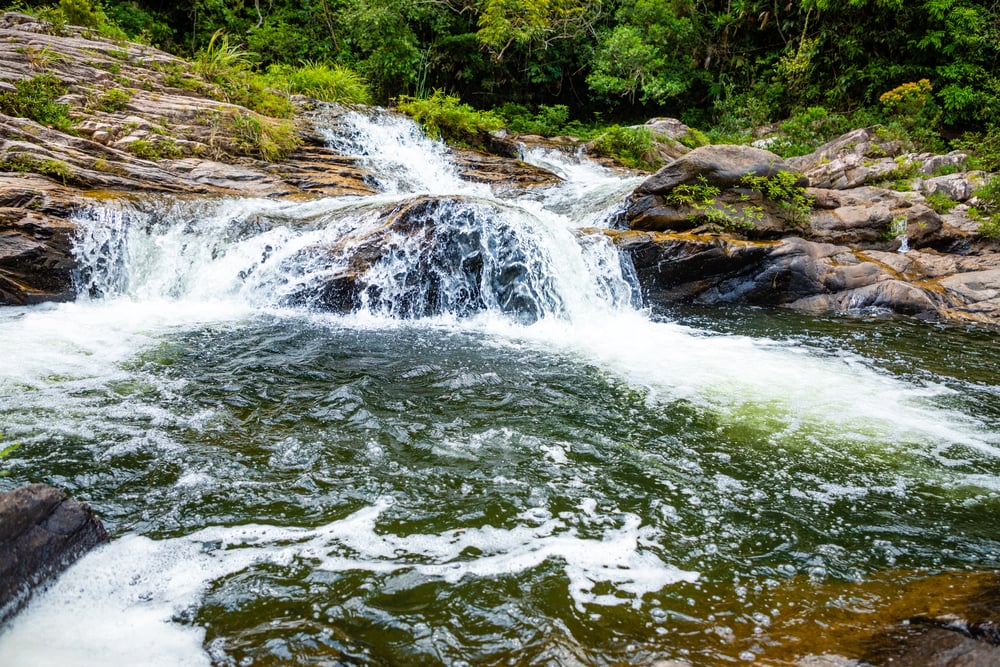
Rivers in North America generally flow south to north in northern regions and north to south in southern regions, eventually making their way to oceans. Understanding regional watershed patterns helps establish your position relative to major water bodies.
A Timeless Skill Worth Preserving

Over the course of human history, our forebears created these extraordinary navigation methods by means of meticulous observation and generational information transmission. Although technology gives ease now, knowing these natural navigation techniques links us to old knowledge and offers vital backup should modern gadgets fail.
More from Go2Tutors!

- The Romanov Crown Jewels and Their Tragic Fate
- 13 Historical Mysteries That Science Still Can’t Solve
- Famous Hoaxes That Fooled the World for Years
- 15 Child Stars with Tragic Adult Lives
- 16 Famous Jewelry Pieces in History
Like Go2Tutors’s content? Follow us on MSN.