15 Myths About Evolution Still Believed
Despite being one of the most widely accepted theories in science, evolution is still one of the most poorly understood. Persistent myths continue to obscure the public’s comprehension of how evolution actually operates, despite overwhelming scientific evidence and acceptance among researchers worldwide. These misconceptions range from basic erroneous beliefs about the evolutionary process itself to basic misconceptions about scientific terminology.
Many of these myths are the result of out-of-date concepts, false representations in the media, or a misunderstanding of the difference between scientific and common language. These 15 evolution myths are still widely held today.
Evolution is Just a Theory

This misconception comes from mixing up scientific terminology with everyday speech. When people say ‘theory’ in casual conversation, they usually mean a hunch or guess — but science uses the word differently.
Scientific theories represent the highest level of understanding we have. They’re comprehensive explanations backed by massive amounts of evidence from multiple fields.
Evolution has the same scientific standing as gravitational theory or relativity. Both explain what we observe through well-tested principles that scientists have verified countless times.
Humans Evolved from Monkeys

Here’s one of the most stubborn myths out there — humans didn’t evolve from modern monkeys or apes, though you’d be forgiven for thinking so given how often it comes up. Humans and other primates share common ancestors, yet we branched off from separate evolutionary paths millions of years ago.
The last common ancestor between humans and chimpanzees lived roughly 6-7 million years ago. That ancestor wasn’t human or chimp — it was something else entirely.
Think of evolution as a branching family tree rather than a straight line from one species to another.
Like Go2Tutors’s content? Follow us on MSN.
Evolution is Random Chance
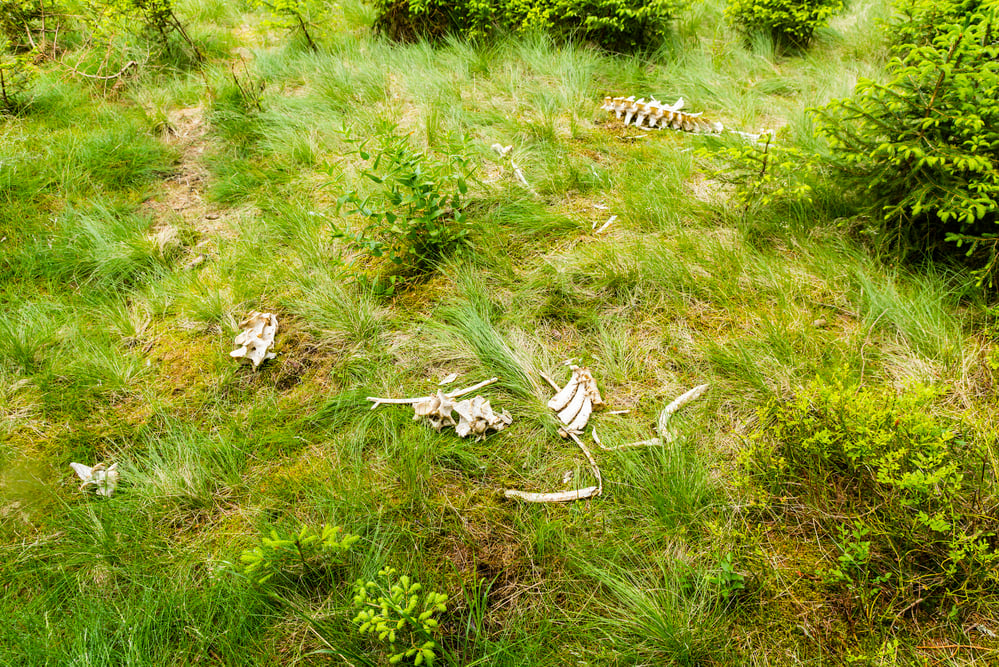
While genetic mutations happen randomly, evolution itself isn’t a random process at all. Natural selection acts as a powerful filter — preserving beneficial traits while eliminating harmful ones across generations.
This creates distinctly non-random outcomes over time. It’s like being dealt cards randomly but keeping only the good ones each round.
The final hand becomes far from random. Evolution combines random variation with non-random selection, producing remarkably complex and functional organisms.
Survival of the Fittest Means Physical Strength
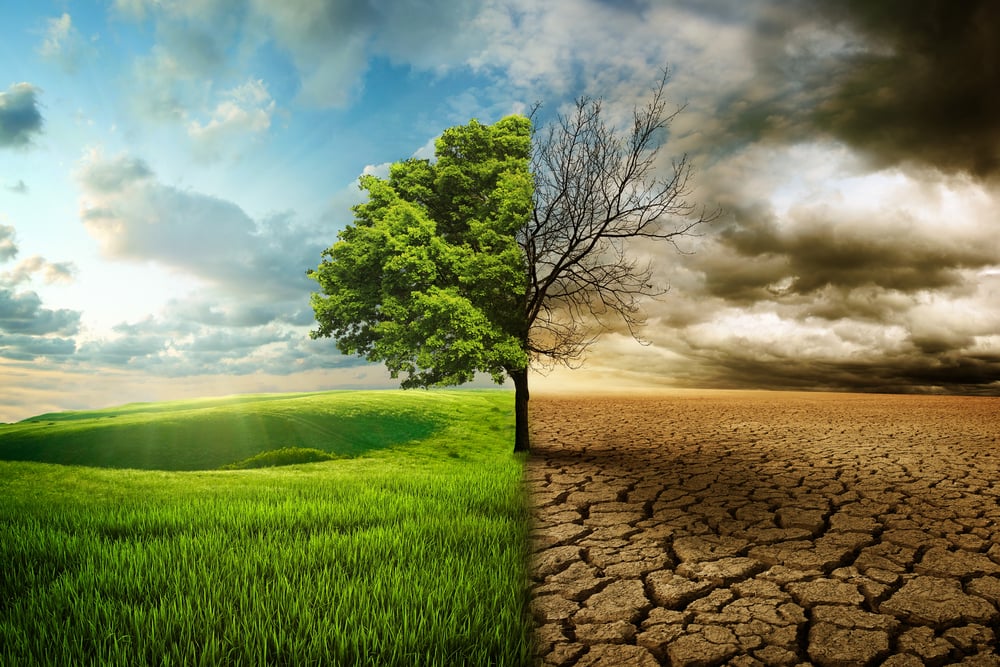
The word ‘fitness’ in evolutionary terms has absolutely nothing to do with physical strength or athletic ability. Evolutionary fitness refers to reproductive success — how many offspring an organism produces that survive to reproduce themselves.
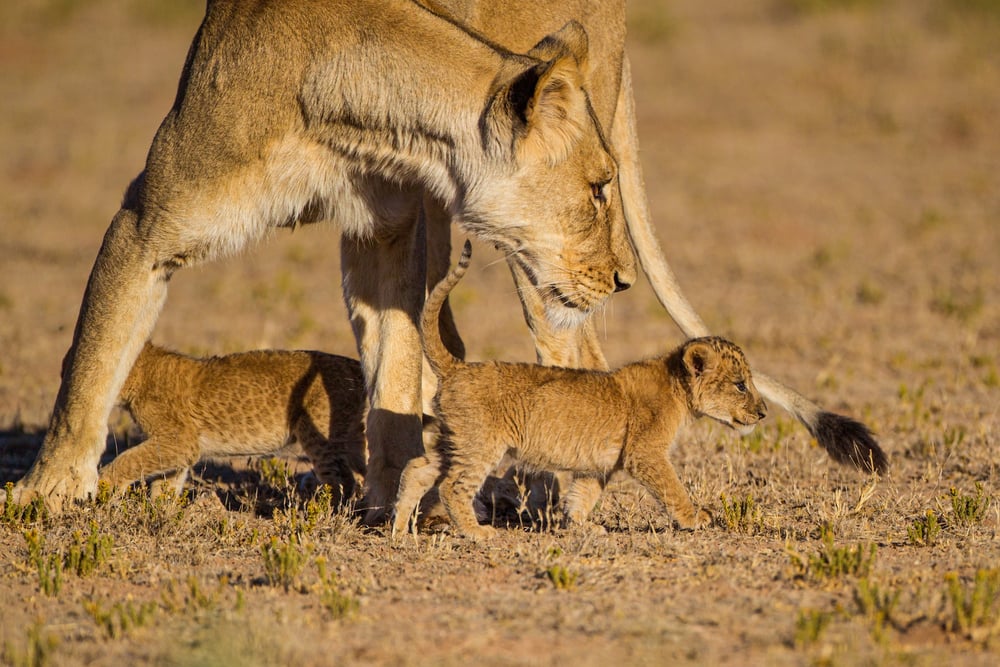
A physically weak organism that produces many successful offspring is more ‘fit’ than a strong one that fails to reproduce. This includes behaviors like parental care, which might harm the parents’ health yet increases offspring survival rates.
Evolution Always Progresses Toward Better Organisms
Evolution doesn’t have any inherent direction or goal of improvement — it’s not trying to make things ‘better.’ Some organisms remain virtually unchanged for millions of years because they’re already well-suited to their environments.
Others actually become simpler over time. Cave fish lose their eyes, while parasites lose complex organ systems they no longer need.
Evolution simply favors whatever traits help organisms survive and reproduce in their current environment, not some predetermined notion of ‘better.’
Like Go2Tutors’s content? Follow us on MSN.
Missing Links Prove Evolution Wrong

The term ‘missing link’ reinforces the incorrect idea that evolution proceeds in a straight line with gaps to fill. In reality, scientists have discovered thousands of transitional fossils showing gradual changes between major groups.
Archaeopteryx bridges dinosaurs and birds, while Tiktaalik shows the transition from fish to land animals. Each new fossil discovery adds to our understanding rather than filling some crucial ‘gap’ that evolution supposedly requires.
Individual Organisms Evolve During Their Lifetime

This Lamarckian misconception suggests that organisms can acquire new traits during their lives and pass them to offspring. A giraffe doesn’t grow a longer neck by stretching for leaves — and then passes that longer neck to its babies.
Evolution occurs across populations over many generations through changes in gene frequencies, not through individual organisms transforming themselves. While modern research on epigenetic inheritance shows that some environmental influences can affect gene expression across generations, this doesn’t overturn natural selection though it does add nuance to our understanding of inheritance.
Evolution is Controversial Among Scientists

Among working scientists, evolution enjoys near-universal acceptance. Studies by organizations like Pew Research (2015) and surveys of National Academy of Sciences members show that 98% of scientists accept human evolution, with 99% of research scientists supporting evolutionary theory.
The ‘controversy’ exists primarily in public discourse and politics — not in scientific circles. Scientists debate specific mechanisms and details of evolutionary processes, though this normal scientific discourse doesn’t indicate disagreement about evolution’s fundamental validity.
Like Go2Tutors’s content? Follow us on MSN.
Evolution Explains the Origin of Life

Evolution explains how life changes over time — not how life began in the first place. The origin of life from non-living matter is called abiogenesis, which is a separate field of study from evolutionary biology.
Research into life’s origins includes famous experiments like Miller-Urey, which demonstrated that organic compounds could form under early Earth conditions. Evolution begins once self-replicating organisms exist and can pass on traits to offspring.
While scientists continue researching how life first emerged, this doesn’t affect our understanding of how life diversified once it began.
Evolution Violates the Second Law of Thermodynamics
This myth misapplies physics to biology by ignoring that Earth isn’t a closed system. The Second Law of Thermodynamics states that entropy increases in isolated systems — but living organisms constantly receive energy from external sources, primarily the Sun.
Plants capture solar energy through photosynthesis, and this energy flows through food webs, providing the power needed for increasing biological complexity. Evolution doesn’t violate physical laws any more than a growing plant does.
Evolution is Too Improbable to Occur by Chance

This myth again conflates evolution with pure randomness. While random mutations provide raw material for evolution, natural selection powerfully shapes outcomes in non-random ways.
The often-cited comparison of evolution to a tornado assembling an airplane from junkyard parts fundamentally misunderstands the process. Evolution builds complexity gradually, preserving beneficial changes at each step.
This makes even intricate biological systems statistically inevitable given enough time.
Like Go2Tutors’s content? Follow us on MSN.
Complex Organs Like Eyes Cannot Evolve Gradually
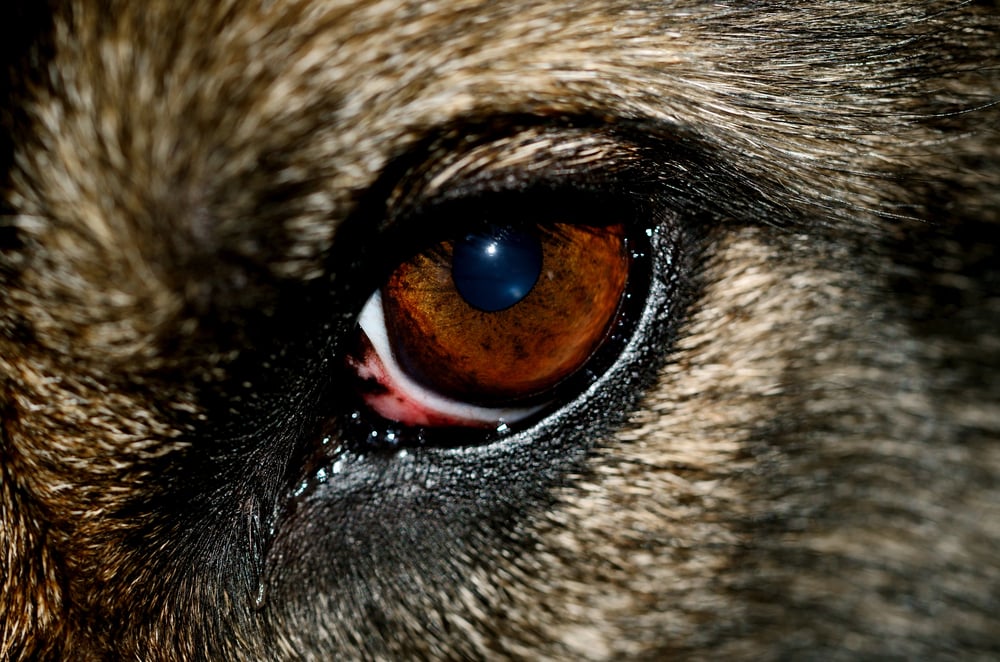
The evolution of complex organs follows well-documented pathways from simple light-detecting cells to sophisticated visual systems. Darwin himself addressed this concern, noting that any improvement in light detection provides survival advantages.
Scientists have identified every major step in eye evolution, from simple eyespots in flatworms to compound eyes in insects to camera eyes in vertebrates. Each intermediate stage provides clear benefits to organisms possessing them.
Evolution Promotes Immoral Behavior

Evolution describes natural processes but makes no moral prescriptions about how humans should behave. The fact that evolution shaped animal behavior, including human behavior, doesn’t mean that natural behaviors are automatically moral or that we should follow every biological impulse.
Human societies develop ethical systems that often encourage us to act against purely selfish evolutionary drives, such as caring for unrelated individuals or sacrificing for the greater good.
Evolutionary Theory is Atheistic

The scientific theory of evolution is neither in favor of nor against religion. Evolution is widely acknowledged by religious scientists as the process by which their god produces biological diversity.
Evolutionary theory has been formally accepted by the Catholic Church, the majority of Protestant denominations, and numerous other religious institutions. Religion deals with meaning, purpose, and values; science deals with natural mechanisms.
There is no need for these domains to clash.
Like Go2Tutors’s content? Follow us on MSN.
Humans Have Stopped Evolving

Despite operating on timescales longer than individual lifetimes, human evolution is still ongoing today. Recent instances include the continuous shifts in disease resistance and the development of lactose tolerance in dairy-farming populations over the previous 5,000–10,000 years.
Though they change selective pressures, modern technology and medicine do not completely eradicate evolution. Although it may take many generations for these changes to become noticeable, human populations are still genetically adapting to new environments, diets, and challenges.
Understanding Evolution Through Evidence

These enduring misconceptions highlight the importance of science education in promoting public knowledge of evolutionary biology. Genetics, paleontology, biogeography, embryology, and firsthand observations of evolutionary changes in both natural and lab environments all provide evidence in favor of evolution.
As researchers uncover new mechanisms and deepen their comprehension of the complexity of life, the theory keeps changing on its own. Dispelling these myths enables people to recognize the beauty of evolutionary processes as well as the strong scientific basis that underpins our comprehension of the extraordinary diversity of life on Earth.
More from Go2Tutors!

- 16 Historical Figures Who Were Nothing Like You Think
- 12 Things Sold in the 80s That Are Now Illegal
- 15 VHS Tapes That Could Be Worth Thousands
- 17 Historical “What Ifs” That Would Have Changed Everything
- 18 TV Shows That Vanished Without a Finale
Like Go2Tutors’s content? Follow us on MSN.