15 Nostalgic Gadgets From the 1990s Nobody Uses Anymore
The 1990s gave us some wild technology. Between the dawn of the internet and the last gasps of analog everything, that decade produced gadgets that felt impossibly futuristic at the time.
Now they’re gathering dust in closets, victims of progress that moved faster than anyone expected. These devices once defined how we communicated, entertained ourselves, and navigated daily life.
Today, your smartphone does what fifteen of these gadgets used to do combined.
Pager
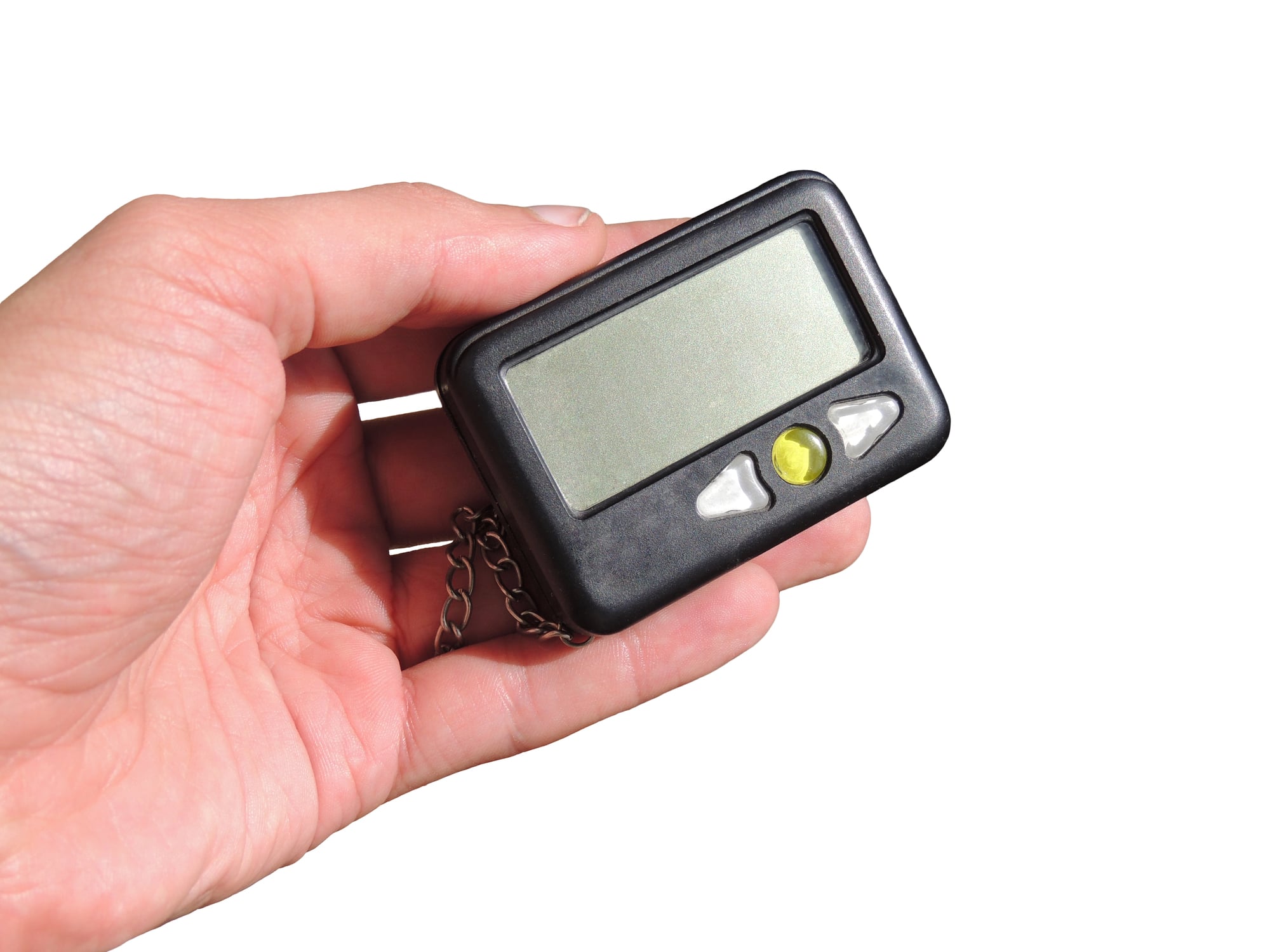
Pagers were serious business. Doctors carried them. Drug dealers carried them. Your mom probably had one clipped to her purse.
The tiny screen showed phone numbers, and if you were lucky, short numeric codes that meant “call home” or “pick up milk.” That was it.
Walkman
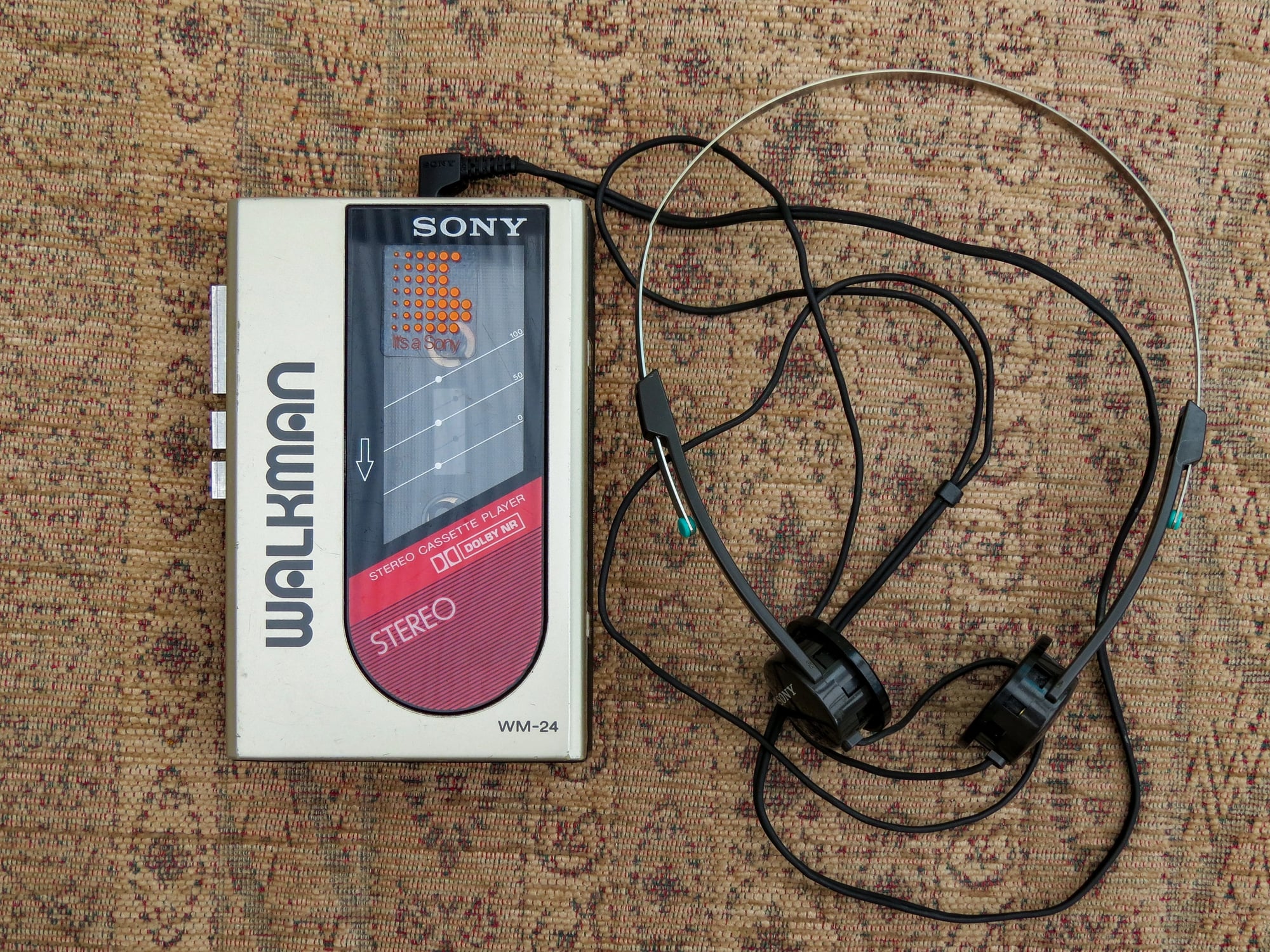
The original Walkman died a slow death (and Sony kept making them long past their expiration date, which is saying something about corporate stubbornness), but the yellow Sports Walkman — that thing was bulletproof.
You could drop it, kick it, leave it in a hot car for three months, and it would still play your worn-out Nirvana cassette without missing a beat.
VHS Tapes
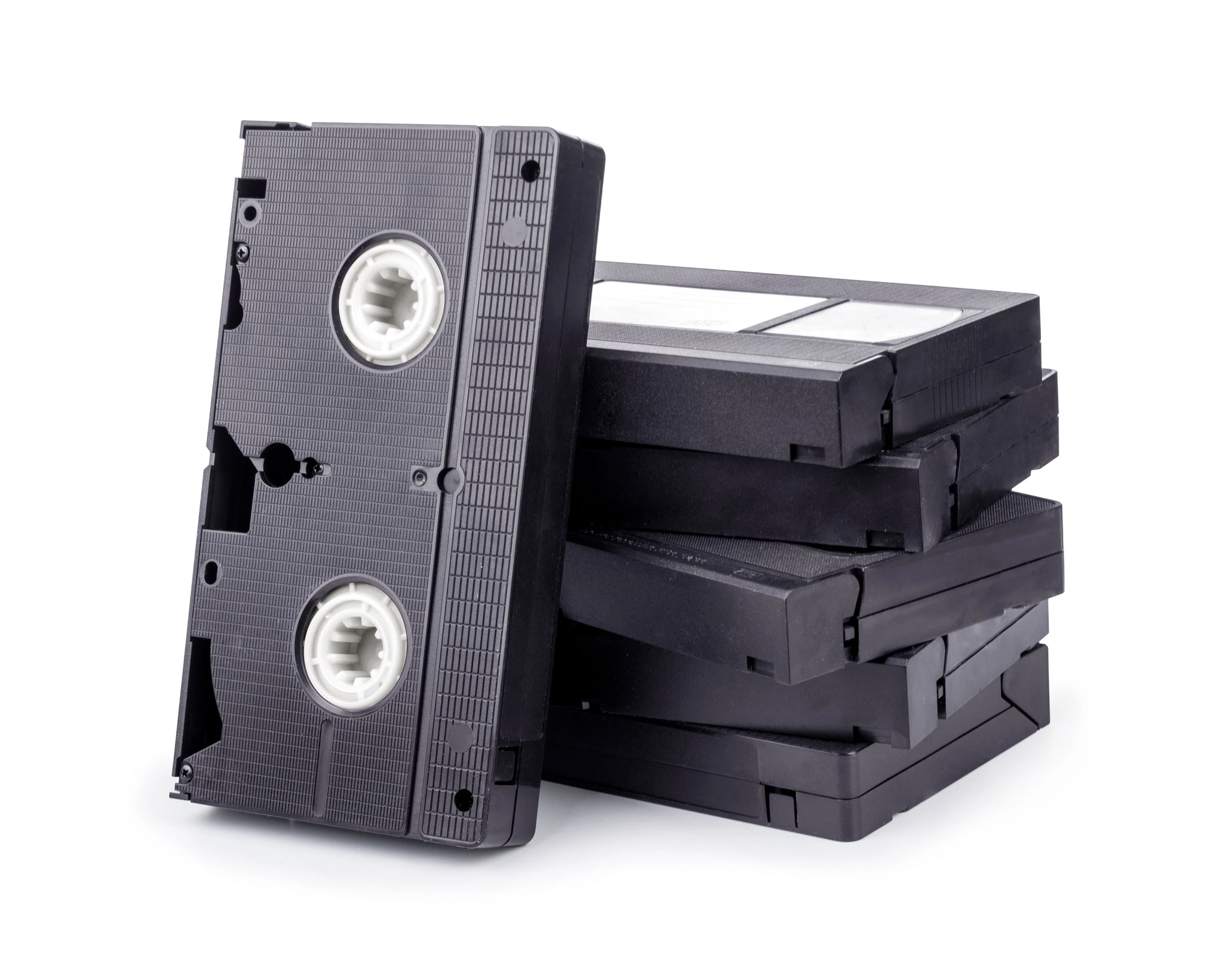
There’s something about the weight of a VHS tape that streaming will never replicate — the satisfying chunk when you slide it into the VCR, the mechanical whir as the machine pulls the tape into position, the way you had to rewind it before returning it to Blockbuster (and the fees when you forgot).
The ritual mattered as much as the movie, though nobody realized it at the time until Netflix arrived and turned movie night into endless scrolling through thumbnails.
Dial-Up Modem
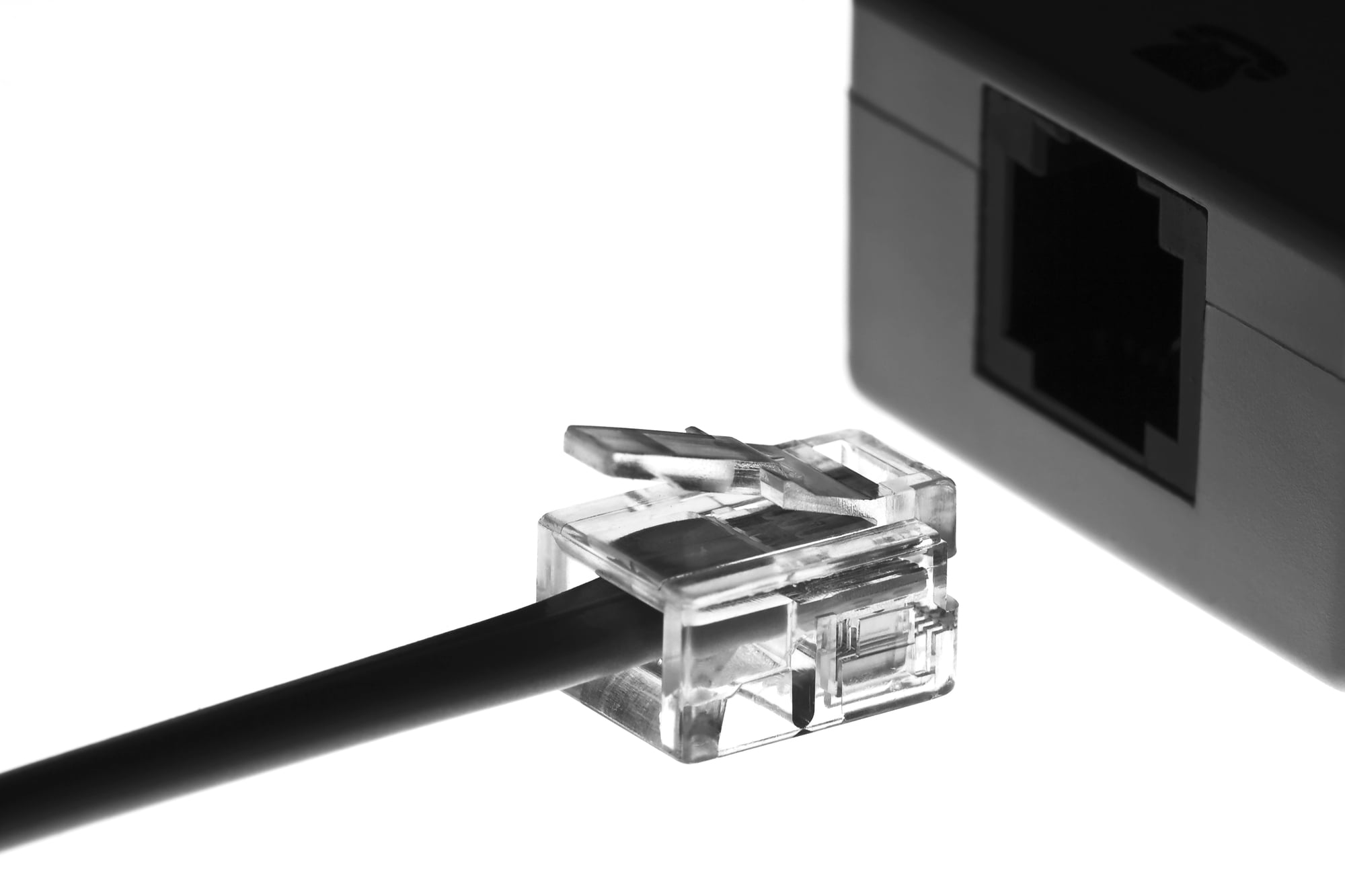
Dial-up modems were the gatekeepers to everything exciting and forbidden about the early internet. That screeching, static-filled handshake wasn’t just noise — it was the sound of your computer literally calling another computer and asking permission to see the world.
Too bad the world took forty-seven minutes to load a single photograph.
Floppy Disks
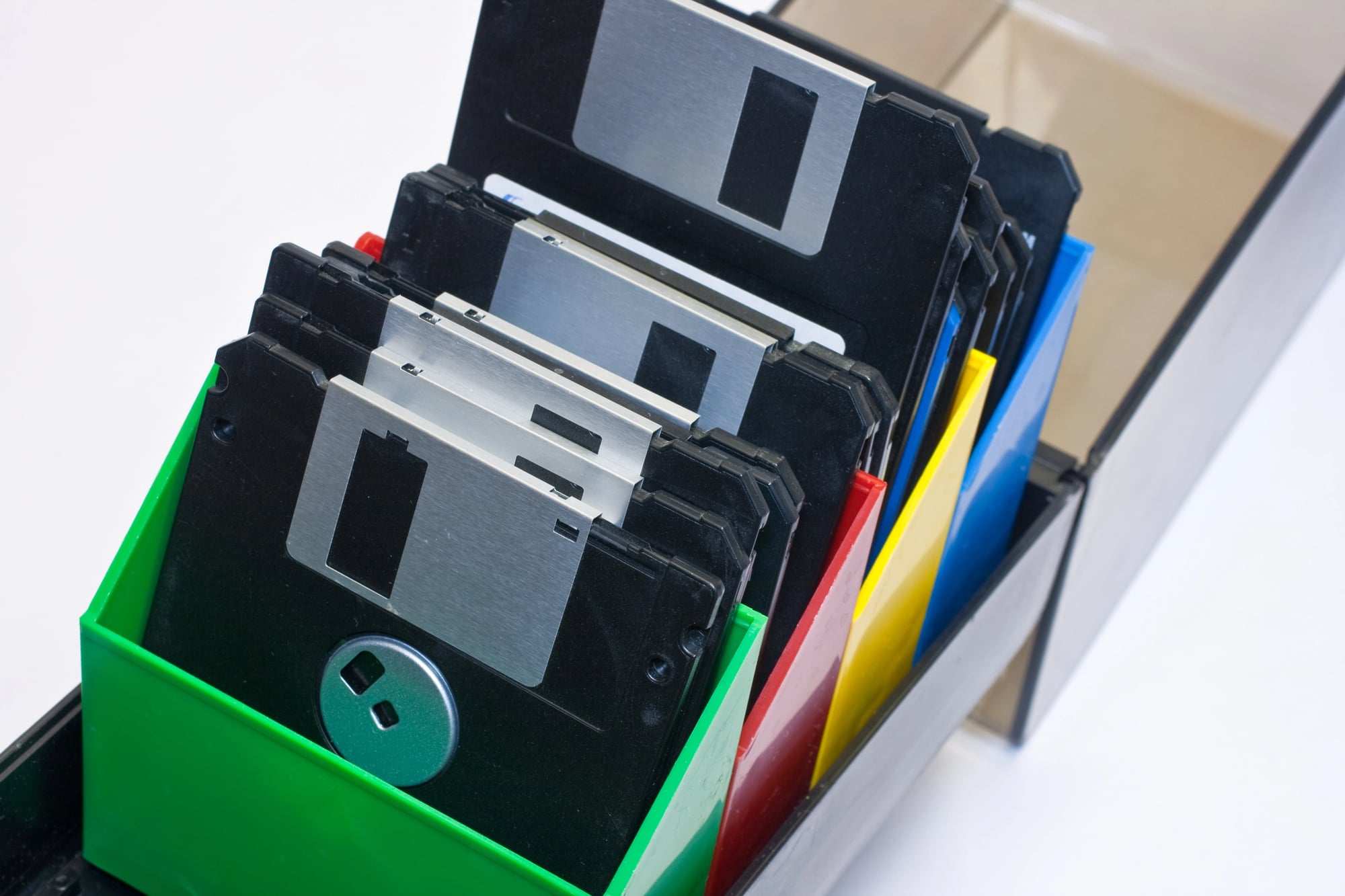
The 3.5-inch floppy disk could hold 1.44 megabytes of data, which seemed generous until you tried to save anything actually useful on one.
So you ended up with stacks of them, labeled in fading ink: “Game Files 1 of 7,” “School Project – FINAL,” “School Project – ACTUALLY FINAL.”
And then (because technology loves cruel jokes) the one disk you actually needed would inevitably be corrupted, leaving you staring at an error message that might as well have said “start over.”
CD Player
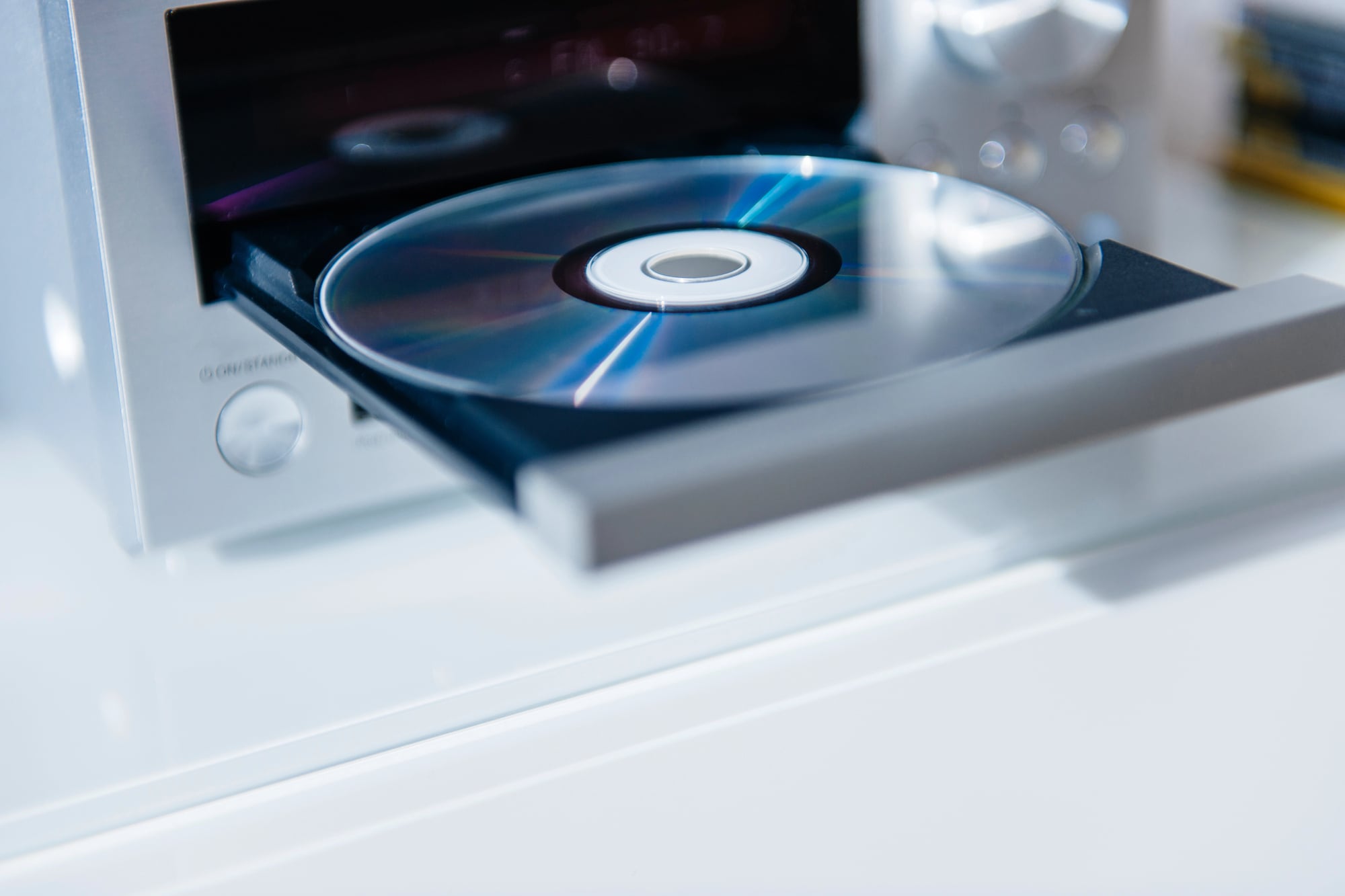
Portable CD players skipped if you breathed on them wrong. They were finicky, battery-hungry machines that demanded you walk with the careful gait of someone balancing a full glass of water.
But when they worked, they delivered music with a clarity that cassettes couldn’t touch.
Nintendo Game Boy
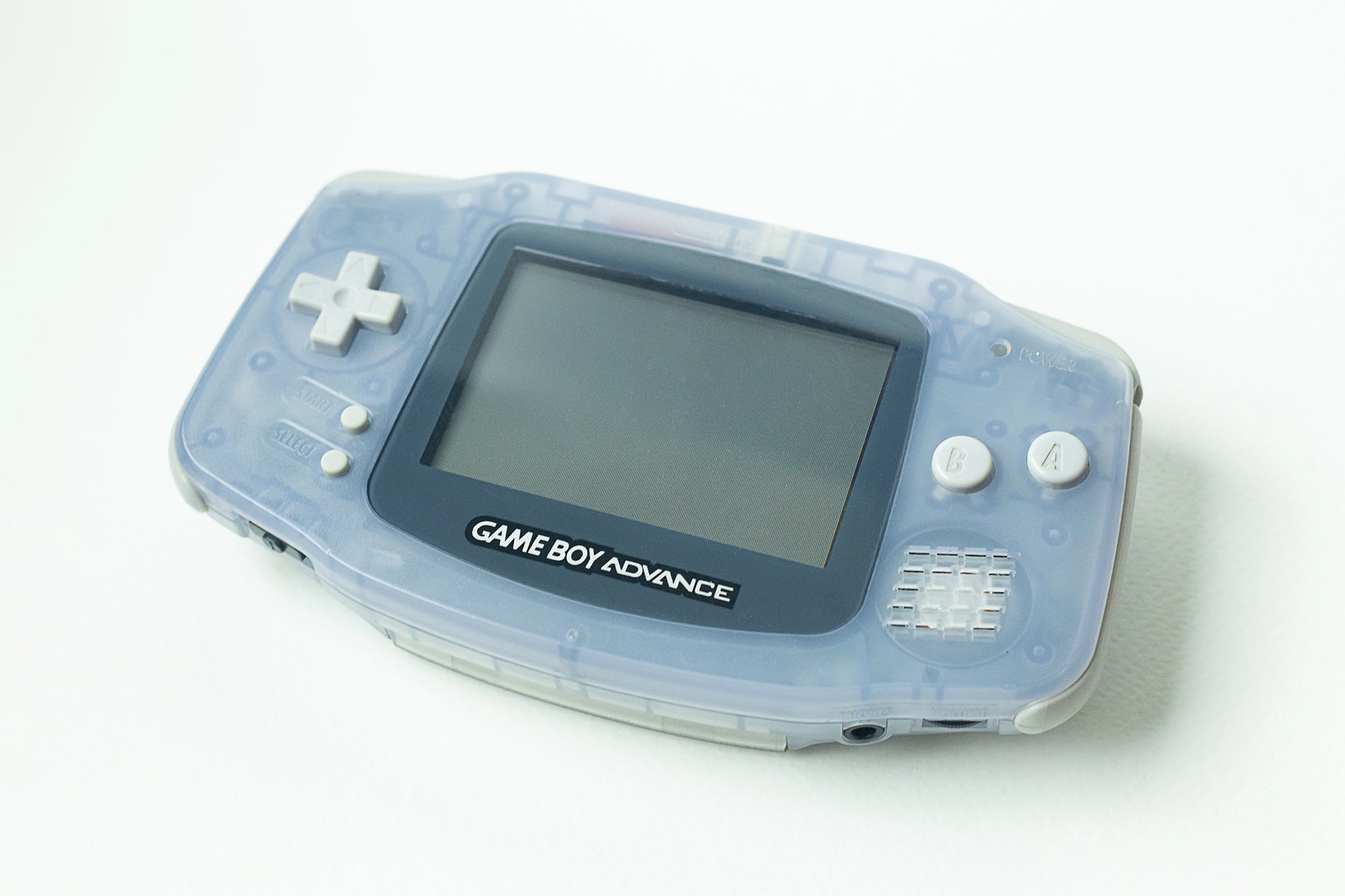
The original Game Boy had a screen the color of pea soup and battery life that seemed designed to quit precisely when you were about to beat the final boss.
The thing was built like a tank, though. There are probably Game Boys still running Tetris in landfills right now, outlasting the smartphones that replaced them.
Polaroid Camera
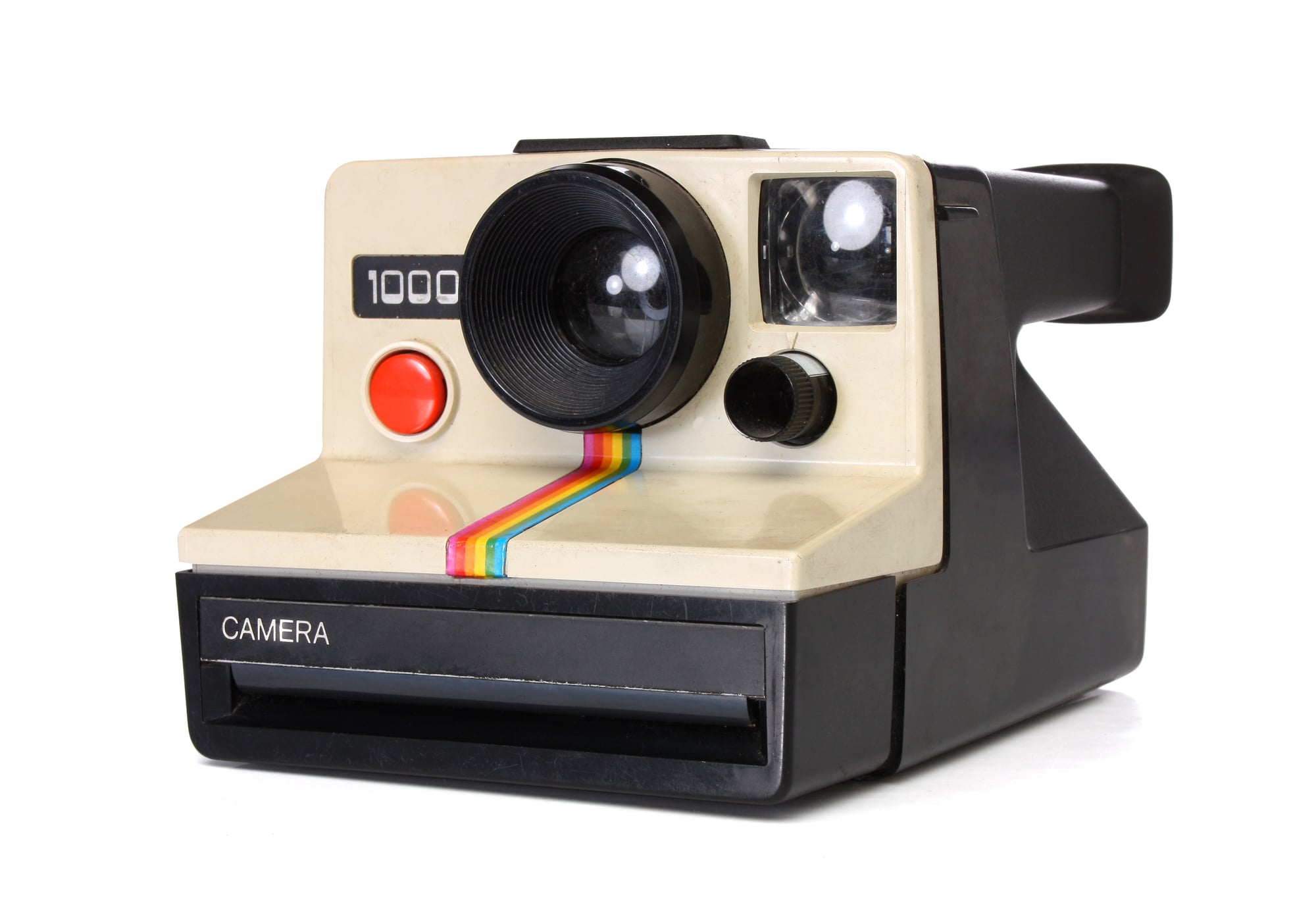
Polaroid photos had this dreamlike quality that Instagram filters spend considerable effort trying to recreate — the soft focus, the slightly oversaturated colors, the way skin looked porcelain-smooth even when it wasn’t.
You got one shot, no do-overs, and then you had to wait ninety seconds for the image to materialize while resisting the urge to shake it (which everyone did anyway, despite the warnings).
The anticipation was half the magic, that slow reveal of whether you’d captured the moment or just someone’s elbow and a blurry wall.
Digital photography gave us unlimited attempts at perfection; Polaroid gave us something more valuable — the acceptance that some moments are worth preserving exactly as they happened, flaws and all.
Answering Machine
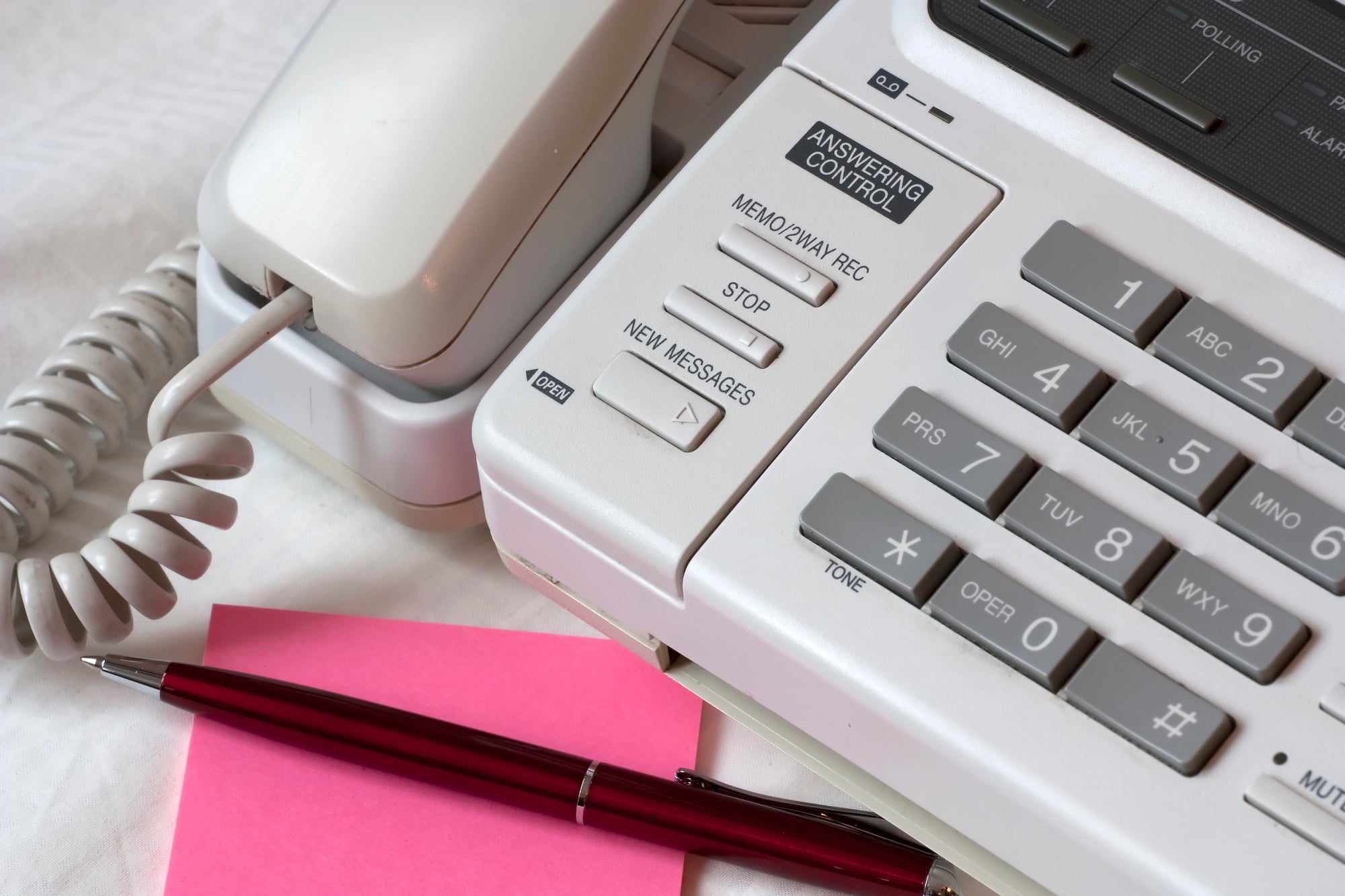
Answering machines turned your living room into a tiny broadcasting station. Recording the perfect outgoing message became an art form — casual but not too casual, informative but not boring.
And then came the blinking light, that little red beacon that meant someone, somewhere, had tried to reach you while you were out living your life.
Thomas Guide

Before GPS, there was the Thomas Guide — a thick book of street maps that lived in your car’s glove compartment and fell apart from overuse.
You had to plan your route beforehand, trace it with your finger, and hope you remembered the sequence of turns once you started driving.
Getting lost wasn’t a minor inconvenience; it was a genuine problem that required stopping at gas stations to ask directions from strangers who may or may not have known what they were talking about.
Fax Machine
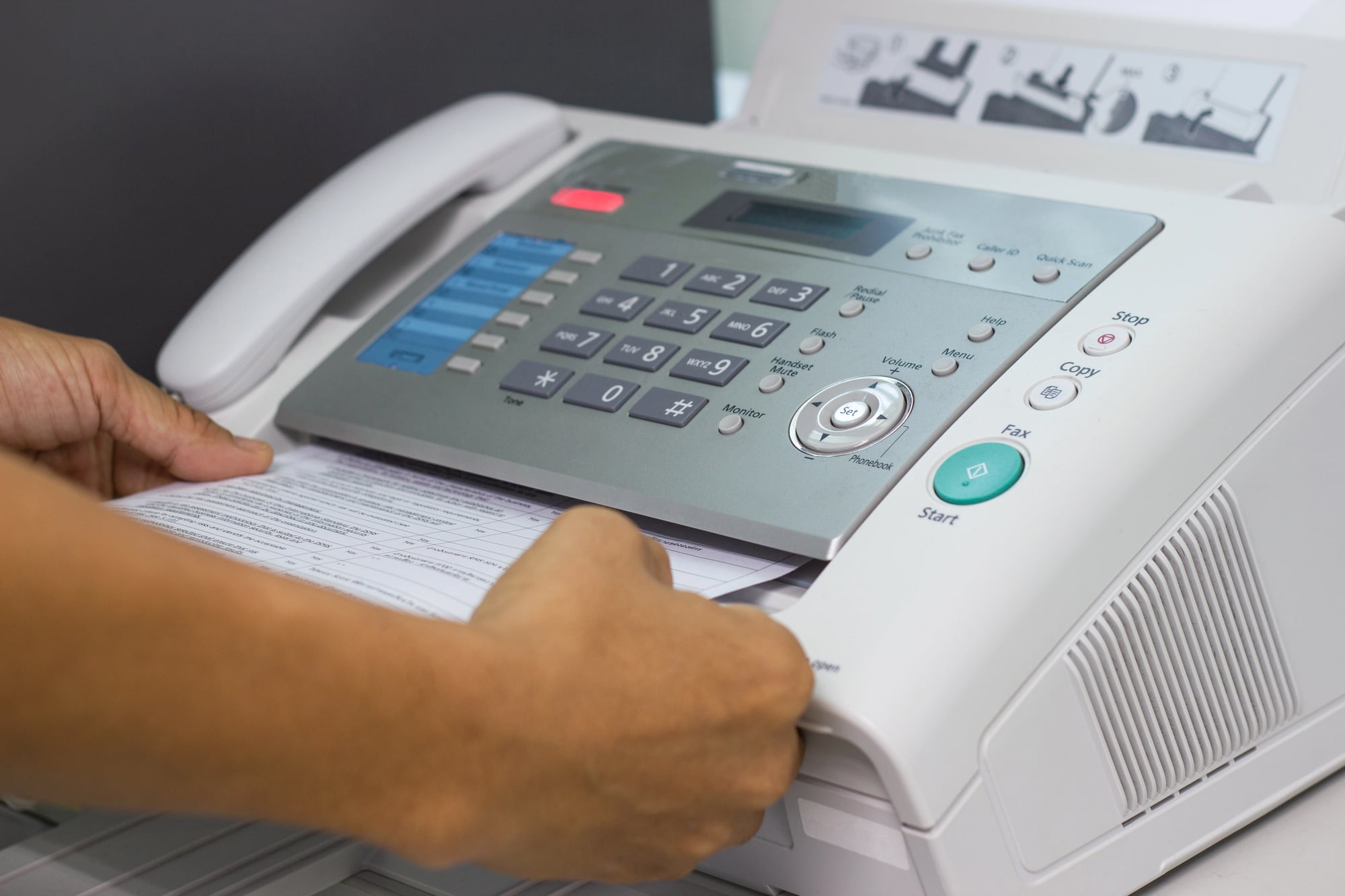
Fax machines were supposed to eliminate mail, create the paperless office, revolutionize communication. Instead, they mostly just jammed, ran out of toner, and produced documents that looked like they’d been photocopied underwater.
But businesses treated them like essential infrastructure, which explains why some law offices probably still have one humming away in a corner, waiting for documents that will never come.
Cassette Tapes
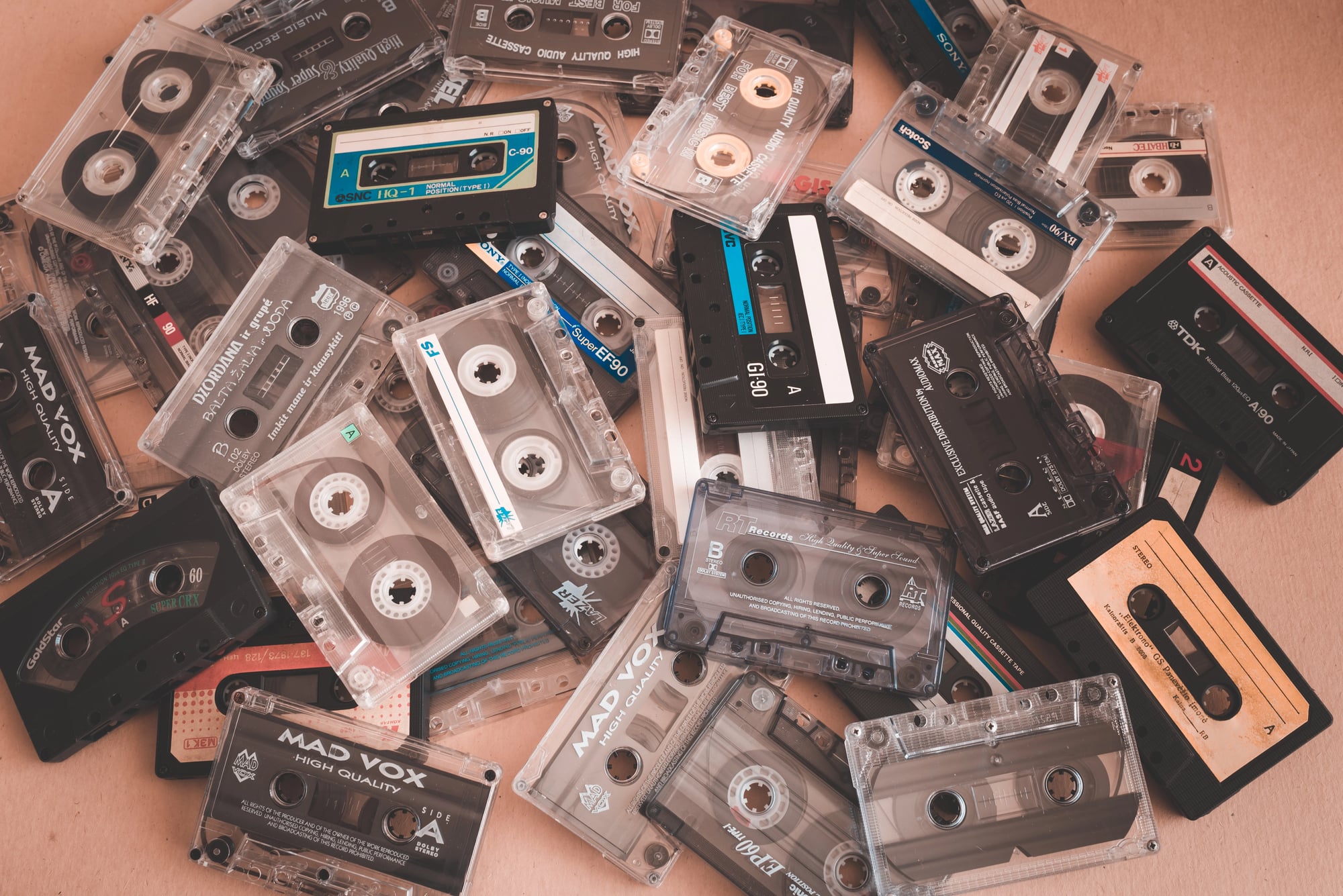
Making mixtapes was an art form that required planning, patience, and impeccable timing. You had to listen to the radio with your finger hovering over the record button, ready to capture that perfect song without the DJ’s voice mixing into the intro.
Or you’d sit there with two boom boxes, carefully copying songs from your CD collection, trying to fill exactly ninety minutes without cutting anything off mid-chorus.
Each tape was a handcrafted argument for why these particular songs, in this particular order, mattered enough to preserve on magnetic ribbon that would eventually stretch, warp, and eat itself in the deck of someone’s car stereo.
Blockbuster Membership Card
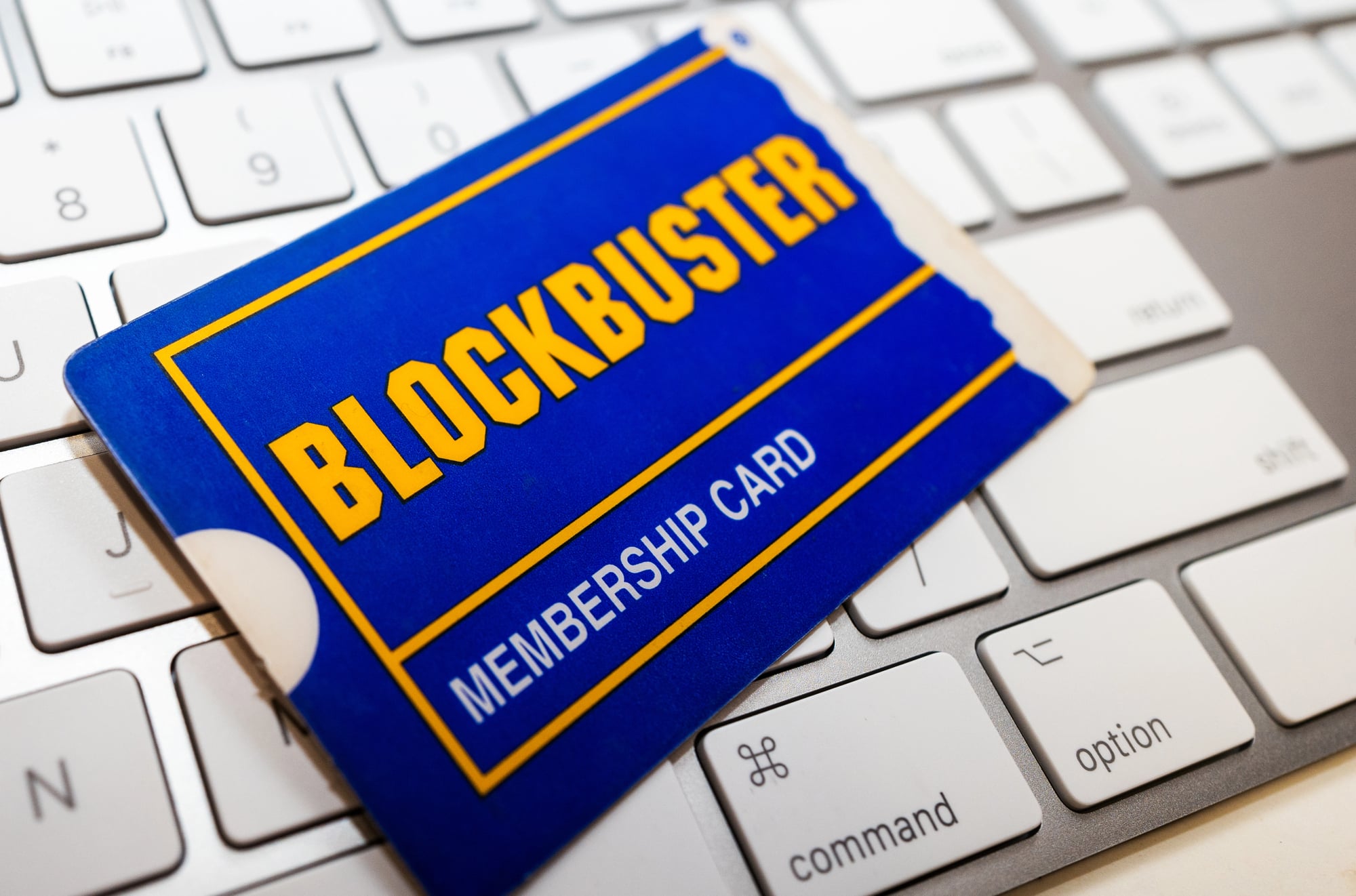
That little plastic rectangle was your passport to weekend entertainment. Friday nights meant walking the aisles, scanning shelves for something — anything — that looked worth two hours of your time.
The new releases were always gone, so you’d compromise, maybe grab something from the action section you’d never heard of, or take a chance on a foreign film with subtitles.
Beepers / Pagers Numeric Codes
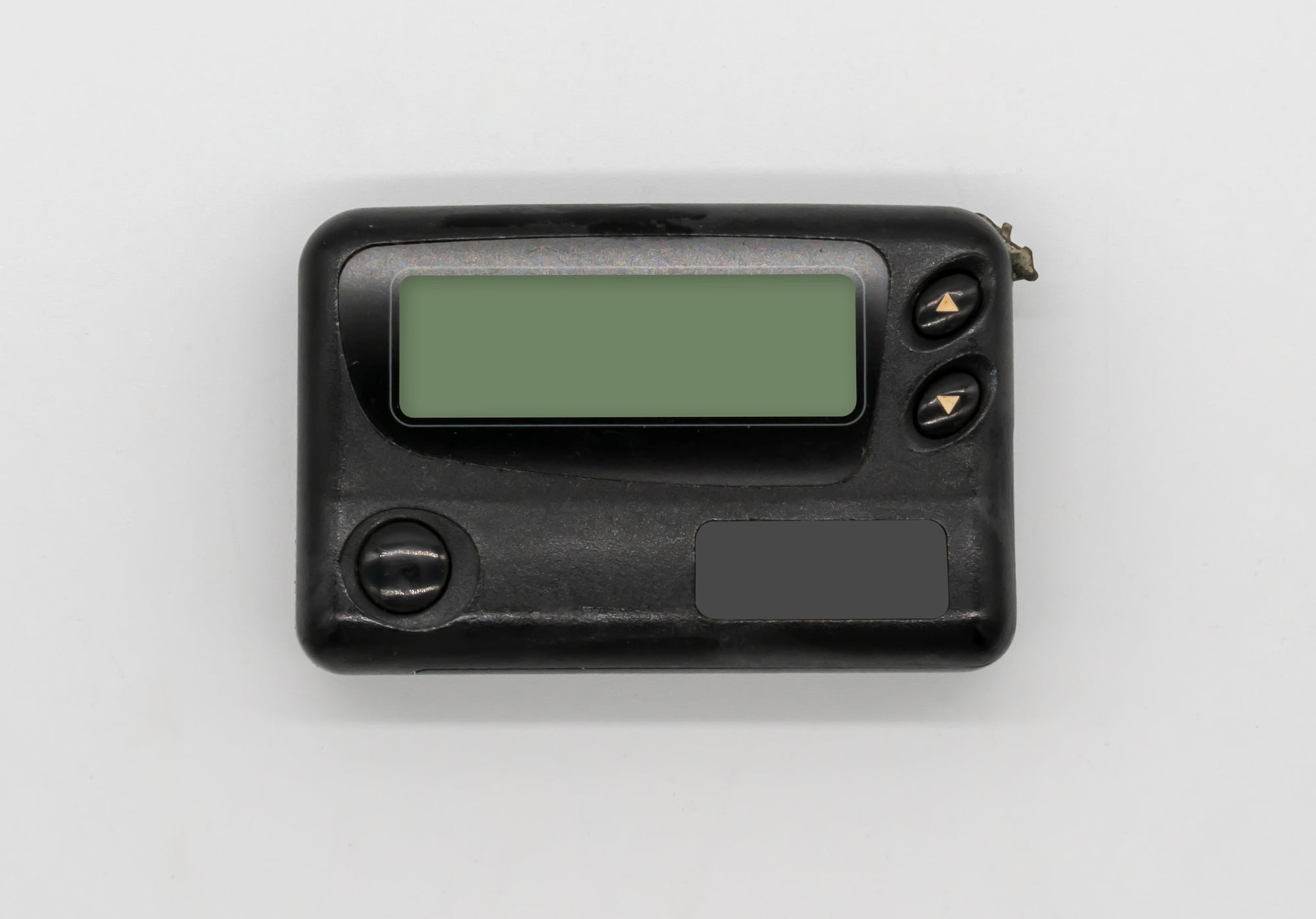
The numeric pager code system was text messaging for mathematicians. 143 meant “I love you.” 911 meant urgent.
80085 meant you were probably fourteen years old and thought you were hilarious.
People developed elaborate personal codes with their friends and family, turning simple numbers into a primitive but surprisingly expressive language.
Paper Maps

Unfolding a road atlas was like opening a portal to possibility — highways leading everywhere, small towns scattered across empty space, and the promise that adventure was just a direction away.
The maps never folded back the way they came, but that was part of their charm.
When the Future Arrived Faster Than Expected

These gadgets didn’t fade away gradually — they were replaced by smartphones, streaming services, and GPS navigation that made them seem as quaint as telegraph machines.
The speed of that transformation caught everyone off guard, including the companies that made them.
But that’s the point. Technology isn’t really about the devices themselves; it’s about the problems they solve. Once better solutions arrive, yesterday’s miracles become today’s curiosities, waiting in drawers and thrift stores for someone to remember how things used to work.
More from Go2Tutors!

- The Romanov Crown Jewels and Their Tragic Fate
- 13 Historical Mysteries That Science Still Can’t Solve
- Famous Hoaxes That Fooled the World for Years
- 15 Child Stars with Tragic Adult Lives
- 16 Famous Jewelry Pieces in History
Like Go2Tutors’s content? Follow us on MSN.