15 Nutella Facts You Need to Know
There’s a good chance you’ve eaten Nutella straight from the jar with a spoon and felt zero guilt about it. Maybe you told yourself it counted as breakfast because of the hazelnuts.
You’re not alone. Nutella has quietly become one of the most consumed spreads on the planet, and most people don’t know much about it beyond the fact that it’s delicious.
Here’s what’s actually behind that iconic brown jar.
It Was Born Out Of A Chocolate Shortage
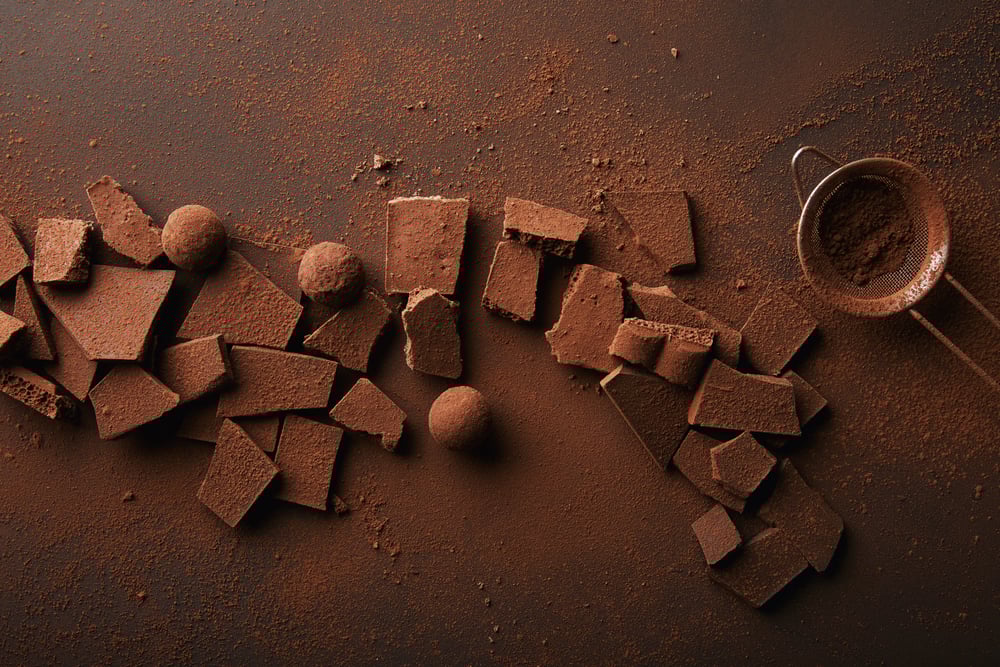
Nutella didn’t start as a marketing idea — it started as a problem. After World War II, cocoa was expensive and hard to come by in Italy.
Pietro Ferrero, a pastry maker in the Piedmont region, needed to stretch his chocolate supply. He mixed in ground hazelnuts to make it go further, and that combination ended up being the foundation for what eventually became Nutella.
The Name Came Later Than You’d Think
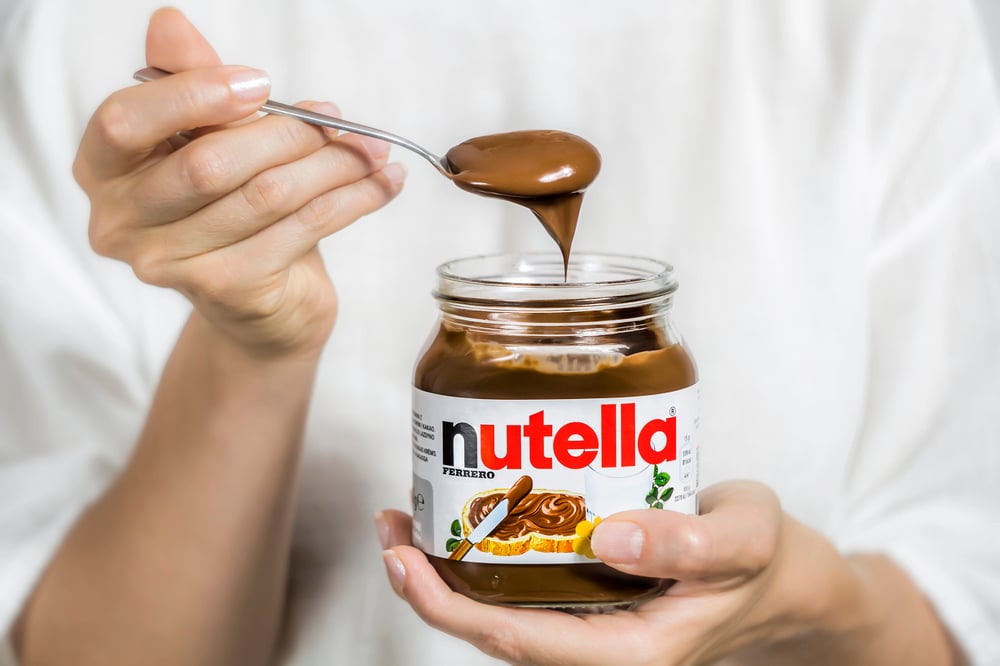
The original product Pietro Ferrero made was called “Pasta Gianduja.” It was a solid block of hazelnut and chocolate that people would slice and put on bread.
His son Michele later refined the recipe into a spreadable version and rebranded it as “Supercrema.” The name Nutella didn’t appear until 1964, combining “nut” with the Italian and Latin suffix “-ella.”
Hazelnuts Are The Main Ingredient
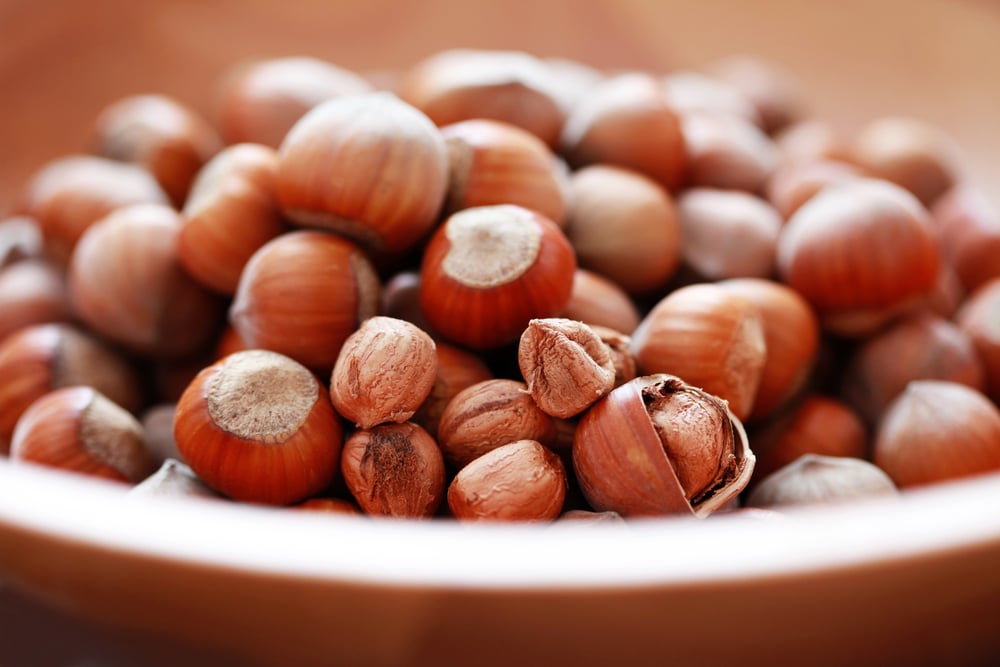
When you look at the ingredient list, hazelnuts take up about 13% of the jar. That sounds modest, but Ferrero actually buys around 25% of the world’s entire hazelnut supply every year to keep up with demand.
Turkey grows most of them, and Ferrero has become such a major buyer that a bad hazelnut harvest can genuinely affect the company’s operations.
A Jar Is Sold Every 2.5 Seconds
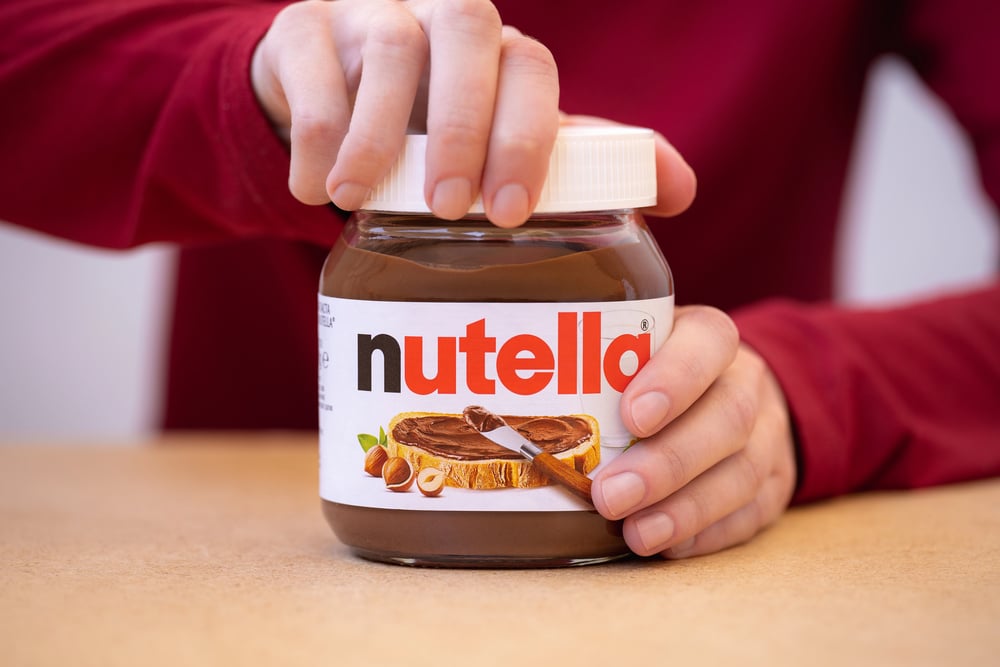
Global demand for Nutella is hard to wrap your head around. Ferrero produces enough Nutella each year to cover over 1,000 soccer fields, and one jar is sold somewhere in the world every 2.5 seconds.
The factory in Alba, Italy — the original home of Ferrero — runs around the clock, 24 hours a day, producing thousands of tons of the stuff annually.
It Once Caused A Supermarket Riot

In 2018, a French supermarket chain called Intermarché ran a promotion offering Nutella at 70% off. What followed was chaos.
Shoppers flooded the stores before they even opened, and videos spread across the internet of people shoving and grabbing jars out of each other’s hands. Police had to be called to some locations.
It’s one of the stranger chapters in retail history.
The Recipe Has Changed Over The Years
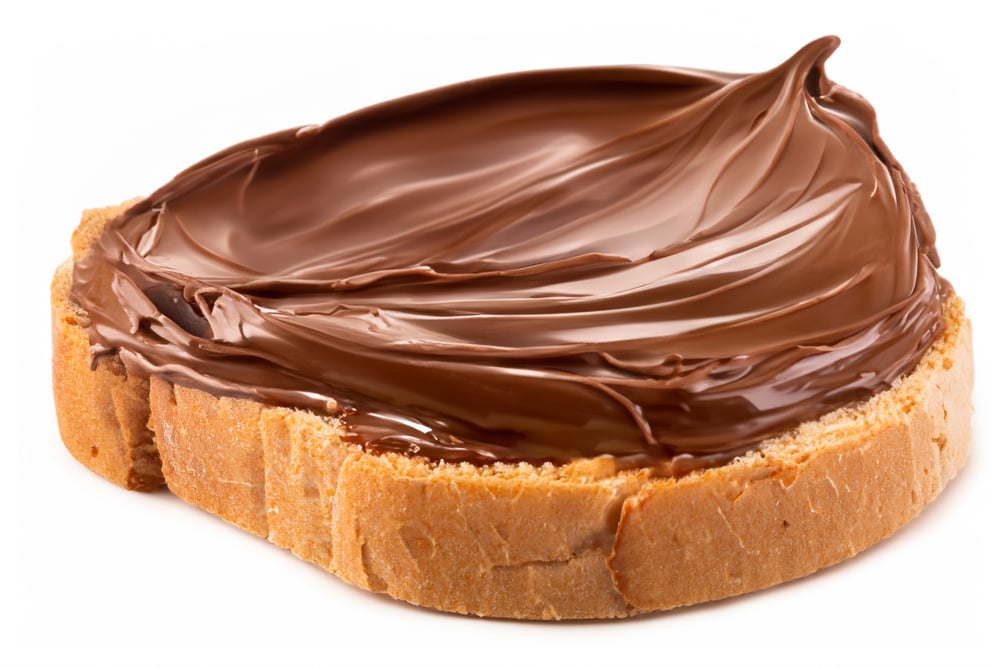
Ferrero quietly updated the Nutella recipe in 2017, and eagle-eyed fans in Europe noticed almost immediately. The new formula contained more sugar and more powdered skimmed milk, which made it slightly lighter in color.
Ferrero confirmed the changes but insisted the taste was essentially the same. Purists disagreed loudly on social media.
Palm Oil Is A Constant Controversy
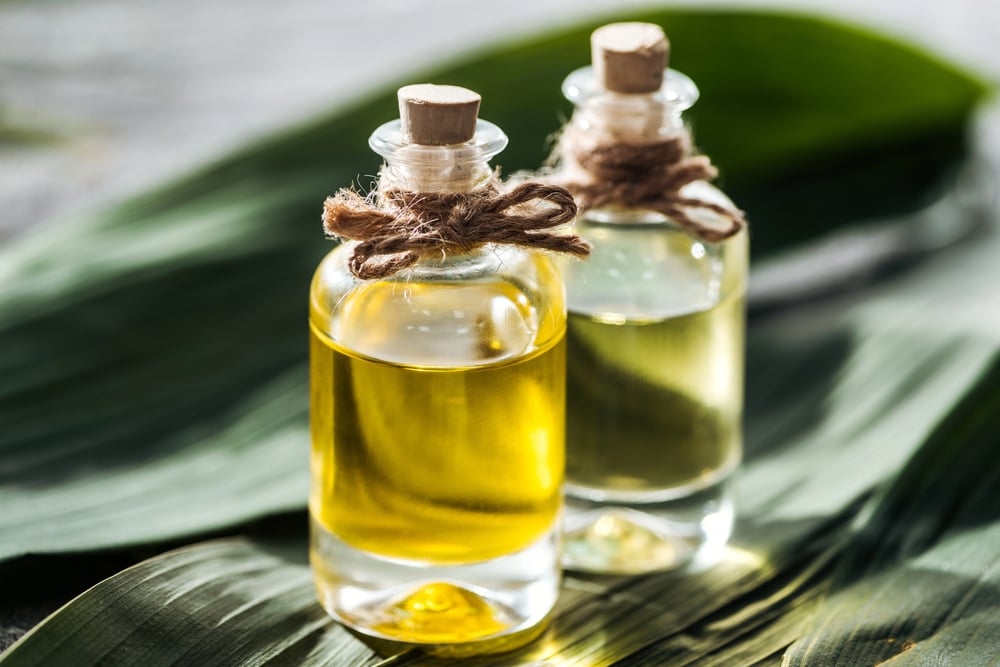
One of Nutella’s most debated ingredients is palm oil, which makes up about 20% of the product. Environmental groups have long raised concerns about palm oil production and its link to deforestation.
Ferrero has responded by committing to sourcing only certified sustainable palm oil, but the ingredient remains a sticking point for consumers who are aware of its environmental footprint.
February 5th Is World Nutella Day
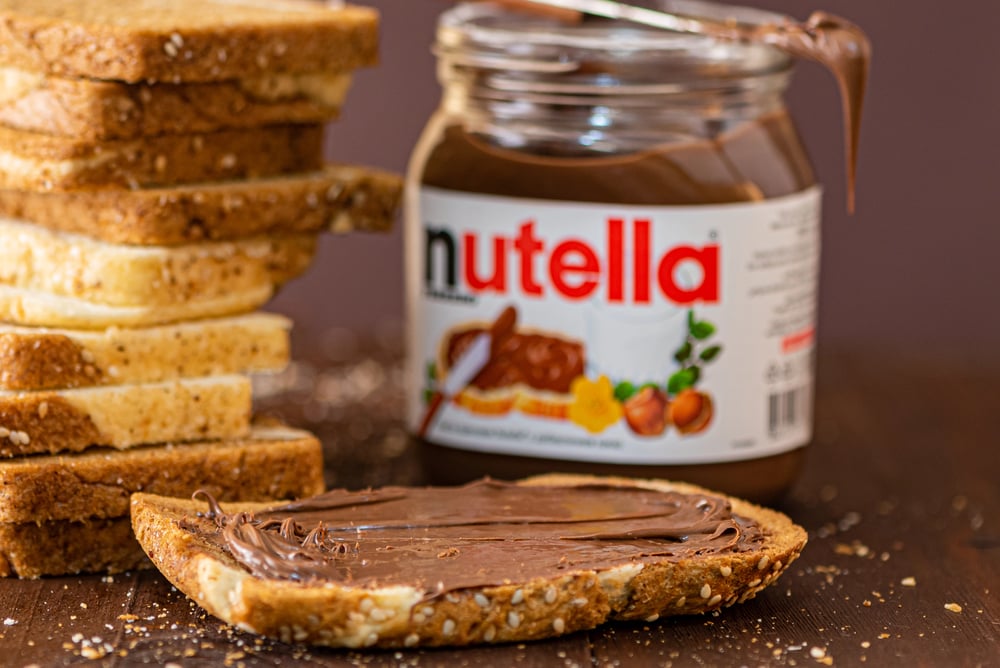
World Nutella Day started in 2007, created by an American blogger living in Italy named Sara Rosso. It caught on fast.
People share recipes, photos, and embarrassingly large portions online every February 5th. Ferrero initially sent a cease-and-desist letter to Rosso in 2013, which caused enormous backlash.
The company quickly reversed course and eventually took over management of the day themselves.
It’s Technically Not Chocolate Spread
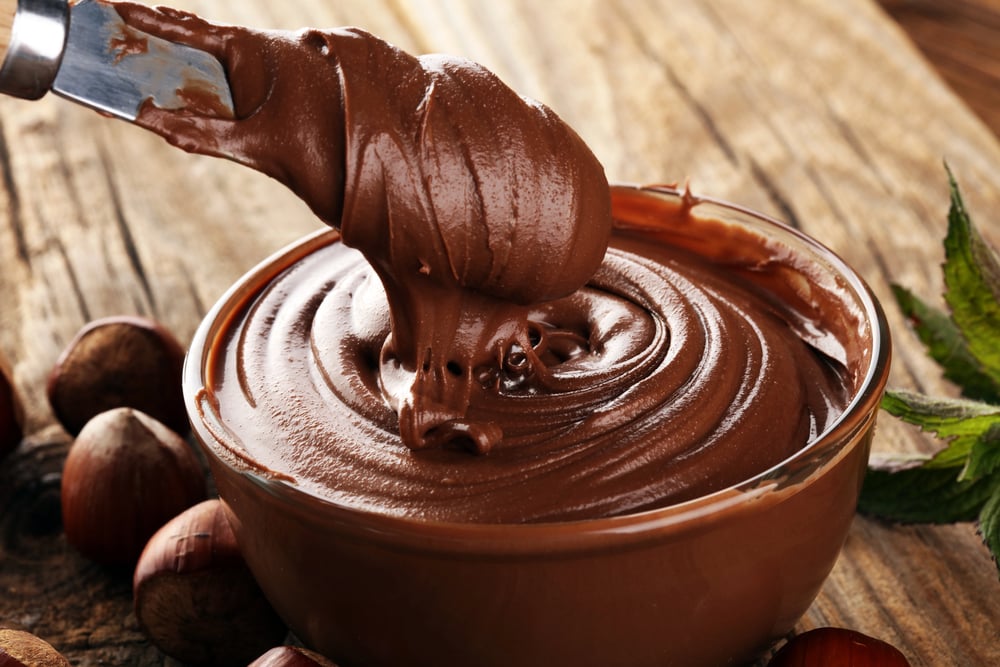
Nutella is often described as a chocolate hazelnut spread, but Ferrero is careful about how it markets the product. In several countries, there have been legal disputes and advertising regulations around calling it a “chocolate” product because the cocoa content is relatively low — around 7.4%.
Some countries require specific cocoa percentages for a product to be labeled chocolate, and Nutella doesn’t always meet that threshold.
The Jar Design Is Deliberate
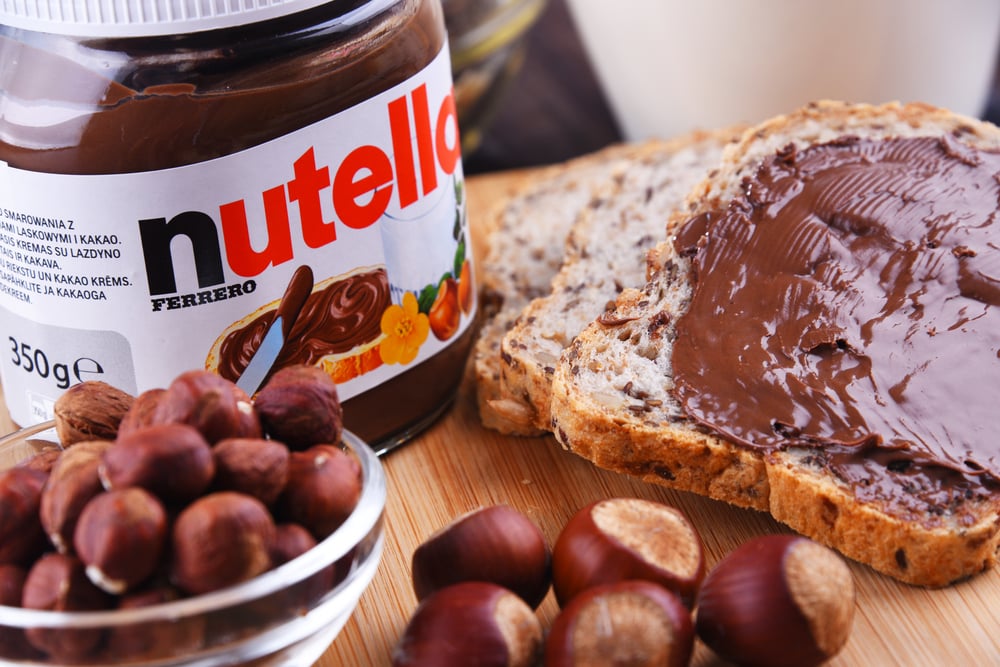
That wide, squat jar shape isn’t accidental. It was designed to make it easy to get a spoon or knife all the way to the bottom without making a mess.
The broad opening also gives you a clear view of how much is left, which is either satisfying or devastating depending on the situation. The design has stayed relatively consistent for decades, which is rare in consumer products.
It Has Its Own Museum
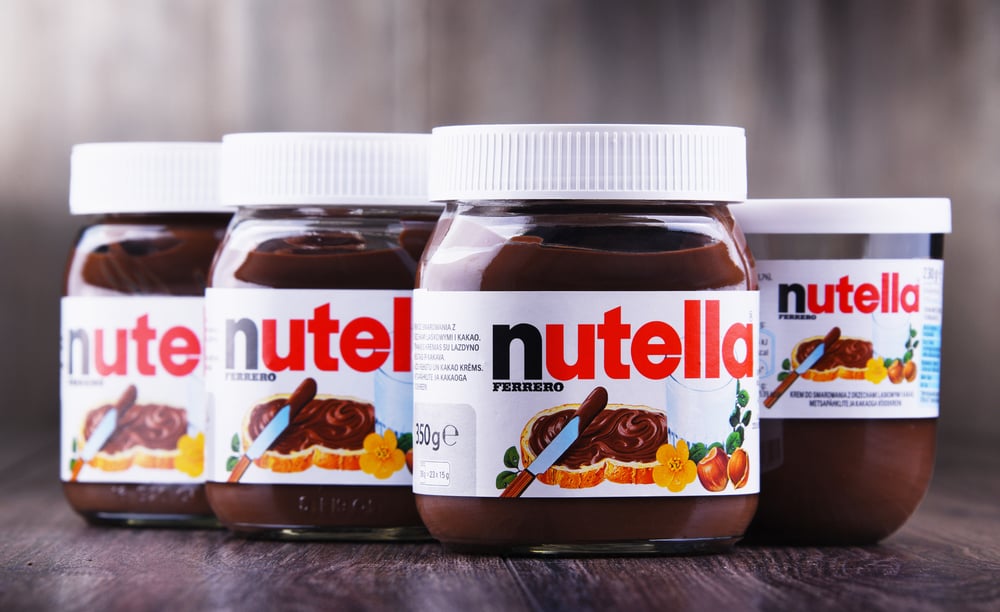
In Alba, Italy — the hometown of the Ferrero company — there’s a museum dedicated entirely to Nutella called the “Casa Ferrero.” It opened in 2023 and traces the history of the product from its wartime origins to its global presence today.
It’s not open to the general public in the traditional sense, but it’s a real physical space that shows just how seriously the company takes its flagship product.
Americans Were Late To The Party
Back when Nutella first showed up in Europe, shelves held it long before Americans ever saw a jar. Not until 1983 did it cross oceans, landing on U.S. soil.
Growth crawled at first, quiet, almost unnoticed. Only later, around the end of the 2000s, did things shift.
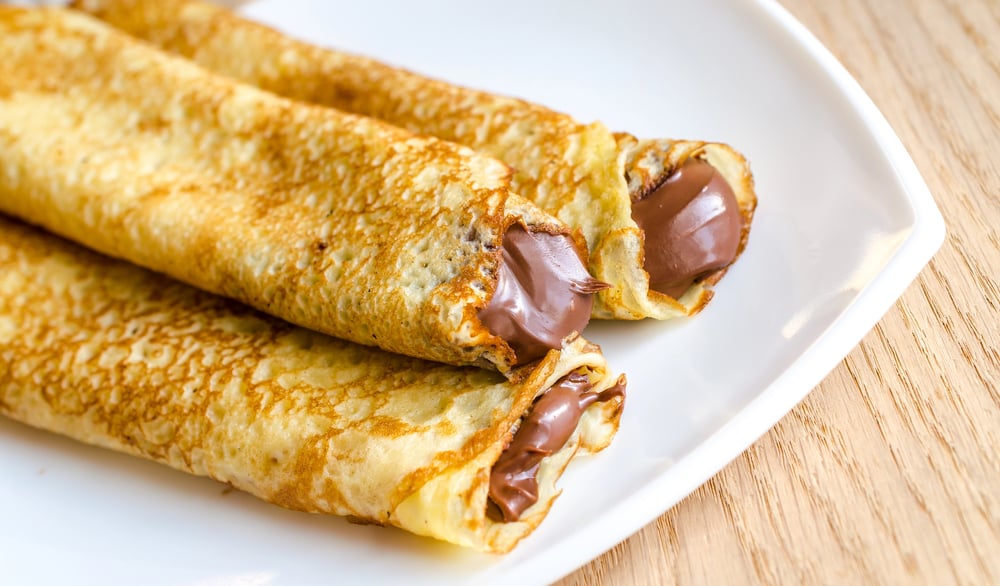
Suddenly, pictures popped up online – spoonfuls smeared across toast, tucked into pancakes. Blogs passed recipes like notes in class.
Sharing made it stick. Now?
America stands tall among Ferrero’s biggest buyers, just behind parts of its European home.
Class Action Filed On Health Claim Dispute
Ferrero paid three million dollars in 2012 to resolve a group legal claim in America. Advertising sparked the problem.
Breakfast claims on TV and jars made families believe Nutella helped start the day right. Yet experts noted those same two tablespoons packed twenty-one grams of sugar along with eleven grams of fat.
Because of the case, how the product reached customers shifted across the country.
Ferrero Keeps The Formula Secret
Only a few know how Nutella is really made. Not even big companies have been allowed to make it themselves, since Ferrero keeps full control over production.
Exact amounts of each ingredient stay hidden from public view. For years, offers to purchase the business were turned away without exception.
When Michele Ferrero passed in 2015, his fortune ranked among Europe’s largest – tied directly to that chocolate-hazelnut spread.
Knockoffs Are Everywhere But Never The Same
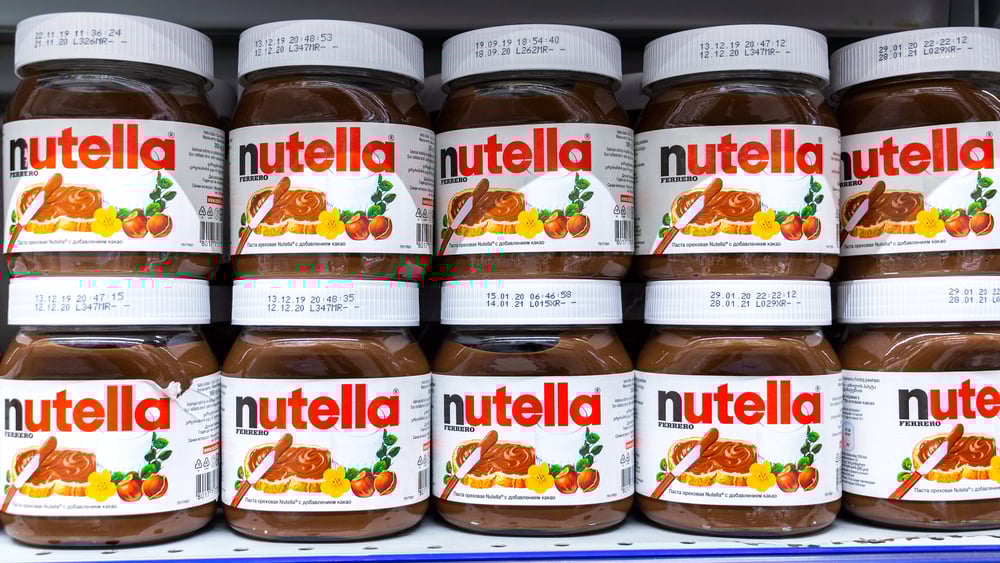
Strolling past grocery store shelves, rows of hazelnut spreads pop up beside the famous jar – often costing just fifty percent more. A few tastes okay.
Yet Nutella mixes sugar, oil, and toasted nut essence in a way most brands can’t match, making it dominate sales nonstop. Shoppers test others first, only to return later.
The Jar At The Back Of The Cupboard
One taste of Nutella feels familiar to nearly everyone – appearing in homes everywhere, even where you would never expect. People guard their jars like secrets, somehow.
What began as a fix for scarce cocoa after war broke out became wildly common around the globe. Back then, Pietro Ferrero just wanted to make chocolate last longer during hard times in Italy.
Now, decades later, folks reach for it anyway – straight from the container, no shame.
More from Go2Tutors!

- The Romanov Crown Jewels and Their Tragic Fate
- 13 Historical Mysteries That Science Still Can’t Solve
- Famous Hoaxes That Fooled the World for Years
- 15 Child Stars with Tragic Adult Lives
- 16 Famous Jewelry Pieces in History
Like Go2Tutors’s content? Follow us on MSN.