25 Aviation Pioneers Whose Stories Deserve Far More Attention
The Wright brothers get the monument at Kitty Hawk. Charles Lindbergh gets the ticker-tape parade in every history textbook.
Amelia Earhart gets the biography and the Hollywood treatment. But flight was never the achievement of a handful of famous names — it was built by dozens of people whose contributions were just as significant, just as dangerous, and in many cases more technically remarkable than the legends who overshadowed them.
Some were overlooked because of race or gender. Others were simply unlucky with timing.
A few died before the world noticed what they had done. These are 25 of them.
George Cayley
Nearly a century before the Wright brothers, a Yorkshire baronet named Sir George Cayley sketched the earliest known design for a fixed-wing aircraft with separate mechanisms for lift and thrust. That was 1799.
He built working glider models in 1804, and in 1853 — fifty years before Kitty Hawk — he built a full-sized glider that successfully carried a passenger near Scarborough, England. The passenger was reportedly his terrified coachman, who immediately resigned afterward.
Cayley died the following year, never seeing what his theoretical framework would eventually produce, but the Wrights studied his work closely.
Otto Lilienthal
The German aviator known as the “Glider King” made roughly 2,000 successful glider flights between 1891 and 1896, launching from an artificial hill he built near Berlin. He constructed 16 different glider designs, compiled systematic data on aerodynamics and airfoil shapes, and was photographed mid-flight at a time when most people still considered manned flight a fantasy.
Wilbur Wright later said that no one did more to inspire new recruits to the cause of aviation. Lilienthal died in 1896 when a gust stalled his glider and he plummeted 50 feet, fracturing his spine.
His reported last words: “Sacrifices must be made.”
Octave Chanute
Born in Paris in 1832, Chanute became a successful railway engineer in America before devoting his later years to the problem of human flight. His 1894 book Progress in Flying Machines gathered and organized every significant experiment in aviation up to that point, creating the essential reference text for an entire generation of researchers.
He shared information freely at a time when most experimenters guarded their findings jealously, corresponding with Lilienthal, the Wrights, and practically every serious figure in early aviation. Without Chanute’s role as information hub and tireless advocate, the scattered community of flight researchers might have taken decades longer to converge on workable solutions.
Samuel Langley
The secretary of the Smithsonian Institution came agonizingly close to beating the Wrights into the air. His Aerodrome No. 5 flew unmanned in 1896 — a genuine technical achievement — and his full-sized piloted Aerodrome failed not because of poor aerodynamics but because its launch catapult malfunctioned twice in 1903, dunking the aircraft into the Potomac River both times.
The newspapers mocked him. The Wrights flew nine days after his second failure.
History remembered Langley as a footnote, but his aerodynamic research and work with powered scale models was genuinely influential and helped lay groundwork that others built upon.
Charles E. Taylor
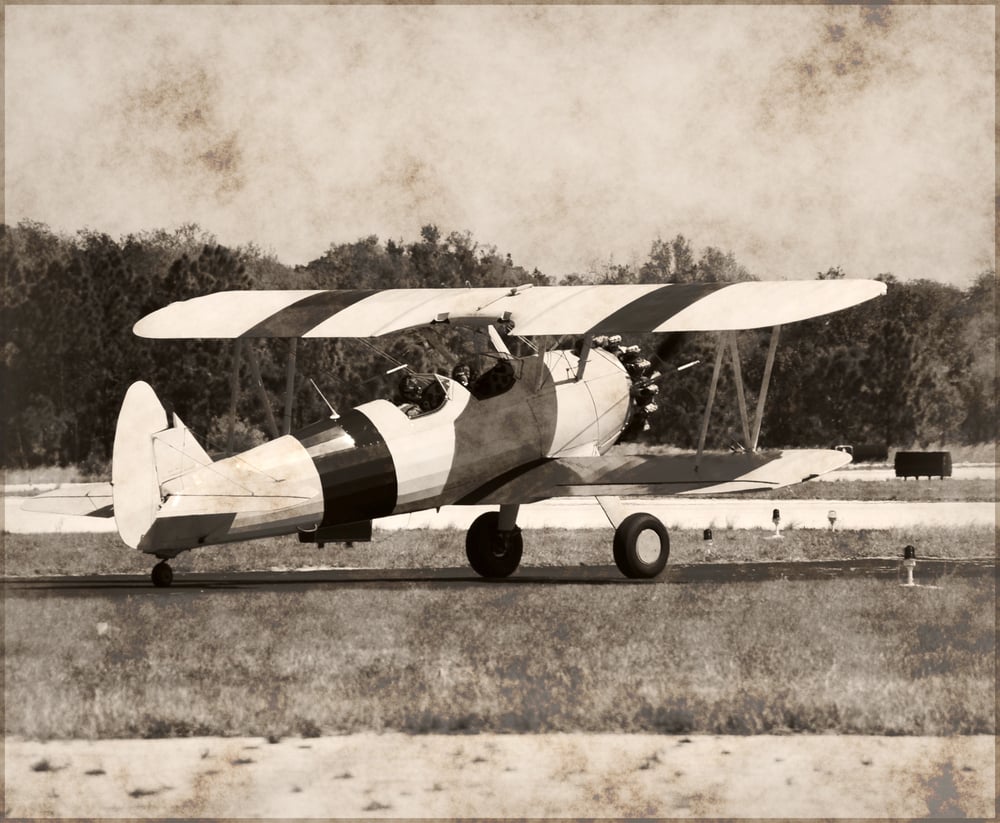
Nobody flew at Kitty Hawk without Charles Taylor. The machinist built the 12-horsepower engine that powered the 1903 Flyer in just six weeks, working from scratch because no suitable automotive engine existed that was light enough.
He fabricated the crankcase from aluminum — a novel choice at the time — and created a functional powerplant out of essentially nothing. Taylor went on to build engines for the Wrights for years, yet his name was almost entirely absent from early histories of powered flight.
The Smithsonian eventually recognised him, but not until he was in his seventies and living in near poverty.
Alberto Santos-Dumont
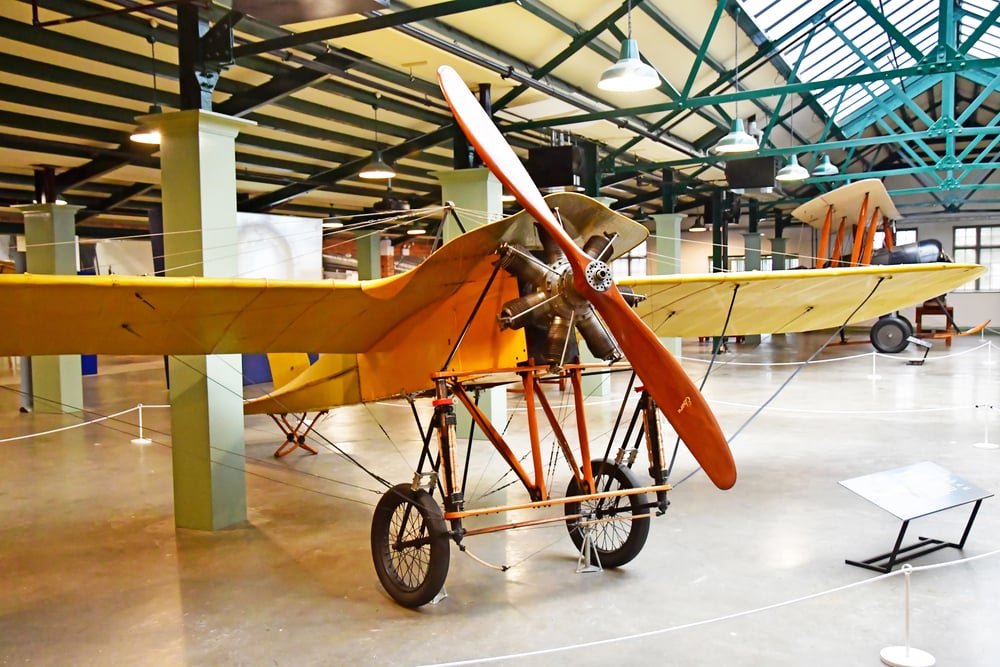
Brazilians argue to this day that Santos-Dumont, not the Wrights, deserves credit for the first true powered flight — and they have a case. The elegantly dressed Brazilian living in Paris won an aviation prize in 1901 for piloting a motorised dirigible around the Eiffel Tower, and in 1906 made what many Europeans considered the first publicly witnessed powered airplane flight.
Unlike the Wrights, he flew without a catapult launch system. He later invented the wristwatch — specifically so pilots could check the time without taking their hands off the controls — and gave away his aviation patents freely.
He died in 1932, deeply distressed by seeing aircraft used for warfare.
Raymonde de Laroche
A French actress and artist, Elise Raymonde Deroche became the world’s first licensed female pilot when the Aero-Club de France issued her licence number 36 on 8 March 1910. She had begun flying the previous year after Charles Voisin, on a whim, let her take the controls of his aircraft — she promptly flew it 300 yards on her first attempt.
De Laroche competed in air races and broke altitude records despite suffering serious injuries in two crashes. She was killed in a plane crash in 1919 while testing a new aircraft, just nine years after becoming the first woman in history to hold an official pilot’s licence.
Harriet Quimby
The first American woman to earn a pilot’s licence did so in 1911 through the Aero Club of America, and the following year she became the first woman to fly solo across the English Channel — a feat she accomplished wearing a purple satin flying suit of her own design. Quimby was also a working journalist and screenwriter, which made her one of the most publicly visible early aviators in America.
The Channel crossing was almost entirely buried in the news because the Titanic had sunk the day before. She died in a flying accident at a Boston air meet in July 1912, barely a year after getting her licence.
Hilda Beatrice Hewlett
Hewlett became the first British woman to earn a pilot’s licence in 1911, but what distinguished her was what she did with it. Rather than fly for spectacle, she co-founded one of Britain’s first flying schools and started an aircraft manufacturing business.
Her school trained hundreds of military pilots before World War I — men who would go on to fly combat missions over France. She was in her mid-forties when she began flying, at an age when most of her contemporaries would have considered the idea unthinkable.
Eugene Bullard
Born in Columbus, Georgia in 1895 to a formerly enslaved father, Bullard left the American South at age eleven after witnessing racial violence. He made his way to Europe, became a professional boxer in Paris, fought at Verdun in the French Foreign Legion, and in 1917 earned his wings to become the first African American fighter pilot in history.
He flew around 20 combat missions. When the United States entered the war, he attempted to transfer to the American air service — and was refused because America did not allow Black pilots.
Bullard spent his final years working as an elevator operator in Rockefeller Center. He was posthumously commissioned as a Second Lieutenant in the U.S. Air Force in 1994, 77 years after France gave him wings.
Bessie Coleman
Denied flight training in the United States because she was both Black and a woman, Coleman moved to France and earned her international pilot’s licence in 1921 — the first African American of any gender to do so. She returned to America as a barnstormer and stunt pilot, performing loop-the-loops and figure-eights for crowds who had never seen a Black woman fly.
She refused to perform at venues that enforced racial segregation and insisted on a single entrance for all attendees regardless of race. Coleman was killed in a 1926 test flight accident in Jacksonville, Florida, at age 34, before she could open the flight school she had been raising money to build.
Glenn Curtiss
The Wright brothers are famous. Glenn Curtiss, who gave them their most significant legal battle and arguably their most important aeronautical competition, is not.
Curtiss designed the first practical seaplane, pioneered aircraft that could take off and land on ship decks, and created the JN-4 “Jenny” biplane that trained the majority of American and Canadian pilots in World War I. A Curtiss NC-4 flying boat completed one of the first Atlantic crossings in 1919.
He held over 500 patents. The Wright brothers fought him in court for years over flight control patents, which delayed American aviation development significantly at exactly the moment Europe was pulling ahead.
Lincoln Beachey
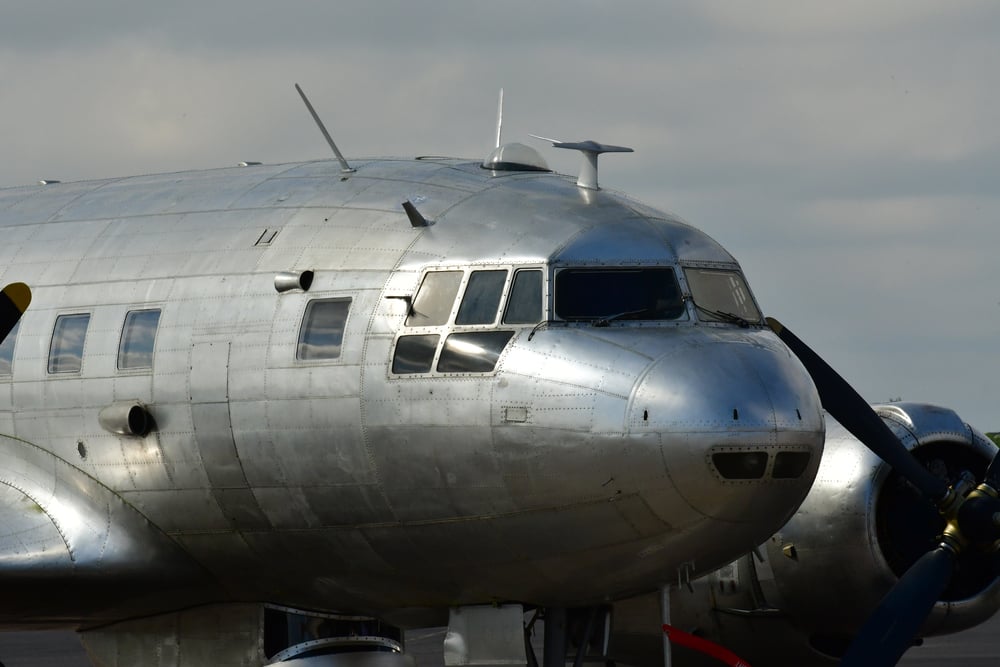
The man some historians call the greatest pure pilot who ever lived was performing aerial stunts for exhibition crowds before most Americans had ever seen an aircraft. Beachey flew upside down, flew loops inside buildings, raced cars driven by Barney Oldfield, and flew through Niagara Falls gorge.
He was so good that the Wright brothers reportedly stopped staging exhibitions when they heard he would be performing in the same city, knowing they couldn’t compete. He died in 1915 when his monoplane’s wings sheared off during a dive over San Francisco Bay — watched by an estimated 50,000 people who had come to see him perform.
Wiley Post
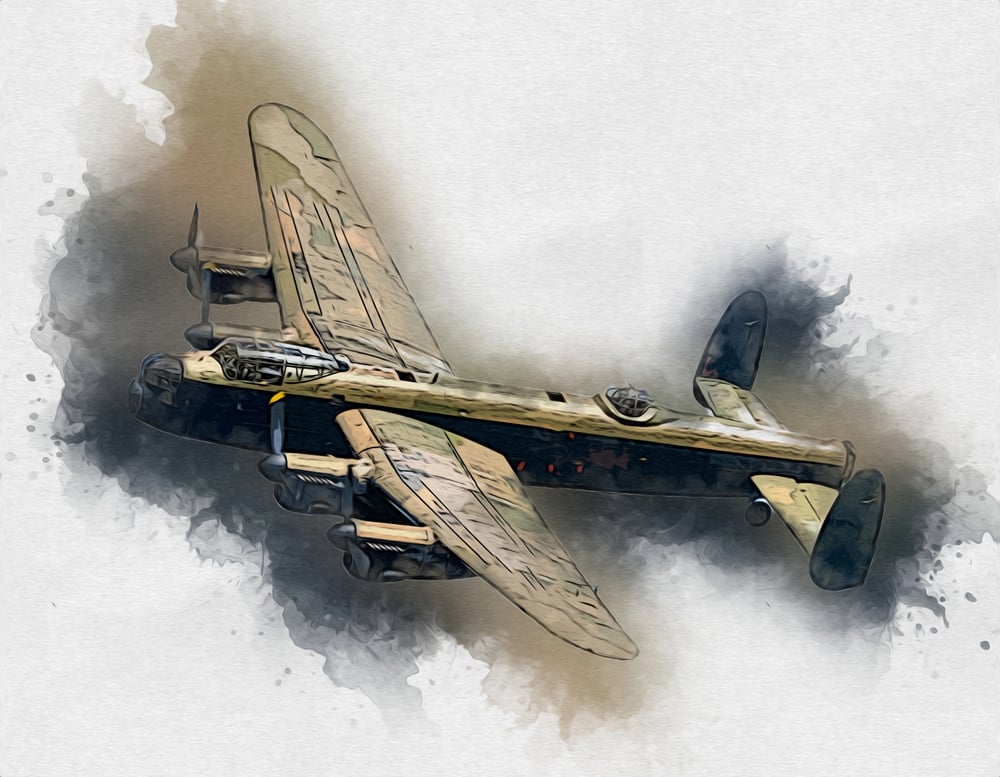
One biography of Post was titled Forgotten Eagle, and the description fits. An Oklahoma oil field worker who served time for robbery, lost an eye in an industrial accident, and used his insurance settlement to buy his first plane, Post went on to become the first person to fly solo around the world in 1933 — completing the journey in 7 days, 18 hours and 49 minutes.
He had previously set the round-the-world speed record with navigator Harold Gatty in 1931. Post also developed an early pressure suit that allowed him to fly at high altitude, pioneering research that directly influenced the design of astronaut suits decades later.
Howard Hughes called Post’s solo circumnavigation “the most remarkable flight in history.”
John Macready
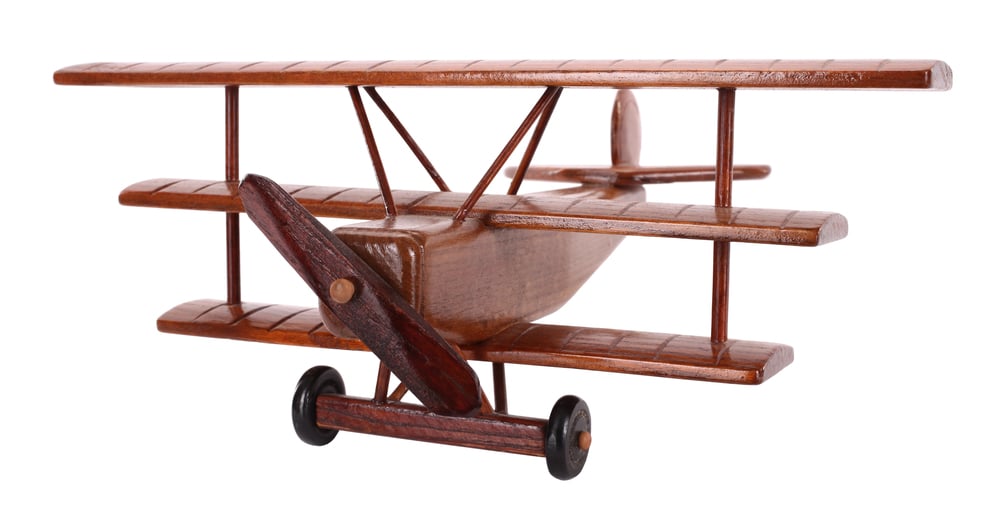
Chief test pilot for the U.S. Army Air Service from 1920 to 1926, Macready accumulated a list of firsts that reads like a catalogue of early aviation’s most important experiments. He was the first person to fly above 35,000 feet — in an open-cockpit biplane.
He made the first successful night parachute jump. He invented the first aviator sunglasses.
He completed the first non-stop transcontinental flight across the United States in 1923, flying 2,500 miles from Long Island to San Diego in a Fokker T-2 with co-pilot Oakley Kelly. He is the only person to have won the Mackay Trophy for outstanding aviation achievement three times.
Beryl Markham
Born in England and raised in Kenya, Markham became Africa’s first licensed female commercial pilot and one of its first bush pilots, spotting game from the air and delivering mail to remote locations. In September 1936 she flew solo across the Atlantic from east to west — the hard direction, against prevailing headwinds — becoming the first person to fly solo non-stop from England to North America.
The flight lasted 20 hours and ended with a forced landing in a Nova Scotia bog after her fuel vents iced over. Two fishermen found her covered in mud.
“I’m Mrs. Markham,” she told them. “I’ve just flown from England.”
Her memoir West with the Night was called by Ernest Hemingway “a bloody wonderful book.”
Hanna Reitsch
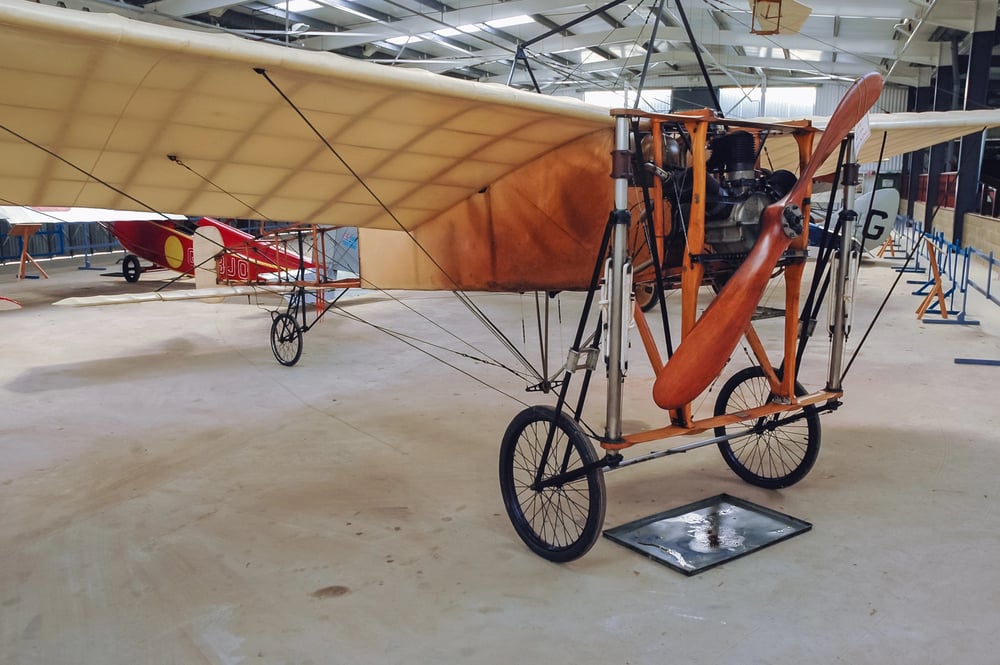
The German test pilot and glider champion was the first person to fly a helicopter indoors — demonstrating the Focke-Achgelis Fa 61 inside a Berlin exhibition hall in 1938 — and later became one of very few pilots to fly the Messerschmitt Me 163 rocket-powered interceptor. She flew into besieged Berlin in April 1945, landing under artillery fire to meet Adolf Hitler in the Fuhrerbunker, and flew out again two days before the end of the war.
Whatever one makes of her politics, her technical skill was extraordinary by any measure, and she continued setting glider records into the 1970s.
Francisco de Paula Martinez Zuber
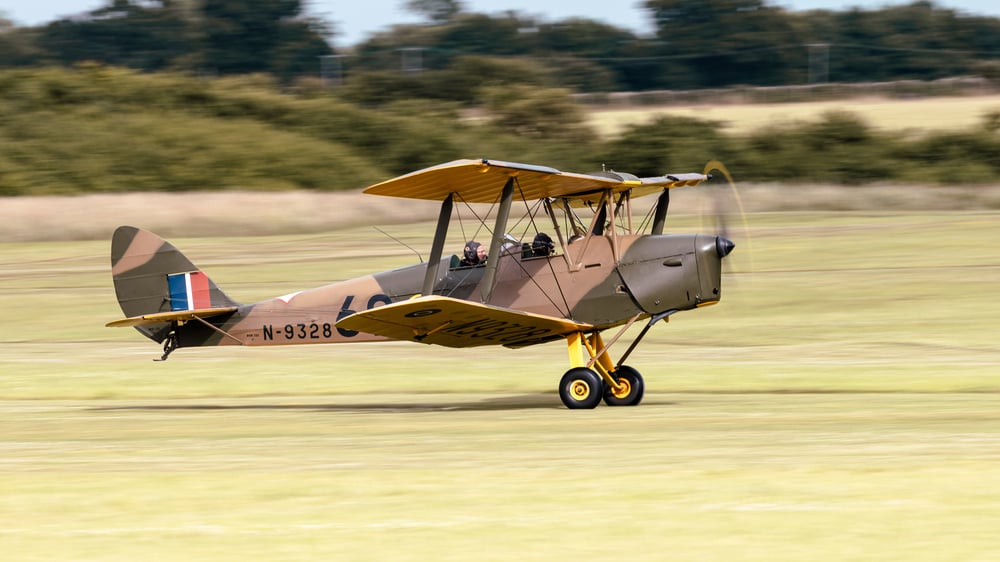
Known simply as “El Aviador Andaluz,” this Spanish pilot made the first airmail flight in the history of Morocco in 1913 and flew reconnaissance missions for the Spanish military in North Africa at a time when most aircraft were still considered experimental novelties. He set altitude records over the Iberian Peninsula and trained a generation of Spanish military pilots whose influence shaped that country’s early air force.
His name rarely appears outside specialist aviation histories, even in Spain.
Harry Hawker
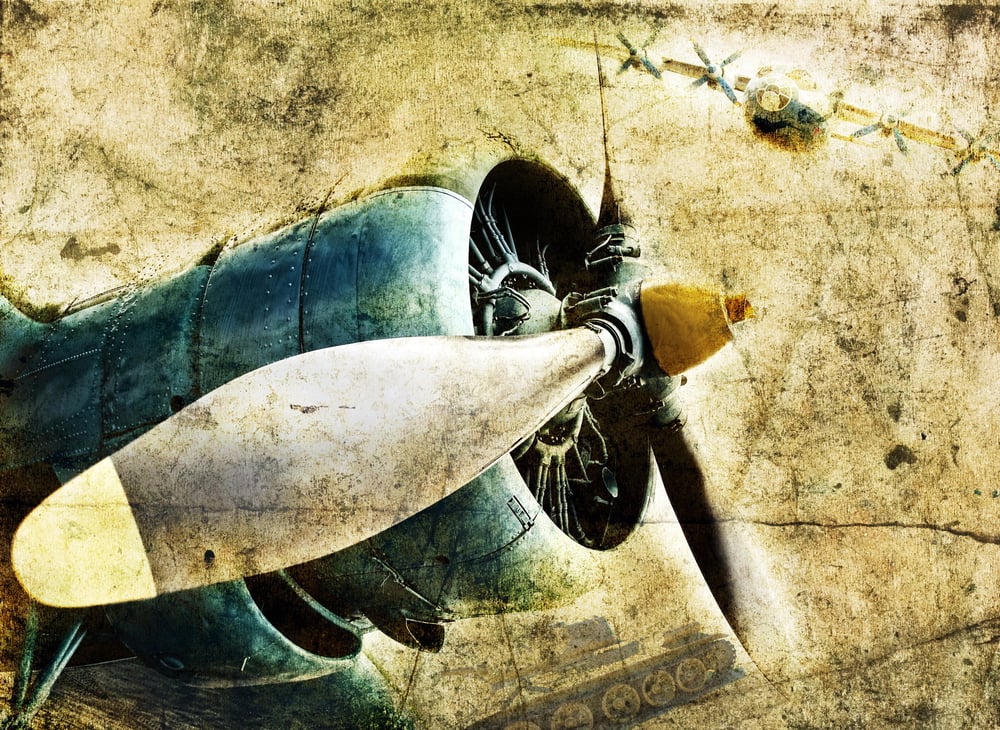
The Australian who moved to Britain and became chief test pilot at the Sopwith Aviation Company was by many accounts the most naturally gifted pilot of the pre-war generation. He set an eight-hour endurance record in 1912, won the Michelin Cup, and in 1914 became the first pilot to intentionally enter a spin and recover from it — a manoeuvre that had been killing pilots for years.
In 1919 he attempted a non-stop transatlantic flight before Alcock and Brown succeeded, ditching in the Atlantic when his plane’s cooling system failed. He died in a routine flying accident in 1921, aged 26.
Jerrie Mock
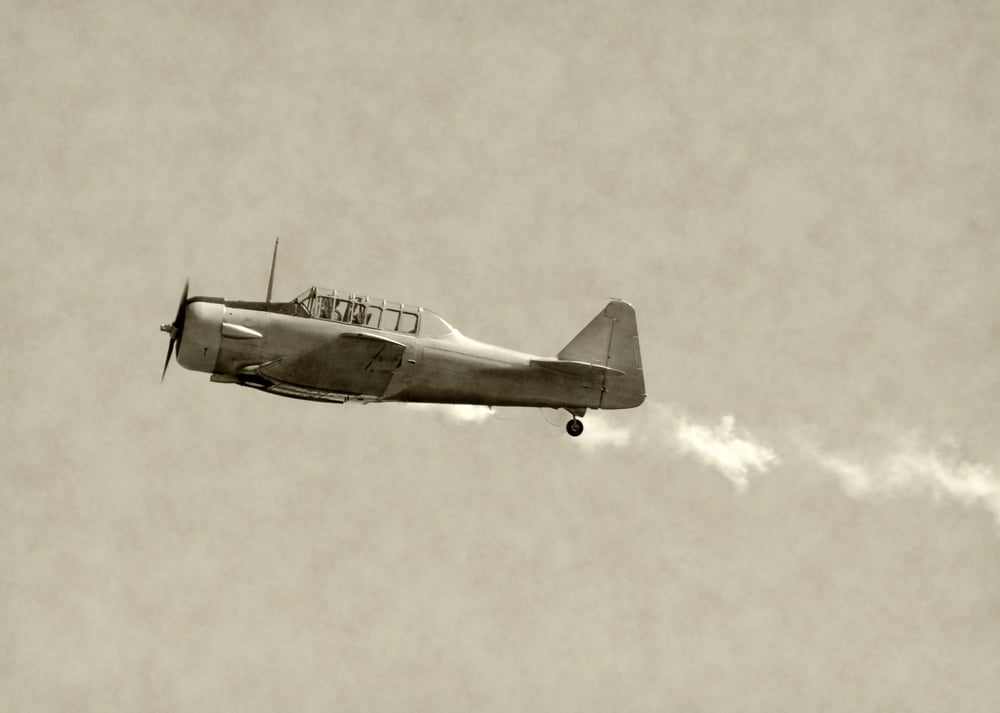
In 1964 — three years after Yuri Gagarin had orbited the Earth — Jerrie Mock became the first woman to fly solo around the world, completing the journey in her single-engine Cessna 180 nicknamed Spirit of Columbus. She was a 38-year-old Ohio housewife with a pilot’s licence and a Cessna who decided to attempt what no woman had done.
The flight covered 23,103 miles over 29 days, stopping at 21 points across 3 continents. Mock received a Federal Aviation Administration award from President Lyndon Johnson but almost no sustained press attention.
Amelia Earhart had attempted the same route 27 years earlier and died. Mock finished it and then went home to Columbus.
Hubert Latham
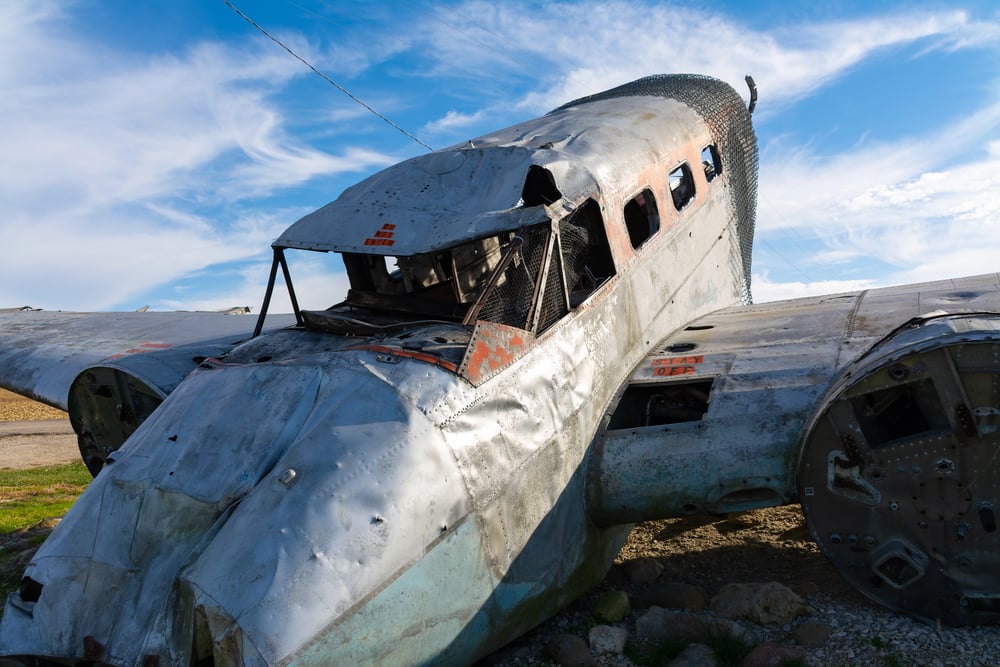
The French aviator known for his languid composure in the face of spectacular crashes was the first person to attempt flying across the English Channel — twice. His Antoinette monoplane’s engine failed both times, depositing him in the sea both times, and on both occasions he was photographed sitting calmly on the floating wreckage, still apparently unfazed.
Louis Bleriot succeeded where Latham failed, and history remembers Bleriot. Latham later set an altitude record of 1,384 metres in 1910 before leaving aviation entirely to go big-game hunting in Africa, where he died after being gored by a buffalo.
Pancho Barnes
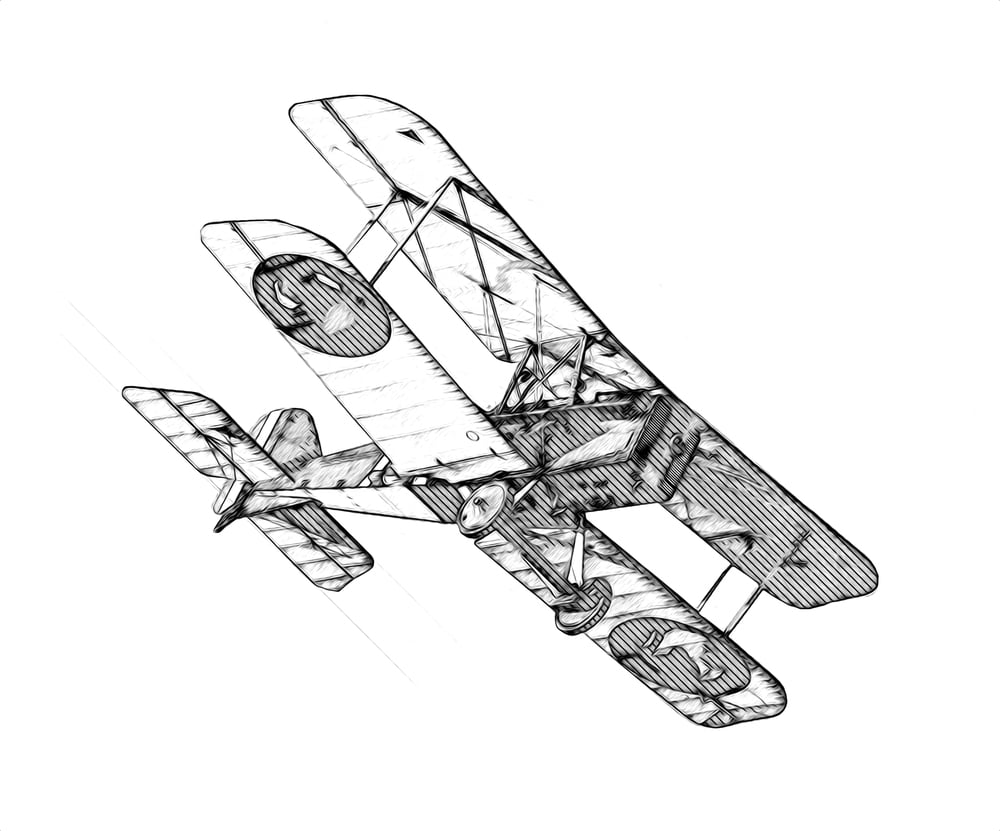
Florence Lowe Barnes — universally known as Pancho — broke Amelia Earhart’s women’s air speed record in 1930, flying 196.19 mph in a Travel Air Mystery Ship. She was a stunt pilot who flew in Hollywood films, an early member of the Women’s Air Derby, and later ran the Happy Bottom Riding Club near Edwards Air Force Base — a diner and social club that became the unofficial headquarters for the test pilot community in the early jet age.
Chuck Yeager and the pilots who broke the sound barrier drank there. When the Air Force tried to acquire her land, she sued them.
The base eventually demolished her club in 1953, though not before she had fought them in court for years.
Charles Kingsford Smith
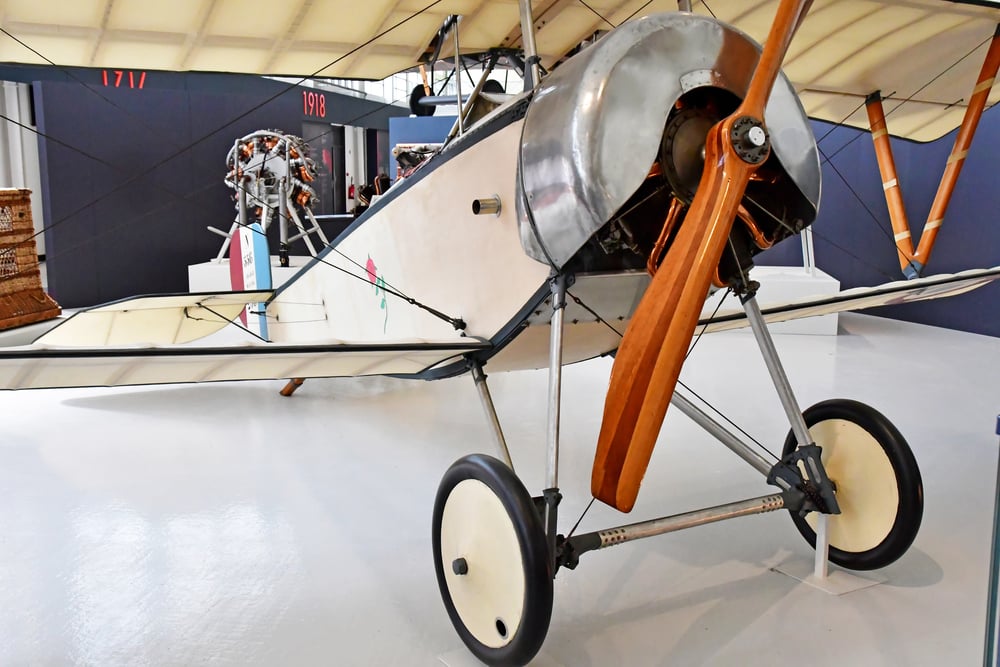
The Australian aviator completed the first transpacific flight in 1928, crossing from Oakland, California to Brisbane, Australia in the Southern Cross — a Fokker trimotor — with a crew of three. The journey covered 7,389 miles and took 83 hours and 38 minutes across three legs.
He also made the first non-stop crossing of the Australian continent and the first transtasman crossing between Australia and New Zealand. In Australia, Kingsford Smith is something approaching a national hero.
Outside Australia, almost no one has heard of him.
Helene Dutrieu
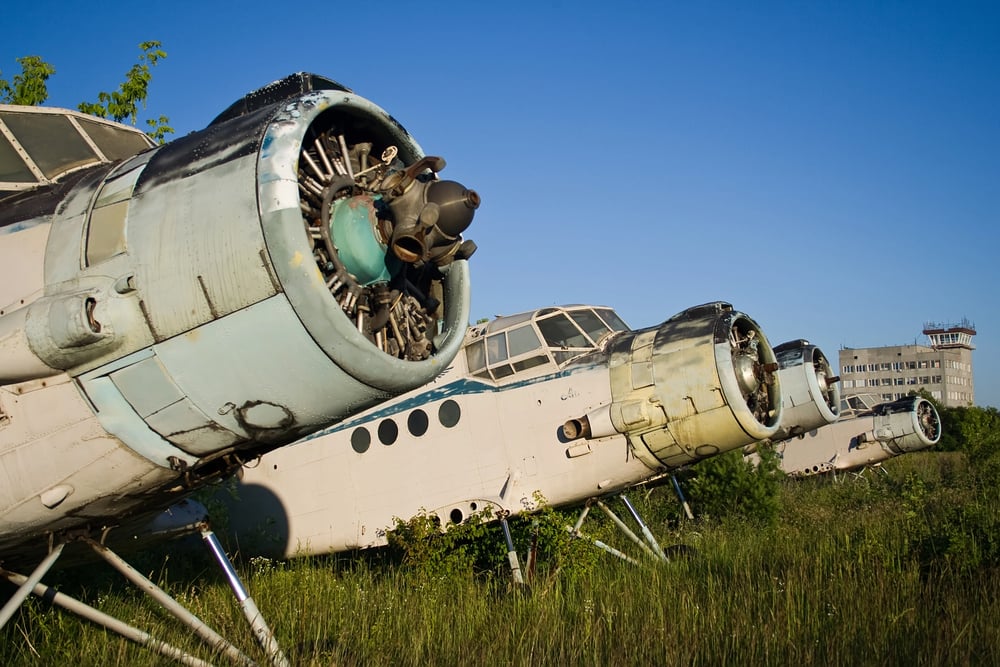
A Belgian who won the first women’s Tour de France on a bicycle in 1897 before taking up motoring and then aviation, Dutrieu earned her pilot’s licence in 1910 and became the first woman to carry a passenger in an aircraft. She set an endurance record for women in 1910, flying for one hour and 53 minutes, and won the Femina Cup in 1910 and 1911.
She was known as “the human arrow” for her speed. Her transition from cycling champion to aviation pioneer was so natural that the Paris press barely noticed — she was simply expected to be exceptional at anything she attempted.
Kurt Tank
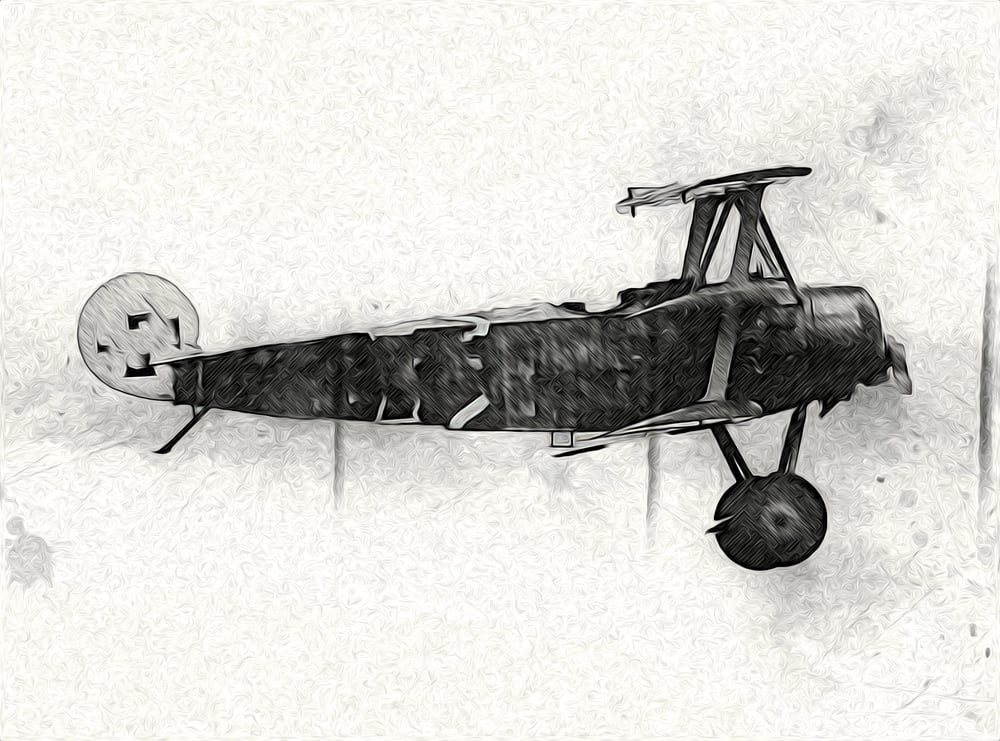
The German engineer who designed the Focke-Wulf Fw 190 — arguably the finest piston-engine fighter aircraft of World War II — was not only the aircraft’s creator but its primary test pilot. Tank regularly flew combat aircraft under combat conditions to gather accurate data rather than relying purely on instruments.
After the war he worked in Argentina designing jet fighters for the Peron government, then India, then returned to West Germany. The Fw 190’s design influence can be traced through decades of postwar aircraft design, yet Tank’s name is almost entirely absent from general aviation histories.
Amelia Wren… and the Problem of History Itself
The list of forgotten aviation pioneers could run to hundreds of names, and that omission is its own kind of story. Many of the most significant early pilots were women who had to fight for access to aircraft, or people of colour who were barred from official programmes and had to reach other countries to fly at all.
The problem was never a shortage of skill, nerve, or ingenuity — it was a shortage of institutions willing to record what certain people had accomplished. History tends to remember whoever was standing in front of the cameras.
The people who built the cameras, maintained the engines, or flew on the wrong continent in the wrong decade often get left out entirely. What the people on this list shared was not fame but persistence.
They flew before navigational aids, before reliable weather forecasting, before ejection seats, and in many cases before anyone had established that a given thing could be done at all. The Wright brothers got the monument.
These twenty-five got the sky.
More from Go2Tutors!

- The Romanov Crown Jewels and Their Tragic Fate
- 13 Historical Mysteries That Science Still Can’t Solve
- Famous Hoaxes That Fooled the World for Years
- 15 Child Stars with Tragic Adult Lives
- 16 Famous Jewelry Pieces in History
Like Go2Tutors’s content? Follow us on MSN.



