15 Once-Famous Buildings That Were Demolished (and Why It Happened)
Architecture tells the story of our civilization—our ambitions, values, and sometimes our mistakes. While many iconic structures stand the test of time, others vanish despite their once-celebrated status.
The reasons range from practical concerns to changing cultural attitudes, with economic pressures often making the final call. Here is a list of 15 once-famous buildings that were demolished, along with the fascinating (and sometimes surprising) reasons behind their demise.
Penn Station

New York’s original Pennsylvania Station was a Beaux-Arts masterpiece completed in 1910, featuring massive steel and glass train sheds with soaring 150-foot ceilings. Its demolition in 1963 to make way for Madison Square Garden sparked outrage that ultimately birthed the architectural preservation movement in America.
The public outcry came too late to save the station but helped establish landmark preservation laws that would protect countless other historic buildings.
Pruitt-Igoe Housing Complex

This massive St. Louis public housing project, completed in 1956, was initially celebrated as the solution to urban housing problems. Within a decade, the 33 identical concrete buildings had deteriorated into crime-ridden, vandalized shells.
Its dramatic implosion in 1972 became an iconic moment, with architectural theorist Charles Jencks declaring it ‘the day Modern architecture died.’ The failure of Pruitt-Igoe represents the complex social challenges that architecture alone cannot solve.
The Original Wembley Stadium

For 80 years, Wembley’s iconic Twin Towers stood as symbols of British sporting heritage after the stadium opened in 1923. Demolished in 2003, the venue that hosted the 1948 Olympics and the 1966 World Cup final was replaced with a modern structure featuring a distinctive 440-foot arch.
The demolition came down to practical concerns: the aging facility couldn’t meet contemporary safety standards or provide the amenities modern spectators expected.
Singer Building
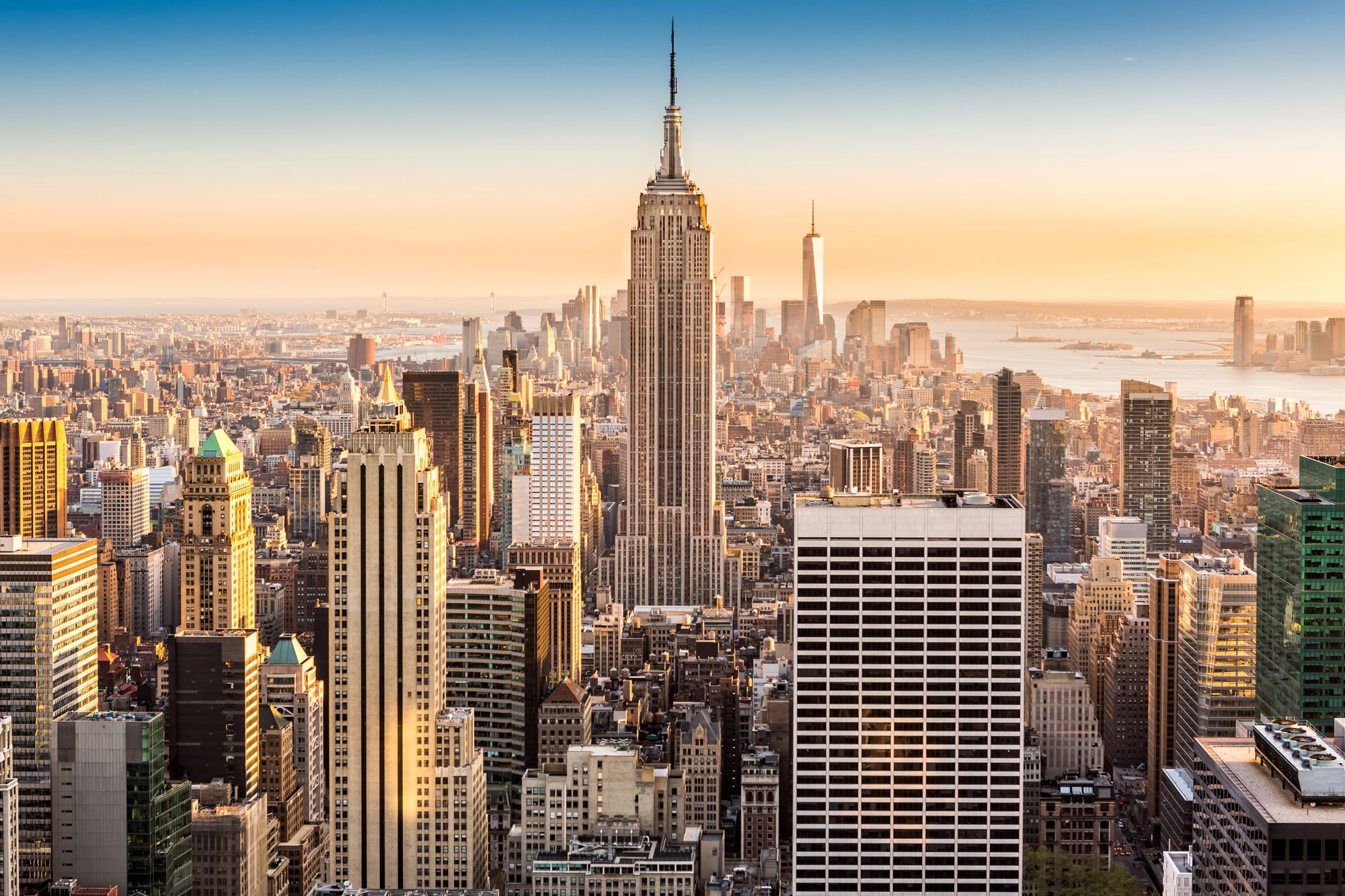
Once the tallest building in the world (1908-1909), this 47-story New York skyscraper featured a distinctive Beaux-Arts tower with elaborate ornamentation. Its 1968 demolition remains the tallest intentional building demolition in history.
The slender tower’s small floor plates made it commercially obsolete as corporate tenants demanded more efficient office space, leading to its replacement with the larger One Liberty Plaza.
Hippodrome Theatre

New York’s massive entertainment venue could seat 5,300 people and featured a 14,000-gallon water tank for aquatic shows with diving horses. Despite its popularity, the maintenance costs for such an elaborate venue became unsustainable during the Great Depression.
The theater was demolished in 1939 after just 34 years of operation, replaced by an ordinary office building—a prime example of economics trumping architectural and cultural significance.
The Doric Apartments

With its appearance as the fictional McKittrick Hotel in Alfred Hitchcock’s 1958 film ‘Vertigo,’ this graceful Chicago residence unexpectedly became famous. The structure was razed in 1959, just as the movie was becoming more and more popular, despite its architectural beauty and Hollywood affiliation.
The film’s themes of lost identity and fake reality were eerily paralleled by this fate.
Birmingham Central Library
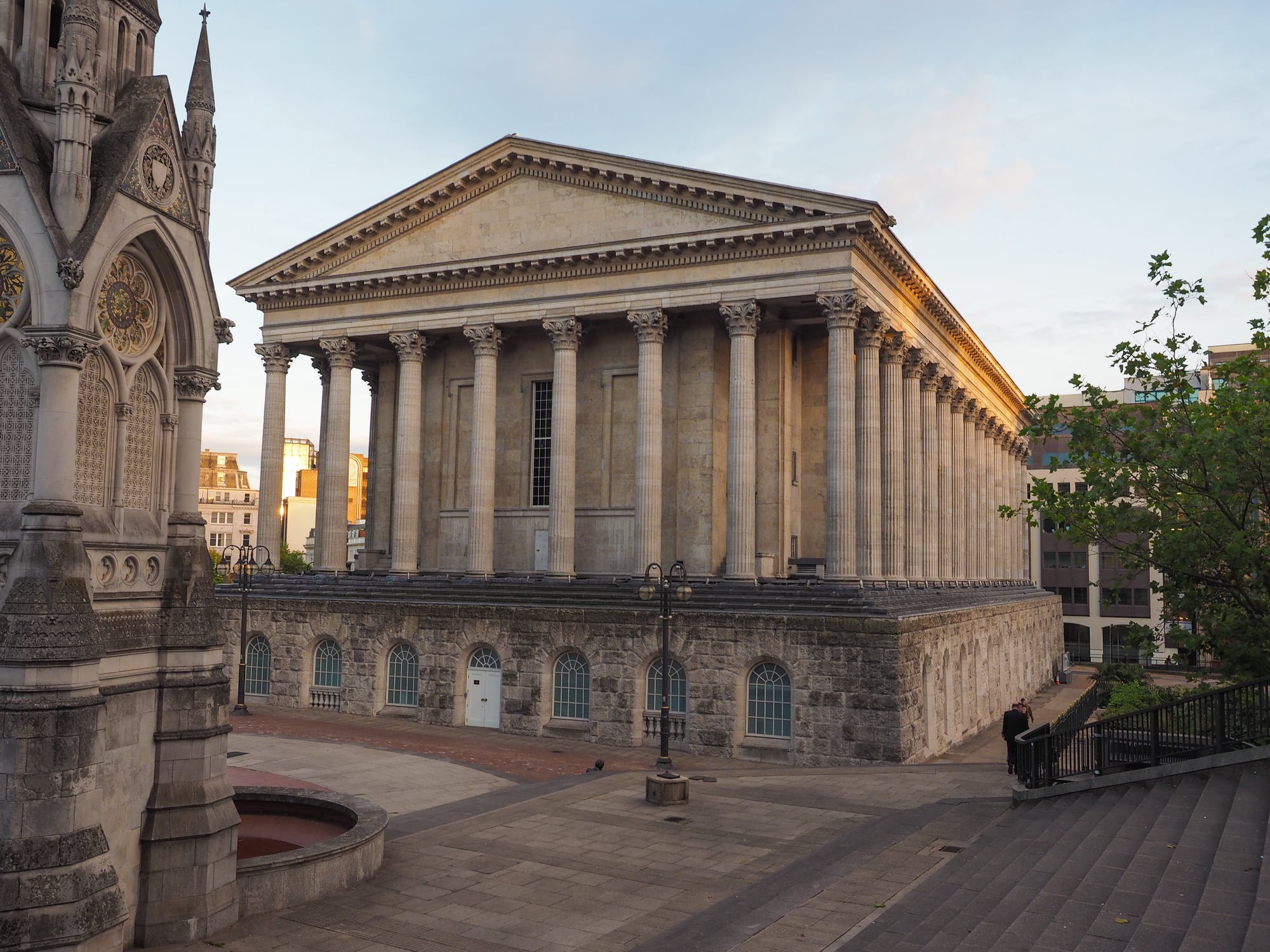
When the brutalist concrete building opened in 1974 as Europe’s biggest non-national library, it instantly caused a rift in public opinion. It was reportedly likened by Prince Charles to “a place where books are incinerated, not kept.”
Despite preservation efforts by architectural historians who acknowledged its importance as a leading example of brutalist design, it was demolished in 2016 after decades of disagreement. The Library of Birmingham, which replaced it, has radically different aesthetic sensibilities.
Yankee Stadium
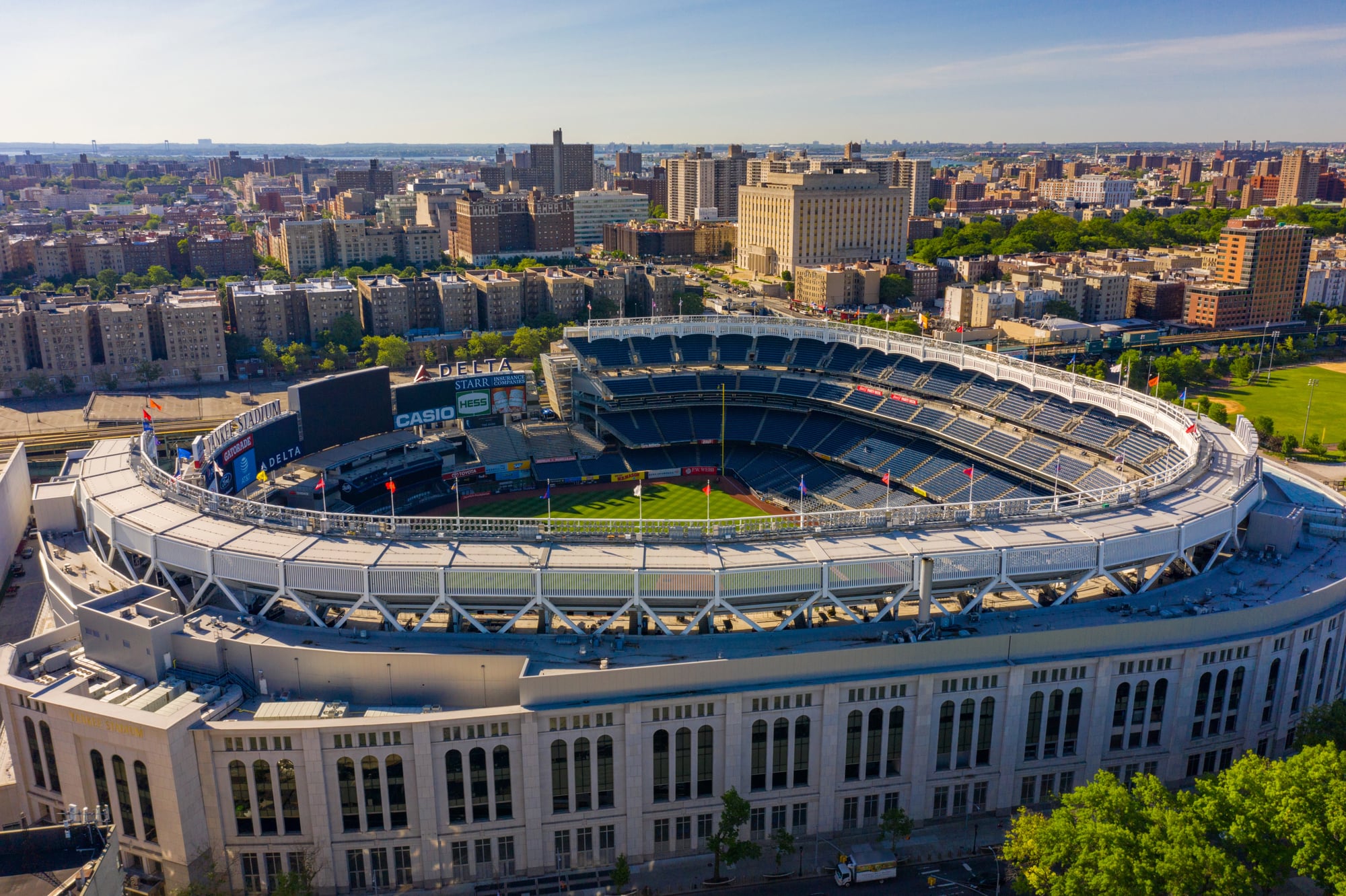
The ‘House that Ruth Built’ hosted some of baseball’s most legendary moments from 1923 to 2008. Despite its storied history, the stadium’s aging infrastructure and limited amenities led to its demolition.
The Yankees built a new stadium directly across the street, incorporating design elements from the original but adding luxury boxes and modern conveniences. The old stadium’s site became Heritage Field, a public baseball diamond where locals play on the same ground as their heroes.
Euston Arch
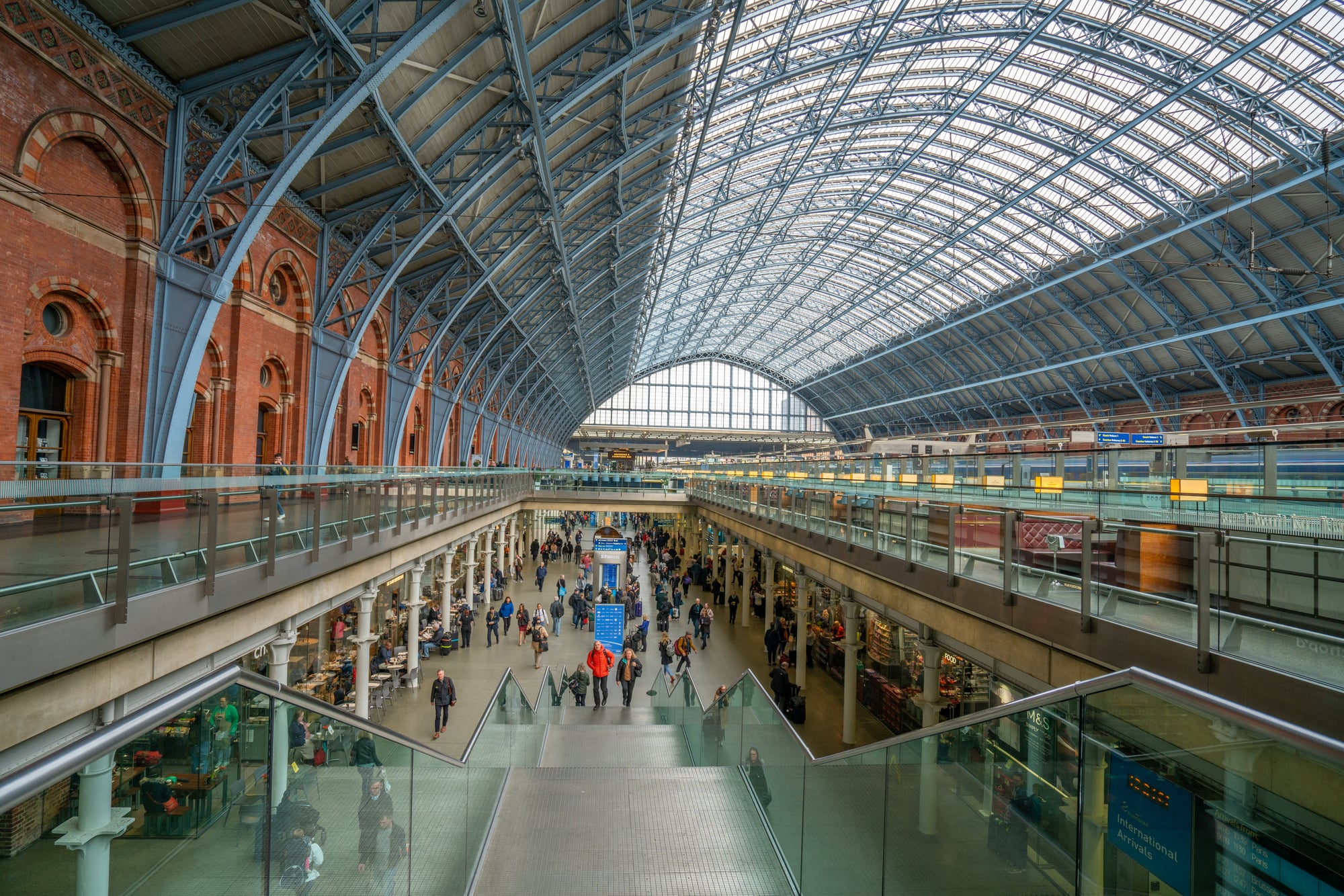
This massive Doric propylaeum served as the grand entrance to London’s first intercity train station from 1838 until its controversial demolition in 1962. The architectural loss became a rallying point for preservationists, similar to Penn Station in New York.
Recent efforts to rebuild the arch gained momentum when original stones were discovered in a river where they had been dumped, raising the possibility that this architectural tragedy might someday be reversed.
Prentice Women’s Hospital

This distinctive Chicago building featured a concrete quatrefoil tower balanced on slender supports, demonstrating innovative engineering when completed in 1975. Despite support from architectural preservationists and innovative reuse proposals, Northwestern University demolished it in 2014 to make way for medical research facilities.
The battle represents the ongoing tension between architectural significance and institutional priorities in urban development.
The Marlborough-Blenheim Hotel

This Atlantic City landmark combined Moorish, Victorian, and Baroque elements into a distinctive red brick and terracotta resort opened in 1906. As the first reinforced concrete hotel in the United States, it represented cutting-edge construction technology.
The building survived until 1979 when it was demolished to make way for the Bally’s casino during Atlantic City’s gambling boom—trading architectural heritage for economic development.
The Original Waldorf-Astoria
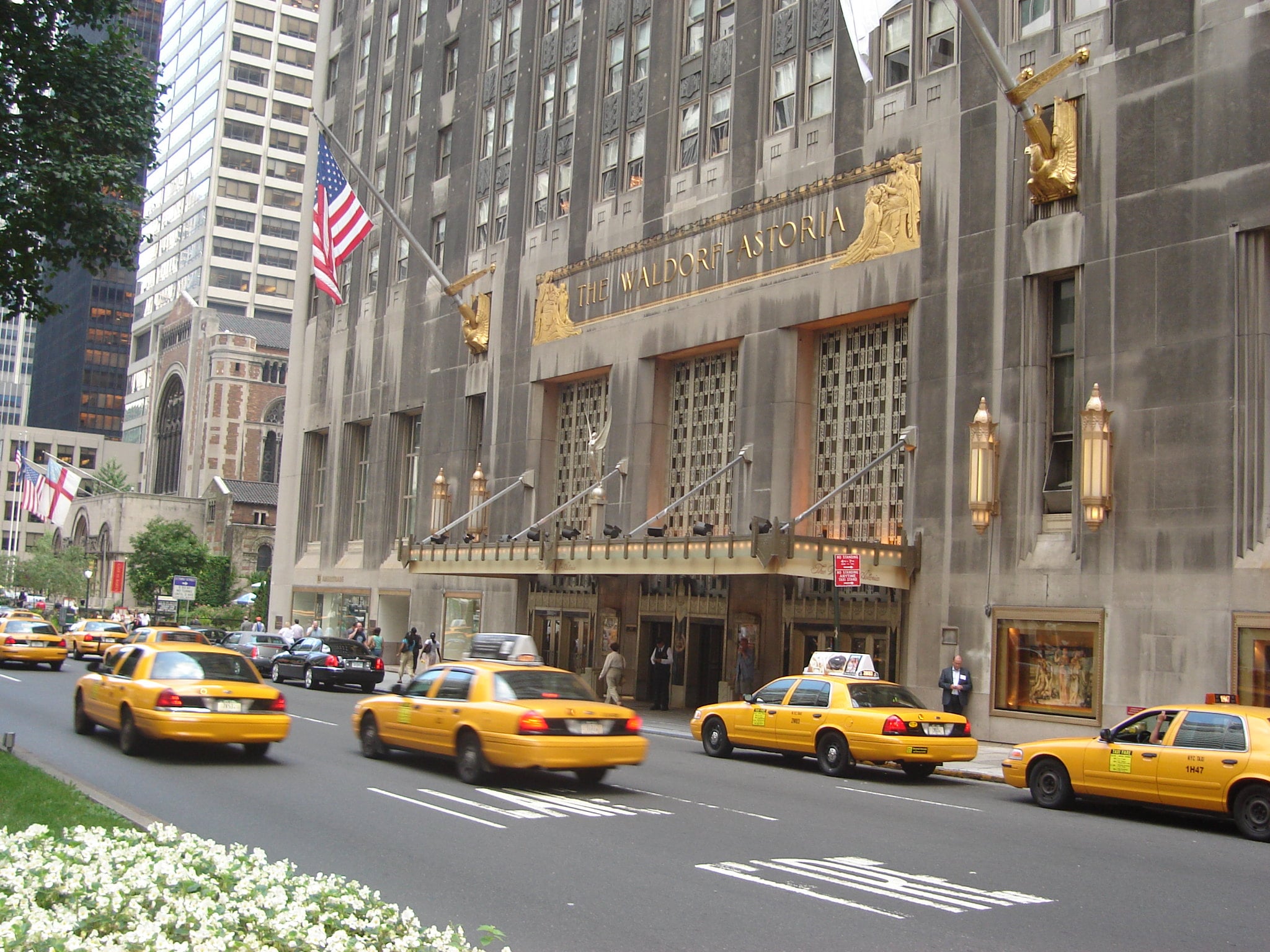
Before relocating to its current Park Avenue address, the Waldorf-Astoria occupied two connected buildings on Fifth Avenue. The luxury hotel that invented room service and became synonymous with high society was demolished in 1929 to make way for the Empire State Building.
While the replacement became an icon in its own right, the original hotel’s demolition marked the end of an era in American hospitality and Gilded Age extravagance.
Mecca Clock Tower Royal Hotel

This enormous Saudi Arabian hotel was constructed to serve pilgrims to Islam’s holiest site but was demolished in 2002 after being in service for only 30 years. The building was sacrificed to pave the way for the construction of the Grand Mosque to be enlarged so that more worshippers can assemble at one time.
This demolition illustrates the manner in which even giant modern buildings are ephemeral when they conflict with religious priorities and growing numbers of sightseers.
The Singapore National Theatre
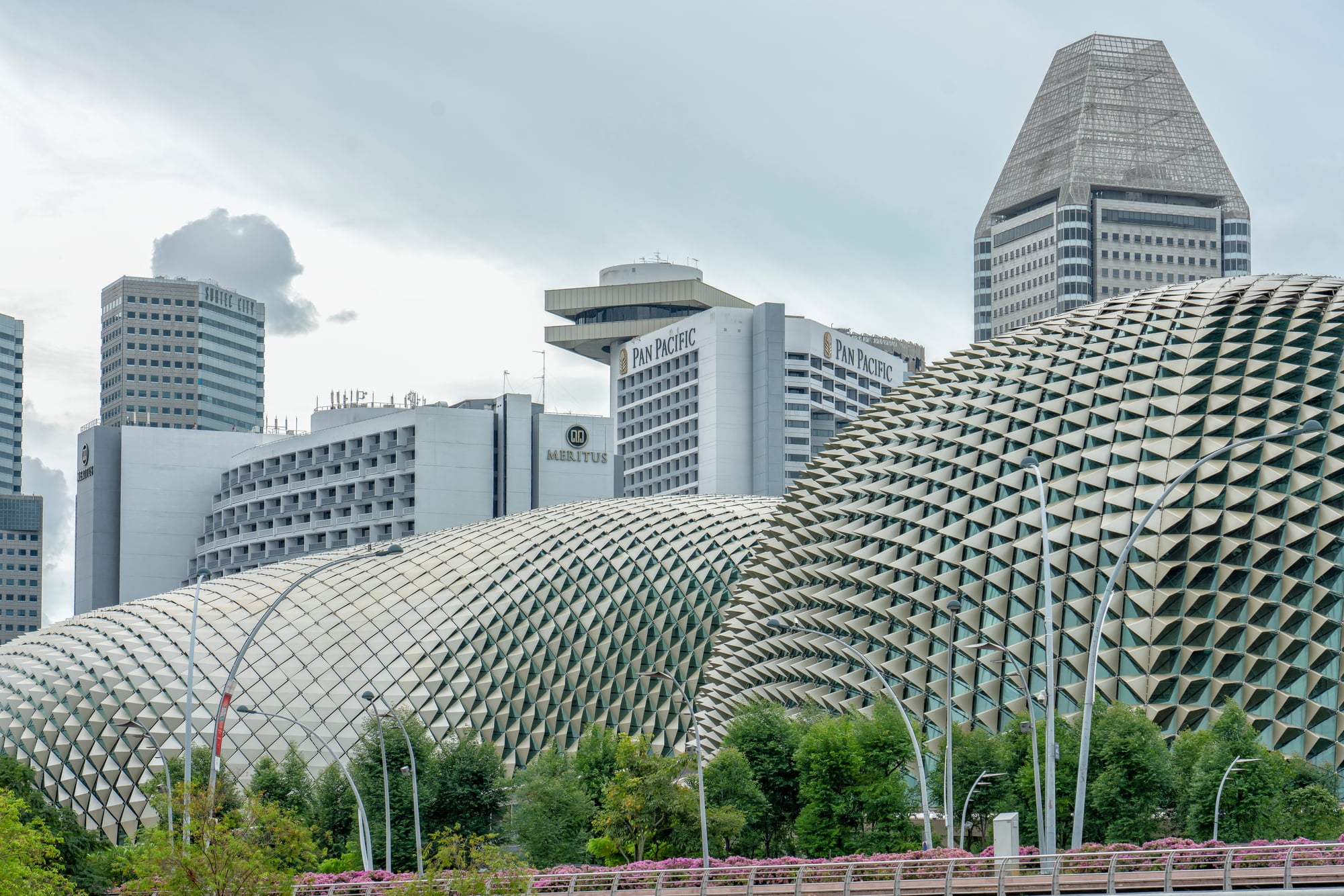
This distinctive 3,420-seat performing arts venue featured a five-pointed facade representing the stars on Singapore’s flag when it opened in 1963. Notably, it was partially funded through public donations, making its 1986 demolition particularly controversial.
Officials cited structural issues and the expense of needed repairs, but many viewed the demolition as erasing an important symbol of early Singaporean national identity and independence.
The Tacoma Dome Hotel
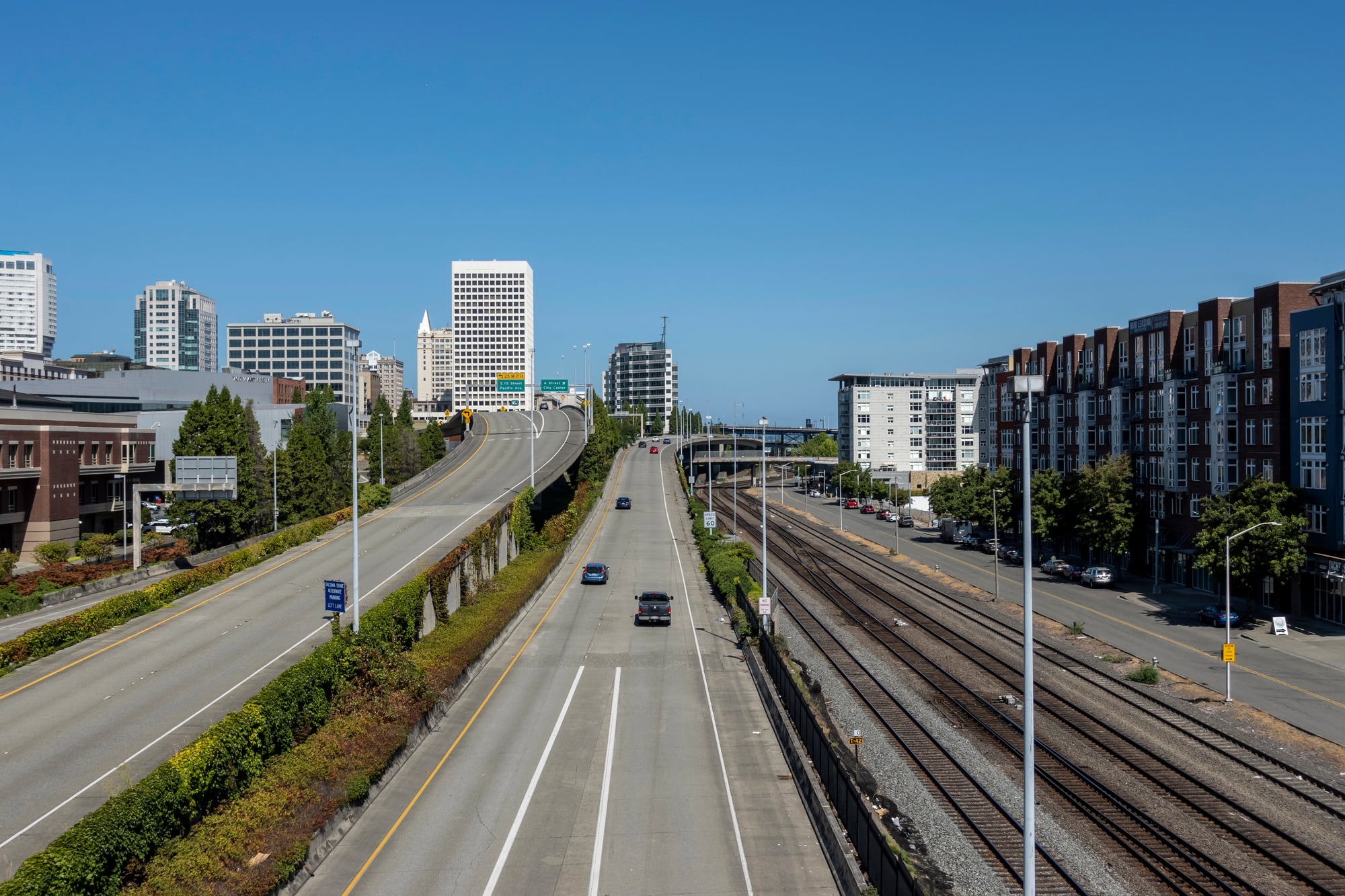
This 16-story building was one of Washington state’s first skyscrapers when completed in 1925. The brick landmark survived the Great Depression but fell victim to decay and economic changes.
After standing vacant for years, it was demolished in 1979 despite community efforts to save it. The building represented a common preservation challenge: structures too significant to demolish without controversy but requiring renovation investment that exceeds their economic value.
The Changing Face of Cities

Cities have remade themselves time and again over the centuries, sometimes to the loss of beloved landmarks. While preservation has saved countless buildings in recent decades, the battle between heritage and development continues.
The great architecture of today may be threatened in the same way in the future, so documentation and thoughtful development choices are more important than ever. The razed structures on this list remind us that architecture is ultimately transient no matter how hard we try—and that today’s ubiquitous buildings may be tomorrow’s lamented masterworks.
More from Go2Tutors!

- The Romanov Crown Jewels and Their Tragic Fate
- 13 Historical Mysteries That Science Still Can’t Solve
- Famous Hoaxes That Fooled the World for Years
- 15 Child Stars with Tragic Adult Lives
- 16 Famous Jewelry Pieces in History
Like Go2Tutors’s content? Follow us on MSN.



