15 Oscar snubs that still sting today
The Academy Awards have been Hollywood’s biggest night for nearly a century, but they’ve also been responsible for some of the most head-scratching decisions in entertainment history. Every year brings fresh controversies, but some snubs become legendary for all the wrong reasons—oversights so glaring that they overshadow the actual winners and spark debates that last decades.
These aren’t just minor disappointments or close calls between equally deserving nominees. Here is a list of 15 Oscar snubs that fundamentally altered how we view the Academy’s credibility and continue to fuel passionate arguments among film lovers today.
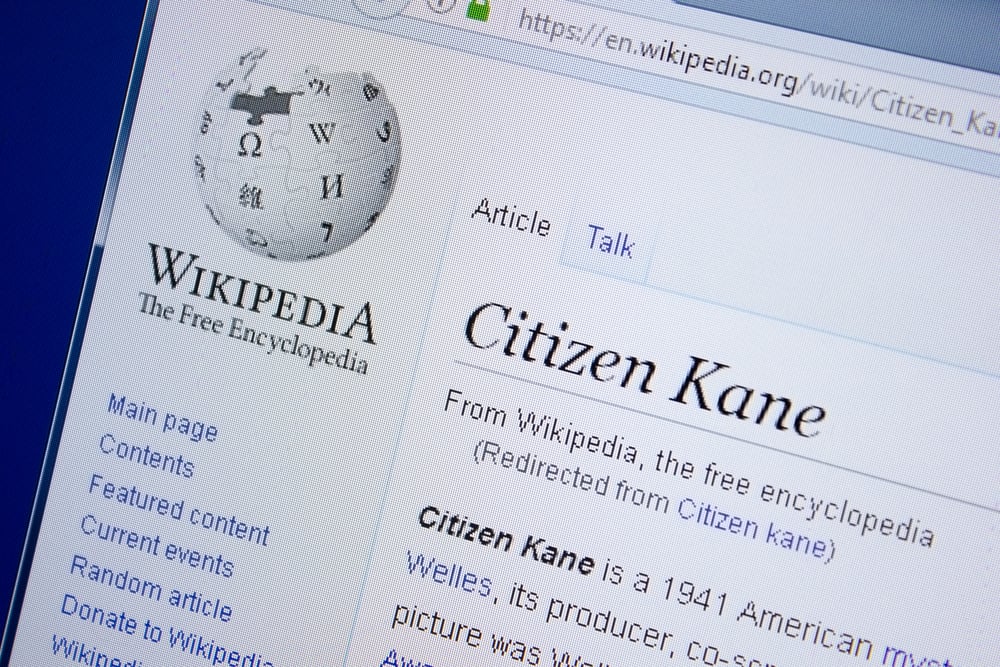
Citizen Kane loses Best Picture to How Green Was My Valley
— Photo by sharafmaksumov
The 1942 Academy Awards delivered what many consider the most catastrophic Best Picture decision in Oscar history. Orson Welles’ groundbreaking masterpiece Citizen Kane, now universally regarded as one of the greatest films ever made, lost to John Ford’s How Green Was My Valley. The snub wasn’t just about picking the wrong winner—it was about the Academy completely missing a revolutionary piece of cinema that would influence filmmaking for generations. Today, How Green Was My Valley is largely forgotten while Citizen Kane tops virtually every ‘greatest films’ list ever compiled.
Stanley Kubrick never wins Best Director

Despite creating some of cinema’s most influential and visually stunning films, Stanley Kubrick never won a single Oscar for directing. The Academy passed over 2001: A Space Odyssey, A Clockwork Orange, The Shining, and Full Metal Jacket—films that redefined their respective genres and continue to inspire filmmakers today. Kubrick’s meticulous attention to detail and innovative techniques revolutionized movie-making, yet the Academy consistently favored more conventional choices. His only Oscar came for visual effects in 2001, a consolation prize that feels almost insulting given his monumental contributions to cinema.
Do the Right Thing gets completely shut out

— Photo by Featureflash
Spike Lee’s Do the Right Thing, a powerful examination of racial tensions that feels painfully relevant today, received zero Oscar nominations in 1990. The film was a critical darling and cultural phenomenon, but the Academy completely ignored it while nominating the far more palatable Driving Miss Daisy for Best Picture. This snub highlighted the Academy’s reluctance to embrace challenging films about race and social issues. The oversight became even more embarrassing when Driving Miss Daisy won Best Picture, a decision that many Academy members have since admitted they regret.
The Shawshank Redemption loses everything

— Photo by s_bukley
Frank Darabont’s The Shawshank Redemption earned seven Oscar nominations in 1995 but walked away empty-handed, losing Best Picture to Forrest Gump. Time has been particularly unkind to this decision—while Forrest Gump’s popularity has waned, The Shawshank Redemption has become one of the most beloved films of all time. It consistently ranks at or near the top of IMDb’s user ratings and has achieved something rare: universal acclaim across all demographics. The film’s themes of hope, friendship, and redemption have resonated with audiences in ways that few movies ever achieve.
Goodfellas loses Best Picture to Dances with Wolves
— Photo by egunes_
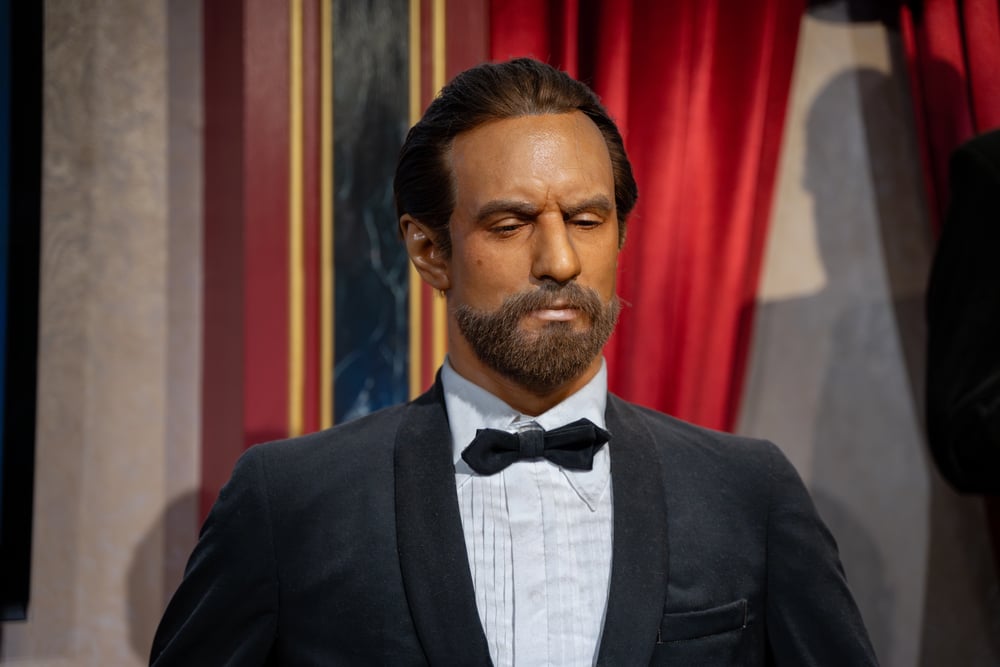
Martin Scorsese’s kinetic crime masterpiece Goodfellas seemed like a lock for Best Picture in 1991, but Kevin Costner’s three-hour western Dances with Wolves took home the prize instead. Goodfellas revolutionized how crime films could be made, with its innovative camera work, rapid-fire editing, and pitch-perfect performances creating a template that countless films have since followed. While Dances with Wolves has largely faded from cultural memory, Goodfellas remains endlessly quotable and influential, regularly appearing on greatest films lists and continuing to inspire new generations of filmmakers.
Saving Private Ryan loses to Shakespeare in Love

— Photo by Image Press Agency
The 1999 Best Picture race seemed settled before the envelopes were opened. Steven Spielberg’s visceral war epic Saving Private Ryan had swept the critics’ awards and seemed destined for Oscar glory. Then Shakespeare in Love pulled off one of the biggest upsets in Academy history, thanks largely to an aggressive campaign by producer Harvey Weinstein that essentially invented modern Oscar campaigning. The film’s win felt like politics trumping artistry, especially since Saving Private Ryan’s D-Day sequence remains one of the most powerful and influential war scenes ever filmed.
Pulp Fiction loses Best Picture to Forrest Gump

— Photo by Mirroni
Quentin Tarantino’s genre-bending Pulp Fiction lost the 1995 Best Picture race to Forrest Gump, a decision that looks increasingly questionable with each passing year. Pulp Fiction’s non-linear narrative, razor-sharp dialogue, and cultural impact fundamentally changed independent filmmaking and launched Tarantino into the stratosphere of acclaimed directors. The film’s influence can be seen in countless movies that followed, while its quotable lines became part of the cultural lexicon. Forrest Gump, despite its commercial success, feels dated in comparison to Pulp Fiction’s enduring cool.
Ridley Scott gets snubbed for Gladiator’s direction

— Photo by Jean_Nelson
Gladiator won Best Picture in 2001, but the Academy inexplicably failed to nominate Ridley Scott for Best Director. This created the awkward situation where voters deemed Scott’s film the year’s best while apparently believing someone else deserved credit for directing it. Scott’s epic vision, masterful handling of both intimate character moments and spectacular action sequences, and ability to resurrect the sword-and-sandal genre should have made him a shoo-in for nomination. The snub became even more glaring considering the film’s massive cultural impact and box office success.
Brokeback Mountain loses Best Picture to Crash

— Photo by PopularImages
The 2006 Best Picture upset remains one of the most controversial in recent memory. Ang Lee’s beautiful and groundbreaking Brokeback Mountain, which tackled themes of love and identity with remarkable sensitivity, seemed poised to win until Crash pulled off a shocking victory. Many interpreted the result as the Academy’s reluctance to embrace a film with central LGBTQ+ themes, especially since Crash’s heavy-handed approach to racism felt simplistic compared to Brokeback Mountain’s nuanced storytelling. The upset damaged the Academy’s credibility and highlighted ongoing issues with diversity and representation.
Paul Thomas Anderson never wins Best Director
Despite creating some of the most ambitious and critically acclaimed films of the past three decades, Paul Thomas Anderson has never won an Oscar for directing. The Academy has passed over masterpieces like There Will Be Blood, Magnolia, Boogie Nights, and Phantom Thread—films that showcase his incredible range and technical mastery. Anderson’s meticulous craft, innovative storytelling techniques, and ability to coax extraordinary performances from his actors make these oversights particularly baffling. Each snub feels like the Academy prioritizing safer, more conventional choices over genuine artistic achievement.
The Dark Knight gets shut out of major categories

— Photo by Jean_Nelson
Christopher Nolan’s The Dark Knight revolutionized the superhero genre and proved that comic book movies could be serious artistic achievements, yet the Academy largely ignored it in 2009. The film received only eight nominations and won just two technical awards, with Heath Ledger’s posthumous win for Best Supporting Actor serving as the lone major recognition. The snub was so egregious that it prompted the Academy to expand the Best Picture category from five to ten nominees the following year. The Dark Knight’s influence on both superhero films and blockbuster filmmaking in general continues to this day.
Scorsese gets repeatedly snubbed until The Departed
— Photo by s_bukley
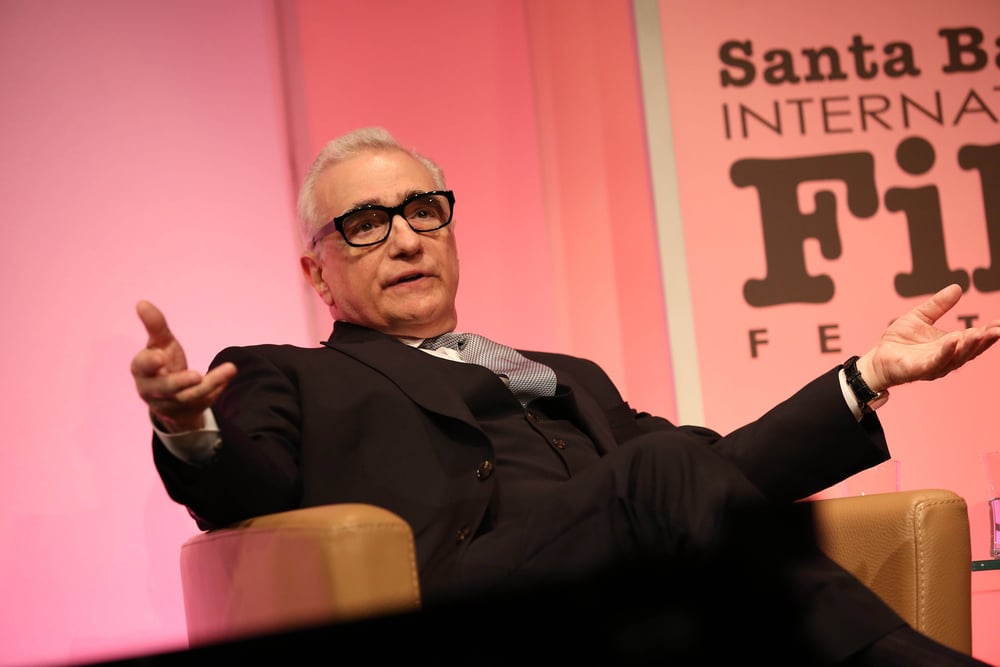
Martin Scorsese’s journey to his first Best Director Oscar was painfully long and filled with inexplicable oversights. The Academy passed over him for Taxi Driver, Raging Bull, Goodfellas, and Casino before finally rewarding him for The Departed in 2007. While The Departed is certainly a fine film, it’s hardly Scorsese’s masterpiece, making the win feel more like a lifetime achievement award than recognition for that specific work. The delay in recognizing one of cinema’s greatest directors became a running joke in Hollywood and highlighted the Academy’s sometimes baffling decision-making process.
E.T. loses Best Picture to Gandhi
— Photo by Jean_Nelson
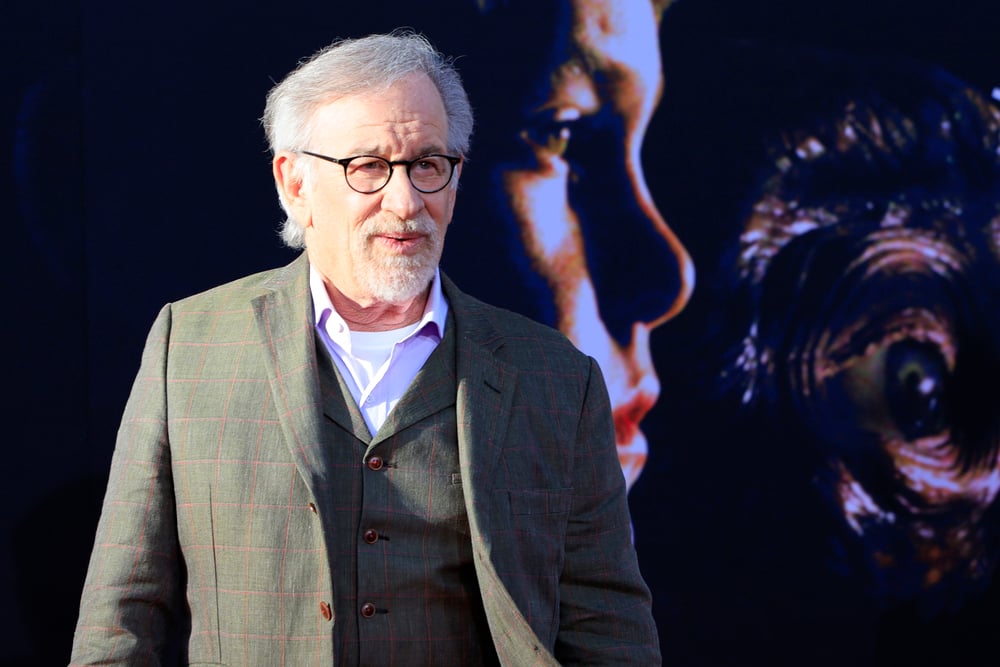
Steven Spielberg’s heartwarming E.T. the Extra-Terrestrial lost the 1983 Best Picture race to Richard Attenborough’s biographical epic Gandhi. While Gandhi tackled important historical subject matter, E.T. created a cultural phenomenon that transcended age groups and became one of the most beloved films ever made. The movie’s themes of friendship, wonder, and acceptance resonated with audiences worldwide and influenced countless family films that followed. Gandhi, despite its worthy subject matter, lacks the enduring emotional impact and cultural significance that E.T. continues to maintain decades later.
Crash wins Best Picture over multiple superior films
The 2006 Best Picture winner Crash didn’t just beat Brokeback Mountain—it defeated an entire field of superior films including Good Night, and Good Luck, Capote, and Munich. Paul Haggis’s ensemble drama about racial tensions in Los Angeles felt heavy-handed and manipulative compared to the nuanced storytelling of its competitors. The film’s victory remains puzzling because it lacked the technical excellence, cultural impact, or artistic merit of the other nominees. Many industry insiders view this as one of the Academy’s worst Best Picture decisions, a triumph of aggressive campaigning over genuine quality.
Alfred Hitchcock never wins Best Director
— Photo by U.Omozo
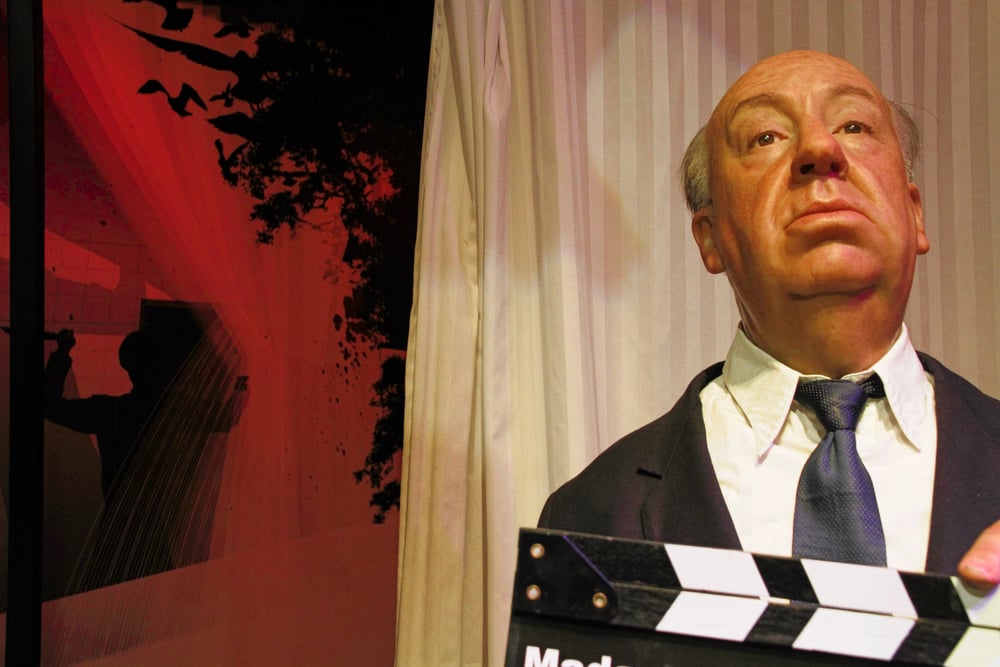
Perhaps the most shocking directorial snub in Oscar history is Alfred Hitchcock’s complete shutout in the Best Director category. The master of suspense, who created classics like Vertigo, Psycho, Rear Window, and North by Northwest, never won a competitive Oscar despite being nominated five times. Hitchcock’s innovative camera techniques, psychological depth, and ability to create sustained tension influenced generations of filmmakers and helped define cinema as an art form. His oversight represents the Academy’s historical tendency to overlook genre filmmakers, no matter how revolutionary their contributions to the medium.
When Politics Trumped Artistry

These snubs reveal a troubling pattern in Academy voting that extends far beyond simple matters of taste. They represent moments when political considerations, safe choices, and groupthink overtook genuine artistic merit, creating a legacy of decisions that look more embarrassing with each passing year. The Academy’s credibility suffers each time a future classic gets overlooked for a forgettable crowd-pleaser, reminding us that true artistic recognition often comes from audiences and history rather than industry insiders. These oversights serve as permanent reminders that sometimes the most important films are the ones that don’t win on Oscar night.
More from Go2Tutors!

- 16 Historical Figures Who Were Nothing Like You Think
- 12 Things Sold in the 80s That Are Now Illegal
- 15 VHS Tapes That Could Be Worth Thousands
- 17 Historical “What Ifs” That Would Have Changed Everything
- 18 TV Shows That Vanished Without a Finale
Like Go2Tutors’s content? Follow us on MSN.