15 Times Radio Broadcasts Caused Mass Panic
Radio has always held a special power over the human imagination. There’s something about hearing a voice through the airwaves that makes it feel immediate and real, even when it’s not. Throughout history, this intimate medium has accidentally—and sometimes intentionally—sent entire populations into states of fear, confusion, and outright terror.
From alien invasions to natural disasters, radio broadcasts have proven time and again that they can move people to action faster than almost any other form of media. Here is a list of 15 times radio broadcasts caused mass panic.
The War of the Worlds

On October 30, 1938, Orson Welles and his Mercury Theatre troupe aired their famous adaptation of H.G. Wells’ science fiction novel. The broadcast was formatted like breaking news reports, complete with fake bulletins about Martians landing in New Jersey. Despite announcements that it was a dramatic performance, thousands of listeners tuned in late and missed the disclaimers. Phone lines jammed as people called police stations, newspapers, and radio stations asking about the invasion.
The Lone Ranger’s Death

In 1942, a Detroit radio station accidentally announced that the Lone Ranger had been killed. The fictional character’s supposed death sparked immediate panic among young listeners who believed their hero was real. Parents flooded the station with angry calls, and children across the city burst into tears. The station had to quickly issue corrections and explanations to calm the hysteria.
BBC’s London Riots
— Illustration by askarimullin
The BBC pulled off one of radio’s most convincing hoaxes in 1926 during a general strike. They broadcast fake news reports about angry mobs destroying London landmarks and hanging government officials from lampposts. The realistic reporting style, complete with on-location correspondents, convinced many listeners that revolution had broken out. The broadcaster later revealed it was entirely fictional programming to fill dead air during the strike.
Ecuador’s Martian Invasion
— Photo by ehrlif
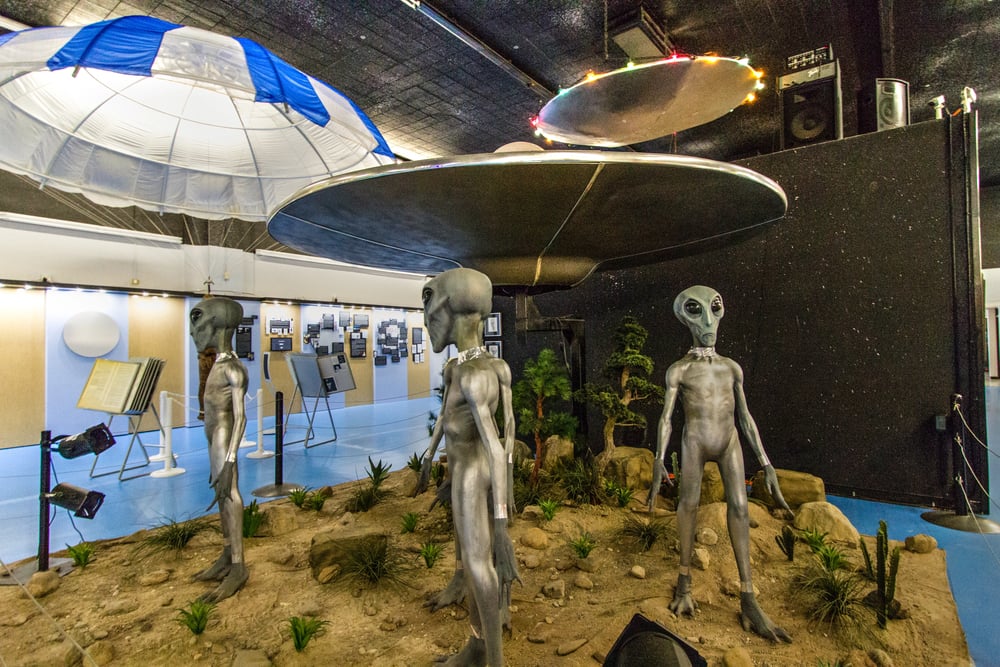
Radio Quito in Ecuador decided to recreate the War of the Worlds broadcast in 1949, but they made it even more realistic. They used actual place names and local officials in their fake news reports about alien landings. When listeners discovered they’d been fooled, angry crowds surrounded the radio station and set it on fire. Six people died in the chaos, and the station was completely destroyed.
The Great Northeastern Blackout Hoax
During the massive 1965 power outage that affected much of the northeastern United States, some radio stations with backup power began broadcasting unconfirmed reports. Several stations suggested the blackout might be caused by an enemy attack or UFO activity. With normal communication channels down, these wild theories spread rapidly and caused additional panic in already frightened communities.
Chile’s False Earthquake Alert
A Chilean radio station broadcast a realistic earthquake warning in 1944, complete with official-sounding emergency instructions. The fake alert sent thousands of people rushing into the streets of Santiago, causing traffic jams and minor injuries as people fled their homes. The government had to deploy police to restore order and inform citizens that no earthquake had occurred.
Brazil’s Alien Landing
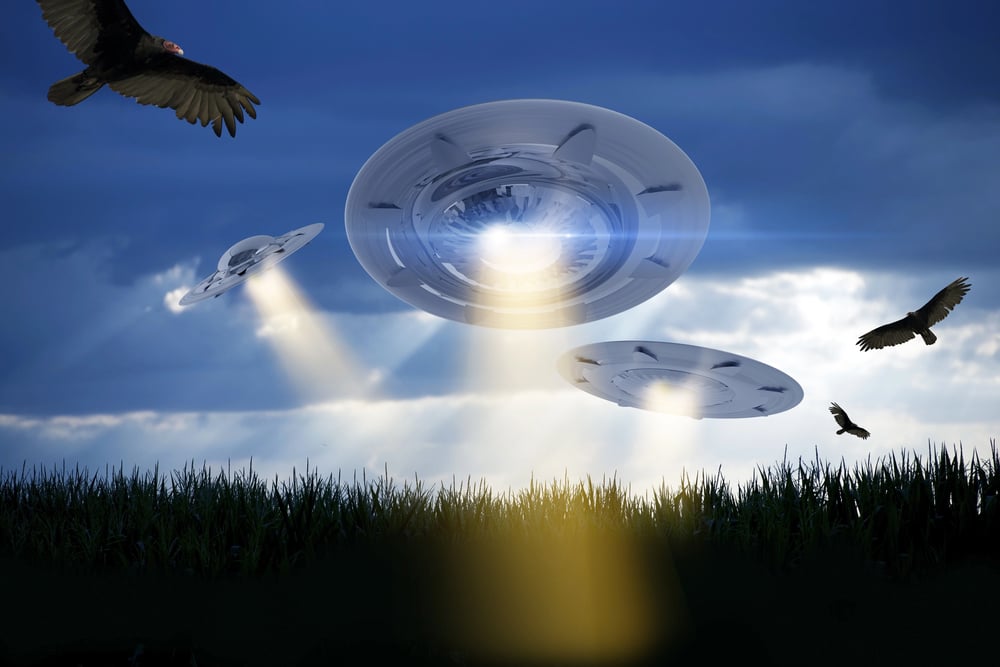
Radio Panamericana in São Paulo aired a fictional news program about extraterrestrials landing in Brazil in 1971. The broadcast included interviews with supposed government officials and eyewitnesses describing the alien encounter. Thousands of listeners believed the report was real, flooding police stations with calls and causing traffic jams as people tried to evacuate the city.
The Philadelphia Halloween Panic

WCAU in Philadelphia broadcast a Halloween special in 1944 that simulated emergency bulletins about strange creatures emerging from the Delaware River. Despite repeated announcements that it was entertainment, late-tuning listeners missed the disclaimers. The realistic sound effects and urgent tone caused hundreds of people to call authorities reporting monster sightings.
Sweden’s Russian Invasion

Swedish Radio broadcast a fictional drama in 1973 about a Soviet invasion of Sweden, formatted as breaking news coverage. The program included realistic battle sounds and fake interviews with military officials. Many listeners who tuned in partway through believed their country was actually under attack, leading to widespread panic and calls to government offices.
Portugal’s UFO Alert
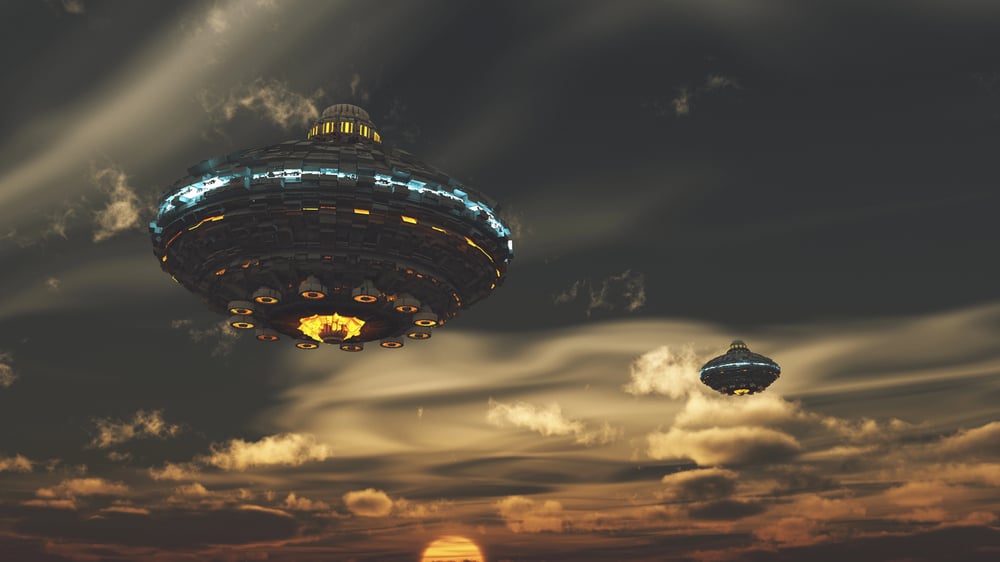
Rádio Renascença in Portugal aired a science fiction program in 1958 that described flying objects attacking Lisbon. The broadcast used the same urgent news format that had proven so effective in other countries. Listeners who missed the opening credits believed they were hearing actual news reports, causing panic in the capital city and surrounding areas.
The Dutch Water Crisis
A Netherlands radio station broadcast a fictional emergency about contaminated drinking water in 1952. The program warned listeners that the entire water supply had been poisoned and urged immediate evacuation. The realistic presentation caused thousands of people to flee their homes and overwhelmed emergency services with frantic calls from concerned citizens.
Japan’s Monster Attack
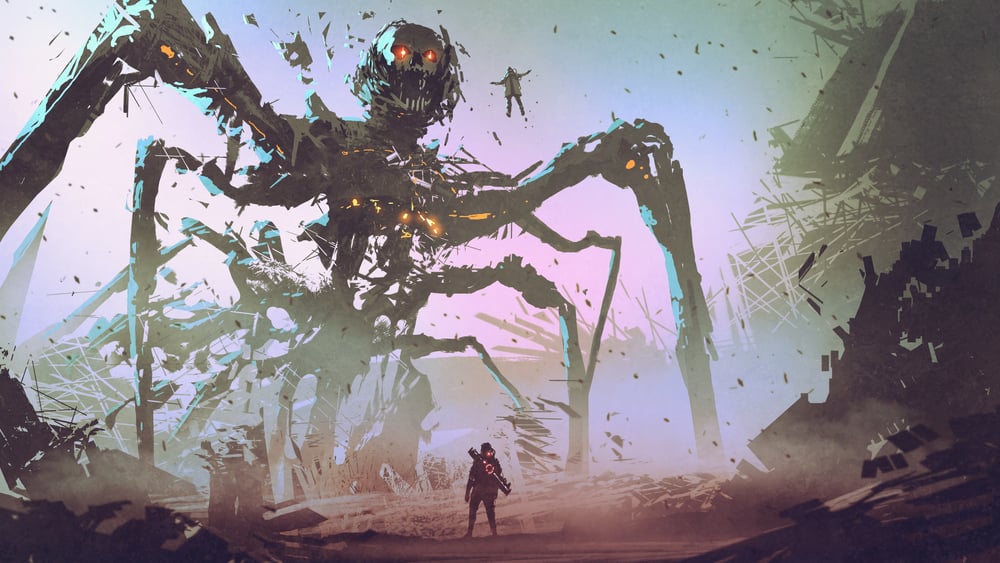
The Tokyo Broadcasting System aired a dramatic program in 1956 about giant creatures destroying Japanese cities. The show used the documentary style that was becoming popular for science fiction, making it sound like actual news coverage. Many listeners believed Japan was under attack by real monsters, similar to the kaiju films that were gaining popularity at the time.
Canada’s Nuclear Accident
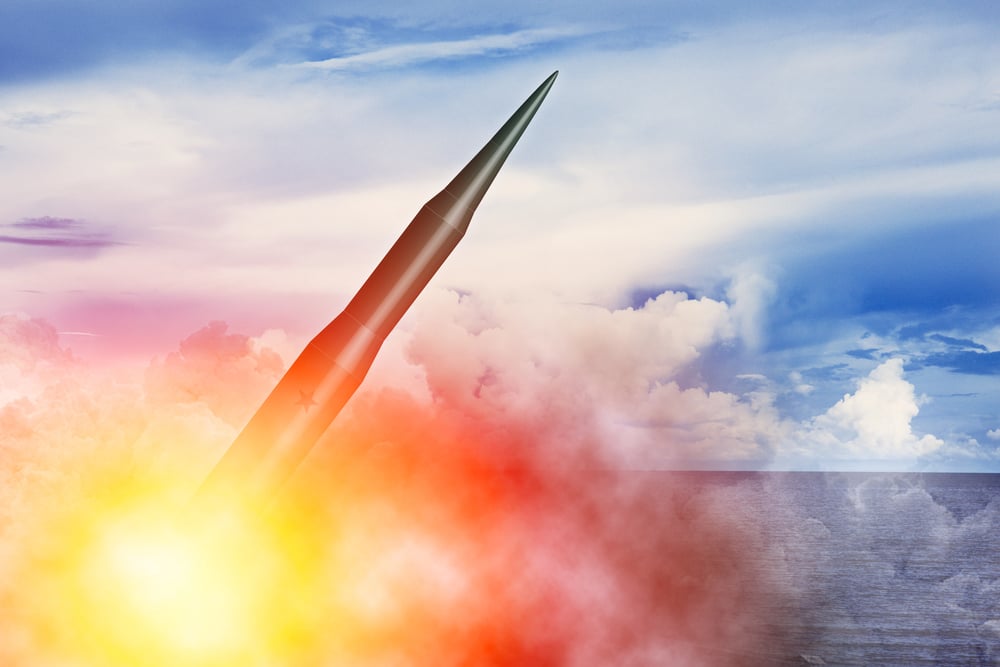
A Canadian radio station broadcast a fictional emergency about a nuclear reactor meltdown in 1962. The program included realistic technical details and supposed expert interviews discussing radiation dangers. The broadcast caused significant panic in nearby communities, with many residents attempting to evacuate the area before authorities could clarify that no actual emergency existed.
Australia’s Dam Collapse

An Australian radio station aired a dramatic program about a major dam failure that would flood several towns in 1963. The broadcast included fake evacuation orders and interviews with supposed emergency officials. Residents in the supposedly threatened areas began fleeing their homes before the station could clarify that the entire program was fictional entertainment.
Mexico’s Volcano Eruption
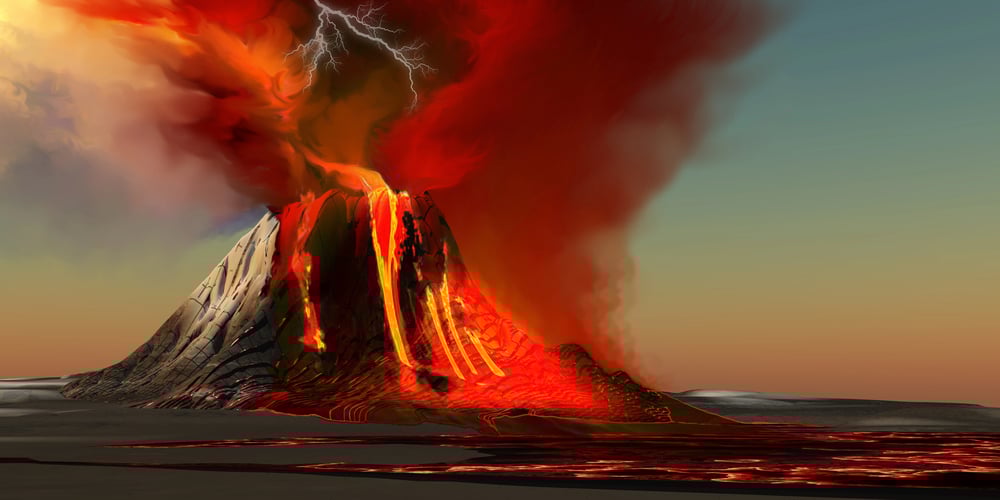
A Mexican radio station broadcast false reports about a massive volcanic eruption threatening Mexico City in 1949. The program included realistic sound effects of explosions and ash falling on the capital. The convincing presentation caused thousands of residents to panic and attempt to leave the city, creating traffic chaos and overwhelming emergency services.
When Fiction Becomes Reality

These incidents reveal something fascinating about human nature and the power of media. Radio’s intimate quality—that voice speaking directly into your ear—creates a connection that can bypass critical thinking in moments of fear. Each of these broadcasts succeeded because it tapped into existing anxieties, whether about war, natural disasters, or the unknown. Today’s world of instant information and social media has created new opportunities for panic, but radio’s golden age of accidental terror reminds us that the human tendency to believe alarming news hasn’t changed much over the decades.
More from Go2Tutors!

- 16 Historical Figures Who Were Nothing Like You Think
- 12 Things Sold in the 80s That Are Now Illegal
- 15 VHS Tapes That Could Be Worth Thousands
- 17 Historical “What Ifs” That Would Have Changed Everything
- 18 TV Shows That Vanished Without a Finale
Like Go2Tutors’s content? Follow us on MSN.



