15 Shipwrecks That Changed Maritime Law
Maritime disasters have always been tragic, but some have served as pivotal moments that reshaped how we think about safety at sea. These catastrophic events exposed dangerous gaps in regulations, forcing lawmakers to create new rules that protect both passengers and crew members.
Here is a list of 15 shipwrecks that fundamentally transformed maritime law and safety standards worldwide.
RMS Titanic

The Titanic disaster of 1912 remains the most influential maritime tragedy in legal history. This ‘unsinkable’ ship’s collision with an iceberg killed over 1,500 people and revealed shocking inadequacies in safety protocols. The tragedy directly led to the creation of the Safety of Life at Sea (SOLAS) convention in 1914, which established mandatory lifeboat requirements, 24-hour radio watch, and international ice patrol services.
MV Doña Paz
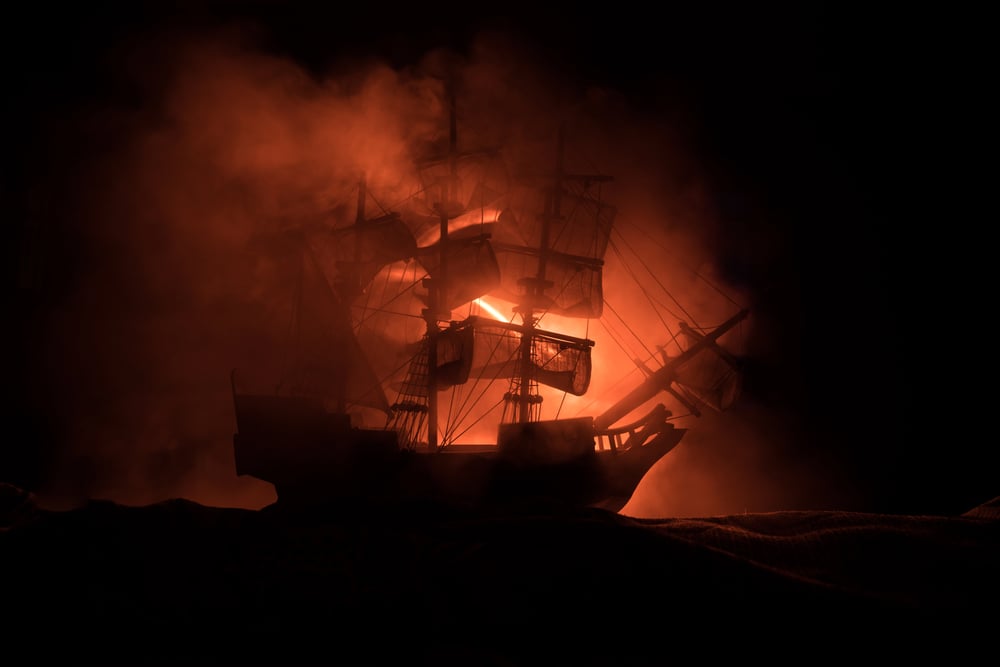
The 1987 collision between the passenger ferry Doña Paz and an oil tanker in the Philippines killed over 4,300 people, making it one of the deadliest peacetime maritime disasters. This catastrophe highlighted the dangers of overcrowding and poor safety standards in developing nations. The tragedy prompted the International Maritime Organization to strengthen regulations for passenger vessel construction and emergency equipment requirements.
MS Estonia
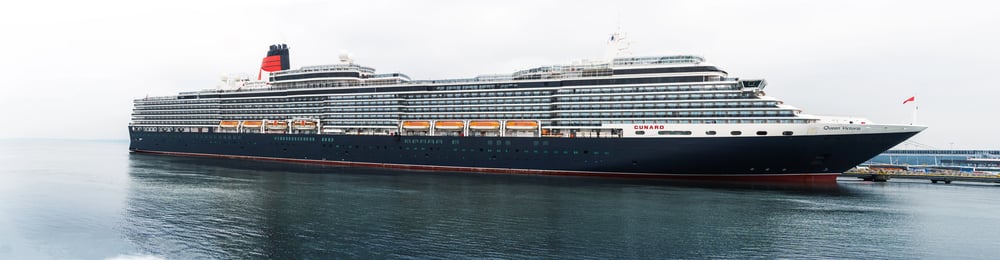
— Photo by AntonGarin
When this ferry sank in the Baltic Sea in 1994, killing 852 people, investigators discovered that the bow visor had detached in rough seas. The disaster exposed critical design flaws in roll-on/roll-off ferries and led to mandatory modifications of existing vessels. New regulations required additional safety barriers, improved stability standards, and enhanced emergency communication systems for all similar ships.
RMS Lusitania

The 1915 torpedoing of the Lusitania by a German U-boat killed nearly 1,200 civilians and changed the rules of naval warfare forever. While primarily a military action, this tragedy established important precedents about attacks on passenger vessels during wartime. The incident contributed to developing international laws protecting civilian ships and influenced later conventions about maritime neutrality.
SS Andrea Doria

The 1956 collision between the Italian liner Andrea Doria and the Swedish ship Stockholm in fog near Nantucket demonstrated the limitations of existing navigation rules. Despite having radar technology, the ships collided due to misinterpretation of radar data and inadequate communication protocols. This disaster led to standardized radar training requirements and improved collision avoidance regulations that are still used today.
Herald of Free Enterprise
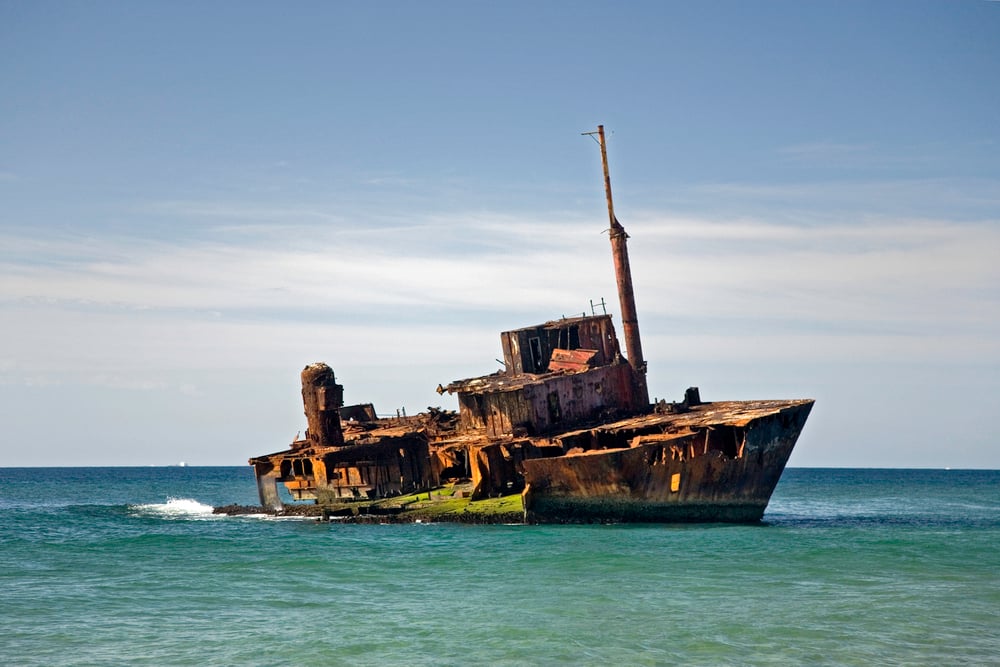
This British ferry capsized in 1987 just outside Zeebrugge harbor because crew members left the bow doors open during departure. The tragedy killed 193 people and revealed dangerous gaps in operational procedures for roll-on/roll-off ferries. The disaster prompted new international regulations requiring positive confirmation of watertight door closure and improved bridge communication systems.
MV Salem
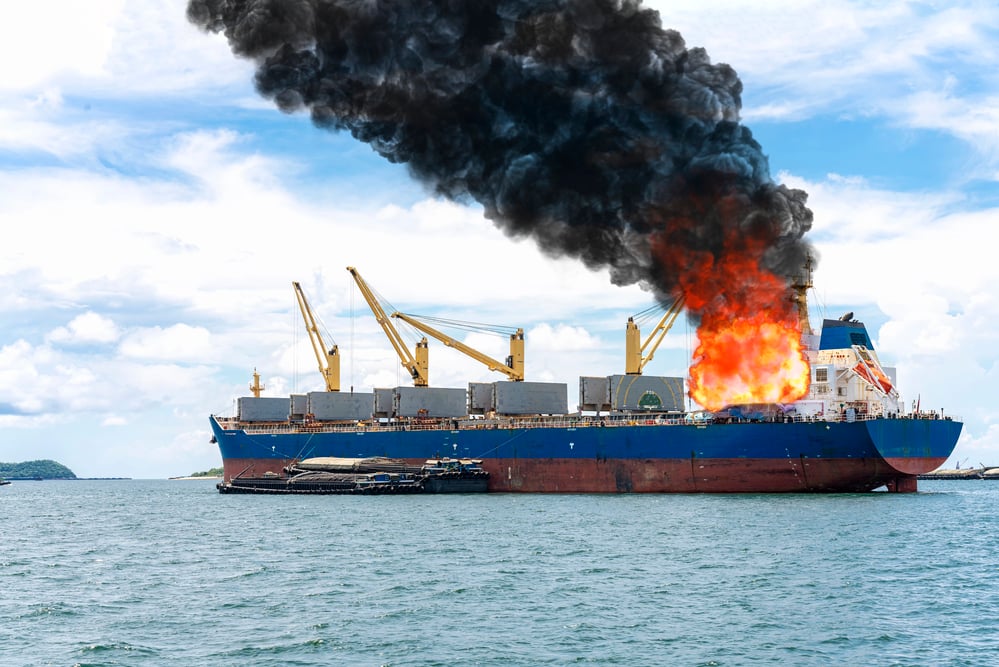
The 1980 explosion and fire aboard this crude oil tanker off the coast of Senegal killed all but one of the 31 crew members. The disaster highlighted the extreme dangers faced by tanker crews and the inadequacy of existing fire suppression systems. This tragedy contributed to enhanced safety standards for oil tankers, including improved fire detection systems and crew training requirements.
SS Morro Castle
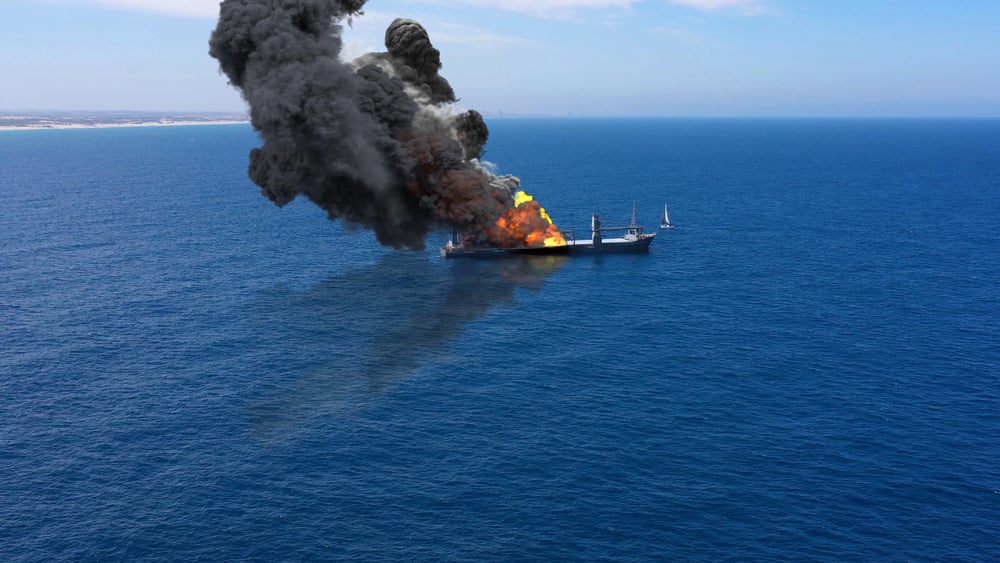
When this luxury cruise ship caught fire off the New Jersey coast in 1934, killing 137 people, investigators uncovered serious corruption and safety violations. The tragedy revealed how inadequate fire safety measures and poor crew training could turn a minor incident into a major disaster. This event led to stricter fire safety regulations and mandatory crew training programs for passenger vessels.
MV Sewol
— Photo by CeriBreeze
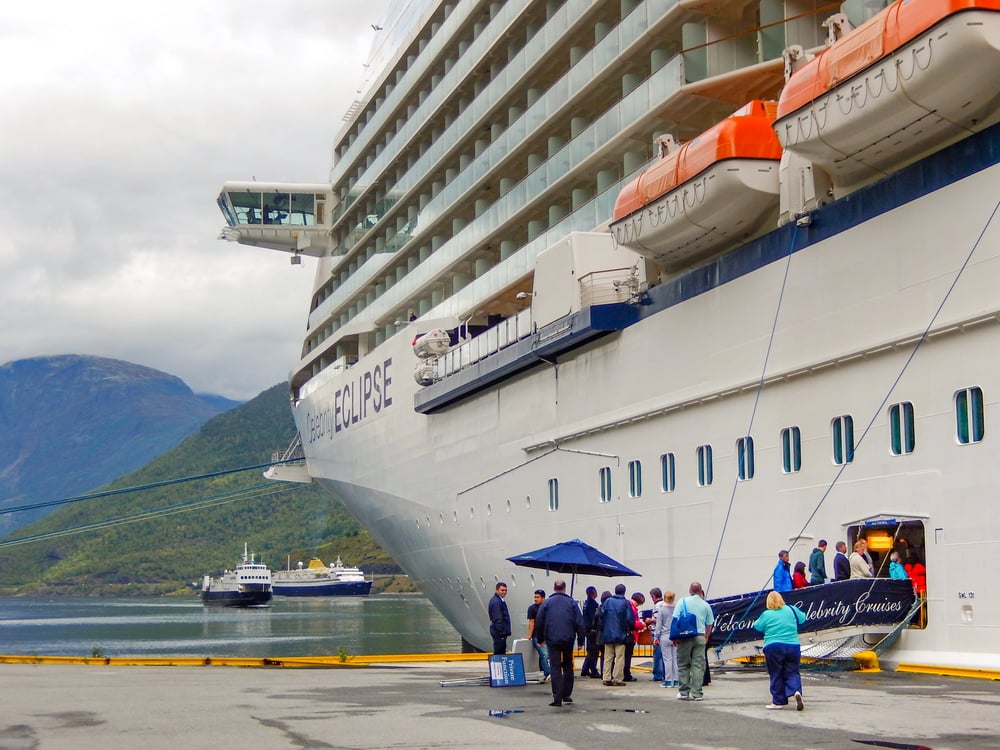
The 2014 capsizing of this South Korean ferry killed 304 people, mostly high school students on a field trip. The disaster was caused by overloading, improper cargo securing, and inexperienced crew decisions during the emergency. This tragedy prompted major reforms in South Korean maritime law and influenced international discussions about passenger vessel stability and crew competency standards.
RMS Empress of Ireland
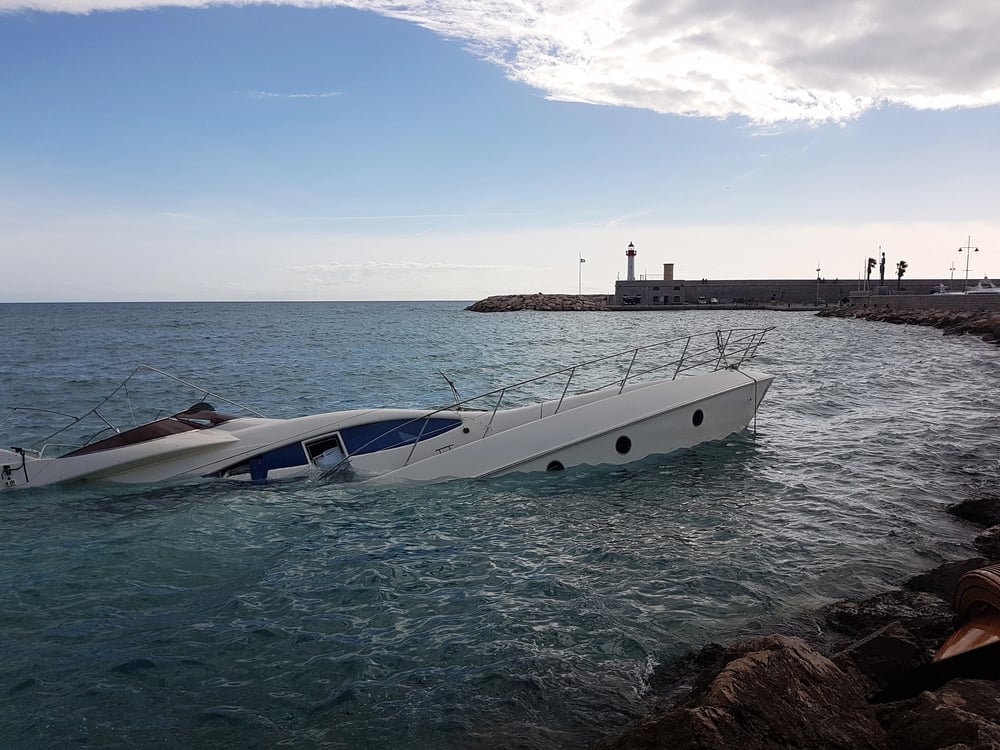
This Canadian Pacific steamship sank in the St. Lawrence River in 1914 after colliding with a Norwegian coal ship in thick fog. The disaster killed over 1,000 people and demonstrated the need for better fog navigation procedures. The tragedy contributed to developing international rules for navigation in reduced visibility conditions and standardized distress signal protocols.
SS Eastland

— Photo by Phantom1311
The 1915 capsizing of this passenger ship in the Chicago River killed 844 people and was directly caused by new safety regulations requiring additional lifeboats. The extra weight made the ship top-heavy and unstable, creating the very danger the regulations were meant to prevent. This disaster taught lawmakers that safety modifications must consider overall vessel stability, leading to more comprehensive safety assessments.
MV Le Joola
— Photo by dvoevnore
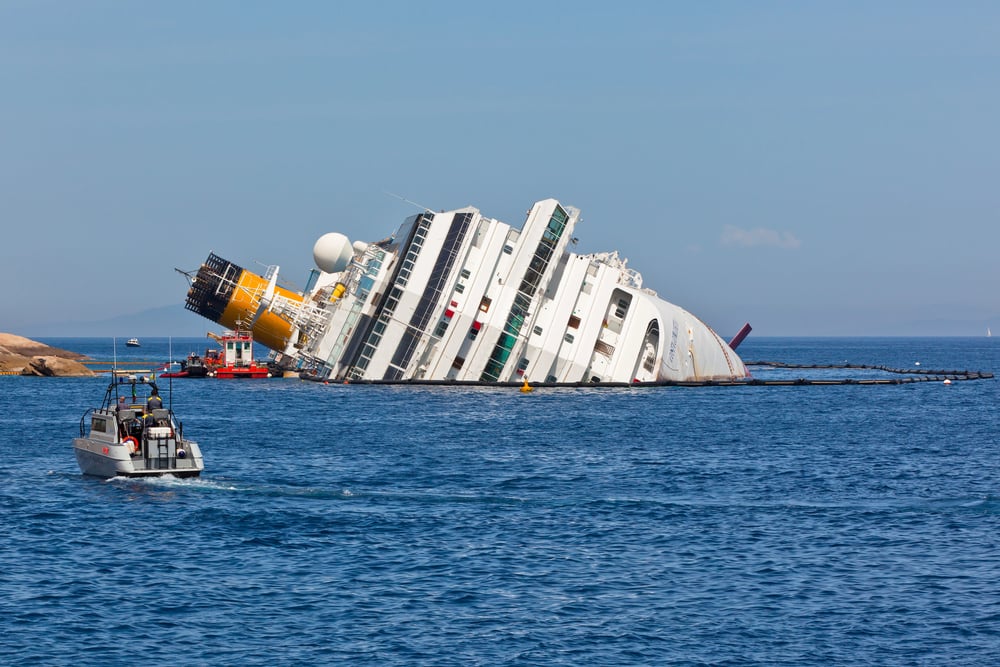
When this Senegalese ferry capsized in 2002, it killed nearly 2,000 people and became Africa’s worst maritime disaster. The tragedy was caused by severe overcrowding, inadequate life-saving equipment, and lack of proper safety inspections. This disaster highlighted the need for stronger international oversight of ferry operations in developing countries and led to enhanced safety assistance programs.
SS Arctic
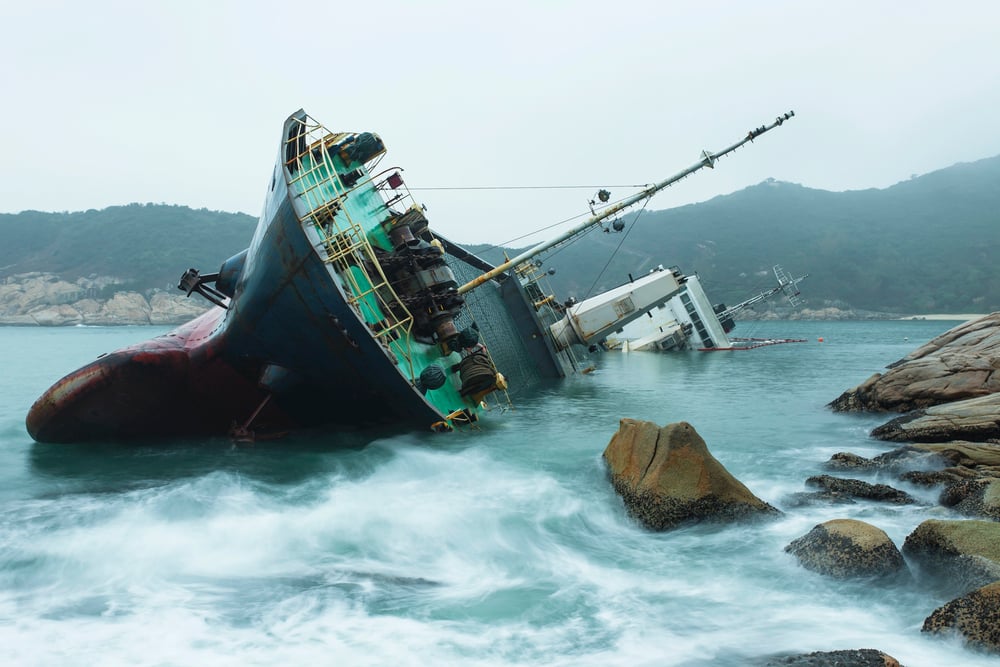
The 1854 collision between this American steamship and a French fishing vessel demonstrated the chaos that could ensue when there were no established emergency procedures. Over 400 people died, including all the women and children aboard, because crew members abandoned ship first. This tragedy contributed to developing the maritime tradition of ‘women and children first’ and established clearer protocols for emergency evacuations.
MV Princess of the Stars
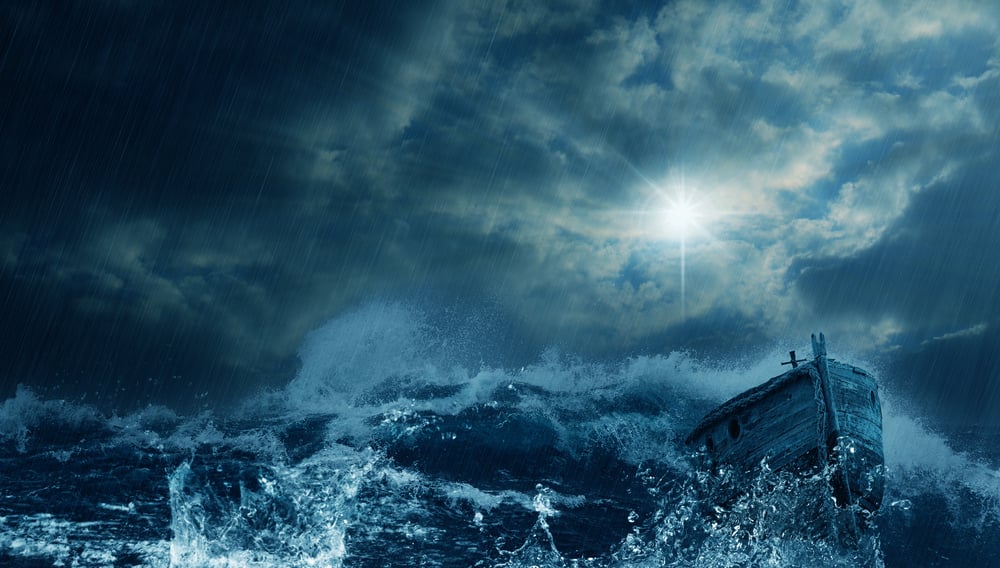
This Philippine ferry sank during Typhoon Frank in 2008, killing over 800 people despite weather warnings that should have prevented departure. The disaster exposed dangerous decision-making processes that prioritized schedules over passenger safety. The tragedy led to stricter weather routing regulations and enhanced authority for port officials to prevent departures during dangerous conditions.
SS General Slocum
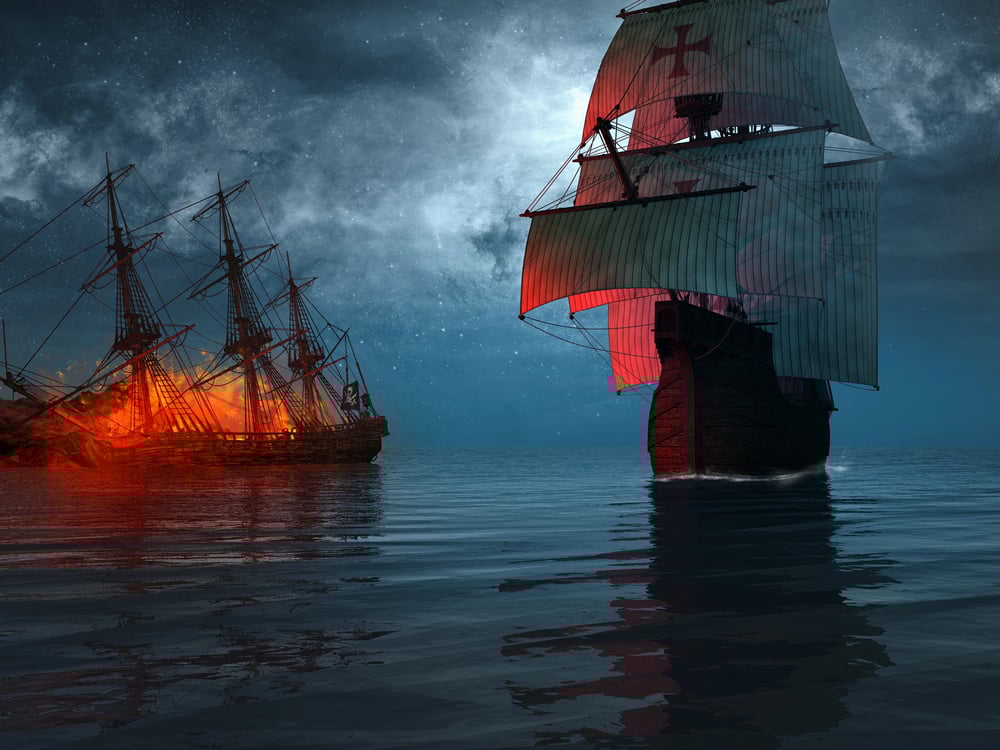
The 1904 fire aboard this excursion steamship in New York’s East River killed over 1,000 people, mostly German-American families on a church outing. The tragedy revealed that the ship’s life preservers were filled with cork dust and metal bars instead of proper flotation materials. This disaster led to mandatory inspections of safety equipment and established federal oversight of passenger vessel operations in U.S. waters.
Lessons Written in Water

These maritime tragedies created the foundation of modern maritime law through the blood and tears of thousands of victims. Each disaster forced regulators to confront uncomfortable truths about the gaps between existing rules and real-world dangers. Today’s cruise passengers and cargo ship crews benefit from safety standards that were literally written by the experiences of those who came before. The next time you board a ferry or see a massive container ship in port, remember that every life jacket, emergency drill, and safety protocol exists because someone, somewhere, paid the ultimate price for that knowledge.
More from Go2Tutors!

- 16 Historical Figures Who Were Nothing Like You Think
- 12 Things Sold in the 80s That Are Now Illegal
- 15 VHS Tapes That Could Be Worth Thousands
- 17 Historical “What Ifs” That Would Have Changed Everything
- 18 TV Shows That Vanished Without a Finale
Like Go2Tutors’s content? Follow us on MSN.



