15 Photography Techniques from Before Digital Cameras
Long before photos lived in your phone or were uploaded instantly to the cloud, capturing an image took time, patience, and a fair bit of chemistry. Photographers worked with bulky equipment, strange chemicals, and techniques that often felt closer to science experiments than art projects.
Yet the images they produced—crisp, dramatic, and full of character—still inspire today. Here is a list of 15 photography techniques that shaped the craft before digital cameras took over.
Daguerreotype

Invented in the 1830s, this method used a polished silver surface and light-sensitive chemicals to produce one-of-a-kind images. The process was slow and fragile, but the detail was razor-sharp. Portraits from this era have a timeless, ghostly quality thanks to the long exposure times.
Wet Plate Collodion

This mid-19th-century technique required photographers to coat, expose, and develop glass plates while they were still wet. It was messy, and it had to be done quickly.
Still, the results were beautifully detailed, and it became the go-to method for studio portraits and Civil War photography.
Calotype

Unlike the daguerreotype, the calotype produced a paper negative—meaning multiple prints could be made from one shot. The images were softer and less detailed, but the concept of reproducibility made it a big leap forward.
It paved the way for photo albums and mass distribution.
Cyanotype
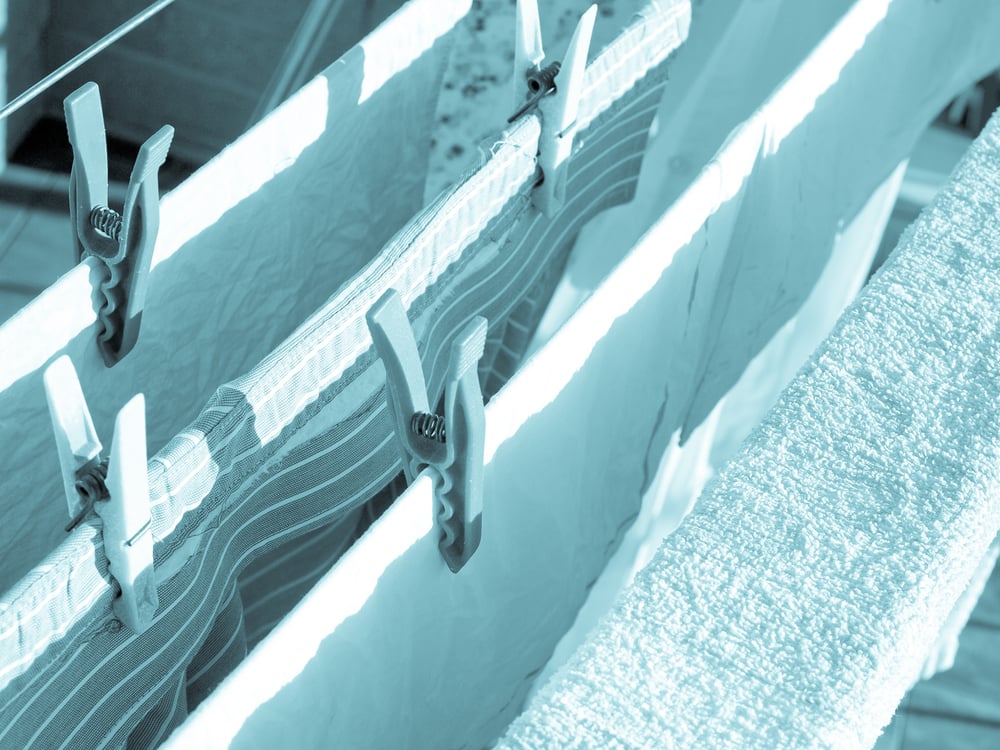
Recognizable by its vivid blue color, the cyanotype process was cheap, simple, and popular for documenting plants and technical drawings. It was often used for ‘blueprints’ long before that word was just a metaphor.
All it needed was sunlight, coated paper, and a little patience.
Albumen Print

Using egg whites to bind chemicals to paper sounds odd today—but it was a standard technique in the late 1800s. Albumen prints were glossy, sepia-toned, and relatively easy to produce in large quantities.
Photographers often paired this with the wet plate collodion method for consistent results.
Tintype

Tintypes used a thin sheet of metal as the base instead of glass or paper, making them more durable and quicker to process. People loved them for portraits at fairs, on the street, or in portable studios.
Despite the name, tintypes didn’t contain actual tin.
Stereoscope Photography
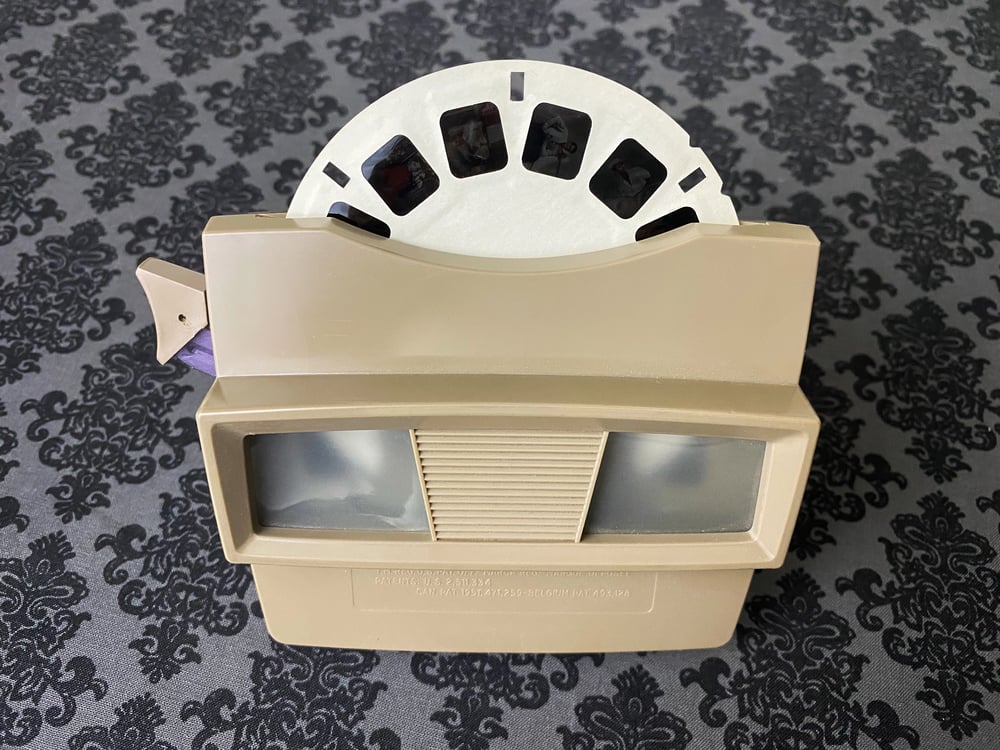
These side-by-side images were viewed through a stereoscope to create a 3D illusion. It was the 19th-century version of virtual reality—without screens or batteries.
Families used them for entertainment, flipping through scenes from far-off places or significant events.
Dry Plate Photography

This technique was a big step up from wet plates. Photographers could prepare plates in advance and process them later, without racing against the clock.
It also allowed faster shutter speeds, which meant candid moments were finally possible—not just posed ones.
Pinhole Camera

With no lens and no moving parts, pinhole cameras were the simplest version of the concept: light passes through a tiny opening onto film or paper inside a dark box. The images were soft, moody, and oddly poetic.
Despite its simplicity, it demonstrated the core idea of photography with stunning clarity.
Contact Printing
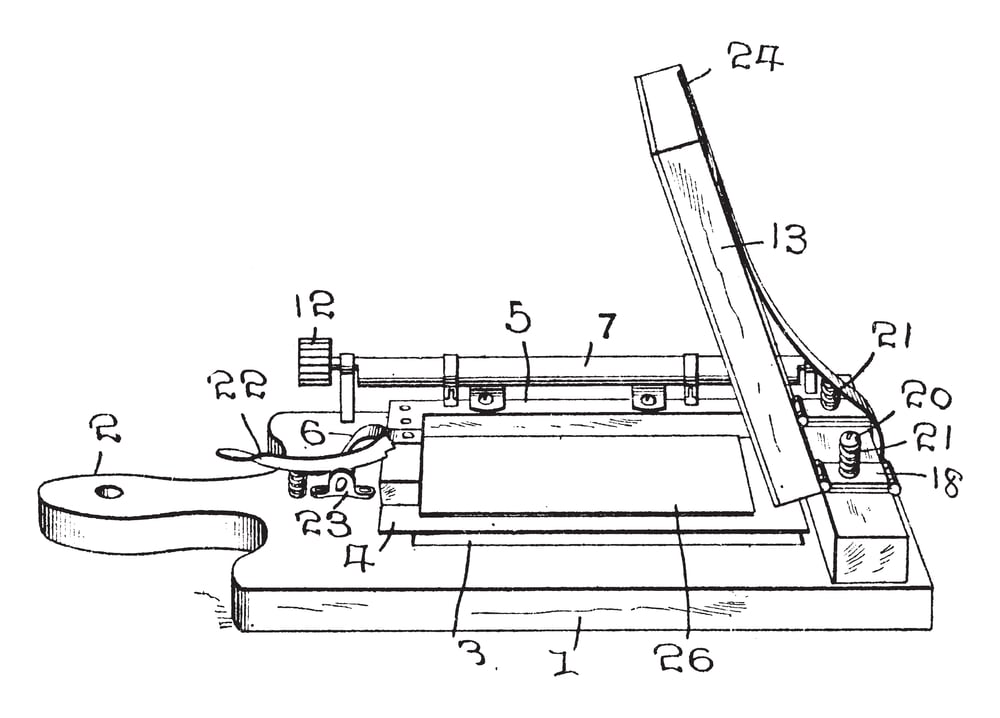
Before enlargers became common, contact printing involved pressing a negative directly against photosensitive paper and exposing it to light. The print was exactly the same size as the negative—no cropping or zooming.
It demanded careful composition before the shutter ever clicked.
Flash Powder

Photography in low light was nearly impossible until flash powder came along—an explosive mix of chemicals that lit up the room for a split second. It was bright, loud, and a little dangerous.
Yet it allowed indoor photography in a way that had never been possible before.
Photogravure

This printing process etched images into metal plates, allowing high-quality reproductions in books and art prints. It bridged the gap between photography and traditional printmaking.
The images had rich, velvety tones that made them favorites for fine art publications.
Salt Prints

One of the earliest paper-based methods, salt printing used paper soaked in salt and silver nitrate to create soft, ethereal images. It was unpredictable—no two prints looked exactly the same.
But it gave early photographers a relatively accessible way to experiment with image-making.
Hand Coloring

Because color film didn’t exist, photographers would paint directly onto black-and-white prints using watercolors or dyes. The results varied from subtle tints to full-on pastel scenes.
It was a way to bring life and mood into images long before color photography was practical.
Zone System

Developed by Ansel Adams and Fred Archer, the zone system helped photographers control exposure and contrast with precision. It involved pre-visualizing the final image and adjusting both shooting and development steps accordingly.
While more of a planning method than a process, it set a technical standard that many still use with film today.
Timeless Craft, Lasting Influence

Each of these techniques required time, attention, and often a little trial and error—but they shaped modern photography in ways that can’t be ignored. Though digital tools have taken over, the methods of the past still inform how light, composition, and contrast are understood today.
Whether it’s the bold tones of a cyanotype or the depth control of the zone system, these early approaches continue to influence how photos are made and appreciated. The tools may change, but the craft carries on.
More from Go2Tutors!

- The Romanov Crown Jewels and Their Tragic Fate
- 13 Historical Mysteries That Science Still Can’t Solve
- Famous Hoaxes That Fooled the World for Years
- 15 Child Stars with Tragic Adult Lives
- 16 Famous Jewelry Pieces in History
Like Go2Tutors’s content? Follow us on MSN.



