15 Photography Tricks That Create Stunning Images
Photography isn’t just about having the most expensive camera or the perfect lighting conditions. The magic happens when you understand how to manipulate your environment, perspective, and timing to create images that stop people in their tracks. Whether you’re using a smartphone or a professional DSLR, these techniques can transform ordinary moments into extraordinary captures.
Here’s a list of 15 photography tricks that will elevate your images from snapshots to stunning visual stories.
Rule of Thirds Grid Placement

Instead of centering your subject like most people do, imagine your frame divided into nine equal sections with two horizontal and two vertical lines. Place your main subject along these lines or at their intersections.
This creates natural balance and draws the viewer’s eye exactly where you want it. Your photos instantly gain a professional quality that feels intentionally composed rather than accidentally captured.
Golden Hour Magic

That warm, soft light you see an hour after sunrise or before sunset isn’t just pretty—it’s practically cheating when it comes to flattering photography. The low angle of the sun eliminates harsh shadows while casting everything in a honeyed glow that makes even ordinary subjects look cinematic.
Professional photographers often plan their entire shoot around these brief windows because artificial lighting can rarely replicate this natural beauty.
Like Go2Tutors’s content? Follow us on MSN.
Leading Lines Composition

Roads, fences, shorelines, or even shadows can become powerful tools to guide your viewer’s attention straight to your main subject. These lines create depth in what would otherwise be a flat image, making viewers feel like they’re walking into the scene rather than just looking at it.
The stronger and more obvious the line, the more dramatic the effect on your composition.
Negative Space Emphasis
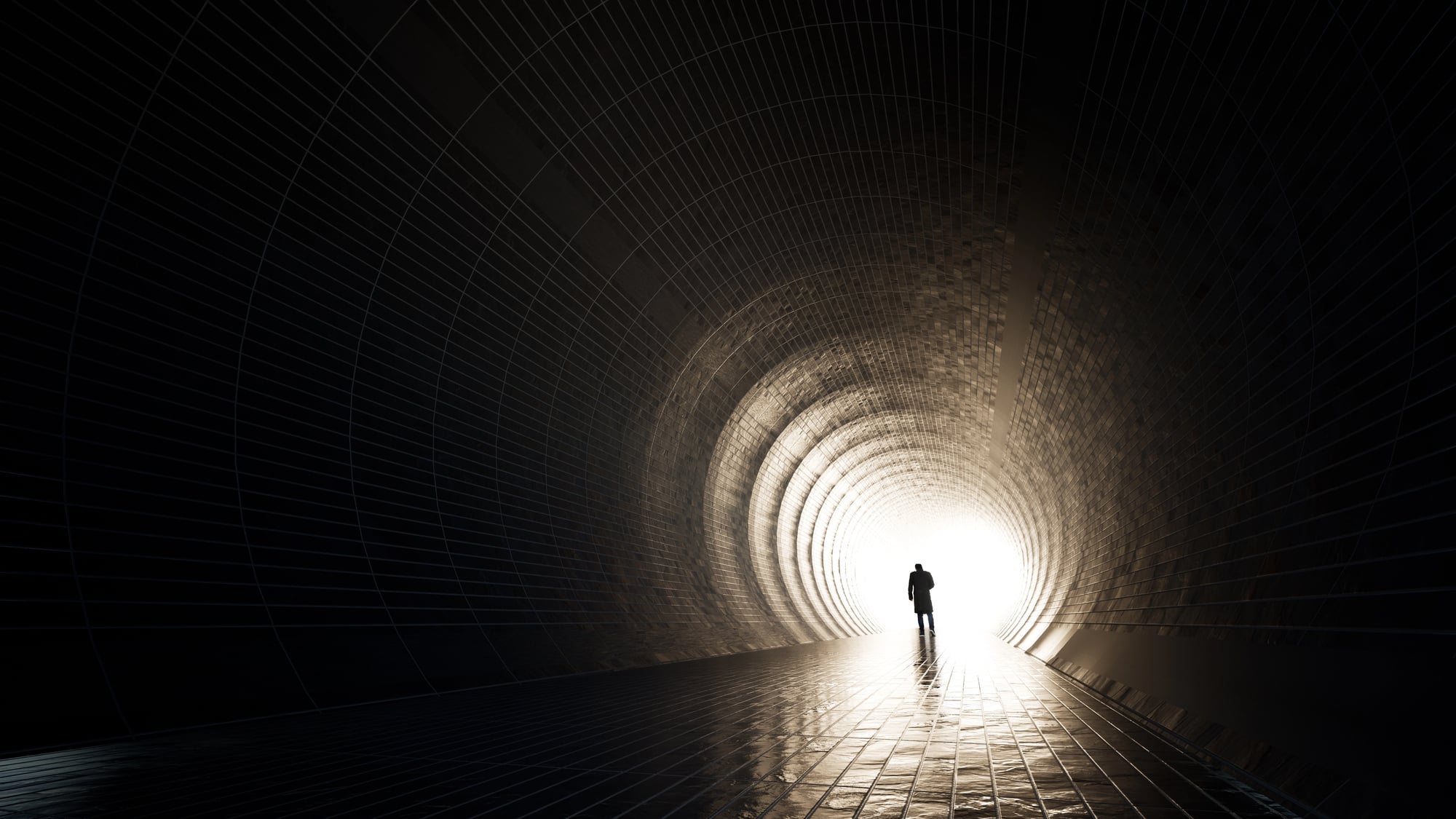
Sometimes what you don’t include in your frame matters more than what you do. Large areas of empty sky, blank walls, or calm water around a small subject create breathing room that makes your main focus pop with intensity.
This minimalist approach forces viewers to concentrate on your intended subject without distractions competing for their attention.
Foreground Framing Elements

Use branches, doorways, windows, or architectural elements to create a natural border around your subject. This technique adds layers to your image and creates the illusion that viewers are peeking into a private moment or hidden scene.
The frame within your frame draws attention inward while adding depth that makes flat images feel three-dimensional.
Like Go2Tutors’s content? Follow us on MSN.
Low Angle Power Shots

Get down low—sometimes ridiculously low—and shoot upward at your subject. This perspective makes ordinary people, buildings, or objects appear heroic and commanding.
Children photographed from their eye level instead of yours suddenly look confident rather than small. Even flowers shot from ground level can appear majestic against the sky backdrop.
Reflection Doubling

Water, glass, mirrors, or even puddles can double the visual impact of your subject while creating perfect symmetry. The reflection often captures details or angles that the direct view misses, essentially giving you two compositions in one frame.
Calm water works best, but even slightly rippled surfaces can add artistic distortion that enhances rather than detracts from your image.
Depth of Field Control

Blurring your background while keeping your subject sharp creates professional-looking portraits that make your main focus pop from the frame. This shallow depth of field effect separates your subject from distracting backgrounds and mimics how our eyes naturally focus on what’s important.
Most modern smartphones now offer portrait modes that simulate this effect automatically.
Like Go2Tutors’s content? Follow us on MSN.
Motion Blur Storytelling

Instead of trying to freeze every moment perfectly, sometimes intentional blur tells a better story. A slightly blurred hand reaching for something, or background movement while your subject stays sharp, adds energy and life to static images.
This technique captures the feeling of a moment rather than just its appearance.
Silhouette Drama
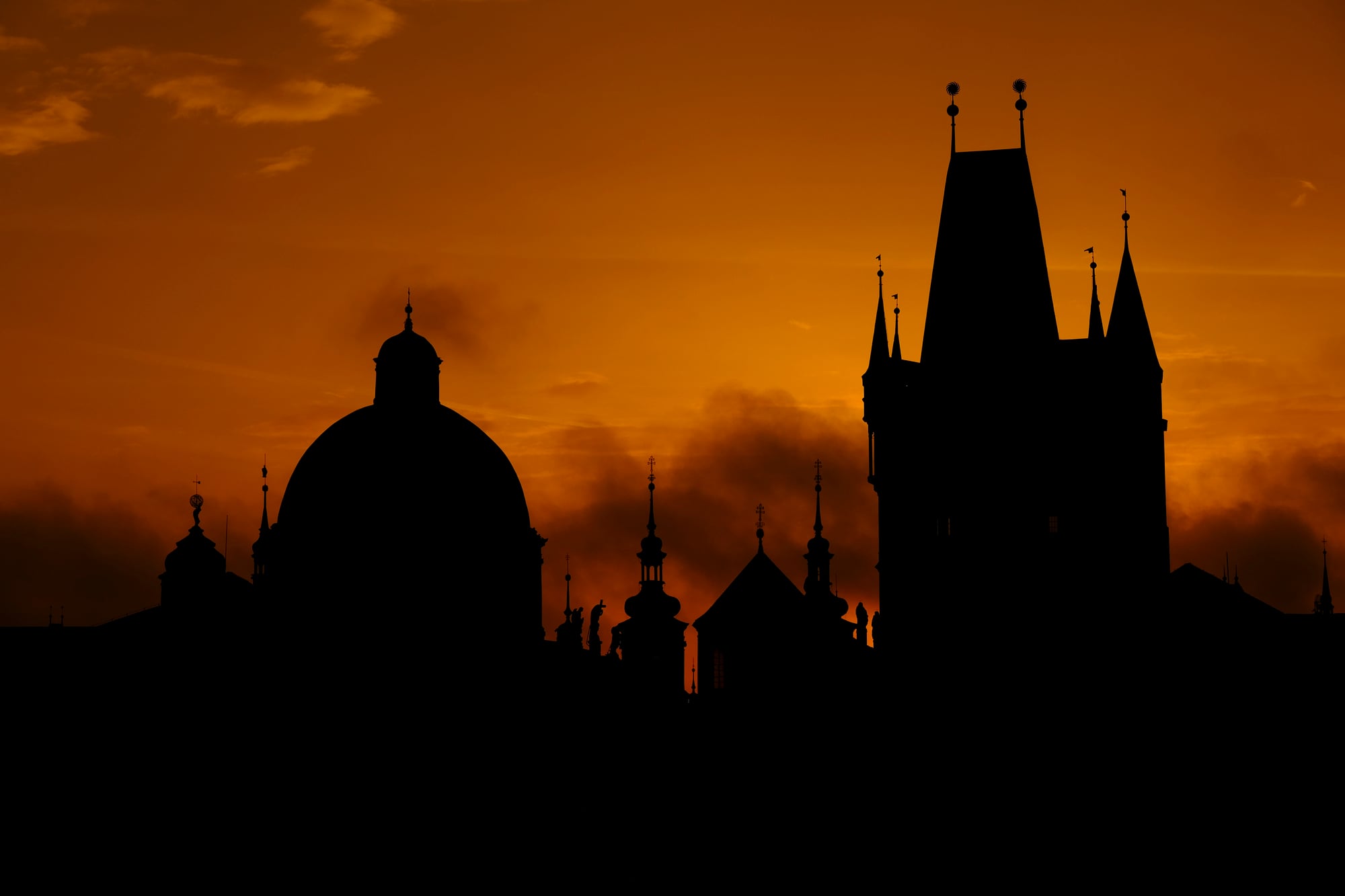
Position your subject between your camera and a bright light source to create striking silhouettes that emphasize shape and emotion over details. Sunsets, bright windows, or street lights work perfectly for this technique.
The mystery created by hiding facial features often makes portraits more compelling because viewers fill in the details with their imagination.
Pattern Breaking

Find repetitive elements like windows on a building, fence posts, or waves, then include something that breaks the pattern. One different colored window, a person walking past identical storefronts, or a bird flying through geometric shapes creates visual tension that holds attention.
The human eye loves patterns but gets excited when something disrupts them.
Like Go2Tutors’s content? Follow us on MSN.
Color Temperature Mixing

Combine warm and cool light sources in the same frame to create mood and visual interest. Indoor tungsten lighting against blue twilight sky, or warm streetlights in cool fog, creates color contrast that feels cinematic.
This mixing of temperatures adds professional polish that single-source lighting rarely achieves.
Macro Detail Focus

Get extremely close to everyday objects to reveal textures, patterns, and details that people normally overlook. Water droplets on leaves, fabric weaves, or skin textures become abstract art when viewed up close.
This technique transforms the mundane into the extraordinary by showing familiar things from an unfamiliar perspective.
Weather as Your Ally

Don’t pack up your camera when conditions get challenging—embrace fog, rain, snow, or dramatic clouds as creative partners. Overcast skies provide perfect natural softbox lighting for portraits, while fog adds mystery and reduces distracting backgrounds to simple, clean compositions.
Weather conditions that make most photographers retreat often create the most memorable images.
Time Lapse Single Frame

Instead of creating actual time-lapse videos, capture the essence of movement and time passing in a single frame. Show multiple exposure positions of the moon, star trails, or traffic light streaks to compress time into one powerful image.
This technique reveals the passage of time that our eyes can’t normally perceive in a single moment.
Like Go2Tutors’s content? Follow us on MSN.
From Snapshots to Stories
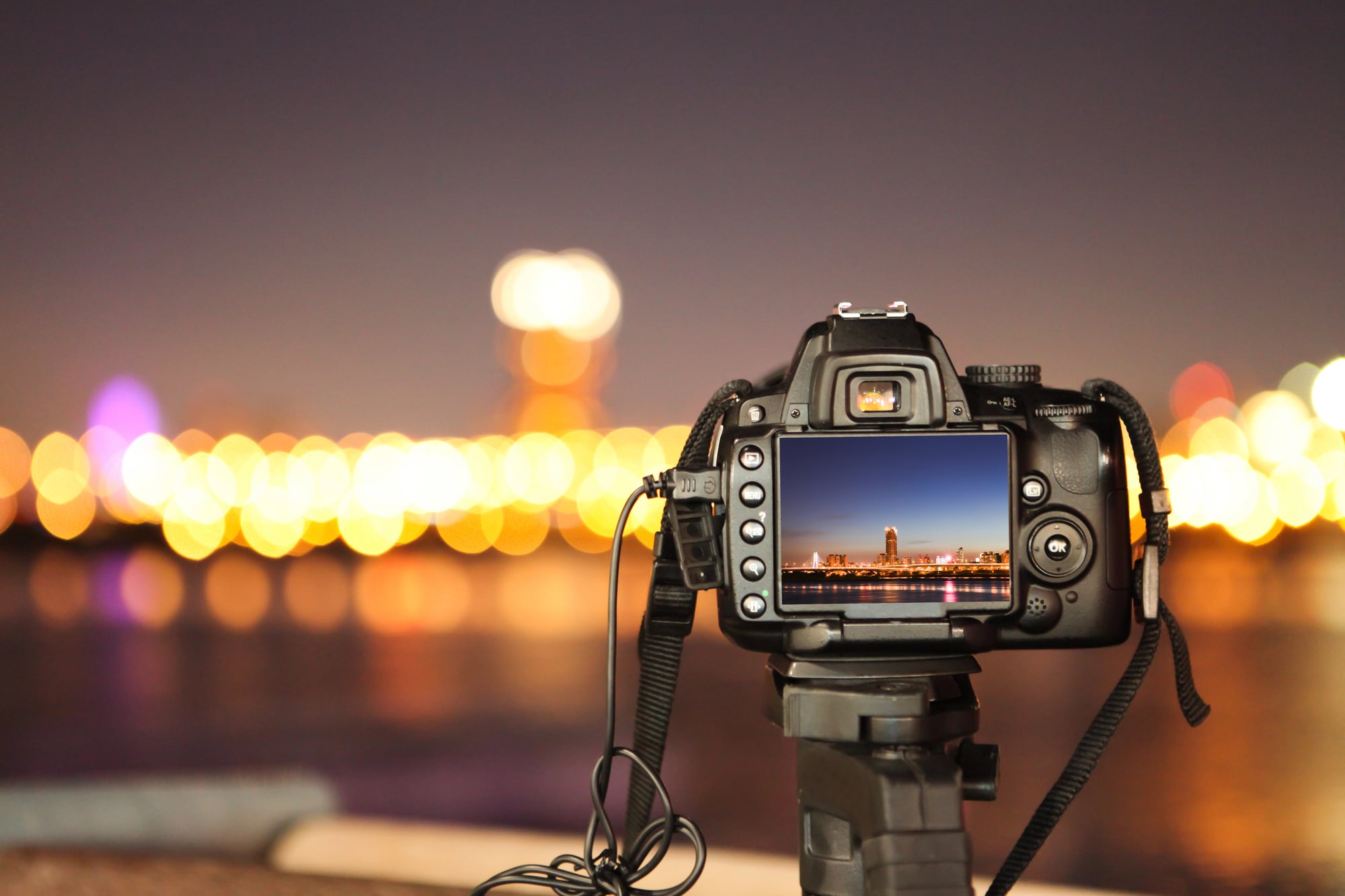
These techniques work because they mirror how great cinematographers and artists have approached visual storytelling for decades. The difference between a snapshot and a stunning photograph often comes down to intentional choices about perspective, timing, and composition rather than expensive equipment.
Start with one or two of these approaches, master them through practice, then gradually add others to your toolkit. The goal isn’t to use every trick in every photo, but to develop an instinct for which technique will best serve each unique moment you encounter.
More from Go2Tutors!

- 18 Unexpectedly Valuable Collectibles You Might Have Lying Around
- 20 Little-Known Historical Battles That Had Huge Consequences
- 20 Historical Artifacts That Scientists Can’t Explain
- 15 Inventions That Were Immediately Banned After Being Created
- 20 Actors Who Were Almost Cast in Iconic Roles
Like Go2Tutors’s content? Follow us on MSN.