15 Photos Of Legendary Musicians Before They Became Famous
Everyone knows that look — the polished stage presence, the confident smile, the expensive instruments and perfect lighting. But before the fame, before the money, before the world knew their names, these legendary musicians were just regular people with extraordinary dreams.
They played in garage bands, waited tables between gigs, and posed for photos that would later become priceless glimpses into their humble beginnings. These snapshots capture something raw and honest that no amount of professional photography can recreate.
They show the hunger, the uncertainty, and the pure love of music that drove these artists forward when success seemed impossible.
Elvis Presley
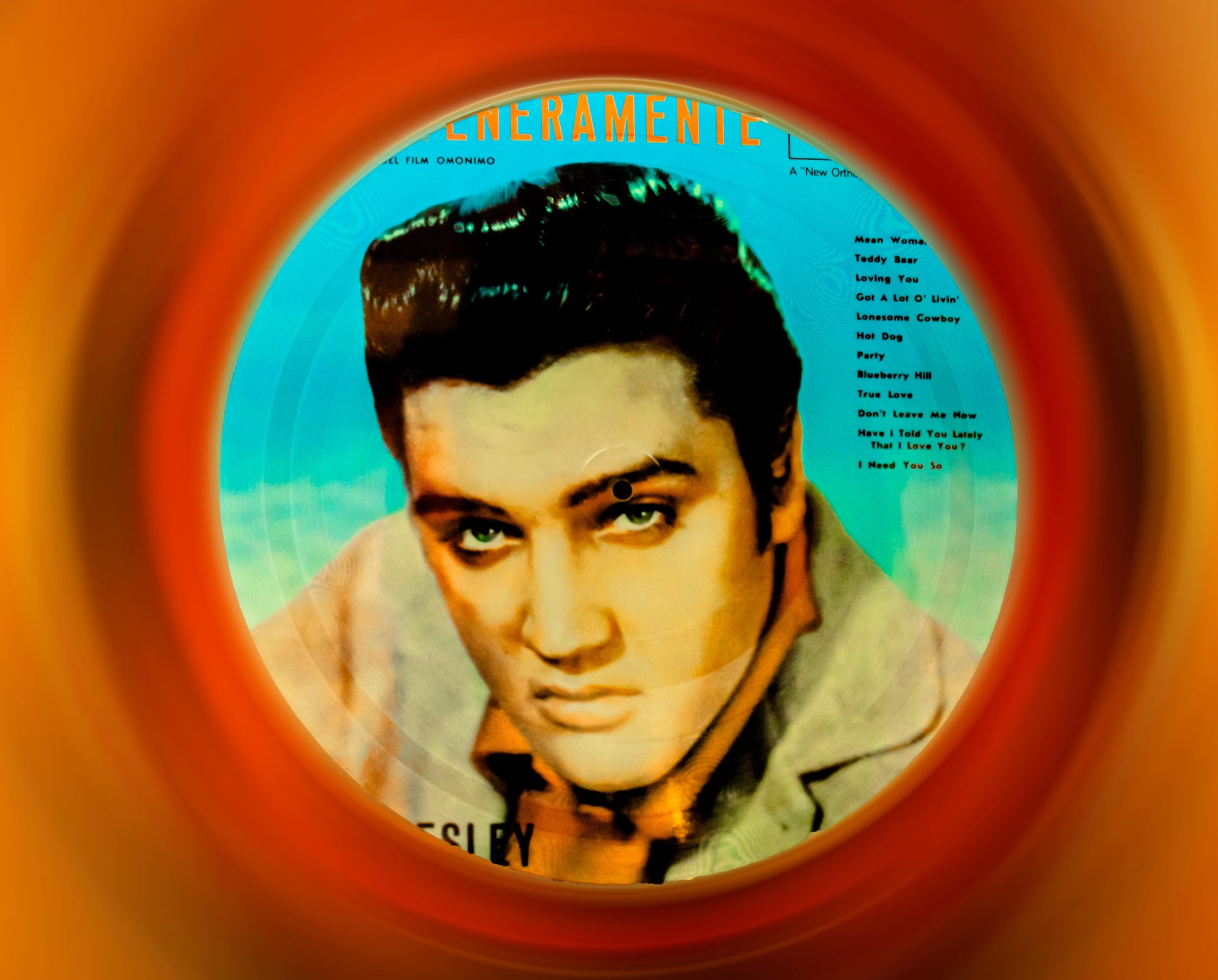
Elvis was nineteen when he recorded “That’s All Right” at Sun Studio in July 1954, though he’d already visited the studio the previous year to record a personal acetate. The photo from that famous 1954 session shows a skinny kid with slicked-back hair, wearing a simple button-down shirt that probably came from Sears.
No rhinestones, no sideburns yet, no hip swivel that would later scandalize America. He looks nervous.
And he should have been — this was the session that would accidentally create rock and roll when he started fooling around during a break and launched into “That’s All Right.”
Bob Dylan

Before he was the voice of a generation, Robert Allen Zimmerman was just another college dropout playing folk songs in Greenwich Village coffee houses for tips and whatever free food he could talk the owners into. The 1961 photograph shows him looking impossibly young (because he was — barely twenty), with unruly hair and clothes that suggested laundry wasn’t high on his priority list.
But here’s the thing that gets overlooked in all the mythology that came later: even then, sitting on a dingy couch with a battered acoustic guitar, there was something in his eyes that said he knew exactly where this was heading. So maybe the rest of the world was catching up to what Dylan already understood about himself.
Madonna

There’s a photo of Madonna from 1979, back when she was still Louise Ciccone from Michigan, working at Dunkin’ Donuts in Times Square and sleeping on friends’ couches in the East Village. She’s leaning against a brick wall somewhere in downtown Manhattan, wearing ripped jeans and a tank top that’s seen better days, but her expression is pure steel.
The thing about ambition is that it sits in your shoulders a certain way, changes how you hold your head when someone points a camera at you. Even broke and unknown, Madonna looked like she was posing for the cover of a magazine that didn’t exist yet.
That confidence wasn’t learned — it was built in from the factory.
John Lennon
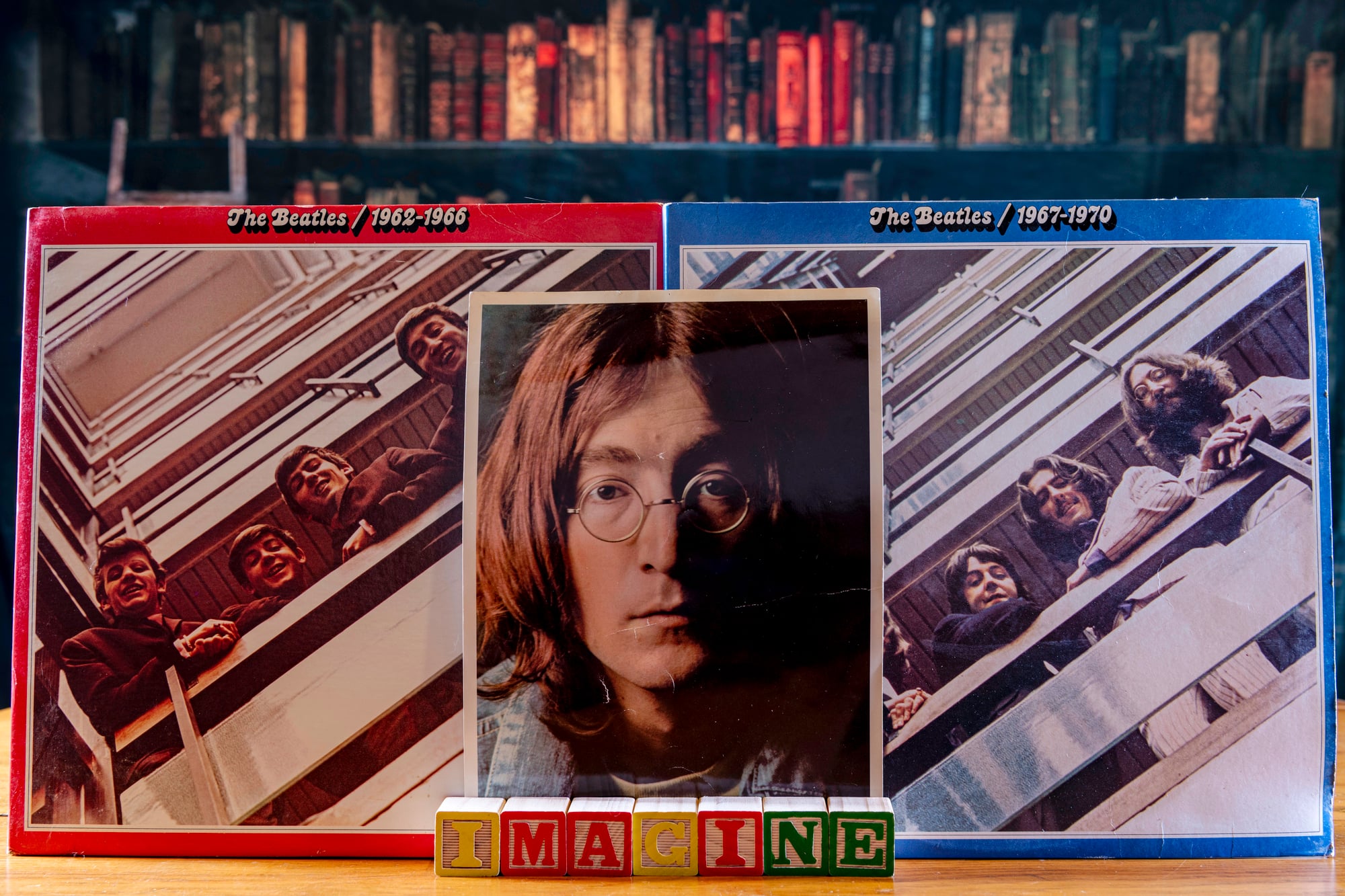
The photograph catches John at sixteen, performing with The Quarrymen at St Peter’s Church Hall in Woolton, Liverpool, on July 6, 1957. This is the day he met Paul McCartney (who was watching).
John’s wearing a checkered shirt, his hair is styled in the teddy boy fashion of the time, and he’s hunched over his guitar with the intensity of someone who’s discovered the thing he’s supposed to do with his life. What strikes you isn’t his youth — though he looks impossibly young — but the seriousness.
This isn’t a teenager playing around. And if you know what’s coming next (Paul approaching after the set to show off his ability to tune a guitar and play “Twenty Flight Rock” properly), the photo becomes a document of the moment before everything changed.
Not just for John, but for music itself.
Beyoncé
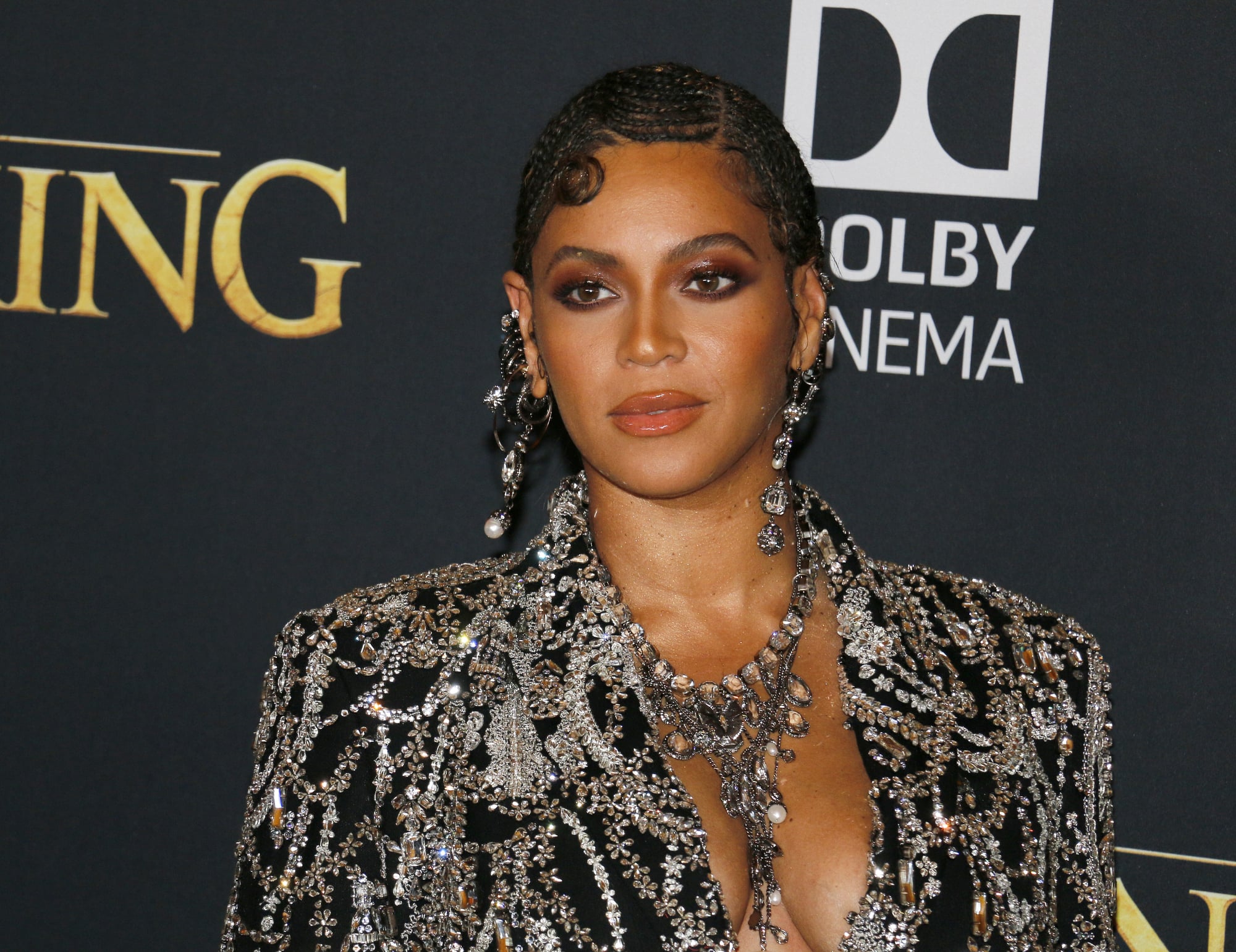
She’s twelve years old in this photo, standing with Girls Tyme on the set of Star Search in 1993. The group didn’t win — they lost to a rock band called Skeleton Crew, which has to be one of the more ironic footnotes in music history.
Beyoncé is front and center, wearing a bright outfit that screams early ’90s, but her stage presence is already fully formed. Most twelve-year-olds look like they’re playing dress-up when they perform.
Beyoncé looked like she was exactly where she belonged.
Johnny Cash
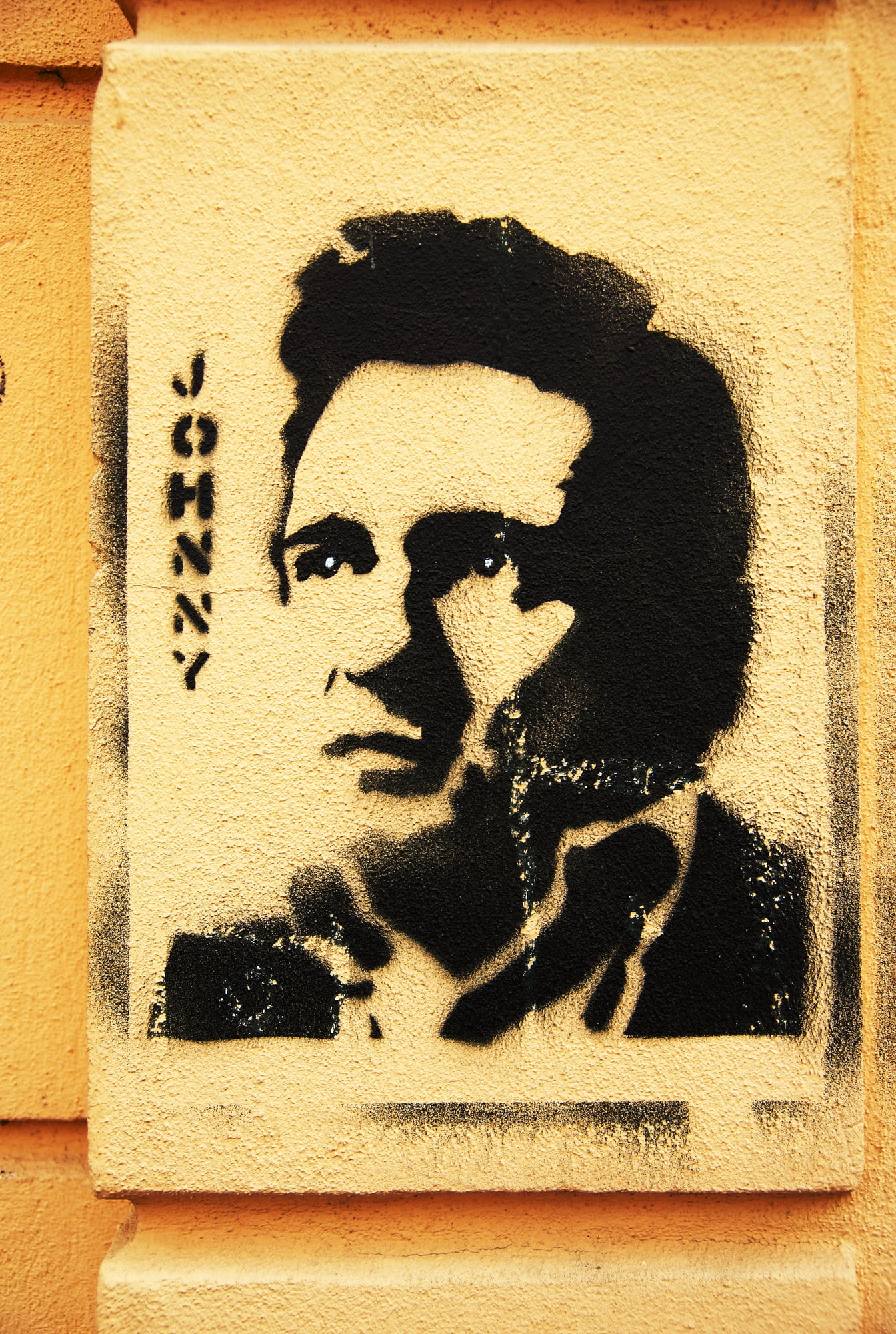
The photo from his Air Force days shows a young man in uniform, stationed in Germany in the early 1950s. No black clothes, no imposing scowl, just a regular serviceman who happened to buy his first guitar while overseas and started writing songs to pass the time.
He’s clean-shaven, smiling, looking like the kind of guy who’d help you change a tire on the side of the road. But (and this matters more than it might seem at first glance) even in military dress, even smiling for what was probably a routine photo, there’s something in Cash’s eyes that suggests depths you wouldn’t want to explore unprepared.
The darkness that would later define his music wasn’t manufactured for effect — it was already there, waiting patiently beneath the surface like groundwater in a desert, ready to spring up when the conditions were right. So when he finally stepped into Sun Studio a few years later, that haunted quality in his voice didn’t come from nowhere.
Kurt Cobain
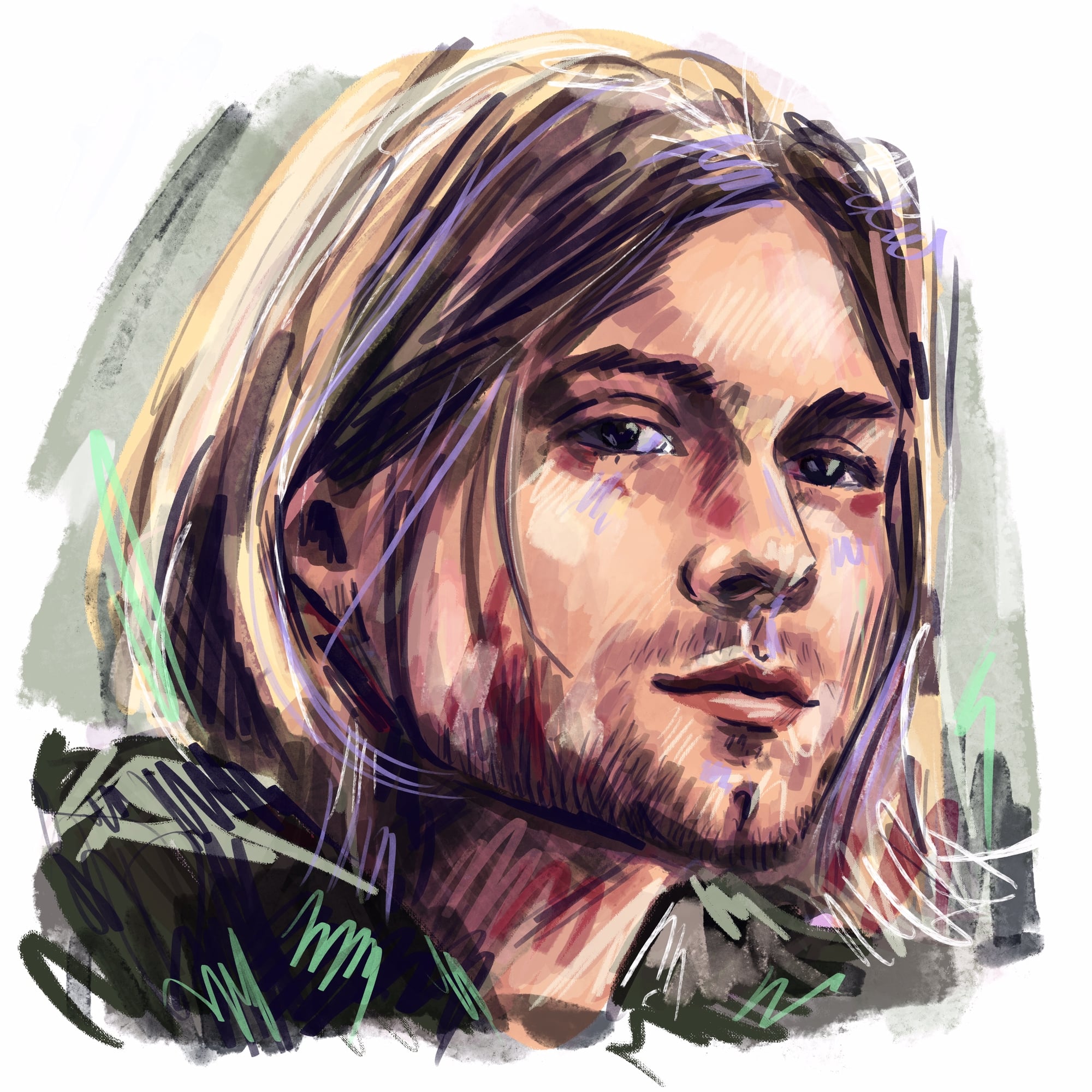
Aberdeen, Washington, 1985. Kurt’s eighteen in this photo, sitting in his bedroom with a guitar that’s held together with duct tape and determination.
The walls are covered with band posters — punk and alternative acts that most people had never heard of. He looks exactly like what he was: a small-town kid who felt like an outsider in every room he entered.
There’s no hint here of the cultural earthquake he’d trigger six years later with “Smells Like Teen Spirit.” Just a teenager with bleached hair and thrift store clothes, writing songs that nobody was asking for.
Which, as it turned out, was exactly what the world needed.
Stevie Wonder
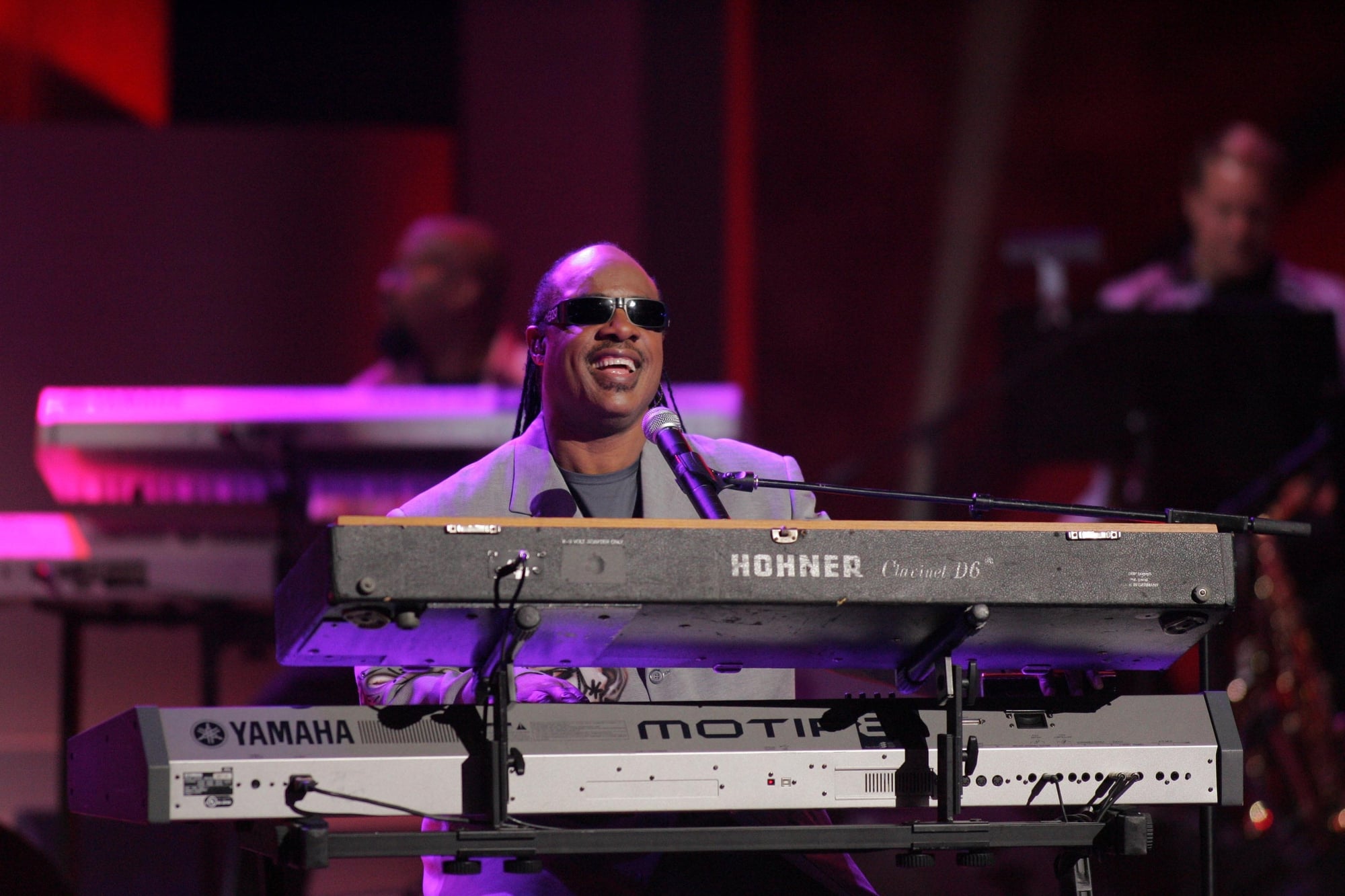
At eleven years old, Stevland Hardaway Judkins was already signed to Motown, but this 1961 photo catches him before “Little Stevie Wonder” became a household name. He’s sitting at a piano, wearing a simple sweater, looking like any other kid who’d rather be playing music than doing homework.
The remarkable thing isn’t his youth — child prodigies show up in music fairly regularly. It’s the complete lack of artifice.
No stage makeup, no costume, no attempt to make him look older or more sophisticated. Just a kid and a piano, which turned out to be all he ever really needed.
Prince

Minneapolis, 1977. Prince Rogers Nelson is nineteen, playing with his band Grand Central (later renamed Champagne) at local venues that held maybe fifty people on a good night.
The photo shows him mid-performance, hair in an afro, wearing clothes that somehow manage to be both flamboyant and completely of their era. Even then, his stage presence was magnetic in a way that’s difficult to explain.
Some performers learn to command attention. Prince seemed to bend it toward himself like light around a star.
Joni Mitchell
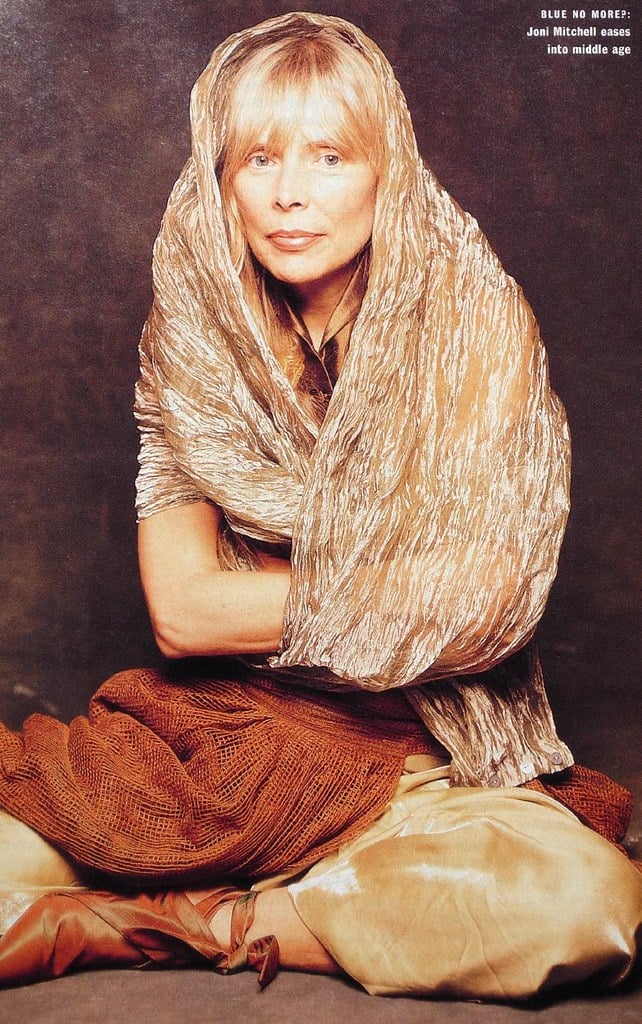
The coffee house photo from 1967 shows Joni sitting cross-legged on a small stage in Detroit, her guitar resting on her lap between songs.
Her blonde hair falls straight and long, and she’s wearing the kind of simple folk singer uniform that was practically required in those venues — dark turtleneck, minimal makeup, serious expression. But here’s what the photo doesn’t capture: the voice that could make a room full of strangers feel like they were listening to their own thoughts being sung back to them.
That particular magic doesn’t show up in still images, which is probably why Joni always seemed to prefer letting the music speak for itself.
Bruce Springsteen
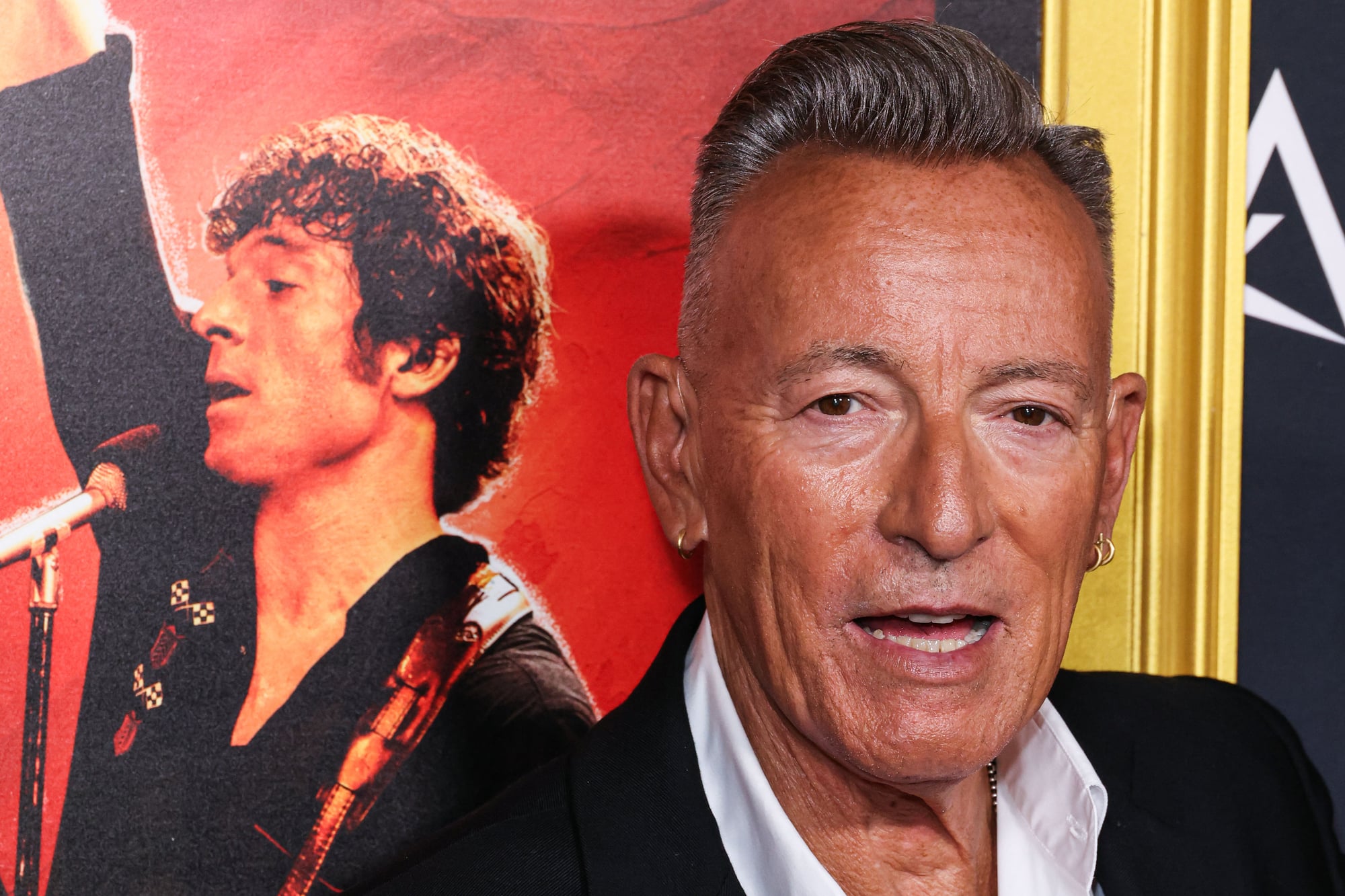
Asbury Park, 1972. Bruce is twenty-three, playing guitar with the Bruce Springsteen Band at the Student Prince, a club that’s long since closed.
He’s skinny, bearded, wearing a leather jacket that’s seen better decades. The stage is tiny, the crowd is smaller, and everyone in the room probably had to pay a cover charge that barely covered the cost of keeping the lights on.
This was a year before his first album, two years before he’d be declared the “future of rock and roll” on the covers of Time and Newsweek simultaneously. For now, he’s just another Jersey musician grinding it out in shore town clubs, playing three-hour sets for people who came for the beer, not the music.
Aretha Franklin
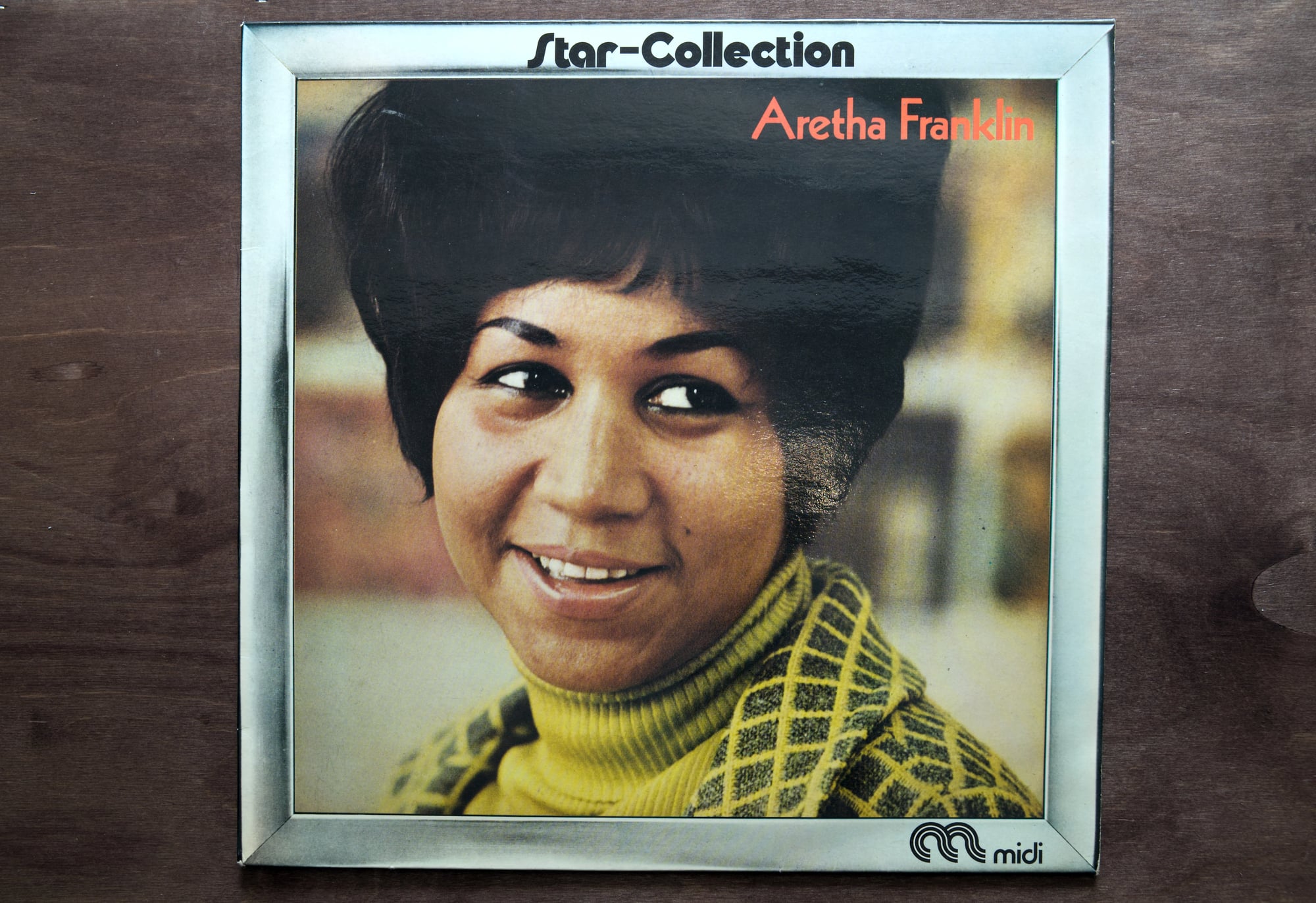
Detroit, 1960. Aretha is eighteen, sitting at a piano in her father’s church, wearing a simple dress and the kind of serious expression that suggests she understands the weight of the gift she’s been given.
This is before Columbia Records, before Atlantic, before “Respect” turned her into the Queen of Soul. She’s already been singing professionally for four years at this point, recording gospel music and performing with her father, the Reverend C.L. Franklin.
But the photo captures something more intimate than performance — it shows someone alone with music, the way she probably spent countless hours as a child, working out arrangements and finding her voice in an empty sanctuary.
David Bowie
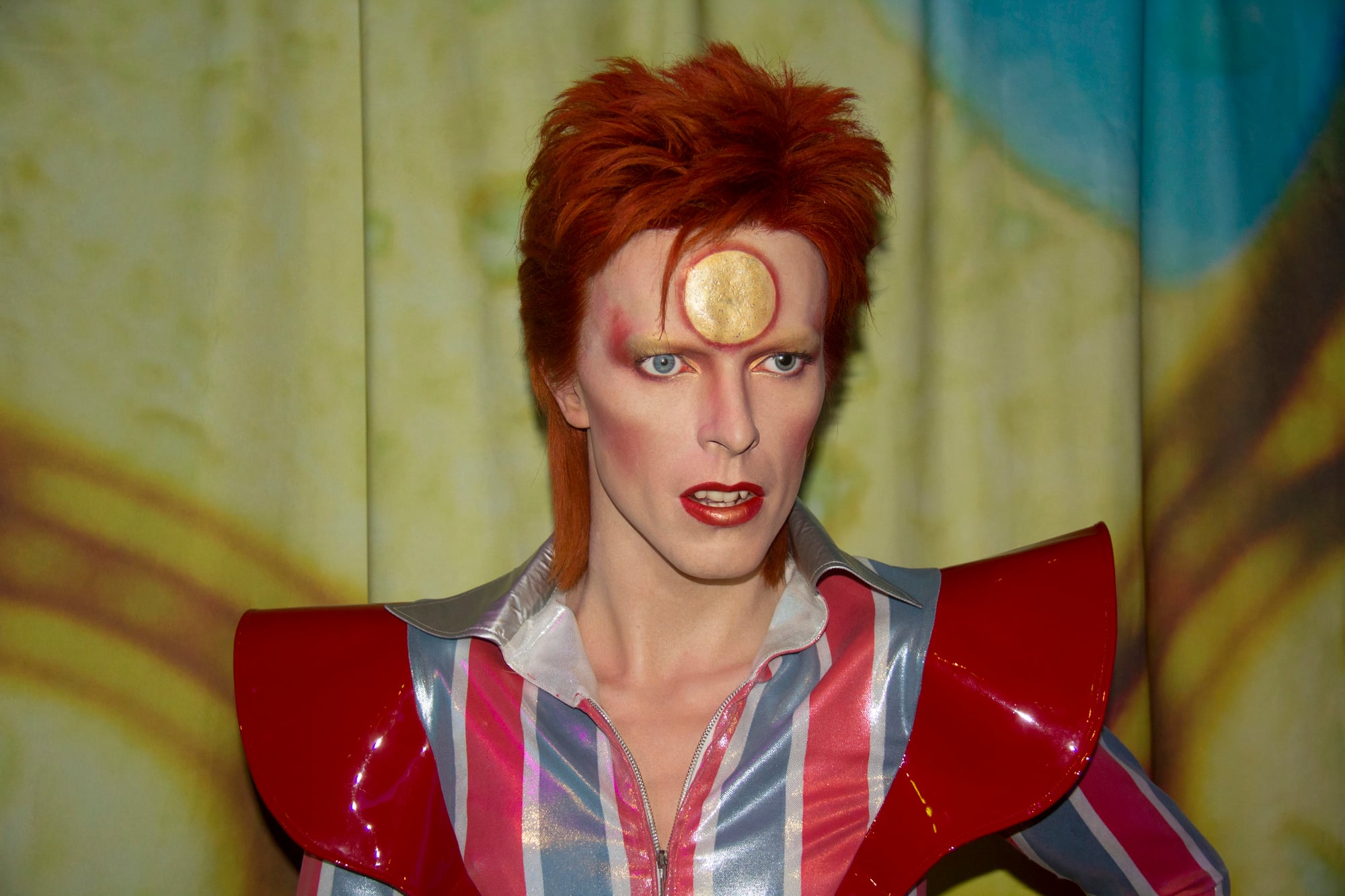
London, 1966. David Robert Jones is nineteen, performing with his band The King Bees at a local venue that probably doesn’t exist anymore.
His hair is short and conventional, he’s wearing a regular suit, and if you passed him on the street you wouldn’t look twice. No makeup, no costumes, no personas that would later make him famous.
Just a regular-looking kid with an extraordinary voice and ideas that wouldn’t fully emerge for several more years. The reinvention that would define his career hadn’t started yet, but the restlessness that would drive it is already visible if you know how to look.
Janis Joplin
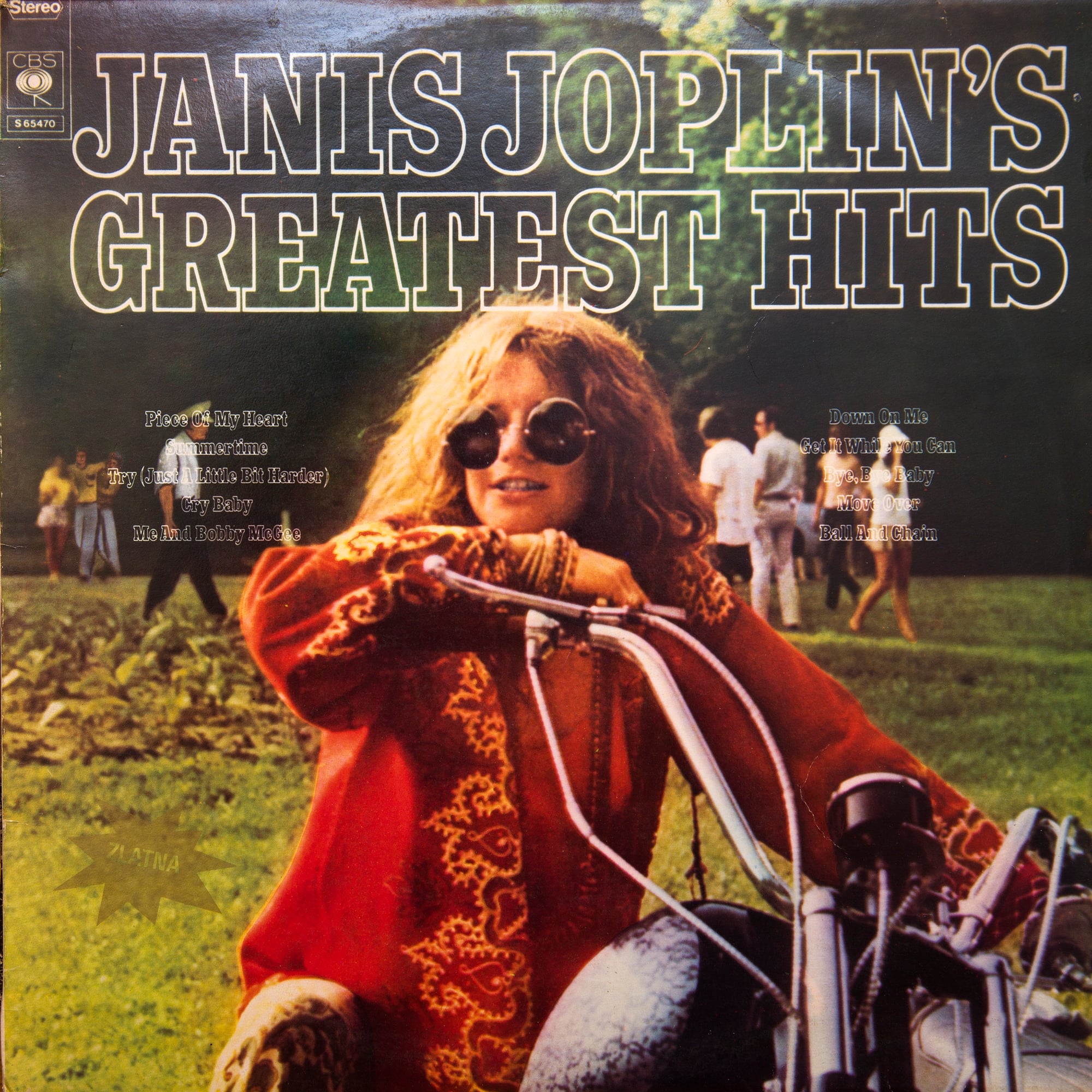
Port Arthur, Texas, 1962. Janis is nineteen, sitting on the front steps of her family’s house with an acoustic guitar.
She’s wearing jeans and a simple blouse, her hair is neat and styled in a way that suggests she still cared what her neighbors thought. This is before San Francisco, before Big Brother and the Holding Company, before the voice that could strip paint off walls made her famous.
She looks like exactly what she was — a small-town girl who felt too big for the place where she grew up. The wildness that would later define her public image was still mostly theoretical, something she was working up the courage to become.
Jimi Hendrix
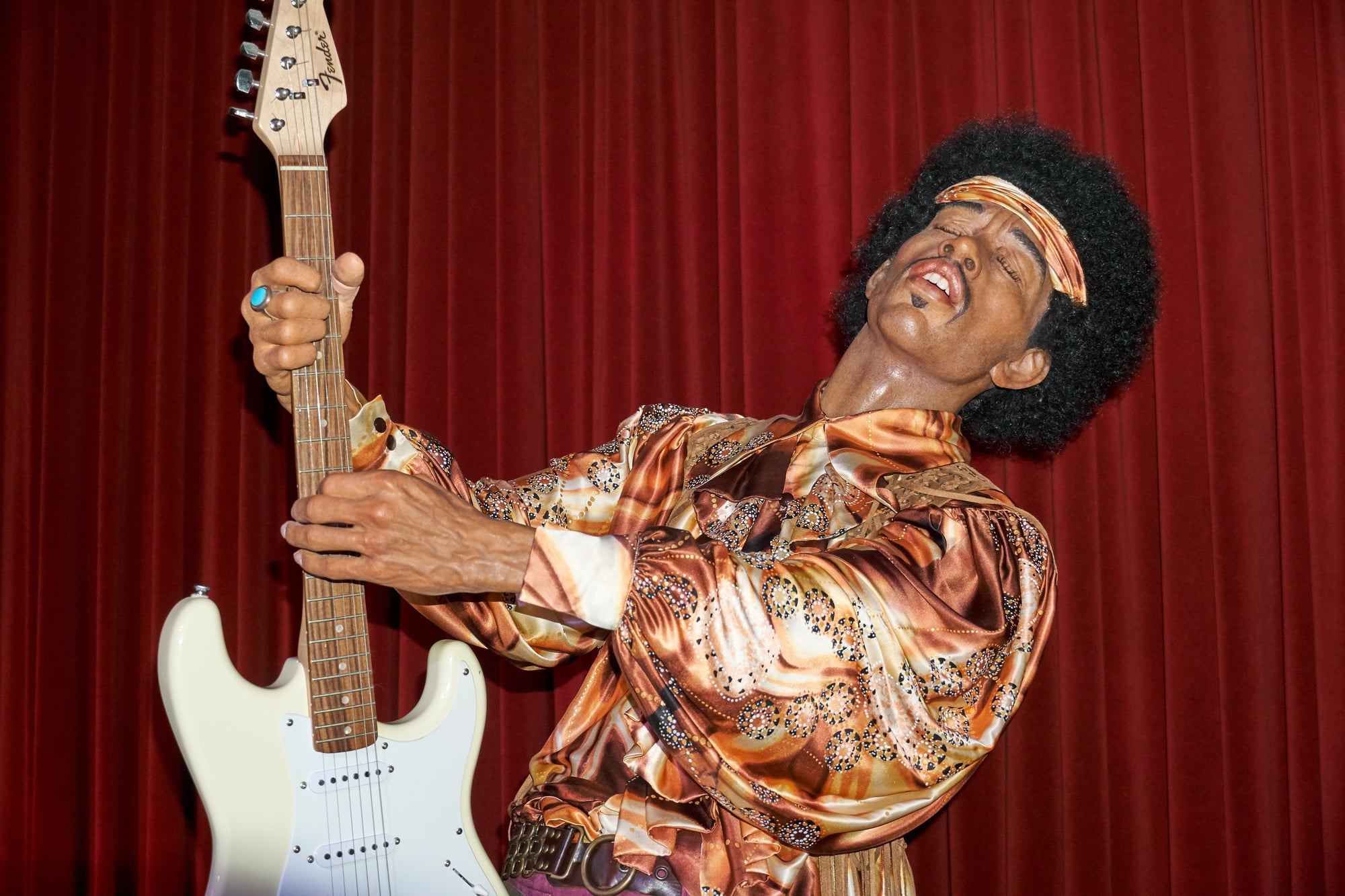
Fort Campbell, Kentucky, 1962. Jimmy (not yet Jimi) Hendrix is twenty-one, serving in the 101st Airborne Division.
The military photo shows him in uniform, clean-cut and regulation, looking like any other young soldier. His guitar skills were already legendary among his fellow servicemen, but this was still two years before he’d move to New York, three years before the Monterey Pop Festival would introduce him to the world.
The transformation from Jimmy to Jimi was still ahead of him, but even in military dress, there’s something in his expression that suggests he knew this wasn’t his final destination. Just a temporary stop on the way to something much larger.
Looking Back At The Beginning

These photographs do something that concert footage and professional portraits can’t — they show us the moment before the mythology took over. Before the stylists and managers and record label executives started crafting images designed to sell records, there were just people with instruments and dreams that probably seemed impossible to everyone around them.
The magic isn’t that they became famous despite these humble beginnings. The magic is that the seeds of everything they’d become were already there, waiting in garage bands and coffee houses and church basements, ready to grow when the world was finally ready to listen.
More from Go2Tutors!

- The Romanov Crown Jewels and Their Tragic Fate
- 13 Historical Mysteries That Science Still Can’t Solve
- Famous Hoaxes That Fooled the World for Years
- 15 Child Stars with Tragic Adult Lives
- 16 Famous Jewelry Pieces in History
Like Go2Tutors’s content? Follow us on MSN.



