15 Vintage Game Consoles That Changed Play
Video games didn’t start with Xbox or PlayStation. Before online multiplayer and photorealistic graphics, people plugged chunky cartridges into beige boxes connected to televisions by RF cables.
The journey from Pong to modern gaming was messy, full of failures, and driven by companies you’ve never heard of alongside the ones still standing. These consoles weren’t perfect – they were clunky, limited, and sometimes discontinued within months – but they built the foundation for everything gaming became.
Here’s where home gaming started.
Magnavox Odyssey
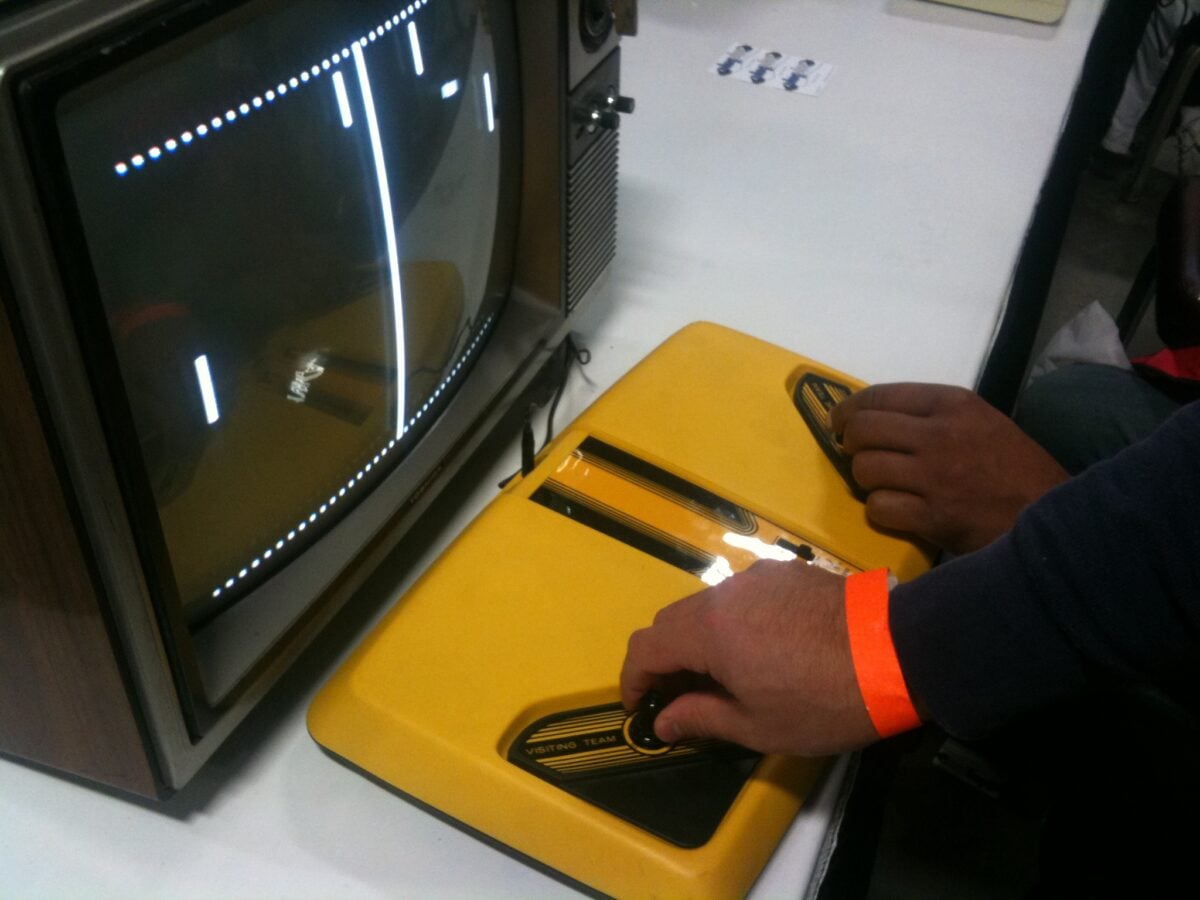
Ralph H. Baer invented what would become the Magnavox Odyssey back in the 1960s, though the console didn’t reach consumers until September 1972. The first commercial home video game console featured simple graphics made up of squares and lines, with no sound whatsoever.
Players had to stick plastic overlays on their television screens to create the visual elements for different games, and the system came with actual physical accessories like dice, poker chips, and play money. The console supported 28 games across 12 different game cards – the predecessor to cartridges.
Among those games was a table tennis simulation we now recognize as the inspiration for Pong, which Atari later turned into an arcade sensation. Magnavox sold 350,000 units before discontinuing the original Odyssey in 1975, selling exclusively through Magnavox retail stores.
The limited distribution hurt sales because consumers thought the console only worked on Magnavox televisions, which wasn’t true but became a persistent piece of misinformation. The Odyssey proved people wanted to play games at home instead of feeding quarters into arcade machines.
Without Baer’s brown prototype box, none of what followed would exist.
Atari 2600
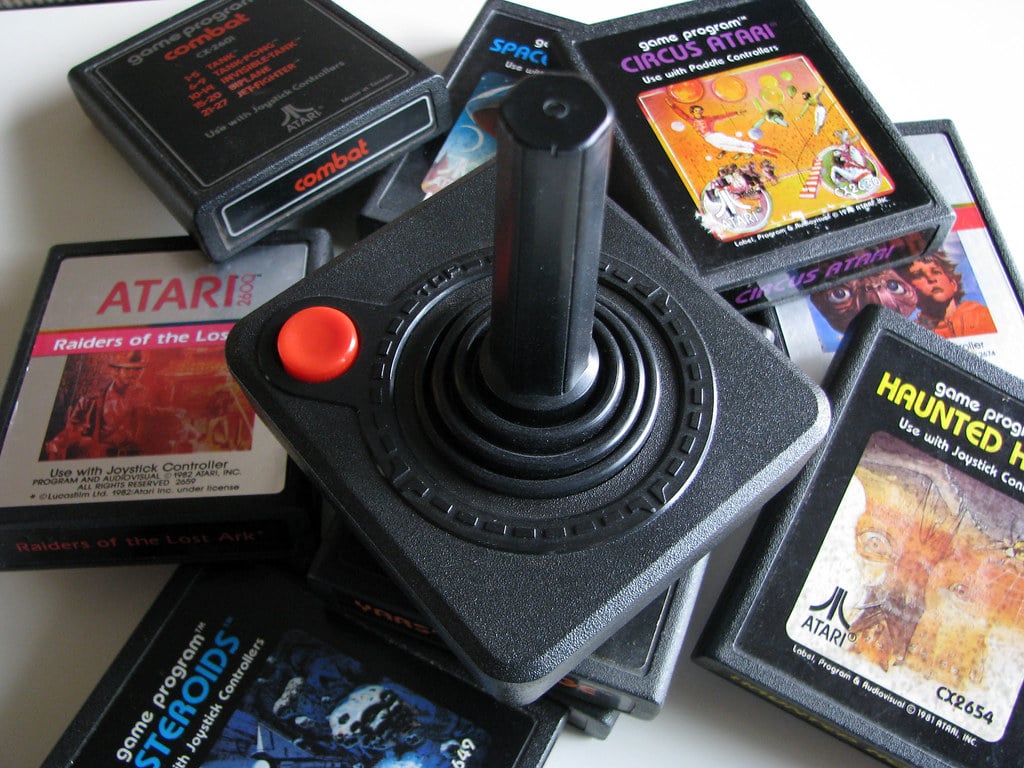
Originally called the Atari Video Computer System when released in September 1977, the 2600 became the runaway bestselling console of the second generation. The system shipped with two detachable joystick controllers, paddle controllers, and one game cartridge.
More games were available for the Atari 2600 than any other console of its era, and titles like Space Invaders, Pac-Man, Pitfall!, and Asteroids became household names. The console’s hardware centered around the MOS Technology 6532, combining the 6502 CPU used in Apple and Commodore computers with 128 bytes of RAM.
By Christmas 1982, the Atari 2600 dominated living rooms across America, though its success also attracted third-party developers who flooded the market with low-quality games. This oversaturation contributed to the infamous video game crash of 1983, when the industry nearly died.
Some entertainment experts lost confidence in gaming entirely, thinking video games were a passing fad. Despite the crash, the Atari 2600 remained in production until 1992, making it one of the longest-lasting consoles in history.
The legacy of that distinctive joystick and those chunky wood-paneled consoles defined what home gaming meant for millions of people.
Intellivision

Mattel entered the console market with Intellivision, though widespread marketing didn’t begin until 1980. Sound and graphics were significantly better than the Atari 2600, making Intellivision its chief competitor.
The console featured a movable disc-like controller, buttons on each side, and a 12-button keypad that accepted plastic overlays for different games. Intellivision was the first console to offer downloadable games through a cable service, and the first with a complete built-in character font including full upper and lowercase alphabets.
The system sold various versions through different retailers – Radio Shack sold it as the TandyVision, while Sears branded it as the Super Video Arcade, where the console competed directly against the Atari 2600. Playing Intellivision for hours left your thumbs blistered from that disc controller, but gamers didn’t care.
The 16-bit system offered sports games with unprecedented realism for the time, and titles like Utopia spawned the construction and management simulation genre. Mattel employed 1,800 people at the peak of Intellivision’s success before the video game crash gutted the industry.
ColecoVision

Coleco Industries released the ColecoVision in August 1982 for 175 dollars, joining the console battle alongside Atari and Mattel. The system offered arcade-quality graphics and sound that were superior to both the Atari 2600 and Intellivision, and Coleco secured an exclusive deal to bundle Nintendo’s Donkey Kong as the pack-in game.
This partnership led to immediate success, with the first million units selling quickly. The ColecoVision was the first home console to reproduce arcade hits with graphics and sound nearly true to the original.
The hardware similarity between ColecoVision and arcade technology meant games like Zaxxon, Lady Bug, and Cosmic Avenger played almost identically to their coin-op versions. By 1983, Coleco was beating both Atari and Mattel in sales. The console also featured more expandability than competitors.
Expansion Module #1 allowed the ColecoVision to play Atari 2600 games, though Atari sued unsuccessfully because Coleco used standard parts. But Coleco’s decision to enter the home computer market with the expensive and buggy Adam computer in 1983 cost them millions of dollars, and combined with the video game crash, the company withdrew from gaming by October 1985.
Total sales exceeded 2 million units.
Nintendo Entertainment System
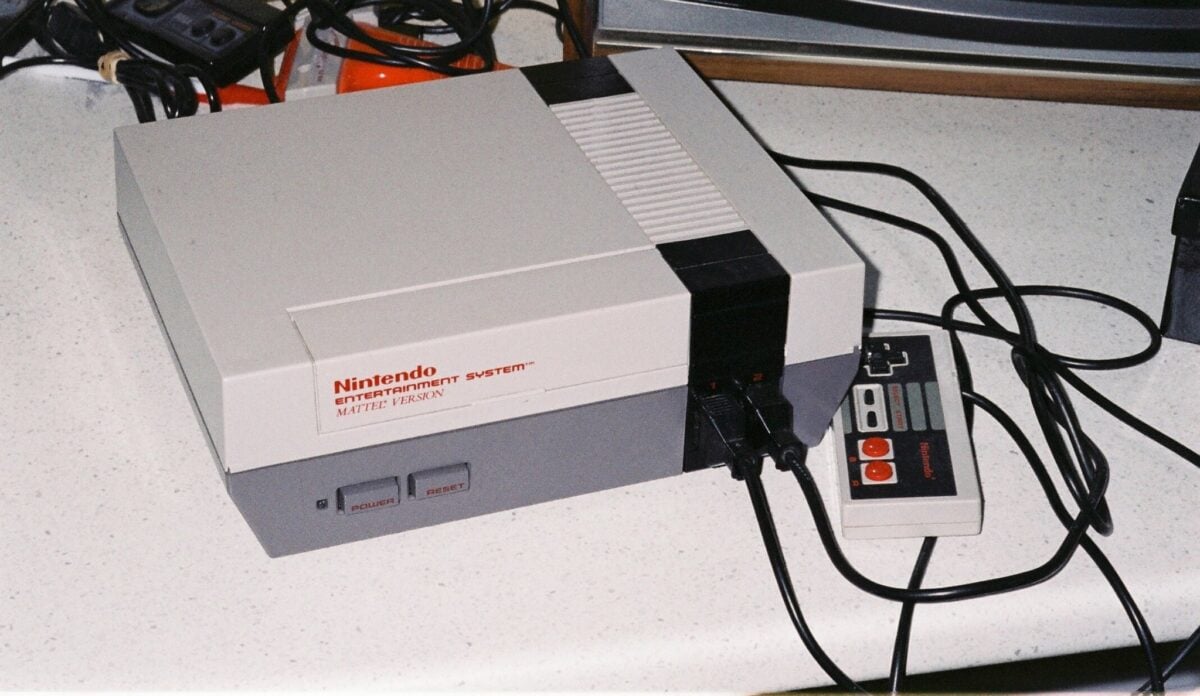
The video game crash of 1983 nearly destroyed the industry in North America, with investors convinced gaming was finished. Nintendo changed everything when they released the Famicom in Japan in 1983, then brought it to America as the Nintendo Entertainment System in 1985.
The NES featured better graphics, memorable games, and Nintendo’s strict quality control that prevented the flood of terrible software plaguing other systems. Super Mario Bros. came bundled with the system and became one of the bestselling games of all time.
The console also introduced The Legend of Zelda, Metroid, Mega Man, and Castlevania – franchises still relevant decades later. Nintendo’s controller design, featuring a directional pad and two action buttons, became the standard blueprint copied by nearly every console manufacturer afterward.
The NES revived the home console market and solidified Nintendo as the dominant force in gaming. Kids everywhere begged their parents for the system, and by the late 1980s, if you didn’t own an NES, you were missing out on the cultural phenomenon defining childhood.
Nintendo sold over 61 million units worldwide and rescued gaming from extinction.
Sega Master System

Sega released the Master System in North America in 1986, though Japan received it as the Mark III in October 1985. The console featured superior hardware to the NES, with better graphics and sound capabilities, but Nintendo’s exclusive contracts with top game developers and their cast of recognizable characters meant Sega struggled to compete in America.
While the Master System lagged in the United States, the console carved out lasting strength in places like Brazil, where local partner TecToy kept variants on store shelves for decades. This unusual longevity for an 1980s console demonstrated how regional markets could sustain hardware long after discontinuation elsewhere.
The system introduced Alex Kidd as Sega’s mascot before Sonic the Hedgehog arrived, and games like Phantasy Star and Wonder Boy became cult classics. The Master System proved Sega could build quality hardware and compelling games, setting the stage for their more successful Genesis console.
Though overshadowed by Nintendo in North America, the Master System found an audience and showed that competition drove innovation in gaming.
Atari 7800

Atari returned with the 7800 in 1986, emphasizing affordability and backward compatibility with Atari 2600 cartridges. This early nod to preserving players’ libraries was forward-thinking, allowing gamers to keep their old collections while enjoying improved graphics and gameplay.
The console sold for a competitive price and featured enhanced versions of classic Atari games alongside new titles. The 7800’s technical specifications were impressive for the time, offering better graphics than the original 2600 while maintaining compatibility.
Games like Asteroids, Centipede, and Dig Dug received graphically superior versions, and arcade ports like Food Fight and Rampage found homes on the system. The console supported both joystick and paddle controllers, maintaining compatibility with the massive library of existing Atari accessories.
Strong competition from Nintendo and Sega meant the 7800 never achieved the success of the original 2600, but the console represented Atari’s attempt to remain relevant in a changing market. Production continued until 1992, and the backward compatibility feature became standard practice for future console generations.
TurboGrafx-16
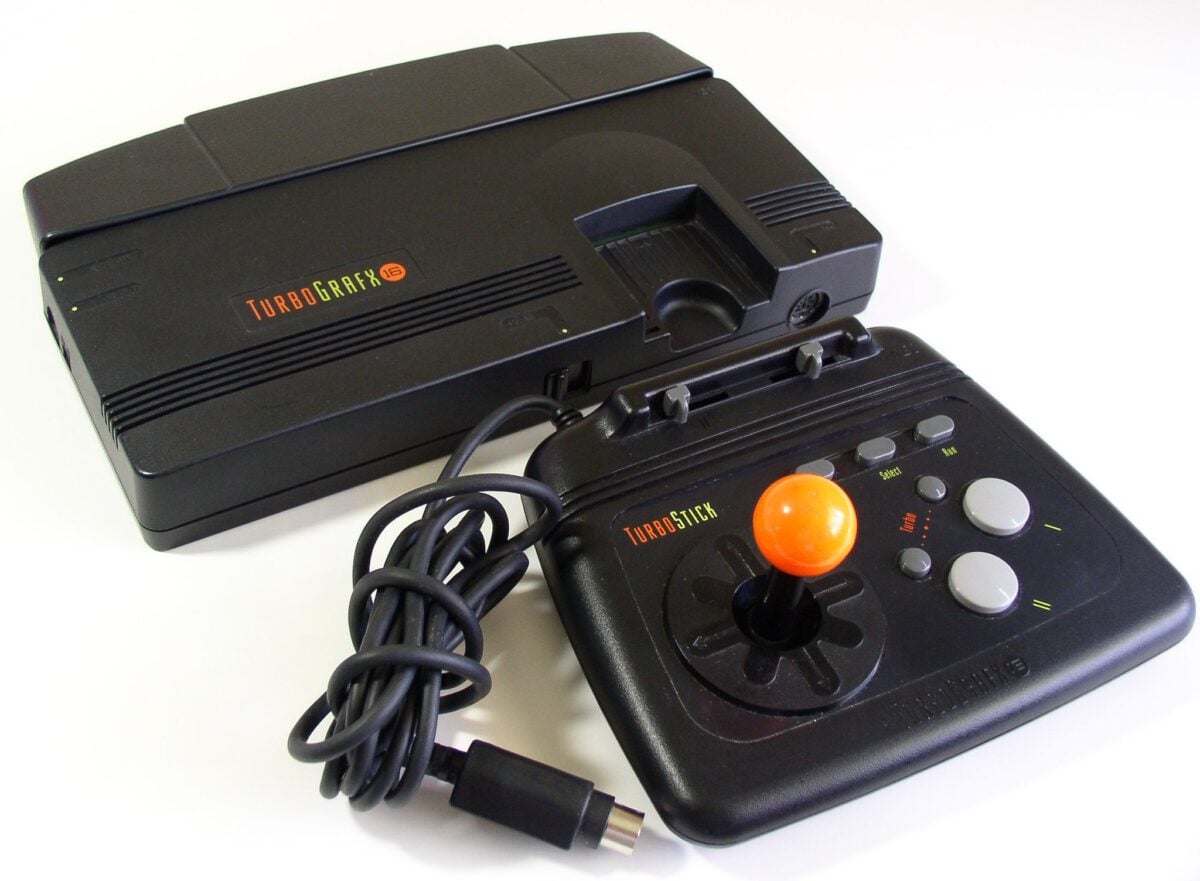
NEC and Hudson released the PC Engine in Japan in 1987, bringing it to North America as the TurboGrafx-16 in 1989. The console featured faster scrolling, bigger sprites, and more elaborate sound than the NES, signaling the next wave of competition.
The system used HuCard game media – credit card-sized cartridges – though a CD-ROM add-on arrived later, making it one of the first consoles to support disc-based games. The TurboGrafx-16 bridged the gap between the 8-bit NES and the upcoming 16-bit systems from Sega and Nintendo.
Games like Bonk’s Adventure, R-Type, and Splatterhouse showcased the console’s capabilities, and the CD-ROM add-on enabled games with CD-quality audio and voice acting. The system found moderate success in Japan but struggled in North America against Nintendo and Sega’s marketing dominance.
Though commercially unsuccessful in the West, the TurboGrafx-16 influenced console design and demonstrated consumer appetite for CD-based gaming. The system’s small size and unique game format made it stand out, and dedicated fans still celebrate the console’s library decades later.
Sega Genesis

Sega released the Mega Drive in Japan in 1988, bringing it to North America as the Genesis in 1989. The 16-bit console challenged Nintendo’s dominance directly, offering faster processors, better sound, and more mature games targeting teenagers and young adults.
Sega created Sonic the Hedgehog as their mascot, a character with an attitude designed to appeal to Western youth in contrast to Nintendo’s Mario. The Genesis sparked the console wars of the early 1990s, with Sega and Nintendo battling for market share through aggressive marketing campaigns.
“Genesis does what Nintendon’t” became a rallying cry for Sega fans, while Nintendo supporters countered with their extensive game library. The rivalry pushed both companies to innovate, resulting in incredible games on both platforms.
Titles like Streets of Rage, Golden Axe, Phantasy Star II, and Altered Beast defined the Genesis library, alongside sports games from EA Sports. The console sold approximately 35 million units and proved Sega belonged in the console market.
Though Sega eventually lost to Nintendo in total sales, the Genesis established Sega as a serious competitor and introduced a generation to 16-bit gaming.
Super Nintendo
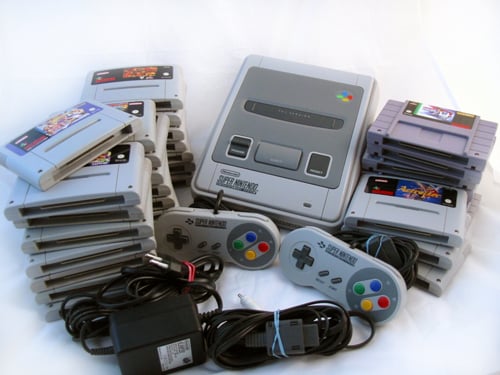
Nintendo released the Super Famicom in Japan in 1990, bringing it to North America as the Super Nintendo Entertainment System. The 16-bit console featured Mode 7 graphics allowing rotation and scaling effects, and a sound chip designed by Sony enabling CD-quality audio.
The controller added shoulder buttons – a design innovation copied by every console afterward. Super Mario World came bundled with the system, showcasing the console’s colorful graphics and smooth gameplay.
The Legend of Zelda: A Link to the Past redefined adventure games, while Super Metroid and Donkey Kong Country pushed the hardware to its limits. Third-party developers like Square brought Final Fantasy VI and Chrono Trigger to the system, cementing the SNES as the home for role-playing games.
The Super Nintendo sold approximately 49 million units worldwide and won the 16-bit console wars through superior games rather than aggressive marketing. Kids who grew up with the SNES remember it as one of the greatest consoles ever made, with a library of games still considered masterpieces.
The system remained popular among collectors and retro gamers, with Nintendo releasing the Super NES Classic Edition in 2017.
Neo Geo
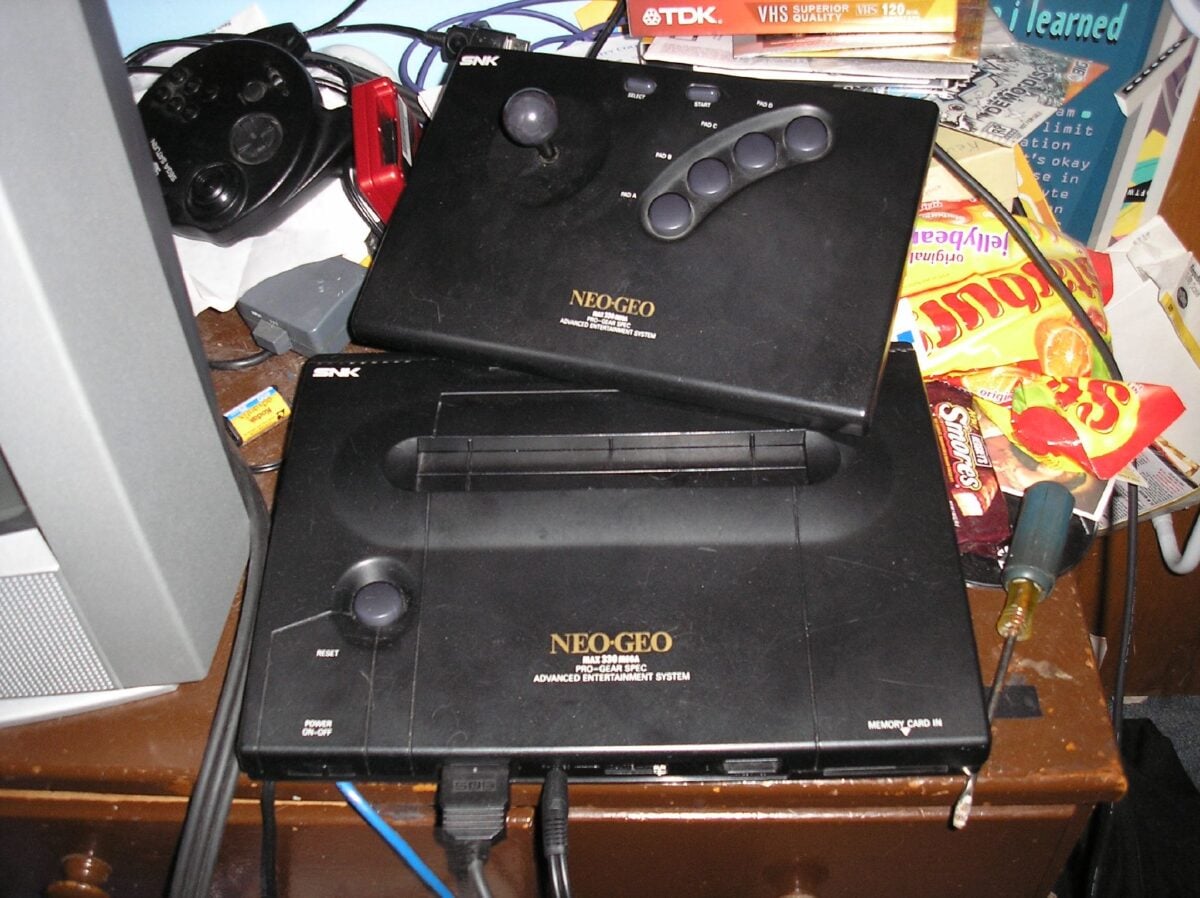
SNK released the Neo Geo in 1990 as a console bridging the gap between arcade and home systems. The expensive console – launching at 650 dollars – used the same hardware as Neo Geo arcade cabinets, allowing perfect arcade ports.
Games came on large cartridges costing between 200 and 300 dollars each, pricing most consumers out of the market. The Neo Geo targeted hardcore fighting game fans and collectors willing to pay premium prices for arcade-perfect experiences at home.
Fatal Fury, Art of Fighting, Samurai Shodown, and The King of Fighters series defined the library, showcasing beautiful 2D sprites and smooth animation. The Metal Slug series became legendary for its detailed pixel art and challenging run-and-gun gameplay.
Though commercial success was limited due to the high price, the Neo Geo built a devoted fanbase and remains highly collectible. The console proved arcade-quality gaming at home was possible, even if most people couldn’t afford the luxury.
Neo Geo hardware remained in production until 1997, an impressive lifespan for such an expensive system.
Sega Saturn
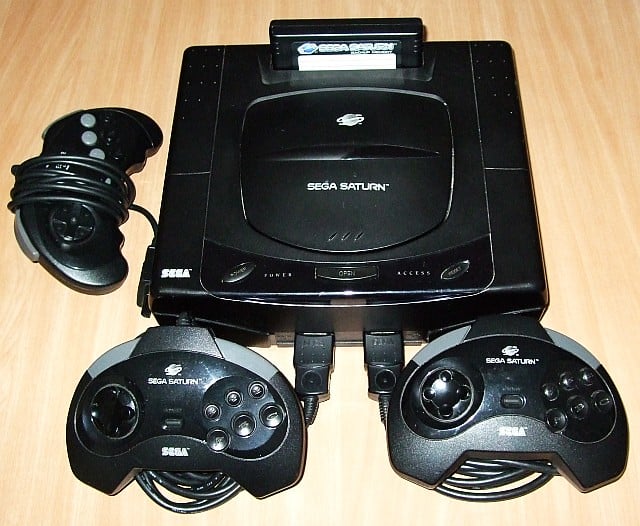
Sega released the Saturn in Japan in November 1994 and North America in May 1995, attempting to compete with Sony’s upcoming PlayStation and maintain relevance against Nintendo. The 32-bit console featured dual processors and CD-ROM games, but a disastrous launch and 399-dollar price tag compared to PlayStation’s 299 dollars caused commercial failure in America and Europe.
The Saturn excelled at 2D games, with titles like Panzer Dragoon Saga, Street Fighter Alpha 3, and numerous Japanese role-playing games showcasing the console’s capabilities. The system found success in Japan, where Sega’s brand remained strong, but Western developers found the hardware difficult to program for compared to the PlayStation.
This loss of third-party support accelerated Saturn’s demise.
Production of the Saturn was discontinued in 1998, with rumors about its successor hurting sales as early as 1997. The console sold fewer units than the Master System and Genesis before it, marking a major setback for Sega. Despite commercial failure, the Saturn built a cult following among fans who appreciated its unique library of games unavailable elsewhere.
Sony PlayStation

Sony entered the console market in December 1994 with the PlayStation, originally born from a failed collaboration with Nintendo to develop a CD-ROM add-on for the Super Nintendo. The system featured 3D graphics capabilities and CD-based games holding substantially more data than cartridges, allowing developers to create larger, more ambitious projects.
The PlayStation’s developer-friendly architecture made game development more accessible, resulting in a vast library of titles. Major franchises like Final Fantasy made the leap to Sony’s console, with Final Fantasy VII becoming a landmark release that defined the era.
The system also became home to iconic original titles including Crash Bandicoot, Spyro the Dragon, Metal Gear Solid, and Resident Evil. Sony sold over 102 million units, making the PlayStation the bestselling console of its generation and establishing Sony as the dominant force in gaming.
The use of CDs instead of cartridges, combined with powerful hardware and third-party support, created a perfect storm of success. The PlayStation changed everything, proving a newcomer could dethrone established giants like Nintendo and Sega.
Nintendo 64

Nintendo released the Nintendo 64 in 1996, featuring true 3D graphics and innovative controller design with an analog stick for precise movement. The system launched with Super Mario 64, a revolutionary game praised for taking platforming into three-dimensional environments with unprecedented freedom of movement.
The Legend of Zelda: Ocarina of Time followed, setting new standards for adventure games. The N64’s only serious weakness was its continued use of cartridges over optical discs, limiting storage capacity and increasing game costs.
Developers like Square abandoned Nintendo for Sony’s CD-based PlayStation, taking Final Fantasy and other major franchises with them. Despite this disadvantage, the N64 boasted some of the most graphically impressive games of its generation.
GoldenEye 007 revolutionized console first-person shooters, while Mario Kart 64 and Super Smash Bros. became legendary multiplayer experiences. The four controller ports enabled local multiplayer gaming at a level competitors couldn’t match.
Nintendo sold approximately 34 million units, losing market share to Sony but maintaining a devoted fanbase who considered the N64 library some of the best games ever created.
Sega Dreamcast

Sega released the Dreamcast in Japan in November 1998 and North America in September 1999, positioning the console as their final attempt to compete in the hardware market. The system debuted ahead of Sony’s PlayStation 2, featuring 18 unique launch titles and built-in modem support for internet play – making it a pioneer in console-based online gaming.
The Dreamcast used GD-ROM discs offering more storage than standard CDs, though less than the DVD format Sony would adopt for the PS2. Games like Sonic Adventure, Jet Set Radio, Shenmue, Soul Calibur, and Crazy Taxi showcased the console’s capabilities, while online titles like Phantasy Star Online and Quake III Arena demonstrated the future of connected gaming.
Despite innovative features and strong initial sales, Sony’s announcement of the PlayStation 2 in March 1999 – which would include DVD playback and backward compatibility with PlayStation games – made the Dreamcast appear obsolete before it gained traction. Sega posted massive losses and discontinued the Dreamcast in 2001 after selling only 9 million units, ending Sega’s 18 years in the console market.
The Dreamcast was ahead of its time, and its premature death marked the end of an era.
The Legacy in Your Living Room
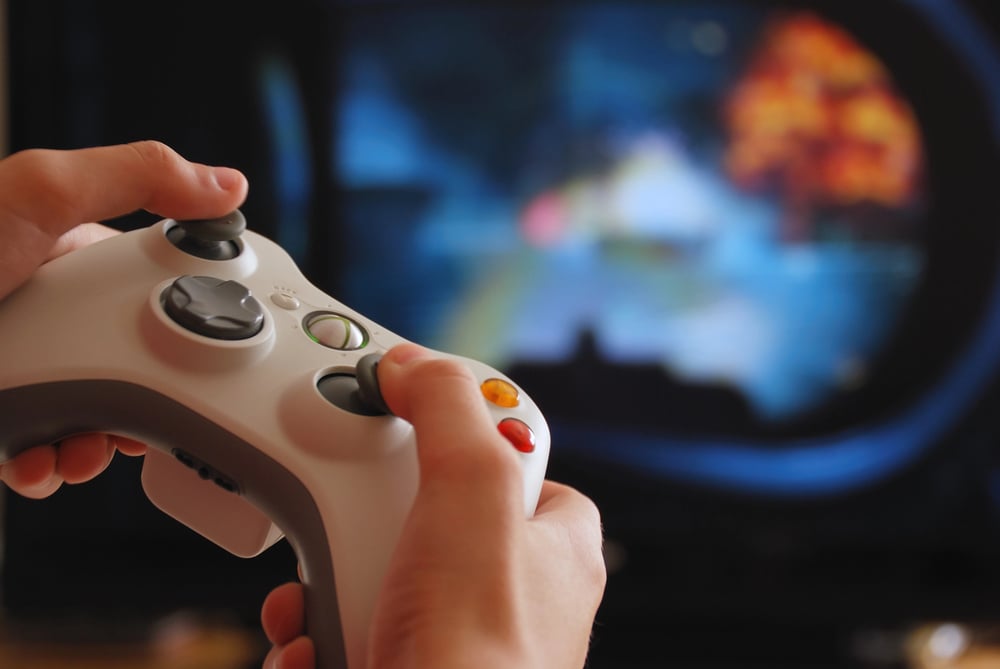
Those bulky consoles gathering dust in parents’ attics weren’t just toys – they were experiments in technology, business, and creativity. Some succeeded wildly while others crashed spectacularly, but each one taught the industry lessons about what worked and what didn’t.
The companies that survived learned from these failures and built empires. The ones that disappeared left behind libraries of games and devoted fans who refuse to let their memories fade.
Gaming today owes everything to these rectangular boxes and the people who believed interactive entertainment had a future worth fighting for.
More from Go2Tutors!

- The Romanov Crown Jewels and Their Tragic Fate
- 13 Historical Mysteries That Science Still Can’t Solve
- Famous Hoaxes That Fooled the World for Years
- 15 Child Stars with Tragic Adult Lives
- 16 Famous Jewelry Pieces in History
Like Go2Tutors’s content? Follow us on MSN.



