15 Photos Of The Most Vibrant Murals That Use Stunning 3D Optical Illusions
There’s something unsettling about walking down a sidewalk and suddenly questioning whether the building in front of you has actually collapsed, or if that massive pit in the pavement is real enough to swallow your car. Street art has evolved far beyond simple tags and colorful designs—today’s mural artists are architectural magicians, transforming flat walls into portals that seem to breathe, move, and exist in dimensions that shouldn’t be possible.
These aren’t just paintings. They’re calculated disruptions of reality, designed to make you stop mid-step and wonder if your eyes are lying to you.
The best 3D murals don’t just look three-dimensional—they actively mess with your sense of space, depth, and what’s actually there versus what your brain insists it’s seeing.
Giant Waterfall Cascading Down a Building
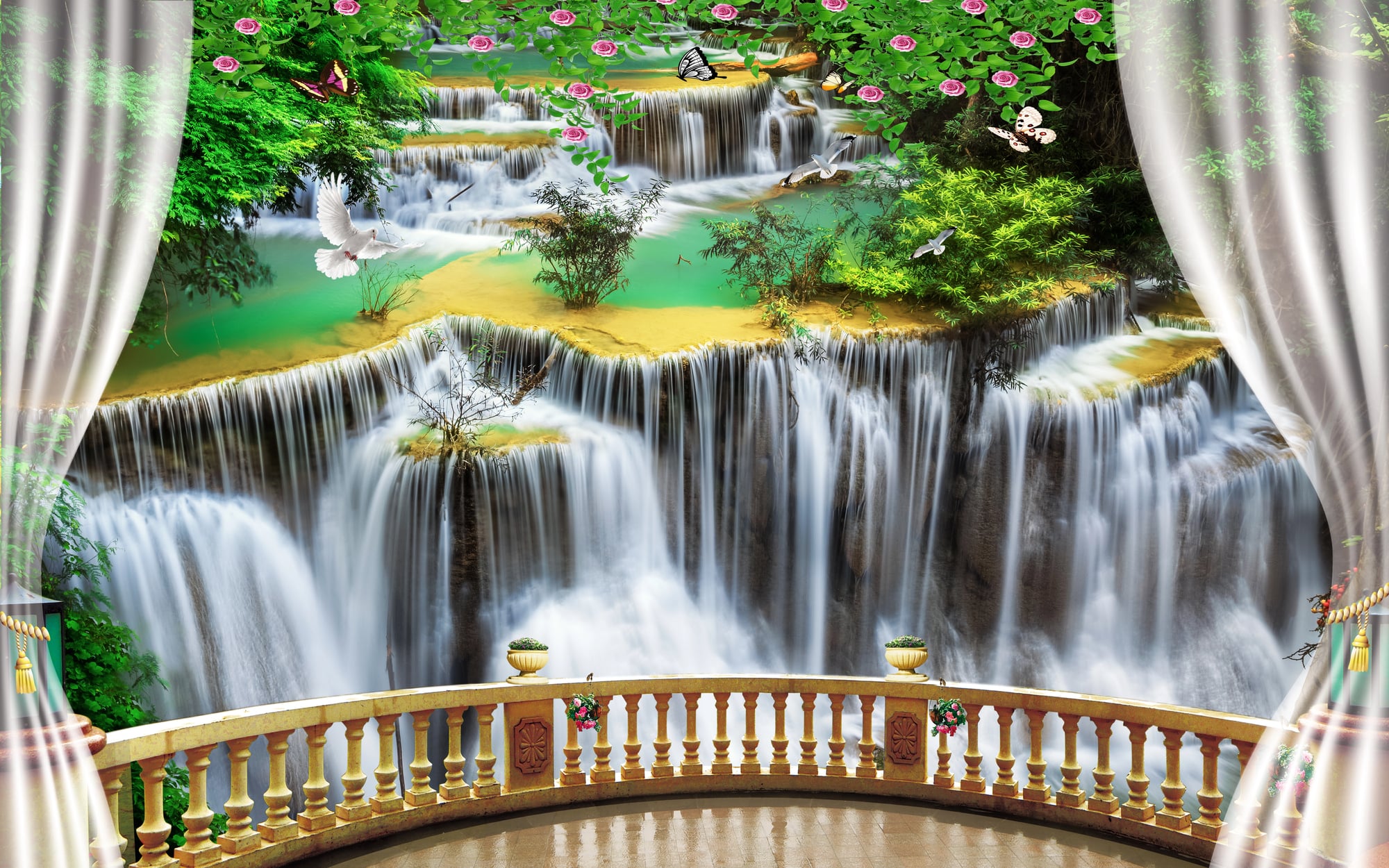
The waterfall doesn’t exist. The building is bone dry.
Your brain refuses to accept either fact.
This type of mural works because it exploits how we process depth and movement. The artist maps every shadow, every highlight, every ripple of water that should be there if tons of rushing water were actually pouring down the side of a concrete wall.
Massive Shark Breaking Through the Pavement
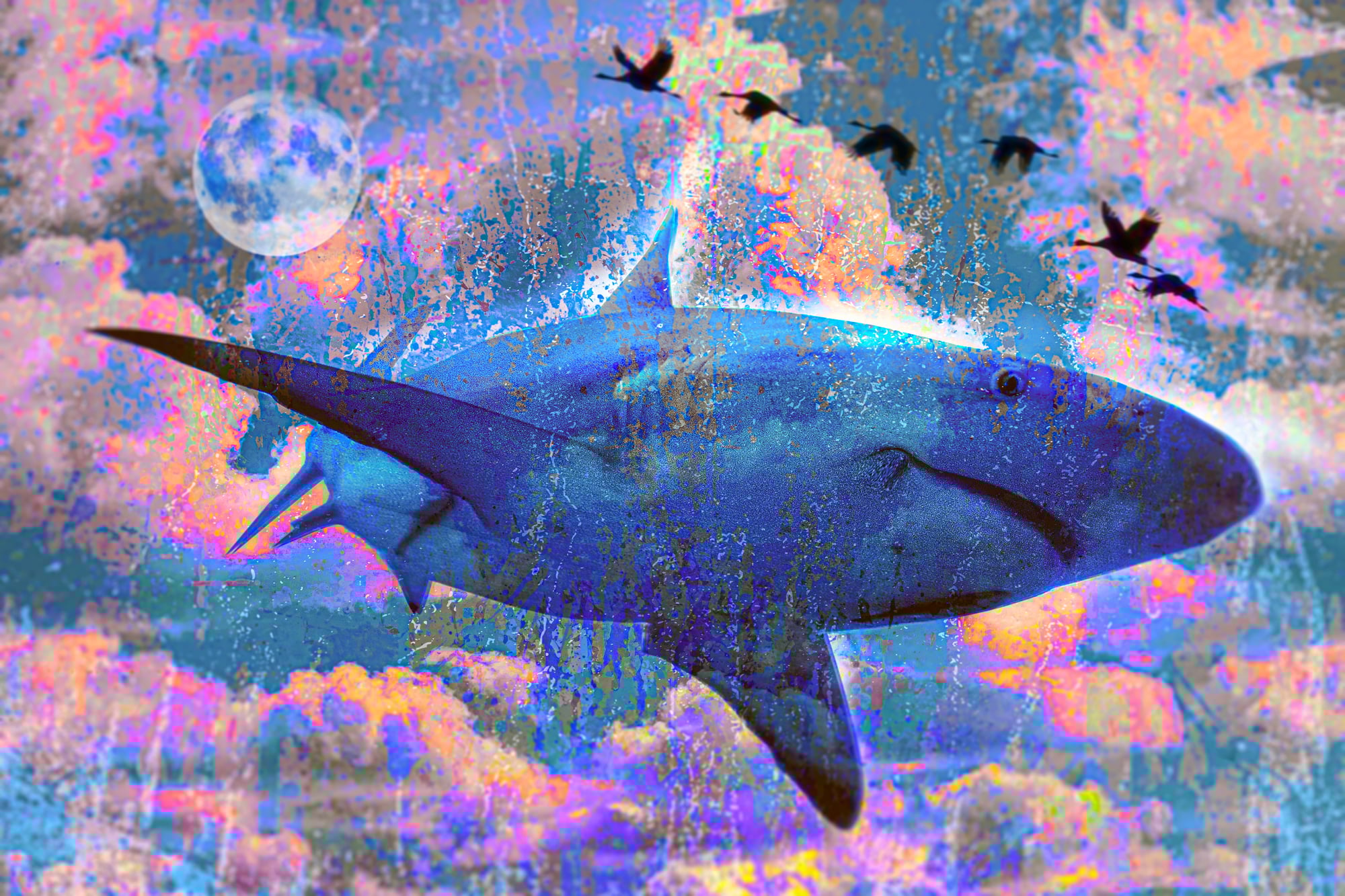
Street artists discovered something architects have known for centuries: perspective is everything, and most people never bother to question what they’re seeing. When you paint a great white shark that appears to be bursting through solid asphalt (complete with scattered concrete chunks and twisted rebar), the effect isn’t just visual—it’s physical.
People step around these murals.
The technique relies on understanding exactly where viewers will stand, then working backward from that vantage point to create the illusion. And the illusion is so convincing that city maintenance crews have received genuine calls about “road damage” that exists only in paint and shadow.
Which tells you everything about how effectively these pieces hijack normal perception.
Library Books Spilling Into Real Space
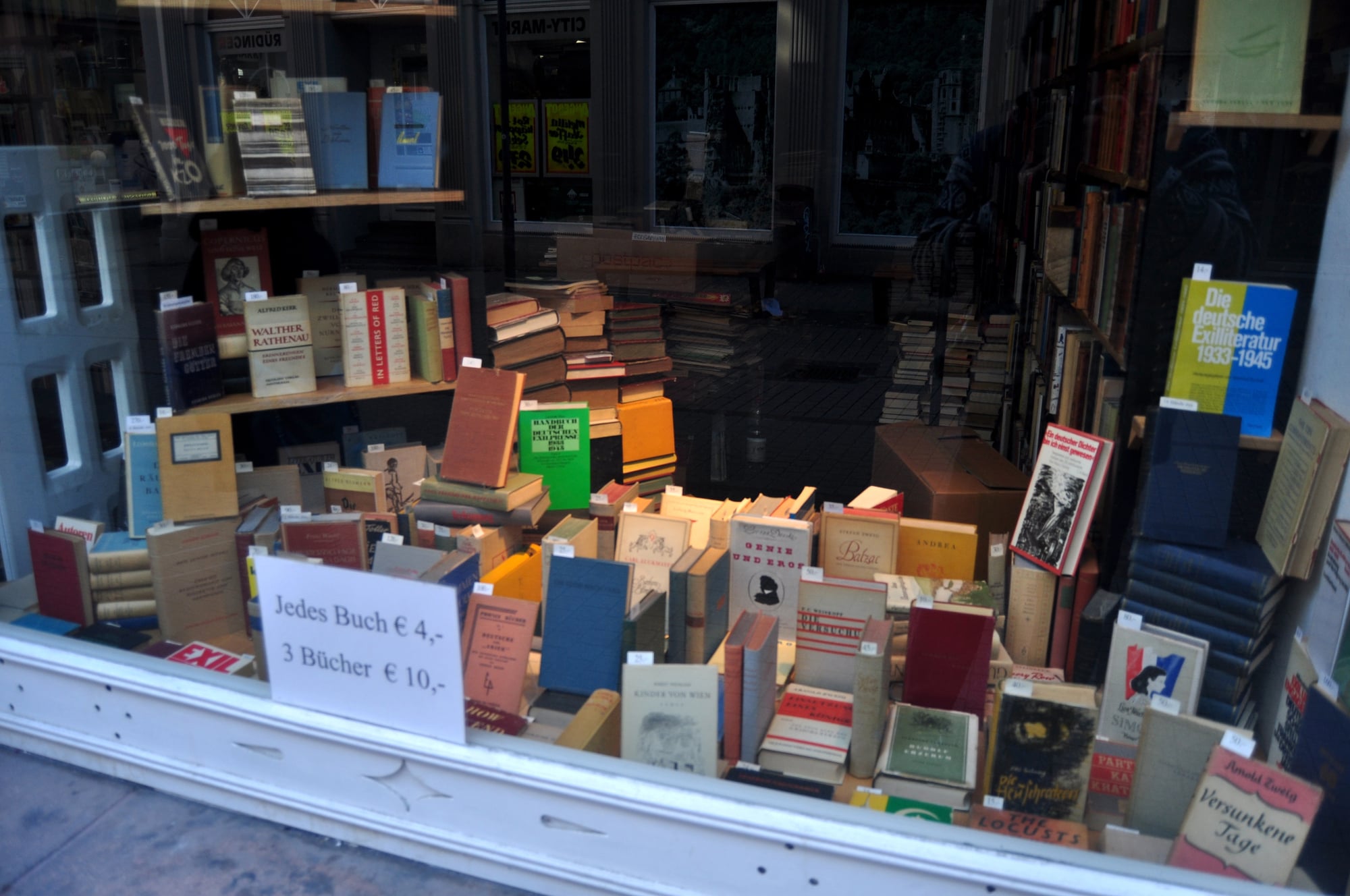
There’s a particular kind of magic that happens when painted objects seem to tumble out of their two-dimensional prison and land in the real world—like opening a book and having the story literally spill onto your lap. The best book-themed 3D murals don’t just show you literature; they make you feel like you’re watching knowledge itself escape its confines.
These pieces work by creating a visual bridge between the flat wall and the actual sidewalk or ground below. The artist paints books that appear to cascade from painted shelves, across the boundary where wall meets ground, and onto the real surface where people walk.
Your eye follows the progression naturally, and somewhere in that journey, reality and illusion become impossible to separate. The books that seem closest to you often contain the most careful detail—individual pages, worn spines, shadows that match the actual lighting of the space.
Crumbling Building Facade Revealing Ancient Architecture
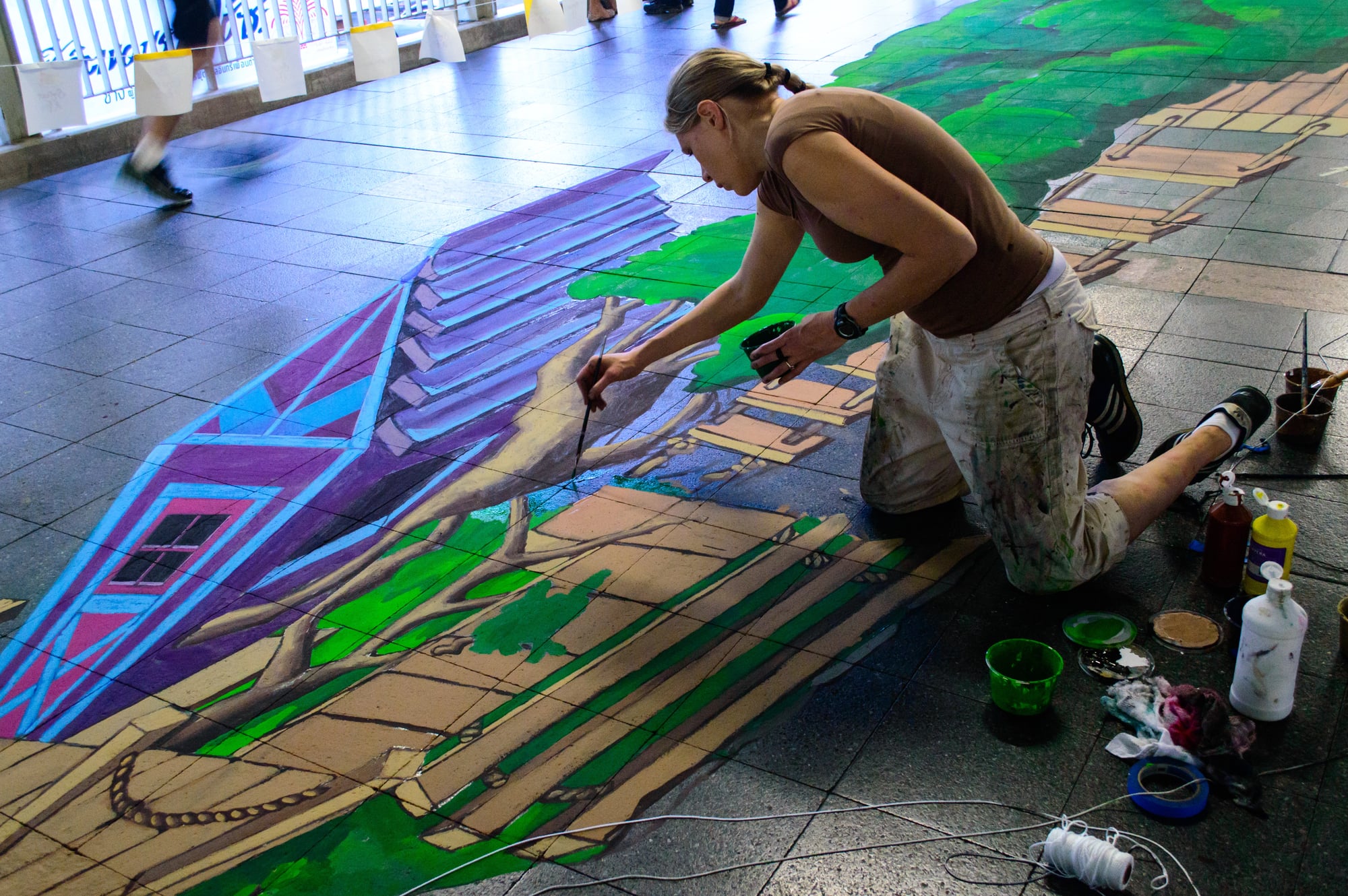
The modern world is thin as paper. Scratch the surface and you find something much older underneath.
That’s the premise behind murals that show contemporary buildings “crumbling away” to reveal classical columns, medieval stonework, or ancient temples hidden just behind the facade. The effect suggests that every strip mall and office building is just a temporary skin over something more substantial and enduring.
Enormous Eagle Soaring Out of the Wall
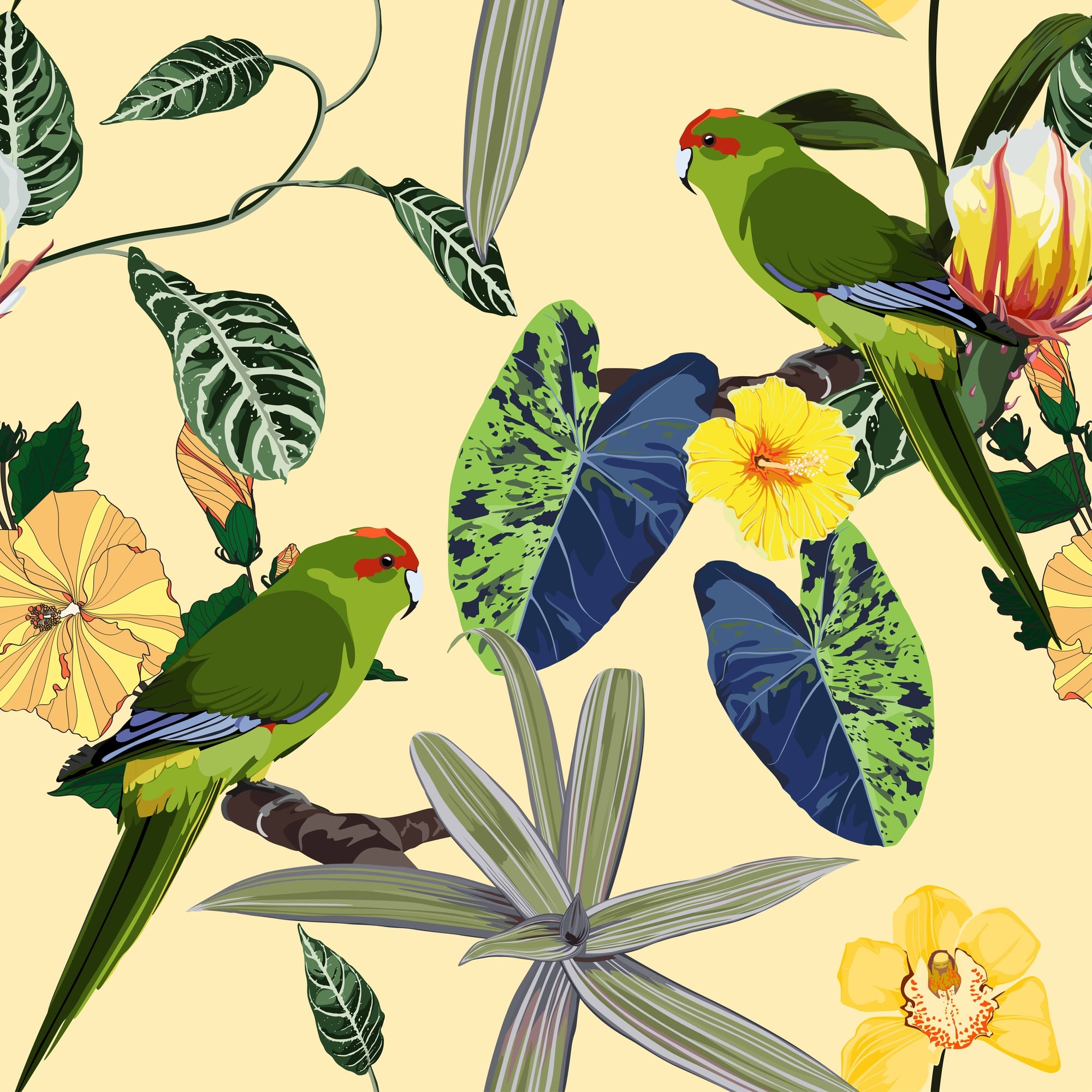
Painted birds don’t fly, but your peripheral vision doesn’t know that. The best avian 3D murals capture the exact moment of takeoff—wings spread, feathers ruffled by wind that exists only in the artist’s imagination, shadows falling across the wall in ways that suggest real mass and movement.
The technique involves painting the bird as if it’s emerging from the wall at a specific angle, usually with one wing appearing closer to the viewer than the other. Artists pay obsessive attention to how light would actually hit those feathers, how the bird’s body would cast shadows on the surface behind it, and how the wall itself would look if it were actually opening up to let something that large pass through.
When executed properly, people report feeling the urge to duck.
Deep Ocean Cavern Opening in the Sidewalk
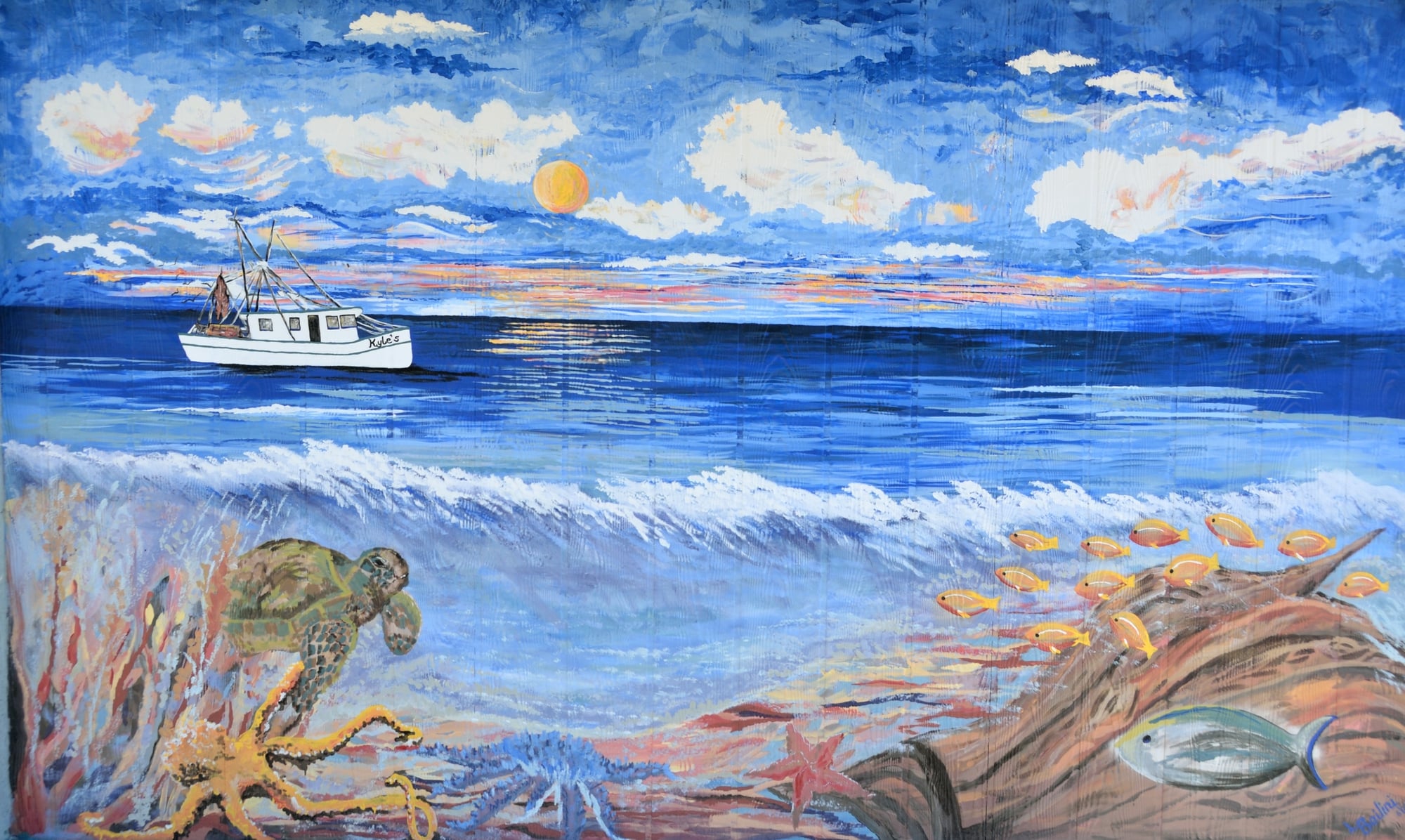
Some illusions work because they tap into primal fears you didn’t know you had—like the fear of walking over an opening that drops straight down into dark water where large things with teeth might be waiting. These “pit in the ground” murals are psychological as much as visual.
The artist starts with understanding how your eye processes depth and distance, then paints every detail that would be visible if you were actually looking down into a real underwater cavern: the way light fades to blue-black as it penetrates deeper water, how the rocky walls would recede into darkness, the barely visible suggestions of sea life moving in the depths.
And then there’s the matter of scale—these caverns always appear much larger than the actual space they’re painted on, which creates a sense of vertigo that’s entirely manufactured but completely convincing.
They paint the fear of falling, and your body responds to something that exists only as pigment on concrete.
Vintage Train Emerging from Tunnel
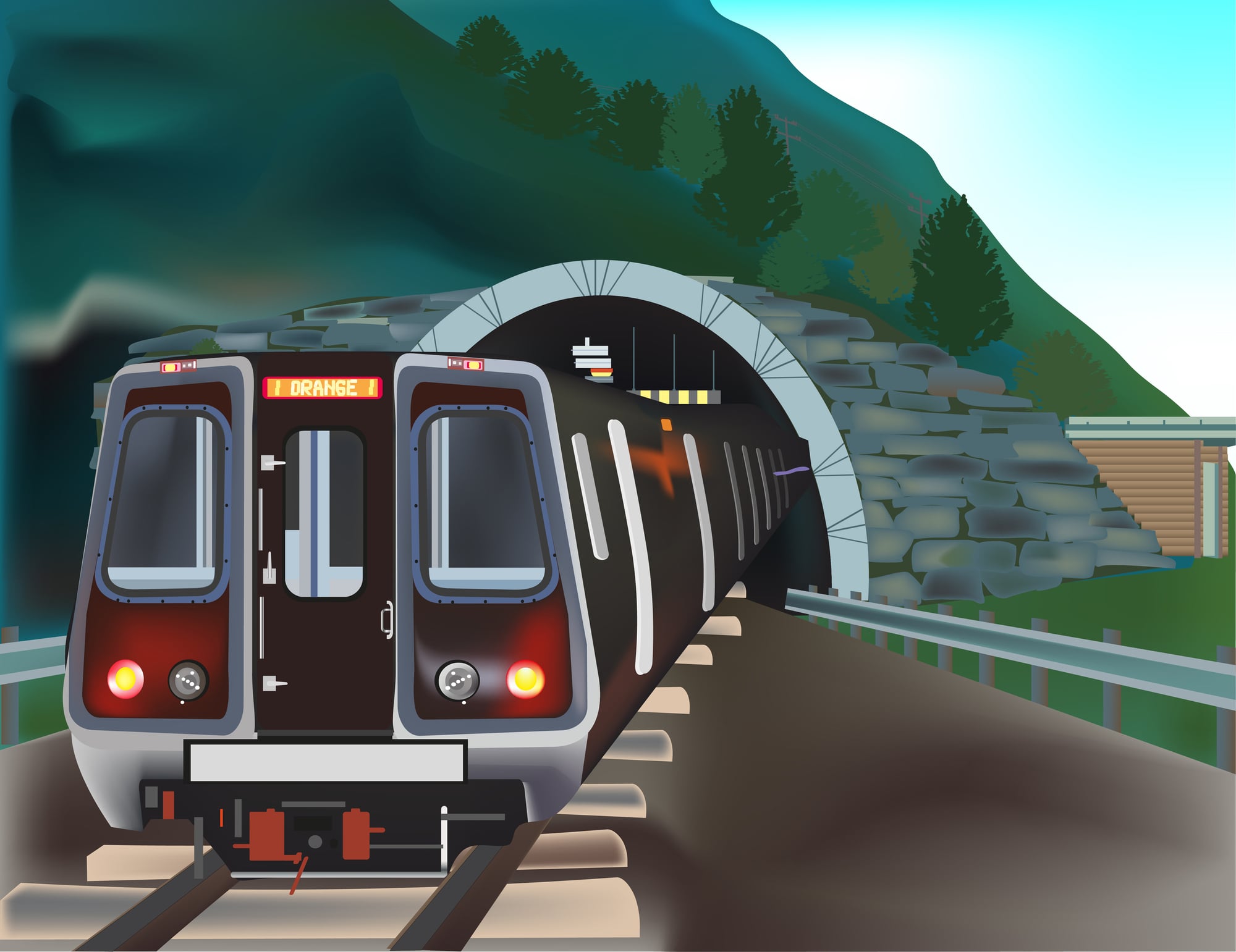
Steam locomotives make perfect subjects for 3D street art because they’re inherently dramatic and loaded with visual cues that suggest power, movement, and mass. When an artist paints a train “emerging” from what appears to be a tunnel carved into a building wall, they’re essentially creating a time portal that most viewers want to believe in.
The success of these pieces depends on meticulous attention to perspective and lighting. The train’s headlight needs to cast believable illumination on the tunnel walls around it, the steam needs to billow in ways that suggest real heat and pressure, and every detail of the locomotive—from the cowcatcher to the engineer barely visible in the cab—needs to be rendered as if lit by that single dramatic headlight.
The tunnel itself becomes a secondary illusion: what looks like carved stone or aged brick is actually flat paint that’s been shaded and highlighted to suggest real depth and texture.
Giant Octopus Tentacles Wrapping Around Building Corner
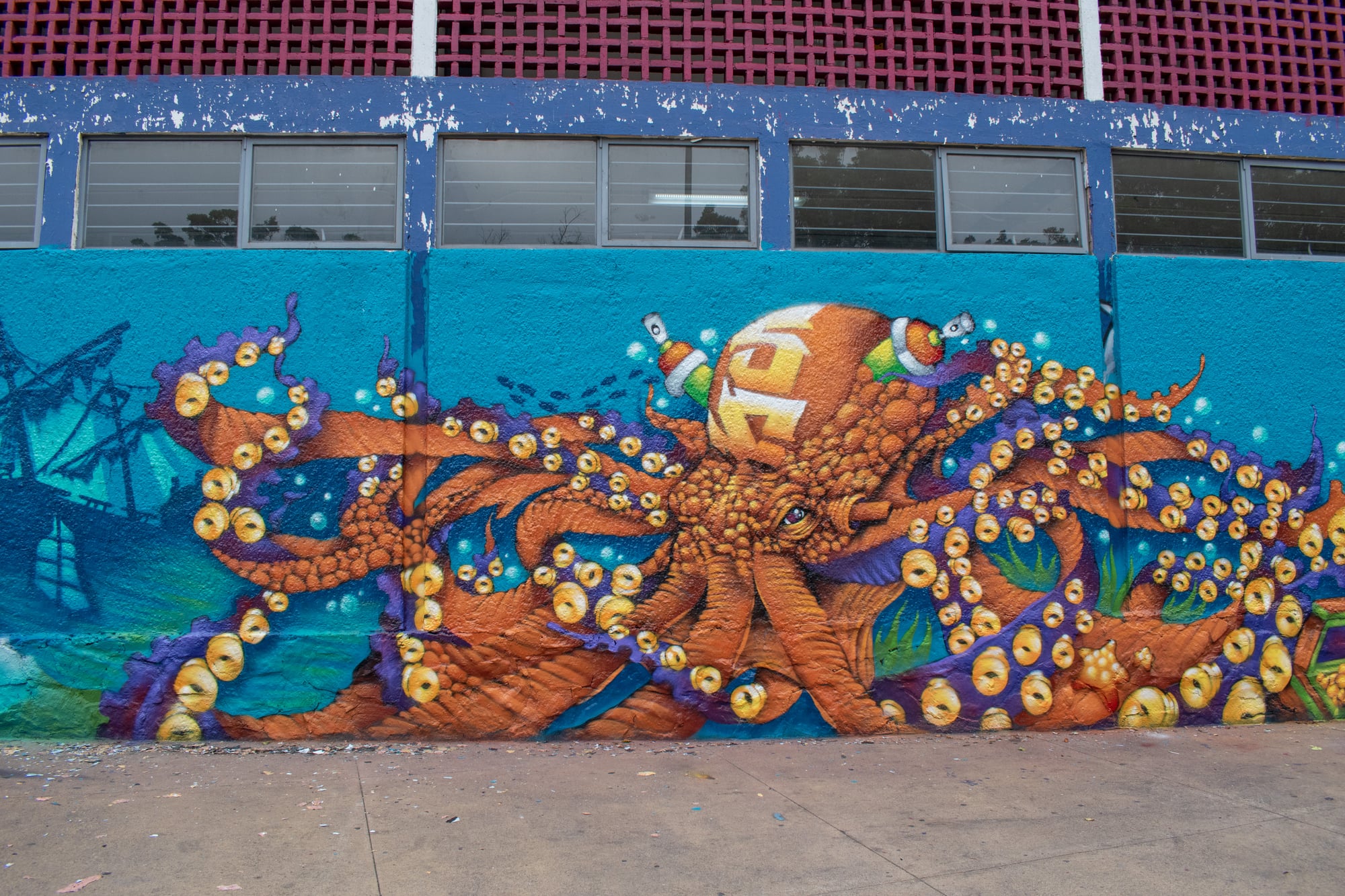
Building corners present a unique opportunity for 3D mural artists because they offer actual three-dimensional space to work with—two walls meeting at an angle, creating natural depth that can be enhanced and exploited rather than manufactured from scratch.
The octopus mural works by painting tentacles that appear to originate from somewhere beyond the visible wall space, then wrap around the corner and onto the adjacent wall. The effect suggests something much larger than what’s actually visible—a massive creature using the building itself as an anchor point.
Artists achieve this by paying careful attention to how the tentacles would naturally curve around the architectural features, how their surfaces would catch and reflect light differently depending on their angle, and how the suction cups would appear to grip the building’s surface. The corner itself becomes part of the creature, rather than just a boundary between two painted surfaces.
Massive Tree Growing Through Concrete
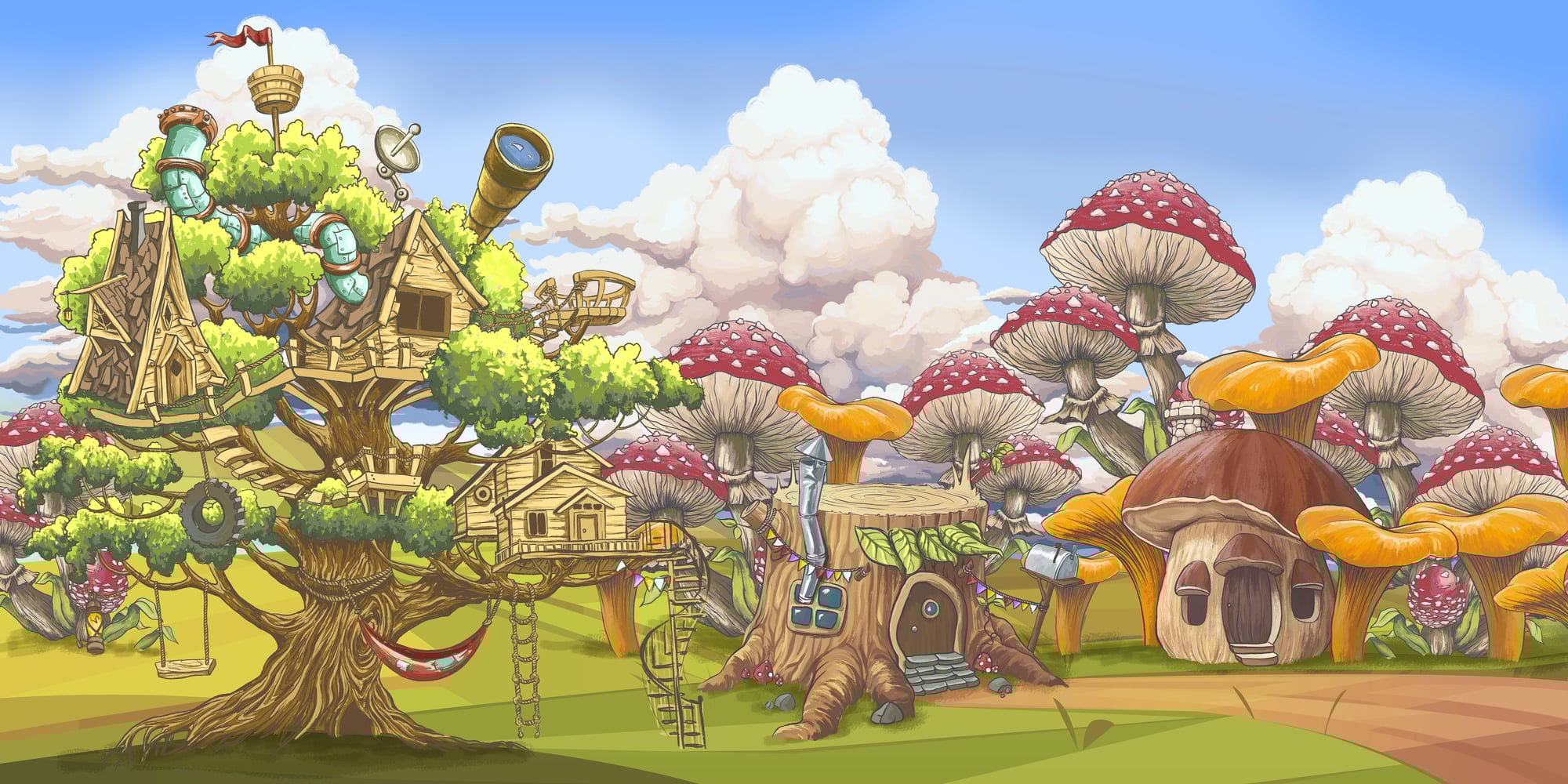
Nature reclaiming urban space strikes a chord with people who spend their lives surrounded by concrete and steel. The most effective “tree breaking through pavement” murals don’t just show plant life winning against artificial surfaces—they show the exact moment of victory, frozen in paint.
These pieces work by suggesting enormous forces at play over time: roots powerful enough to crack foundations, growth persistent enough to split concrete, life determined enough to find a way through any barrier. The artist paints every detail of that struggle—the way concrete chunks would scatter when displaced by expanding roots, how the tree bark would be scarred from pushing against unyielding surfaces, the particular way light would filter through leaves that have finally broken free into open air.
The pavement around the tree shows stress fractures, upheaval, and the kind of damage that would actually result from such a dramatic botanical victory.
Historical Figures Walking Out of Museum Wall
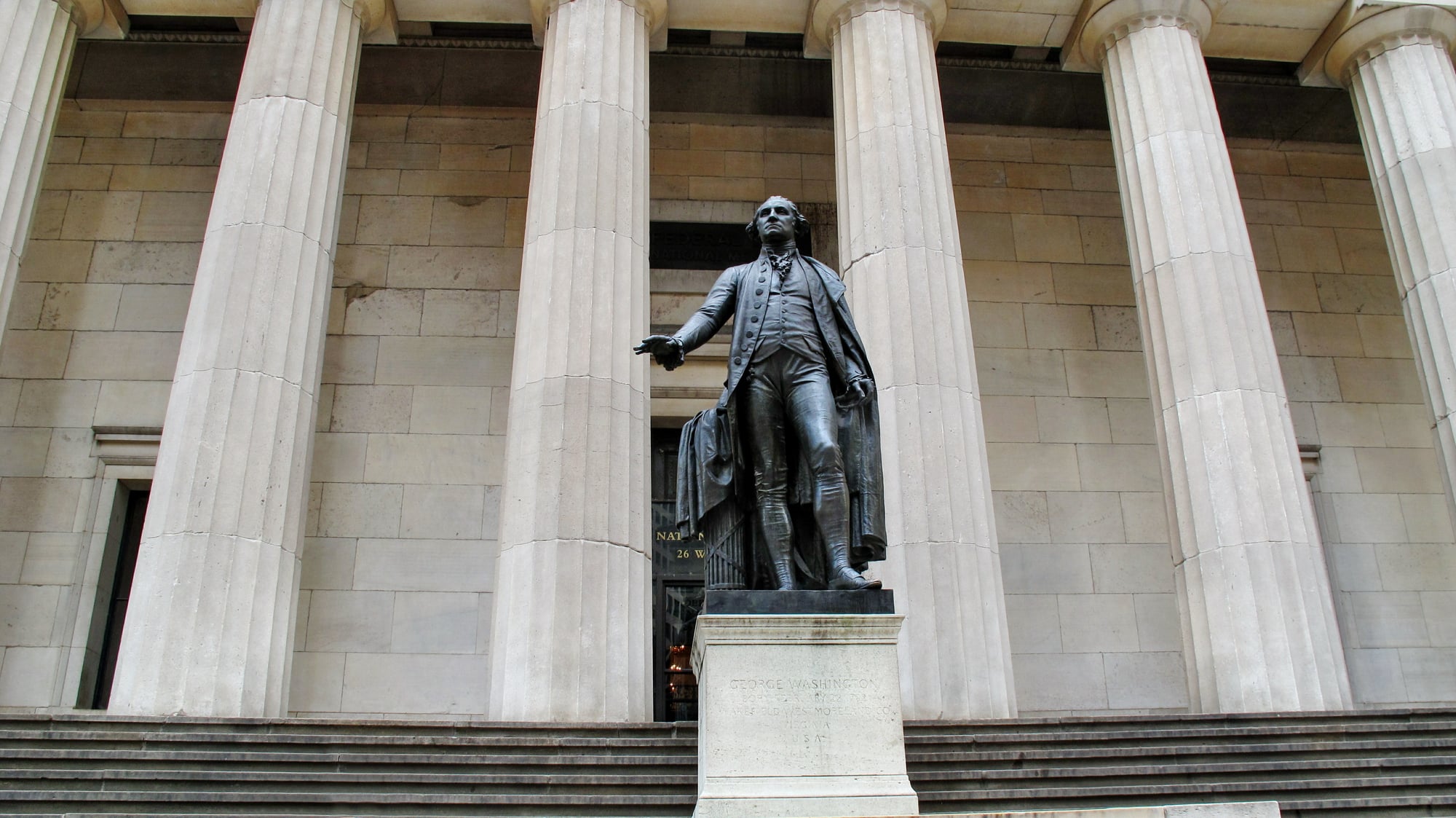
There’s something deeply satisfying about seeing painted historical figures who appear to have grown tired of standing still in their frames and decided to step into the modern world. These “museum escape” murals work because they tap into the fantasy that art and history are more alive than we usually allow them to be.
The technique involves painting figures that appear to be crossing the threshold between the two-dimensional world of portraiture and the three-dimensional world where viewers stand. The artist typically shows them mid-step, with one foot still in the painted world and the other extending into real space.
Period clothing is rendered with careful attention to how fabric would drape and move during the action of stepping forward, and the lighting is calculated to match the actual lighting conditions of the wall where the mural is painted. The most successful pieces include shadows cast by the figures onto the “museum floor” they’re leaving behind, as well as shadows they would cast in the real world they’re entering.
Underwater Scene with Swimming Dolphins
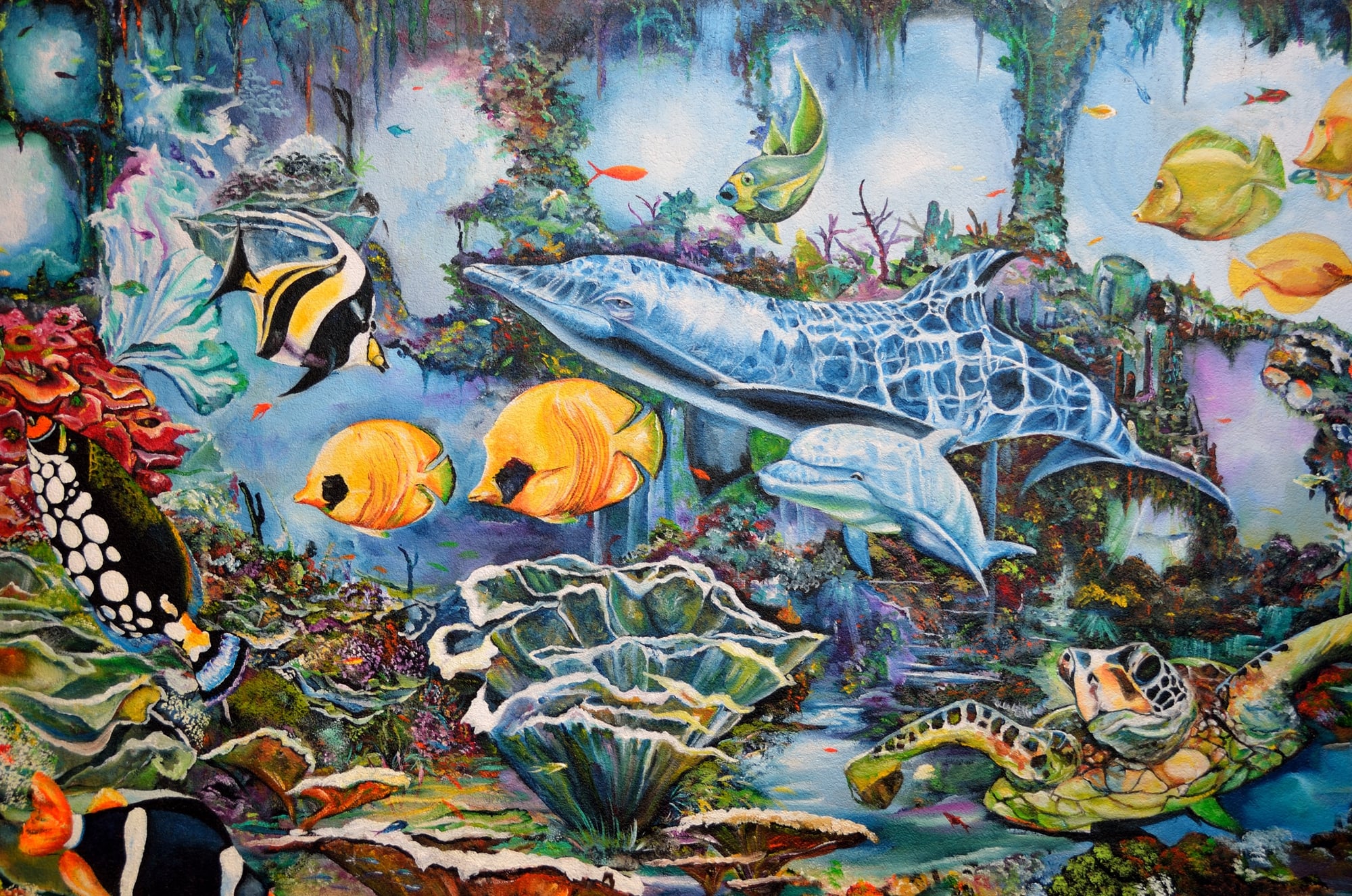
Water is notoriously difficult to paint convincingly, but when an artist succeeds in creating an underwater scene that appears to exist behind and within a wall, the effect is particularly mesmerizing. These aquatic 3D murals work by suggesting that the solid wall has been replaced by a transparent barrier—like the glass wall of a massive aquarium.
The illusion depends on understanding how light behaves underwater: the way it filters down from above, creating those distinctive caustic patterns as it passes through moving water; how colors shift and fade with depth; how objects appear slightly magnified and distorted when viewed through water.
Swimming dolphins are painted with attention to how their sleek bodies would move through liquid rather than air, and how their forms would appear slightly blurred by the intervening water. The key detail that sells the illusion is often the surface of the water itself—painted at the top of the scene with just enough movement and reflection to suggest a living, breathing aquatic environment.
Enormous Spider in Web Corner
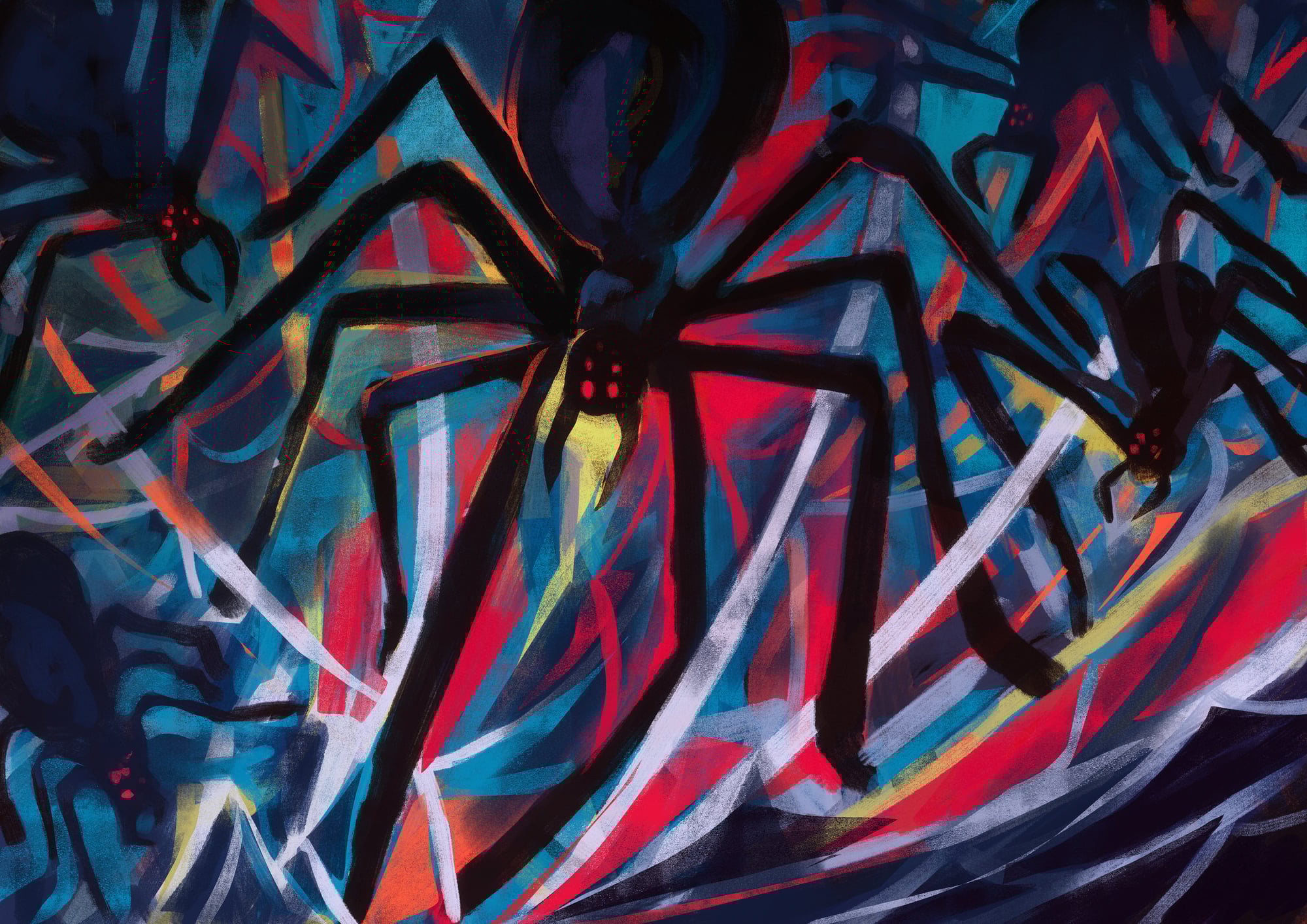
Corner spaces where two walls meet create perfect opportunities for web-based murals because real spiders actually do build webs in corners—the structure provides natural anchor points that make architectural sense. When an artist paints a giant spider web spanning this space, with an enormous spider positioned as if it’s just waiting for something to get trapped, the effect is viscerally convincing.
The web itself requires precise understanding of how real spider webs are constructed: the radial threads that anchor to specific points, the spiral threads that create the catching surface, the way the entire structure would sag slightly under its own weight and the weight of the spider. Artists often include caught “prey” in the web—painted insects that appear to be struggling or already wrapped for later consumption.
The spider is typically painted with enough detail to make viewers distinctly uncomfortable: individual leg segments, multiple eyes that seem to track movement, and body textures that suggest something alive rather than decorative.
Roman Columns Supporting Real Building
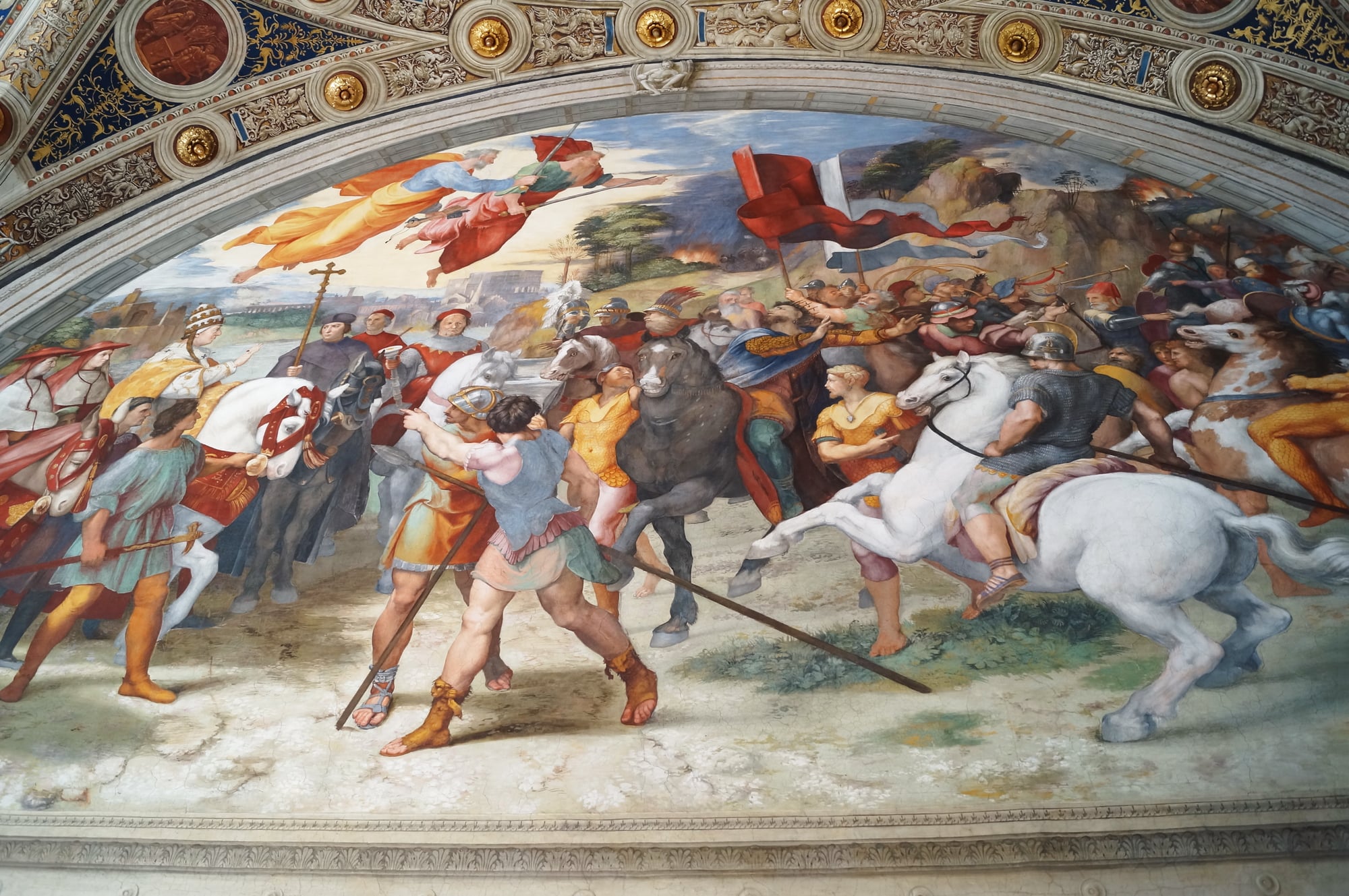
The most ambitious architectural 3D murals don’t just add decoration to existing buildings—they appear to reveal the “true” structural support that was supposedly there all along. These pieces suggest that modern architecture is merely a veneer over much more substantial classical construction.
Painted columns work best when they’re positioned where real structural support would logically be needed. The artist maps the actual load-bearing requirements of the building, then paints classical columns that appear to be doing that work. The columns are rendered with careful attention to how stone would actually weather over centuries, how light and shadow would fall across their surfaces throughout the day, and how they would naturally relate to the architectural elements above them.
The most convincing pieces include details like accumulated dirt in the carved grooves, subtle variations in the stone color that suggest age and weathering, and proportions that match classical architectural orders rather than just looking generally “column-like.”
Giant Zipper Opening to Reveal Different Season
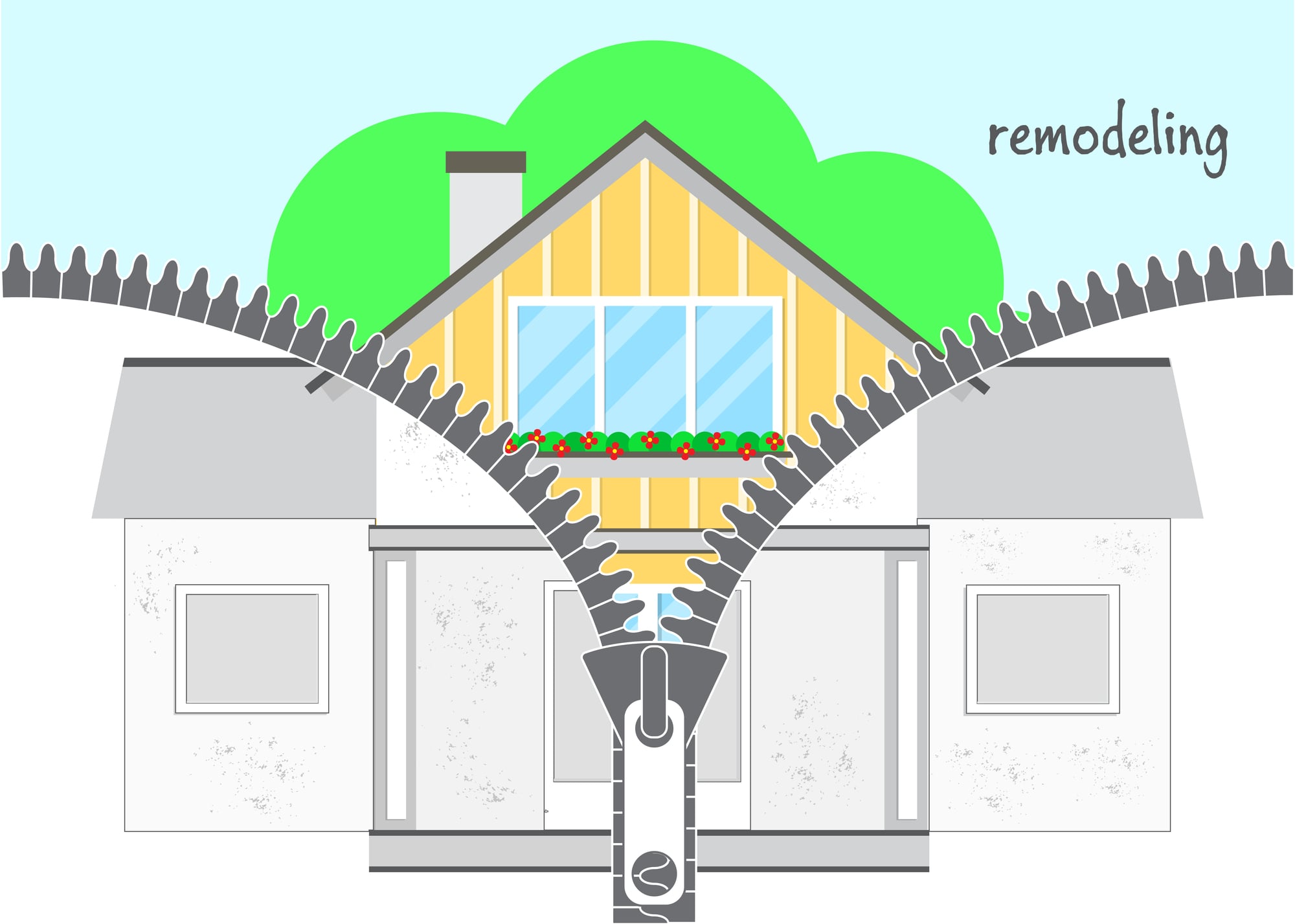
The zipper mural represents a particularly clever approach to 3D street art because it uses a familiar mechanical object to suggest that reality itself can be opened up and changed. These pieces typically show a massive zipper that appears to be “unzipping” the current season to reveal a completely different one underneath.
The effectiveness lies in the mechanical precision of the zipper itself—every tooth rendered accurately, the slider positioned as if caught in the act of opening, the fabric or surface on either side showing appropriate stress and bunching where the zipper is pulling it apart. One side might show a snowy winter scene while the other reveals lush spring growth, or autumn leaves being “unzipped” to show summer sunshine underneath.
The suggestion is that seasons, like clothing, are just layers that can be changed when you find the right mechanism. The zipper becomes a metaphor painted with technical precision.
Massive Hands Emerging from Underground
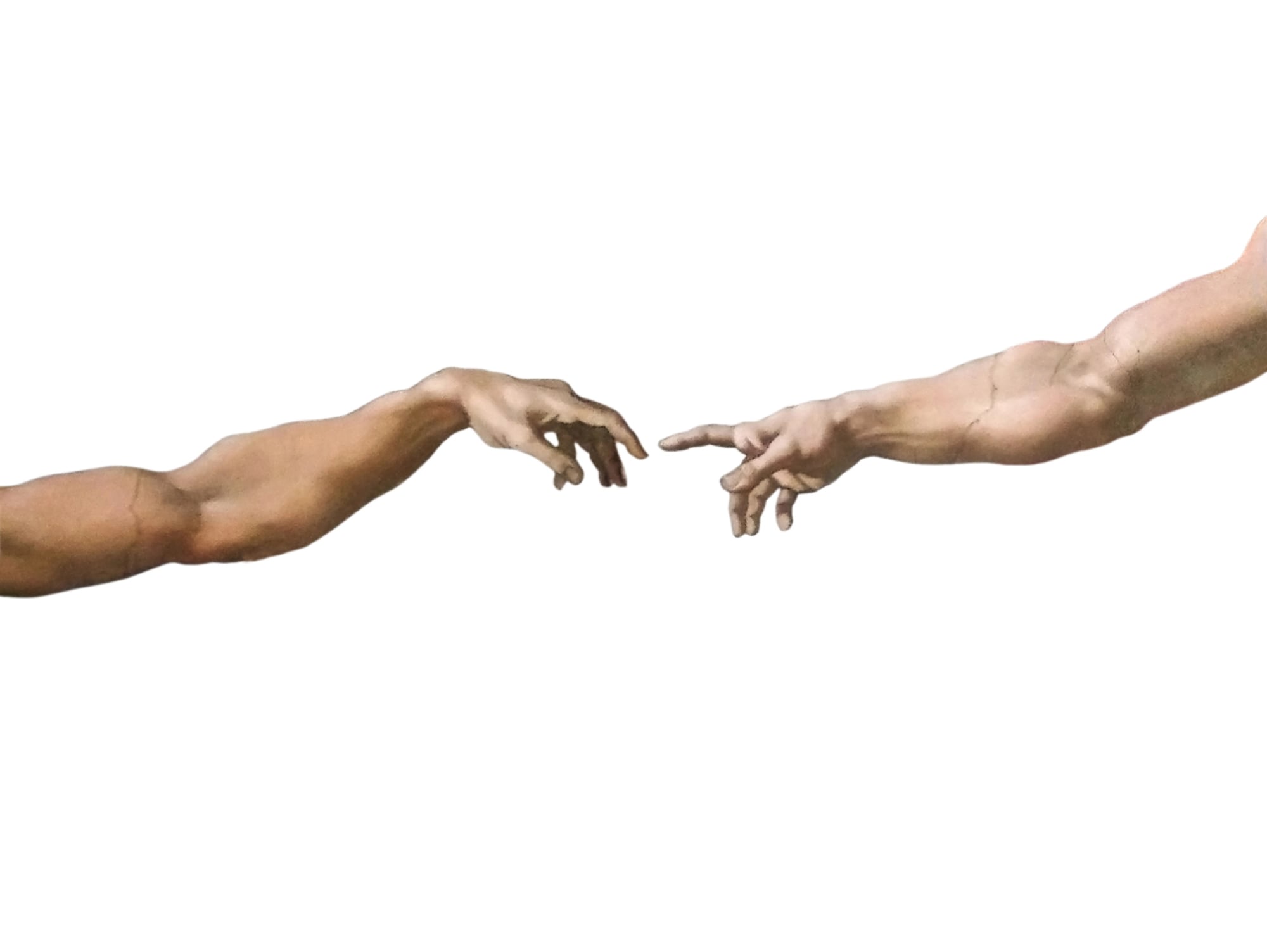
There’s something fundamentally unsettling about the suggestion that enormous hands are pushing up from beneath the pavement, as if some buried giant is trying to claw its way back to the surface. These “emergence” murals tap into archetypal fears about what might be hidden underground while also creating compelling visual puzzles about scale and dimension.
The hands are typically painted as if they’re breaking through solid concrete or asphalt, with appropriate debris scattered around the “breakthrough” points. Artists pay careful attention to how fingers would naturally curve when pressing upward against resistance, how skin would stretch and bunch under that kind of physical stress, and how the underground lighting would differ from surface lighting.
The pavement around the hands shows realistic cracking patterns, upheaval, and displacement that matches what would actually happen if something that large were forcing its way through solid surfaces. The suggestion of immense strength barely contained creates tension even when the viewer knows the hands are painted rather than real.
When Reality Bends Back
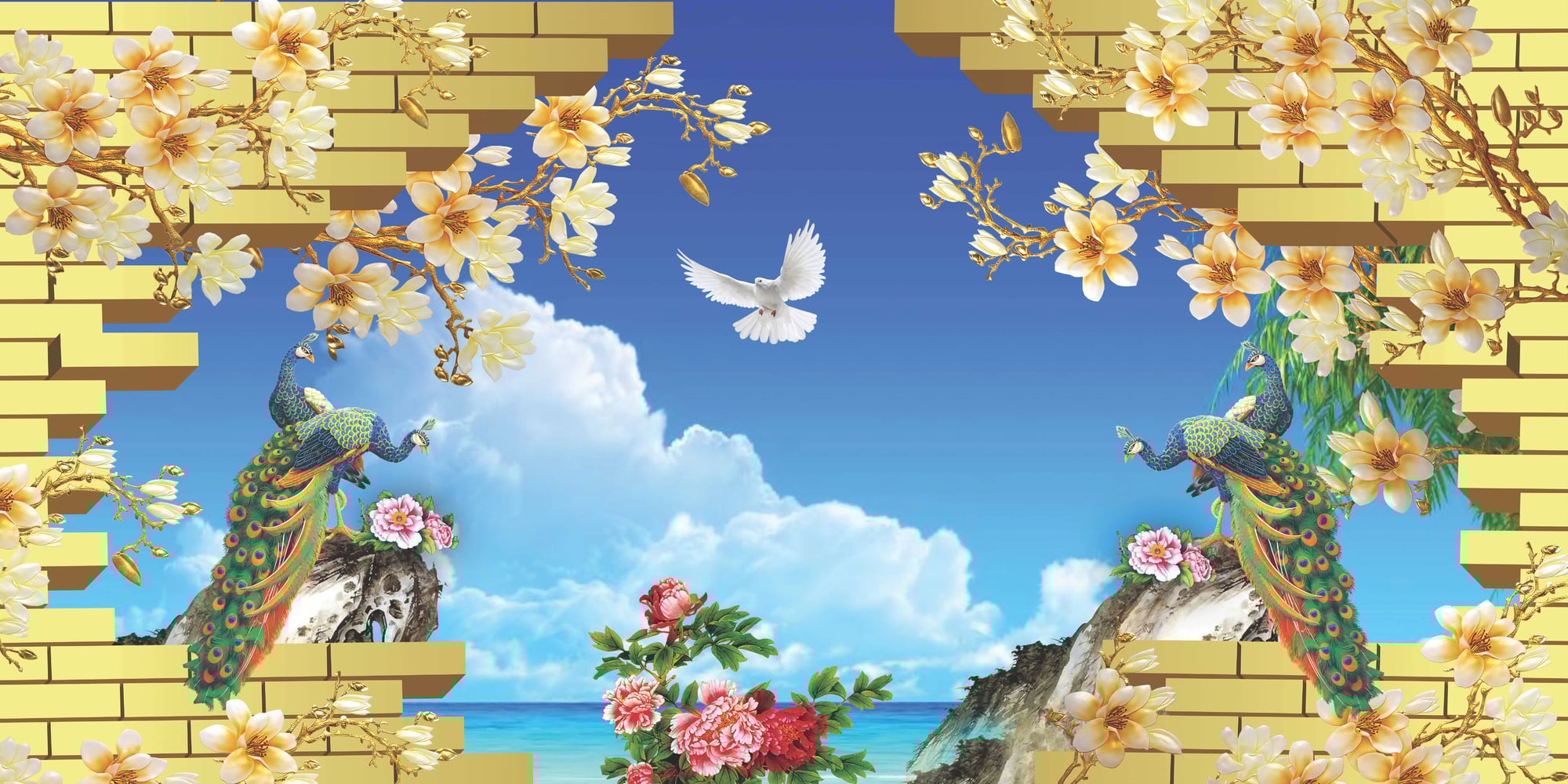
The best 3D murals succeed because they understand something fundamental about how humans process visual information: we’re constantly making assumptions about depth, distance, and what’s real based on incomplete data, and those assumptions can be hijacked by someone who understands the rules well enough to break them convincingly.
These aren’t just paintings—they’re experiments in perception, temporary disruptions of the ordinary world that remind you how much of what you “see” is actually constructed by your brain rather than simply received by your eyes. Walking past a really convincing 3D mural is like discovering that reality has more flexibility than you thought, and that sometimes the most interesting truths are the ones that turn out to be illusions.
More from Go2Tutors!

- The Romanov Crown Jewels and Their Tragic Fate
- 13 Historical Mysteries That Science Still Can’t Solve
- Famous Hoaxes That Fooled the World for Years
- 15 Child Stars with Tragic Adult Lives
- 16 Famous Jewelry Pieces in History
Like Go2Tutors’s content? Follow us on MSN.