16 Restaurants That Served One Item
Most restaurants try to offer something for everyone, cramming their menus with dozens of options to please every possible taste. But some bold establishments have taken the opposite approach, betting their entire business on perfecting just one dish. These single-item restaurants represent the ultimate commitment to specialization — either they nail their signature offering or they fail spectacularly. The concept sounds risky, yet many of these focused eateries have built devoted followings by doing one thing exceptionally well.
Here is a list of 16 restaurants that put all their eggs in one basket and serve only a single item.
The Meatball Shop
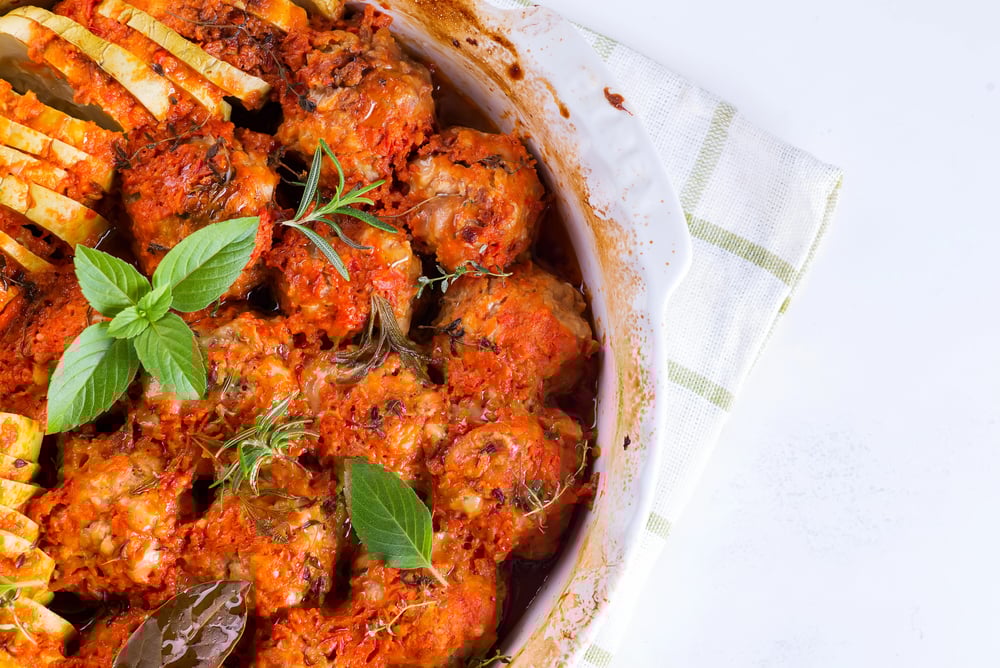
This New York chain built its entire identity around those perfect spheres of seasoned meat, though they did offer different varieties and sauces. The restaurant’s subway tile walls and industrial lighting created a no-nonsense atmosphere that let the meatballs do all the talking.
Customers could choose from beef, pork, chicken, or vegetarian options — but everything on the menu revolved around that one central concept.
Rice to Riches
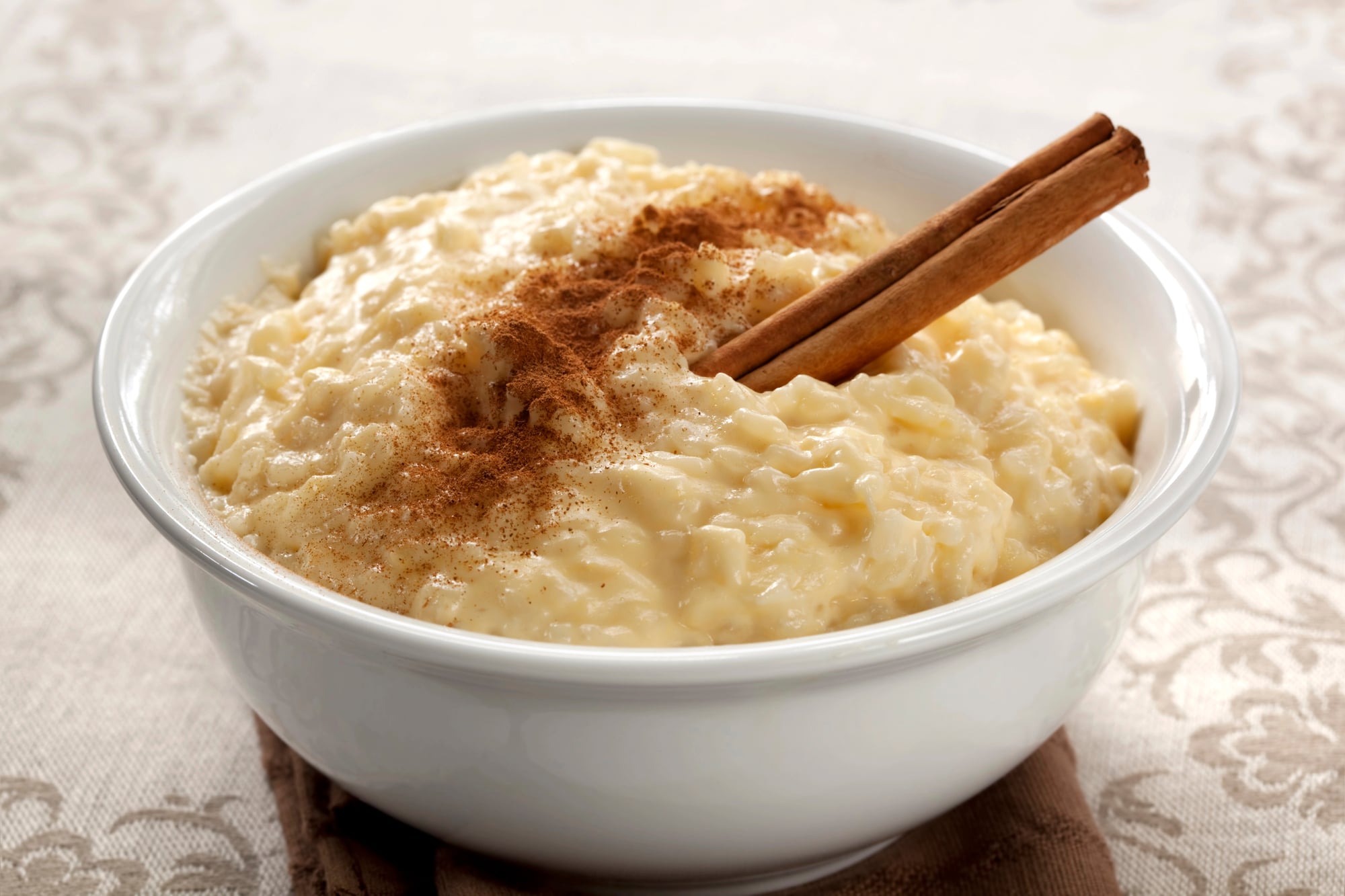
Located in Manhattan’s Nolita neighborhood, this dessert shop served nothing but rice pudding in dozens of creative flavors. The space looked more like a modern art gallery than a restaurant, with each flavor displayed in sleek glass cases that made rice pudding seem sophisticated.
Flavors ranged from classic vanilla to bizarre combinations that attracted curious tourists and adventurous locals alike.
Pommes Frites
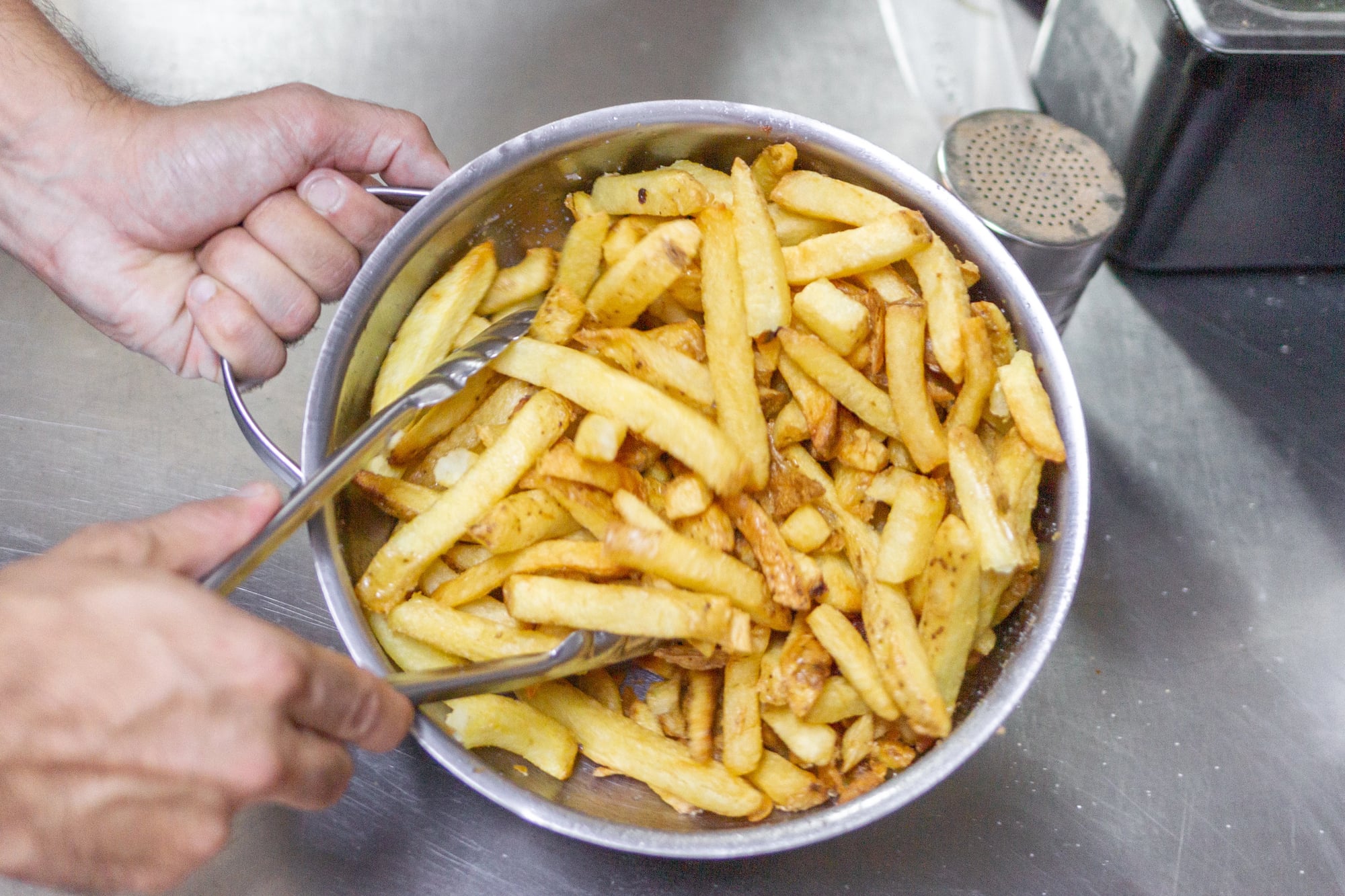
This Belgian fry shop in New York’s East Village served only french fries, but they elevated them to an art form with dozens of specialty sauces. The narrow storefront barely had room for customers to stand while they waited, yet people lined up regularly for these hand-cut Belgian-style fries.
The shop’s walls were covered with European mayonnaise varieties and exotic dipping sauces that transformed simple potatoes into gourmet experiences.
Pinkberry

Before frozen yogurt became ubiquitous, Pinkberry revolutionized the concept by serving only tart frozen yogurt with fresh fruit toppings. The minimalist white and green decor matched the product’s clean, healthy image that appealed to health-conscious Californians.
The company’s success spawned countless imitators, proving that sometimes limiting your menu can actually expand your market.
Soup Man
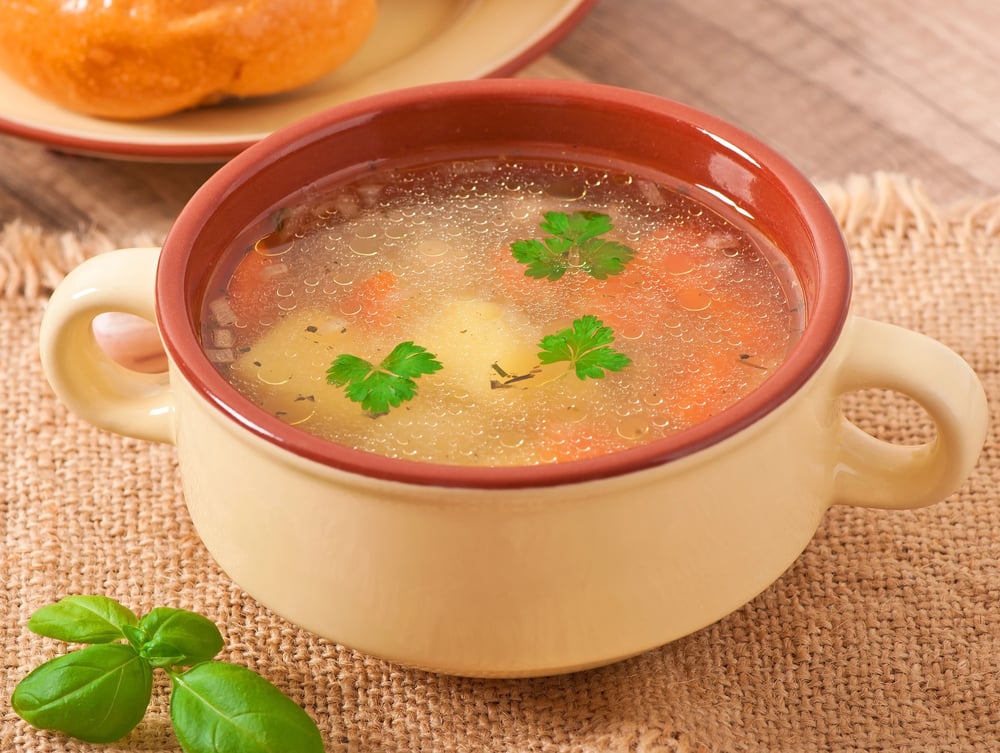
Inspired by the famous ‘Soup Nazi’ from Seinfeld, this chain served only soup but offered an extensive rotating menu of varieties. The original location maintained the no-nonsense attitude that made the TV character famous, with strict ordering procedures and impatient staff.
Despite the intimidating service style, customers returned for soups that ranged from classic chicken noodle to exotic international recipes.
Cereal Killer Cafe

This London establishment served only breakfast cereals from around the world, available all day long in a nostalgic setting filled with vintage cereal boxes. The concept tapped into adult nostalgia for childhood favorites while offering rare international cereals that couldn’t be found in regular stores.
Customers could mix and match cereals or stick with classics, but everything revolved around that simple breakfast staple.
Doughnut Plant

This New York bakery focused exclusively on artisanal doughnuts made with organic ingredients and creative flavor combinations. The shop’s industrial Lower East Side location attracted both tourists and locals seeking elevated versions of the classic American treat.
Seasonal specialties and unique glazes kept customers coming back to try new variations on the familiar ring-shaped pastry.
Grilled Cheese & Co.
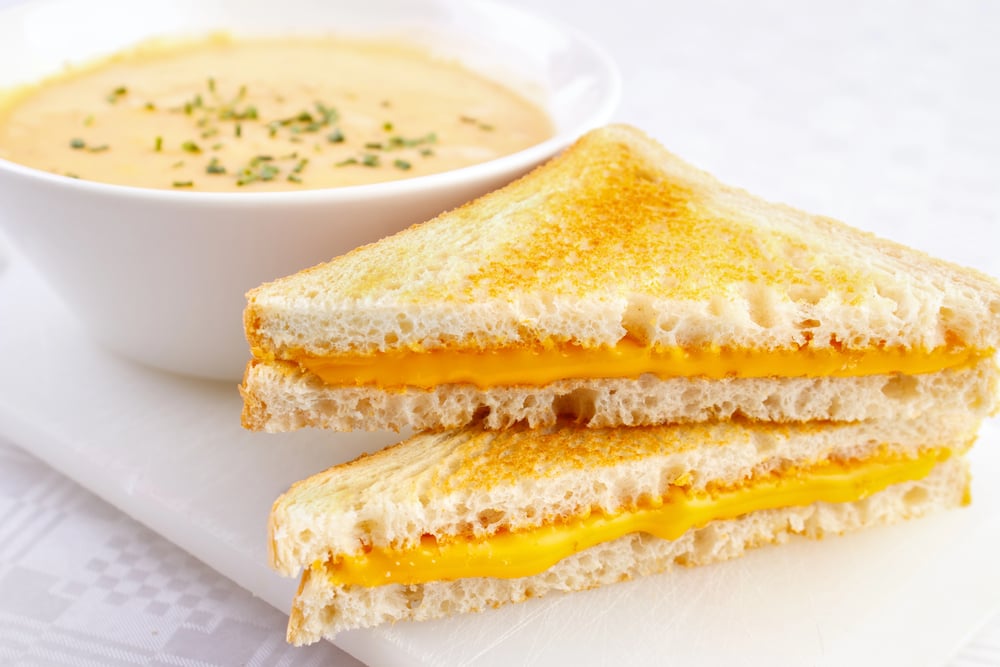
This restaurant chain served only grilled cheese sandwiches, but elevated them with gourmet ingredients and creative combinations. The menu featured everything from classic American cheese on white bread to elaborate creations with brie, truffle oil, and artisanal breads.
The comfort food concept appealed to customers seeking familiar flavors executed with restaurant-quality ingredients.
Juice Generation
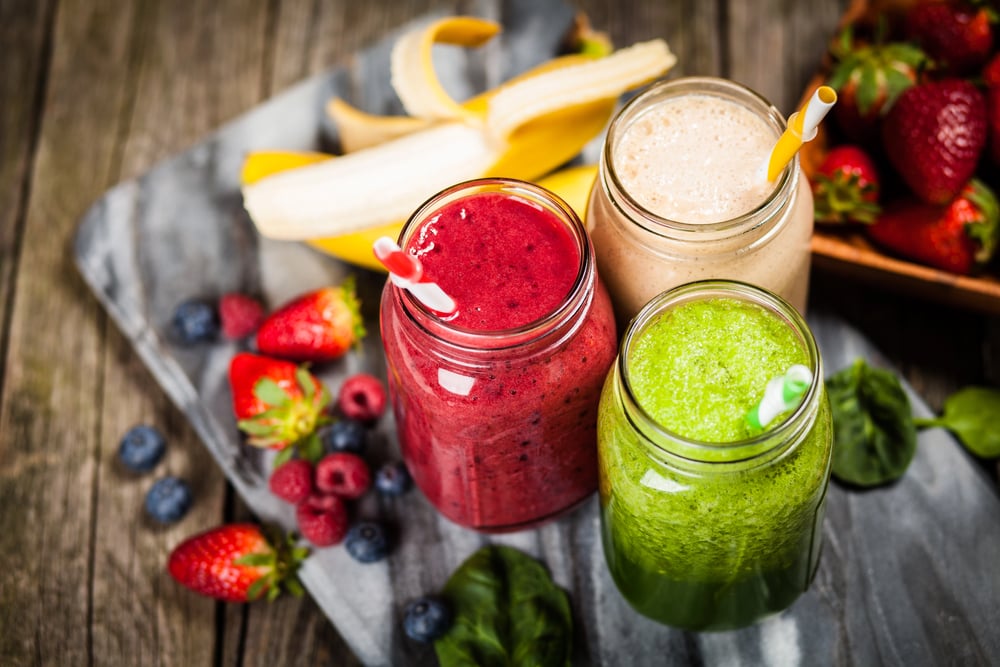
These New York juice bars served only cold-pressed juices and smoothies, capitalizing on the health and wellness trend. The bright, clean stores featured extensive menus of fruit and vegetable combinations designed to target specific health goals.
The single-category focus allowed staff to become experts in nutrition and juice combinations that traditional restaurants couldn’t match.
La Taqueria

This San Francisco institution served only tacos and burritos, but their singular focus helped them perfect the art of Mexican street food. The no-frills interior and limited seating emphasized that the food was the main attraction, not the atmosphere.
Their commitment to authentic preparation methods and high-quality ingredients earned them a James Beard Award and a devoted local following.
Levain Bakery
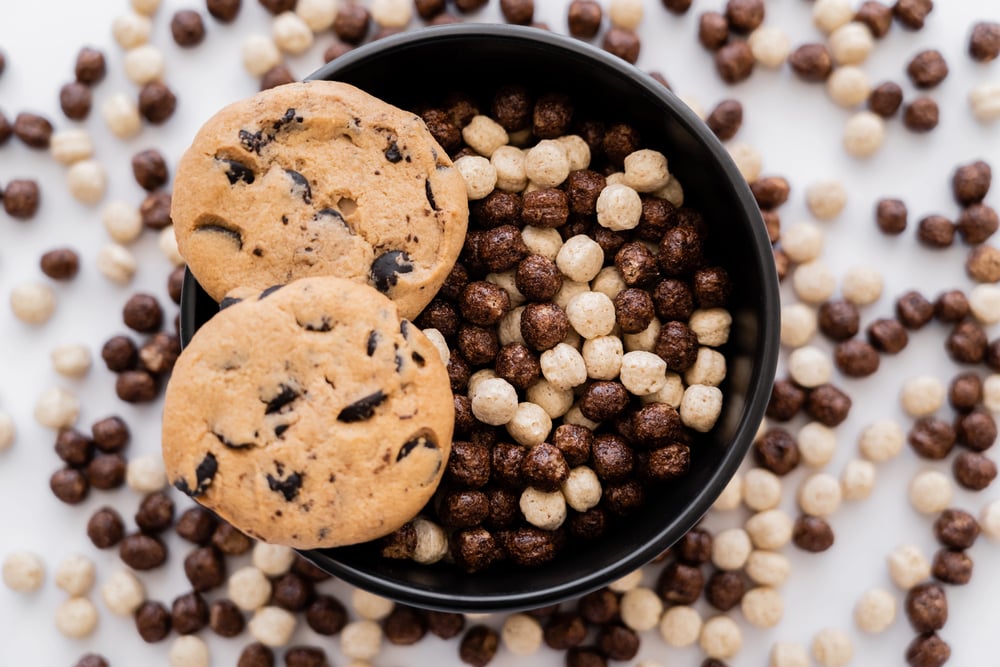
This New York bakery built its reputation on serving only cookies, but these weren’t ordinary cookies — they were massive, gooey, and served warm from the oven. The small shop’s limited menu meant customers knew exactly what to expect, and the consistent quality kept them coming back.
The cookies became so popular that the bakery eventually expanded to multiple locations while maintaining their single-item focus.
Magnolia Bakery

Before cupcakes became trendy, this New York bakery served only cupcakes and banana pudding in a retro-styled shop that felt like stepping into the 1950s. The pastel decor and vintage display cases created an atmosphere that matched the nostalgic appeal of their simple desserts.
Their appearance on a series helped launch the cupcake craze that swept across America.
Shake Shack

Originally a hot dog cart in Madison Square Park, Shake Shack focused on perfecting just hamburgers, fries, and shakes before expanding their menu. The simple concept allowed them to source high-quality ingredients and perfect their cooking techniques without getting distracted by too many options.
Their success proved that doing a few things exceptionally well could compete with fast-food giants offering dozens of menu items.
Sweetgreen

This salad chain served only salads and wraps, but their focus on local, seasonal ingredients and customizable options created a devoted following among health-conscious diners. The modern, minimalist restaurant design emphasized freshness and quality over quantity of menu options.
Their success helped popularize the fast-casual salad concept that numerous competitors later copied.
Xi’an Famous Foods

This New York chain served only hand-pulled noodles and dumplings from China’s Shaanxi province, introducing American diners to relatively unknown regional cuisine. The sparse decor and limited seating emphasized that the food was the main attraction, not the dining experience.
Their authentic preparation methods and bold flavors earned critical acclaim and proved that ethnic specialties could succeed in competitive markets.
Katz’s Delicatessen
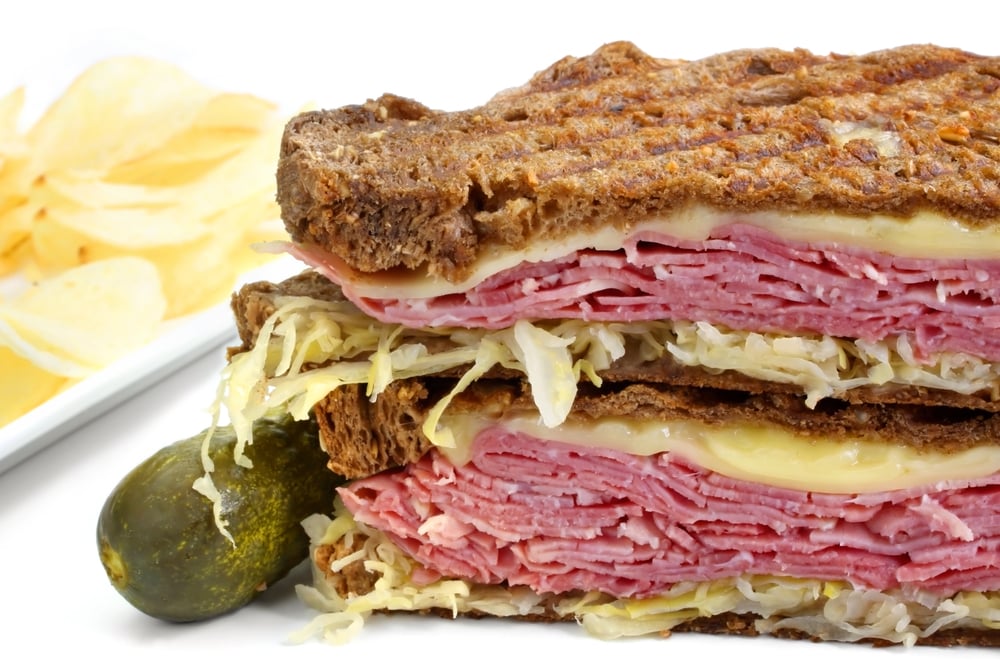
While technically serving more than one item, this legendary New York deli built its reputation almost entirely on pastrami sandwiches that have remained virtually unchanged for over a century. The enormous sandwiches and old-school atmosphere created an experience that tourists and locals alike considered essential to the New York dining scene.
Their singular focus on traditional Jewish deli fare helped them survive while many competitors diversified and lost their identity.
The Power of Doing One Thing Right
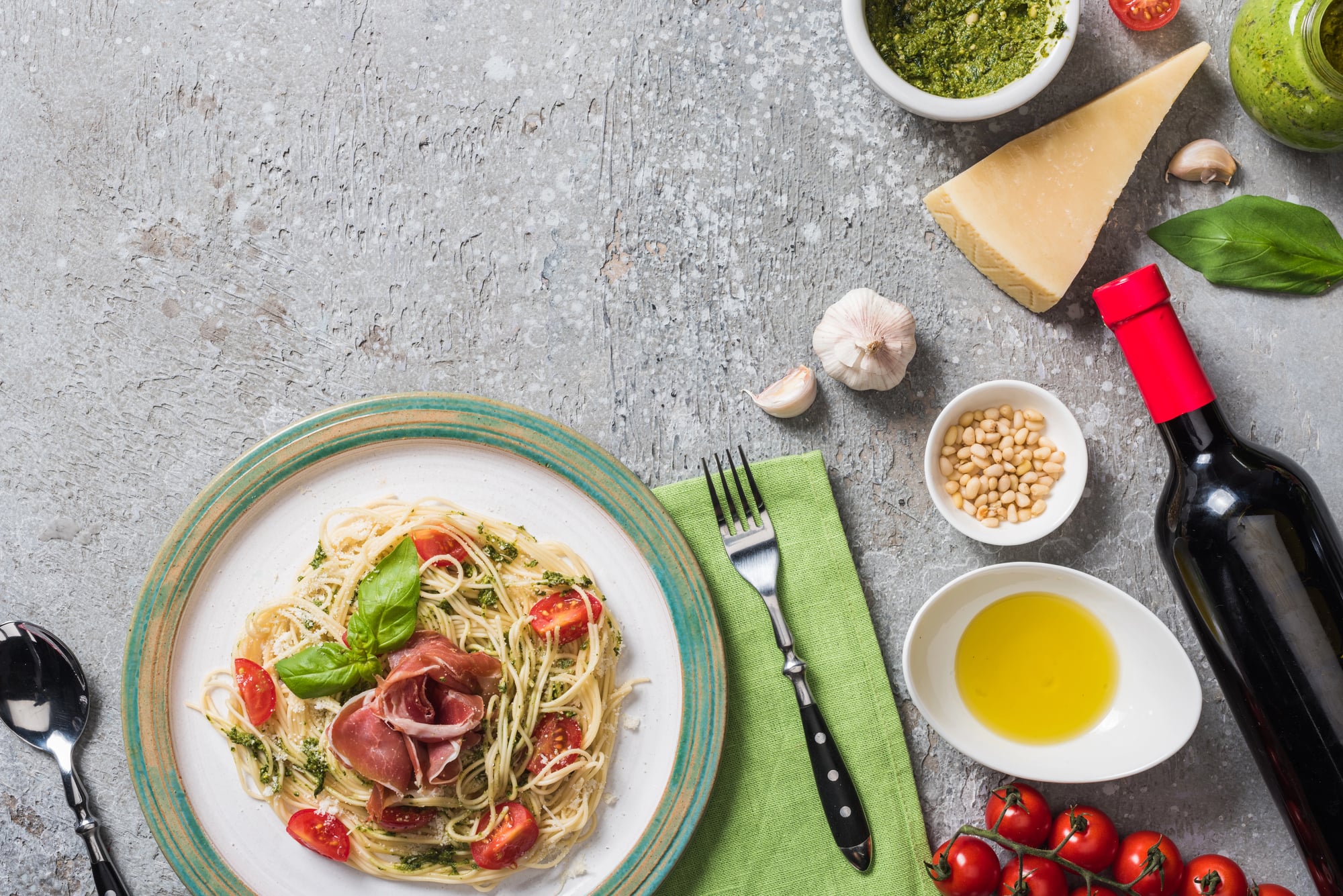
These restaurants proved that specialization can be more powerful than diversification in the food industry, with many becoming cultural institutions that outlasted competitors with extensive menus.
The success of single-item establishments demonstrates how focusing intensely on one product allows restaurants to perfect their craft in ways that multi-concept establishments often cannot achieve.
Modern diners increasingly appreciate authenticity and expertise over variety, making the single-item restaurant model more relevant than ever.
The legacy of these focused eateries continues to inspire new entrepreneurs who believe that mastering one dish completely beats offering mediocre versions of many, proving that sometimes less really is more in the restaurant business.
More from Go2Tutors!

- The Romanov Crown Jewels and Their Tragic Fate
- 13 Historical Mysteries That Science Still Can’t Solve
- Famous Hoaxes That Fooled the World for Years
- 15 Child Stars with Tragic Adult Lives
- 16 Famous Jewelry Pieces in History
Like Go2Tutors’s content? Follow us on MSN.



