15 Places With Laws That Only Apply to Tourists
Travel shows us the fascinating diversity of our world, but sometimes the differences go beyond culture and custom – they’re written into law. Across the globe, numerous destinations have created specific regulations targeting visitors while letting locals off the hook.
These tourist-specific laws serve various purposes: managing overcrowding, preserving historical sites, protecting environments, or simply generating extra revenue. Here’s a rundown of 15 places where visitors face different legal treatment than residents – a revealing look at how destinations sometimes create separate rulebooks for those just passing through.
Venice Beach Photo Ban
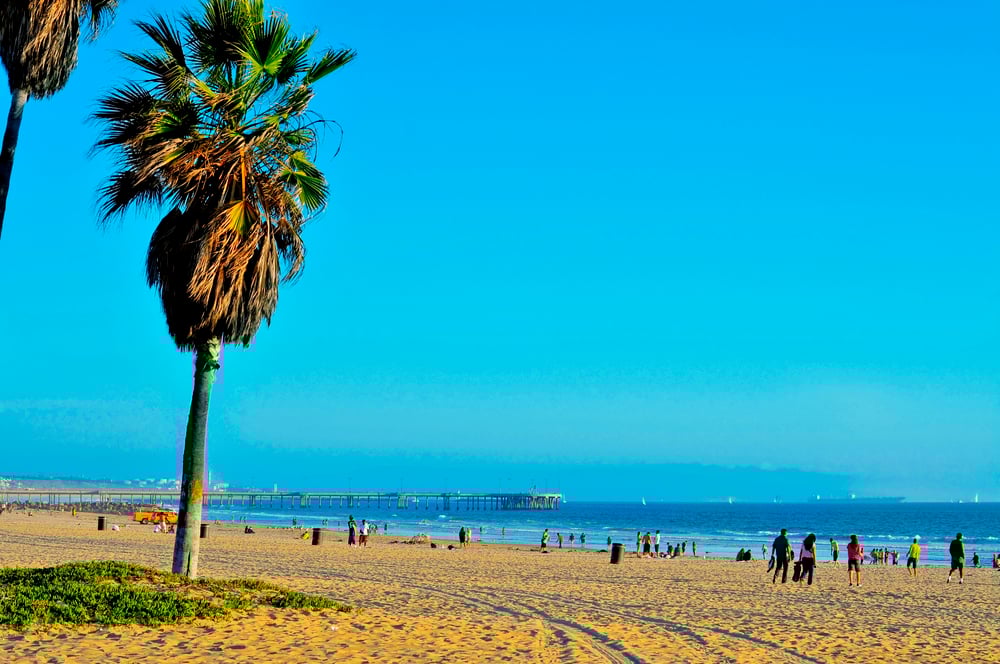
Venice’s approach to photography varies dramatically depending on who’s behind the camera. Locals snap pictures freely throughout the city, yet tourists might get slapped with fines up to €500 for taking photos in museums or churches without proper permits.
These rules weren’t created randomly – they’re meant to shield historical artifacts from flash damage while creating a revenue stream through official photography licensing. You’ll notice enforcement isn’t uniform, though.
Authorities typically focus on commercial photography or particularly disruptive tourist behavior instead of casual snapshots.
Maya Bay Access Restrictions
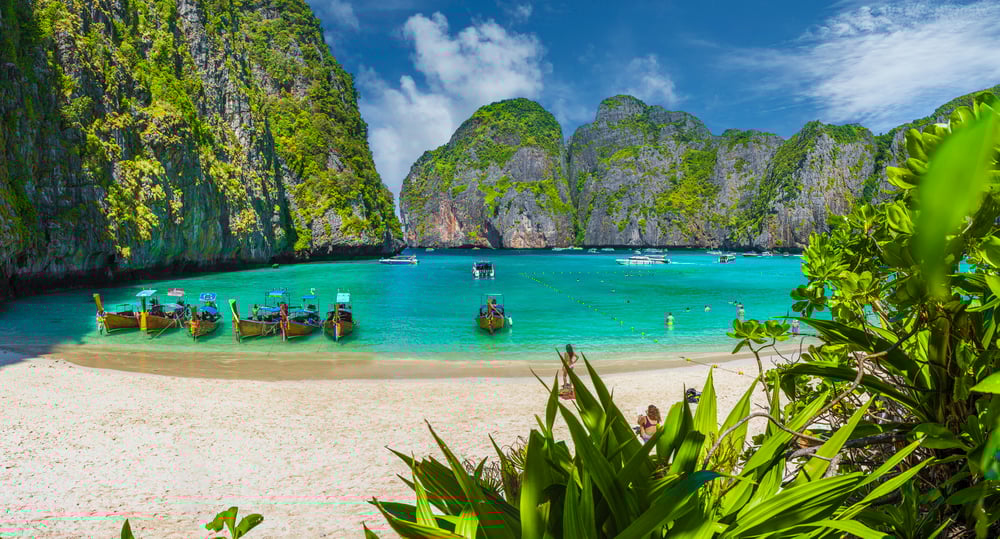
Thailand’s breathtaking Maya Bay – made famous through ‘The Beach’ – now operates under two distinct systems. Tourists face tight restrictions: limited hours, mandatory entrance fees, and swimming prohibitions in designated areas.
Thai citizens, meanwhile, enjoy extended access periods and pay significantly less to visit. This dual approach didn’t emerge from nowhere – it followed devastating environmental damage that forced authorities to completely close the bay for three years starting in 2018.
The bay’s fragile ecosystem couldn’t handle unlimited tourism, so officials created separate rules for visitors and locals.
Like Go2Tutors’s content? Follow us on MSN.
Rome’s Food and Drink Zones
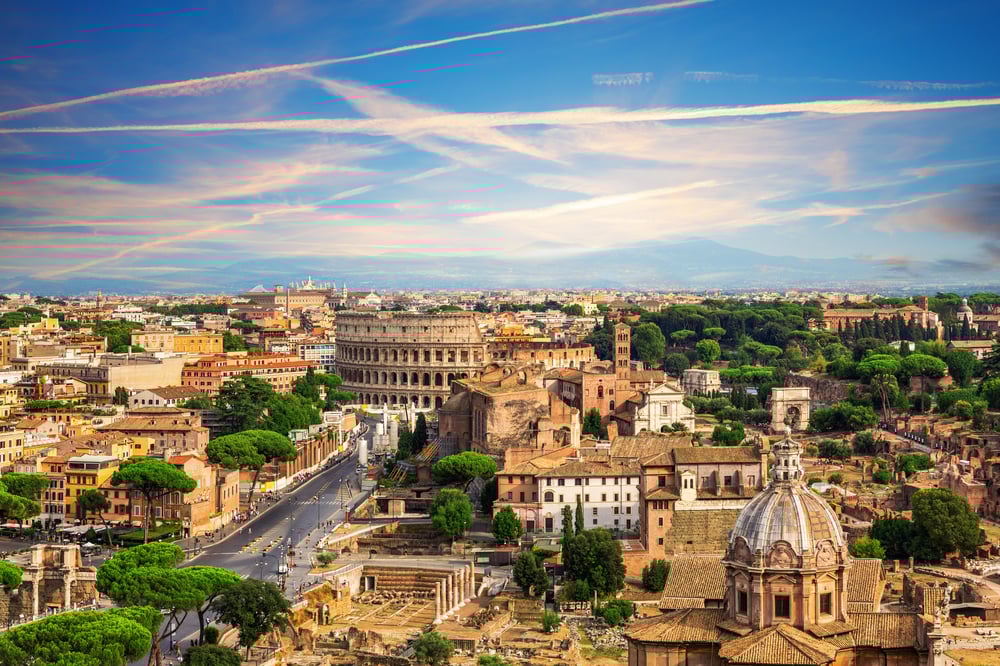
Near Rome’s iconic monuments, eating regulations exist in theory for everyone – but enforcement tells a different story. Tourists munching near the Trevi Fountain or Spanish Steps risk fines reaching €450, whereas Romans grabbing quick snacks in these same spaces rarely face penalties.
The motivation isn’t just arbitrary discrimination – it addresses preservation concerns for historical sites and reduces cleaning costs associated with discarded food packaging. Local understanding of appropriate behavior versus tourist ignorance often determines who gets fined.
Barcelona’s Beach Dress Code
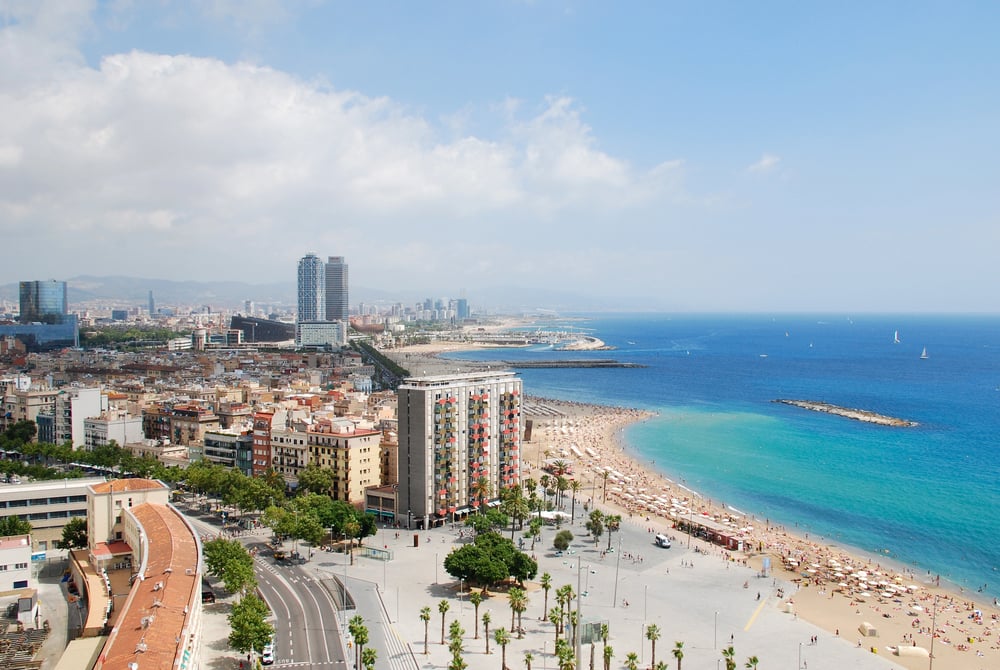
Walking Barcelona’s streets in swimwear seems entirely natural to those heading to or from beaches – but the law doesn’t see it equally. Locals stroll through town in bathing attire without issues, while tourists doing exactly the same might face fines between €200-€300.
This seemingly unfair distinction emerged after residents complained about inappropriately dressed visitors entering restaurants, shops, and historical districts. People familiar with local expectations rarely encounter problems, yet visitors often learn about these regulations the hard way.
Santorini’s Donkey Weight Limits

Santorini’s iconic donkey rides up steep cliffside paths operate under weight restrictions that don’t apply equally. Tourists weighing over 220 pounds cannot ride these animals – a rule that doesn’t extend to local residents using donkeys for transportation.
This distinction wasn’t created capriciously – it followed serious animal welfare concerns regarding overworked donkeys carrying heavier tourists in extreme heat. The animals’ wellbeing necessitated limits, though enforcement focuses almost exclusively on the tourism industry rather than everyday transportation needs of islanders.
Like Go2Tutors’s content? Follow us on MSN.
Bhutan’s Daily Tourist Tax

The remote Himalayan kingdom of Bhutan maintains perhaps the world’s most straightforward tourist-specific charge – a substantial daily fee ranging from $200-$250 imposed on foreign visitors. Bhutanese nationals move throughout their country without similar charges.
This ‘Sustainable Development Fee’ covers basic accommodations and transportation while supporting the nation’s unique ‘high value, low impact’ tourism philosophy – deliberately limiting visitor numbers protects Bhutan’s environment and cultural heritage from mass tourism’s potential damage.
Florence’s Eating Restrictions
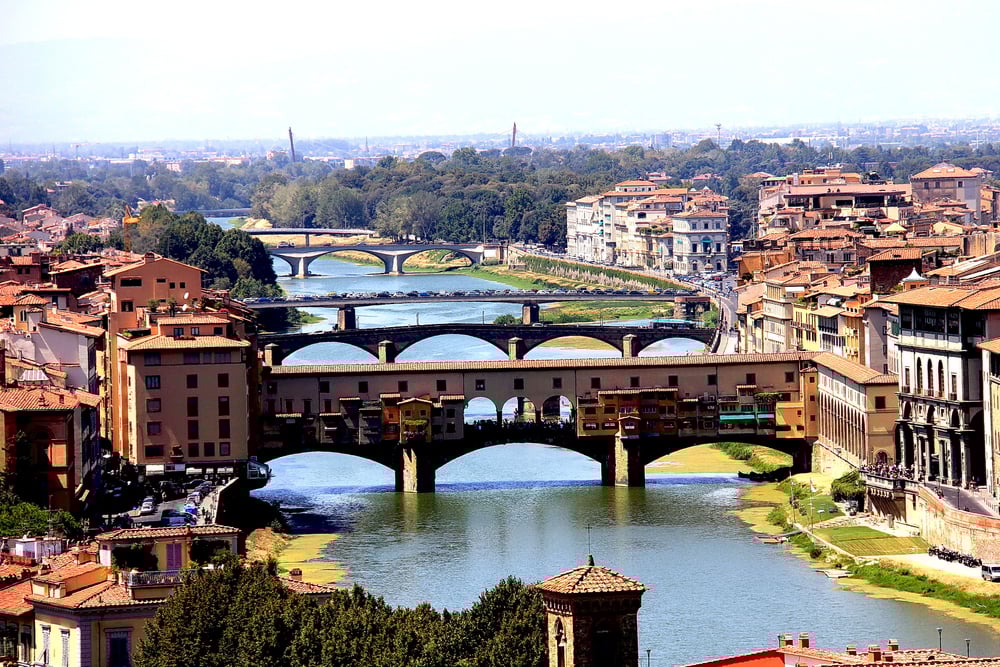
Florence prohibits eating on church steps and around major monuments – technically applying to everyone but enforced with clear preference. Tourists picnicking near the Duomo might face fines between €150-€500, while locals briefly sitting with small snacks rarely attract attention.
The underlying logic makes some sense – maintaining cleanliness and dignity around Florence’s incomparable architectural treasures requires management, and locals typically don’t engage in sidewalk meals near these landmarks anyway.
Dubrovnik’s Cruise Ship Limits
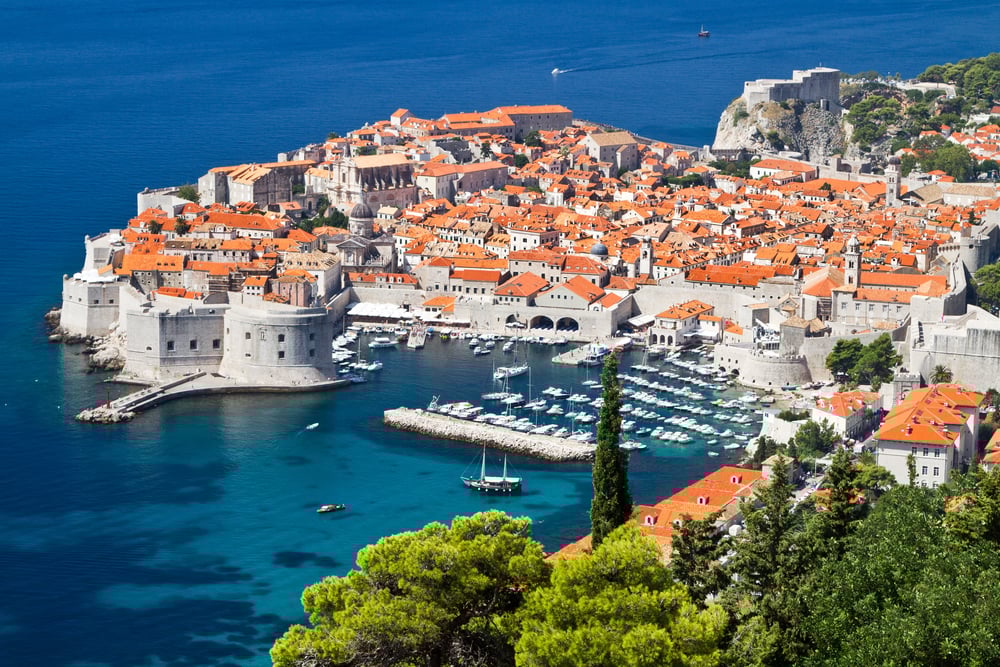
Croatia’s magnificent walled city now operates under regulations that specifically target cruise ships – rules affecting only tourists while leaving local maritime activities unaffected. Daily passenger caps and complex scheduling systems determine which ships can dock and when.
These restrictions weren’t implemented lightly – they followed desperate complaints from locals who found parts of their UNESCO World Heritage site virtually uninhabitable during peak periods when multiple large vessels arrived simultaneously.
Like Go2Tutors’s content? Follow us on MSN.
Amsterdam’s Cannabis Cafe Rules
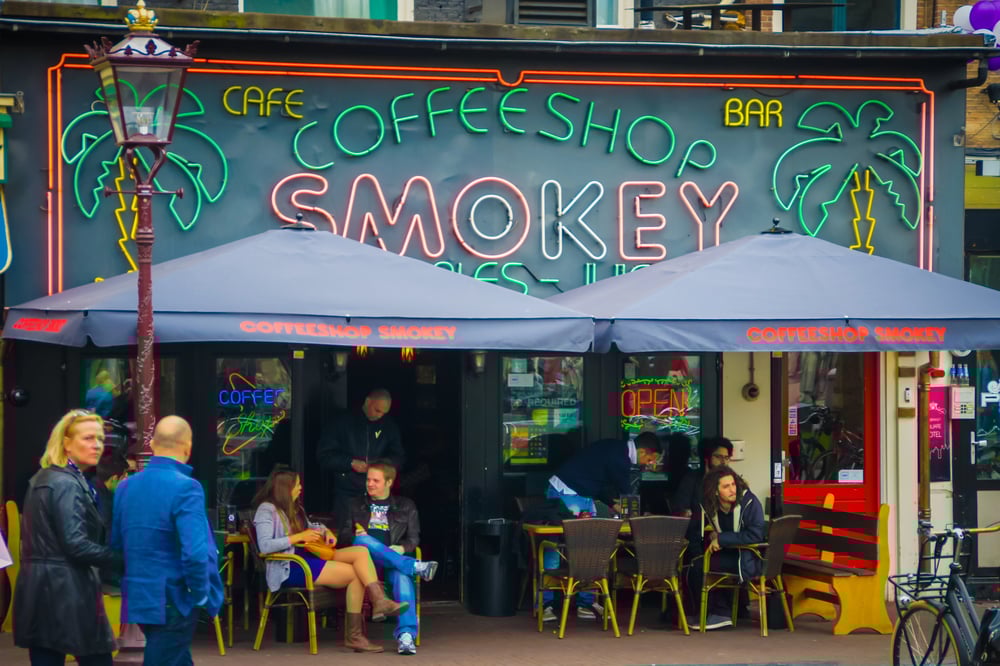
Amsterdam’s famous cannabis cafes operate through complicated regulations, creating separate systems based on residency status. Some establishments serve only Dutch residents with valid identification, while visitors must seek out tourist-oriented venues instead.
This divided approach emerged from growing concerns about drug tourism overwhelming certain neighborhoods and creating disturbances for local residents. The two-tier system attempts to balance Amsterdam’s liberal reputation with quality-of-life concerns.
Koh Phi Phi’s Snorkeling Permits
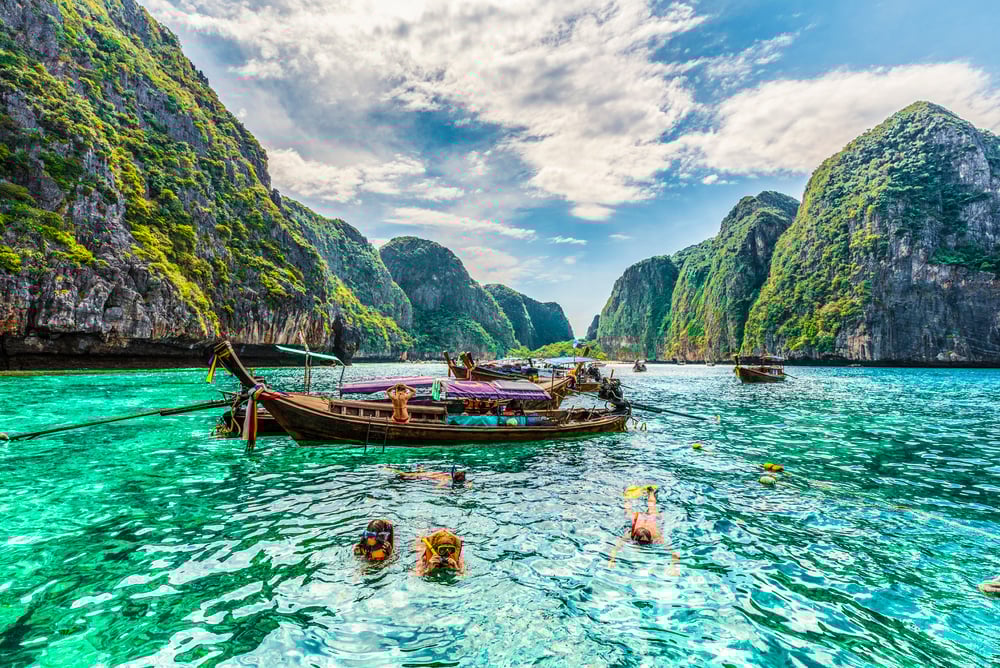
The stunning Koh Phi Phi islands require visitors to purchase daily snorkeling permits costing between $5-15 depending on location, while locals access these same waters freely. This system serves multiple purposes beyond simple revenue generation.
The permits help manage environmental impact by limiting daily visitor numbers while funding essential conservation work including coral reef restoration projects and regular beach cleaning initiatives. Environmental preservation justifies the distinction between those visiting briefly and community members.
Kyoto’s Geisha District Photography Rules
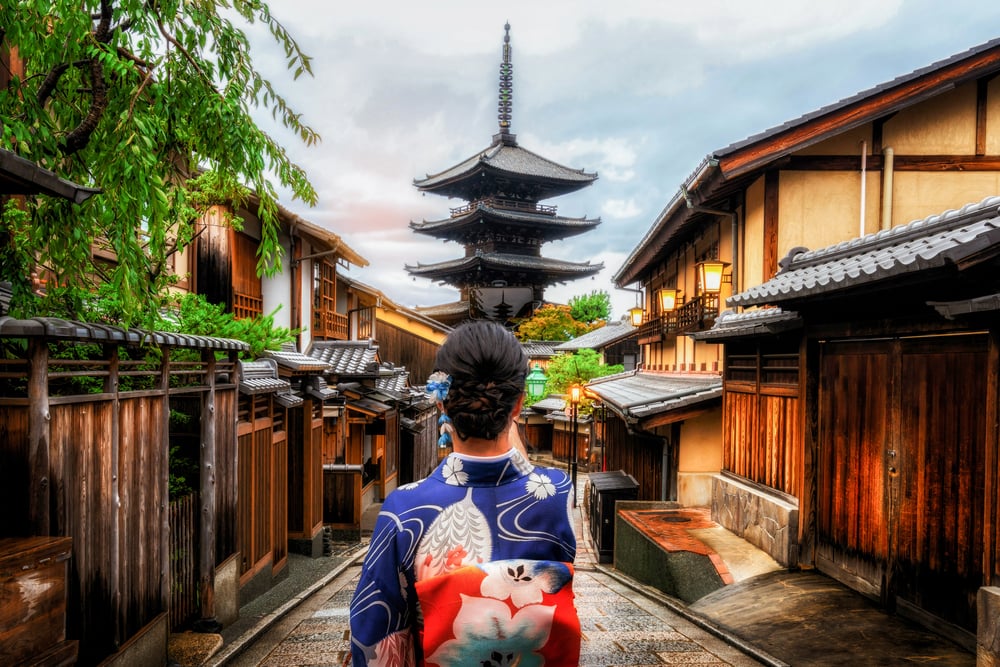
Kyoto has implemented strict photography regulations in the historic Gion district that affect tourists but not residents. Anyone caught taking unauthorized photos of geishas or engaging in disruptive photography might face fines up to ¥10,000 (about $70).
These rules emerged from necessity after numerous reports documented inappropriate tourist behavior, including physical harassment of geishas for photographs. Cultural preservation and basic respect justified creating separate standards for visitors and locals.
Like Go2Tutors’s content? Follow us on MSN.
Bali’s Temple Dress Codes
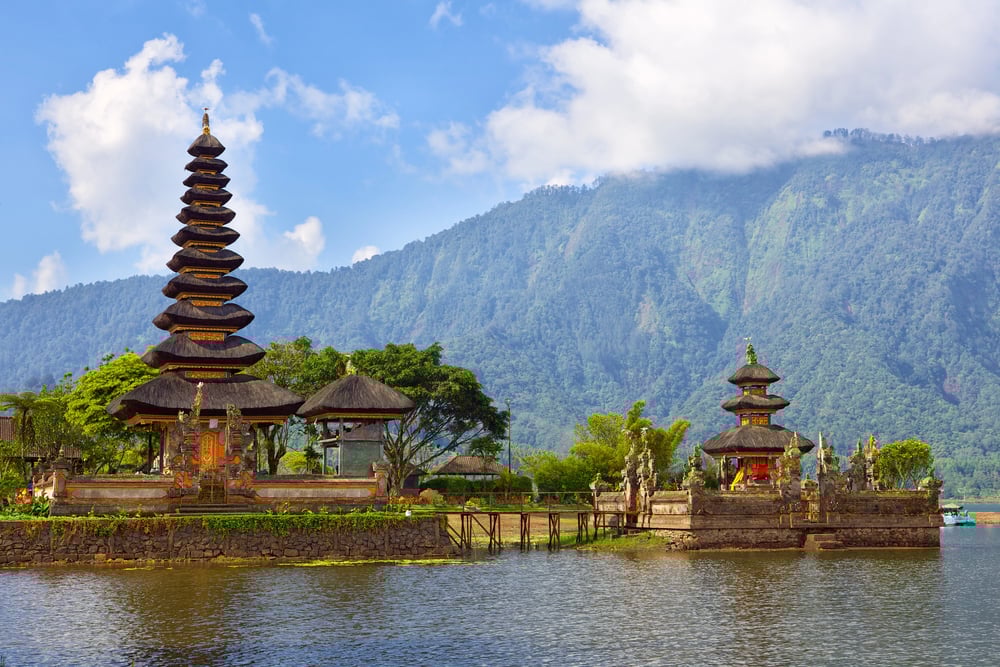
Sacred temples across Bali enforce mandatory sarong and sash requirements for all visitors, but the application differs significantly. Tourists must strictly adhere to these dress codes, typically renting or purchasing the traditional attire before entering.
Local worshippers have more flexibility in interpretation and application of these same requirements. Beyond preserving religious sanctity, these regulations create economic opportunities for sarong vendors and rental services catering specifically to the visitor market.
Barcelona’s Tourist Bus Routes

Barcelona operates parallel transportation systems where tourists pay premium prices for specialized bus routes while residents use standard municipal services. The Bus Turístic costs significantly more than regular public transportation but follows routes designed specifically for efficient sightseeing.
This dual system generates tourism revenue while keeping everyday transportation affordable for locals. The separate systems acknowledge the different needs of those exploring versus commuting.
Venice’s Sitting Bans
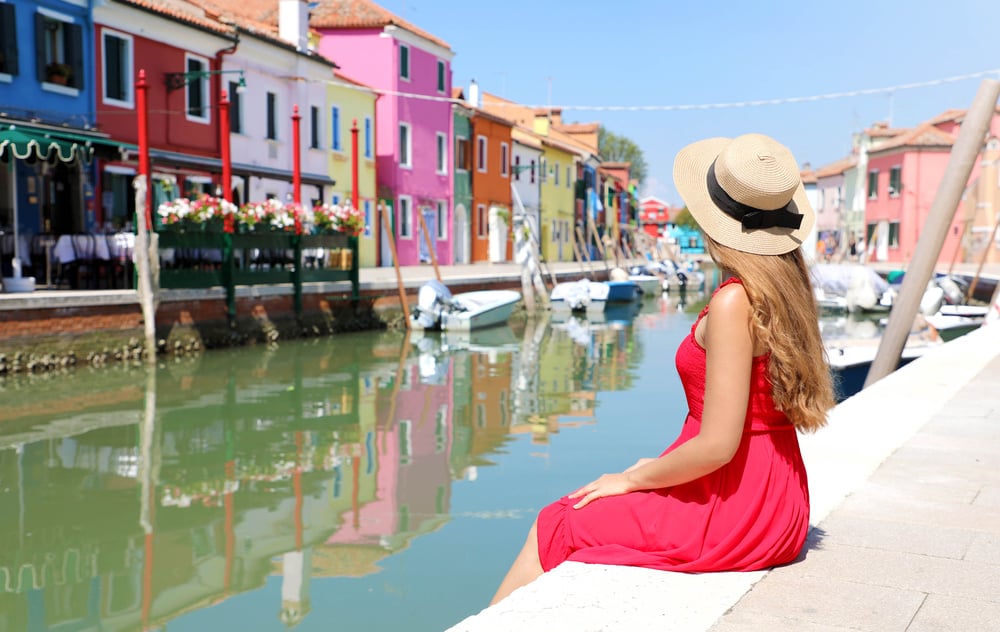
Venice prohibits sitting in St. Mark’s Square, on bridges, or monuments – rules that apply to everyone on paper but almost exclusively target tourists in practice. Violators risk fines starting at €100 for resting in unauthorized areas or having picnics in public spaces.
Locals understand the unwritten exceptions and rarely face penalties for briefly pausing in these same locations. The regulations primarily address mass tourism behaviors rather than resident activities.
Like Go2Tutors’s content? Follow us on MSN.
Hawaii’s Sacred Site Restrictions

Various Hawaiian islands maintain differential access rules at sacred sites depending on visitor status. Certain areas permit ceremonial access for native Hawaiian practitioners while remaining completely off-limits to tourists.
These regulations protect cultural heritage sites from degradation while respecting traditional Hawaiian religious practices. The distinctions explicitly acknowledge indigenous rights versus visitor privileges when accessing culturally significant locations.
Balancing Tourism and Local Life
These place-specific regulations reveal the complicated relationship between tourist destinations and visitors. What might initially seem like discrimination often represents thoughtful attempts to manage tourism’s impact on environments, historical sites, and communities.
Most places genuinely welcome visitors but need tourism to happen on terms that protect what makes these destinations special. For travelers, understanding destination-specific regulations before arriving helps avoid unpleasant surprises.
The key isn’t just knowing what’s prohibited but appreciating why these rules exist. Smart tourists recognize that reasonable restrictions often preserve exactly those qualities that attracted them to visit in the first place.
More from Go2Tutors!

- 18 Unexpectedly Valuable Collectibles You Might Have Lying Around
- 15 Things Every Teenager in the ’70s Did That Teens Today Wouldn’t Understand
- 15 Strange Things People Have Tried to Ban (And Failed)
- 15 Inventions That Were Immediately Banned After Being Created
- 20 Actors Who Were Almost Cast in Iconic Roles
Like Go2Tutors’s content? Follow us on MSN.