15 Plants That Digest Insects
Nature has a way of turning conventional wisdom upside down, and carnivorous plants represent one of evolution’s most fascinating plot twists. While most plants rely on soil nutrients and photosynthesis for survival, these botanical predators have developed remarkable hunting strategies to capture and digest insects for essential nutrients. They’ve essentially flipped the traditional food chain, turning the tables on creatures that typically nibble on leaves and stems.
These green hunters have evolved incredible mechanisms ranging from sticky traps to lightning-fast snapping jaws, each perfectly adapted to their hunting environment and preferred prey. Here is a list of 15 plants that have mastered the art of insect digestion — proving that sometimes the hunter becomes the hunted in nature’s endless game of survival.
Venus Flytrap
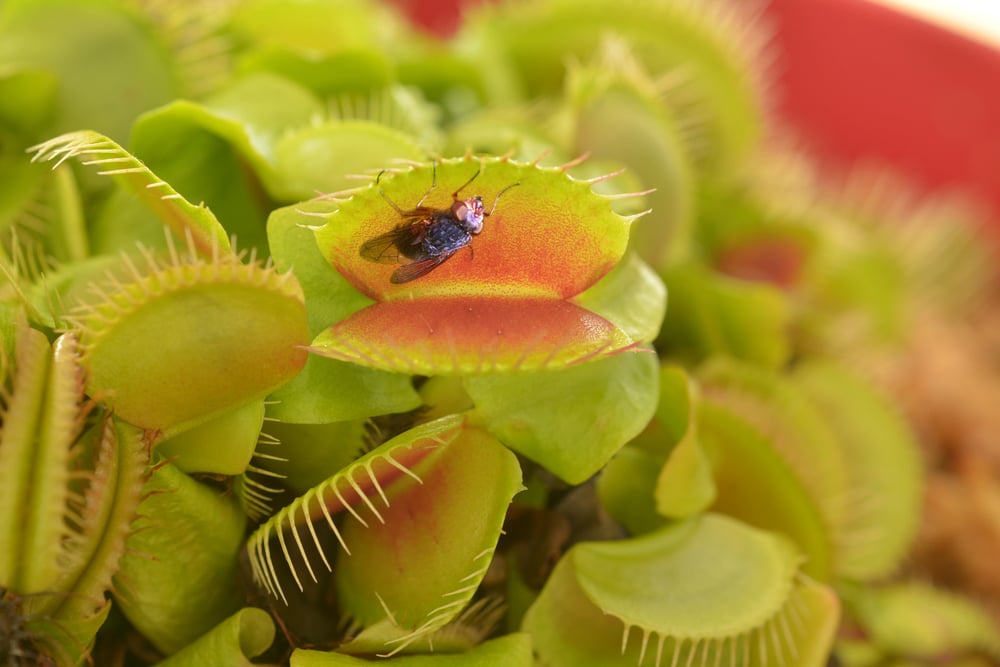
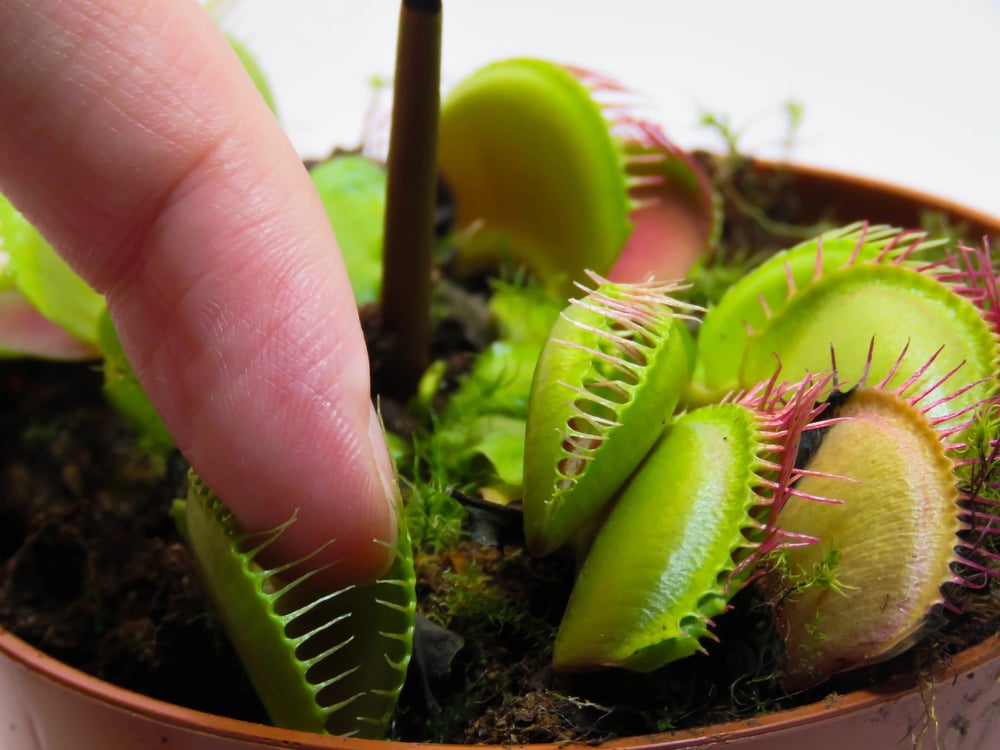
The world’s most famous carnivorous plant snaps its modified leaves shut in less than a second when trigger hairs detect prey movement. Native to North Carolina’s wetlands, Venus flytraps can count — requiring multiple trigger touches within seconds to avoid wasting energy on false alarms like raindrops.
Pitcher Plant
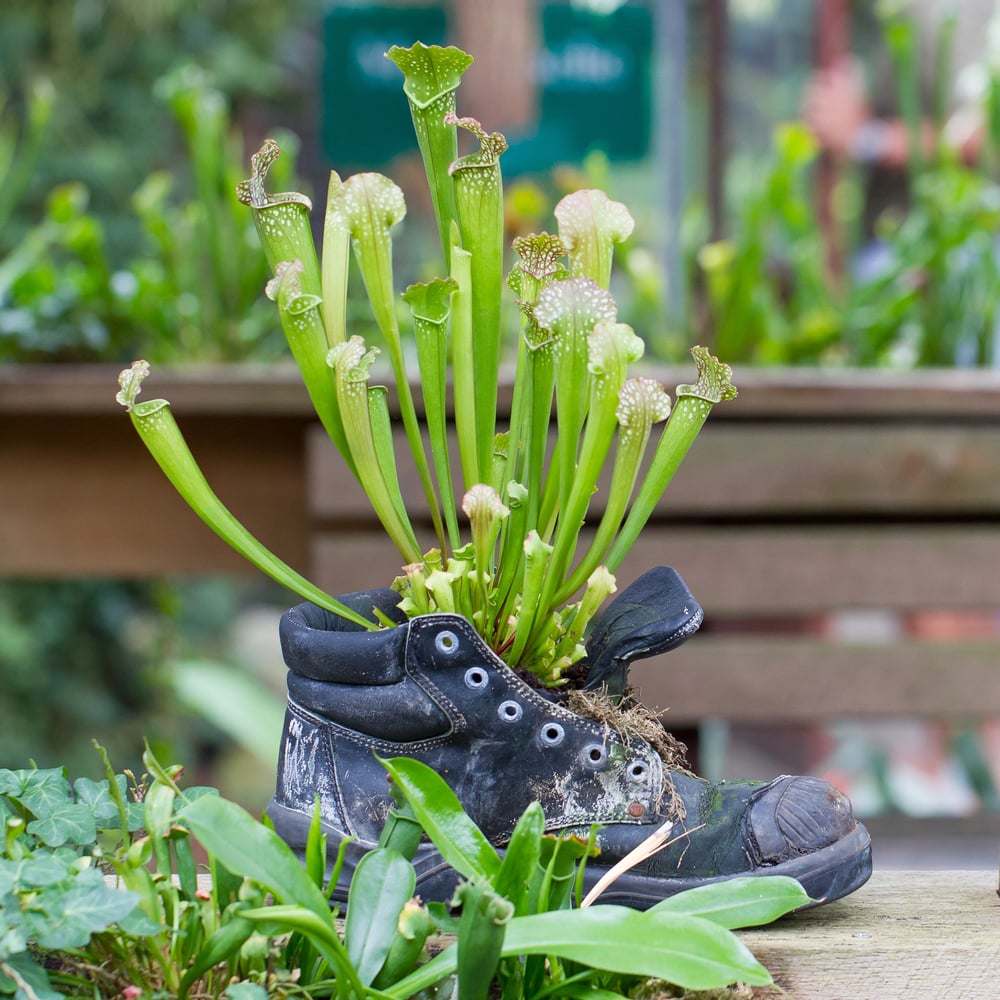
These elegant hunters feature deep, slippery-walled pitchers filled with digestive enzymes that dissolve insects foolish enough to fall inside. The rim of each pitcher is incredibly slick, while downward-pointing hairs prevent any chance of escape once prey tumbles into the deadly pool below.
Sundew
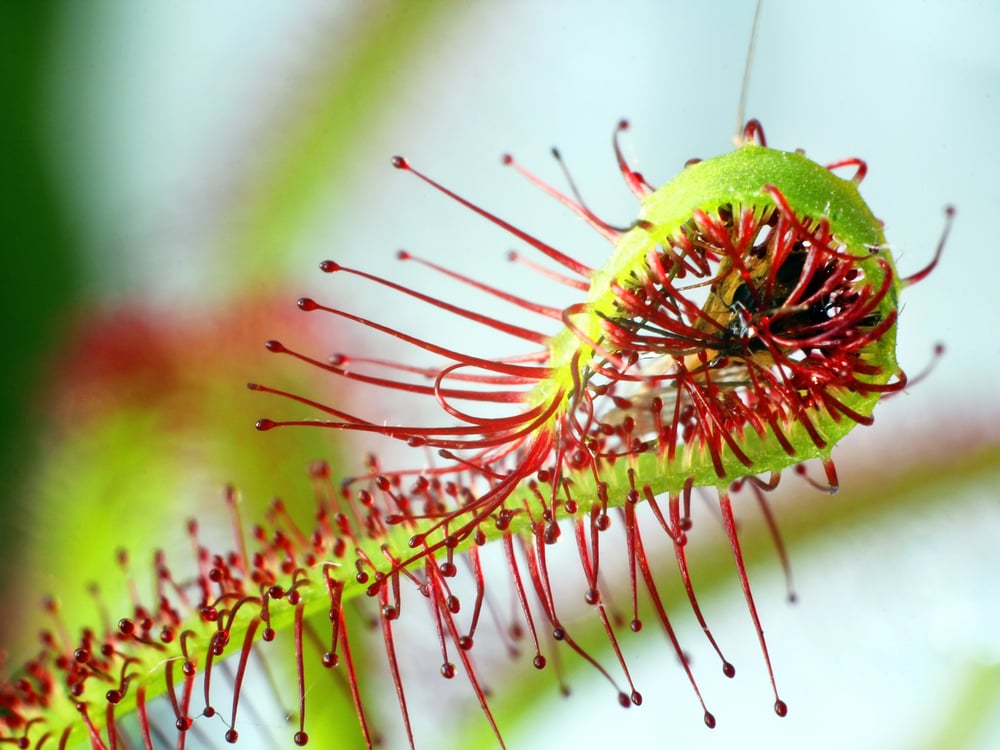
Covered in hundreds of tiny tentacles topped with sparkling dewdrops, sundews appear deceptively beautiful until insects discover that those “dewdrops” are actually super-sticky glue traps. The tentacles slowly curl around captured prey — like tiny green octopus arms — while digestive enzymes break down the struggling insect over several days.
Cobra Plant
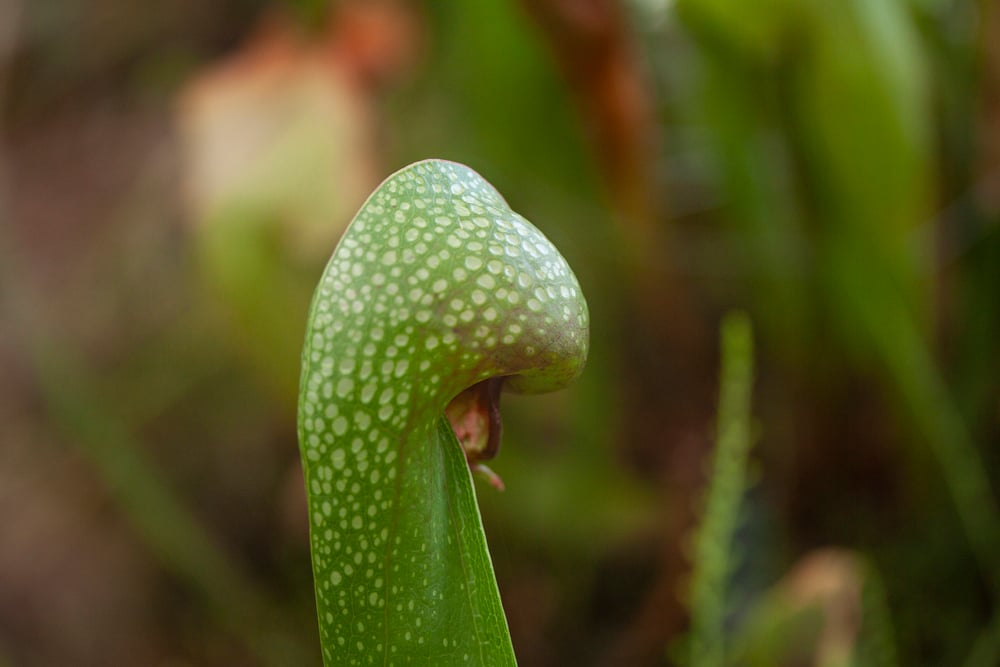
California’s striking cobra plant resembles a hooded serpent ready to strike, complete with a forked tongue-like appendage that lures insects into its deadly chamber. Once inside the translucent dome, confused insects exhaust themselves trying to escape through false windows while digestive fluids gradually dissolve their bodies.
Bladderwort
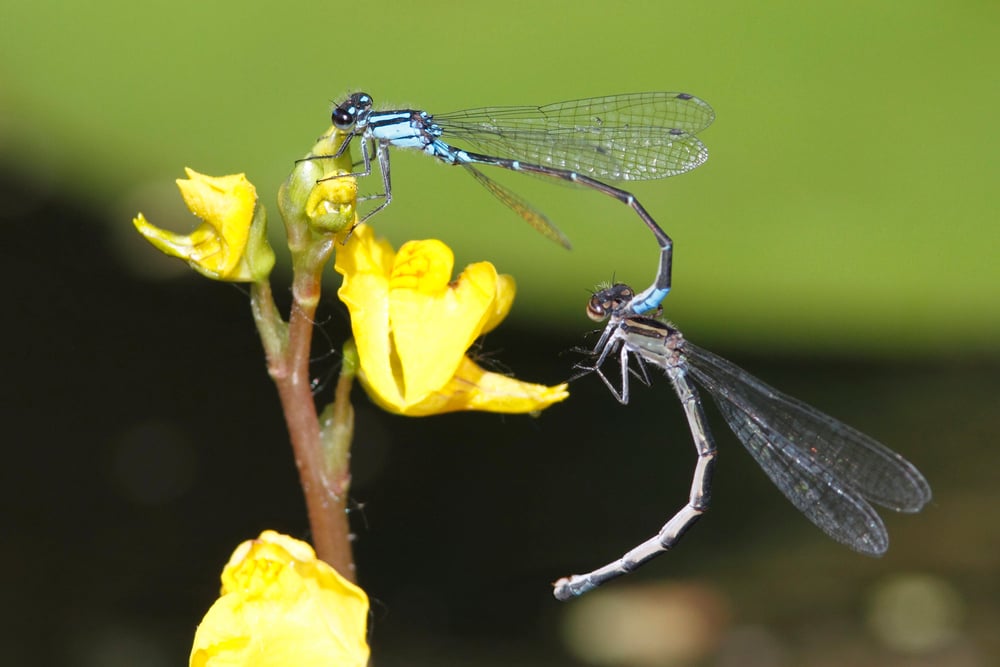
These aquatic speed demons operate the fastest traps in the plant kingdom — sucking in tiny water creatures through vacuum-powered trapdoors in less than a millisecond. The microscopic bladders create negative pressure that’s released when trigger hairs detect prey, instantly inhaling everything from water fleas to mosquito larvae.
Butterwort
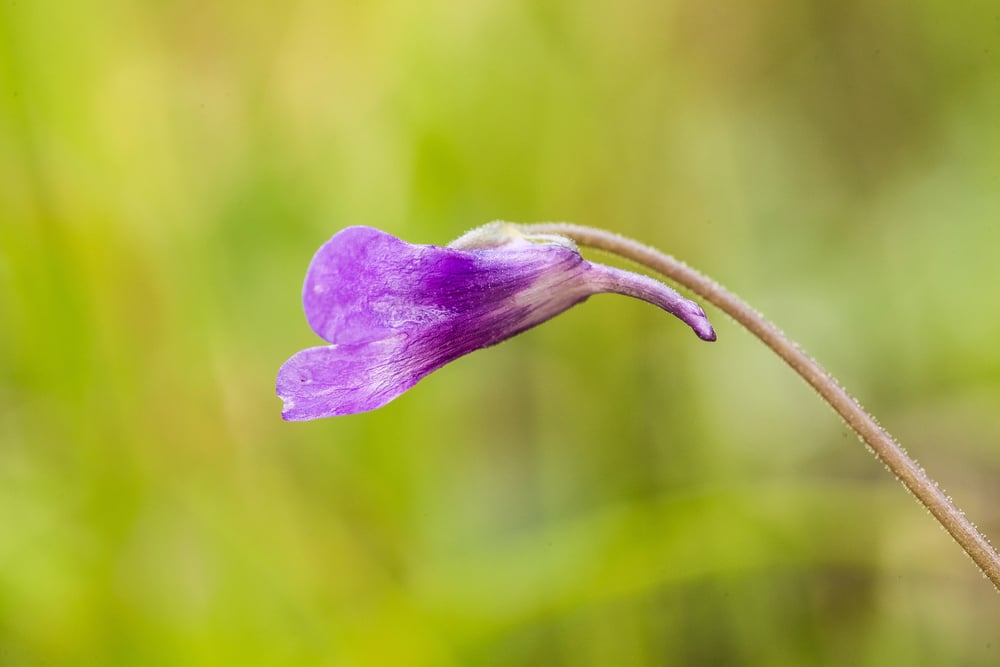
These innocent-looking plants spread their flat, greasy leaves like botanical flypaper across mountain meadows and bog edges worldwide. Small insects stick fast to the slippery surface while tiny glands slowly digest the trapped prey, providing essential nutrients in nutrient-poor soils.
Cape Sundew
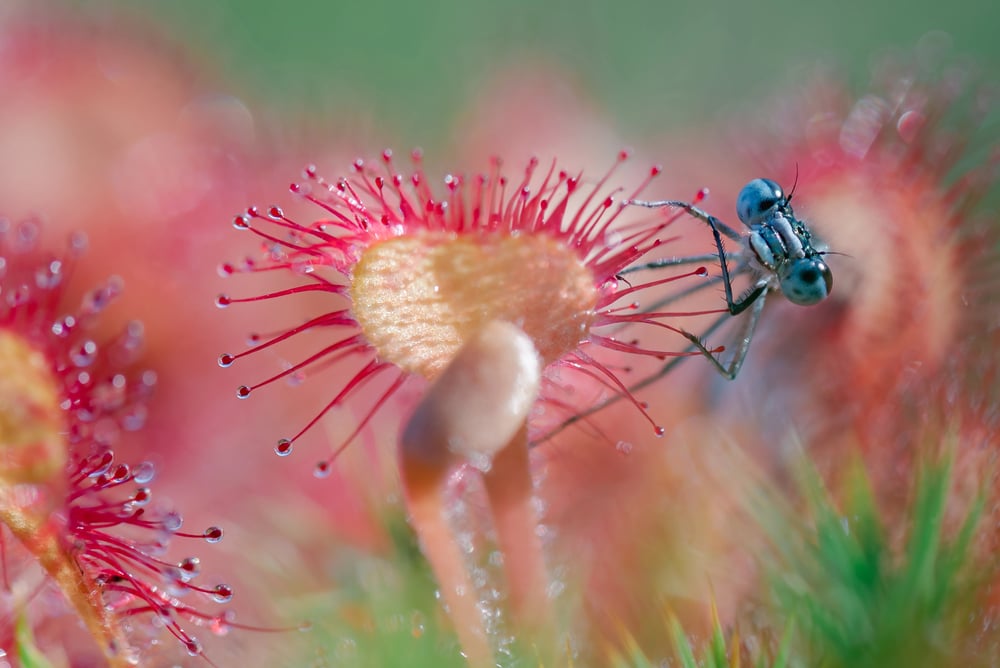
South Africa’s Cape sundew produces some of the stickiest glue in the plant world — with tentacles that can trap insects many times larger than typical sundews handle. The plant’s leaves can curl completely around large prey like small beetles, creating a temporary stomach for extended digestion periods.
Dewy Pine
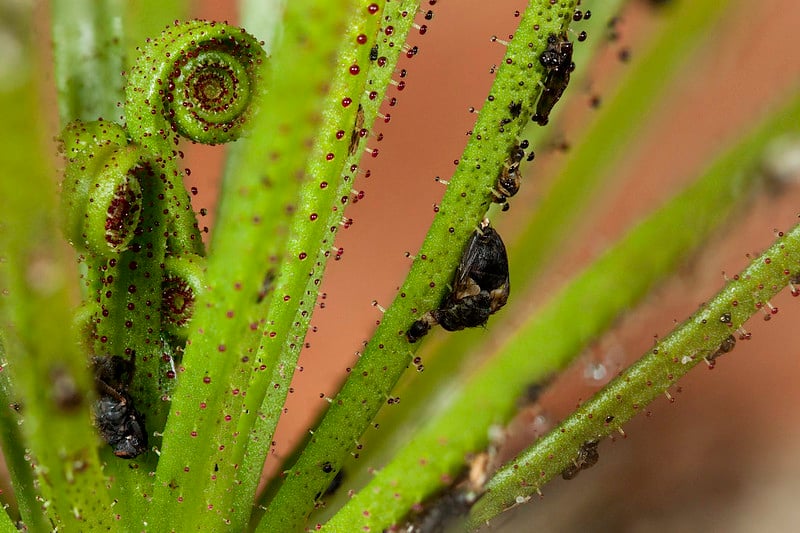
Australia’s rainbow plant earned its nickname from the multicolored dewdrops that cover its needle-like leaves throughout the growing season. These colorful droplets contain powerful enzymes that can dissolve small flying insects within hours of capture, while the plant absorbs nutrients directly through specialized leaf cells.
Monkey Cup
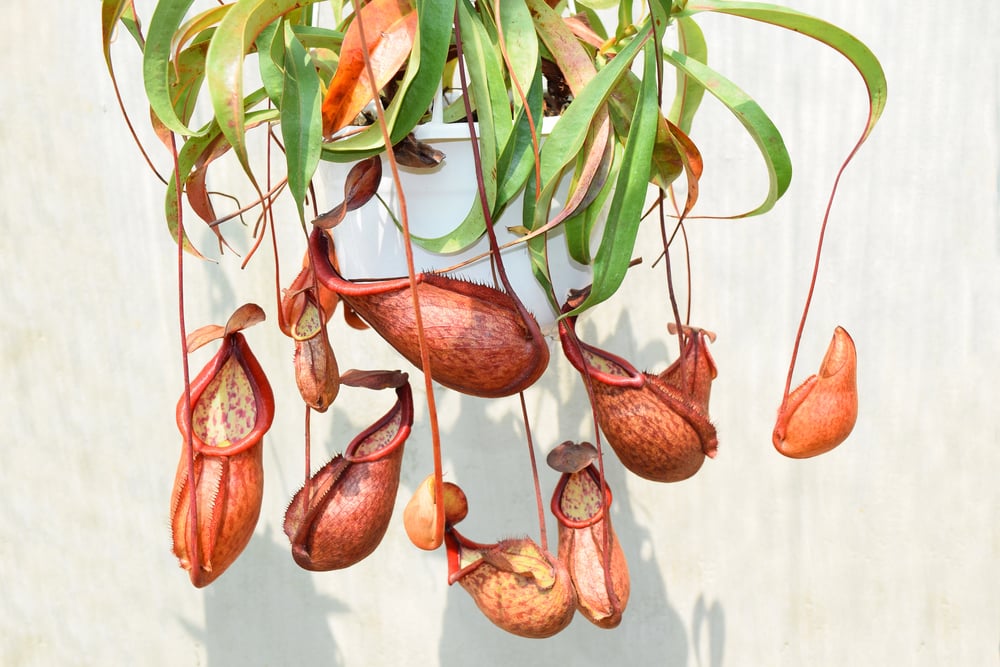
Southeast Asia’s tropical pitcher plants dangle their elaborate traps from vines and tree branches — some large enough to digest small frogs and even birds. The colorful, cup-shaped pitchers feature slippery rims and deep wells filled with digestive fluids that can break down prey over several weeks.
Trumpet Pitcher
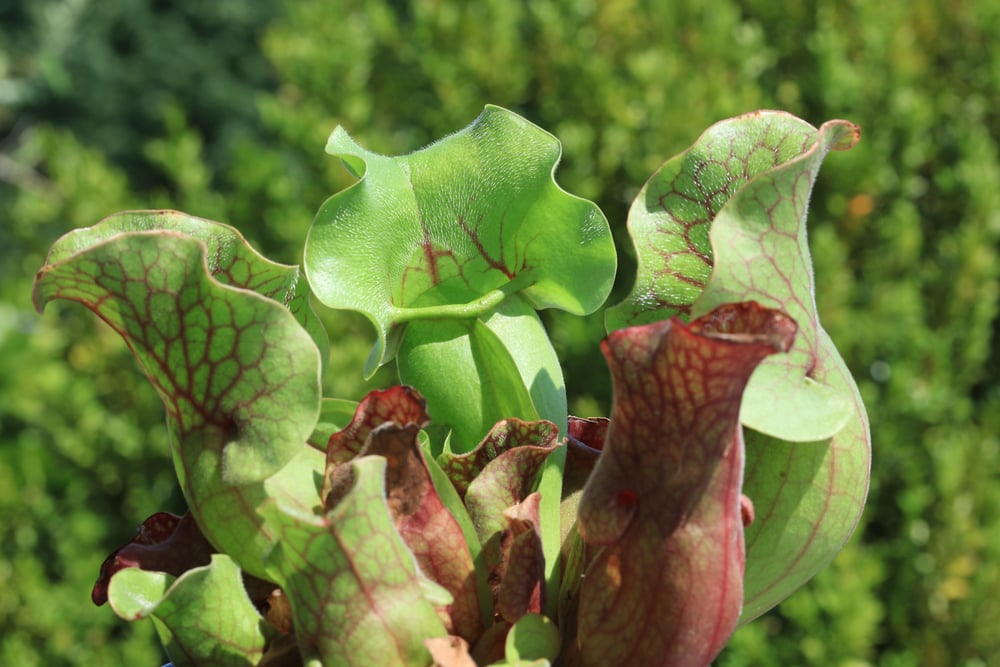
North America’s tallest carnivorous plants can reach over three feet in height — creating impressive trumpet-shaped traps that capture flying insects with remarkable efficiency. The plants often develop distinctive red veining and colorful hoods that make them among the most beautiful bog plants while serving as deadly insect magnets.
Round-leaved Sundew
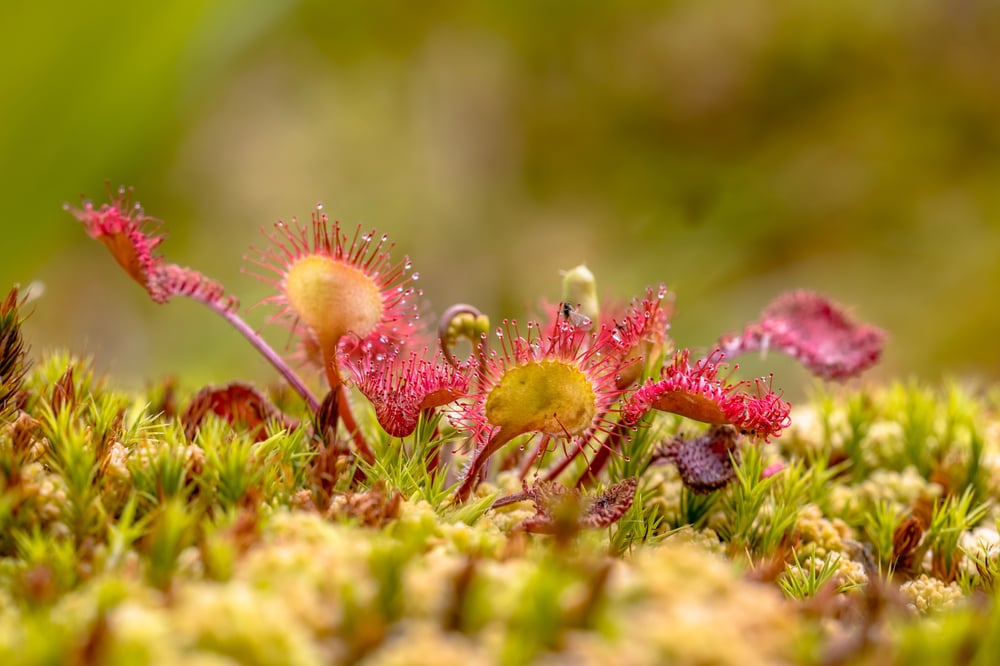
This tiny European native spreads its circular, gem-studded leaves close to the ground in sphagnum bogs and wet meadows. Despite its small size, round-leaved sundew can capture surprisingly large prey including small moths and beetles that become hopelessly entangled in its sticky tentacles.
Thread-leaved Sundew
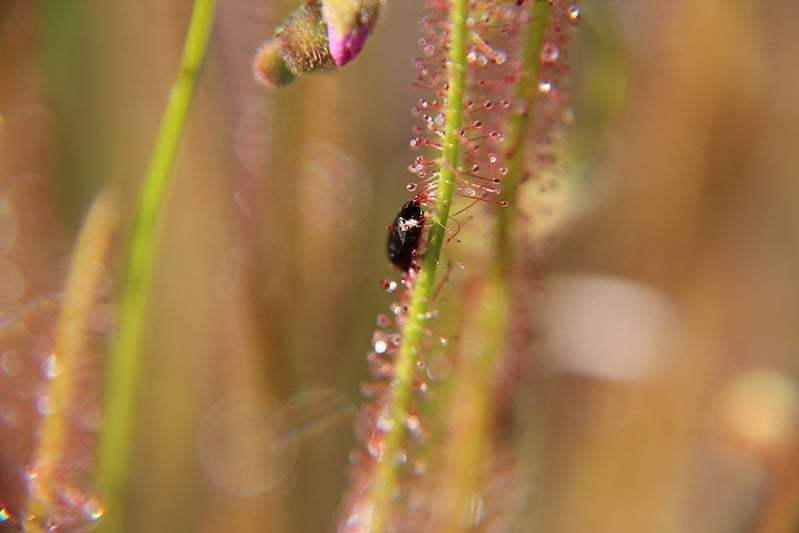
With narrow, grass-like leaves covered in sparkling droplets, this delicate sundew specializes in catching small gnats and midges that frequent boggy areas. The thread-like foliage waves gently in breezes, helping to entangle flying insects while maximizing the surface area available for trapping prey.
Lobster Pot Plant
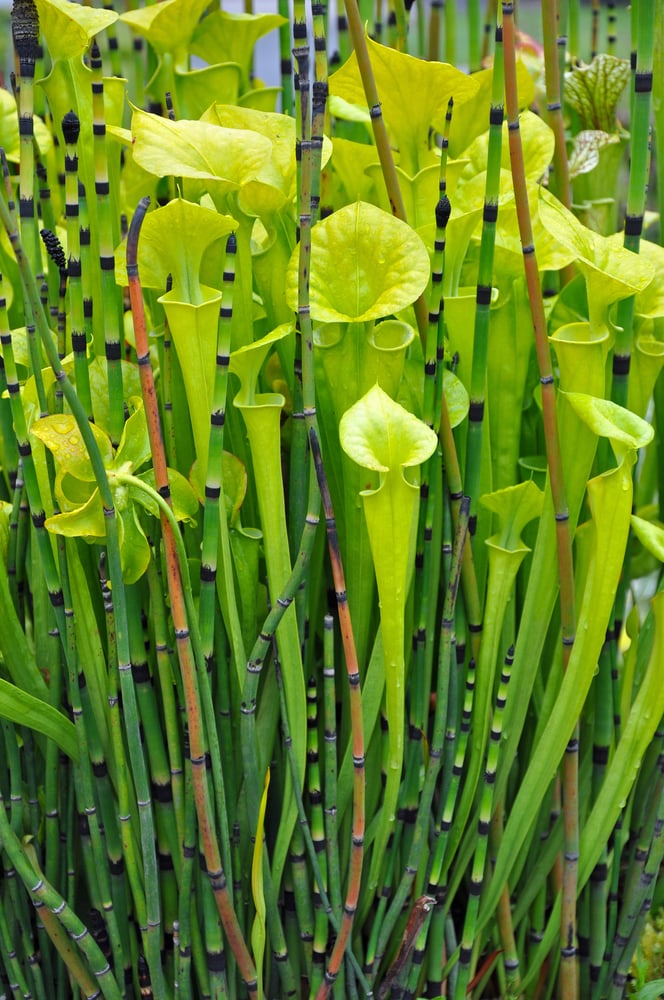
Australia’s underground trapper builds elaborate funnel-shaped chambers beneath the soil surface to capture crawling insects and small arthropods. The plant’s modified leaves form one-way passages that guide prey deeper into digestive chambers where escape becomes impossible and breakdown begins.
Corkscrew Plant
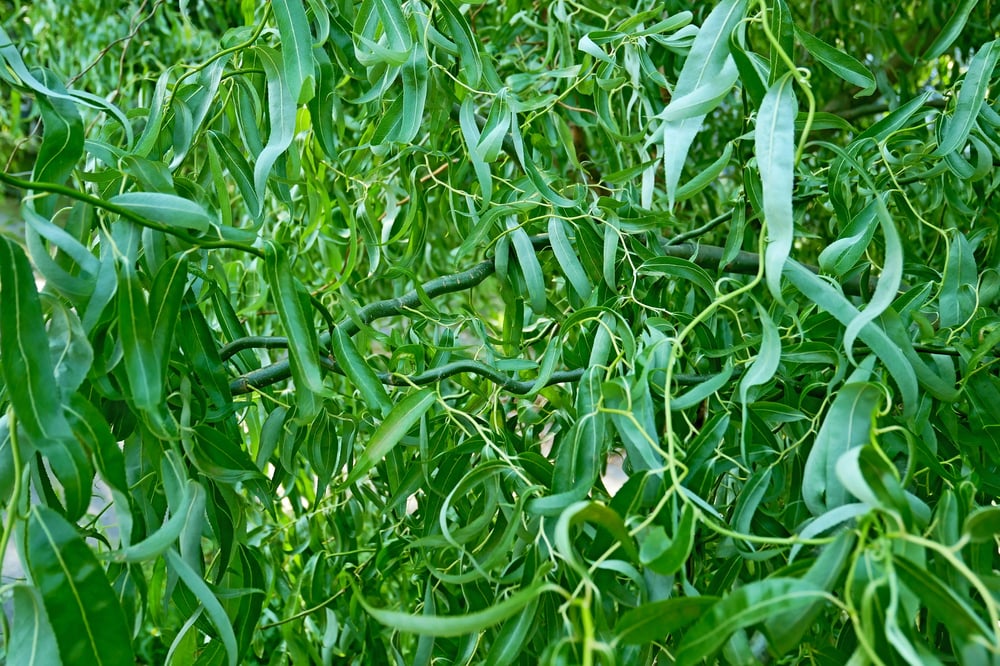
This South African specialist produces twisted, corkscrew-shaped leaves that form deadly spiral traps for small crawling insects. The narrow passages force prey to move in one direction only — deeper into the plant’s digestive zone where specialized enzymes await their arrival.
Albany Pitcher Plant
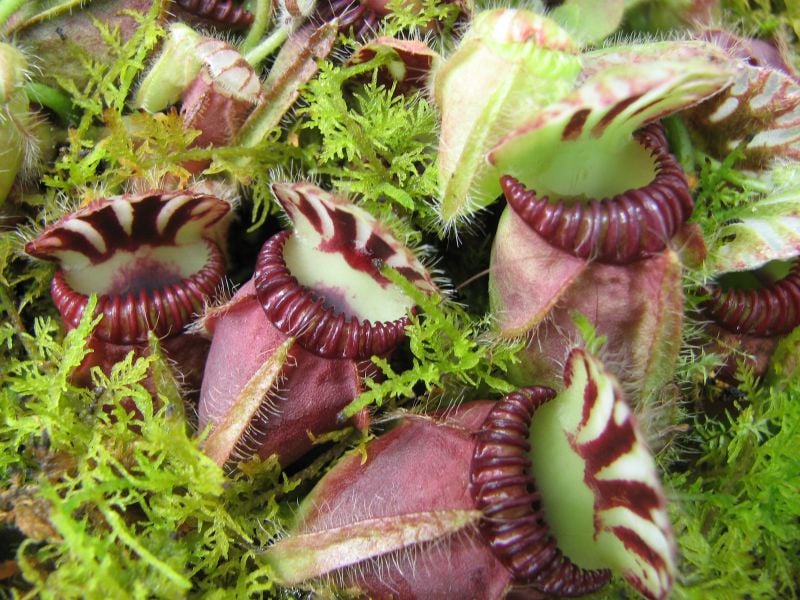
Western Australia’s rare Albany pitcher plant creates some of the most sophisticated pitfall traps in the botanical world, complete with translucent windows and umbrella-like lids. The elaborate structures can remain active for months, continuously capturing and digesting small insects while recycling nutrients in the sandy, nutrient-poor soils of their coastal habitat.
Turning the Tables
These remarkable botanical predators remind us that evolution never stops surprising us with creative solutions to life’s challenges. In environments where traditional nutrients are scarce, these plants developed extraordinary hunting abilities that would make any predator proud. As we continue studying carnivorous plants, they’re teaching us valuable lessons about adaptation, efficiency, and the endless creativity of life on Earth — while potentially inspiring new technologies in everything from robotics to medical devices.
More from Go2Tutors!

- 16 Historical Figures Who Were Nothing Like You Think
- 12 Things Sold in the 80s That Are Now Illegal
- 15 VHS Tapes That Could Be Worth Thousands
- 17 Historical “What Ifs” That Would Have Changed Everything
- 18 TV Shows That Vanished Without a Finale
Like Go2Tutors’s conte



