15 Rare Celestial Events That Only Happen Once In A Century
The night sky has been humanity’s most reliable storyteller for thousands of years, yet it still manages to surprise us. While we’ve grown accustomed to the moon’s predictable phases and the seasonal march of constellations, the universe occasionally puts on shows so rare that entire generations pass without witnessing them.
These celestial spectacles unfold on timescales that dwarf human lifetimes, making each appearance feel like a personal gift from the cosmos.
Total Solar Eclipse Over The Same Location
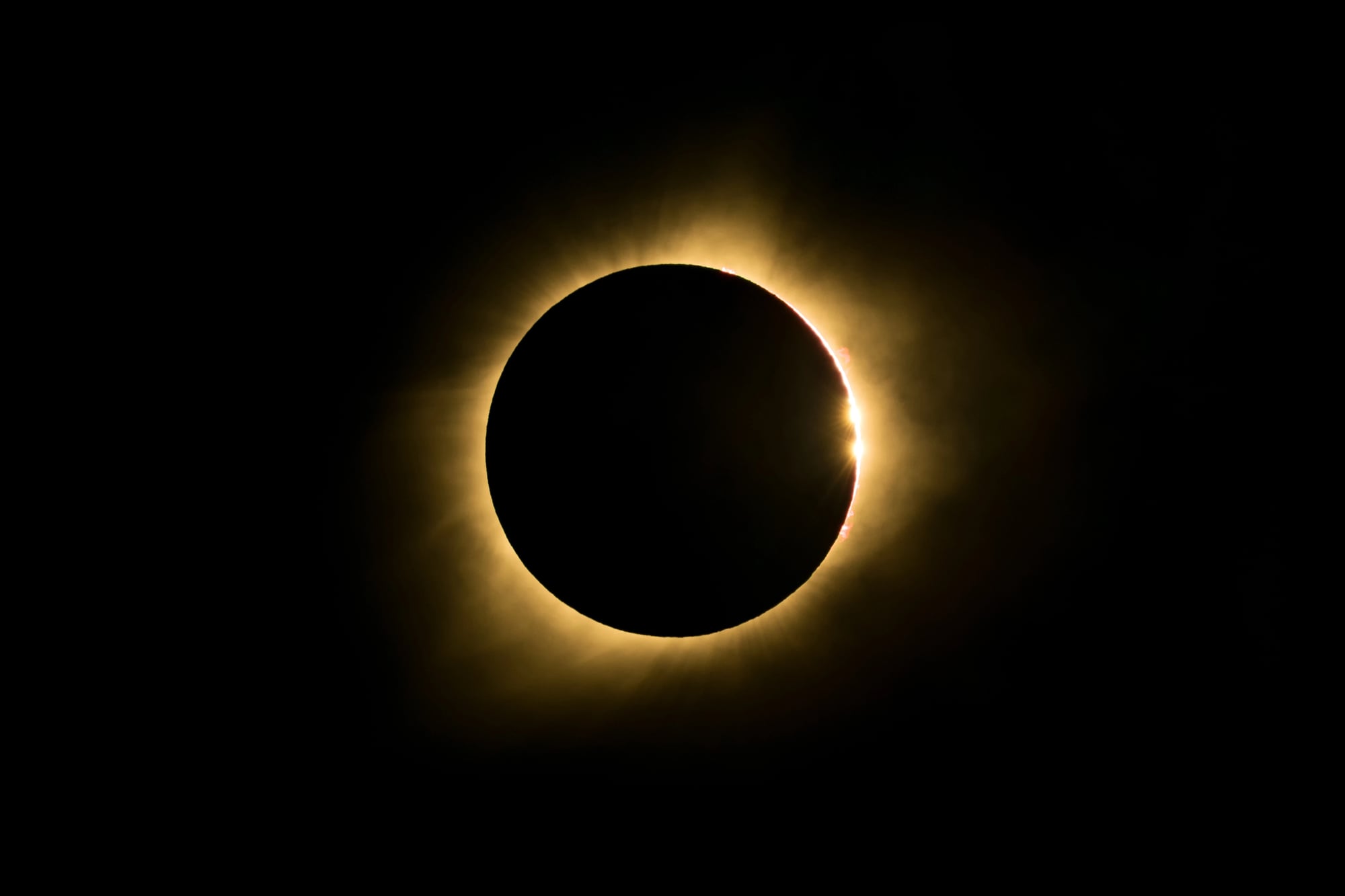
Your great-great-grandchildren might see the next one. The math is brutal: any given spot on Earth experiences a total solar eclipse roughly once every 375 years.
That diamond ring effect, the sudden temperature drop, the eerie twilight in the middle of the day — all of it happens and then vanishes for centuries. Most people travel thousands of miles chasing totality because waiting isn’t really an option.
Venus Transit Across The Sun
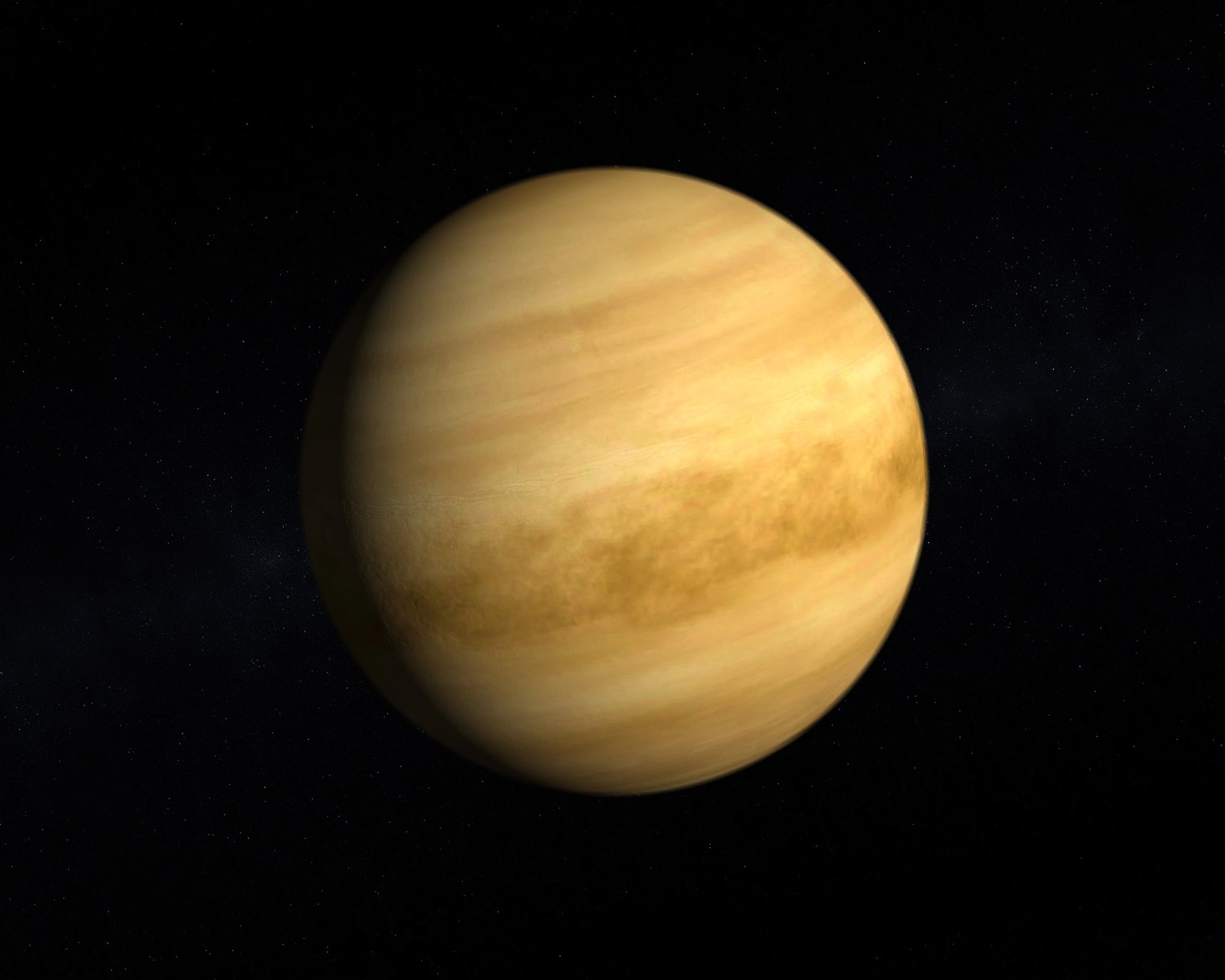
Venus transits come in pairs separated by eight years, then nothing for more than a century. The last pair occurred in 2004 and 2012.
The next pair? 2117 and 2125. When it happens, Venus appears as a tiny black dot crawling across the Sun’s face over several hours.
It’s subtle compared to a solar eclipse, but historically significant — these transits helped astronomers calculate the size of our solar system for the first time.
Planetary Grand Alignment
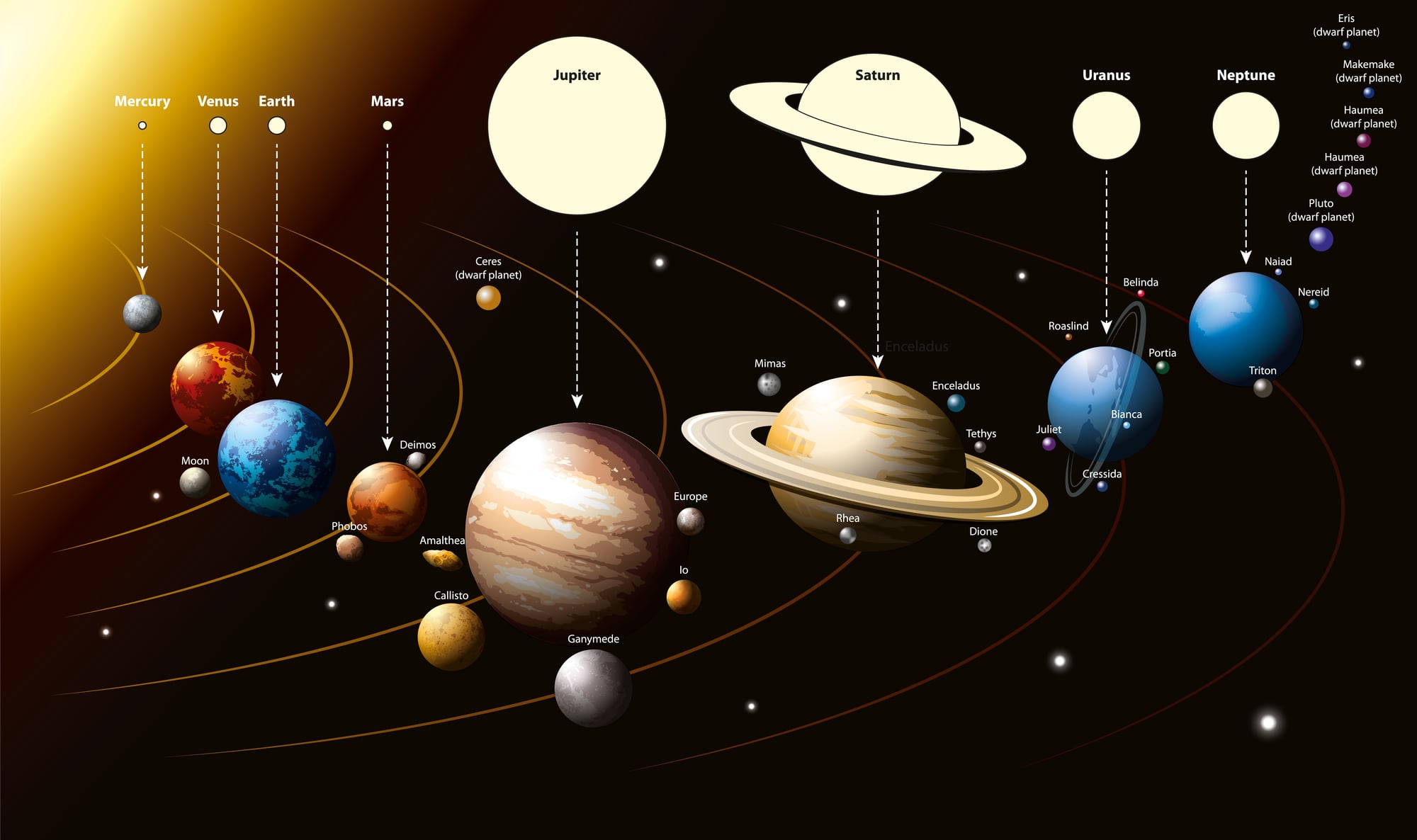
The planets don’t actually line up in a perfect row (despite what disaster movies suggest), but when several major planets cluster within a narrow section of sky, astronomers call it a grand alignment. The more planets involved, the rarer it becomes.
A true alignment of all visible planets happens roughly once every 170 years, though you can witness impressive groupings of four or five planets every few decades. But here’s the thing about cosmic choreography: it unfolds with a patience that makes geological time seem rushed, and when the dance finally peaks, it feels less like an event and more like the universe briefly organizing its thoughts before returning to beautiful chaos.
The planets don’t announce themselves with fanfare — they simply appear closer together in the sky, creating a scene that our ancestors would have interpreted as either divine favor or impending doom, depending on the century. And yet the real magic isn’t in the alignment itself but in how it forces you to consider the vast machinery of orbital mechanics, the way these worlds have been following their prescribed paths for billions of years, occasionally converging in patterns visible from our particular vantage point for just a few nights before drifting back into their separate corners of space.
Great Comet Appearances
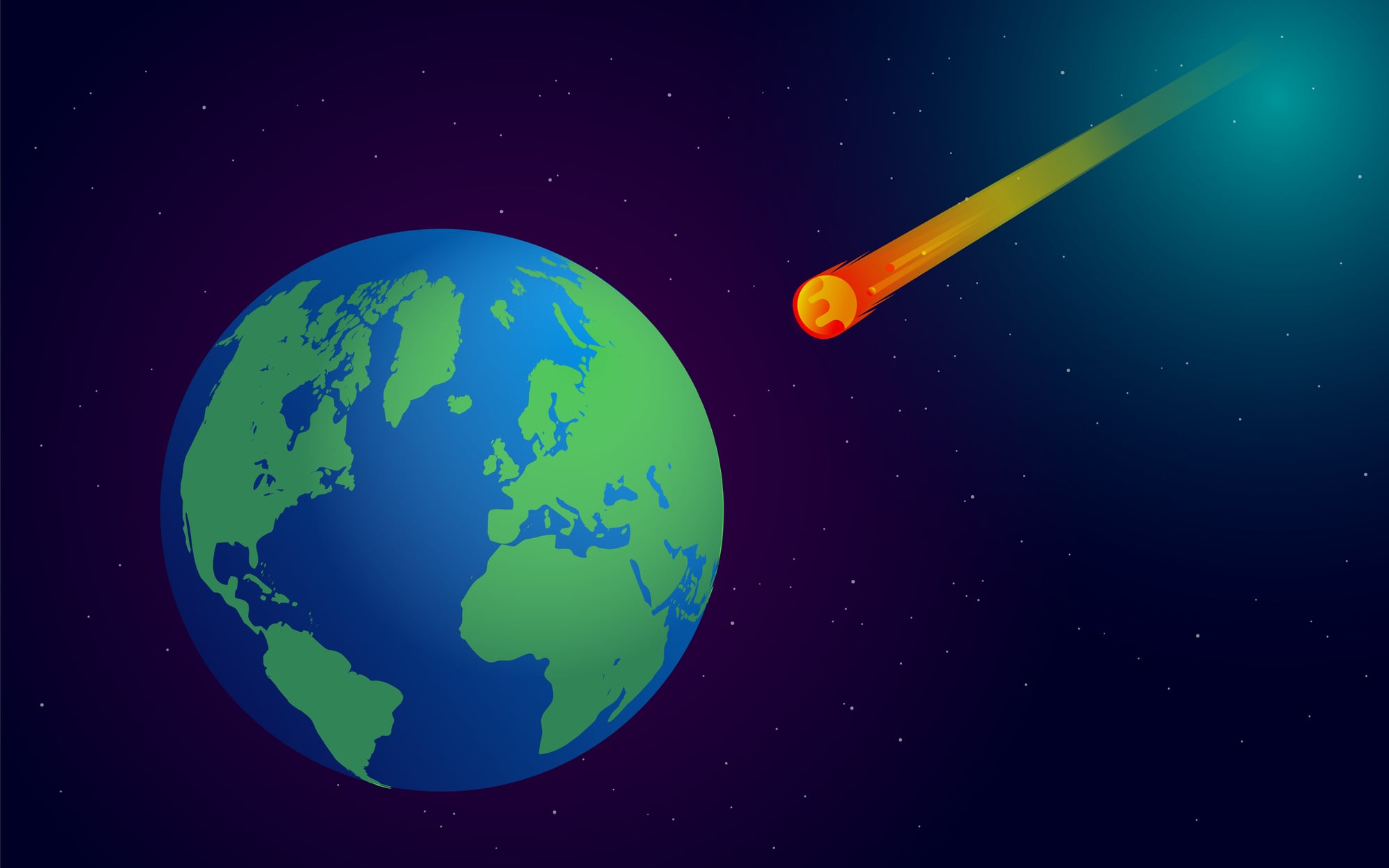
Great comets are the divas of astronomy. They show up unannounced, steal every headline for months, then disappear for centuries or millennia.
Hale-Bopp graced our skies from 1996 to 1997 and won’t return for another 2,533 years. Halley’s Comet operates on a more predictable 76-year schedule, but most great comets follow wildly eccentric orbits that make their return dates anyone’s guess.
These aren’t your typical binocular targets. Great comets develop tails visible to the unaided eye and can dominate the night sky for weeks.
Supernova In Our Galaxy
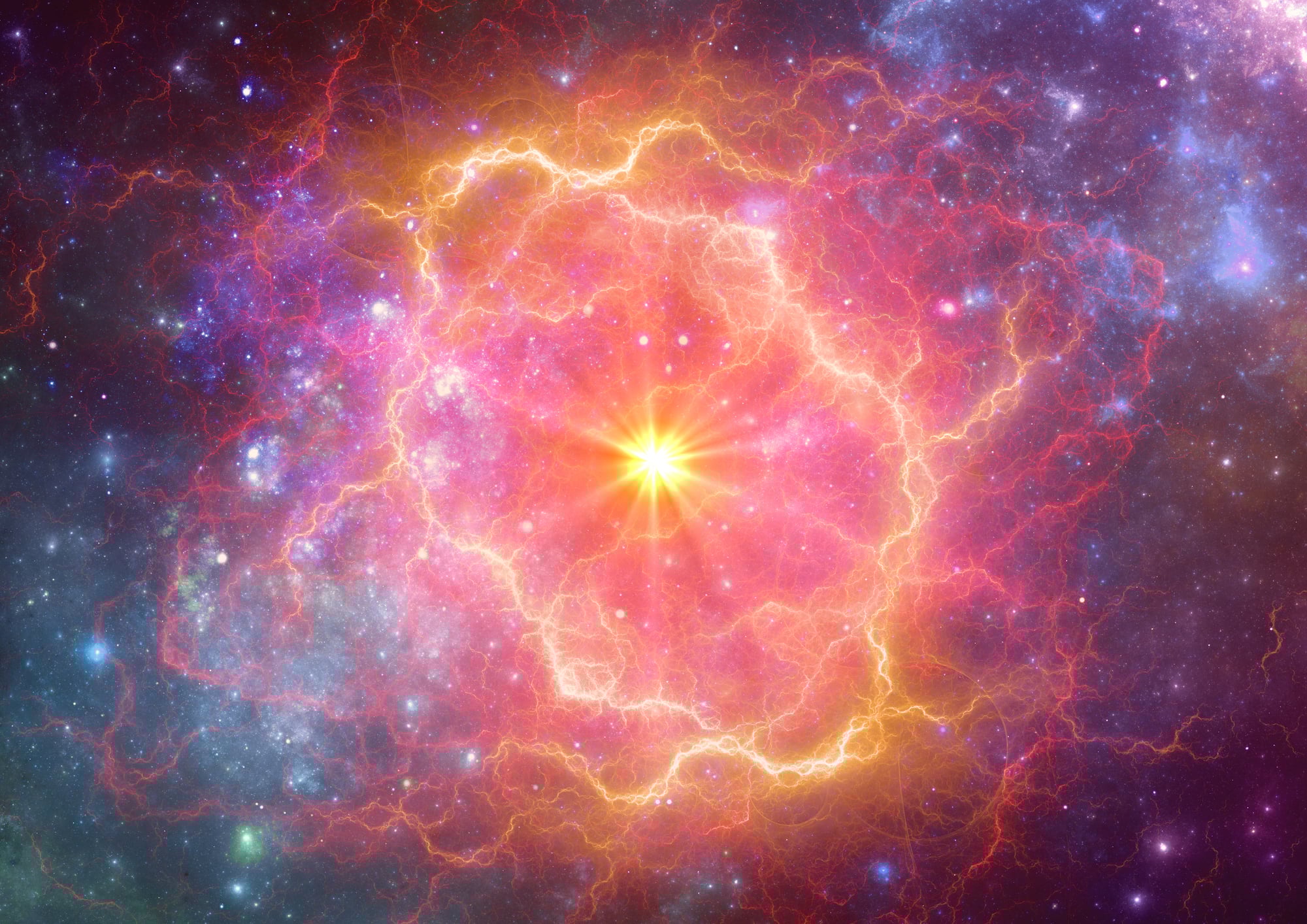
The Milky Way hasn’t produced a supernova visible to the unaided eye since 1604. Kepler observed that one, and before that, Tycho Brahe spotted another in 1572.
These stellar explosions briefly outshine entire galaxies, but they’re frustratingly rare in our cosmic neighborhood. Astronomers estimate that supernovae occur in our galaxy roughly once every 50 years, but most are hidden behind dust clouds or occur on the far side of the galactic center.
The next nearby supernova will likely be visible during the day and might cast shadows at night.
Lunar Eclipse During Winter Solstice
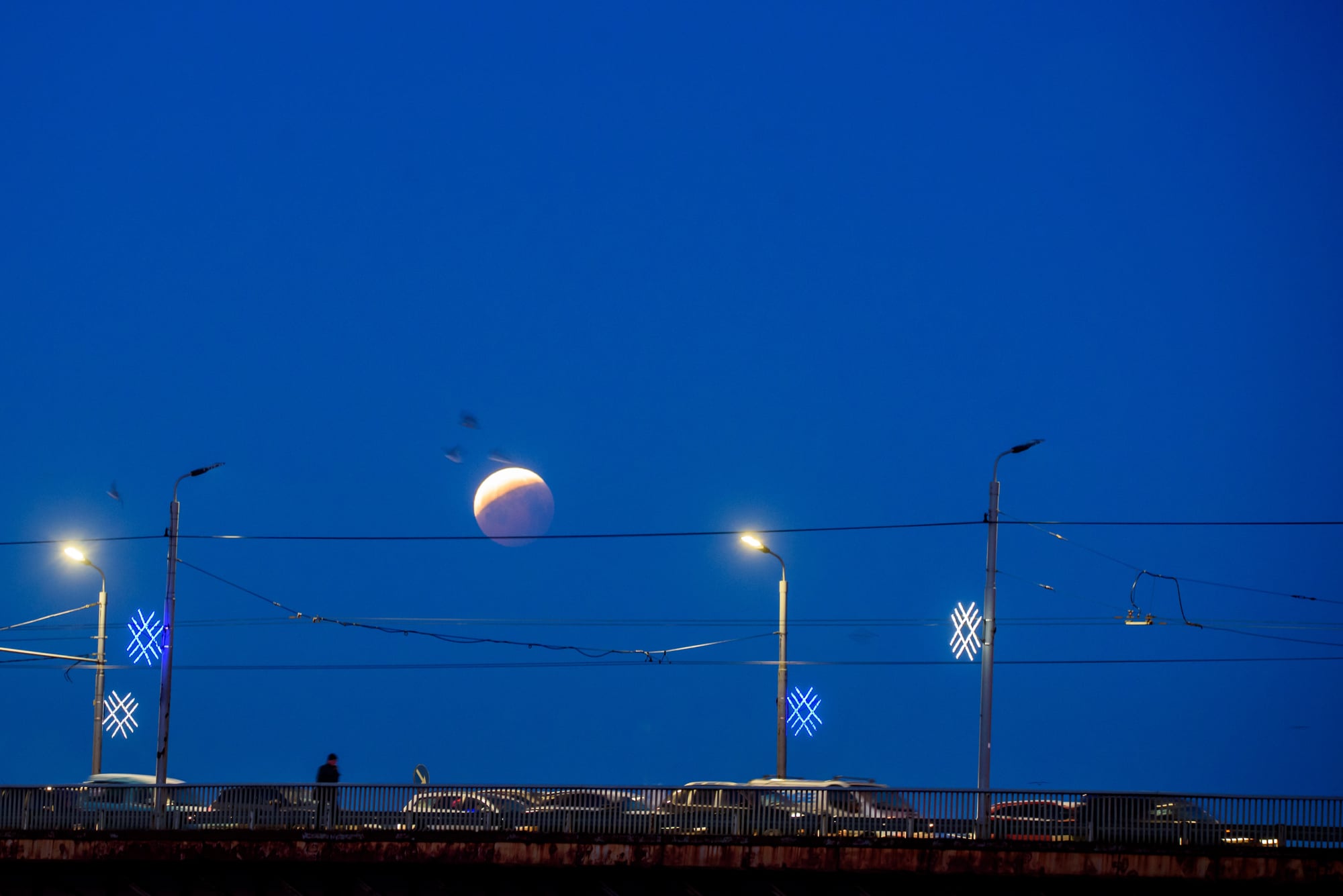
When a total lunar eclipse coincides with the winter solstice, the longest night of the year becomes even more dramatic. This combination happens approximately once every 372 years, though the exact timing varies by location and the precision you demand for “coincidence.”
When a total lunar eclipse coincides with the winter solstice, the longest night of the year becomes even more dramatic. While the December 21, 2010 event demonstrated this rare alignment, such coincidences occur sporadically rather than on a fixed centuries-long cycle.
Triple Conjunction Of Planets
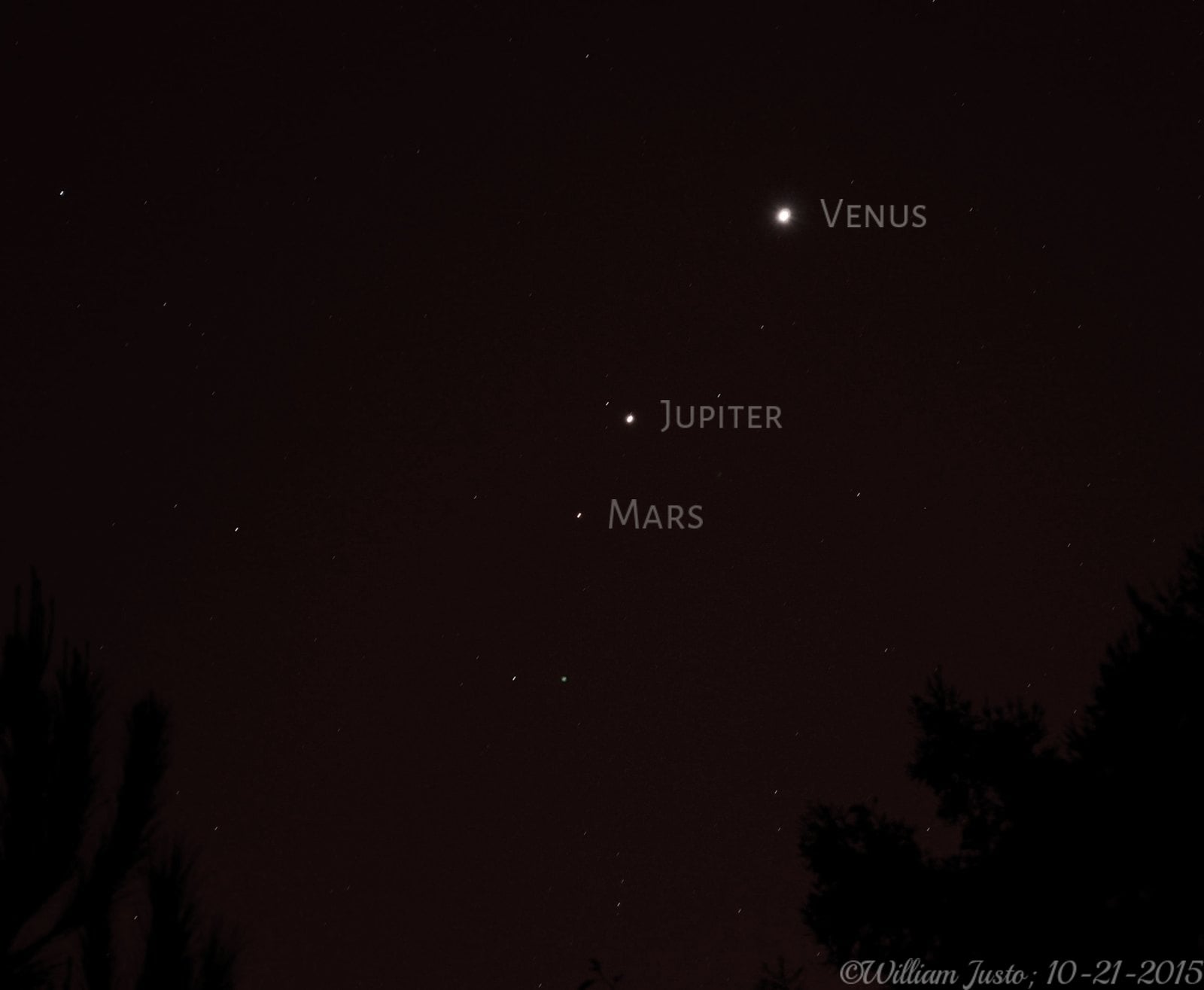
Sometimes planets appear to chase each other across the sky like cosmic bumper cars, creating what astronomers call a conjunction when they appear close together from Earth’s perspective. A triple conjunction occurs when three planets cluster within a small area of sky — typically within 5 degrees of each other.
The rarest versions involve the outer planets Jupiter, Saturn, and Mars, whose slow orbital periods make such meetings exceedingly uncommon. These events can stretch across several months as the planets perform an intricate dance of approach, alignment, and separation.
Occultation Of A Bright Star By An Asteroid
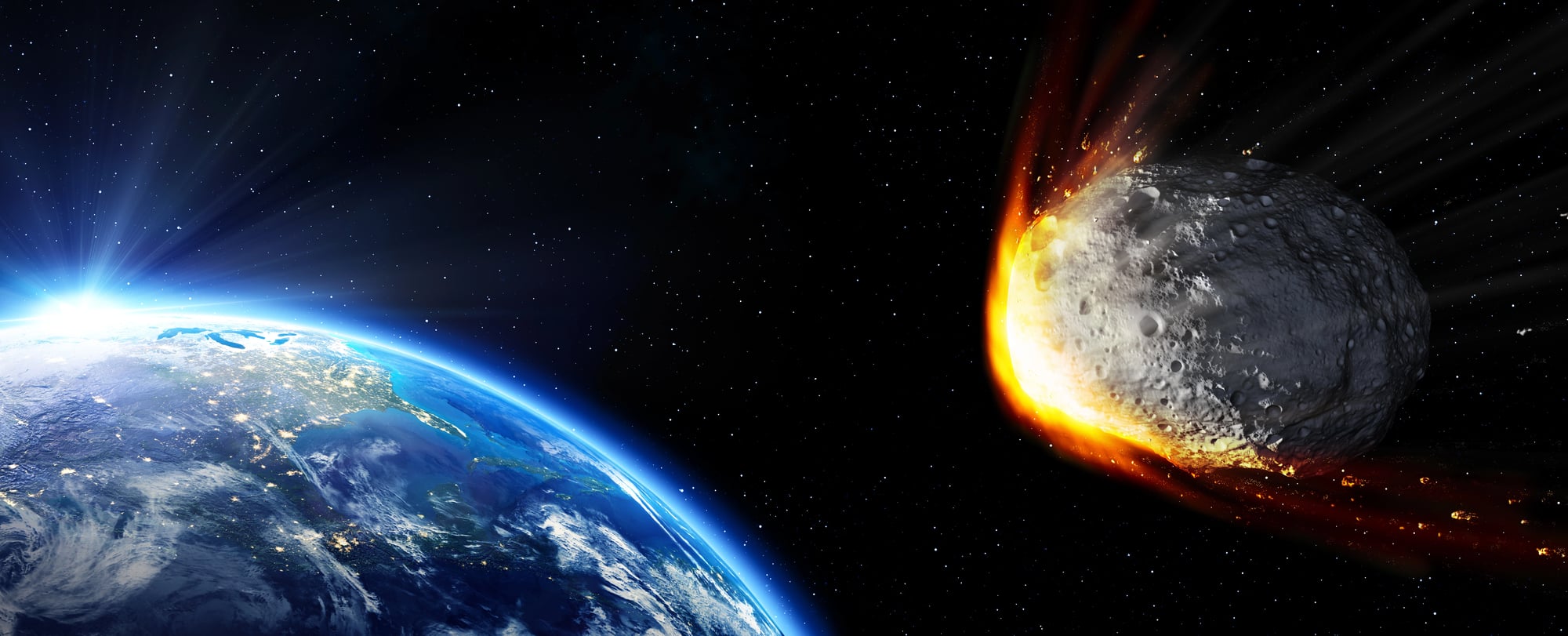
Picture a star winking out for a few seconds as an asteroid passes directly in front of it. From your backyard, the star simply vanishes and reappears, but astronomers use these events to measure asteroid sizes and shapes with remarkable precision.
The catch? You need to be standing in exactly the right place — often within a narrow path just a few miles wide — at exactly the right time. Miss the path by a few blocks, and you see nothing.
Most asteroid occultations visible to amateur astronomers involve dim stars, but occasionally a bright star gets occulted, creating a memorable event for anyone positioned correctly.
Blue Moon Lunar Eclipse
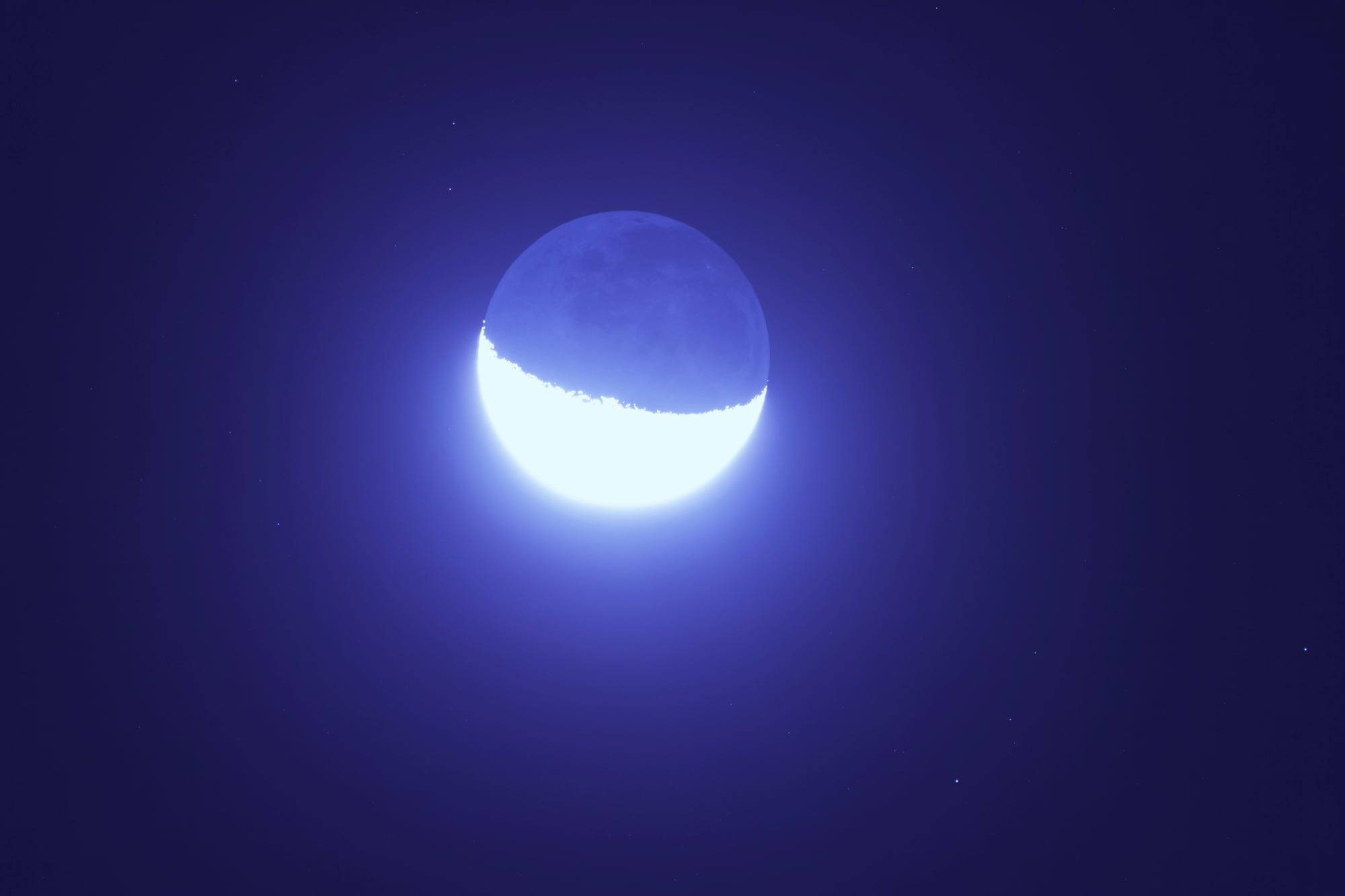
The phrase “once in a blue moon” exists for good reason. A blue moon (the second full moon in a calendar month) occurs roughly every 2.7 years.
A lunar eclipse during any given full moon is much rarer. Combine them, and you’re looking at an event that might happen once or twice per century, depending on your definition of “blue moon” and your location on Earth.
During the eclipse, the moon takes on the typical reddish hue from Earth’s atmosphere, making the “blue moon” decidedly non-blue.
Bright Comet During Solar Minimum
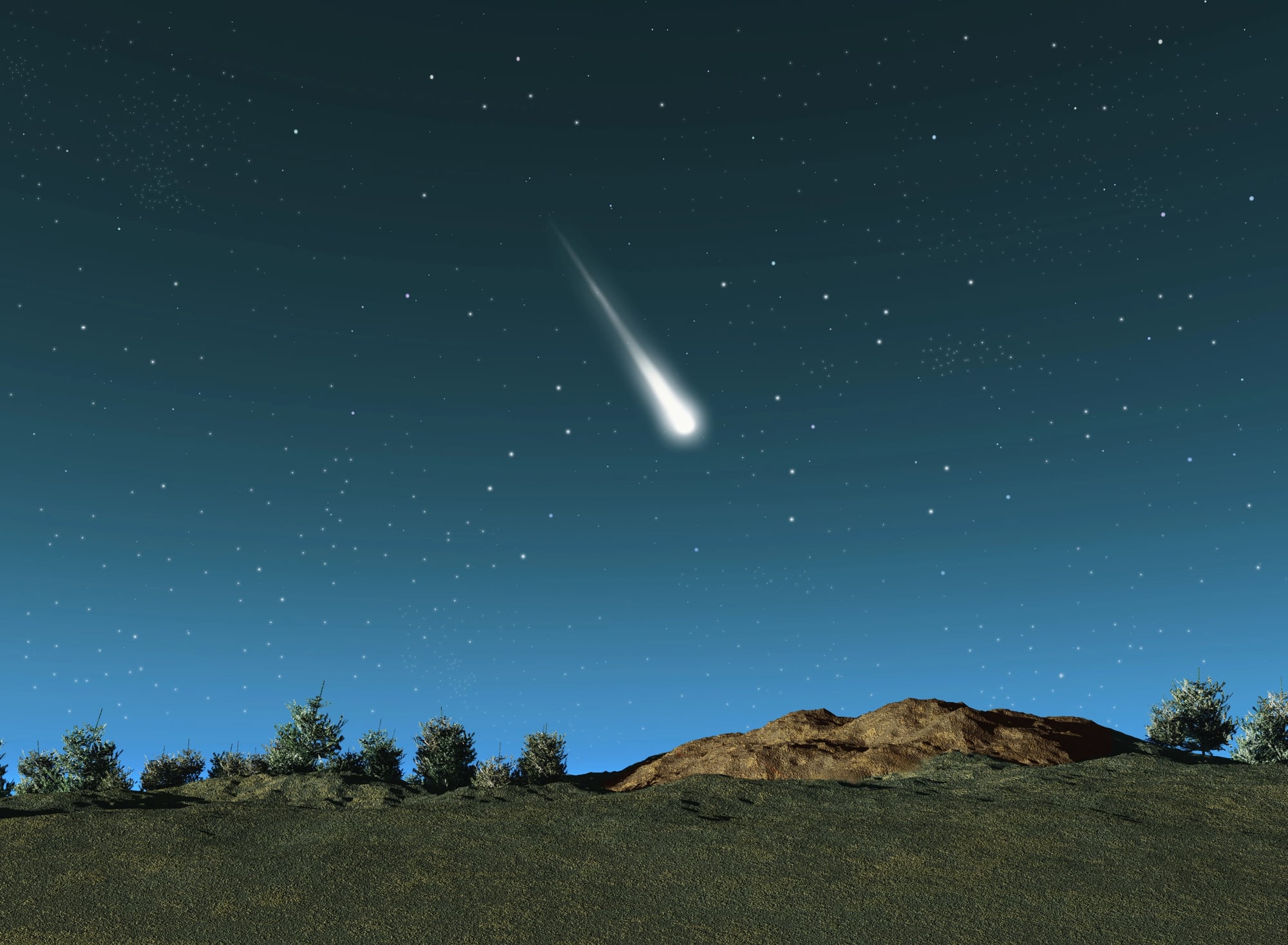
Solar minimum marks the quiet phase of the Sun’s 11-year cycle, when sunspot activity drops to nearly zero and the solar wind weakens. This creates ideal conditions for observing faint celestial objects, but great comets don’t consult the solar calendar before making their appearances.
When a bright comet does arrive during solar minimum, the reduced solar activity allows its tail to develop more dramatically, and the darker skies (thanks to reduced auroral activity) provide better viewing conditions. This combination is purely coincidental and exceptionally rare.
Ring Of Fire Eclipse On The Equinox
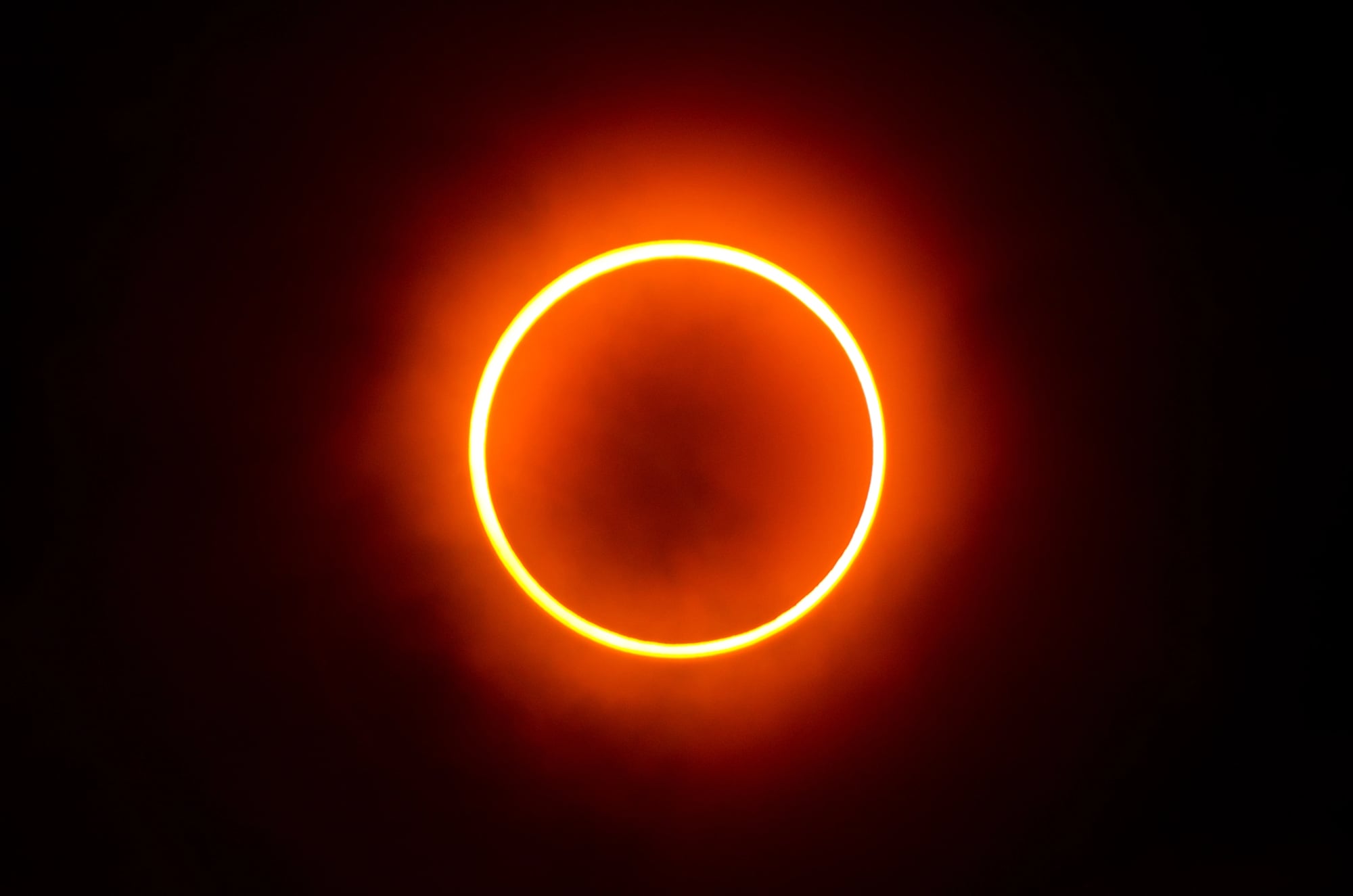
An annular solar eclipse — where the moon appears slightly smaller than the Sun, creating a “ring of fire” effect — coinciding with either the spring or autumn equinox happens roughly once every 400 years at any given location. The symbolism feels intentional: the day when light and darkness achieve perfect balance, marked by a solar eclipse that creates its own perfect ring.
The last notable ring of fire eclipse near an equinox occurred in March 2016, though not visible from all locations.
Planetary Nebula Becomes Visible To Eye
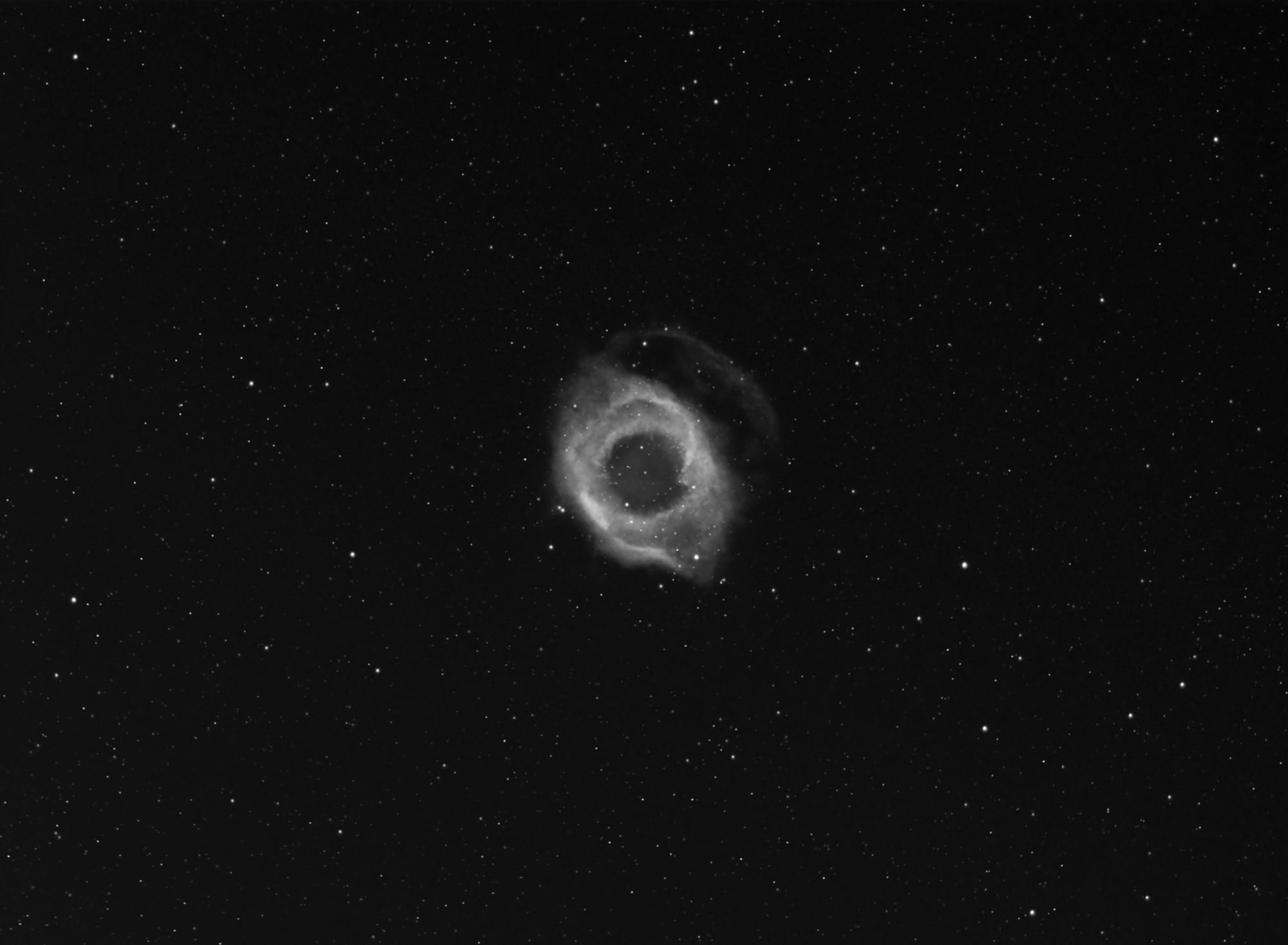
Most planetary nebulae (the glowing shells of gas expelled by dying stars) require telescopes to observe, but occasionally one brightens enough to become visible to the unaided eye. This typically happens when the central white dwarf star experiences a late helium flash or when viewing conditions are exceptionally favorable.
These events are unpredictable and often short-lived, lasting anywhere from weeks to a few years before fading back below eye visibility. The Ring Nebula and Cat’s Eye Nebula have both experienced such brightening events in recorded history.
Meteor Storm From Extinct Comet
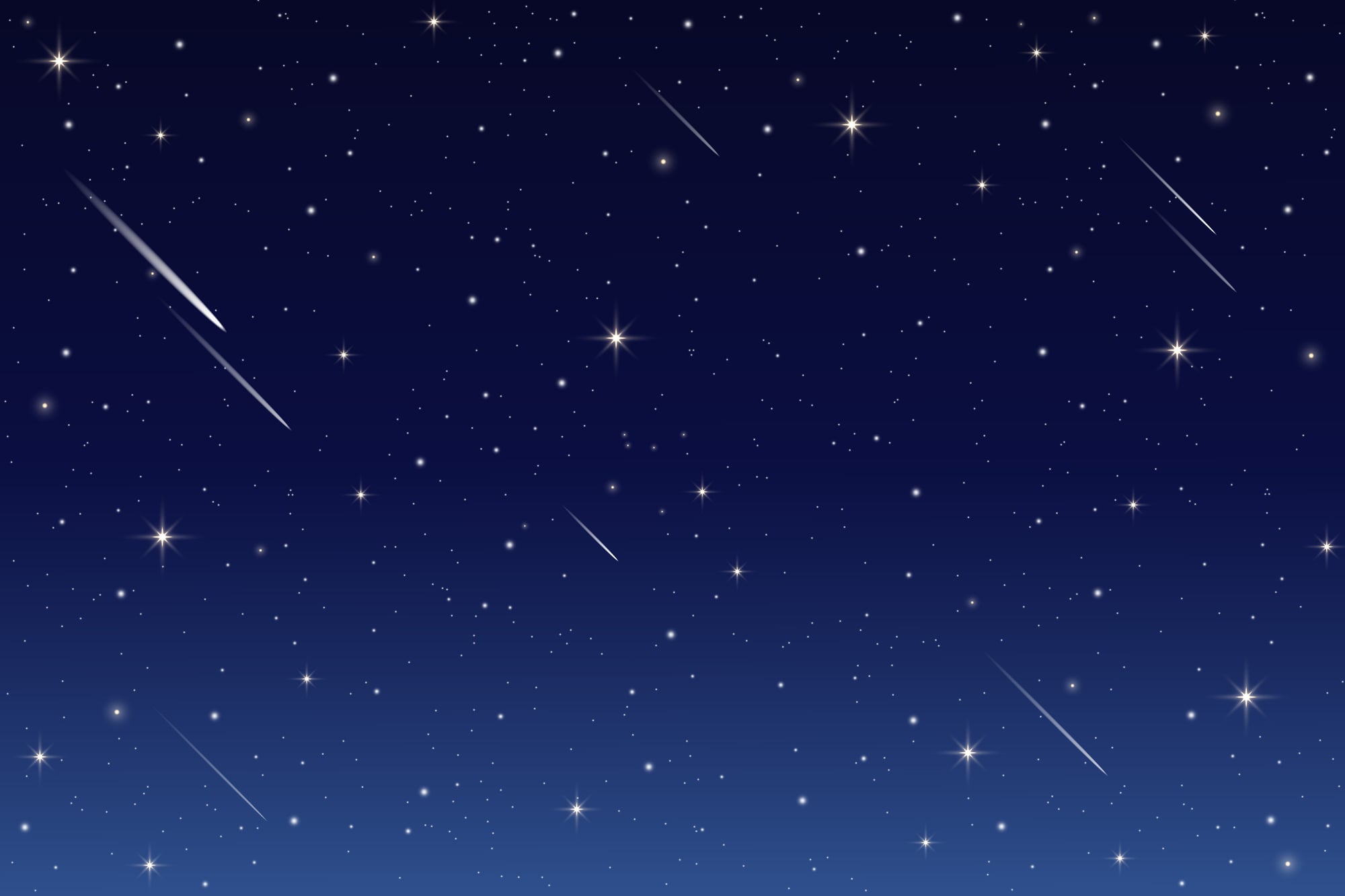
Most annual meteor showers produce steady rates of 10-60 meteors per hour, but meteor storms unleash thousands per hour when Earth passes through a particularly dense trail of comet debris. The Leonids produced spectacular storms in 1833, 1866, and 1966, with rates exceeding 100,000 meteors per hour at peak.
The really exceptional storms come from comets that no longer exist — they’ve either broken apart completely or been gravitationally ejected from the solar system, leaving behind dense debris fields that Earth encounters unpredictably.
Eclipse Of Jupiter By Saturn
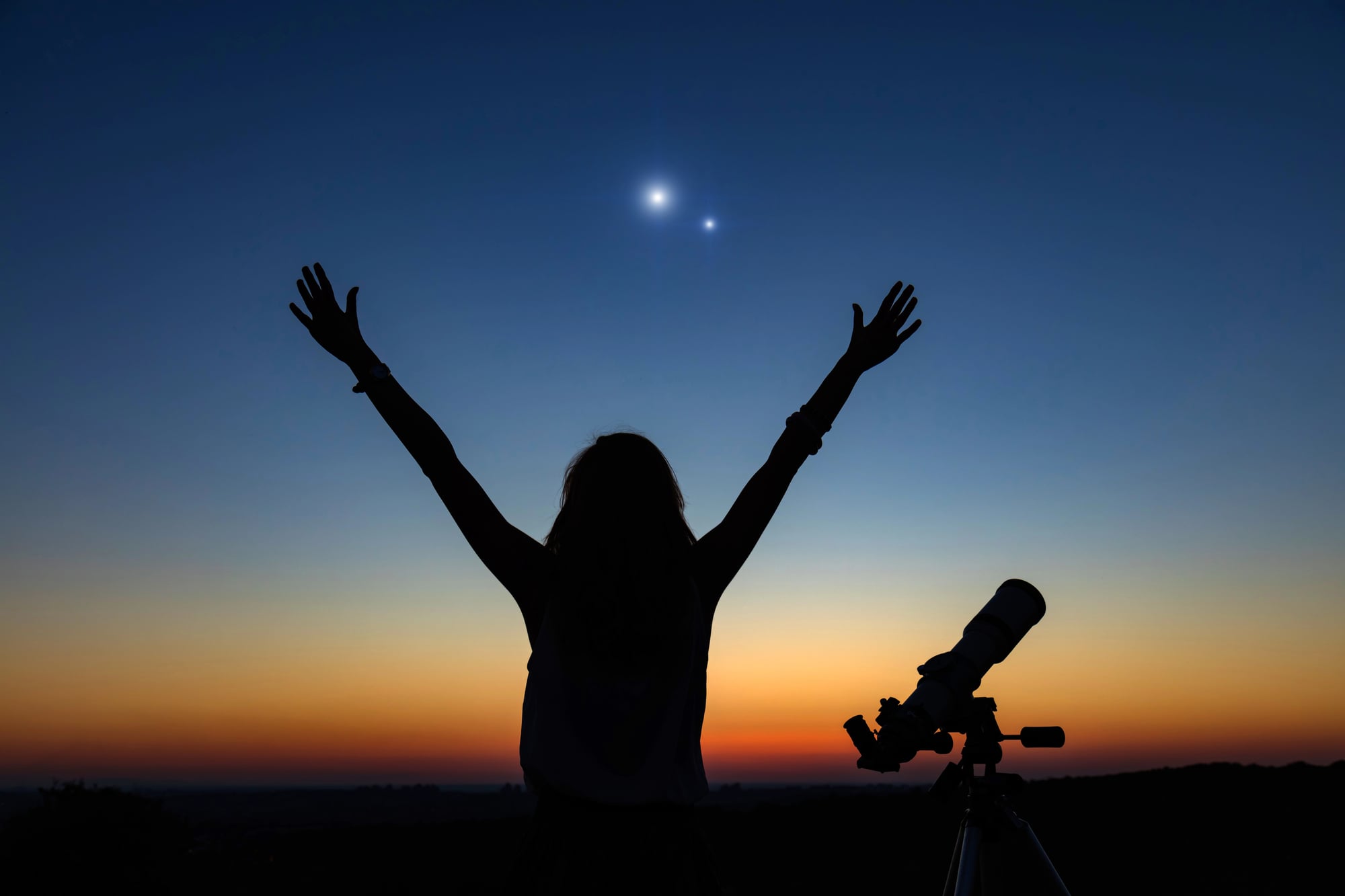
From Earth’s perspective, Saturn occasionally appears to pass in front of Jupiter, creating an eclipse of one planet by another. These events are extremely rare because both planets move slowly along their orbits, and the alignment must be nearly perfect from our vantage point.
The last Jupiter-Saturn eclipse visible from Earth occurred in 1623, just after their Great Conjunction. The next one won’t happen until 2239.
During these events, Jupiter appears to disappear behind Saturn’s disk for several hours, then slowly emerges on the other side.
Aurora At The Equator
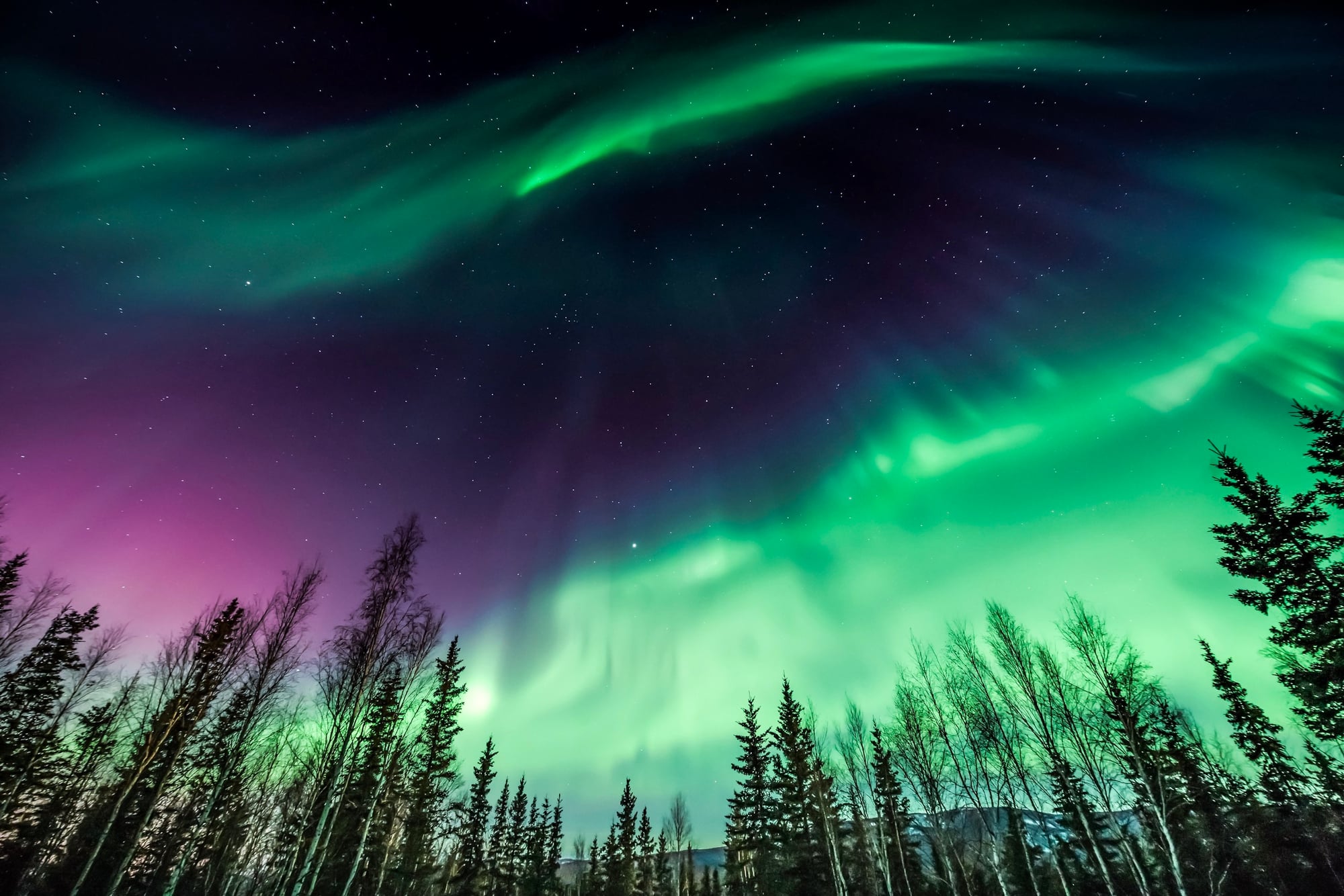
Auroras typically remain confined to polar regions, but extreme geomagnetic storms can push them toward the equator. The most powerful geomagnetic storm in recorded history, the Carrington Event of 1859, produced auroras visible as far south as the Caribbean and Hawaii.
Telegraph systems failed worldwide, and gold miners in the Rocky Mountains reportedly woke up thinking it was dawn because the auroras were so bright. Such extreme storms capable of producing equatorial auroras occur perhaps once or twice per century, if that.
When The Sky Catches Its Breath
These rare celestial events remind us that the universe operates on timescales that make human history feel like a brief flicker. The sky we think we know — predictable, familiar, comforting in its routine — occasionally breaks character and reveals depths we’d forgotten were there.
Each of these phenomena carries the weight of centuries between appearances, making every sighting feel both humbling and precious. The next time you glance up at an ordinary night sky, remember that somewhere in that vast clockwork, the next once-in-a-century event is already taking shape.
The only question is whether we’ll be patient enough to wait for it.
More from Go2Tutors!

- The Romanov Crown Jewels and Their Tragic Fate
- 13 Historical Mysteries That Science Still Can’t Solve
- Famous Hoaxes That Fooled the World for Years
- 15 Child Stars with Tragic Adult Lives
- 16 Famous Jewelry Pieces in History
Like Go2Tutors’s content? Follow us on MSN.



