15 Weirdest Cocktails Bartenders Invented
There’s a certain kind of bartender who isn’t satisfied with the classics. They look at a perfectly good Manhattan and think, “what if it had beef broth in it?” or stare at a gin bottle and wonder how it would pair with blue cheese.
Most people would stop there. These bartenders did not.
The results are strange, sometimes brilliant, occasionally questionable — and almost always worth knowing about.
The Smoky Bone Luge

This one starts with an actual bone. A large roasted marrow bone sits on the bar, and once the marrow is eaten, the hollow cavity becomes the shot glass.
Whiskey gets poured in one end and slides out the other end directly into your mouth, picking up fat and smoke along the way. It’s part cocktail, part dining experience, part primal ritual.
Some restaurants in New York and Chicago popularized it, and it spread from there. The flavor is richer than you’d expect — almost savory in a way that makes whiskey taste like it belongs at a steakhouse.
Liquid Nitrogen Fog Drinks

Bartenders started using liquid nitrogen not just for theatrics but because the rapid chilling changes the texture of the drink. The result is a cocktail surrounded by a thick fog that rolls over the bar and down to the floor.
You look like you’re drinking something conjured in a cave. The technique works best with citrus-forward cocktails — the cold temperature sharpens the brightness.
But the presentation is really the point. Nobody orders the fog drink without wanting their friends to see it.
The Caesar (Canada’s Proudest Invention)

Americans know Bloody Mary. Canadians made something stranger and arguably better.
The Caesar swaps tomato juice for Clamato — a blend of clam broth and tomato juice. It sounds like a mistake.
It isn’t. The clam broth adds a subtle briny depth that regular tomato juice can’t match, and with vodka, hot sauce, Worcestershire, and a celery salt rim, the whole thing comes together in a way that’s almost impossible to explain until you’ve had one.
Canada consumes hundreds of millions of these every year. Most Americans still haven’t tried one.
Bacon-Infused Bourbon Cocktails

Fat washing is the technique, and it works like this: melted bacon fat gets mixed with bourbon, the whole thing chills in the freezer until the fat solidifies, and then the fat is strained out. What’s left is bourbon that carries the smokiness and savory notes of bacon without any greasiness.
The drink tastes like someone figured out how to bottle a Sunday morning. Bartenders at craft cocktail bars have been doing this for over a decade, and it’s one of those techniques that sounds weird until the first sip.
The Dirty Shirley Gone Wrong

The Dirty Shirley — grenadine, lemon-lime soda, and vodka — is already a playful drink. But some bars pushed it into genuinely bizarre territory by adding pickle brine, turning it into a sweet-salty contradiction.
The grenadine’s sweetness fights the brine, and somehow the vodka holds it together. Bars in the American South started playing with this combination around 2020, partly as a pandemic-era experiment.
It works better than it has any right to.
Charcoal Cocktails

Activated charcoal turns drinks jet black. The trend hit cocktail menus hard around 2015 and never fully left.
A black margarita or a black gin and tonic looks striking in a way that stops conversations. The charcoal itself is mostly flavorless, so the drink tastes like whatever it would have tasted like anyway, just with a dramatically different appearance.
Some health-focused bars leaned into the detox narrative around charcoal, though most bartenders are upfront that it’s mainly about looks. And the looks are genuinely arresting.
The Sourtoe Cocktail (Dawson City, Canada)

This one has a rule: the pickled human toe must touch your lips. The Sourtoe Cocktail Club at the Downtown Hotel in Dawson City, Yukon, has been serving this since 1973.
The drink itself is usually just a shot of Yukon Jack or similar whiskey — the toe is the point, not the liquid. The toes are donated (always voluntarily, through wills or other arrangements).
There’s a fine if you swallow the toe. Over 100,000 people have done this.
It’s the most committed piece of cocktail theater in the world.
Clarified Milk Punch

Milk punch sounds simple. Clarified milk punch is something else entirely.
The process involves curdling milk with acidic citrus juice, then straining the mixture repeatedly until what’s left is a perfectly clear liquid that carries the richness of dairy without any cloudiness. The texture is silky and the flavor is layered in a way that’s hard to pin down — almost like drinking a very refined version of a sour cocktail.
J.Thomas, one of the founding figures of American bartending, was making versions of this in the 1800s, and modern bars rediscovered it in the 2010s.
Cocktails Served in Lightbulbs

The glassware got strange around 2012. Drinks started arriving in hollowed-out lightbulbs, complete with a metal base stand.
Bars in Southeast Asia and the UK ran with the idea, and it spread globally through food media. The actual drinking experience is a bit awkward — the narrow opening doesn’t do aromatic cocktails any favors — but the photos are undeniable.
Some bars filled the lightbulbs with smoky drinks so the glass itself appeared to be lit from the inside. Function suffered.
Style did not.
The Guinness and Oyster Combination
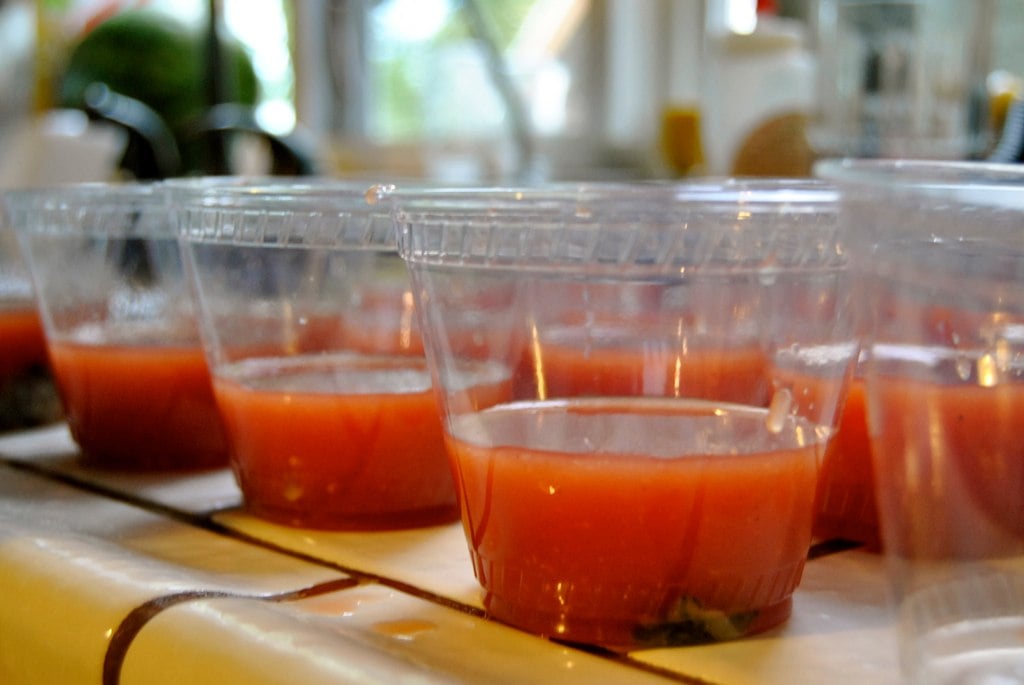
Guinness and oysters have been paired as food and drink for centuries in Ireland. But at some point, bartenders started dropping a raw oyster directly into a pint of stout.
You drink the whole thing, oyster included. The salt from the oyster mingles with the roasted bitterness of the stout in a way that makes both things taste more like themselves.
It’s an extreme version of the food pairing concept — instead of eating alongside the drink, you’re drinking both at the same time. Oyster bars in Dublin and certain spots in New York still serve this.
Cocktails Made with Ant Spirits
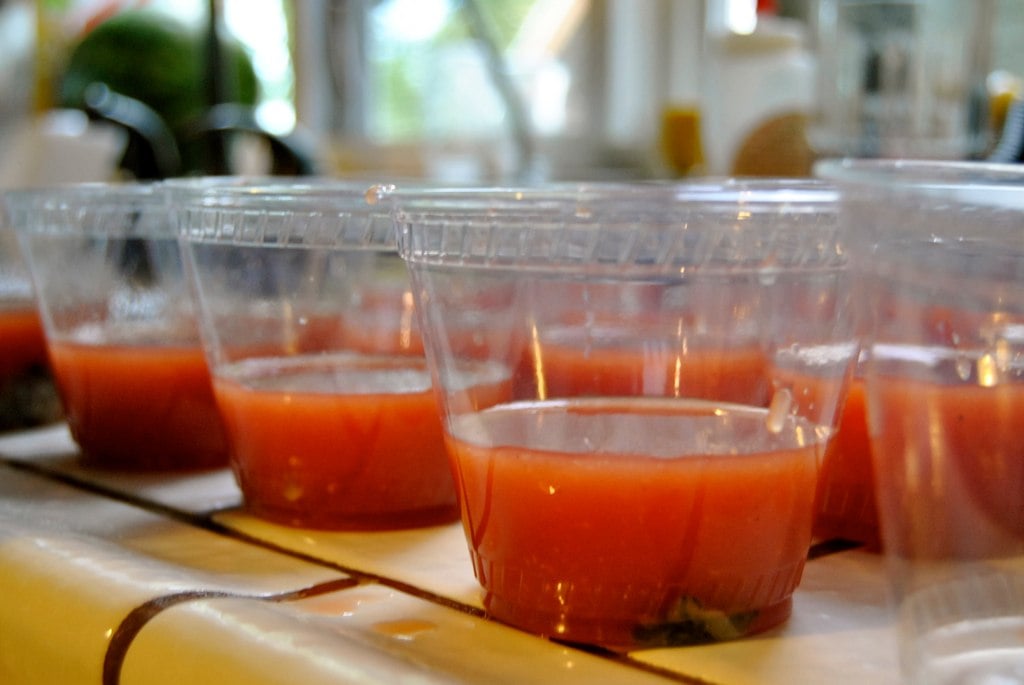
Formic acid — the compound ants produce naturally — has a sharp, citrus-like flavor. Distillers and bartenders in Scandinavia and Colombia started experimenting with ant-infused spirits, and the results surprised people who expected it to taste like dirt.
The acidity of the ants adds complexity to gin and tequila in particular. Noma, the Copenhagen restaurant that shaped modern fine dining, helped bring insect ingredients into serious culinary conversation, and the cocktail world followed.
You’re not tasting “ant.” You’re tasting something bright and strange that you can’t quite identify.
The Corpse Reviver #2 (and Its More Disturbing Cousins)
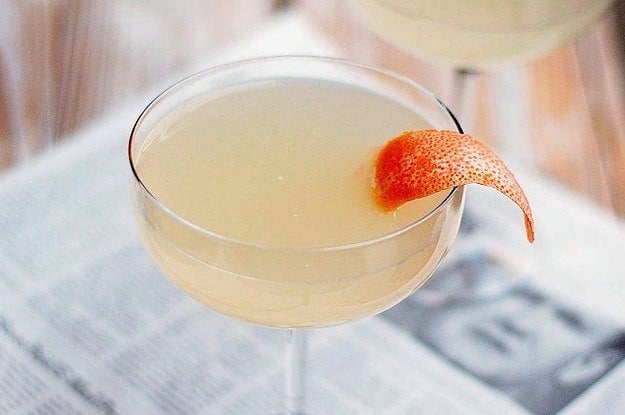
One morning long ago, folks mixed up what became known as the Corpse Reviver – meant to fix last night’s mistakes. Gin joins Cointreau when you try number 2; it sips smooth, brightened by lemon and a whisper of absinthe.
Brandy takes center stage earlier, in version 1, leaning on double vermouth for a bolder, odder kick. Time passed, so bars began inventing their own: third, fourth, even more, each one wandering deeper into rare bottles.
That wild name pulls curiosity first, yet most stay because the taste surprises them.
The Pickle Back

Here’s something basic but kind of wild. Sip straight whiskey – usually Jameson – then right after, knock back pickle juice.
The sour liquid wipes out the fire, leaving a sharp freshness instead. Workers in New York bars started doing it, later everyone else caught on.
Truth is, chilled vinegar-heavy brine actually blocks the sting of booze. Pickle juice from dills fits better; bread-and-butter types just fall flat.
Feels like a challenge when sipped fast, although nobody’s pushing you.
Cocktails with Blue Cheese

Cocktails took a sharp turn into savory territory when blue cheese entered the scene. Instead of stopping at herbs or spices, some bars went bold – soaking vodka in Roquefort or Gorgonzola until it soaked up every earthy note.
Honey syrup drifts in next, followed by lemon’s bright cut, softening what could be overwhelming. What you’re left with?
A sip that echoes an odd but pleasing vinaigrette. Mouthfeel shifts dramatically – richness from the cheese lingers, salt zings back and forth with sugar, while fermented tang builds layers most liquors simply miss.
It takes some persuasion at first. Yet one taste changes everything – suddenly, a second cup appears on the table.
The Last Word and the Jungle Bird Forgotten Drinks That Seem Strange Today

Strange drinks do not always come from today. Hailing from Detroit circa 1916, the Last Word – gin, green Chartreuse, maraschino liqueur, lime juice in equal measures – vanished for years.
Decades later, during revival efforts by mixologists in the early 2000s, its bold blend of herb-heavy sweetness surprised many. Meanwhile, another oddity surfaced: the Jungle Bird, born in 1978 at a Kuala Lumpur hotel bar, mixing Campari with pineapple juice.
Rediscovery made it seem unfamiliar once more. One drink, then the other – both built loyal crowds over time.
Turns out, odd things last forever.
Some Drinks Improve With Time
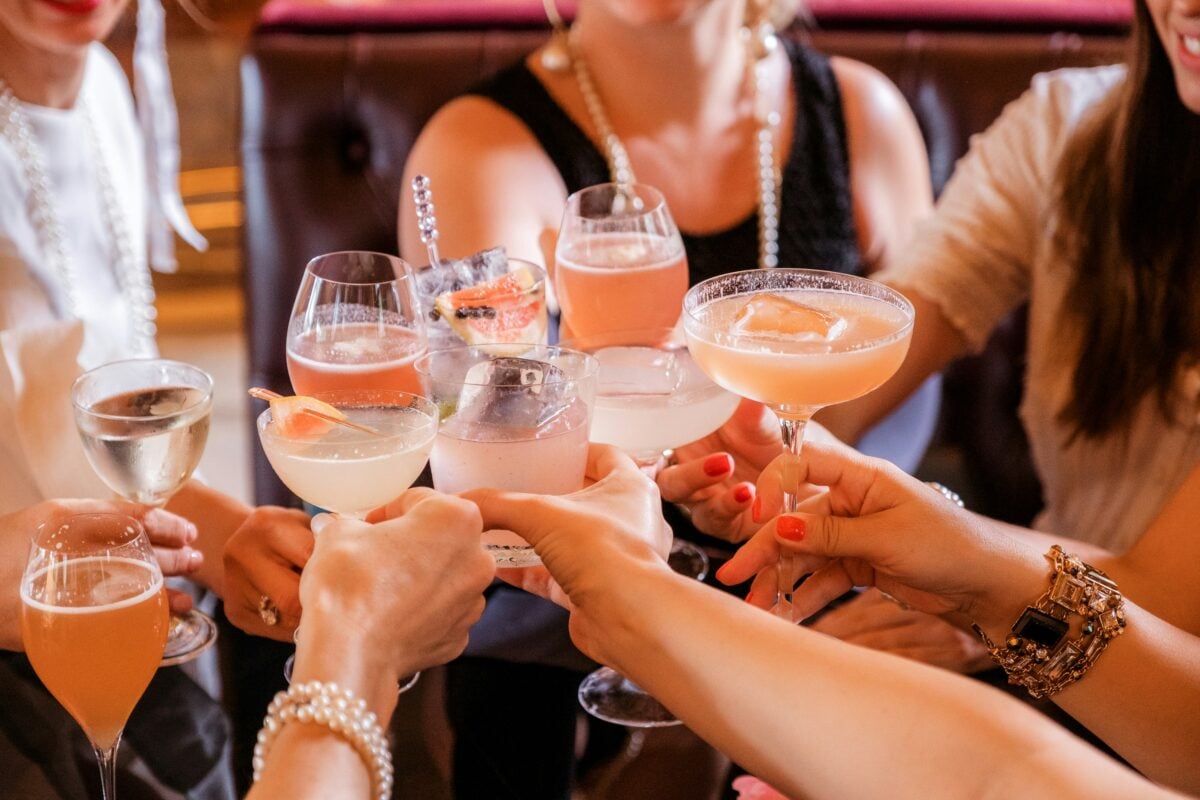
One sip too many, maybe, leads some drinks into wild territory. Not meant to last, things like bones holding liquid or tiny creatures melting into spirits begin as laughs.
Still, those mixing drinks tend to wander toward odd corners. People show up anyway, curious about what waits at the edge.
Success doesn’t come from shock value. It hides in a drink so strange it still tastes right – the kind you’d pour again, just because.
More from Go2Tutors!

- The Romanov Crown Jewels and Their Tragic Fate
- 13 Historical Mysteries That Science Still Can’t Solve
- Famous Hoaxes That Fooled the World for Years
- 15 Child Stars with Tragic Adult Lives
- 16 Famous Jewelry Pieces in History
Like Go2Tutors’s content? Follow us on MSN.



