The Strangest Restaurant Menu Items Ever Documented
Walk into most restaurants and you know what to expect. Burgers, pasta, maybe some grilled chicken.
But scattered across the globe, some establishments push far beyond the familiar. They serve dishes that make you stop and wonder who came up with this idea, and more importantly, who keeps ordering it.
These aren’t just exotic ingredients dressed up for tourists. These are real menu items that people seek out, defend, and sometimes build entire culinary traditions around.
Some have been served for generations. Others appeared as modern experiments that somehow stuck.
Either way, they all share one thing: they make most people do a double-take.
Fried Tarantulas That Crunch Like Chips

In Cambodia, you can order a plate of fried tarantulas as casually as you’d order fries anywhere else. Street vendors in Skuon have made these arachnids their specialty.
They season them with garlic and salt, then fry them until the legs get crispy. The texture splits into two parts.
The legs snap and crunch. The body has a softer, almost creamy center.
People who eat them regularly compare the taste to crab or chicken, though that comparison only goes so far. The sight alone keeps most tourists from trying them, but locals grew up eating these as protein during harder times.
Now they’ve become a regional specialty that brings in curious visitors from around the world.
Cheese That Moves On Your Plate
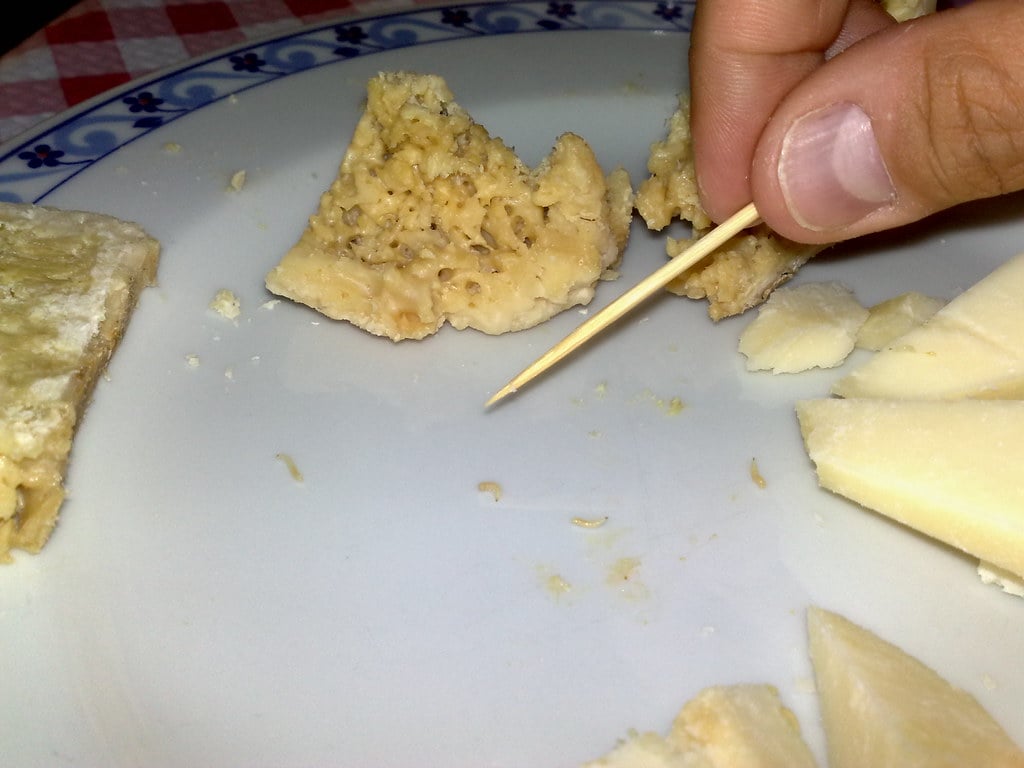
Sardinia produces a cheese called casu marzu that remains illegal in many countries. The reason? It contains live insect larvae that help break down the cheese’s fats.
When you cut into it, the larvae can jump several inches, which is why some people wear eye protection while eating it. The cheese develops an intense, pungent flavor that fans describe as unforgettable.
The larvae themselves are small, white, and translucent. You can remove them if you want, but traditional eaters consume everything together.
The fermentation process creates a soft, spreadable texture that’s nothing like any cheese you’ll find in a regular grocery store. Health officials have issues with it.
The cheese contains live organisms that can survive in your digestive system. But in Sardinia, families have been making and eating casu marzu for generations without widespread problems.
It stays underground now, passed between people who know where to find it.
The Fish That Can End You
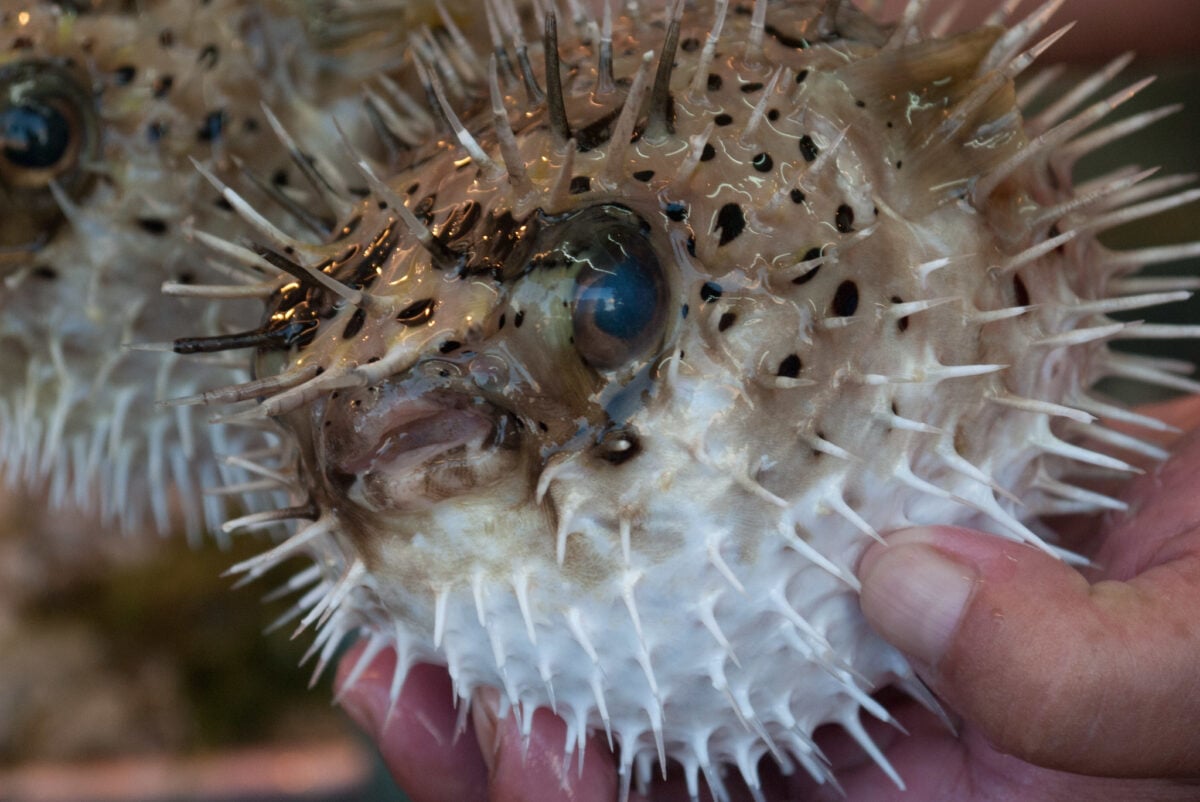
Japanese restaurants serve fugu, a pufferfish that contains enough poison to kill 30 people. The toxin has no antidote.
Chefs train for years to learn how to remove the poisonous parts without contaminating the edible flesh. Even after training, they need a special license to serve it.
The taste itself is mild and slightly sweet. The texture is firm and clean.
But people don’t order fugu just for the flavor. They order it for the experience of eating something that could kill them if prepared wrong.
Some diners report a slight tingling sensation on their lips, which comes from trace amounts of the poison. That tingling is part of the appeal for many.
Restaurants that serve fugu display their licenses prominently. Deaths from fugu poisoning still happen, but they’re rare now.
Most fatalities come from people trying to prepare it at home without proper knowledge. In licensed establishments, the risk drops to nearly zero, but that edge of danger never fully disappears.
Shark That Smells Like Ammonia

Iceland’s national dish is hákarl, which is Greenland shark that’s been fermented and hung to dry for months. Fresh Greenland shark is toxic because of high uric acid levels.
The fermentation process breaks down the toxins, but it also creates a smell that hits you before you even get close to the plate. People describe the smell as ammonia mixed with rotten fish.
The taste is strong, fishy, and challenging. First-timers often gag.
Even Icelanders admit it’s an acquired taste that most people need several attempts to appreciate. The texture is chewy and dense, like tough meat that’s been dried out.
You usually eat it in small cubes, sometimes with a shot of brennivín, Iceland’s local liquor, to wash it down. The tradition goes back centuries when this was one of the few ways to preserve protein through harsh winters.
Modern Icelanders don’t need to eat it for survival anymore, but it remains a point of cultural pride and a test of mettle for visitors.
Duck Eggs With Developed Embryos

In the Philippines and other Southeast Asian countries, balut is a common street food. It’s a fertilized duck egg that’s been incubated for about two weeks before being boiled and eaten.
When you crack it open, you find a partially formed duck with feathers, bones, and a beak. You eat it directly from the shell, often with a pinch of salt or a splash of vinegar.
The taste combines soft-boiled egg with a gamey, meaty flavor from the embryo. The texture varies depending on how developed the duck is.
Some prefer eggs at 14 days, while others want them at 18 days when the embryo is more formed. The sight bothers many foreigners, but for people who grew up eating balut, it’s comfort food.
Vendors sell it warm from carts at night. People crack them open on the street, slurp out the liquid first, then eat the rest.
It’s high in protein and considered good energy food, especially popular with workers who need something filling.
Eggs That Look and Smell Ancient
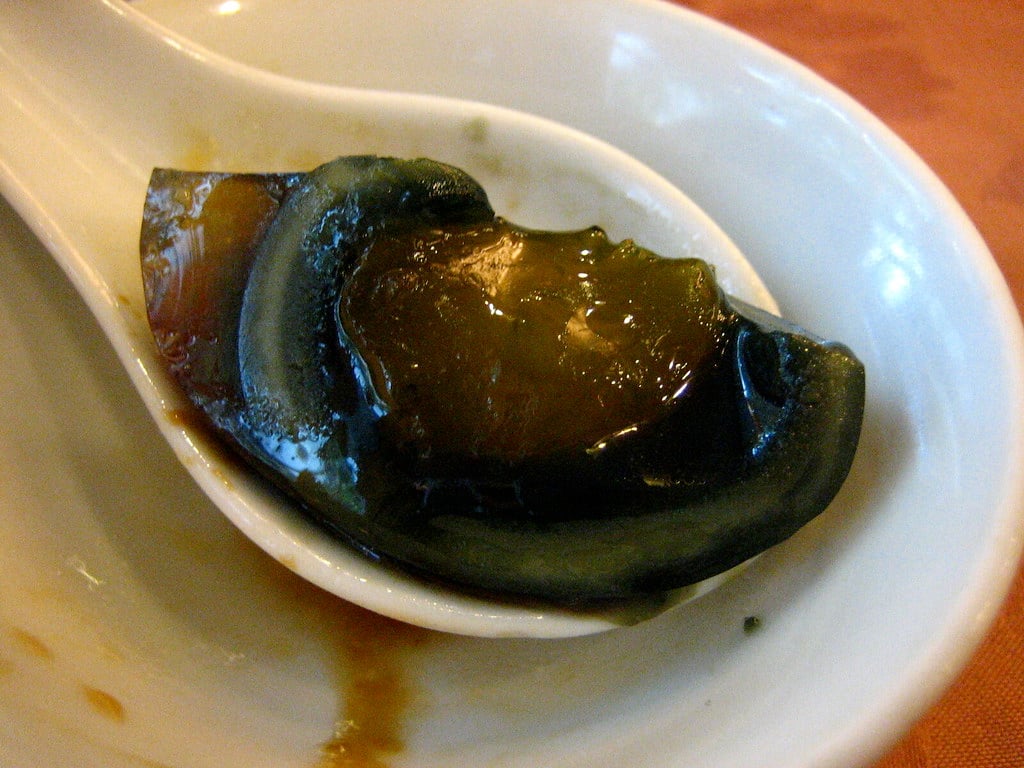
Century eggs, also called thousand-year eggs, are preserved in a mixture of clay, ash, salt, and lime for weeks or months. The process turns the egg white into a dark, translucent jelly and the yolk into a creamy, greenish-black substance with a strong sulfuric smell.
The preservation changes the chemistry of the egg completely. The yolk develops a complex, savory taste with a slight ammonia note.
The texture becomes smooth and almost custard-like. The white turns firm but gelatinous. The smell is divisive, some people find it pleasant and others find it overwhelming.
Chinese restaurants serve century eggs as appetizers, often sliced and paired with pickled ginger or tofu. The eggs have been made this way for hundreds of years, though the exact origin story is unclear.
Despite the name, they’re not actually aged for a century, the whole process takes a few months at most.
Ant Larvae That Taste Like Butter

Mexican restaurants in certain regions serve escamoles, which are ant larvae harvested from agave plants. They’re sometimes called “insect caviar” because of their delicate texture and the care required to harvest them.
The larvae are small, white, and have a cottage cheese-like appearance. The flavor is mild, nutty, and slightly buttery.
Chefs often sauté them with butter and epazote, a Mexican herb. The texture is soft and pops gently when you bite down.
People who try them often express surprise at how pleasant they taste compared to how they look. Harvesting escamoles is dangerous work. The ants that produce them are aggressive and their bites hurt.
Collectors need to dig into ant colonies during a specific season when the larvae are at the right stage. This makes escamoles expensive, sometimes costing more than other types of meat.
They show up on high-end restaurant menus in Mexico City, where they’re treated as a delicacy rather than a novelty.
Octopus That’s Still Moving
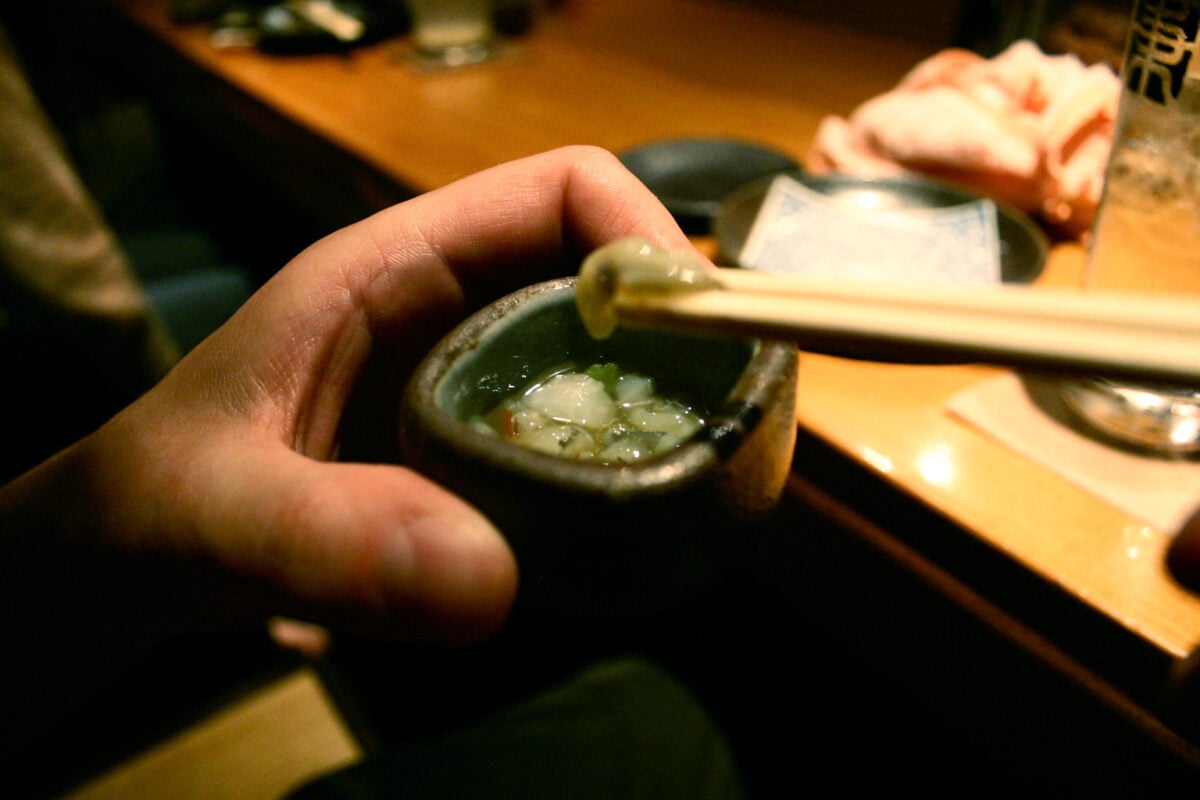
Korean restaurants serve sannakji, which is raw octopus cut into pieces while it’s still alive. The pieces continue moving on the plate, with the suckers still active and gripping whatever they touch.
You need to chew carefully because the suckers can stick to the inside of your mouth or throat. The octopus tastes fresh and clean with a slight brininess.
The texture is chewy and springy. But the real experience is watching it move and feeling it stick to your chopsticks and tongue.
Several people have choked on sannakji because they didn’t chew enough and the suckers attached to their throat. Restaurants usually serve it with sesame oil and seeds.
The chef cuts the octopus into manageable pieces and brings it out immediately. Some places will cut it right at your table so you can see the whole process.
The octopus movements slow down over time, but for the first few minutes, the dish is very much alive.
Brain Sandwiches From the Midwest
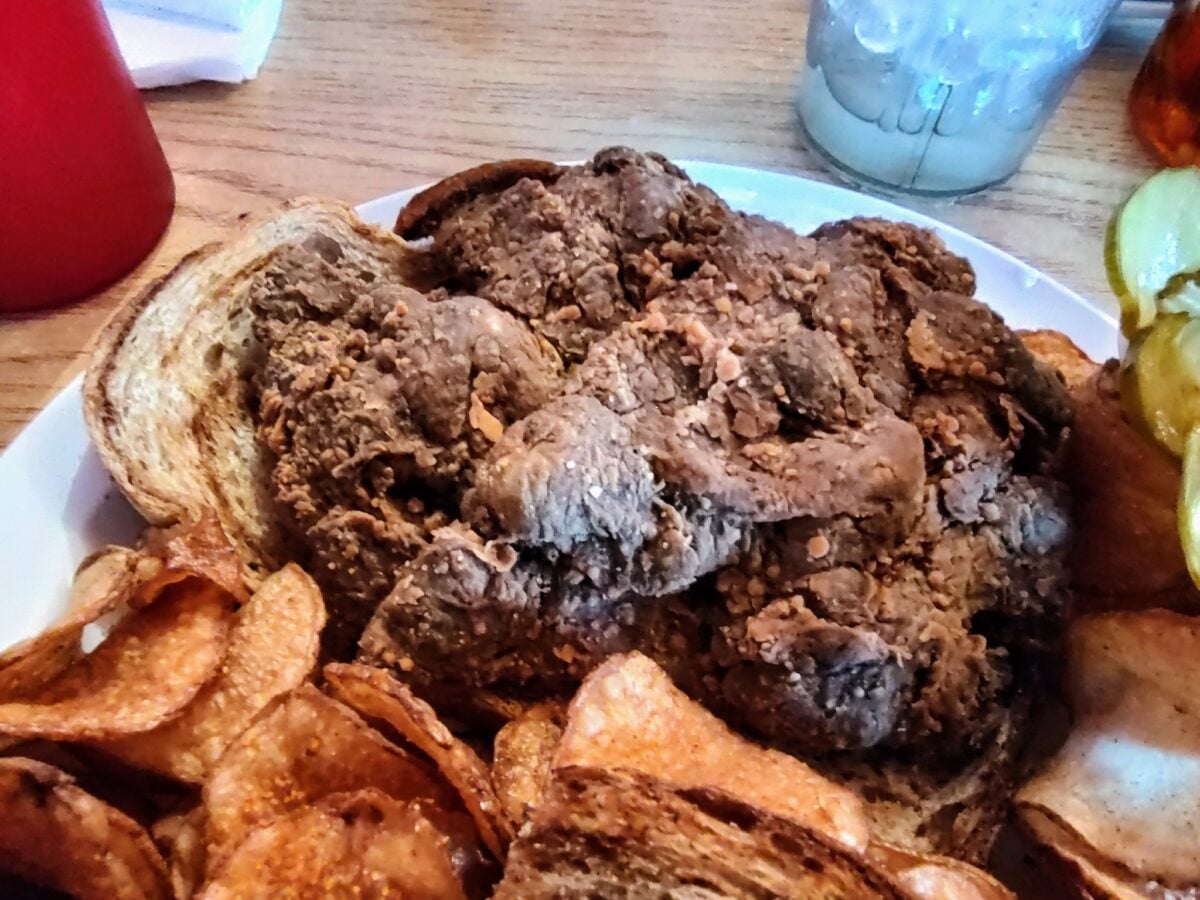
In parts of Indiana and Missouri, you can still find restaurants serving fried brain sandwiches. They use pork or calf brains, bread them, fry them crispy, and serve them on a bun with mustard and pickles.
It was more popular decades ago, but a few places keep the tradition alive. The texture is creamy and soft inside with a crunchy exterior from the breading.
The flavor is mild, slightly metallic, and rich. It doesn’t taste like meat, exactly.
The sandwich has more of an organ meat quality that’s hard to compare to anything else. The dish took a hit after concerns about mad cow disease made people nervous about eating brain tissue.
But the remaining restaurants that serve it have loyal customers who grew up eating them. For these people, it’s not a dare or a novelty.
It’s just what they’ve always eaten, and they see no reason to stop.
Coffee Processed Through Elephants
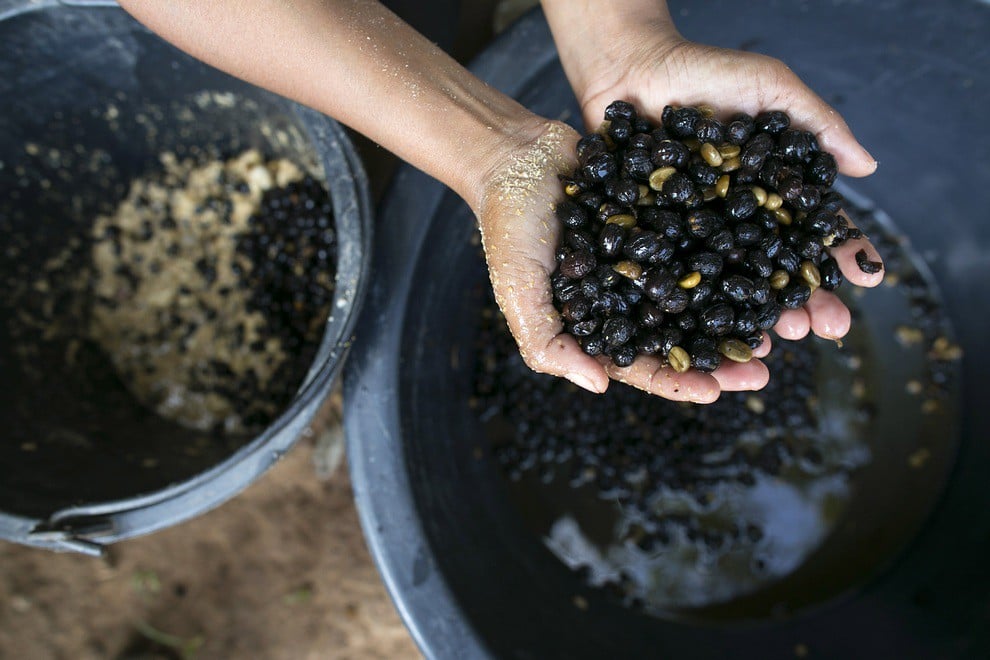
Black ivory coffee holds the title of one of the world’s most expensive coffees. Thai elephants eat coffee cherries, and after the cherries pass through their digestive system, workers collect them, clean them, and roast the beans.
The elephants’ stomach enzymes break down the proteins that make coffee bitter. The result is a smooth, mild coffee with notes of chocolate and no bitterness.
A single cup can cost more than most people spend on coffee in a month. Only a few luxury resorts serve it, and production is limited because you need a lot of coffee cherries to get a small amount of usable beans after the elephants digest them.
The concept is similar to civet coffee, but elephant digestive systems work differently. Proponents argue the coffee tastes better and that the elephants are treated well.
Critics question whether it’s ethical to feed elephants coffee cherries and whether the price tag is justified by the taste. Either way, it remains one of the strangest ways humans have found to process coffee.
Fish Reproductive Organs in a Bowl
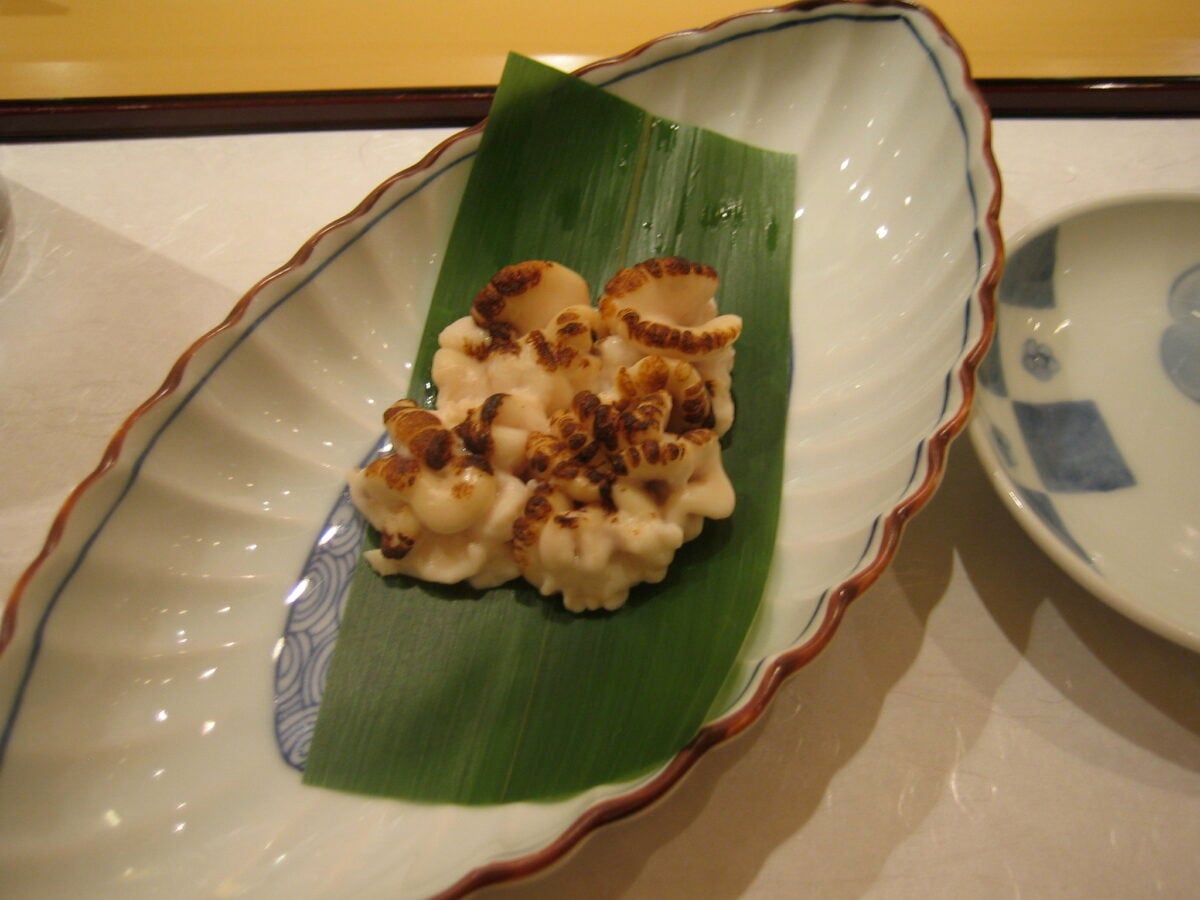
Japanese izakayas serve shirako, which is fish sperm, usually from cod or pufferfish. It comes in white, creamy sacs that look like small brains.
Chefs serve it raw, steamed, fried, or grilled. When cooked, it takes on a pudding-like consistency. The taste is mild, slightly sweet, and creamy.
It doesn’t have a strong fish flavor. The texture is what throws people off. It’s soft, it melts in your mouth, and it has an almost custardy quality.
Some people compare it to soft tofu, but that comparison doesn’t quite capture it. Shirako is considered a delicacy in Japan, especially during winter when it’s in season.
It’s high in protein and vitamins. Japanese diners prize it for its texture and subtle flavor.
Outside Japan, it remains mostly unknown, and when people do encounter it, the concept often overshadows the actual eating experience.
Eyeballs the Size of Fists
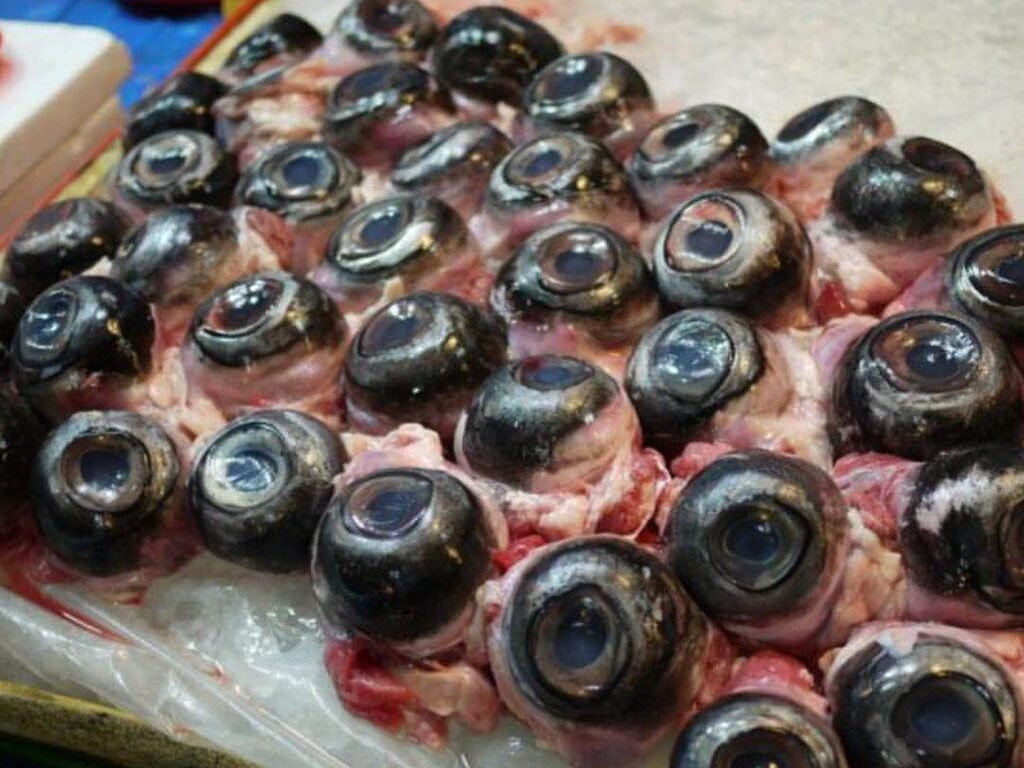
Tuna eyeballs show up in Japanese supermarkets and some restaurants. They’re huge, about the size of a tennis orb, and they look exactly like what they are.
Restaurants usually serve them boiled or steamed with soy sauce and garnishes. The eye itself has different textures.
The fatty tissue around it is rich and soft. The actual eyeball has a firmer, slightly gelatinous texture. The muscles attached to the eye are chewy.
The taste is mild and slightly fishy, not as intense as you might expect from something so visually dramatic. Japanese people value eating all parts of the fish, and the eyeball is no exception.
It’s nutritious, containing omega-3 fatty acids and other beneficial nutrients. For many Japanese home cooks, tuna eyeballs are an affordable way to get quality fish protein.
They’re much cheaper than tuna steaks but still packed with flavor and nutrition.
Blood Soup From Eastern Europe

Polish restaurants in certain regions serve czernina, a soup made from duck or goose blood mixed with vinegar to prevent clotting. The soup has a dark, almost black color and includes fruit, usually prunes or pears, along with spices and sometimes noodles.
The blood gives the soup a rich, iron-heavy taste and a thick, smooth texture. The vinegar and fruit add sweetness and tang that balance out the metallic flavor.
It’s an acquired taste that most people outside Poland and nearby countries find challenging. The soup has deep roots in Polish peasant cooking, where people used every part of the animal.
Letting blood go to waste wasn’t an option when food was scarce. Today, it’s less common than it used to be, but traditional Polish restaurants still serve it, and older generations remember it as comfort food from their childhoods.
State Fair Butter on a Stick

American state fairs have become laboratories for deep-fried excess, but deep-fried butter might be the strangest achievement. Vendors take a stick of frozen butter, coat it in batter, and drop it in the fryer.
The butter melts inside the coating, creating a hot, liquid center. When you bite into it, melted butter floods your mouth.
The outer coating is crispy and slightly sweet. The whole thing is absurdly rich, almost comically so. Most people can’t finish a whole serving.
The taste is exactly what you’d expect: butter, but hot and fried. The dish exists purely because someone could make it, not because anyone needed it.
It shows up at state fairs across the Midwest, where the competition to create the weirdest fried food drives vendors to keep pushing boundaries. Deep-fried butter isn’t traditional food or cultural heritage.
It’s just Americans seeing how far they can take an idea before it stops making sense.
When Food Becomes a Story
Strange menu items do more than feed people. They start conversations.
They test boundaries. They make you reconsider what food can be and what you’re willing to try. Some of these dishes emerged from necessity, others from tradition, and a few from pure experimentation.
You don’t have to try them all. You don’t have to try any of them.
But knowing they exist somewhere, served to someone who genuinely enjoys them, expands your understanding of how different cultures approach food.
What seems bizarre to you is ordinary to someone else. What you eat without thinking might seem just as strange to them.
Food connects us, but it also reveals how vast the gap can be between one person’s normal and another’s unthinkable. These menu items sit at that intersection, daring you to cross over or at least to acknowledge that the line exists.
More from Go2Tutors!

- The Romanov Crown Jewels and Their Tragic Fate
- 13 Historical Mysteries That Science Still Can’t Solve
- Famous Hoaxes That Fooled the World for Years
- 15 Child Stars with Tragic Adult Lives
- 16 Famous Jewelry Pieces in History
Like Go2Tutors’s content? Follow us on MSN.