15 Rare Dog Breeds You Didn’t Know Existed
While most people can spot a Golden Retriever or German Shepherd from a mile away, the canine world harbors dozens of extraordinary breeds that remain virtually unknown to the general public. These dogs carry centuries of specialized breeding, unique traits, and fascinating histories that challenge everything most people think they know about man’s best friend.
Here are 15 rare dog breeds that showcase the remarkable diversity hidden within the species.
Telomian
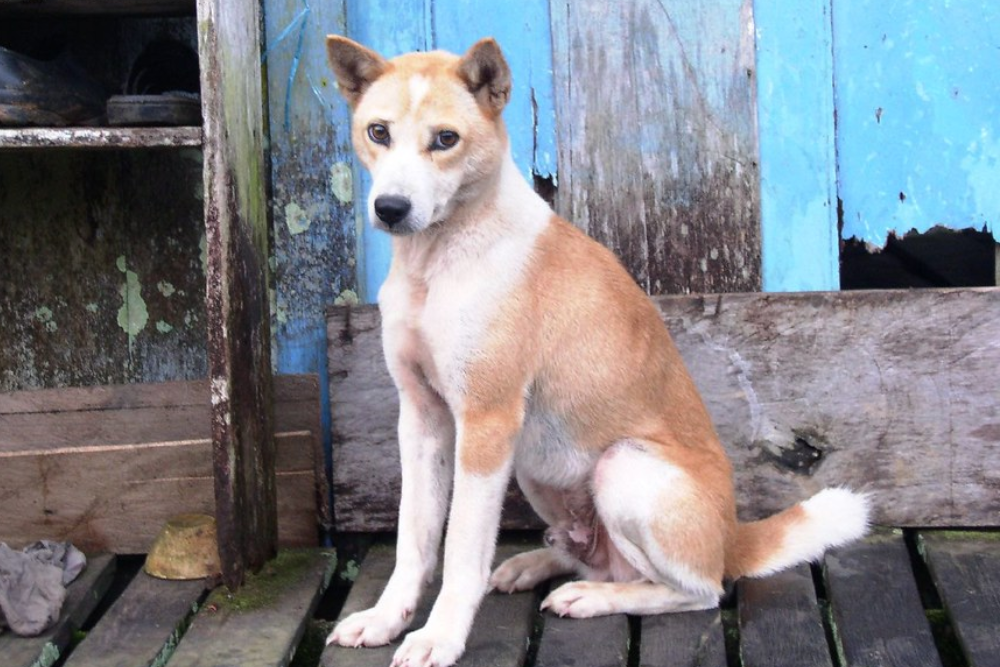
The Telomian stands as Malaysia’s only native dog breed, originally discovered living with indigenous tribes in remote jungle villages. These medium-sized dogs developed an unusual climbing ability, scaling ladders and trees to access elevated homes built on stilts.
Their webbed feet and flexible spine make them exceptional climbers. Most Telomians outside Malaysia descended from just six dogs imported to the United States in the 1960s.
These Malaysian climbers have never been recognized by major kennel clubs, existing in a registration limbo that keeps them virtually unknown outside breeding circles.
Lundehund

Norway’s Lundehund possesses anatomical features that seem borrowed from another species entirely. Six toes on each foot. Ears that close completely. A neck so flexible it can bend backward to touch the spine.
These bizarre adaptations served a specific purpose: hunting puffins along treacherous coastal cliffs. When puffin hunting became illegal, the breed nearly vanished. Today, fewer than 2,000 exist worldwide.
These Norwegian puffin dogs possess six toes for a reason that showcases evolution’s incredible precision. Each extra toe provides additional grip on narrow cliff ledges where a single slip meant death.
Like Go2Tutors’s content? Follow us on MSN.
Catalburun

Turkey’s Catalburun displays one of the most distinctive facial features in the dog world—a split nose that creates two separate nostrils. This unusual trait appears in no other breed and gives the dog an almost mythical appearance.
And yet, despite their striking looks, Catalburuns remain excellent hunting companions. The split nose actually enhances their scenting ability, though scientists still debate exactly how.
Kai Ken

Japan’s Kai Ken carries the nickname “Tiger Dog” for its distinctive brindle coat that resembles tiger stripes. These medium-sized spitz-type dogs remained isolated in the mountainous Kai Province for centuries, developing into Japan’s purest native breed.
Their coats darken with age:
- Puppies are born nearly black
- Young adults show faint brindle patterns
- Mature dogs display bold tiger-like stripes
The breed wasn’t recognized outside Japan until 1934.
Lagotto Romagnolo

Italy’s Lagotto Romagnolo represents the world’s only breed specifically developed for truffle hunting. Their waterproof, curly coat originally helped them retrieve waterfowl from marshes, but when wetlands were drained for agriculture, clever breeders redirected their talents toward finding buried treasures.
These dogs can locate truffles buried three feet underground. A single trained Lagotto can earn its owner thousands of dollars during truffle season.
Like Go2Tutors’s content? Follow us on MSN.
Mudi

Hungary’s Mudi almost disappeared twice—once during World War II and again in the 1960s when crossbreeding threatened its genetic integrity. This versatile herding dog displays an uncanny intelligence that often unnerves first-time owners.
Still, their problem-solving abilities remain legendary among Hungarian shepherds. Mudis can learn complex herding patterns by watching other dogs work, then improve upon the techniques they observe.
Azawakh
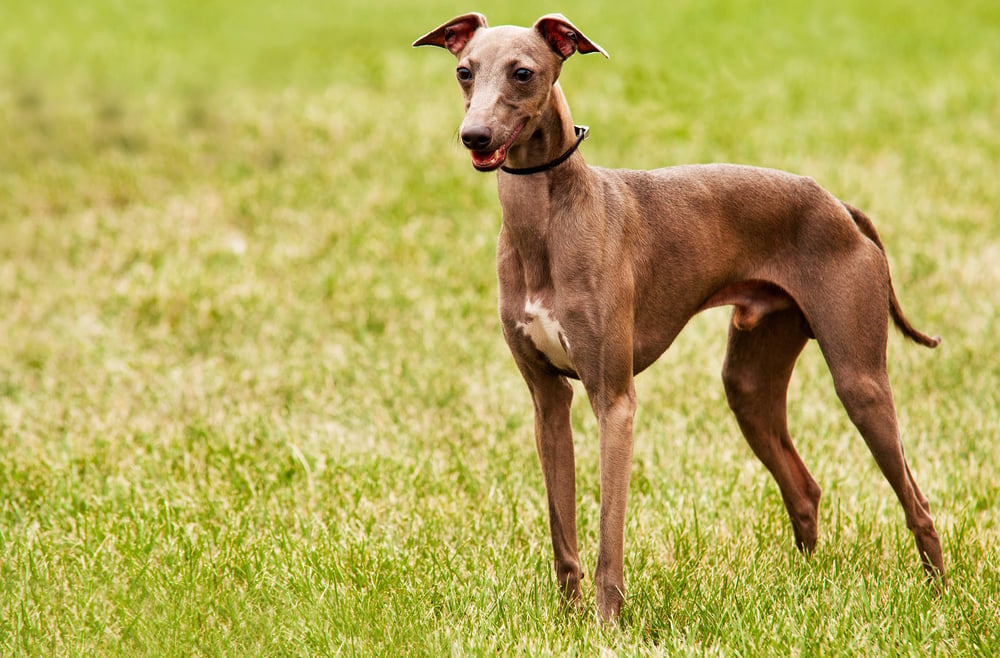
The Azawakh emerged from the Sahel region of Africa as a sighthound built for extreme conditions. Their long, lean frames and short coats help dissipate heat in temperatures that would kill most dog breeds.
These dogs form incredibly strong bonds with their families but remain aloof with strangers. In their native Mali, Burkina Faso, and Niger, Azawakhs are considered symbols of wealth and status.
Finnish Spitz
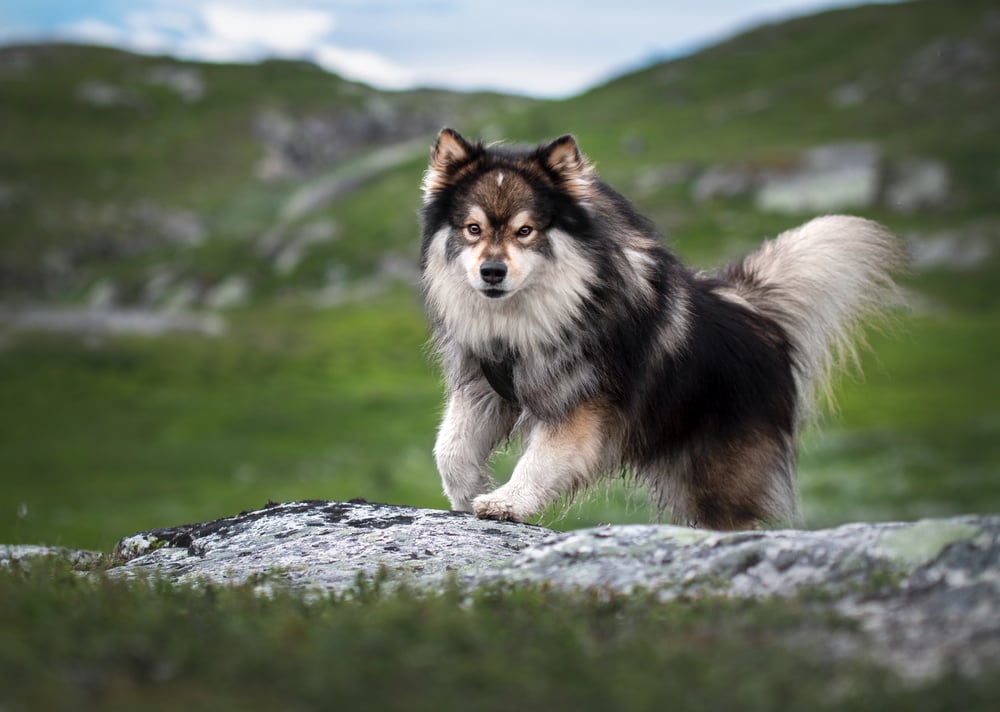
Finland’s national dog serves as both hunter and musical performer. The Finnish Spitz tracks game birds through dense forests, then barks in a specific rhythm to keep prey treetop-bound until hunters arrive.
Competition barking exists in Finland. Dogs are judged on their barking frequency, with winners producing over 160 barks per minute. The sound carries for miles through thick woodland—an acoustic marvel that modern technology still struggles to replicate.
Like Go2Tutors’s content? Follow us on MSN.
Xoloitzcuintli
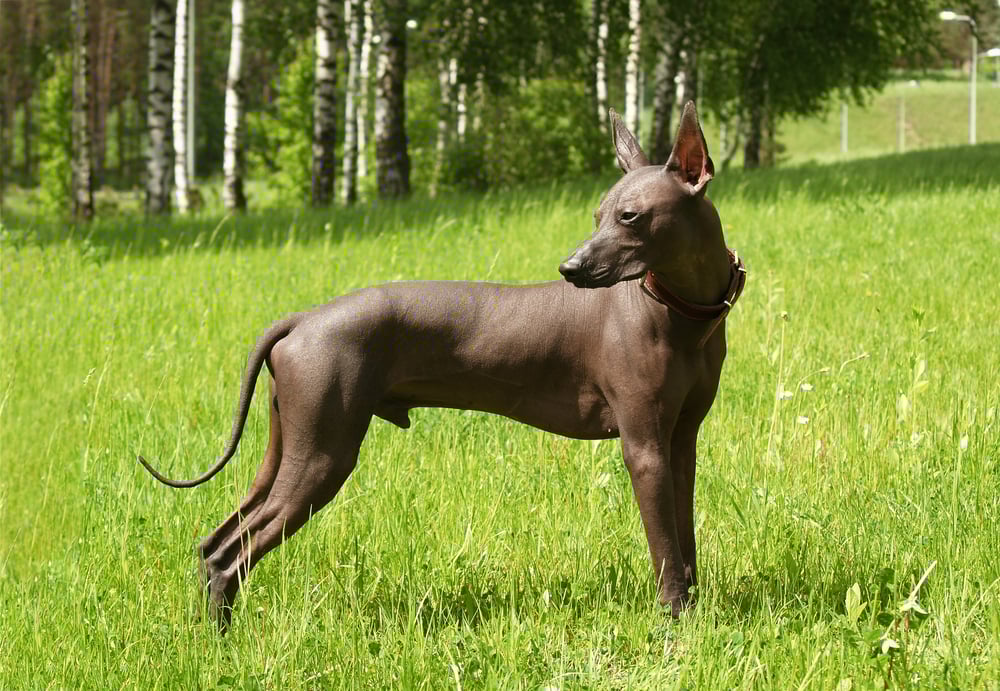
Mexico’s Xoloitzcuintli (pronounced “show-low-eets-QUEENT-lee”) dates back over 3,000 years, making it one of the world’s oldest breeds. These hairless dogs served as both companions and spiritual guides, believed to escort souls through the underworld.
Their body temperature runs several degrees higher than normal dogs, making them living heating pads. Ancient Aztecs used them to treat arthritis and other ailments.
Otterhound

Britain’s Otterhound was bred for one purpose: hunting otters in medieval England. When otter hunting was banned in 1978, the breed lost its primary function and numbers plummeted dramatically.
Today, fewer than 1,000 Otterhounds exist worldwide. They’re rarer than giant pandas.
These massive dogs possess webbed feet and a waterproof double coat that allows them to work in icy water for hours.
Thai Ridgeback
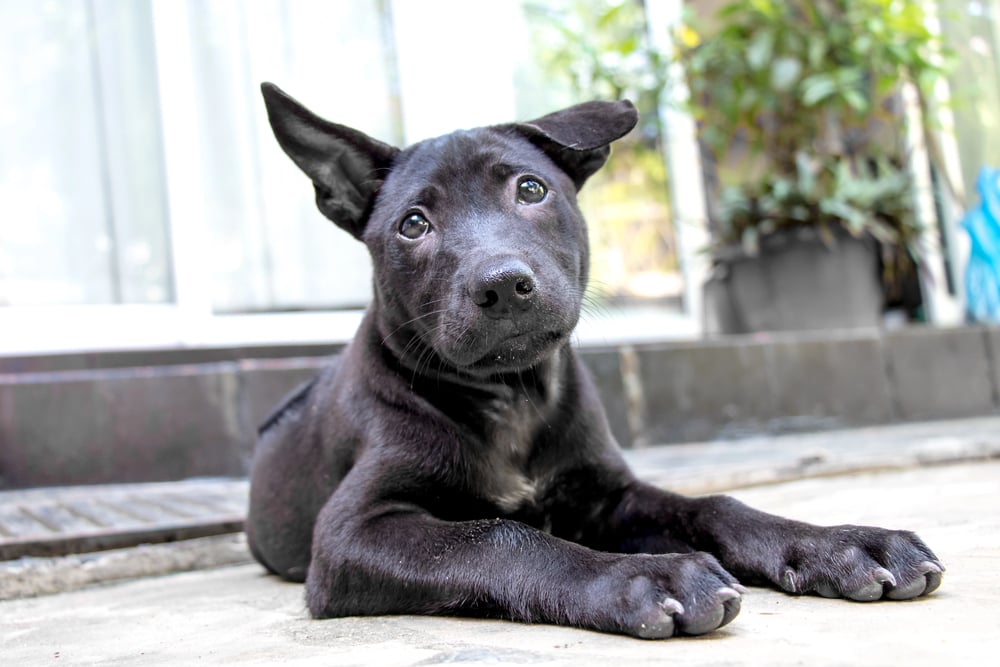
The Thai Ridgeback remained geographically isolated for centuries, developing in Thailand without outside influence. A distinctive ridge of hair grows backward along their spine, creating a mohawk-like pattern that runs from head to tail.
Only four breeds worldwide display this ridge pattern. Their independence and primitive instincts make them challenging pets for inexperienced owners, but their loyalty to family members remains absolute.
Like Go2Tutors’s content? Follow us on MSN.
Carolina Dog
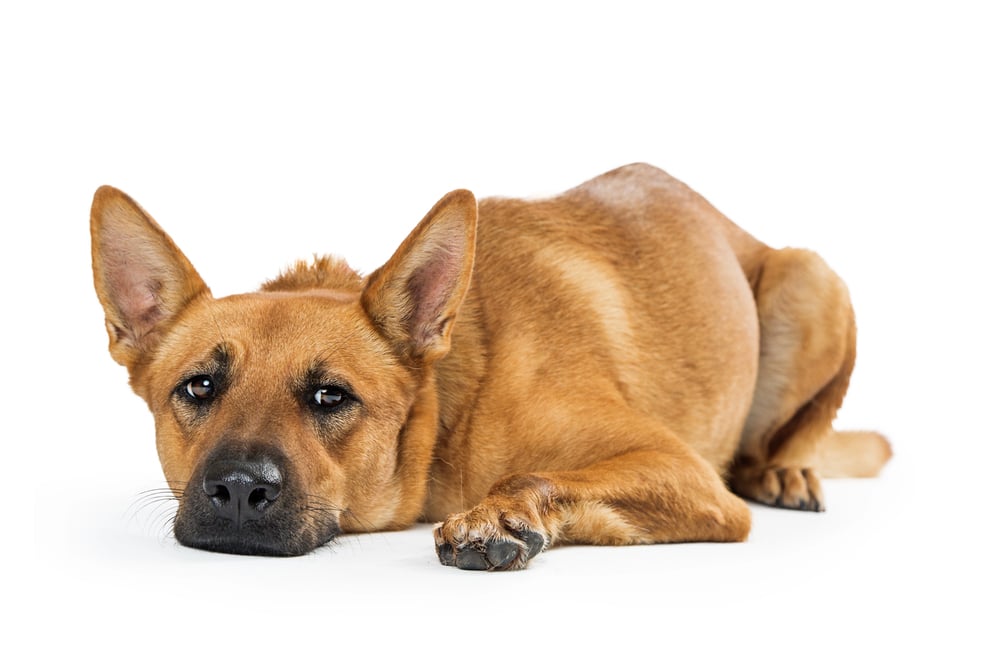
America’s Carolina Dog descended from ancient pariah dogs that crossed the Bering land bridge thousands of years ago. These “American Dingoes” lived wild in southeastern forests until the 1970s, when researchers first began studying them.
Their fish-hook tail and primitive behaviors mirror those of Australian Dingoes. DNA testing reveals they share genetic markers with dogs found in ancient Native American burial sites.
Puli
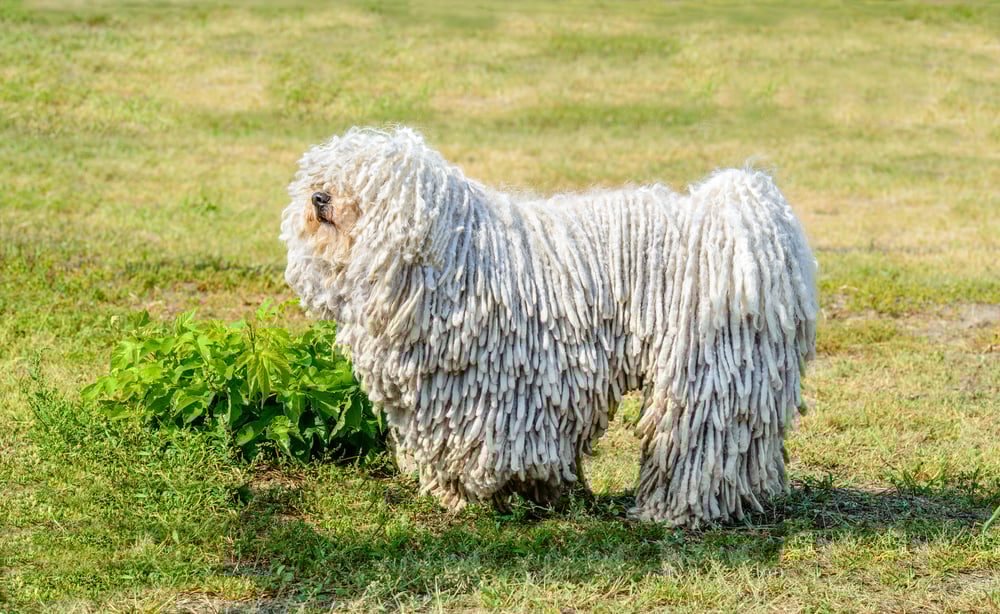
Hungary’s Puli sports a coat that naturally forms into dreadlocks, creating what looks like a walking mop. These corded locks protect the dog from weather and predator bites while allowing complete freedom of movement.
The coat takes years to develop fully. And contrary to popular belief, Pulis can swim—their cords actually help them float. The smell of wet Puli, however, is something that lingers in memory long after the dog has dried.
New Guinea Singing Dog
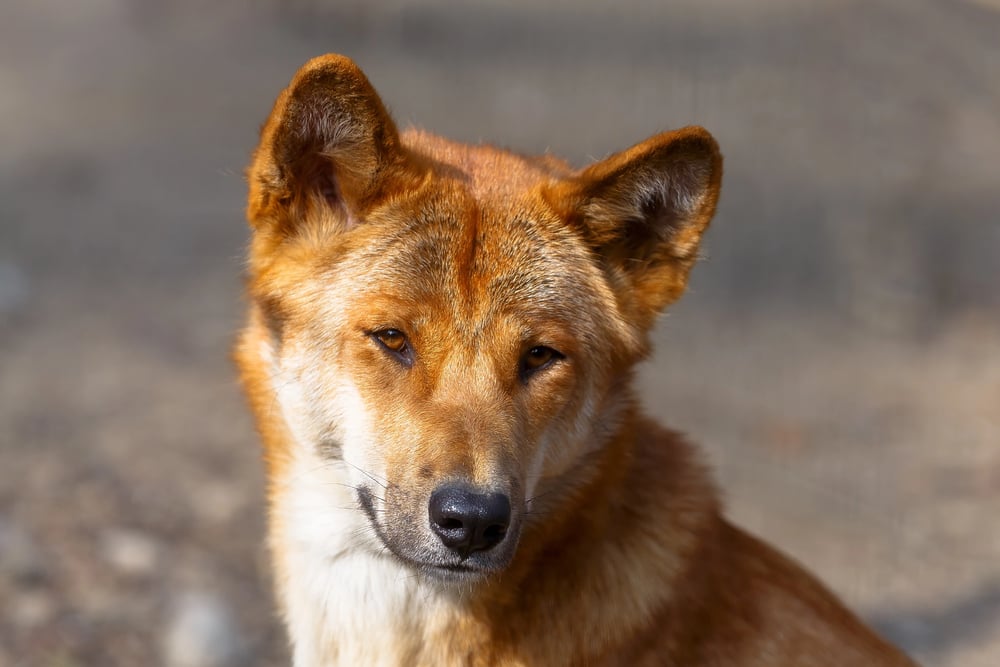
New Guinea’s Singing Dog produces vocalizations unlike any other canine. Their howls contain harmonic overtones that create an almost otherworldly song, with multiple dogs harmonizing in perfect pitch.
These primitive dogs remained isolated in New Guinea for thousands of years. Wild populations may be extinct, with fewer than 300 existing in captivity worldwide.
Like Go2Tutors’s content? Follow us on MSN.
Basenji

Central Africa’s Basenji cannot bark due to an unusually shaped larynx, earning it the nickname “barkless dog.” Instead, they produce yodels, chortles, and crow-like sounds that can be surprisingly loud. But silence isn’t their only unusual trait.
Basenjis clean themselves like cats and come into heat only once per year, unlike other domestic dogs.
Beyond the Backyard

These fifteen breeds represent just a fraction of the genetic diversity hidden within the domestic dog population. Each carries the blueprint of human necessity, geographic isolation, and centuries of careful selection—living proof that the relationship between humans and dogs runs deeper than simple companionship.
More from Go2Tutors!

- 16 Historical Figures Who Were Nothing Like You Think
- 12 Things Sold in the 80s That Are Now Illegal
- 15 VHS Tapes That Could Be Worth Thousands
- 17 Historical “What Ifs” That Would Have Changed Everything
- 18 TV Shows That Vanished Without a Finale
Like Go2Tutors’s content? Follow us on MSN.