20 Strangest Ways People Have Tried to Get Rich Quickly
Throughout history, the allure of instant wealth has driven people to extraordinary lengths. The promise of financial freedom without years of hard work has inspired both clever innovation and shocking gullibility. From bizarre business ventures to outlandish investment schemes, the quest for quick riches reveals much about human psychology and our relationship with money.
Here is a list of 20 of the strangest ways people have attempted to fast-track their way to fortune.
Pet Rocks

In 1975, advertising executive Gary Dahl transformed ordinary stones into ‘Pet Rocks’ complete with carrying cases and training manuals. These utterly useless items sold for $4 each – roughly $20 in today’s money. Dahl’s stroke of marketing genius earned him millions within months, proving sometimes the simplest ideas can yield extraordinary returns.
The Pet Rock sensation lasted only about six months yet remains the gold standard of bizarrely successful novelty items.
Tulip Mania

During the Dutch Golden Age, tulip bulb prices skyrocketed to absurd heights – with rare specimens selling for more than luxury homes. Ordinary citizens mortgaged properties and liquidated savings to speculate on flowers they never intended to plant.
The market collapsed spectacularly in February 1637, wiping out countless investors overnight. This 17th-century bubble – possibly the first documented speculative frenzy – demonstrates how even practical people can abandon reason when caught in the gravity of get-rich-quick opportunities.
Like Go2Tutors’s content? Follow us on MSN.
Selling Pixels

College student Alex Tew created the ‘Million Dollar Homepage’ in 2005 – a website containing one million pixels sold as advertising space for $1 each. The utterly simple concept spread through early social media and news coverage, eventually selling every pixel.
Tew made his million within months, turning a $50 investment into seven figures. His success inspired countless imitators – none of whom managed to replicate his fortuitous timing and first-mover advantage.
Beanie Baby Investing

Ty’s Beanie Babies evolved from toys for children into major investment tools in the late 1990s. Gathering thousands of the plush animals, collectors thought their worth would rise tremendously with time.
Some families spent all of their savings on soft toys, then created spreadsheets showing future returns meant to cover retirements and college educations. The boom finally burst, leaving most collectors with bins of almost useless plush animals, while some rare examples still fetch shockingly high prices.
Selling Bottled Air

Companies have effectively sold bottled air from immaculate sites to people living in polluted areas, especially in Asia where air quality issues are very real. Businesses like Vitality Air sell air from Canadian mountains for up to $20 a bottle.
Although it seems ridiculous to people living in locations with clear air, rich consumers in extremely polluted areas have developed a real market for this unseen commodity. The business model turns something freely available at one site into a luxury good another.
The Great Diamond Hoax

In 1872, two con men planted diamonds in a worthless patch of Wyoming terrain, then convinced wealthy investors they’d discovered an enormous diamond field. They sold mining shares worth millions before the fraud was exposed.
Independent expert Clarence King eventually discovered the scheme by noticing the diamonds had already been cut – impossible in a natural deposit. The audacious scam demonstrates how even sophisticated investors can abandon due diligence when dazzled by potential riches.
Radium Products

Following the discovery of radium in the early 20th century, entrepreneurs created radioactive health products promising miraculous benefits. Companies sold radium-infused drinking water, cosmetics, and even underwear touted as revitalizing the body.
These dangerous products commanded premium prices before their deadly effects became apparent. The radium craze reflects how new, poorly understood technologies often create opportunities for both sincere misunderstandings and deliberate exploitation in the pursuit of quick profits.
Selling Virtual Real Estate

Digital properties in virtual worlds like Decentraland and The Sandbox have sold for millions of dollars, with buyers speculating on future value increases. A virtual plot in Decentraland sold for $2.4 million in 2021 – more than many physical mansions.
These digital territories exist only as code yet command real-world prices based on location, scarcity, and potential commercial applications. Virtual real estate represents perhaps the ultimate abstraction of value in the digital age.
Ostrich Farming Boom

The 1990s saw an ostrich farming explosion across America as promoters touted the birds as the next big agricultural investment. Breeding pairs sold for up to $40,000 with promises of enormous returns from meat, leather, and feathers.
The market collapsed when consumer demand failed to materialize at predicted levels. Many farmers were left with worthless birds and worthless farms after the bubble burst. The ostrich craze followed the classic pattern of agricultural investment manias – from cattle to emus to alpacas.
The California Gold Rush
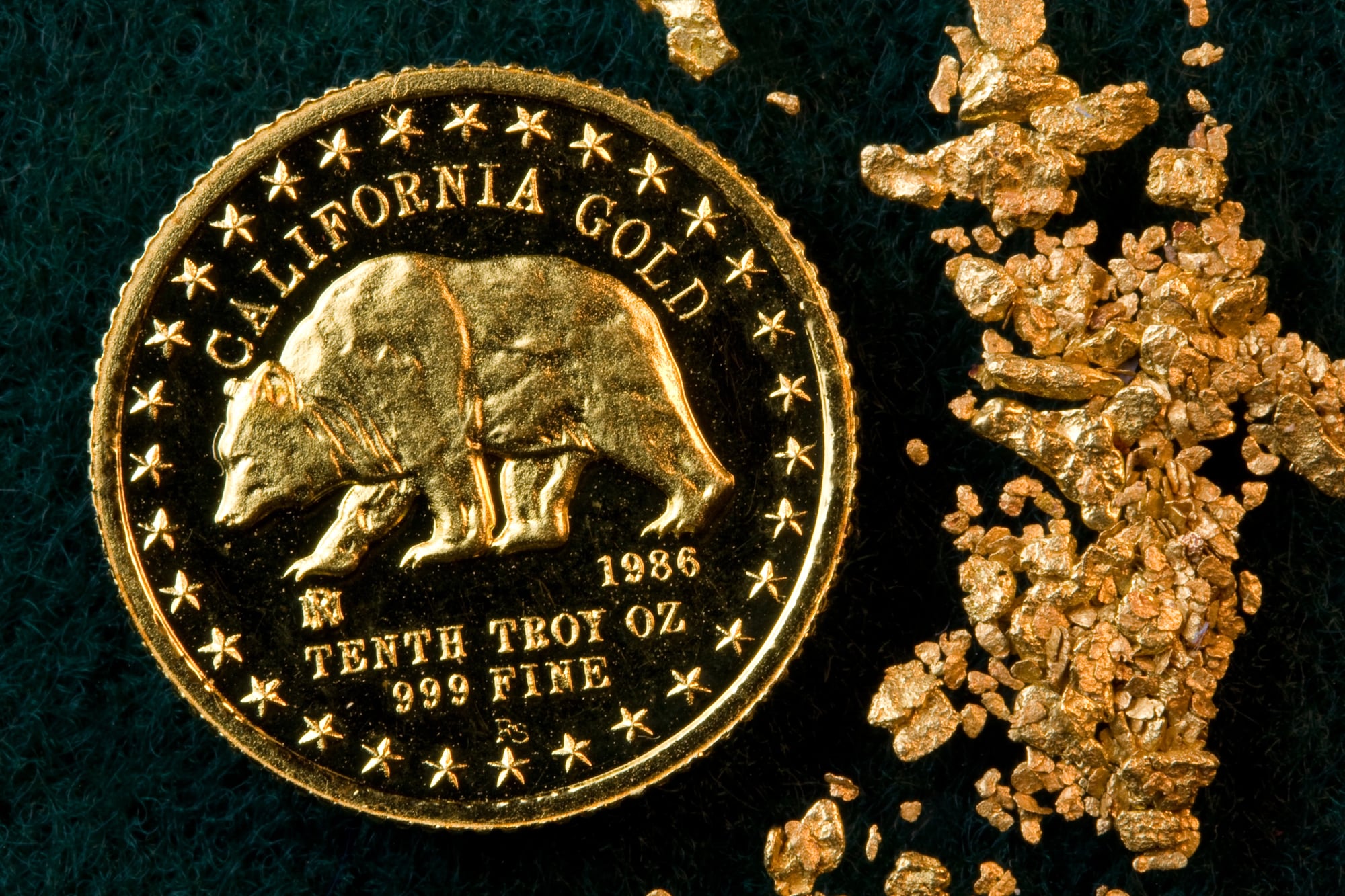
When news of gold at Sutter’s Mill spread in 1848, hundreds of thousands abandoned their lives to seek instant fortune in California. Despite the popular narrative, few miners actually struck it rich.
The real wealth went to those selling supplies, accommodations, and services to desperate prospectors. Levi Strauss built his clothing empire not by mining gold but by selling durable pants to those who did. The Gold Rush established a pattern repeated throughout history – in gold rushes, sell shovels.
Dash for Domain Names

During the early internet boom, speculators registered thousands of domain names hoping to resell them at enormous profits. While most domains proved worthless, some commanded extraordinary prices – Business.com sold for $7.5 million in 1999 and $345 million in 2007.
The domain name rush resembled a digital land grab, with early participants claiming potentially valuable virtual territory for minimal investment. Though the wildest days have passed, domain flipping continues as a speculative activity.
Selling Lunar Real Estate

Companies have sold “deeds” to lunar land notwithstanding no legal right to do so since the 1980s. The Outer Space Treaty expressly forbids sovereign claims to celestial bodies, thus private ownership claims are somewhat doubtful.
Still, millions of acres have been sold to consumers either seeking the novelty or future worth. Operating in legal murky areas, these cosmic real estate projects profit on human obsession with space ownership.
Prayer Cloth Schemes

Often aiming at underprivileged groups with promises of financial blessings, televangelists have sold “blessed” handkerchiefs and prayer cloths allegedly endowed with miraculous abilities. These low-cost products need little manufacturing and still create great profits.
A few operations have gathered millions from followers looking for divine intervention in their financial situation. These programs take advantage of faith traditions citing healing-oriented Biblical garments.
Dutch East India Company Mania

The world’s first true stock market bubble centered around the Dutch East India Company in the early 1600s. Investors drove share prices to astronomical heights based on colonial trade opportunities.
Unlike purely speculative bubbles, the company genuinely created enormous wealth through its trading monopoly, though prices eventually exceeded reasonable valuations. This early example of investment frenzy established patterns still recognizable in modern market manias.
The South Sea Bubble

In the 1720s, the South Sea Company convinced investors its exclusive trading rights with South American colonies would generate unimaginable wealth. Share prices increased 800% in months before collapsing spectacularly.
Even Isaac Newton lost a fortune, lamenting he ‘could calculate the motions of heavenly bodies but not the madness of people.’ The spectacular collapse led to the world’s first securities regulations. This historic bubble demonstrates that even brilliant minds can fall victim to investment hysteria.
Selling Nonexistent Technology

Theranos founder Elizabeth Holmes raised over $700 million by promising revolutionary blood-testing technology that never actually worked. For years, the company maintained a $9 billion valuation based almost entirely on unverified claims.
Holmes achieved enormous paper wealth before the fraud collapsed, resulting in criminal charges. The case illustrates how technological complexity combined with charismatic leadership can create perfect conditions for investment speculation divorced from reality.
Selling Plain White T-Shirts

In 2013, entrepreneur Darius Marder launched a Kickstarter campaign selling ordinary white T-shirts for $40 each. The campaign positioned basic shirts as luxury items through clever marketing emphasizing simplicity and quality.
The project raised nearly $1 million for essentially commodity products available elsewhere for a fraction of the price. This venture demonstrated how creative positioning and storytelling can transform mundane items into premium-priced status symbols.
Penny Stock Pumping

Unscrupulous operators have long manipulated low-priced “penny stocks” through aggressive promotion followed by rapid selling once prices rise – the classic “pump and dump.” These schemes typically target obscure companies with minimal public information, allowing misleading promotion to drive prices.
While regulators actively combat these tactics, they persist in evolving forms. These manipulations prey on investors seeking dramatic returns from small initial investments.
Mining Bitcoin

When Bitcoin launched, early miners could generate substantial cryptocurrency using ordinary home computers. As values skyrocketed, some early participants became millionaires from minimal investments.
Later enthusiasts established enormous mining operations consuming massive electricity to chase diminishing returns. The cryptocurrency gold rush created fortunes for early adopters while leaving latecomers with expensive equipment and disappointing results. Like many gold rushes, timing proved more important than technique.
The Great Salad Oil Swindle

In the early 1960s, commodities trader Anthony De Angelis secured loans against supposedly massive salad oil inventories stored in his tanks. Inspectors failed to realize the tanks contained mostly water with just a layer of oil floating on top.
The scheme collapsed when the fraud was discovered, causing losses equivalent to over $1 billion today. This audacious commodity fraud demonstrates how even seemingly tangible assets can be manipulated to create illusory wealth.
Like Go2Tutors’s content? Follow us on MSN.
Fortune and Folly

The human desire for effortless wealth crosses all cultural and historical boundaries. These 20 examples reveal not just financial desperation or greed, but also creativity, innovation, and psychological insight.
Some schemes succeeded through genuine innovation in marketing or timing, while others exploited human psychology or regulatory gaps. Many strange get-rich-quick attempts failed spectacularly, but their stories remain valuable cautionary tales.
The most successful wealth-creation strategies typically involve patience, sustained effort, and value creation rather than shortcuts. Nevertheless, the allure of overnight riches remains powerfully embedded in human nature – guaranteeing that new and even stranger get-rich-quick schemes will continue to emerge.
More from Go2Tutors!

- The Romanov Crown Jewels and Their Tragic Fate
- 13 Historical Mysteries That Science Still Can’t Solve
- Famous Hoaxes That Fooled the World for Years
- 15 Child Stars with Tragic Adult Lives
- 16 Famous Jewelry Pieces in History
Like Go2Tutors’s content? Follow us on MSN.