15 Strange Disappearances in the Bermuda Triangle
The Bermuda Triangle has captured imaginations for decades, spawning countless theories about supernatural forces, alien abductions, and mysterious phenomena lurking beneath its waters. This stretch of ocean between Miami, Bermuda, and Puerto Rico has become synonymous with vanishing ships and aircraft, leaving behind only questions and empty seas.
While skeptics point to natural explanations and statistical coincidence, the stories themselves remain compelling — tales of experienced pilots, seasoned sailors, and entire crews who sailed into calm waters and simply never returned.
Flight 19

Five Navy torpedo bombers vanished on December 5, 1945, during what should have been a routine training exercise. The flight leader radioed that his compasses weren’t working.
Then came more troubling transmissions: they couldn’t identify any landmarks below. The planes had enough fuel for several more hours, but nobody ever found them.
A rescue seaplane sent to search for Flight 19 disappeared too. Fourteen crew members and five aircraft — gone without explanation.
USS Cyclops
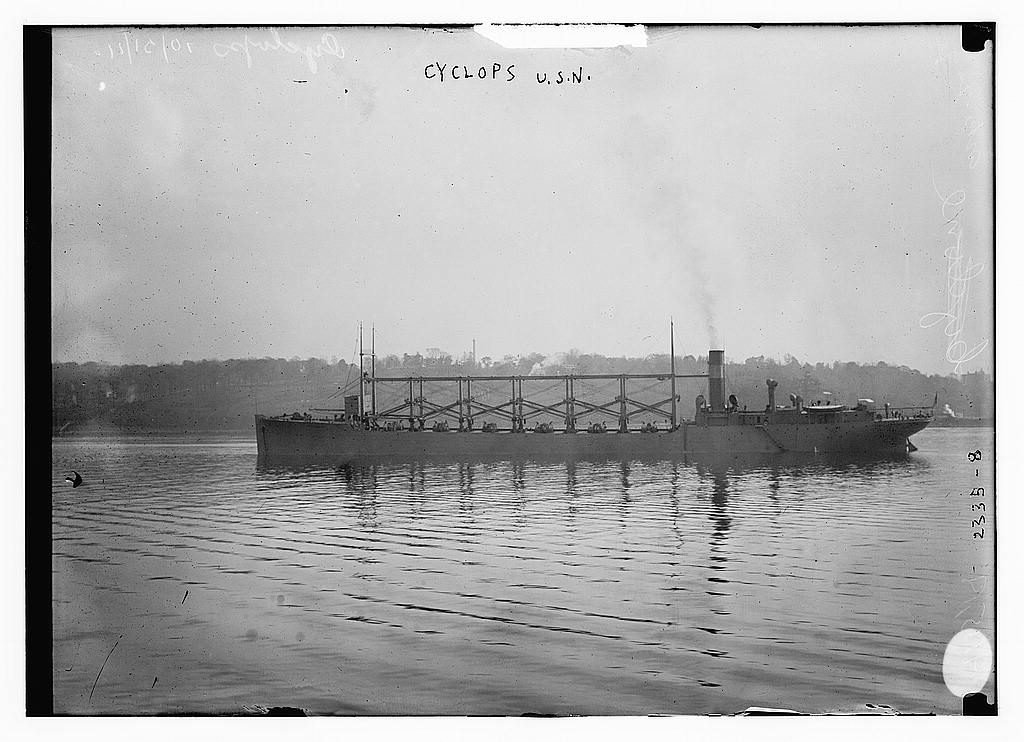
The USS Cyclops was no small vessel (and when you consider that this 540-foot naval cargo ship simply vanished in 1918 with 306 people aboard, the scale of the mystery becomes clear, because ships this large don’t typically disappear without leaving some trace behind). The Cyclops had been carrying a full load of manganese ore from Barbados to Baltimore — a routine cargo run that the experienced crew had made countless times before, though this particular journey would be their last.
So the ship left port in perfect weather conditions and simply sailed into oblivion. And here’s what makes it stranger: no distress signal was ever sent, no wreckage was ever recovered, and no explanation has ever satisfied the basic question of how something that massive disappears so completely.
But perhaps most unsettling of all is that two of the Cyclops’ sister ships — the Proteus and the Nereus — would meet identical fates decades later, vanishing in the same waters under similarly baffling circumstances.
The Carroll Deering
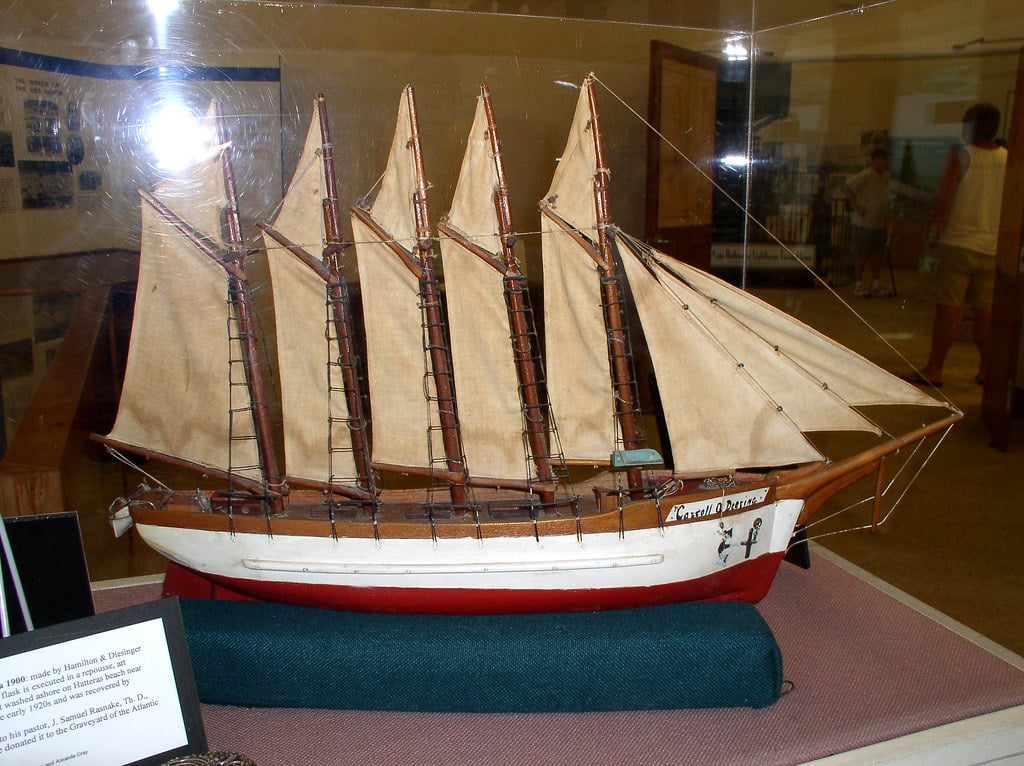
Picture this: a five-masted schooner drifting empty near Cape Hatteras, its sails set perfectly for favorable winds, the ship itself in pristine condition. Everything suggested a crew going about their normal duties just moments before.
The navigation equipment was gone, the logbooks were missing, and eleven people had simply vanished into thin air. Nobody abandons a seaworthy vessel without reason, especially not in calm seas with steady winds pushing them toward port.
The Carroll Deering looked like a maritime Mary Celeste — frozen in time but stripped of human life. What happened to those eleven souls remains one of the ocean’s most stubborn riddles.
Star Tiger and Star Ariel
British South American Airways operated these two passenger aircraft with the confidence that comes from routine. Both planes flew the same route regularly, both had experienced crews, and both vanished completely while crossing Bermuda Triangle waters.
Star Tiger disappeared in January 1948 with 31 people aboard. Star Ariel followed suit in January 1949 with 20 passengers and crew.
The airline folded shortly after. Losing two aircraft to the same stretch of ocean tends to shake consumer confidence.
Marine Sulphur Queen
The SS Marine Sulphur Queen was carrying molten sulfur when it vanished in February 1963, and if you’ve ever wondered what 15,000 tons of liquid sulfur looks like when it meets seawater, you’re not alone — because nobody got the chance to find out what happened when this 524-foot tanker simply disappeared off the Florida coast. The Coast Guard found a few life preservers and some debris, but that hardly explains how an entire ship and its 39-person crew could vanish so completely.
The vessel had been converted from a World War II Liberty ship to carry this dangerous cargo, which meant the crew knew exactly what they were dealing with: a substance that burns at over 400 degrees and creates toxic fumes when exposed to moisture. But even accounting for the hazardous nature of the cargo, the complete disappearance defied explanation.
So search teams scoured thousands of square miles of ocean and found almost nothing. The investigation concluded that structural failure was the likely cause, though that theory fails to account for the absence of a distress signal or any meaningful wreckage from such a large vessel.
Douglas DC-3
Charter flights don’t typically vanish between Puerto Rico and Miami, especially not when the weather is clear and the plane is being tracked by radar. This particular DC-3 disappeared in December 1948 with 32 people aboard.
The pilot radioed his position as normal, reported good visibility and fair winds, then went silent forever. The plane should have been impossible to lose.
The flight path was well-traveled, the aircraft was reliable, and rescue teams reached the last known position within hours. They found empty ocean where logic insisted there should have been survivors, wreckage, or at least an oil slick.
Harvey Conover
Harvey Conover knew boats the way some people know their own neighborhoods — with the deep familiarity that comes from decades of experience navigating the same waters again and again. When this accomplished yachtsman and sailboat racer set out from Key West to Miami in January 1958, nobody expected it would be the last time anyone saw him alive.
Conover had made this particular run countless times before, always in his 56-foot yacht Revonoc, a vessel he maintained meticulously and sailed with the precision of someone who respected the ocean’s power. The weather conditions were favorable that day, with moderate winds and good visibility — nothing that would challenge a sailor of his caliber.
But Conover never arrived in Miami, and despite extensive Coast Guard searches that covered hundreds of square miles: no trace of him or his yacht was ever recovered. The complete absence of debris suggested something more than a typical boating accident, though what that something might have been remains as mysterious now as it was then.
MV Joyita
The merchant vessel MV Joyita represents the kind of maritime mystery that feels pulled from a ghost story rather than a shipping manifest. When searchers finally located the partially submerged hulk five weeks after it disappeared, they found a ship that told no coherent story.
The cargo was gone, the passengers had vanished, and the logbook offered no clues about what had happened during those lost weeks. Twenty-five people had simply walked off the face of the earth.
What made the discovery more unsettling was the condition of the ship itself. The Joyita was designed to be unsinkable, built with cork-lined compartments that should have kept it afloat even when damaged.
Finding it half-sunken raised more questions than it answered.
Witchcraft
The 23-foot cabin cruiser Witchcraft holds the distinction of being one of the shortest disappearances on record — roughly 20 minutes from distress call to complete vanishing act. Dan Burack and his friend were anchored just one mile off Miami Beach on December 22, 1967, when Burack radioed the Coast Guard about hitting something that might have damaged his propeller.
The boat was equipped with multiple flotation devices and was supposedly unsinkable. Coast Guard vessels reached the coordinates within 19 minutes.
They found calm seas and perfect visibility. They also found absolutely nothing where the Witchcraft should have been waiting for assistance.
SS Hewitt
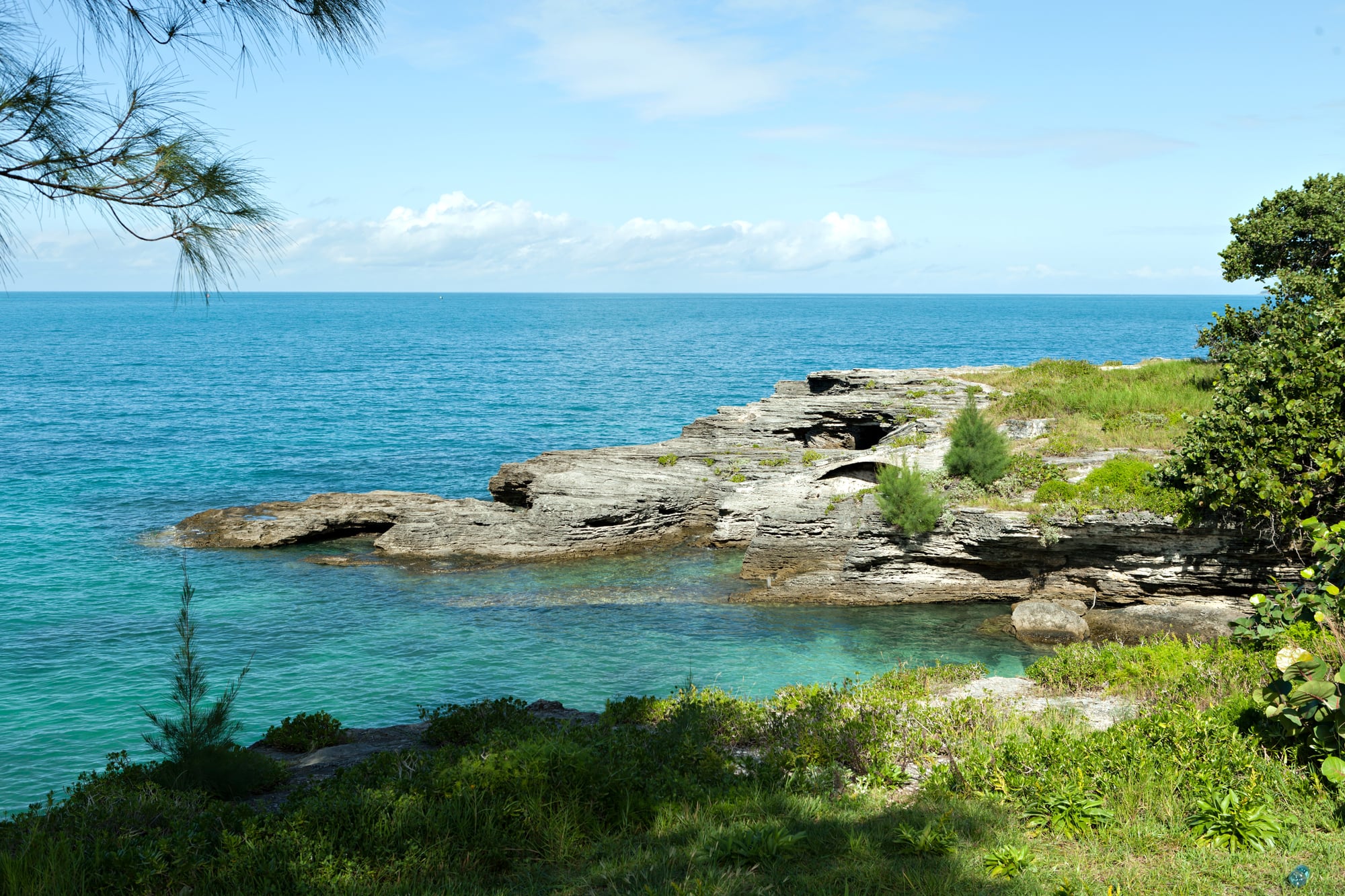
Barges aren’t supposed to disappear, particularly not when they’re being towed by experienced tugboat operators who know these waters intimately. The SS Hewitt was a perfectly ordinary barge carrying a perfectly ordinary load of sulfur when it vanished somewhere between New York and the Gulf of Mexico.
The tugboat crew noticed nothing unusual until they looked back and realized they were pulling an empty towline. Nobody jettisons a barge without reason.
The cargo was valuable, the weather was cooperative, and the vessel showed no signs of distress before it simply wasn’t there anymore.
National Airlines Flight 2511
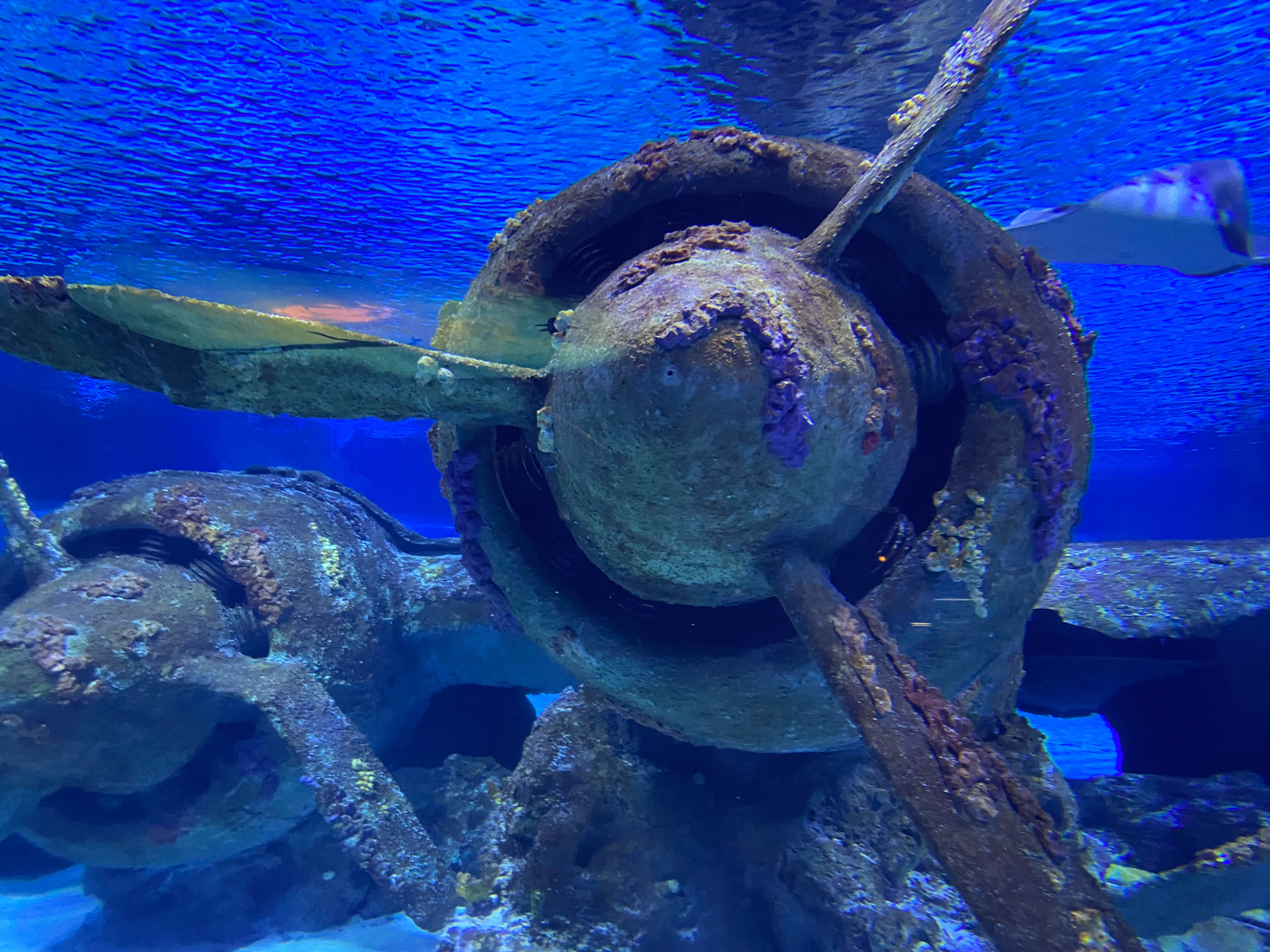
Commercial aviation in 1960 didn’t leave much room for mystery, which makes the crash of National Airlines Flight 2511 particularly unsettling. The Douglas DC-6B was carrying 34 people from New York to Miami when it broke apart at 18,000 feet.
Witnesses on the ground reported seeing flashes of light in the sky, followed by debris raining down over several square miles of North Carolina — so the plane clearly suffered some kind of catastrophic structural failure. The investigation pointed toward sabotage as the probable cause.
The wreckage pattern suggested an in-flight explosion, and evidence of dynamite was found among the recovered pieces, yet no criminal charges were ever filed. The flight had been proceeding normally until the moment it wasn’t, with no distress calls or reports of mechanical problems from the crew.
The criminal investigation remains open to this day, which is aviation speak for admitting that sometimes planes fall apart for reasons that resist full resolution.
El Faro

Modern technology makes disappearances harder to explain, not easier, which is why the loss of El Faro in 2015 feels so anachronistic. This cargo ship had GPS, satellite communication, weather radar, and every navigation tool that contemporary maritime safety could provide.
The crew knew Hurricane Joaquin was intensifying along their route. They had options for changing course.
Instead, they sailed directly into the storm and vanished with 33 people aboard. The ship’s final position was known to within a few hundred yards, yet it took investigators over a year to locate the wreck on the ocean floor.
Even then, the voice recorder raised more questions than it answered about why an experienced crew made such fatal decisions.
Piper Cherokee
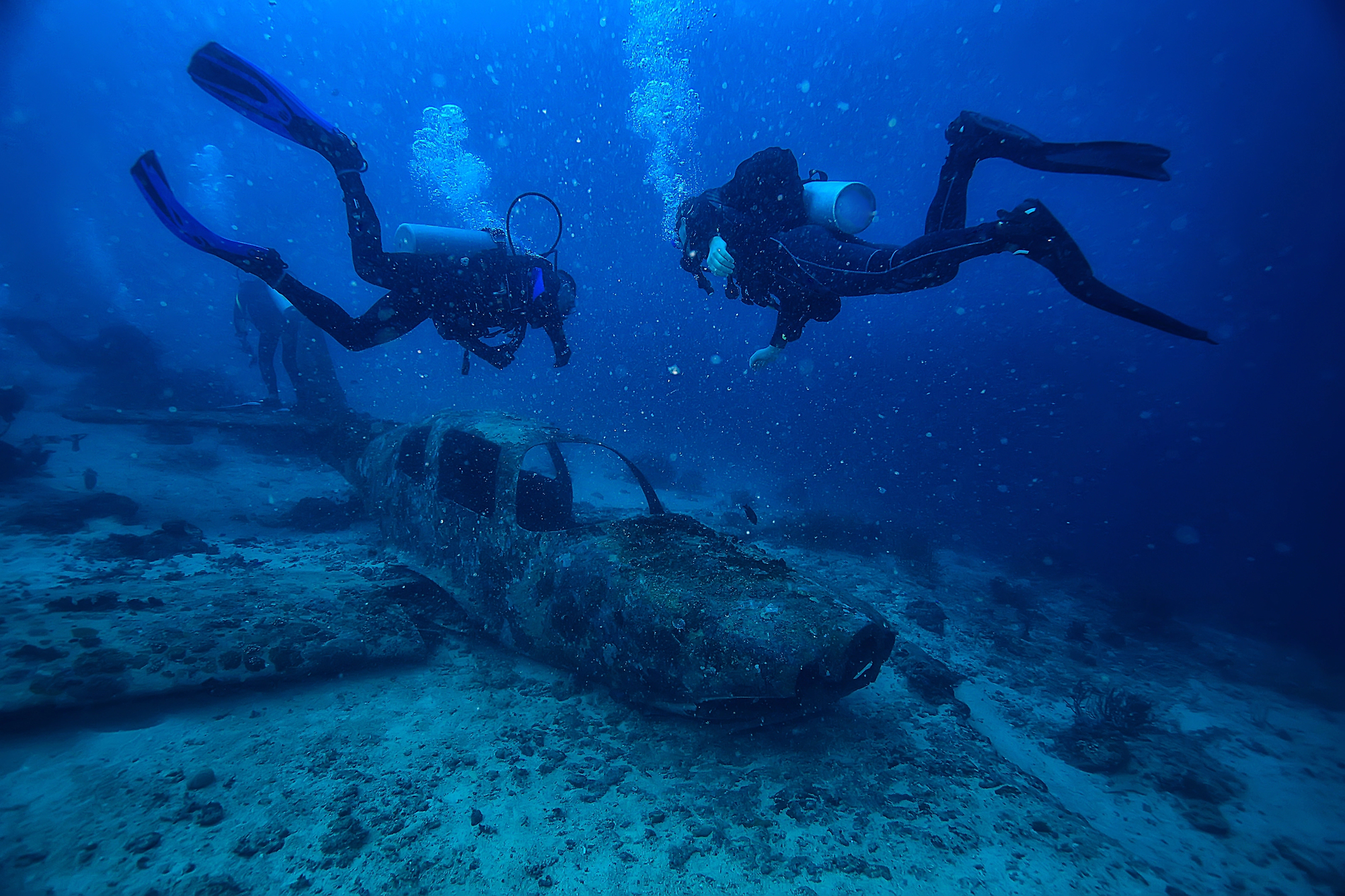
Small aircraft disappear with depressing regularity, but most leave some trace of their passage — an oil slick, floating debris, or at least a radar track that ends somewhere logical. The Piper Cherokee that vanished in June 1965 offered none of these conveniences.
The pilot had filed a flight plan from Nassau to Miami, reported good weather and normal engine performance, then simply stopped existing somewhere over the Triangle waters. Search teams covered the entire flight path multiple times.
They found the kind of empty ocean that suggests the plane never flew over it at all, though radar confirmed otherwise until the moment the aircraft blinked out of existence.
SS Poet
The SS Poet disappeared in October 1980 while carrying corn from Philadelphia to Egypt, and what made this particular vanishing so troubling was that everything about the voyage appeared routine until it wasn’t. The 523-foot cargo vessel had an experienced crew, favorable weather conditions, and a cargo that posed no unusual hazards, yet somewhere in the North Atlantic shipping lanes, the ship and its 34 crew members simply ceased to exist.
Modern maritime safety protocols meant the Poet should have been in regular radio contact with shore stations and other vessels throughout the journey, so when communications stopped abruptly without any distress signal or indication of mechanical problems, the silence itself became the most ominous evidence of something gone terribly wrong.
Despite extensive search operations covering thousands of square miles, not a single piece of debris was ever recovered — no life rafts, no cargo containers, no personal effects. Perhaps most puzzling of all was that the Poet’s sister ships had experienced structural problems in heavy seas, leading to speculation about metal fatigue or design flaws, though none of this explained why a failing ship wouldn’t have time to send a mayday call or why the ocean would swallow such a large vessel so completely.
KC-135 Stratotanker
Military aircraft come equipped with redundant communication systems, transponders, and flight recorders specifically designed to prevent the kind of complete disappearance that claimed this KC-135 Stratotanker in August 1963. The Air Force refueling aircraft was conducting a routine flight when it vanished somewhere over the Atlantic with eight crew members aboard.
No distress signal was transmitted, no wreckage was recovered, and no explanation satisfied the basic question of how a four-engine military aircraft simply stops existing. The KC-135 was built for reliability and designed to handle emergencies that would cripple civilian aircraft.
Losing one to unknown causes represented the kind of operational mystery that military investigators prefer to avoid, particularly when it happens in waters already notorious for unexplained disappearances.
The Question That Remains

These fifteen cases share an unsettling common thread that statistical analysis struggles to explain away. Experienced crews vanishing in good weather, modern vessels disappearing without distress calls, and search teams finding empty ocean where logic insists there should be survivors or wreckage.
The Bermuda Triangle may not actually swallow ships and planes with supernatural appetite, but something about this stretch of water continues to challenge our assumptions about maritime and aviation safety. Whether the explanation lies in unusual weather patterns, magnetic anomalies, or simple coincidence matters less than the fundamental mystery these disappearances represent.
The Bermuda Triangle is a humbling reminder that the ocean keeps its secrets well, and sometimes people simply sail into the unknown and never return.
More from Go2Tutors!

- The Romanov Crown Jewels and Their Tragic Fate
- 13 Historical Mysteries That Science Still Can’t Solve
- Famous Hoaxes That Fooled the World for Years
- 15 Child Stars with Tragic Adult Lives
- 16 Famous Jewelry Pieces in History
Like Go2Tutors’s content? Follow us on MSN.



