15 Rare Scenes Of Life in 1970s New York City
Back then, New York wasn’t shiny – far from it. Streets carried a rough edge, subway cars wore paint like war stripes, yet something pulsed underneath, tense but vivid.
Think of it: Times Square hadn’t been scrubbed clean, Brooklyn stayed quiet and unbothered, while skyscrapers loomed without concern for image. Money ran thin, systems cracked open, chaos spilled into corners.
Still, creation sparked in the mess – an unruly kind of brilliance nobody saw coming. Picture this: a stroll down memory lane, where snapshots of daily existence come alive.
A cup on a windowsill speaks more than any headline could. Moments pile up, not neatly, but honestly.
Life wasn’t performed; it unfolded.
The South Bronx Burns

Out in the open spaces where homes once stood, children kicked bottles through piles of broken bricks. Fire after fire lit up block after block throughout those years when city crews rushed from one blaze to another before dawn even broke.
Whole streets wore silence instead of streetlights, windows boarded like old wounds never treated. Some property owners struck matches themselves just to grab payouts once flames swallowed walls whole.
On a fall evening under stadium lights far away, TV feeds caught smoke climbing behind batters’ shoulders – proof visible to millions watching on couches hundreds of miles off.
Grand Central Terminal Becomes Homeless Shelter
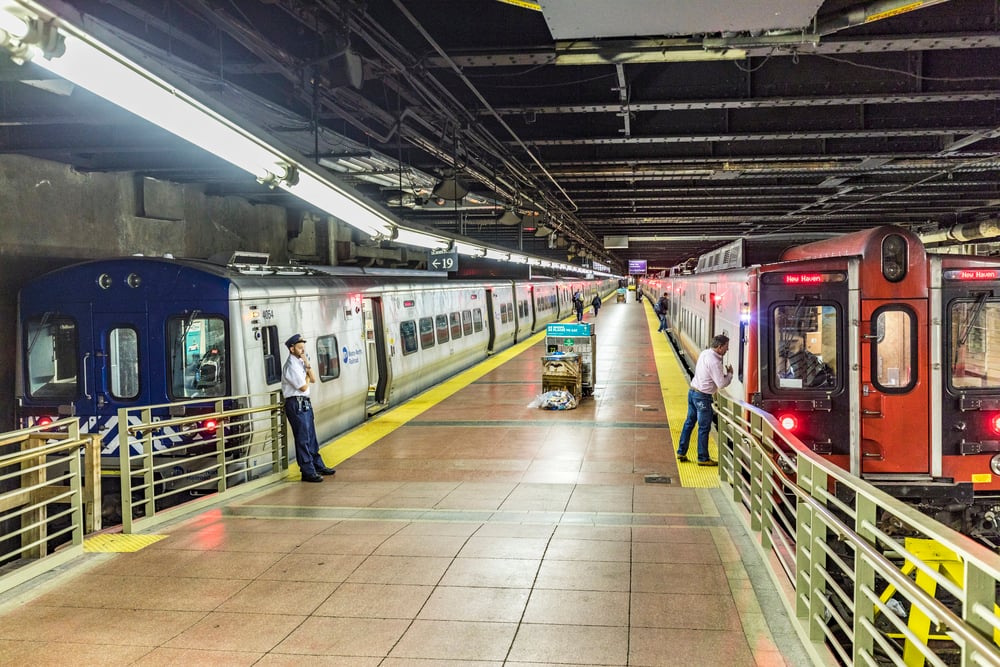
Back then, Grand Central looked nothing like the shiny landmark visitors admire now. Inside, folks without homes found shelter across cold stone floors and old wooden seats, drawn by steady heat and roof cover.
The big open hall carried sharp scents – bodily odors mixed with traces of pee. Rush-hour crowds moved around curled-up figures wrapped in newsprint sheets, eyes shut mid-dozing.
Officers rarely intervened since deeper crises crowded their priorities list. That elegant early-1900s structure stood cracked by time, echoing how much the city had lost along the way.
Graffiti Covering Entire Subway Cars

Rolling across town after dark, subway trains became canvases nobody gave permission for, yet covered head to toe in wild colors. Nighttime visits by youth to rail yards led to full-car murals tagged with labels such as TAKI 183 and LEE, built slowly under moonlight.
Entire carriages disappeared beneath paint – windows buried, doors unrecognizable. Officials labeled it destruction of property, fought it at every turn, and refused to call it creativity.
Yet those who did it believed they marked territory their voices could finally fill, places wealth never reached. Inside each ride, walls whispered stories through scratches, marks, sprays layered on steel.
Times Square Before Disney

Darkness brought risk when strolling here late at night. Glowing billboards once shouted promises too bold for today’s crowds.
Tourists now snap photos near spots that used to host shady storefronts and flickering adult cinemas. Crime thrived on those sidewalks – dealers, pimps, all doing business without hiding.
That gritty version of Times Square starred in films like Taxi Driver, its dirtiness unscripted, just life as it happened. Where musical marquees shine today, X-rated shops stood side by side.
The 1977 Blackout And Looting

When the power went out on July 13, 1977, entire neighborhoods erupted in chaos. People smashed store windows and carried away televisions, furniture, clothing, and anything else they could grab.
In some areas, fires burned while looters worked by flashlight, emptying stores down to the bare walls. The blackout lasted 25 hours and resulted in over 1,000 fires and 1,600 stores damaged.
Police arrested more than 4,000 people, but the looting revealed how much anger and desperation existed in the poorest neighborhoods.
CBGB And The Punk Scene

A grimy club on the Bowery became the birthplace of punk rock. CBGB smelled like stale beer and cigarettes, and the bathroom was famously disgusting, but bands like the Ramones, Blondie, and Talking Heads played there for tiny crowds who became part of music history.
The stage was barely raised off the floor, so performers and audience members were practically on top of each other. Punk kids with safety pins and torn clothes packed the place night after night, creating a scene that rejected everything mainstream.
The club’s awning said “OMFUG” underneath the name, which stood for “Other Music For Uplifting Gormandizers,” though nobody really cared what it meant.
Studio 54’s Velvet Rope

Getting past the doormen at Studio 54 meant you had arrived. The disco club on West 54th Street became famous for turning away hundreds of people each night while letting celebrities and beautiful people inside to party until dawn.
Inside, the excess was legendary, with drugs flowing freely and people dancing under elaborate lighting on a floor that once hosted horses and elephants for theatrical effect. The club represented everything glamorous about New York nightlife while the rest of the city struggled with crime and bankruptcy.
Studio 54 lasted only 33 months before tax evasion charges shut it down, but those years defined disco culture.
The Daily Garbage Strike Smell
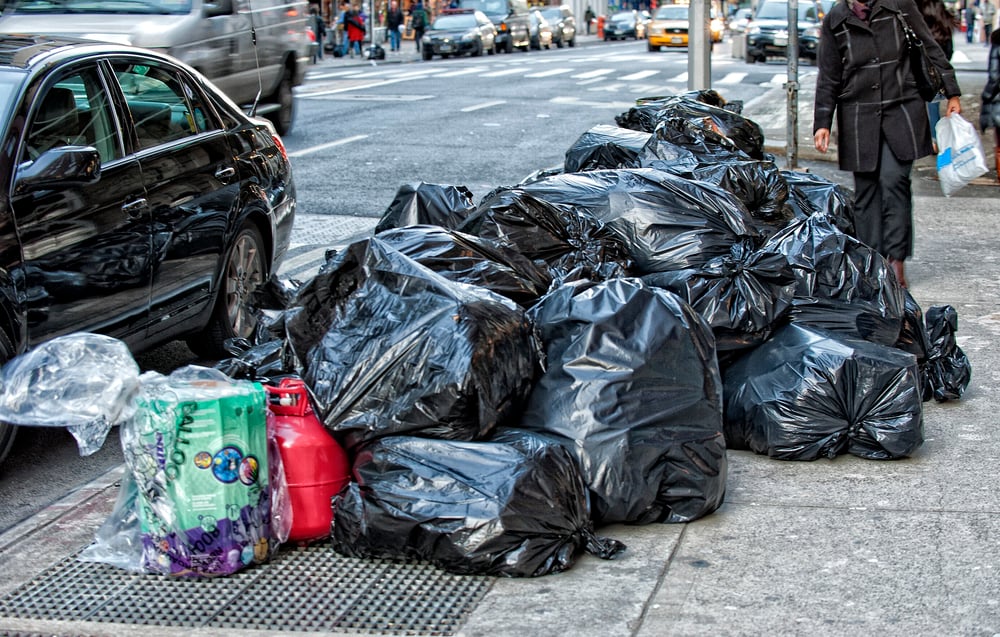
New York’s sanitation problems reached a peak during the 1970s when strikes left garbage piling up on sidewalks for weeks. Mountains of trash bags sat in the summer heat, attracting rats the size of cats.
The smell was overwhelming, and people had to navigate around the rotting heaps just to walk down the street. Even when sanitation workers weren’t on strike, the city couldn’t keep up with the garbage, so streets often looked filthy.
Rats became such a common sight that people barely reacted to them anymore.
Street Crime In Broad Daylight

Muggings happened so frequently that many New Yorkers developed a sixth sense about danger. People got robbed on subway platforms, in parks, and sometimes right on busy streets while others walked past.
The police force had been cut because the city was bankrupt, so response times stretched longer. Many residents carried “mugger money” which was a few dollars kept separate to hand over if threatened, hoping to avoid violence.
Car windows got smashed regularly for the chance that something valuable might be inside, and radio theft became so common that people took their radios out and carried them.
Washington Square Park Drum Circles

Washington Square Park became an outdoor living room where people gathered to play music, hang out, and enjoy public space. Drummers would set up and play for hours, drawing crowds who danced or just watched.
Drug dealers operated openly around the fountain, making the park both a cultural gathering spot and a place parents warned their kids about. Street performers, folk singers, and chess players filled the park, creating a mix of creativity and hustle.
The arch stood over everything like a monument to a more elegant past while the present unfolded in unpredictable ways below.
Survival On The Lower East Side

The Lower East Side was cheap because it was rough. Artists and immigrants lived in crumbling tenement buildings with broken heating and questionable plumbing.
Junkies nodded off in doorways, and abandoned buildings got taken over by squatters who had nowhere else to go. Despite the hardship, the neighborhood had a tight community feeling because people looked out for each other.
Corner stores extended credit to regular customers, and neighbors knew each other’s business. Rent was low enough that artists could afford studios, which made the area a creative hub even as it struggled with poverty and addiction.
The Son Of Sam Panic

David Berkowitz terrorized the city for over a year, shooting young people with a .44 caliber handgun and sending letters to newspapers. The attacks created genuine panic, and people changed their behavior to avoid fitting his victim profile.
Women with long dark hair cut it short or dyed it different colors. Couples avoided parking in secluded areas, and nightclub crowds thinned out.
Police got thousands of tips, and the city obsessed over every new letter from the killer. When they finally caught him in August 1977, the collective relief was enormous, though the randomness of his attacks had already left a psychological mark.
The Meat Packing District At Work
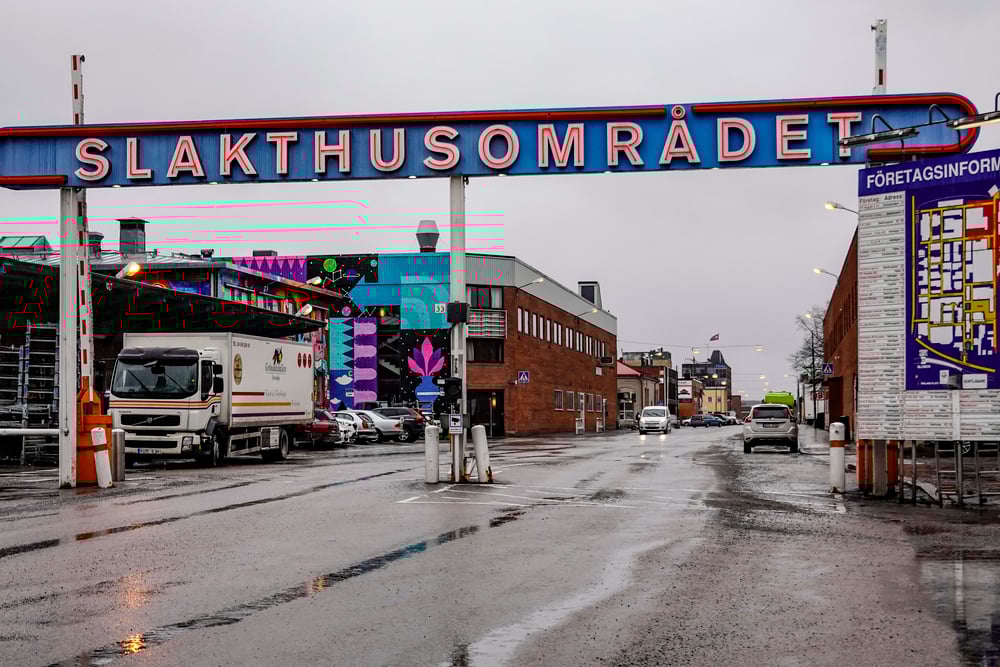
The Meat Packing District actually packed meat. Workers in blood-stained white coats hauled beef carcasses off trucks starting before dawn.
The cobblestone streets ran with water mixed with blood, and the smell of raw meat filled the air. Refrigerated trucks idled while men with hooks moved sides of beef into warehouses.
This was a working industrial neighborhood where the labor was physical and the conditions were harsh. By night, the area transformed into a cruising ground, but during the day, it belonged to the meat trade, which had operated there since the 1800s.
Squeegee Men At Every Stoplight

Traffic lights meant an encounter with squeegee men who would rush to clean windshields whether drivers wanted it or not. They carried dirty rags and squeegees, swiping at windows and expecting payment.
Some drivers handed over quarters just to avoid confrontation, while others waved them off or kept windows up. The squeegee men became a symbol of the city’s decline and the desperation some people faced.
They worked intersections all over Manhattan, turning simple stops into tense moments where drivers locked their doors and looked straight ahead.
Little Italy’s Social Clubs

Social clubs lined the streets of Little Italy, functioning as community centers and gathering places. Old men sat outside playing cards, drinking espresso, and watching neighborhood life unfold.
These clubs had names but no signs, and unless you belonged, you didn’t go in. Everyone knew some clubs had connections to organized crime, but they also served legitimate social functions, hosting wedding receptions and funeral gatherings.
The neighborhood still felt distinctly Italian, with residents who had lived there for generations and shopkeepers who knew their customers by name. Festivals and street fairs brought the community together, and the smell of fresh bread and tomato sauce filled the narrow streets.
Looking Back At A Broken City

The New York of the 1970s seems almost impossible now. The city was on the verge of bankruptcy, crime was out of control, and entire neighborhoods looked abandoned.
Yet something about that era still captures people’s imagination because the struggle created a particular kind of energy and creativity. The artists, musicians, and everyday people who lived through that decade built something lasting from the chaos.
Today’s gleaming, expensive New York exists partly as a reaction against those hard years, for better and worse.
More from Go2Tutors!

- The Romanov Crown Jewels and Their Tragic Fate
- 13 Historical Mysteries That Science Still Can’t Solve
- Famous Hoaxes That Fooled the World for Years
- 15 Child Stars with Tragic Adult Lives
- 16 Famous Jewelry Pieces in History
Like Go2Tutors’s content? Follow us on MSN.



