16 Ad Fails That Killed the Brand
Marketing missteps can cost companies dearly. While most marketing blunders cause temporary embarrassment, some advertising disasters have actually bankrupted companies almost overnight. These catastrophic campaigns serve as cautionary tales in the business world, showing how quickly public perception can turn against a brand when advertising goes terribly wrong.
Here is a list of 16 advertising campaigns that didn’t just fail—they financially ruined the brands behind them.
Hoover’s Free Flights

In 1992, Hoover UK offered two free round-trip flights to Europe or the US with any purchase over £100. The company vastly underestimated consumer response, as people bought the cheapest qualifying vacuums solely for the flights worth many times more.
The promotion cost Hoover an estimated $50 million and led to the company’s European division being sold off after the financial disaster.
Ratner’s “Total Crap” Comment

Gerald Ratner, CEO of Ratner’s jewelry chain, made a joke during a 1991 speech that his products were ‘total crap.’ The comment immediately tanked the company’s value by £500 million.
What took decades to build crumbled in seconds, and the company had to rebrand entirely as the Ratner name became synonymous with poor quality.
Like Go2Tutors’s content? Follow us on MSN.
MoviePass’s Unlimited Model

MoviePass offered unlimited movie tickets for just $9.95 monthly, a price point that made no mathematical sense. The company lost money on virtually every transaction, burning through cash at an unsustainable rate.
This flawed business model, marketed aggressively as revolutionary, resulted in the company filing for bankruptcy in 2020 after losing millions of dollars per month.
Sunny Delight’s Orange Children
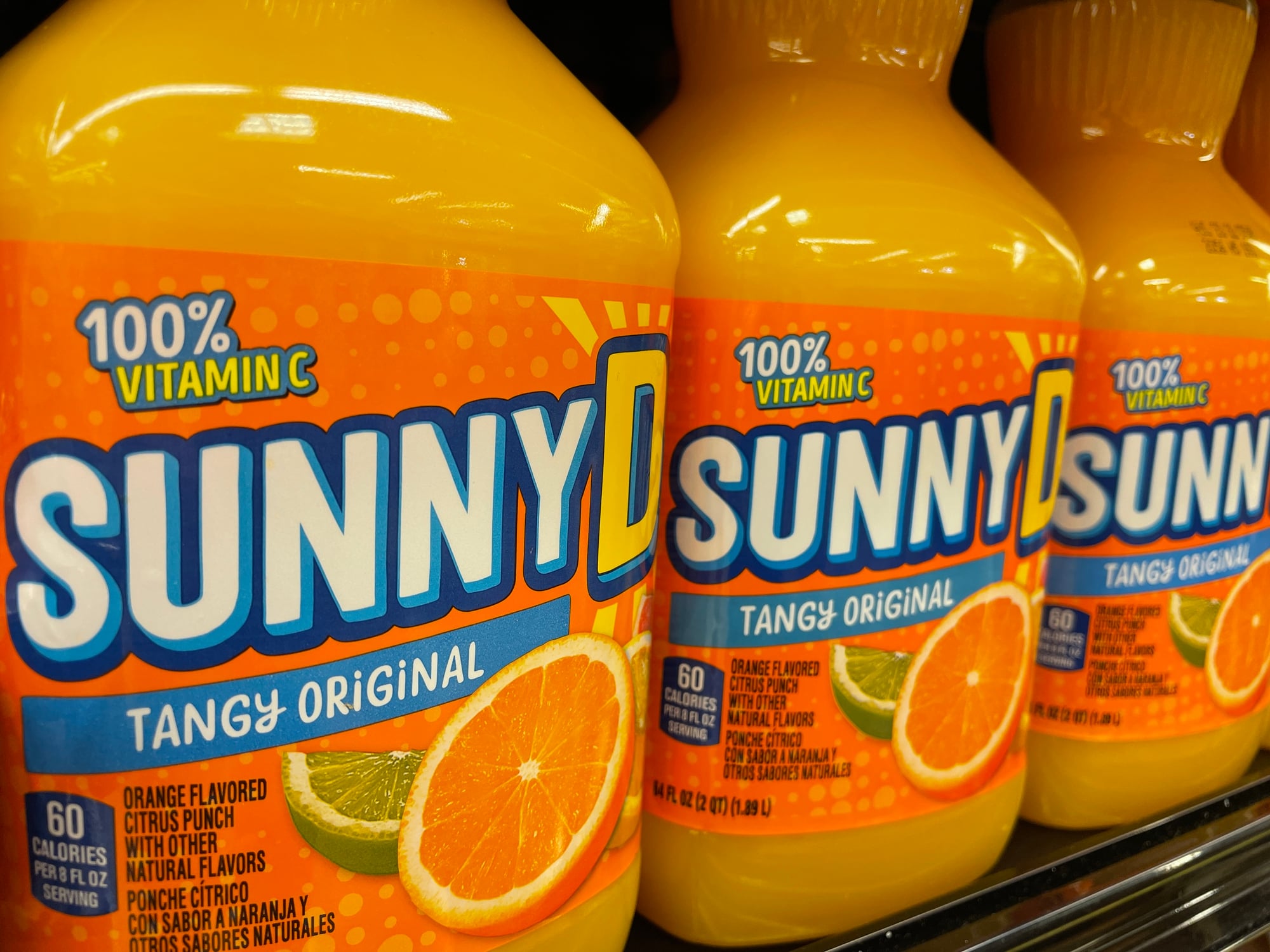
Sunny Delight’s 1990s advertising campaign targeted children so effectively that one child reportedly turned orange from overconsumption. The resulting health concerns and negative publicity caused sales to plummet by 35% in the UK market.
The brand’s reputation never fully recovered, and it had to undergo expensive reformulation and rebranding.
Schlitz’s Formula Change

Schlitz beer, once America’s top-selling beer, launched an ad campaign promoting its new formula in the 1970s. Unfortunately, the new brewing process created flakes in the beer that consumers found disgusting.
Despite ads claiming improved quality, sales collapsed, and Schlitz went from market leader to nearly bankrupt in just a few years. The brand’s value dropped from $1 billion to almost nothing.
Like Go2Tutors’s content? Follow us on MSN.
Fyre Festival’s Influencer Campaign

Fyre Festival’s 2017 marketing campaign featured supermodels and influencers promoting a luxury music festival that didn’t exist. The spectacular failure left attendees stranded with emergency tents and sad cheese sandwiches instead of luxury accommodations.
The fallout included multiple lawsuits, prison time for founder Billy McFarland, and immediate bankruptcy for the company.
Crystal Pepsi’s Confusing Launch

Crystal Pepsi’s 1992 launch centered on an advertising campaign that confused consumers about what the product actually was. Was it a cola? Was it a lemon-lime drink?
The unclear positioning combined with the product’s unusual appearance led to plummeting sales after initial curiosity. The product was pulled from shelves within a year, costing Pepsi millions in development and marketing.
Volkswagen’s Emissions Scandal

While not initially an ad campaign, Volkswagen’s ‘clean diesel’ marketing became a catastrophic liability when the emissions cheating scandal broke in 2015. Years of advertisements promoting the environmental benefits of their diesel engines were exposed as fraudulent.
The resulting fines exceeded $30 billion, and several smaller VW dealerships went bankrupt from the fallout.
Like Go2Tutors’s content? Follow us on MSN.
Ayds Weight Loss Candy

The unfortunately named appetite suppressant candy Ayds had successful advertising campaigns until the AIDS crisis emerged in the 1980s. The company stubbornly refused to change its name despite the obvious connection.
Sales dropped by 50% by the mid-1980s, and the once-popular product was eventually discontinued, bankrupting the company due to its marketing stubbornness.
Fashion Cafe’s Celebrity Disaster

In the 1990s, Fashion Cafe launched with a star-studded campaign featuring supermodels Claudia Schiffer, Elle Macpherson, and Naomi Campbell. The restaurant chain marketed itself as a fashion-forward dining experience but delivered mediocre food at premium prices.
The disconnect between the glamorous advertising and the underwhelming reality quickly led to bankruptcy in 1998.
New Coke’s Unnecessary Solution

In 1985, Coca-Cola launched New Coke with a massive advertising campaign claiming improved taste. This solved a problem consumers didn’t think existed.
The public backlash was immediate and fierce, with thousands of angry calls daily. While Coca-Cola survived, many bottlers faced financial ruin from inventory they couldn’t sell, with several smaller operations going bankrupt.
Like Go2Tutors’s content? Follow us on MSN.
Groupon’s Super Bowl Fiasco

Groupon’s 2011 Super Bowl commercial, which made light of the plight of Tibet to promote discounts, sparked immediate outrage. The company’s stock plummeted by 50% in the months following the ad.
The campaign was so disastrous that it contributed significantly to the ouster of CEO Andrew Mason and a financial tailspin that nearly bankrupted the once-promising company.
Adidas’s Boston Marathon Email

Adidas sent a tone-deaf email after the 2017 Boston Marathon with the subject line: ‘Congratulations, you survived the Boston Marathon!’ coming just four years after the Boston Marathon bombing. The backlash was immediate and severe, costing Adidas millions in sales and damaging relationships with retailers.
Several Adidas-exclusive retailers faced bankruptcy from the association.
Radio Shack’s Identity Crisis
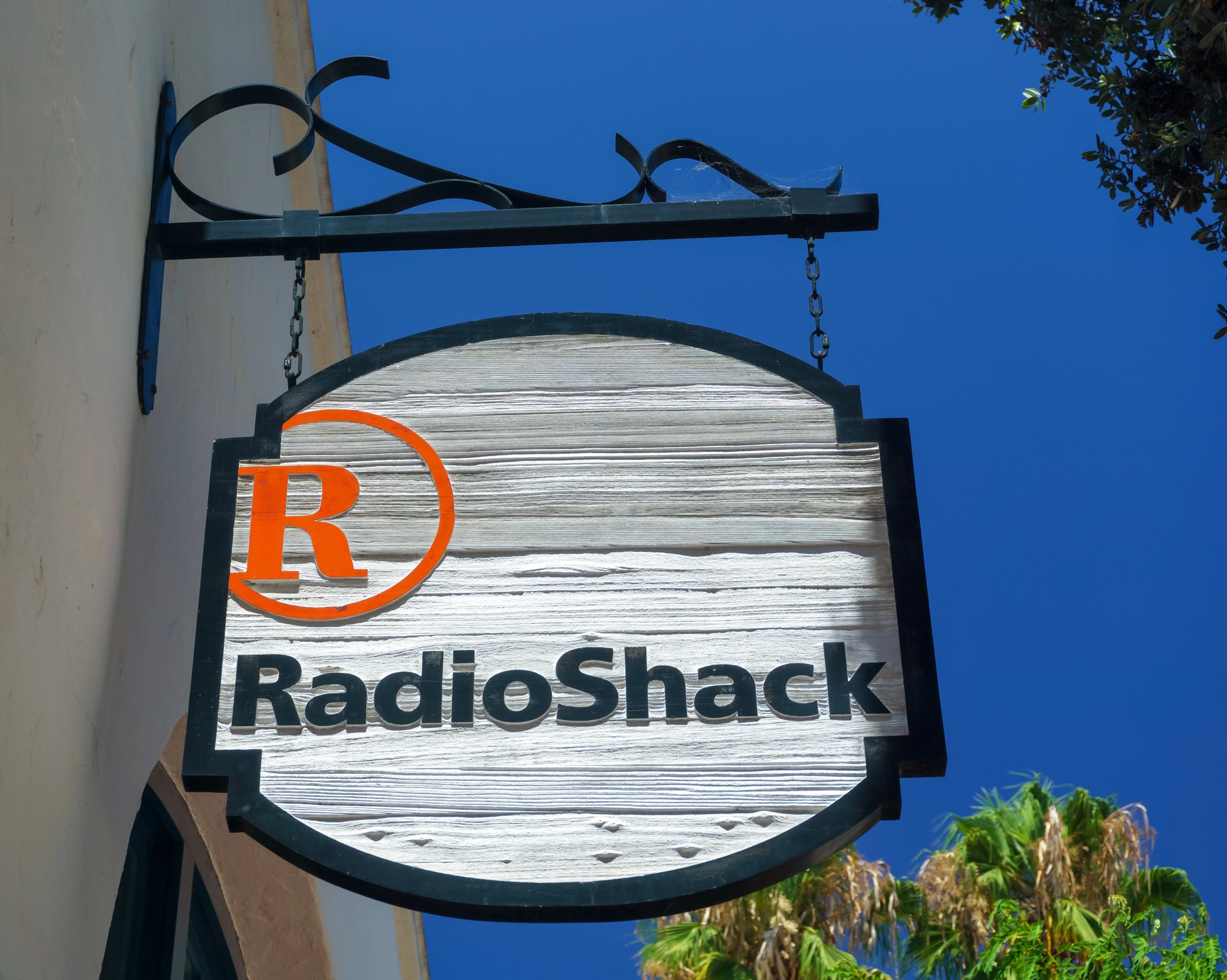
Radio Shack’s 2014 Super Bowl ad featured 1980s celebrities destroying a store to show the brand was no longer stuck in the past. The campaign backfired by reminding consumers of the brand’s outdated image while failing to establish a new one.
Within a year of the expensive campaign, Radio Shack filed for bankruptcy, unable to recover from the marketing misstep.
Like Go2Tutors’s content? Follow us on MSN.
Kendall Jenner’s Pepsi Protest

Pepsi’s 2017 ad featuring Kendall Jenner seemingly resolving a protest by offering a police officer a Pepsi was pulled within 24 hours of release. The campaign, which trivialized serious social justice movements, resulted in a $5 million loss in immediate campaign costs and an estimated $30 million in lost sales.
Several Pepsi-exclusive vendors reported near bankruptcy from the fallout.
American Apparel’s Controversial Imagery

American Apparel’s advertising strategy featuring provocative, often underage-looking models in suggestive poses created growing public discomfort. Despite initial success with their edgy brand image, the continued controversial advertising led to boycotts and declining sales.
The company filed for bankruptcy in 2016, unable to recover from years of alienating their customer base.
Beyond Marketing Blunders

These catastrophic advertising campaigns remind us that marketing doesn’t exist in a vacuum. When brands prioritize shock value over sensitivity, or promises over deliverability, the market responds swiftly and mercilessly.
The most successful companies recognize that advertising creates a promise that the product or service must then fulfill—failing this fundamental principle can lead not just to failed campaigns, but to failed businesses.
More from Go2Tutors!

- 18 Unexpectedly Valuable Collectibles You Might Have Lying Around
- 20 Little-Known Historical Battles That Had Huge Consequences
- 20 Historical Artifacts That Scientists Can’t Explain
- 15 Inventions That Were Immediately Banned After Being Created
- 20 Actors Who Were Almost Cast in Iconic Roles
Like Go2Tutors’s content? Follow us on MSN.