Trivia Facts About Iconic Global Street Foods
Street food tells stories that cookbooks never capture. Every cart, every corner vendor, every late-night stall carries recipes that have survived wars, crossed oceans, and adapted to whatever ingredients were available that day.
These dishes weren’t born in restaurants or planned by food committees — they emerged from necessity, creativity, and the simple human need to eat something delicious while standing on a sidewalk. The trivia behind these global favorites reveals how food moves through the world, picking up flavors and losing others, transforming into something entirely new while somehow staying exactly the same.
Hot Dogs

Hot dogs are German sausages that became American through sheer stubbornness. No fancy origin story here.
The name came from a cartoonist who couldn’t spell “dachshund.” He drew the sausages as little dogs and called them hot dogs instead. That’s it. A spelling problem created one of America’s most iconic foods.
Tacos

Tacos existed long before Europeans knew the Americas existed, but the hard shell version that most people recognize was invented in the 1940s by a man who got tired of soft tortillas breaking apart (which seems to miss the point entirely, but turned out to be profitable). The word “taco” originally referred to the paper-wrapped charges miners used for blasting — so named because corn tortillas wrapped around fillings resembled those little explosive packages, which is either charming or slightly concerning depending on how you think about your lunch.
And yet the street vendors in Mexico City still fold their tortillas the same way their grandparents did, soft and warm and completely uninterested in hard shells. Some things refuse to be improved upon, even when improvement makes money.
Fish And Chips
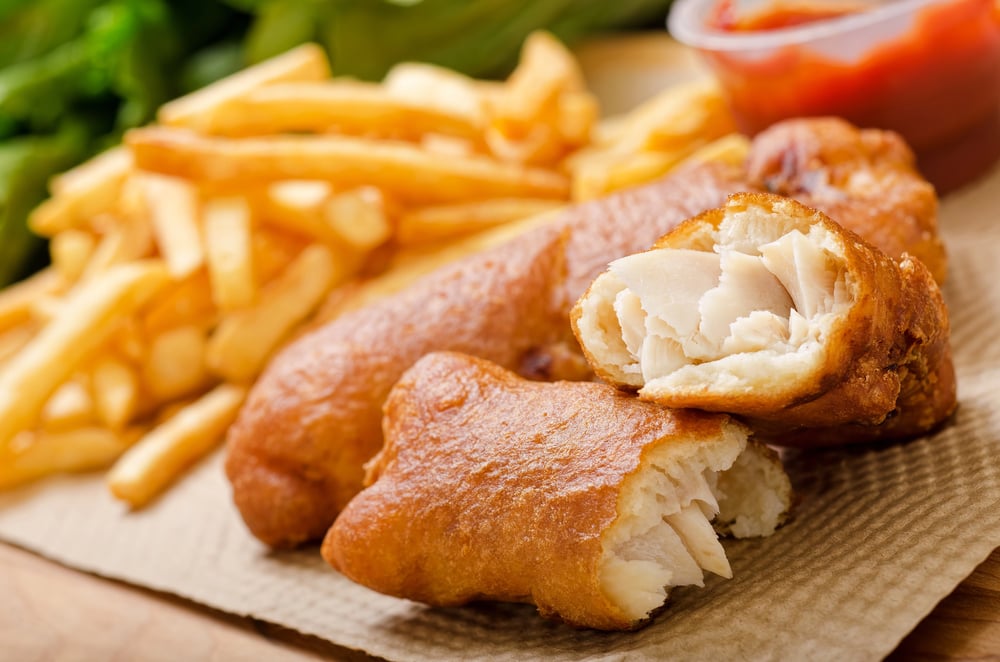
Fish and chips arrived in England as two completely separate ideas that happened to work together perfectly. Portuguese Jews brought fried fish in the 16th century.
Belgian refugees brought fried potatoes two centuries later. Someone eventually noticed they complemented each other.
Bánh Mì
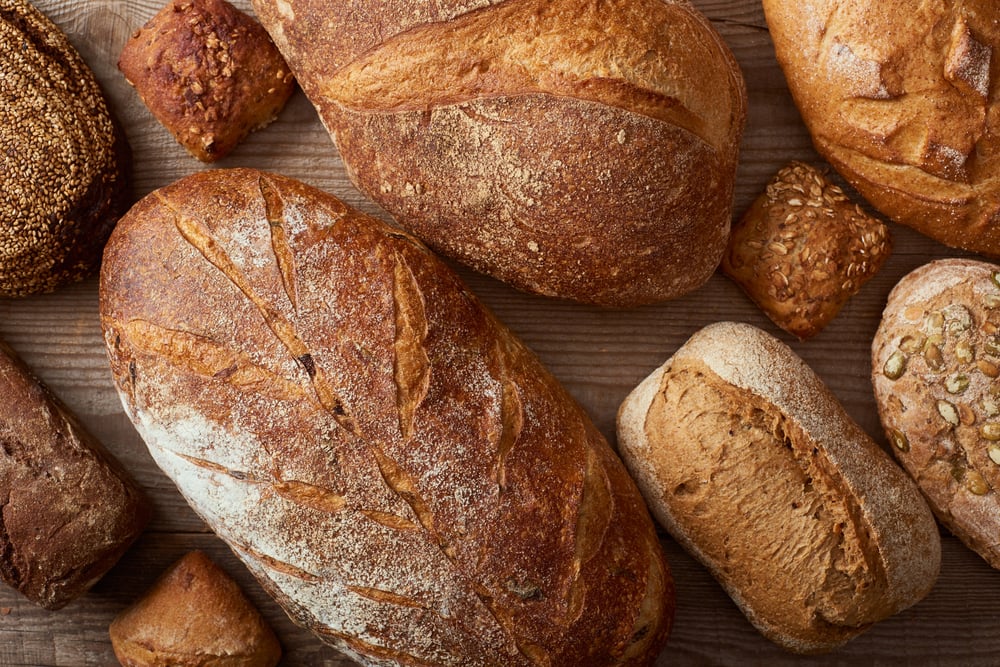
Vietnamese sandwiches exist because French colonialism left behind baguettes and the Vietnamese decided to make them better. What started as cultural imposition became creative rebellion — French bread filled with Vietnamese flavors that had never met European palates.
The sandwich contains an entire history: pickled vegetables from necessity (refrigeration was scarce), cilantro and jalapeños for brightness in a tropical climate, and pâté because the French insisted on it but couldn’t control how it would be reimagined. Each bánh mì is essentially a small act of culinary independence wrapped in the colonizer’s bread.
Churros
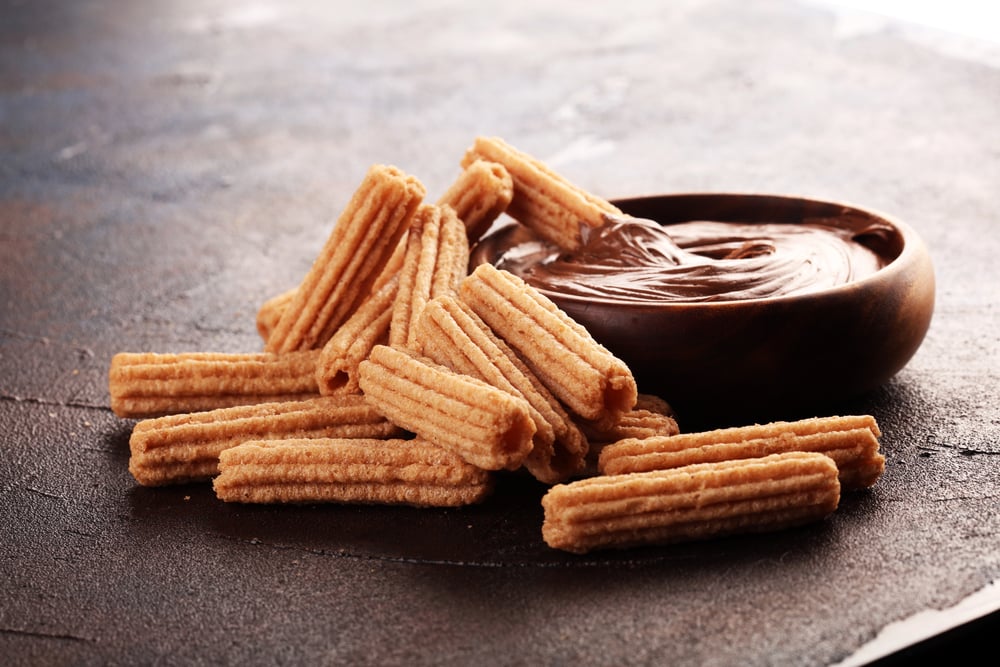
Churros weren’t invented in Spain or Mexico — they were brought to Europe by Portuguese traders who learned the technique from Chinese cooks making youtiao, a similar fried dough stick that’s been breakfast in China for over a thousand years. The star-shaped ridges that define churros today weren’t aesthetic choices.
They were practical engineering. The ridges increase surface area, which means more crispy exterior and better oil drainage. Sometimes the most beautiful solutions are just good physics dressed up.
Falafel

Everyone claims falafel. Israelis, Palestinians, Lebanese, Egyptians — each group insists their ancestors invented it first.
The truth is simpler and more frustrating: nobody knows. Fried chickpea orbs have been feeding people in the Middle East for so long that arguing about origins is like arguing about who invented walking.
Doner Kebab
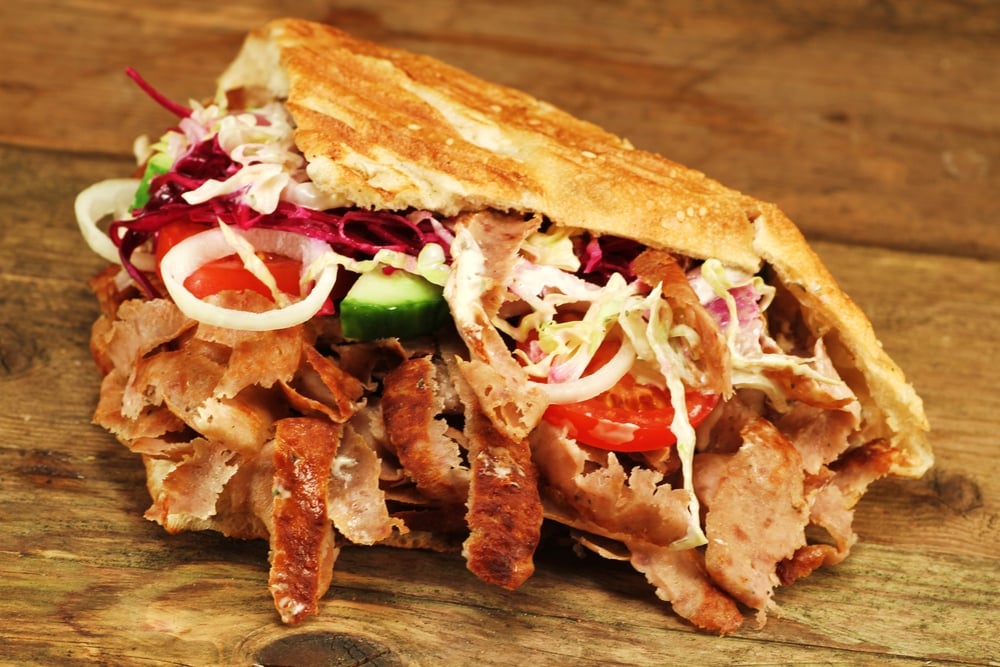
The vertical rotating spit that creates doner kebab was invented in the 19th century by a Turkish chef who got tired of constantly turning skewers by hand, but the döner kebab as street food — carved into pita bread with vegetables and sauce — was perfected by Turkish immigrants in Berlin in the 1970s who needed to feed factory workers something substantial and fast. So Germany’s most popular street food is Turkish food adapted for German workers, served by Turkish families who made a foreign city feel like home through the simple act of feeding people well.
The rotating meat cone has become so iconic that it’s influenced kebab shops from London to Tokyo, but the Berlin version remains the template: practical, generous, and designed for people who work hard and want something real to eat. And the sauce — that particular combination of yogurt, garlic, and herbs — was calibrated specifically for German tastes, which means Turkish cooks studying their customers and adjusting recipes until they got it exactly right, which is its own form of cultural diplomacy.
Crepes

Crepes represent the stubborn elegance of simplicity. Flour, milk, eggs, butter — nothing exotic, nothing complicated.
Yet somehow these paper-thin pancakes manage to feel sophisticated whether they’re filled with Nutella from a Paris street cart or folded around vegetables at a Bangkok night market.
Samosas

Samosas started as medieval snacks for travelers — triangle-shaped pastries that could survive long journeys without spoiling and provided complete nutrition in a portable package that fit in a saddlebag. The pyramid shape wasn’t decorative; it was structural engineering that prevented the filling from leaking out during transport.
They spread along trade routes from Central Asia to India to East Africa, picking up local flavors at each stop. Ethiopian samosas are different from Indian ones, which are different from Kenyan ones, but the basic concept — seasoned filling wrapped in crispy pastry — translates across every culture that’s tried it.
Pad Thai

Pad Thai was literally designed by government committee in the 1930s as part of a nationalism campaign to create a unified Thai identity through food. The government distributed recipes and even provided free noodles to street vendors who agreed to make the dish according to official specifications.
It worked almost too well. Pad Thai became so associated with Thai cuisine that many people assume it’s ancient, when it’s actually younger than the Golden Gate Bridge. Sometimes the most authentic-seeming traditions are the most deliberately constructed ones.
Empanadas
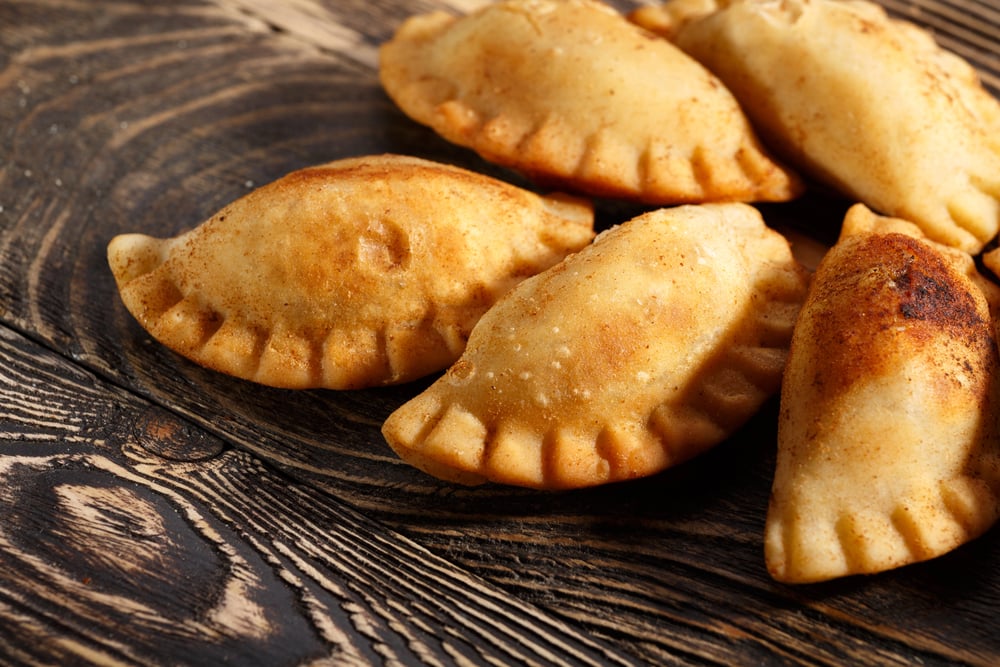
Empanadas conquered Latin America through Spanish colonization, but their DNA is Moorish — half-moon pastries filled with meat or vegetables that could feed workers without requiring plates or utensils (the pastry crust functioned as both container and food, which solved multiple problems at once). Each country that adopted empanadas made them smaller or larger, changed the fillings, adjusted the spices, until Argentine empanadas barely resemble Venezuelan ones, yet somehow they’re unmistakably the same food family.
The crimped edges that seal empanadas aren’t just practical — they’re signatures that identify the cook, passed down through generations of women who taught their daughters not just what to put inside the dough, but how to fold it in the family style. So every empanada carries a small genealogy in its crust, which explains why people get oddly emotional about which version is “correct.”
Pretzels
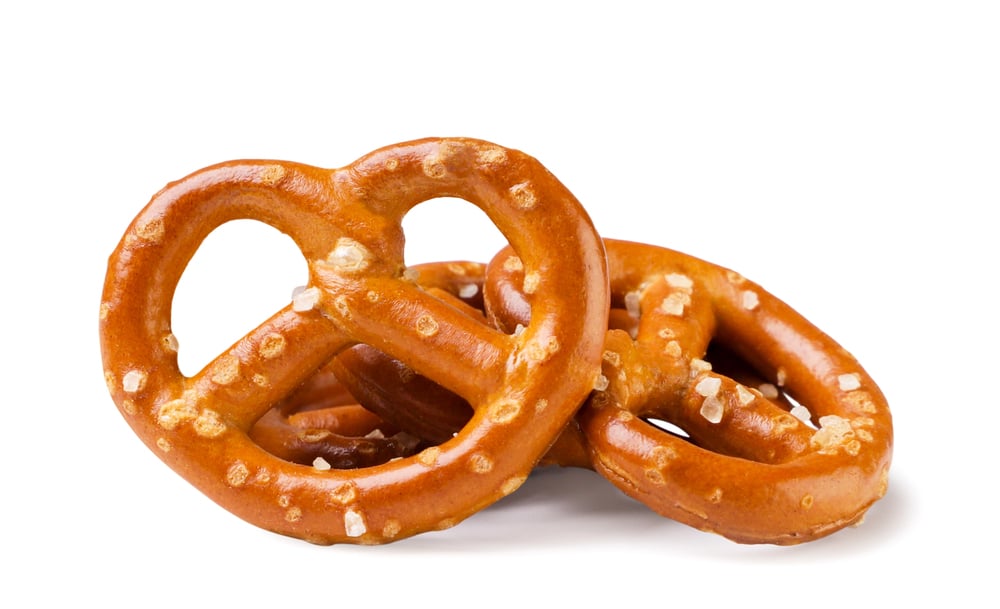
The pretzel’s twisted shape supposedly represents arms crossed in prayer, created by medieval monks as a reward for children who learned their prayers correctly. Whether that origin story is accurate matters less than what it reveals about how food carries meaning beyond nutrition.
Street pretzels became a New York institution through German immigrants who discovered that soft pretzels stayed warm longer than hard ones, making them perfect for pushcart vendors who needed their product to survive hours on city streets. The oversized pretzels sold from Manhattan carts today are basically German monastery snacks scaled up for American appetites and urban logistics.
Gelato
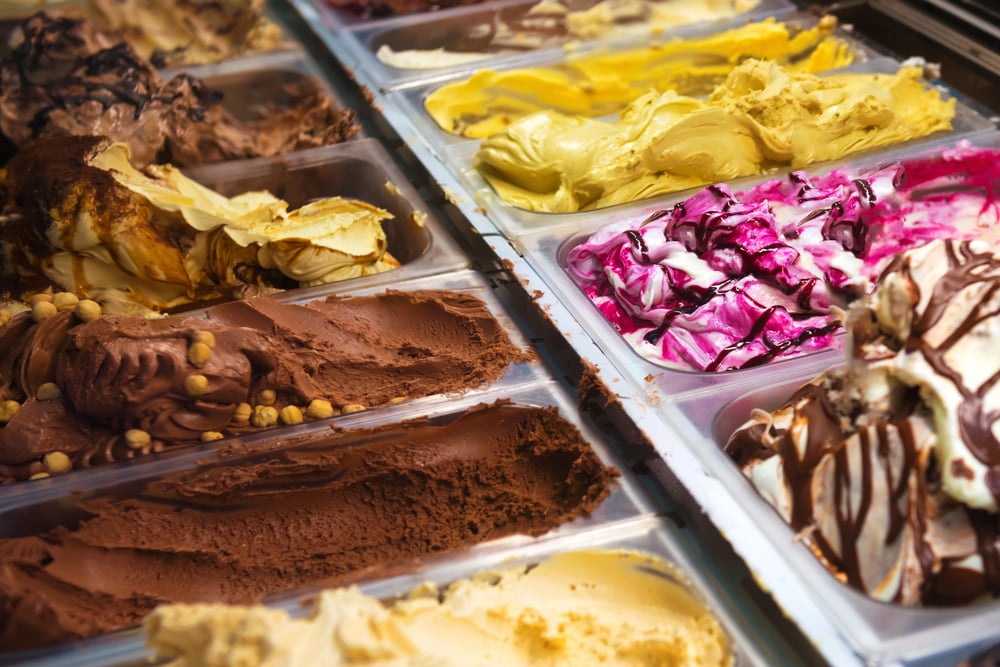
Gelato isn’t just Italian ice cream served at a different temperature — it’s churned slower and contains less air, which creates a denser texture that intensifies flavor while using less sugar than American ice cream requires. This isn’t an accident or tradition; it’s deliberate engineering that emerged from Italian preferences for more intense, less sweet desserts.
Street gelato vendors in Italy still use techniques that prioritize flavor concentration over volume, which explains why a small cup of gelato from a Roman cart often tastes more substantial than a large American ice cream cone. The difference lies in understanding that satisfaction doesn’t always correlate with size.
A World On Every Corner
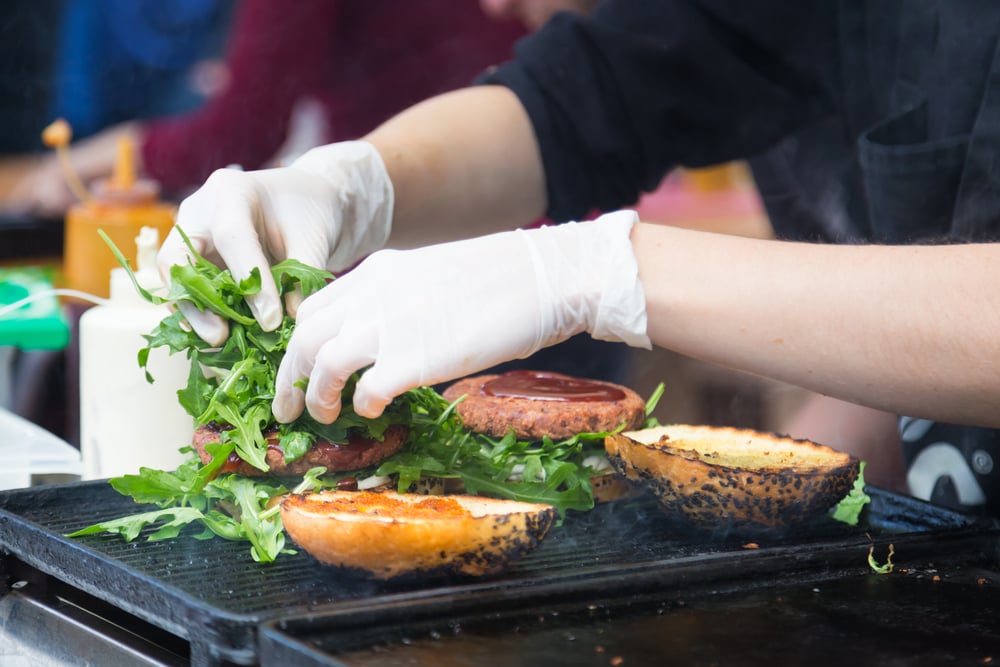
Street food turns every city corner into a small embassy for flavors that travel thousands of miles to reach your hands. These aren’t just snacks — they’re edible evidence of how humans adapt, survive, and find ways to make something delicious out of whatever ingredients and circumstances they inherit.
The trivia matters because it reveals the stories: Turkish workers in Berlin, Chinese techniques in Spanish pastries, government committees creating national dishes, medieval monks shaping pretzels that still warm your hands on cold city streets. Every bite connects you to that history, whether you know it or not.
More from Go2Tutors!

- The Romanov Crown Jewels and Their Tragic Fate
- 13 Historical Mysteries That Science Still Can’t Solve
- Famous Hoaxes That Fooled the World for Years
- 15 Child Stars with Tragic Adult Lives
- 16 Famous Jewelry Pieces in History
Like Go2Tutors’s content? Follow us on MSN.



