15 Saturday Morning Ads That Sold Every Toy
Saturday mornings in the ’80s and ’90s weren’t just about cartoons—they were about the commercials that made every kid desperate for the latest toy. These weren’t ordinary advertisements; they were mini movies that transformed plastic into magic and made parents’ wallets significantly lighter.
The genius marketing teams behind these campaigns understood something profound: kids don’t just want toys, they want adventures, and the right commercial could sell both. These commercials became cultural phenomena in their own right, with jingles that stuck in your head for decades and catchphrases that defined playground conversations.
Here’s a list of 15 Saturday morning toy commercials that didn’t just advertise products—they created entire universes that every child wanted to inhabit.
G.I. Joe
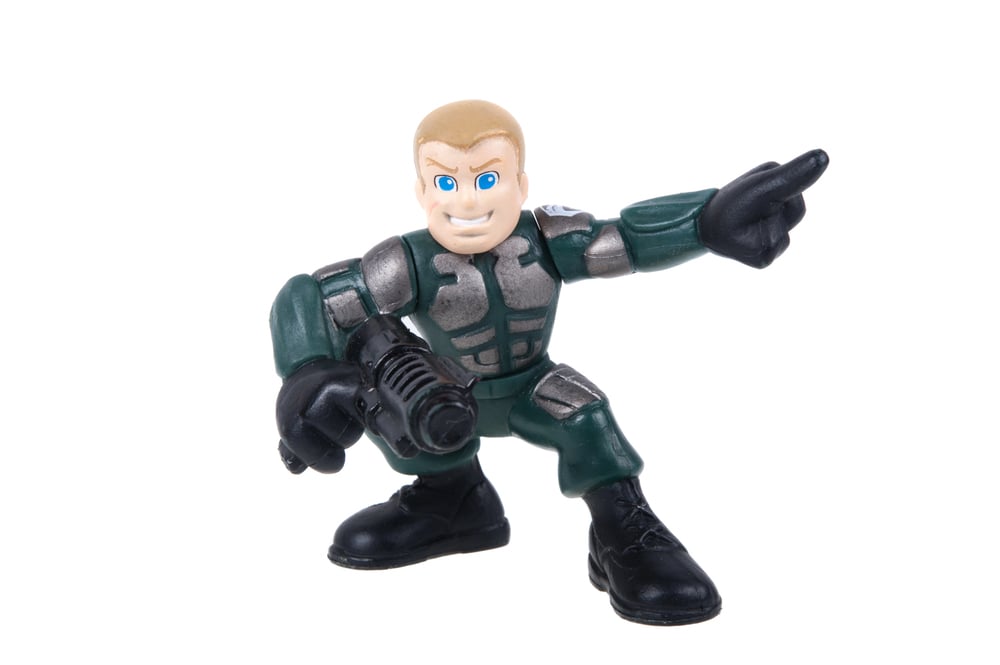
The G.I. Joe commercials were 30-second adrenaline rushes that were abridged versions of action movies. These commercials had enough military equipment to make Pentagon officials envious, along with dramatic voiceovers and explosions.
Their ability to teach children how to play with the figures, transforming bedroom floors into intricate battlegrounds where good always prevailed over evil, was what made them so great.
Transformers
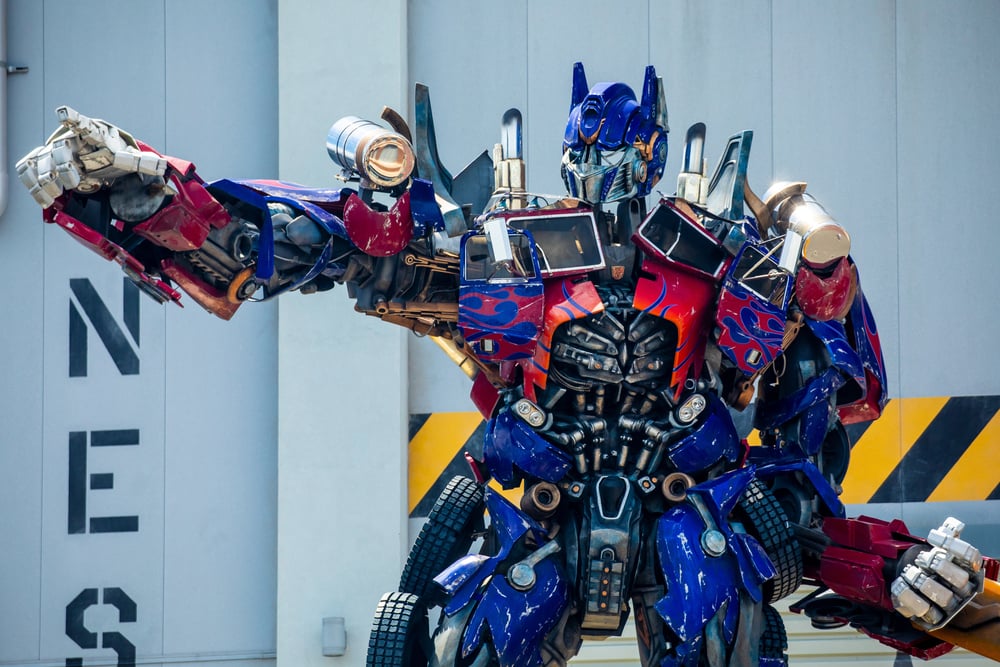
‘Robots in disguise’ became the battle cry of an entire generation thanks to commercials that showcased cars morphing into towering robots with seamless precision. The transformation sequences were filmed with the kind of technical mastery usually reserved for Hollywood blockbusters.
These ads didn’t just sell toys; they sold the fantasy that your everyday objects could spring to life and join an intergalactic war.
Like Go2Tutors’s content? Follow us on MSN.
My Little Pony
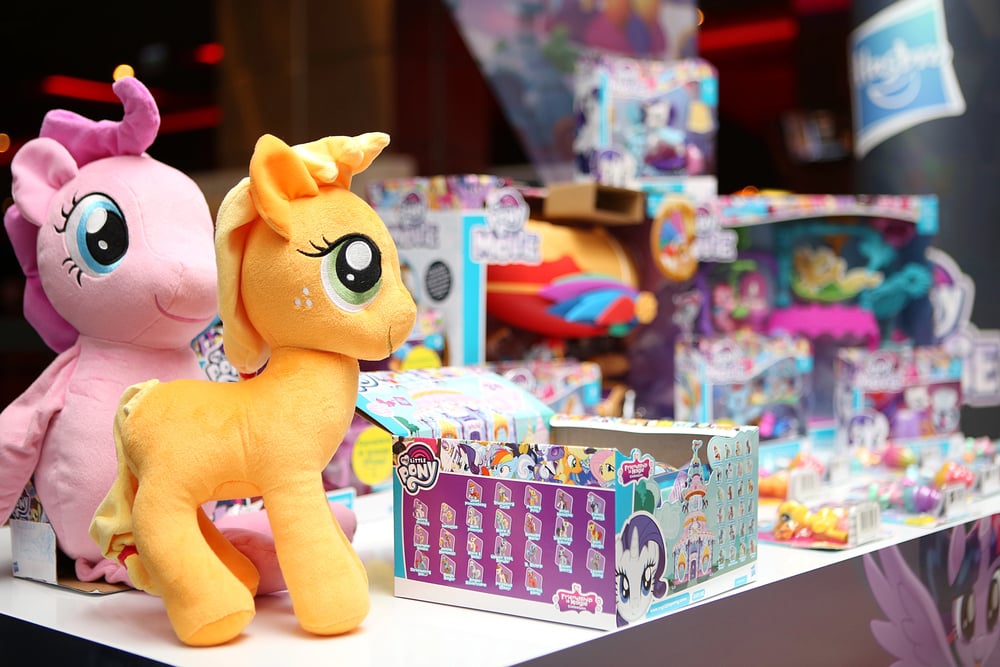
The pastel world of My Little Pony commercials created a dreamscape where friendship solved every problem and rainbow manes flowed in perpetual slow motion. These advertisements perfected the art of selling aspiration to young girls, showing ponies having tea parties, going on adventures, and living in a world where cuteness was currency.
The commercials made every little girl believe they needed an entire herd to properly experience the magic.
Teenage Mutant Ninja Turtles
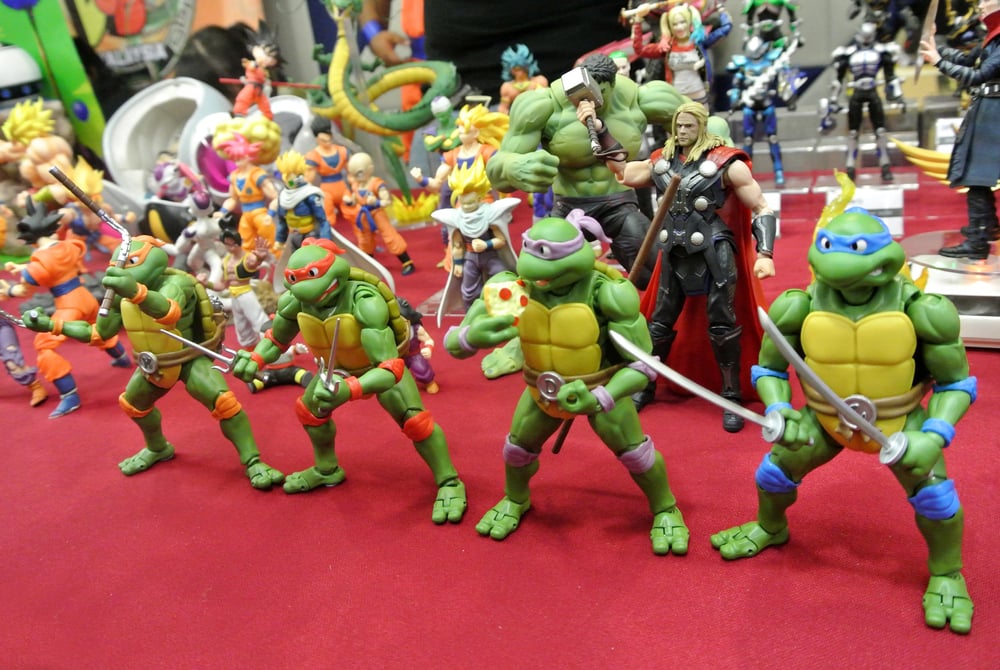
Pizza-loving reptiles with martial arts skills shouldn’t have worked, but these commercials made it feel completely logical. The ads captured the perfect balance of humor and action that made the franchise a phenomenon, showing the turtles cracking jokes while delivering perfectly choreographed fight sequences.
They sold the idea that being different wasn’t just okay—it was totally radical.
Hot Wheels
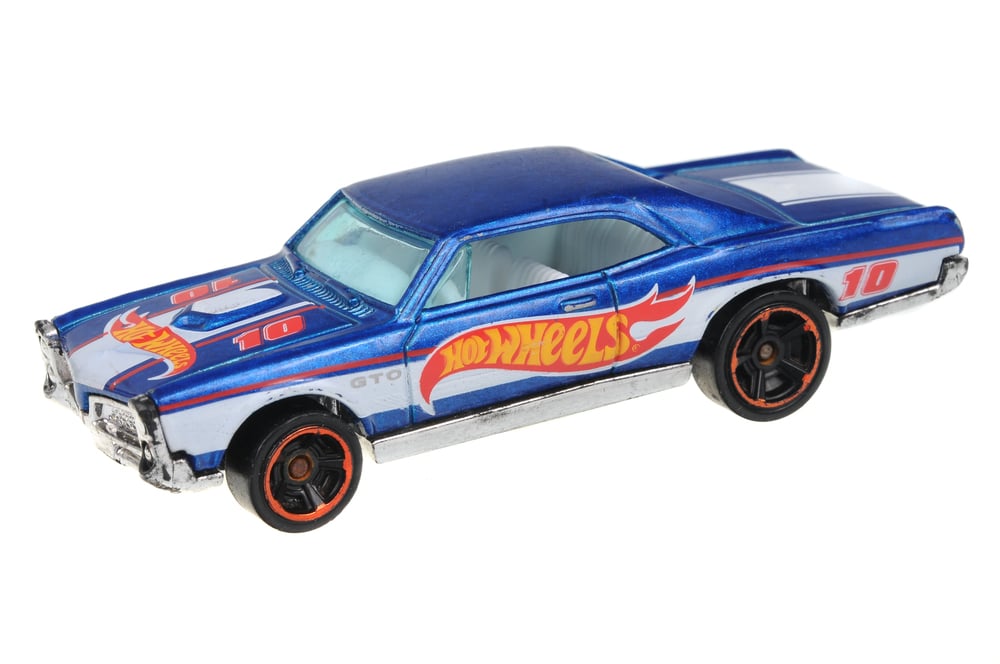
Hot Wheels commercials turned every living room into the Indy 500, featuring cars racing through elaborate orange track configurations that defied the laws of physics. The signature ‘whoosh’ sound effect became as iconic as the cars themselves, and the slow-motion crashes were pure automotive poetry.
These ads convinced kids that building the track was half the fun, even though everyone knew the real joy was in sending cars flying off kitchen tables.
Like Go2Tutors’s content? Follow us on MSN.
Barbie
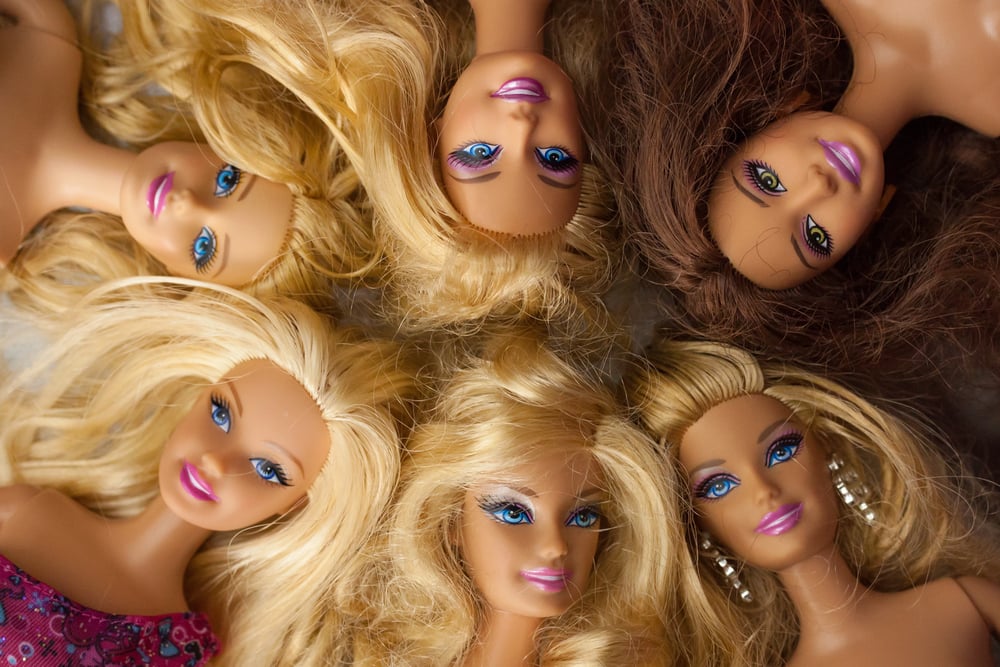
Barbie commercials were aspirational lifestyle programming disguised as toy advertisements, showing a blonde icon who could be anything from an astronaut to a veterinarian before changing careers became trendy. The commercials featured dream houses that would make real estate agents weep and wardrobes that rivaled Paris Fashion Week.
They sold the revolutionary idea that girls could have it all, one plastic outfit change at a time.
He-Man and the Masters of the Universe
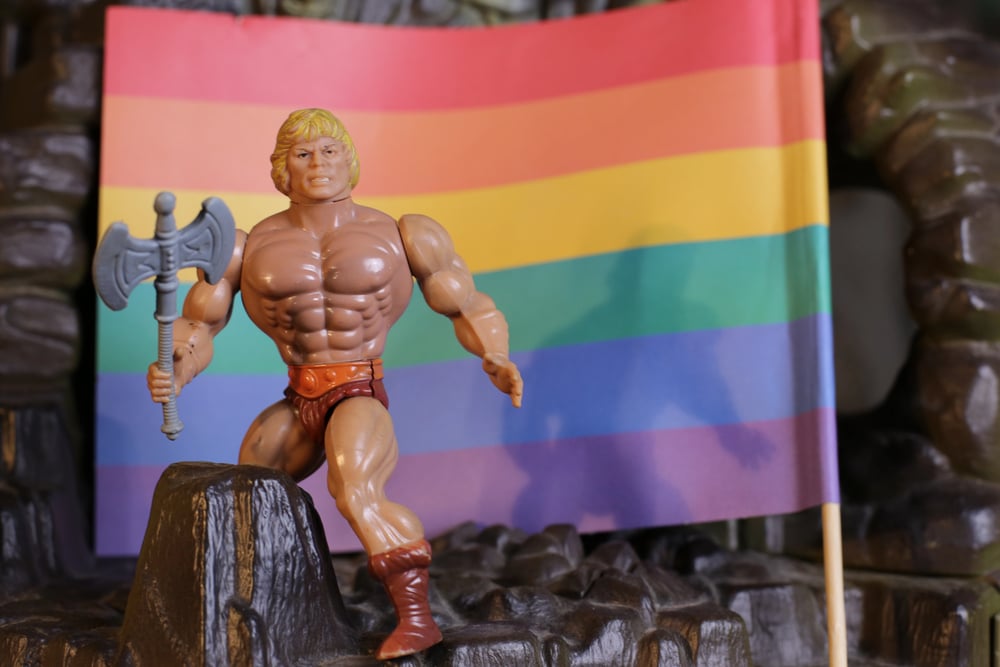
These commercials featured more muscles per square inch than a bodybuilding competition, with He-Man wielding his Power Sword while declaring he had ‘the power’ in a voice that could shatter windows. The ads showcased Castle Grayskull and various vehicles with the kind of dramatic flair usually reserved for epic fantasy films.
They convinced kids that battling evil required not just courage, but an extensive collection of action figures and accessories.
Thundercats
‘Thunder, Thunder, Thundercats, Ho!’ became a rallying cry thanks to commercials that featured anthropomorphic cats with medieval weapons fighting mummified villains in space. The ads perfectly captured the show’s unique blend of fantasy and science fiction, making every kid want to wield the Sword of Omens.
These commercials understood that the best toys came with their mythology and battle cries.
Like Go2Tutors’s content? Follow us on MSN.
Care Bears
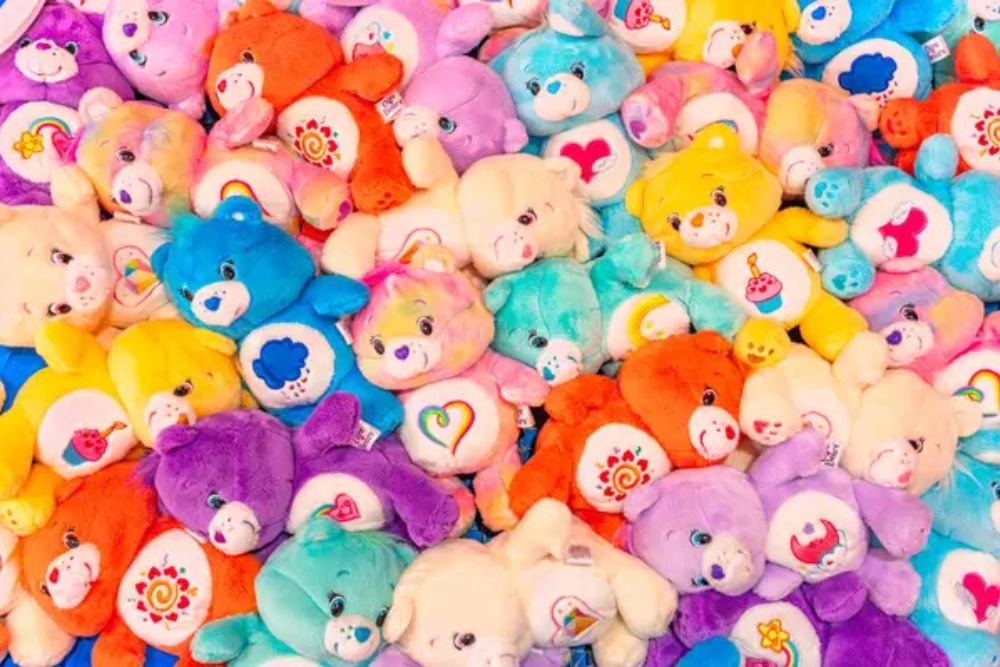
The Care Bears commercials weaponized cuteness with surgical precision, featuring fuzzy bears shooting rainbow beams from their bellies to defeat grumpy clouds and sad feelings. These ads sold emotional intelligence disguised as plush toys, convincing parents that their children needed these bears to properly process feelings.
The ‘Care Bear Stare’ became a playground phenomenon that made sharing and caring seem like superpowers.
Cabbage Patch Kids
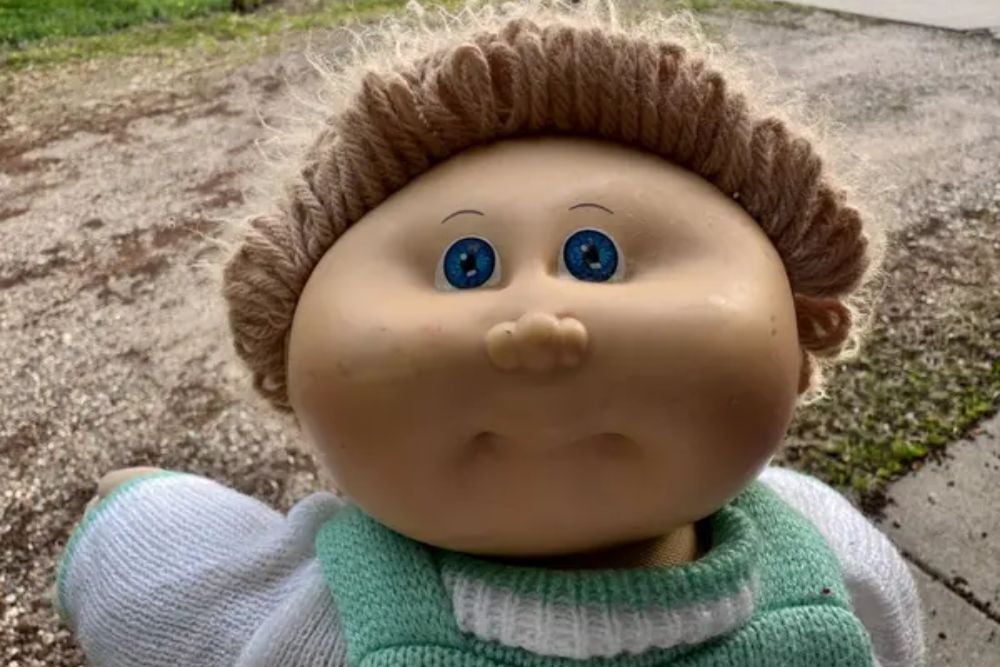
These commercials introduced the revolutionary concept that toys could be ‘born’ rather than manufactured, complete with adoption papers and individual personalities. The ads featured kids treating their dolls like real babies, complete with feeding, diaper changing, and naming ceremonies.
They created a scarcity mindset that made every Cabbage Patch Kid feel like a limited edition treasure worth camping out for at toy stores.
Star Wars Action Figures
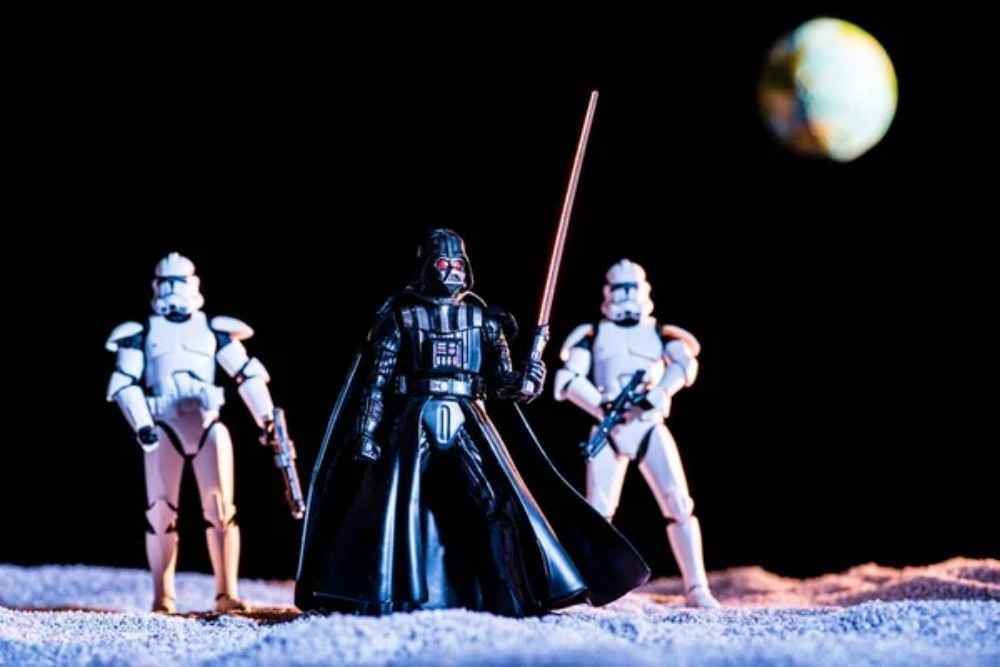
Kenner’s Star Wars commercials brought the galaxy far, far away into suburban bedrooms, showing kids recreating iconic scenes with three-inch plastic figures. These ads understood that kids didn’t just want toys—they wanted to direct their own Star Wars movies.
The commercials featured elaborate playsets and vehicles that allowed children to expand the universe beyond what they saw in theaters.
Like Go2Tutors’s content? Follow us on MSN.
Rainbow Brite
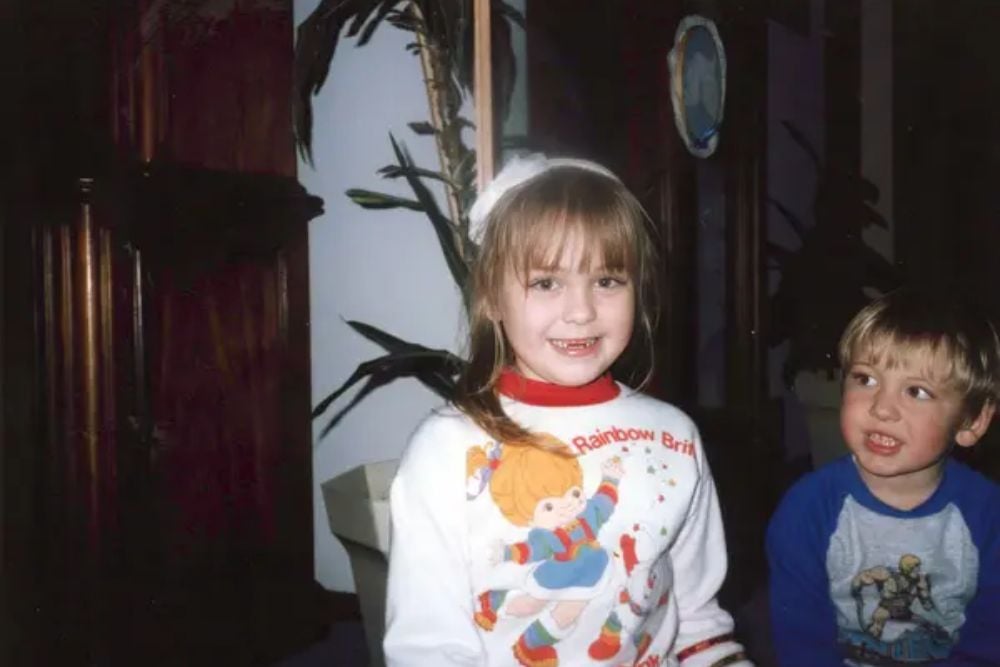
Rainbow Brite commercials painted childhood in every color of the spectrum, featuring a girl whose job was literally to bring color to the world with help from her horse Starlite. These ads sold the idea that imagination could brighten even the darkest places, with each Color Kid representing a different aspect of creativity.
The commercials made color feel like magic, and every little girl wanted to be the one controlling the rainbow.
Voltron
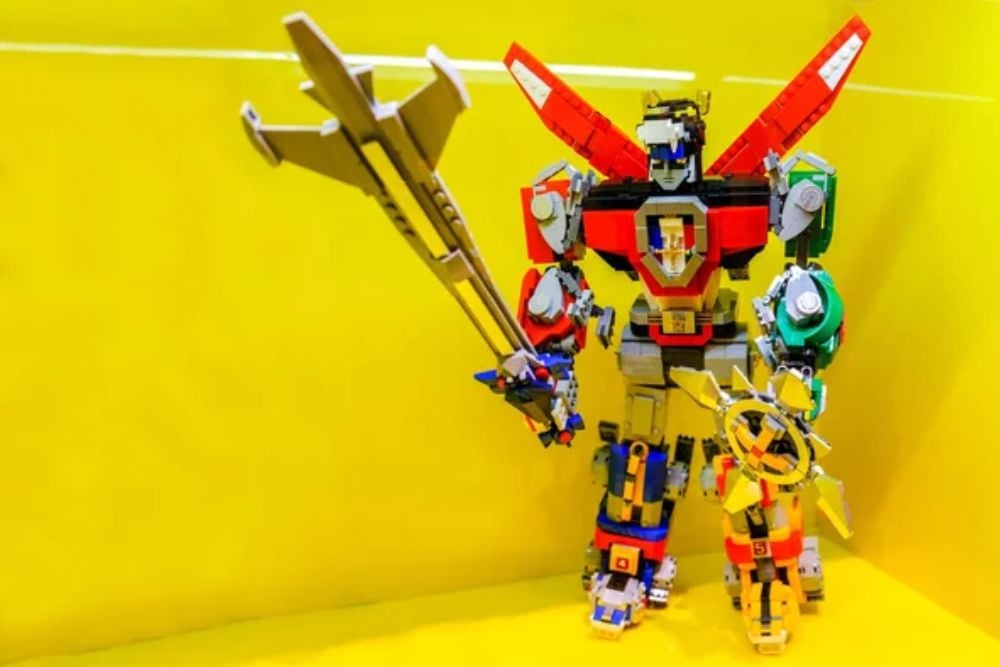
‘Form blazing sword!’ became the ultimate playground command thanks to commercials that showed five robot lions combining into one giant defender of the universe. These ads perfected the team-up concept, showing kids that the individual lions were cool, but the combined Voltron was unstoppable.
The transformation sequence became a ritual that every kid had to master, complete with dramatic poses and battle cries.
M.A.S.K.
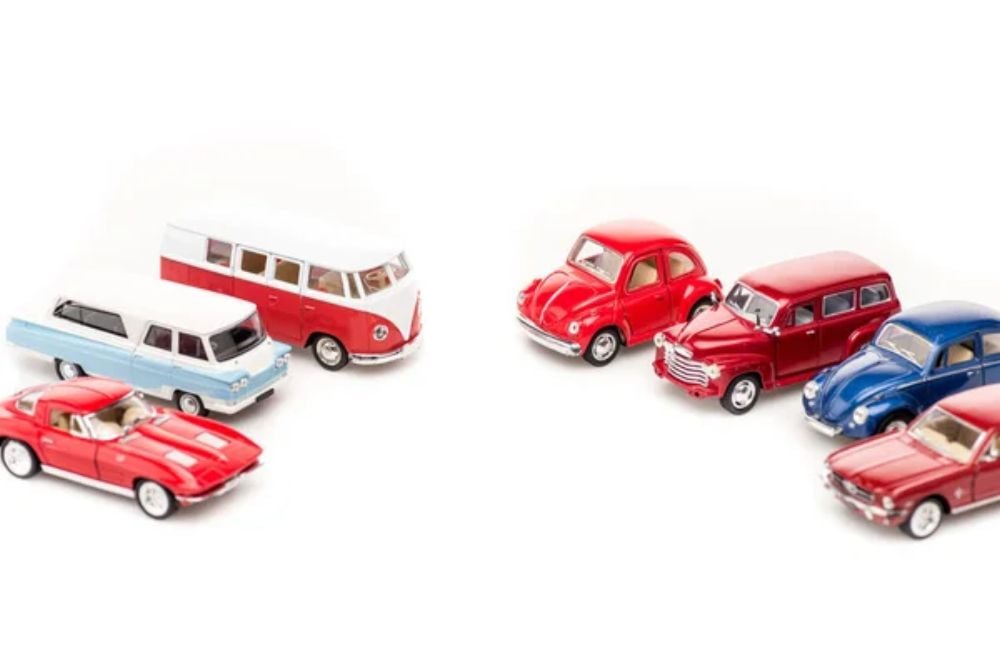
Mobile Armored Strike Kommand commercials featured vehicles that transformed into other vehicles, doubling the play value with engineering that seemed impossible in the pre-digital age. These ads showcased cars turning into helicopters and motorcycles becoming jets with the kind of precision that made Transformers look simple.
The concept of hidden identity and secret missions resonated with kids who dreamed of their parents’ cars having ejector seats and laser cannons.
Like Go2Tutors’s content? Follow us on MSN.
Pound Puppies
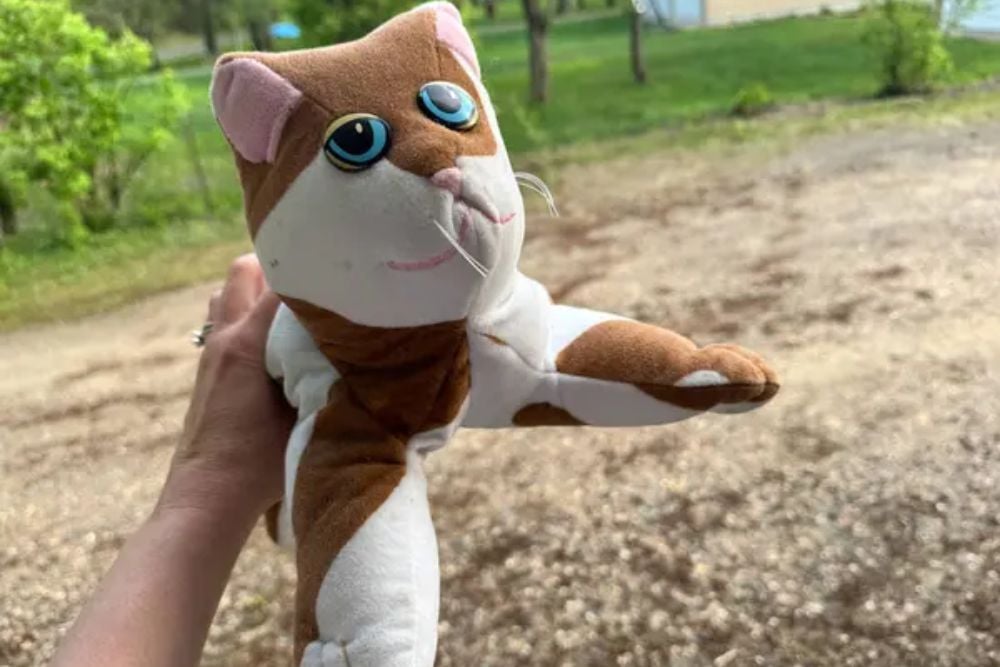
These commercials tugged at heartstrings harder than actual pet adoption agencies, featuring sad-eyed plush dogs that needed loving homes. The ads created an emotional connection that made kids feel like rescuers rather than consumers, with each Pound Puppy having its backstory of abandonment and hope.
The commercials made collecting these toys feel like a humanitarian mission disguised as playtime.
The Marketing Magic Lives On

These commercials didn’t just sell toys—they sold dreams, adventures, and the belief that the right action figure could transport you to another world entirely. The creative teams behind these campaigns understood that children don’t see plastic and fabric; they see possibilities and stories waiting to unfold.
Today’s toy commercials might have better graphics and bigger budgets, but they’re still chasing the same magic that made Saturday mornings feel like the most important television programming of the week. The real genius wasn’t in the toys themselves, but in making every kid believe that their bedroom could become the center of the universe with the right purchase.
More from Go2Tutors!

- 16 Restaurant Chains That Went Too Fast
- 12 Things Sold in the 80s That Are Now Illegal
- 15 Strange Things People Have Tried to Ban (And Failed)
- 16 Collectibles People Tossed Out Too Soon
- 17 Myths from Your Childhood That Were Actually Based on Real Things
Like Go2Tutors’s content? Follow us on MSN.



