Most Isolated Places People Live In
Some people wake up to the sounds of traffic and crowded streets. Others open their eyes to complete silence, miles away from the nearest neighbor.
These extreme locations exist all over the world, where daily life looks nothing like what most of us know. Living in isolation means dealing with challenges that seem almost unimaginable.
Limited access to food, medicine, and basic supplies becomes normal. Yet thousands of people call these remote corners of the Earth home.
Tristan Da Cunha

This volcanic island sits in the South Atlantic Ocean, over 1,500 miles from the nearest inhabited land. Roughly 250 people live here permanently, making it the most remote inhabited archipelago on the planet.
The island has no airport, so the only way to reach it involves a six-day boat journey from South Africa. Residents face regular supply shortages and limited medical care, with serious health emergencies requiring dangerous sea evacuations.
Supai Village
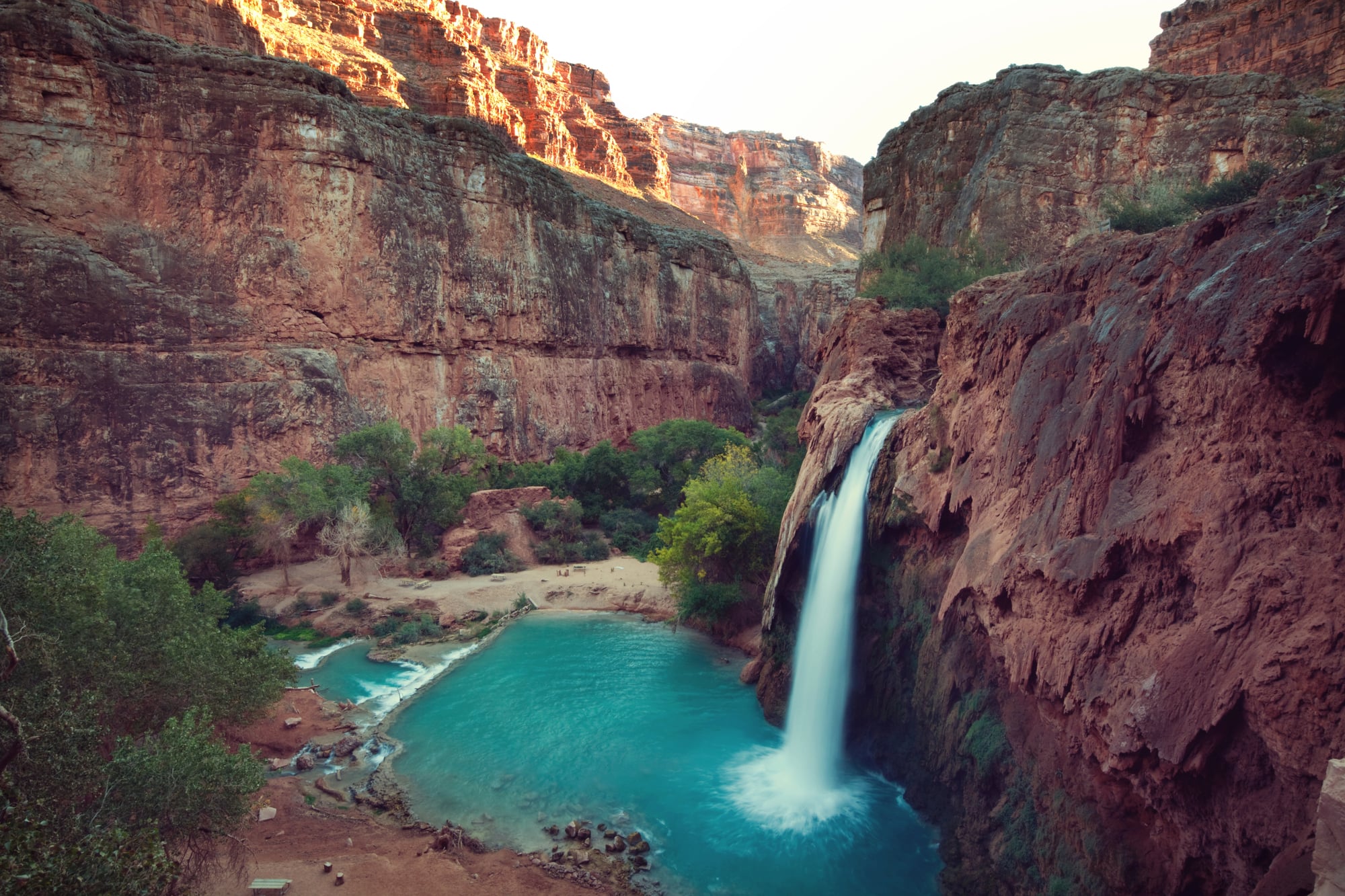
Tucked deep inside the Grand Canyon in Arizona, Supai serves as the capital of the Havasupai Indian Reservation. The village sits eight miles below the canyon rim with no roads leading in or out.
Mail arrives by mule, making it the last place in the United States where the postal service still delivers this way. The roughly 200 residents rely on helicopter rides for emergencies and heavy supplies, while everyday items come down the steep trail on the backs of pack animals.
Ittoqqortoormiit
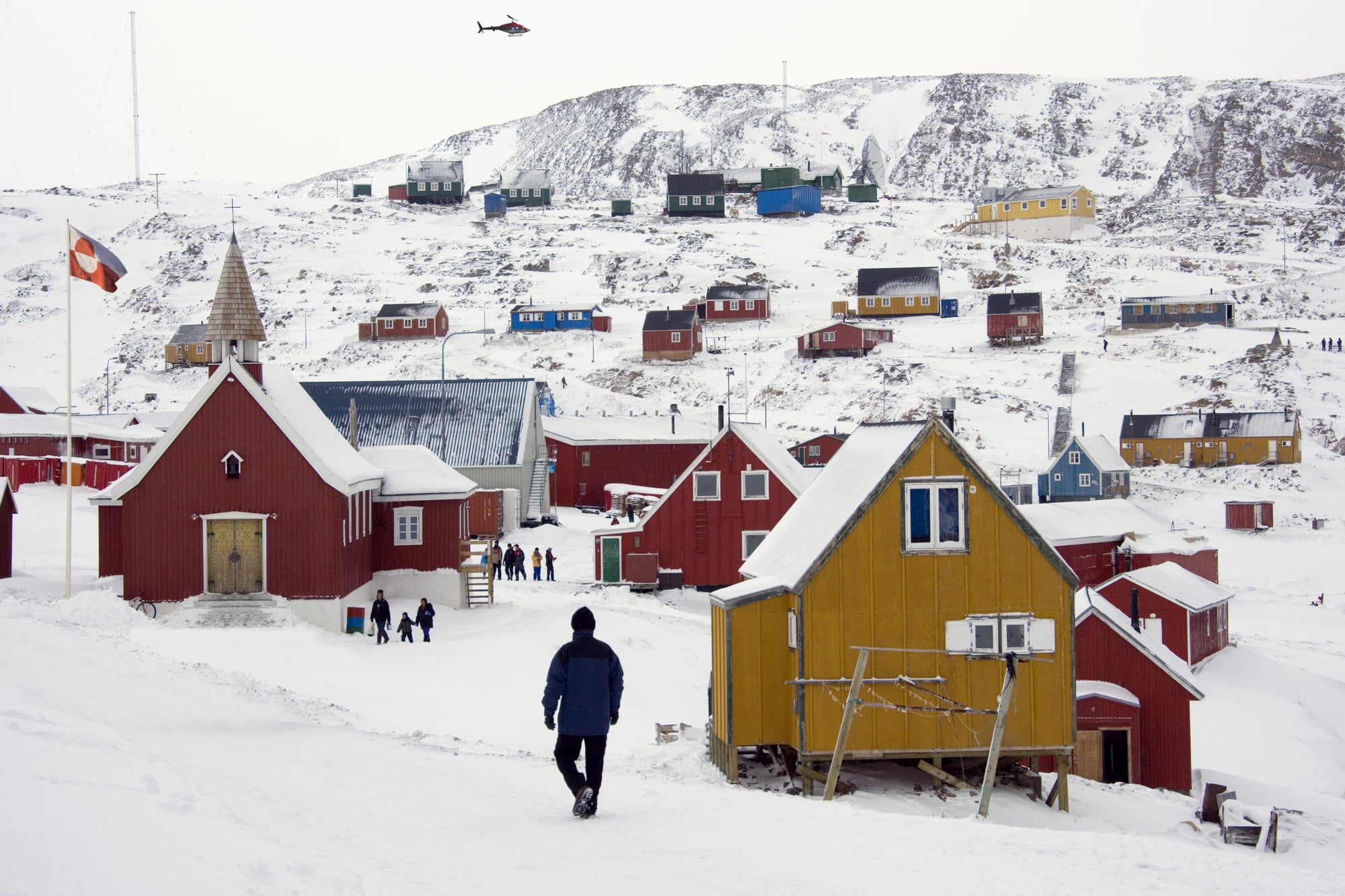
This Greenlandic settlement hugs the eastern coast with a population hovering around 350 people. Winter temperatures plummet to negative 20 degrees Fahrenheit, and the sea ice blocks boat access for nine months each year.
Residents hunt seals, polar bears, and whales for survival since importing fresh food costs a fortune. The nearest town lies 500 miles away, and plane service runs sporadically depending on weather conditions.
Oymyakon
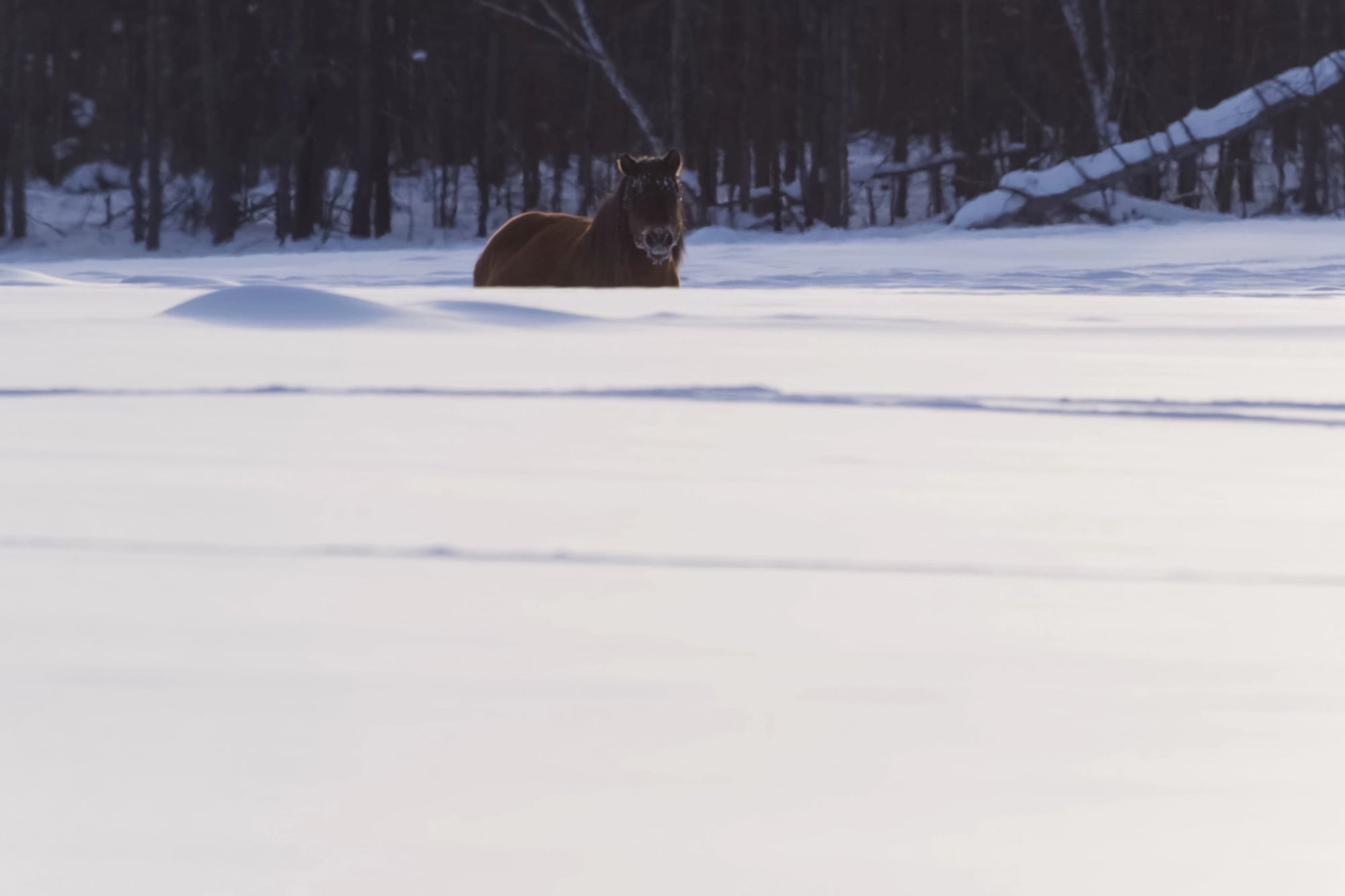
Known as the coldest permanently inhabited place on Earth, this Russian village recorded temperatures as low as negative 90 degrees Fahrenheit. Around 500 hardy souls brave winters where car batteries freeze solid and breath turns to ice crystals mid-air.
The ground stays frozen year-round, making burials nearly impossible and farming completely out of the question. Residents burn coal and wood constantly just to keep from freezing, and schools only close when temperatures drop below negative 60 degrees.
Alert
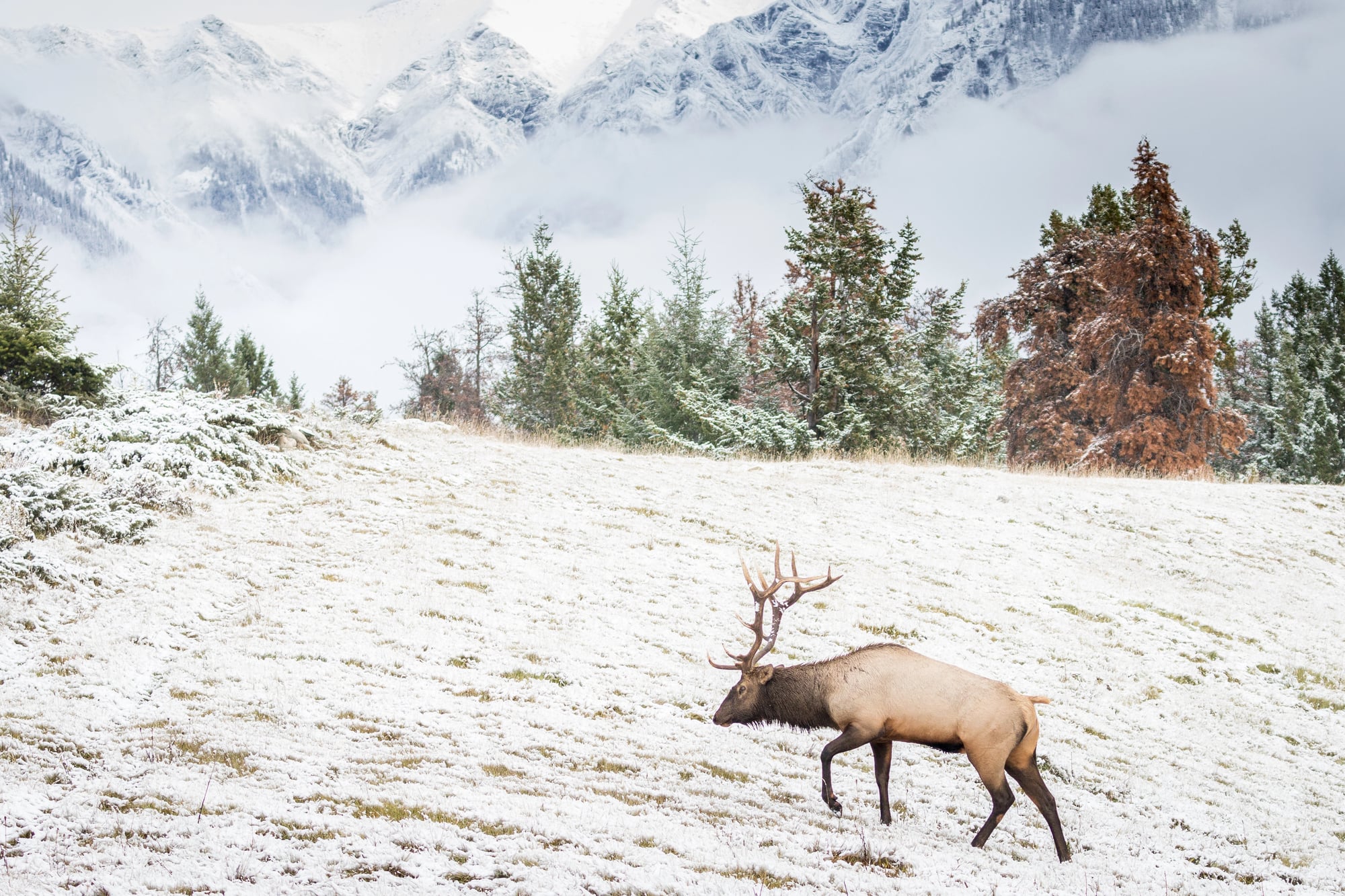
This Canadian military outpost sits just 500 miles from the North Pole on Ellesmere Island. Fewer than 100 people live here at any given time, mostly military personnel and researchers on rotation.
The sun disappears completely for four months during winter, plunging residents into total darkness. Summer brings 24-hour daylight, but temperatures rarely climb above freezing even then.
Supply planes can only land during certain months, and the nearest community sits over 1,300 miles south.
Pitcairn Island
Descendants of the HMS Bounty mutineers still inhabit this tiny British territory in the Pacific Ocean. The population dropped to around 50 people, making it one of the least populated jurisdictions anywhere.
Ships arrive only a few times per year, bringing essential supplies and occasional visitors. The island has no airport and no harbor deep enough for large vessels, so passengers must transfer to small boats in open water.
Most residents grow their own food and rely on rainwater collection for drinking water.
Iqaluit

The capital of Canada’s Nunavut territory experiences extreme isolation despite being a relatively large settlement of about 8,000 people. No roads connect Iqaluit to any other community, making air travel the only practical option year-round.
Food costs skyrocket due to transportation expenses, with a gallon of milk sometimes reaching $15 or more. Winter darkness lasts for months, and temperatures regularly hit negative 40 degrees Fahrenheit, creating harsh conditions that test even longtime residents.
Longyearbyen
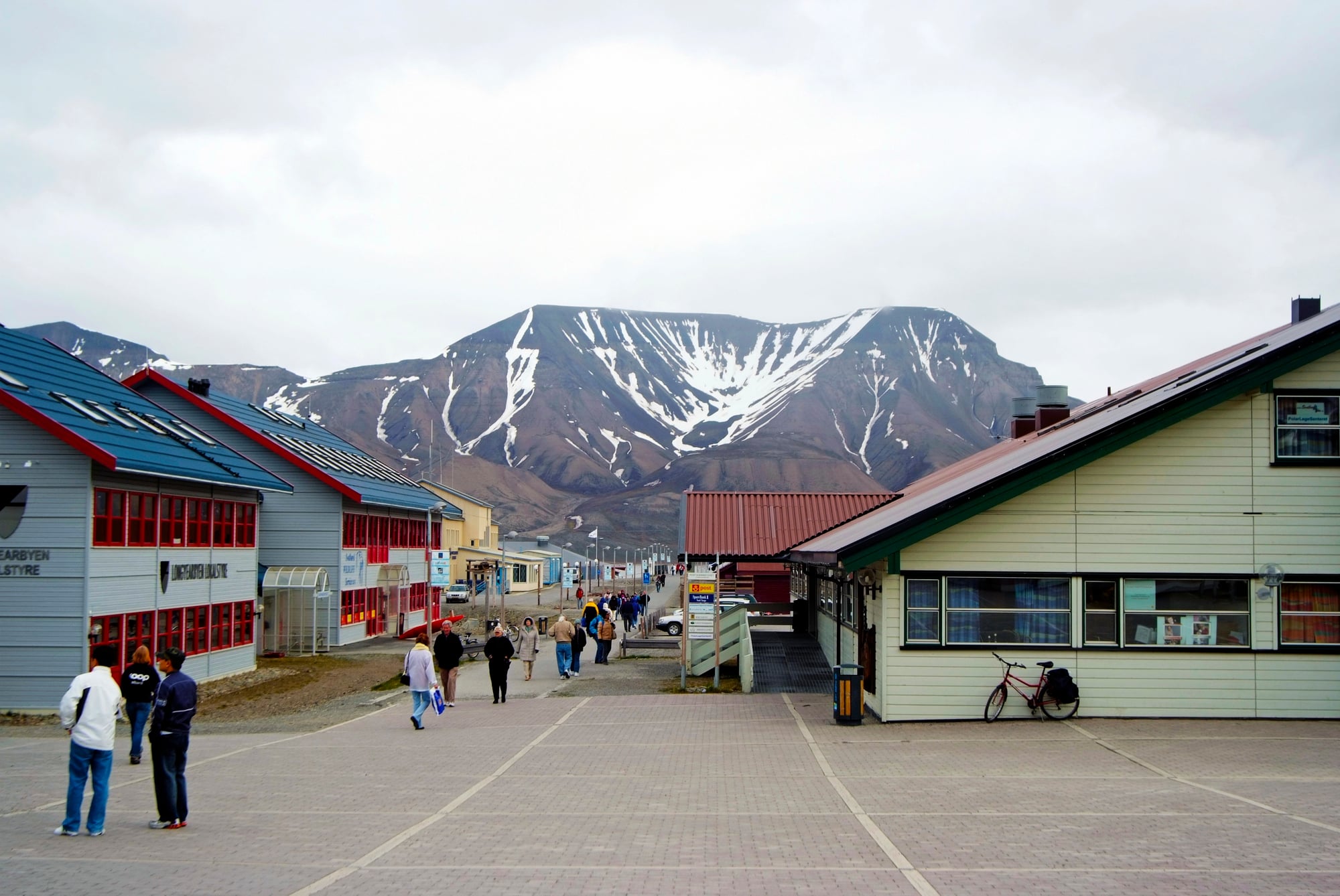
This Norwegian town on Svalbard sits farther north than any other permanent settlement of its size, housing roughly 2,400 people. Polar bears outnumber humans in the surrounding area, and residents must carry rifles when leaving town boundaries.
The sun stays below the horizon from late October through mid-February, creating months of continuous night. Permafrost prevents traditional burials, and pregnant women must leave before their due date since the hospital cannot handle complicated births.
Coober Pedy
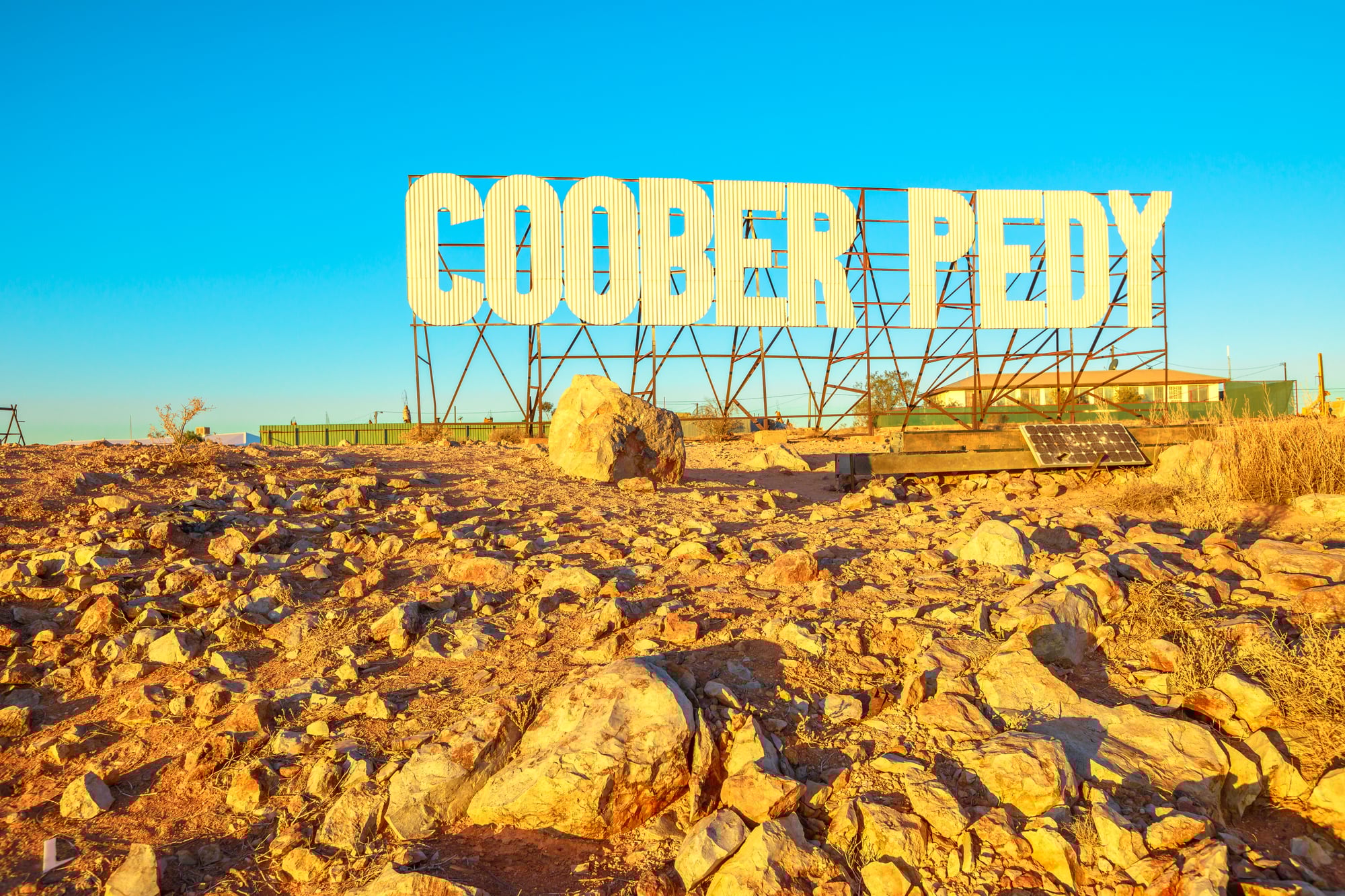
Half the population of this Australian Outback town lives underground to escape surface temperatures that can exceed 120 degrees Fahrenheit. About 1,700 people call this desert home, many of them opal miners seeking their fortune.
The nearest city sits over 500 miles away across barren desert, and summer heat makes outdoor work nearly impossible during midday hours. Water costs stay high since everything must be trucked in or produced through expensive desalination processes.
La Rinconada

Perched at 16,700 feet in the Peruvian Andes, this gold mining town claims the title of highest permanent settlement on Earth. Around 50,000 people endure thin air, freezing temperatures, and complete lack of running water or sewage systems.
Most miners work under a system where they receive no wages, instead getting to keep whatever gold they find on certain days. The extreme altitude causes chronic health problems, and medical facilities remain primitive at best.
Barrow (Utqiaġvik)
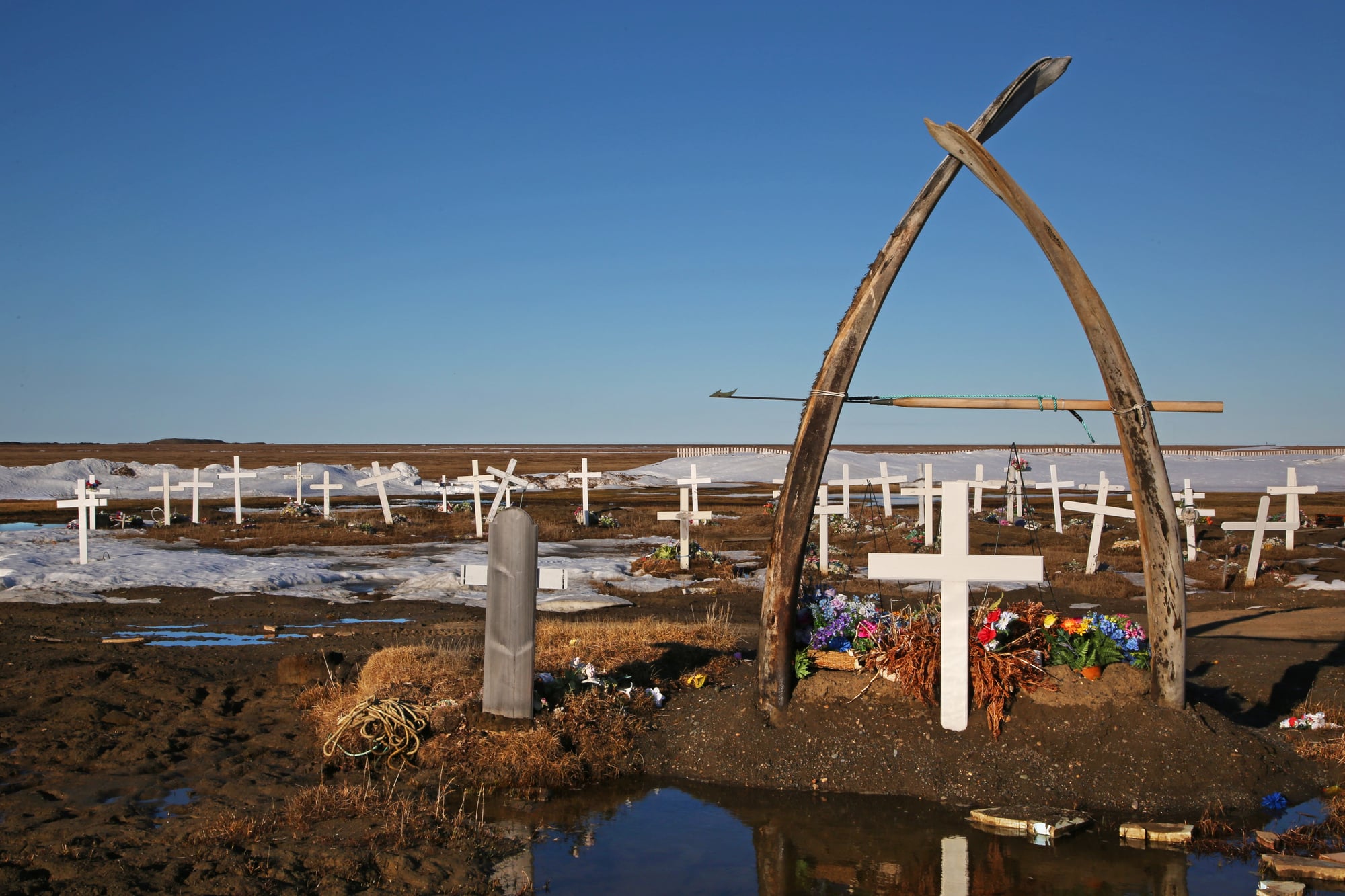
America’s northernmost town sits on Alaska’s Arctic coast with roughly 4,400 residents, mostly Iñupiat people. The sun sets in mid-November and doesn’t rise again until late January, creating two months of polar night.
Temperatures can drop to negative 50 degrees Fahrenheit, and fierce winds make it feel even colder. Groceries cost double or triple what they do in the lower 48 states, and Amazon doesn’t deliver here despite the town having an airport.
McMurdo Station
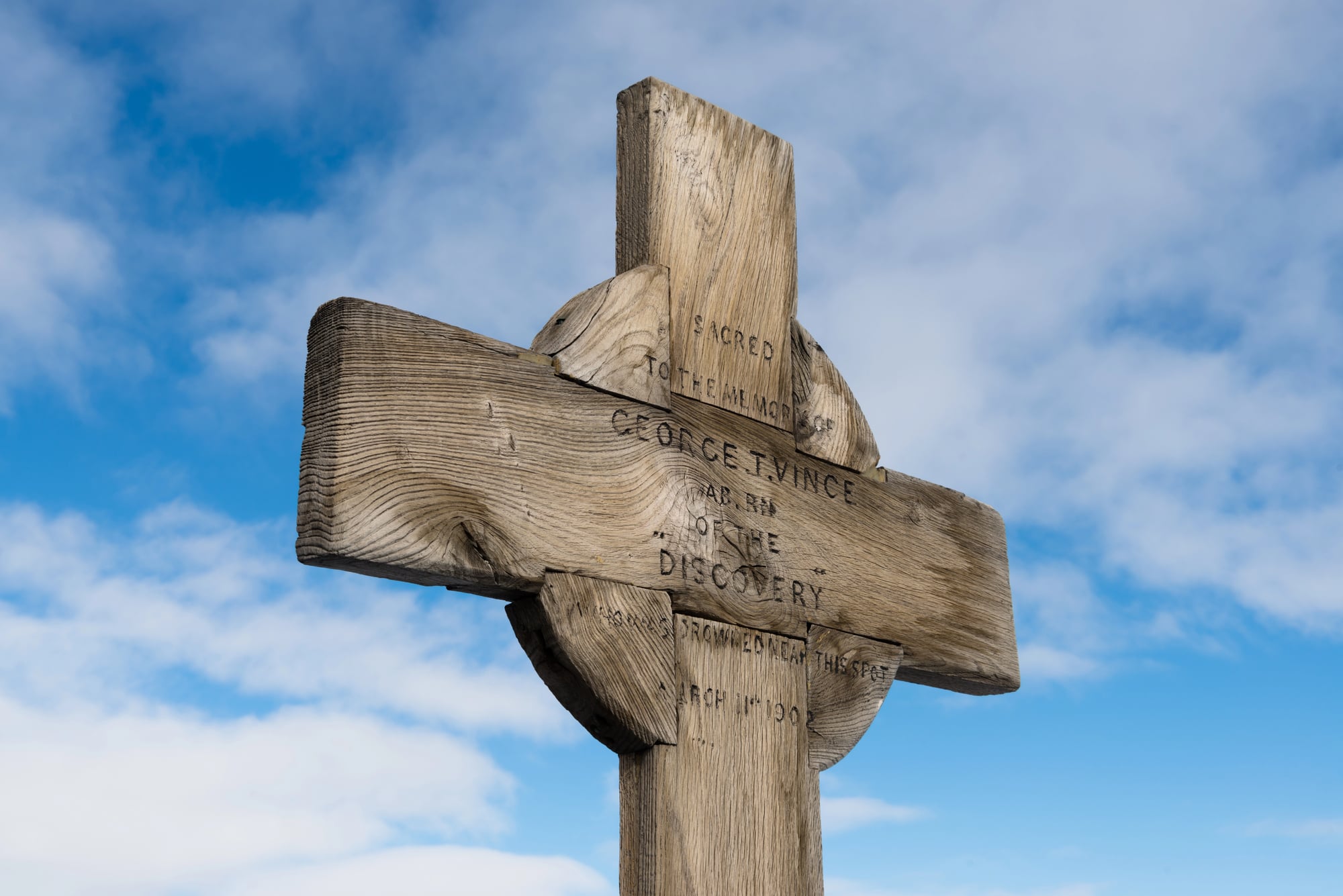
While not a permanent town, this Antarctic research station houses up to 1,200 people during summer and about 150 brave souls through the brutal winter. Temperatures plummet to negative 50 degrees Fahrenheit even during the warmest months, and winter brings four months of complete darkness.
The nearest civilization sits thousands of miles across the Southern Ocean, making rescue or evacuation extremely difficult. Residents live in dormitory-style buildings and share communal dining facilities, creating a unique isolated community.
Kerguelen Islands
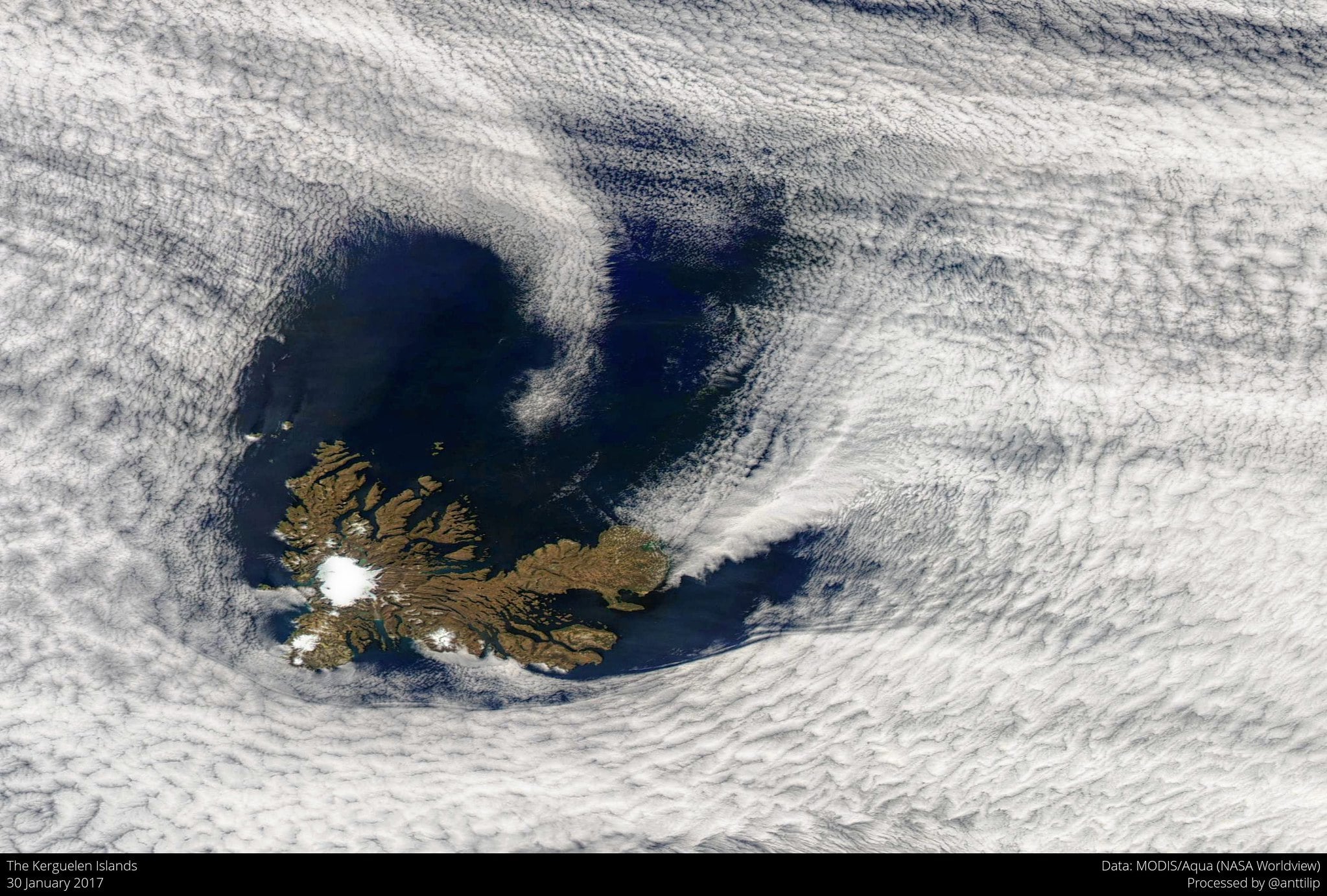
France maintains a research station on these sub-Antarctic islands, where 50 to 100 scientists and support staff live at any time. No permanent residents call the islands home, but those stationed here can stay for months or even years.
The islands sit over 2,000 miles from the nearest inhabited land, surrounded by some of the roughest seas on Earth. Wind howls constantly, reaching hurricane strength regularly, and temperatures rarely rise above 50 degrees Fahrenheit even in summer.
Yakutsk

This Siberian city of nearly 300,000 people experiences the most extreme temperature range of any major settlement on Earth. Winter temperatures average around negative 40 degrees Fahrenheit, but the thermometer can drop to negative 80 degrees during cold snaps.
Summer brings a brief warm period where temperatures occasionally hit 80 degrees or higher, creating a yearly swing of over 160 degrees. The city sits on permafrost, requiring all buildings to be constructed on stilts to prevent the ground from melting beneath them.
Siwa Oasis

This Egyptian settlement sits in the Sahara Desert, about 350 miles from Cairo across brutal desert terrain. Around 30,000 people live here, descendants of Berber tribes who settled the oasis centuries ago.
The town remained almost completely isolated until a road was built in the 1980s, and even now feels worlds away from modern Egypt. Summer temperatures soar above 110 degrees Fahrenheit, and the nearest hospital with advanced equipment sits hours away over rough roads.
Easter Island
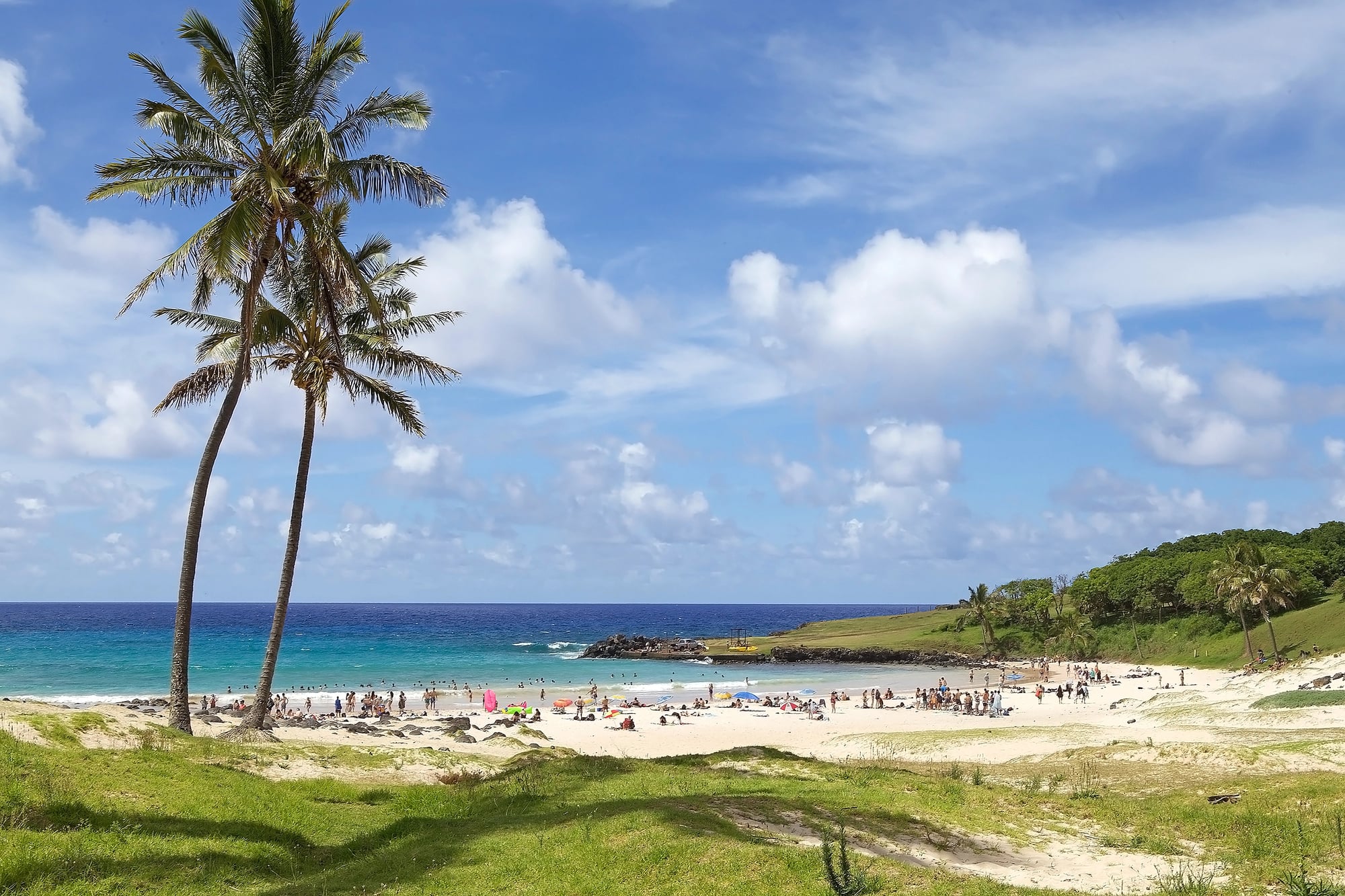
Famous for its giant stone heads, this remote Chilean territory sits 2,200 miles from the nearest continental shore. About 8,000 people live on the island, most of them indigenous Rapa Nui and Chilean mainlanders.
Flights arrive several times per week, but cancellations happen regularly due to weather or mechanical issues. The island produces almost no food locally, so nearly everything gets shipped in at high cost.
Medical emergencies requiring advanced care mean a five-hour flight to Santiago, assuming a plane is available.
Villa Las Estrellas

Down south on Antarctica’s edge, a Chilean outpost swells to about 150 folks each summer, shrinking to 80 once winter sets in – some are parents raising kids there. For lessons under icy skies, children attend a tiny school, among the planet’s most remote classrooms.
Homes here? Boxes made offsite then bolted into tight groups, sharing heat and conversation. Ships bring fresh goods just a few weeks a year, slipping through thawing lanes before frost locks them out again.
When cold bites hardest, mercury plunges past minus twenty degrees Fahrenheit.
Mêdog County

High in the Tibetan hills, one cut-off place stayed unreachable by car till just ten years back. Twelve thousand souls spread through rocky slopes and low gullies face long stretches alone every winter.
When mudslides crash down, when snow blocks paths, the fresh route shuts – no coming or going for days on end. Food comes from home soil, animals fed by hand, because hauling goods in drains often fails anyway.
The Draw Of Emptiness

Out here, far from cities, life bends to nature’s rhythm instead of schedules. Hard winds, long winters, little access – those aren’t obstacles, they’re just facts of each day.
Cut off by mountains or ice, folks adjust without making a show of it. Survival isn’t heroic; it’s routine, stitched into small acts repeated over years.
Meaning grows quietly, even where comfort does not.
More from Go2Tutors!

- The Romanov Crown Jewels and Their Tragic Fate
- 13 Historical Mysteries That Science Still Can’t Solve
- Famous Hoaxes That Fooled the World for Years
- 15 Child Stars with Tragic Adult Lives
- 16 Famous Jewelry Pieces in History
Like Go2Tutors’s content? Follow us on MSN.



