15 Shark Tank Products That Made the World Better
Some products come and go. But then there are those rare ones that show up on a TV show, get a deal (or sometimes not), and still end up changing how people live, work, or take care of themselves.
Shark Tank has been running since 2009, and in that time, it has introduced the world to some genuinely useful inventions. Here’s a look at 15 products from the Tank that did not just make money — they actually made life a little better for a lot of people.
Scrub Daddy

The smiley face sponge is a very simple product that most people will underestimate, but it has turned to be one of the best-selling Shark Tank products of all time. Aaron Krause took his sponge to Shark Tank in 2012 where Lori Greiner decided to invest $200,000 in the company in exchange for 20% ownership stake.
The main difference is the FlexTexture foam that changes its hardness, when exposed to cold water it hardens for scrubbing and when in warm water it softens for wiping. Besides that, it does not scratch surfaces; it also dries extremely fast and it is much more resistant to unwanted odors compared to the usual sponges.
The smiley face, after more than $200 million in sales, has become a part of the household almost everywhere.
Bombas Socks
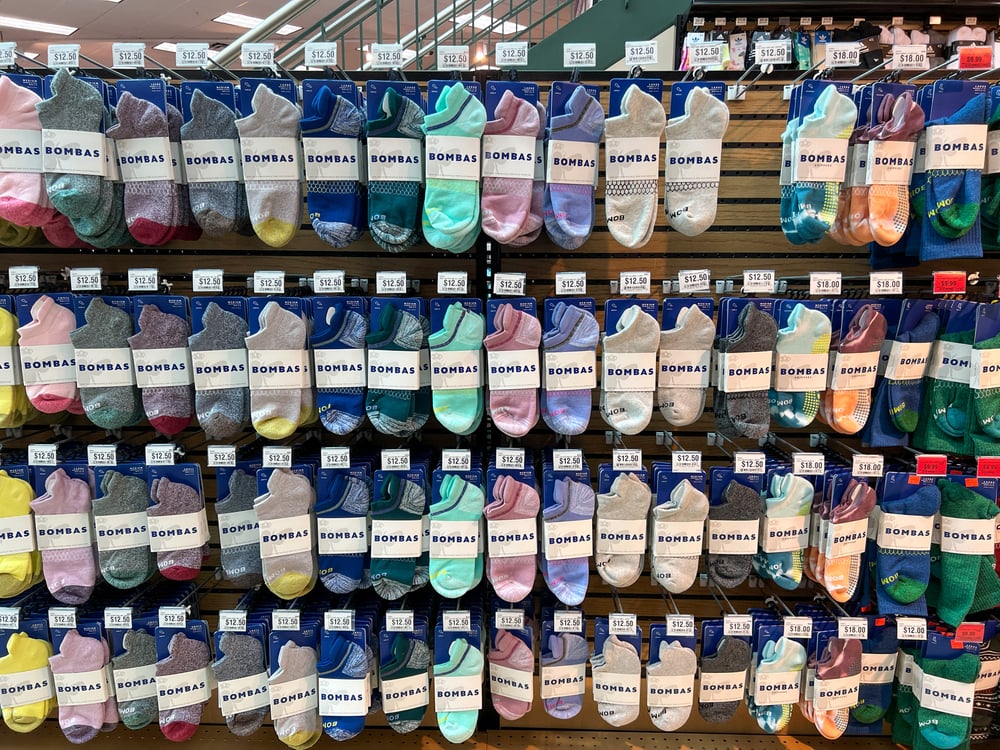
Socks may seem like a weird thing to get sentiments over but Bombas even used it as the core of their mission. The founders of the company, after noticing that socks were the clothing item most asked for in shelters where the homeless stay, came up with a way that if a person bought a pair of socks, another pair would be given to a homeless person.
Daymond John invested $200,000 for 17.5% ownership back in 2014. Till now, Bombas has given away more than 100 million products.
In fact, these socks have gained popularity for being really comfy with features like extra strong heels and blister tabs.
The Bouqs Company

Flowers from a grocery store often look tired by the time they reach someone’s doorstep. The Bouqs Company changed that by sourcing fresh-cut flowers directly from eco-friendly farms, mostly on the slopes of active volcanoes in Ecuador.
The flowers are cut to order, which means less waste and longer-lasting blooms. Robert Herjavec did not invest in the show, but the company later got backing from Mark Cuban.
The farm-to-table model for flowers turned out to be both fresher and more sustainable than the traditional supply chain.
Tipsy Elves
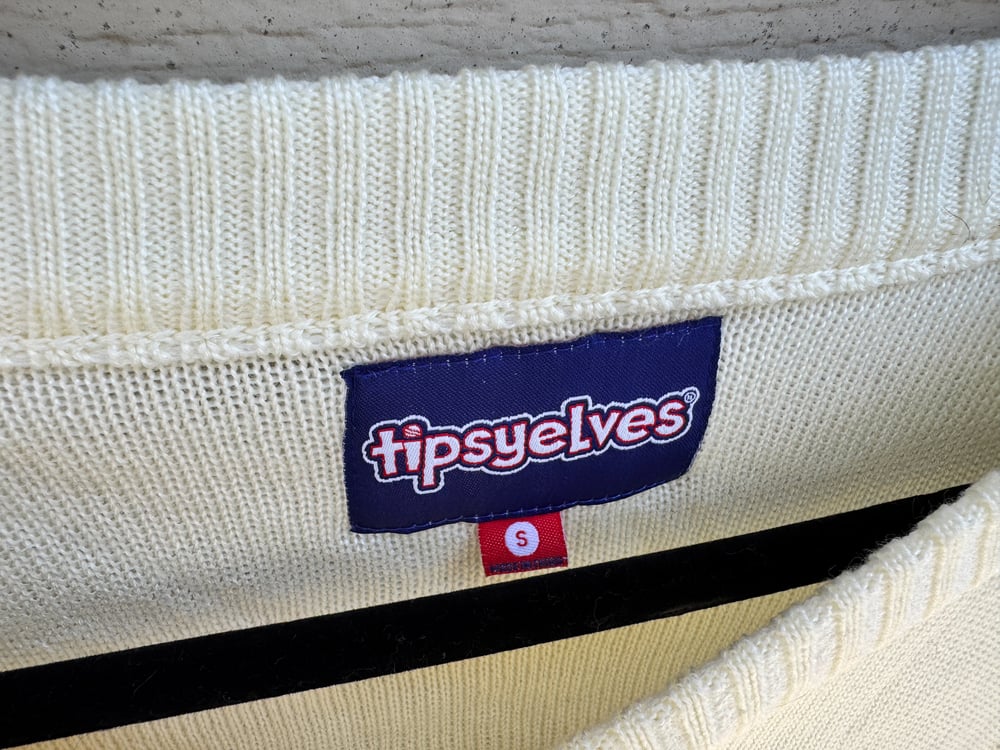
Before Tipsy Elves, ugly Christmas sweaters were something people wore ironically from thrift stores. The founders turned that joke into a real product category with high-quality, intentionally fun holiday apparel.
Robert Herjavec invested $100,000 for 10% equity in 2013. The brand expanded beyond Christmas sweaters into Halloween costumes, ski gear, and more.
It showed that humor and quality can live in the same product, and the brand grew to over $100 million in sales.
Breathometer

In 2013, Carlos Barraza introduced the Breathometer on Shark Tank and all the five Sharks made an investment, which is a very rare occurrence on the show. It was a compact device that connected to a smartphone and checked the blood alcohol level.
The concept was simple: offer people a quick, cheap method to know if they are fit to drive. Although the company ran into some regulatory issues later on, the idea initiated a serious discussion on the availability of personal safety tools and contributed to the opening up of the market for various consumer health monitoring devices.
Groovebook

Before everyone had unlimited cloud photo storage, Groovebook solved a real problem. For $2.99 a month, users could get 100 printed photos from their phones delivered in a spiral-bound booklet.
The founders got a deal with Mark Cuban and Kevin O’Leary in 2014. Just months later, Shutterfly acquired the company for $14.5 million.
The app brought back the habit of printing memories at a time when photos were getting buried in camera rolls, and it reminded people that physical photos still have value.
Sleep Styler

Sleep Styler rollers were invented by Tonya Lofthouse with the aim of allowing people to style their hair overnight without any heat. The product consists of soft foam tubes that not only absorb moisture but also help in creating curls or waves overnight.
Lori Greiner came on board as one of the investors during Season 8. After the episode had aired, the product reached $1 million in sales within just 24 hours.
Naturally, it helps you reduce the use of heat for everyday styling, thus limiting hair damage over time. Really, if anyone has ever experienced a burnt scalp due to a curling iron at early morning hours, then this product has definitely made their mornings far less stressful.
Illumi Bowl

Going to the bathroom in the dark without turning on blinding lights is a problem that more people have than they admit. Illumi Bowl clips onto a toilet and projects a soft colored light into the bowl, making nighttime trips safer and less disruptive to sleep.
The founders got a deal with Kevin O’Leary in Season 7. It sounds like a gag gift, but it genuinely reduces the chance of stumbling into furniture at 3 a.m. and helps people get back to sleep faster by avoiding harsh overhead lighting.
Chord Buddy

Travis Perry came up with Chord Buddy to help beginners learn guitar without the frustration of impossible finger positions. The device clips onto a guitar’s neck and lets players press color-coded buttons to make chords, gradually removing the support as skills improve.
Robert Herjavec invested $175,000 for 20% equity in Season 3. Music teachers have used it in classrooms, and it has helped thousands of people actually stick with guitar instead of quitting in the first two weeks.
Learning an instrument has a steep early curve, and this product smooths it out.
The Original Comfy
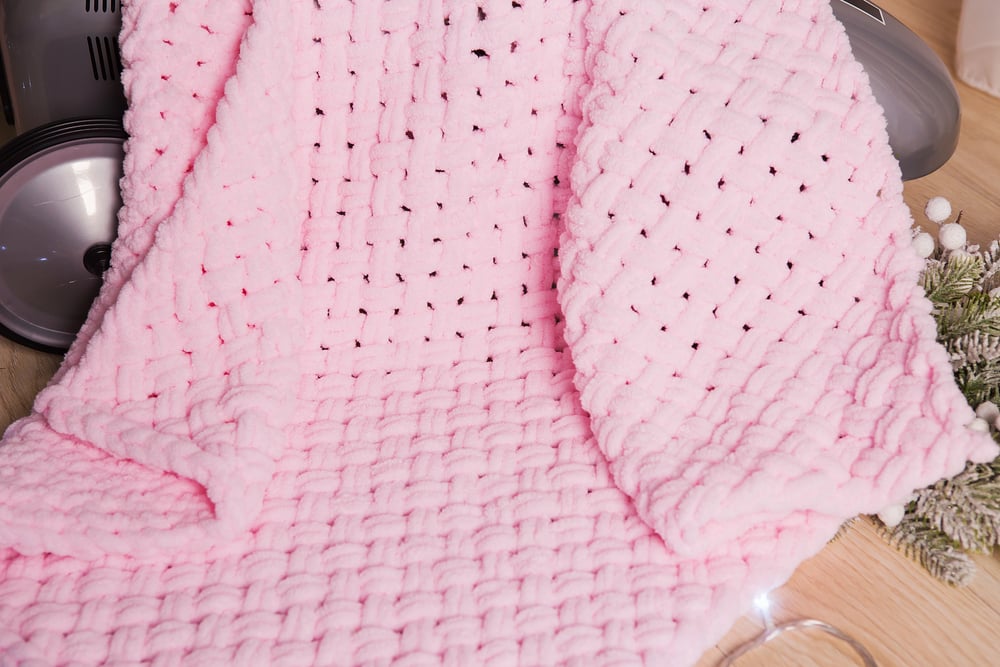
A blanket that is also a sweatshirt sounds like something a college student invented on a lazy Sunday, because it basically was. Brian and Michael Speciale brought the oversized wearable blanket to Shark Tank in Season 9, and Barbara Corcoran invested $50,000 for 30% equity.
Within days of the episode airing, Comfy sold out across multiple platforms. It became a go-to gift and a comfort item for people working from home, recovering from illness, or just wanting to stay warm without carrying a blanket around.
Simple ideas that solve a real need tend to win.
ReadeREST

Something small clicked when Rick Hopper made ReadeREST – a tiny magnet that grips glasses onto fabric. This little piece sticks to shirts or jackets, stopping scratches and drops.
Instead of losing them constantly, frames stay put, untouched by pressure on the arms. In season three, Lori Greiner stepped in with $150,000, taking sixty-five percent ownership.
What feels trivial suddenly matters after crushing your specs – again – for the third time today. Slow but steady, it found its way into shops nationwide.
Many older users rely on it now, keeping close to what they use every single morning.
Talbott Teas

A quiet moment in Season 3 of Shark Tank turned bright when Shane Talbott stepped in with his premium tea collection. His pitch drew interest fast – John Paul DeJoria said yes, then teamed up with guest investor Steve Harvey.
Each blend came together like a recipe tested in a chef’s kitchen, using elements such as lavender, black currant, and vanilla in balanced mixes. While wellness trends began to stir, these drinks gave folks a soothing twist on what they already sipped daily.
Instead of flashy claims, the brand proved small routines – like brewing tea – could feel special without trying too hard.
Phone Soap

Out of nowhere, Wesley LaPlante teamed up with Dan Barnes to build something odd but useful – a charging station with UV light inside. This thing zaps microbes using UV-C rays, wiping out nearly all bacteria hiding on your phone.
Most folks underestimate how dirty their screens are; they’re usually filthier than bathroom door handles. When Lori Greiner saw it, she leaned in, then Robert Herjavec stepped forward too – both wanted in.
As the world locked down during the virus surge, demand shot way up. What started as a small fix became something many now plug into every night without thinking twice.
Pipcorn

Tiny kernels sparked big attention when Jen and Jeff Martin stepped onto Shark Tank in Season 6. Their pitch? A small-batch popcorn rooted in heritage varieties, gentler on stomachs and chompers alike.
Instead of bulky flakes, these popped bits leave behind less gunk between molars. Barbara Corcoran saw promise – she handed over two hundred thousand dollars for one-tenth ownership.
What began as a humble pop soon spread beyond bowls; crackers appeared, then crisp bites, all anchored in old-school corn. While most snack shelves stayed noisy with processed fillers, this brand quietly stood apart.
Fewer shells meant smoother munching, yes – but also trust. Folks eyeing ingredient labels found little to question here.
Plated

Home cooking got simpler when Nick Taranto teamed up with Josh Hix to launch Plated, delivering measured ingredients and step-by-step recipes right to customers. Instead of guessing what to make each evening, people found relief through their service.
Backed by Mark Cuban, the business gained traction quickly, standing out amid rising demand for convenient kitchen solutions. By 2017, Albertsons took over the brand for around $300 million.
Because portions came precisely sized, less food ended up discarded. Families pressed for time discovered they could still prepare real meals without hassle.
What began as a niche concept eventually settled into everyday life across countless homes.
When Tanks Faced Reality

One truth ties these fifteen items together: every single one tackled a problem someone faces daily. Instead of high-tech jargon or tangled pricing plans, they offered fixes for real moments in life.
Inventors found space on Shark Tank, yet lasting success came from customers choosing them again and again. Years on, their presence in homes and schools speaks louder than any presentation.
Turns out, strong concepts make sense without long talks.
More from Go2Tutors!

- The Romanov Crown Jewels and Their Tragic Fate
- 13 Historical Mysteries That Science Still Can’t Solve
- Famous Hoaxes That Fooled the World for Years
- 15 Child Stars with Tragic Adult Lives
- 16 Famous Jewelry Pieces in History
Like Go2Tutors’s content? Follow us on MSN.