15 Scientific Discoveries Made by Complete Accident
Science often gets the spotlight for careful planning and exact experiments. We imagine scientists in spotless labs, following precise steps to unlock secrets of the universe. But reality? Sometimes it’s way messier. Some of the biggest breakthroughs actually came from pure luck, unexpected results, or mistakes that turned out to be strokes of genius. It’s like finding treasure when you weren’t even looking for it. These stories remind us that curiosity matters more than having everything figured out in advance. The world is full of surprises, and if you’re paying attention, those surprises can change everything—from saving lives to making our daily routines easier. Here’s a list of 15 scientific discoveries that happened totally by accident—and why they still matter today.
Penicillin
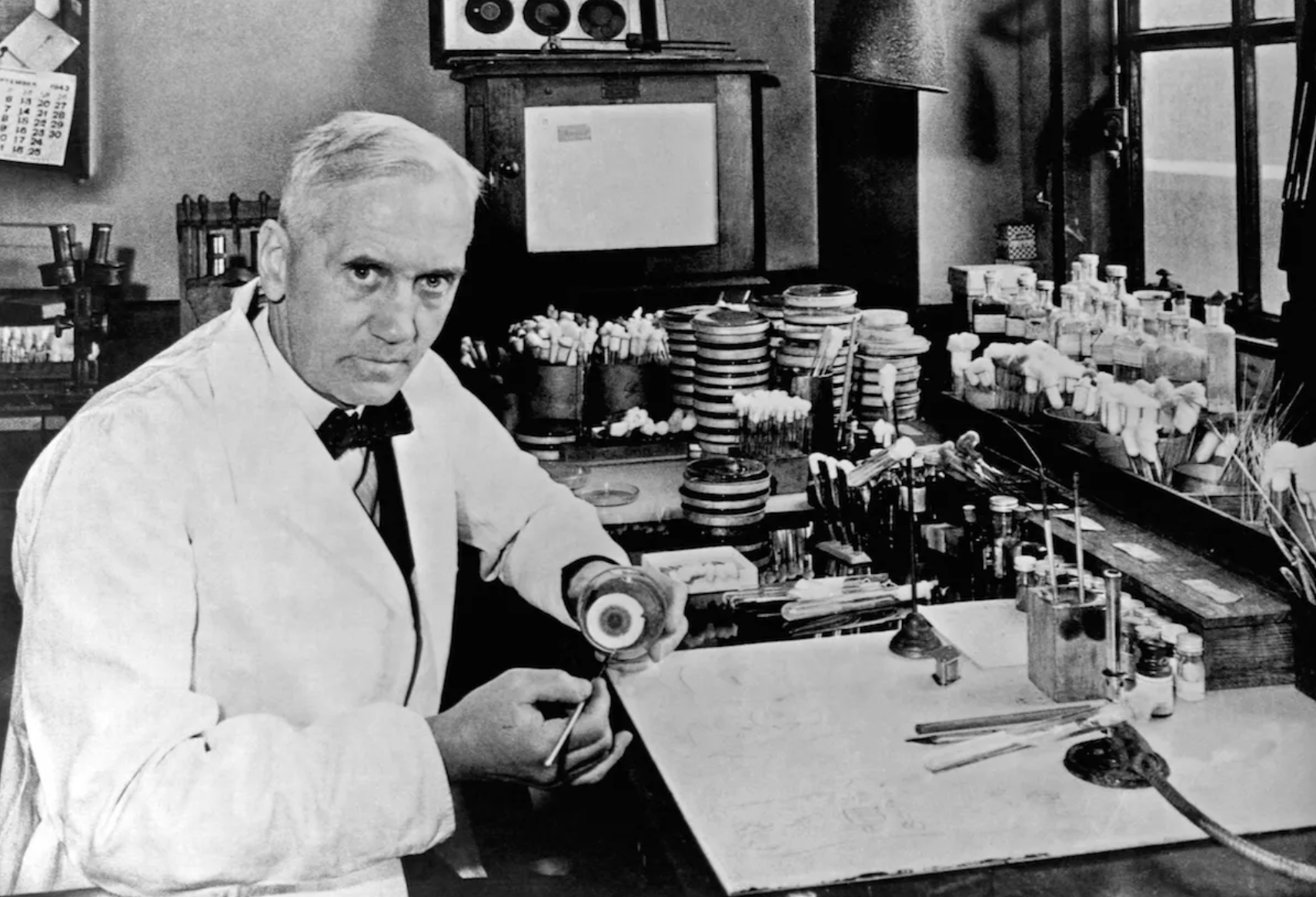
Back in 1928, Alexander Fleming came back from a vacation and spotted something odd. A petri dish full of bacteria had mold growing on it, but the bacteria right next to the mold were gone.
Instead of throwing it out, he got curious—turns out, the mold was killing the bacteria. That random mold discovery kicked off penicillin, the first antibiotic, which changed medicine forever.
Before then, infections were a huge threat. Suddenly, many could be treated with this miracle drug. This discovery paved the way for the antibiotics era, saving millions of lives worldwide.
Microwave Oven

Percy Spencer was fiddling with radar tech in the 1940s when he noticed something weird—the candy bar in his pocket melted. Instead of just brushing it off, he tried other foods and saw microwaves could cook stuff fast.
What started with a melted chocolate bar turned into the microwave oven—basically speeding up dinner time everywhere. It’s one of those inventions that feels like magic when you think about it.
Since then, the microwave has become a kitchen staple for millions, revolutionizing how quickly we prepare food.
Like Go2Tutors’s content? Follow us on MSN.
X-Rays

In 1895, Wilhelm Roentgen was messing with cathode rays and suddenly saw a screen glow across the room, without any obvious light source. It turned out invisible rays were passing through solid things and exposing photographic plates.
This accidental discovery let doctors see inside the body without surgery, changing healthcare in a huge way. Imagine the surprise—it’s like seeing ghosts but real.
The invention of X-rays fundamentally altered diagnostics and paved the way for modern medical imaging.
Velcro

One day in 1941, Swiss engineer George de Mestral came back from a walk covered in burrs. Instead of just brushing them off, he took a closer look under a microscope.
Those tiny hooks on the burrs inspired him to create Velcro—a fastener that’s simple but super effective. Now it’s everywhere, from shoes to spacesuits.
Nature’s little hooks became a big deal. Velcro’s design shows how closely observing nature can spark innovative solutions.
Teflon

Roy Plunkett was working with gases in 1938 when one container unexpectedly turned into a solid, white stuff. This slippery, super slick material was unlike anything seen before.
Named Teflon, it made cooking pans non-stick and saved people from scrubbing endlessly. Plus, it found uses in industries needing chemical resistance, so it’s not just for kitchens.
Today, Teflon coatings protect everything from cookware to aerospace parts.
Like Go2Tutors’s content? Follow us on MSN.
Safety Glass

Edouard Benedictus dropped a glass flask one day—it cracked, but didn’t shatter. Turns out, it had a plastic coating inside that held the glass together.
This accident led to safety glass, now used in car windshields and anywhere glass breaking could cause injuries. It’s one of those simple ideas that makes a huge difference in everyday safety.
This invention has saved countless lives by preventing dangerous shards from flying in crashes.
Post-it Notes

At 3M, Spencer Silver tried to invent a super-strong glue but ended up with something that stuck lightly and peeled off easily. At first, it seemed useless.
Then someone thought, why not use it for notes that can be stuck and removed? Boom—Post-it Notes were born, becoming a staple for reminders and messages all over the world.
It’s hard to imagine offices or homes without these handy little sticky helpers now.
Saccharin
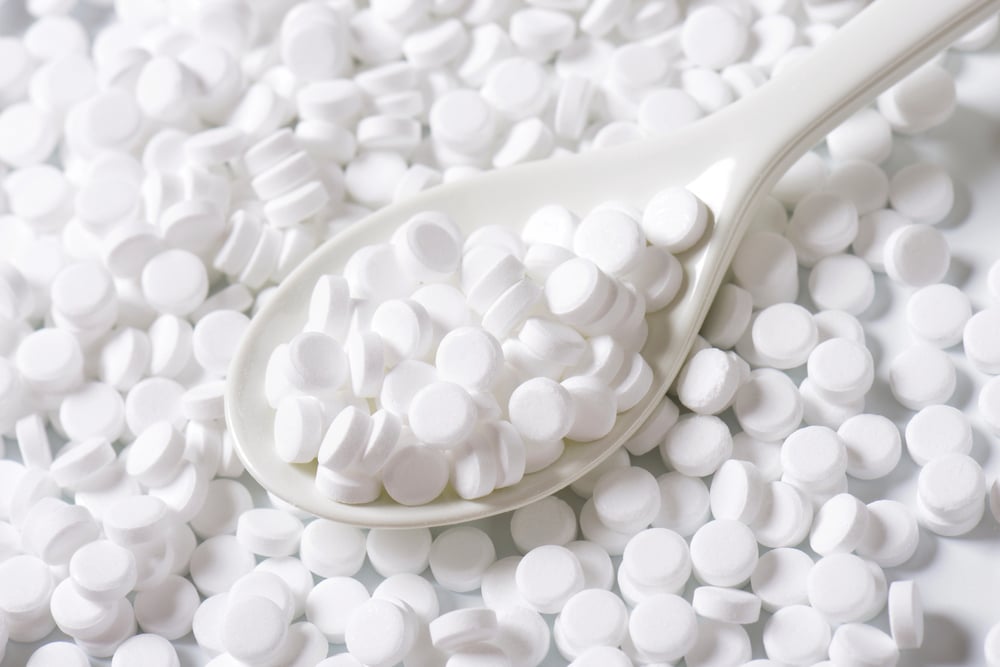
Chemist Constantin Fahlberg forgot to wash his hands before dinner in 1879 and noticed his food tasted oddly sweet. He traced the sweetness back to his lab chemicals and discovered saccharin—the first artificial sweetener.
It changed how people sweetened their food, giving an alternative to sugar long before diet trends took off. Saccharin paved the way for the many sweeteners we use today, impacting everything from soda to diet products.
Like Go2Tutors’s content? Follow us on MSN.
Pacemaker
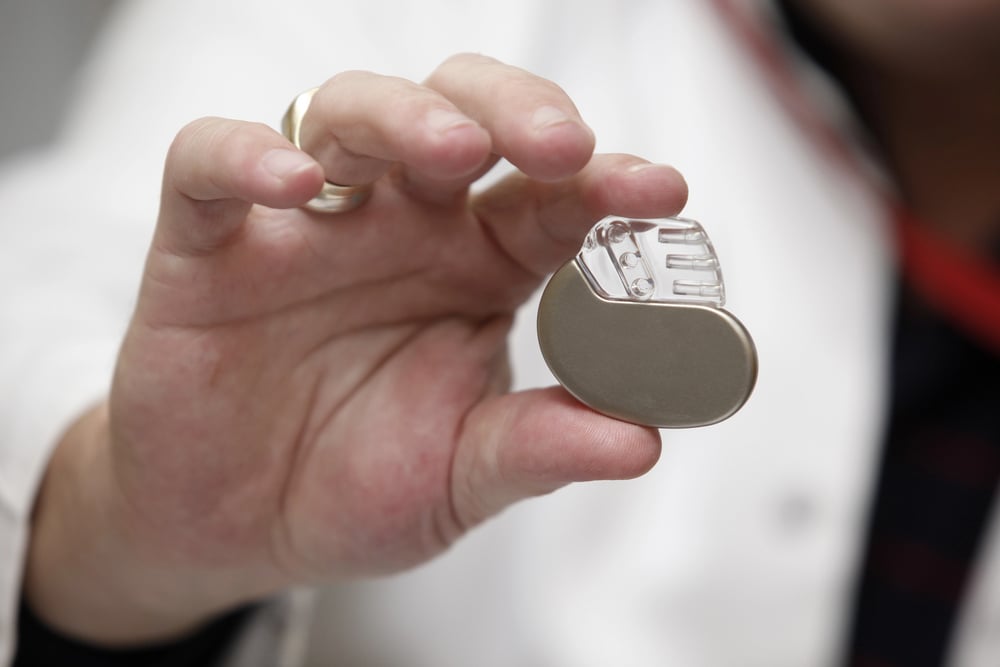
While building a heart rhythm device in 1956, Wilson Greatbatch accidentally put in the wrong resistor. Instead of a failure, the device started sending electrical pulses mimicking a heartbeat.
This mistake became the first implantable pacemaker, a lifesaver for millions with irregular heartbeats. Pacemakers have since evolved but still owe their existence to that lucky error in the lab.
Plastic
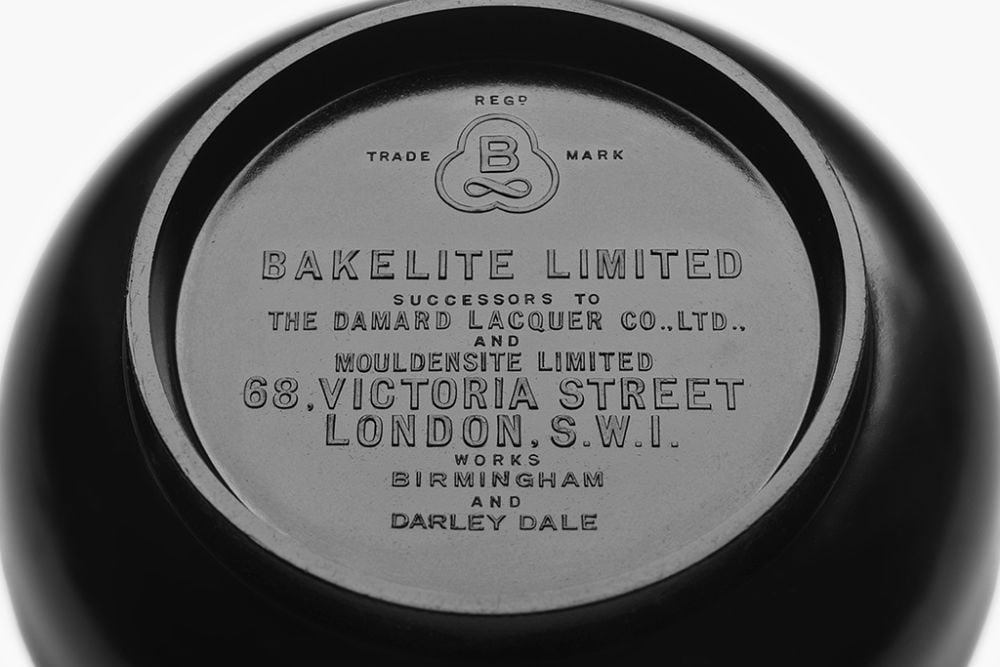
Leo Baekeland tried to create a synthetic shellac substitute in 1907 but ended up inventing Bakelite—the first fully synthetic plastic. Tough and heat-resistant, it revolutionized manufacturing and set the stage for the plastic-filled world we live in today.
Without it, modern gadgets and everyday objects might look very different. Bakelite’s invention kickstarted the plastics industry, shaping everything from electronics to household goods.
Radioactivity
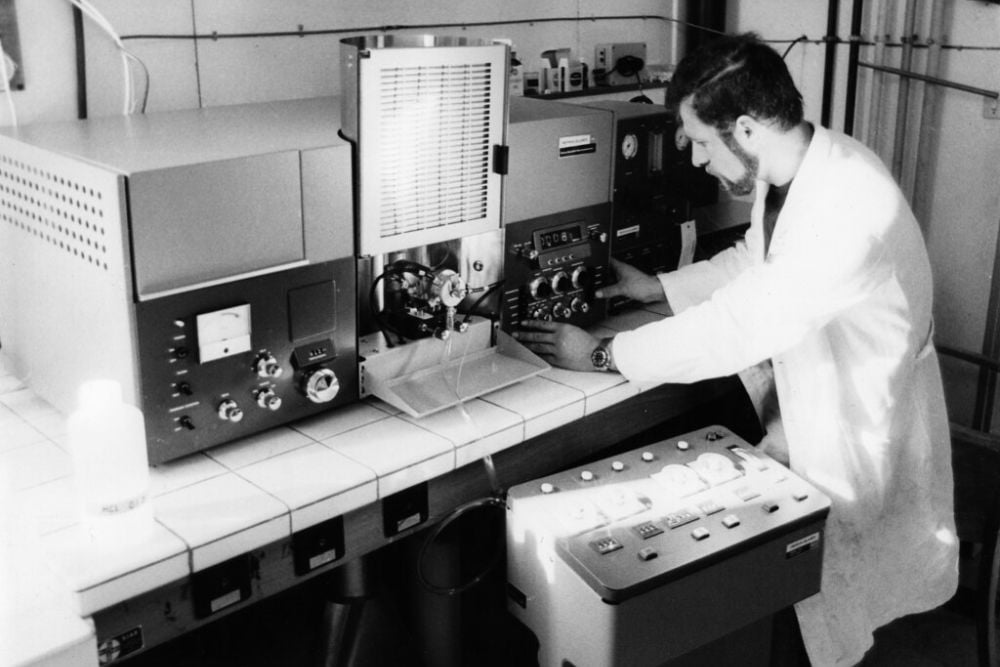
Henri Becquerel was studying phosphorescence in 1896 when uranium salts unexpectedly exposed photographic plates without light. This strange effect turned out to be radioactivity, a discovery that transformed physics and medicine, leading to new ways to treat illnesses and understand atomic energy.
Radioactivity’s discovery opened doors to nuclear power and radiation therapy that are still critical today.
Like Go2Tutors’s content? Follow us on MSN.
Insulin
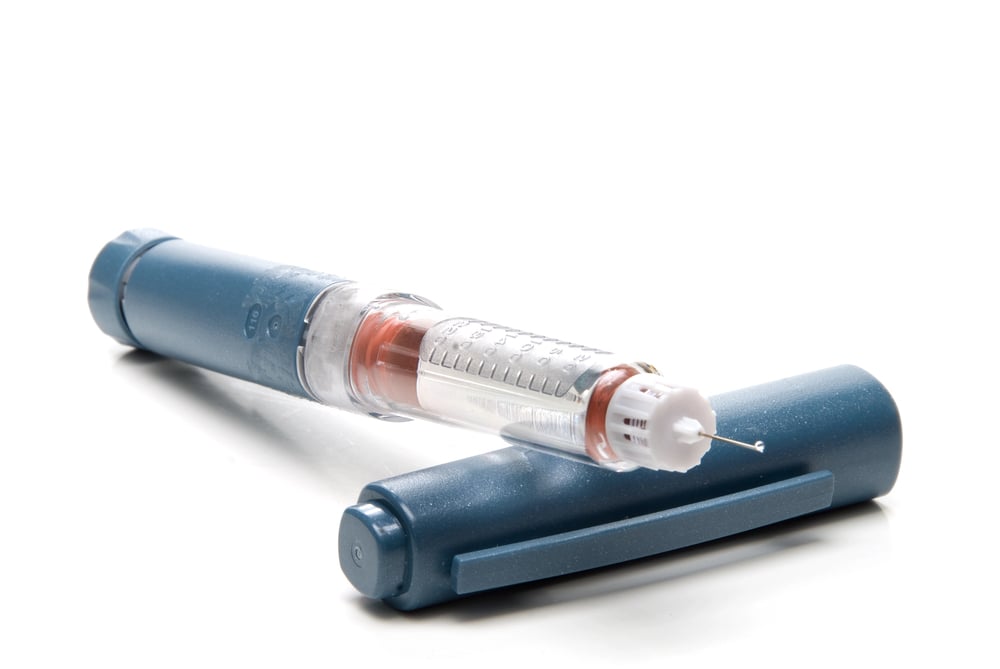
Though the discovery of insulin in 1921 was planned research, Frederick Banting and Charles Best found the best way to extract it during their experiments by chance. This breakthrough turned diabetes from a deadly disease into one that could be managed, changing millions of lives.
Insulin therapy remains a cornerstone in managing diabetes worldwide.
LSD
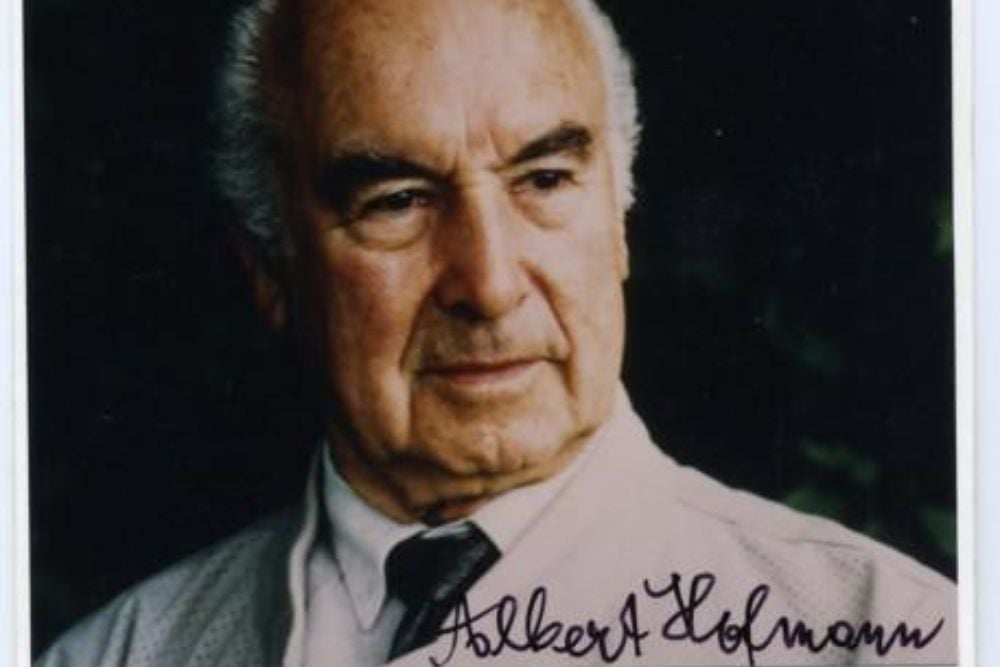
Albert Hofmann first made LSD in 1938 but didn’t realize its effects until 1943 when he accidentally absorbed some through his skin. The vivid hallucinations that followed opened up new research into psychedelics and had a lasting impact on mental health studies and culture.
LSD’s discovery also challenged scientific views on consciousness and perception.
Vulcanized Rubber
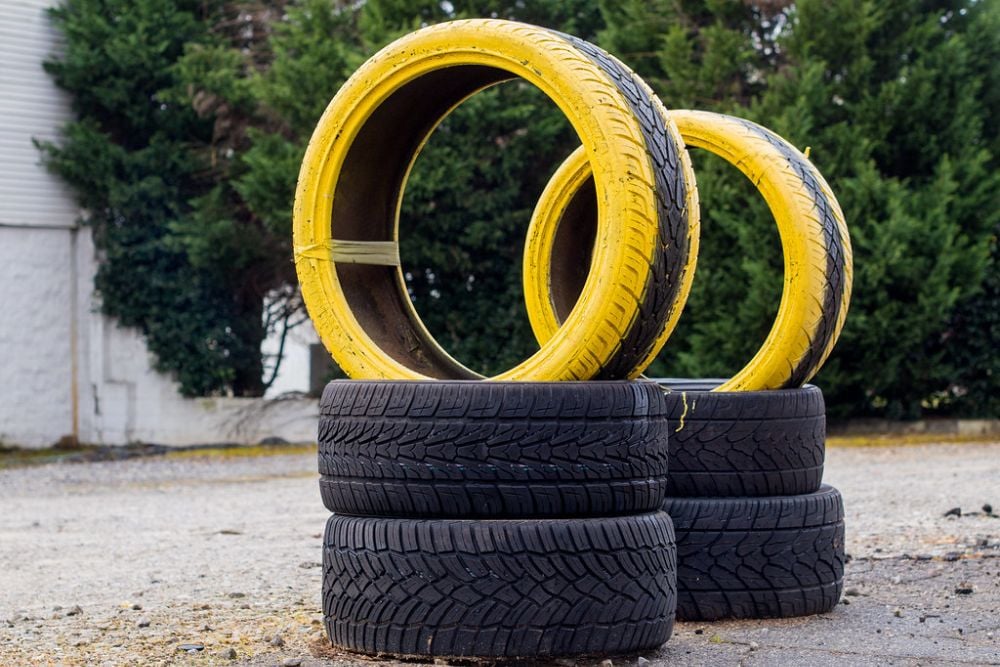
Charles Goodyear’s rubber-sulfur mix accidentally dropped on a hot stove in 1839 turned into vulcanized rubber. This tougher, more elastic material changed industries like tires and waterproof gear, proving that mistakes can sometimes make things much better.
Vulcanization is still the foundation for many rubber products used every day.
Like Go2Tutors’s content? Follow us on MSN.
Quinine
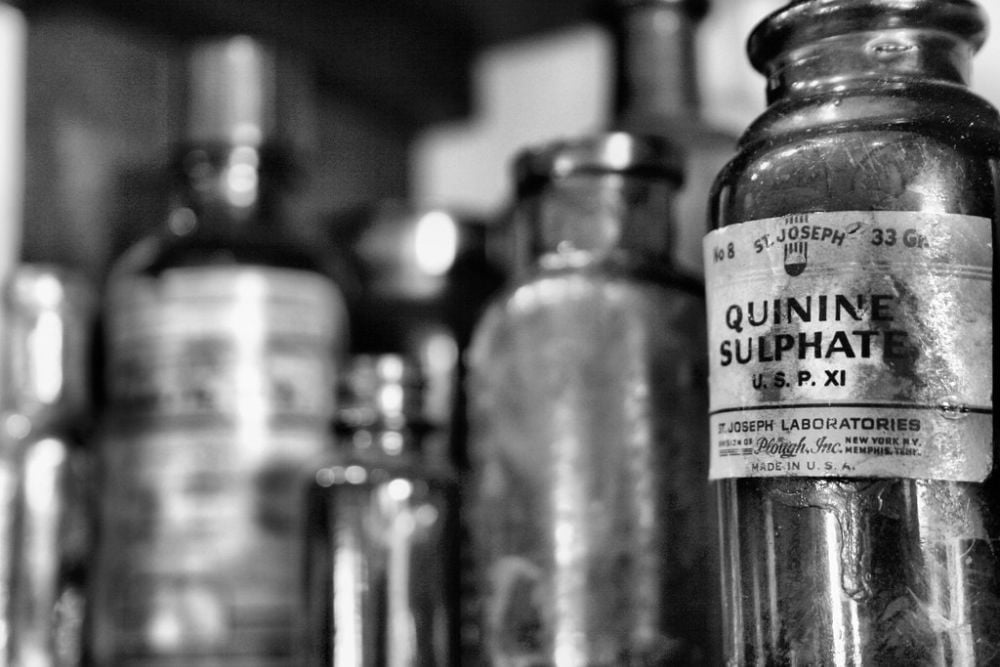
While indigenous peoples in South America had long used quinine to fight malaria, Europeans only discovered its powers accidentally during their explorations. This medicine saved countless lives, especially in tropical regions plagued by malaria.
Quinine was the first effective treatment for malaria and remains historically important in medicine.
When Chance Shapes Change
Science isn’t always a straight line. These accidental discoveries show how curiosity and luck often go hand in hand. Many of today’s essentials started as surprises—a reminder that being open to the unexpected can lead to some of the most important breakthroughs.
It’s a little humbling to think that so many game-changing ideas came from mistakes or randomness—but maybe that’s the point. Life rarely follows a neat plan, and neither does science. So next time you trip up or take a wrong turn, remember—some of the best discoveries have started exactly the same way.
More from Go2Tutors!

- 16 Historical Figures Who Were Nothing Like You Think
- 12 Things Sold in the 80s That Are Now Illegal
- 15 VHS Tapes That Could Be Worth Thousands
- 17 Historical “What Ifs” That Would Have Changed Everything
- 18 TV Shows That Vanished Without a Finale
Like Go2Tutors’s content? Follow us on MSN.